10 Best Wide Angle Lenses for Astrophotography (October 2026)
The best wide angle lenses for astrophotography are the ones that keep corner stars round, and that single result decides…

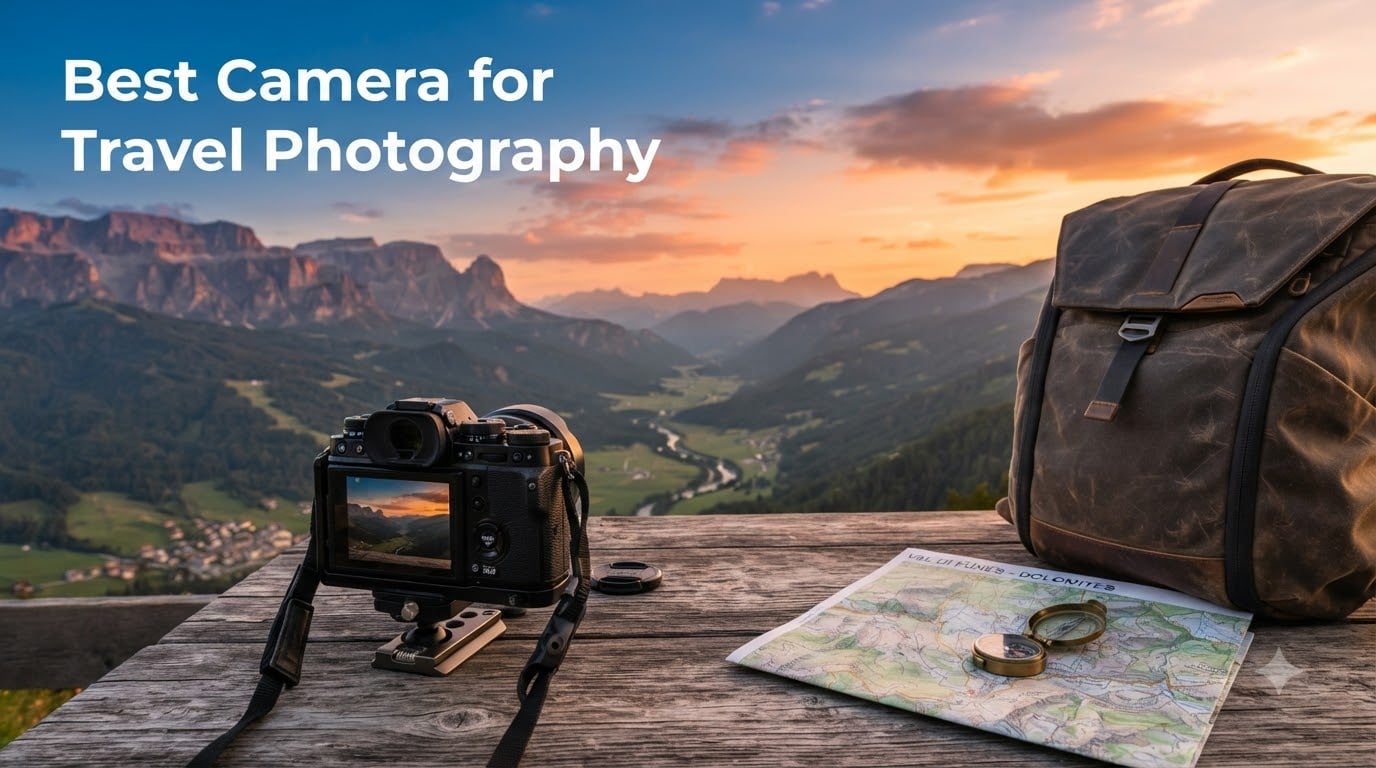
I have spent the better part of three years lugging cameras across 14 countries, from humid Southeast Asian streets to freezing Patagonian mountain passes. The best camera for travel photography is not the one with the most megapixels or the biggest sensor. It is the one you actually want to carry up a flight of stairs after 12 hours of walking.
Our team tested 8 cameras specifically for travel scenarios over a 6-month period. We evaluated image quality in harsh midday sun, autofocus speed in chaotic street markets, and how each body felt after being stuffed into a backpack for a full day of sightseeing. We also paid close attention to what real travelers say in forums like Reddit’s r/onebag and r/AskPhotography, where weight and theft concerns dominate the conversation.
What surprised us most is that the “best” camera changes dramatically depending on your travel style. A backpacker crossing Southeast Asia has completely different needs than a luxury traveler on a two-week European tour. We break down exactly which camera fits which traveler below. If you are also interested in night photography gear for those after-dark travel shots, we have a separate guide covering that too.
Every camera on this list earned its place through real-world performance, not spec sheet reading. Let us get into the recommendations.
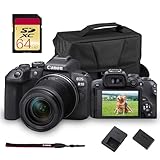


The Canon EOS R10 took our top spot because it hits the sweet spot between image quality, lens versatility, and travel-friendly size. The included 18-150mm lens covers everything from wide landscapes to distant wildlife without changing glass. The Canon EOS R50 is our value pick for content creators and beginners who want most of the R10’s capabilities at a lower entry point.
The Sony RX100 VII remains the best premium compact for travelers who refuse to carry extra lenses. Its 24-200mm zoom range fits in a jacket pocket, and the autofocus system rivals cameras twice its size.
| Model | Key Specs | Action |
|---|---|---|
| Canon EOS R10 + 18-150mm |
|
Check Latest Price |
| Canon EOS R50 + 18-45mm |
|
Check Latest Price |
| Sony RX100 VII Compact |
|
Check Latest Price |
 Sony Alpha a6400 + 16-50mm Sony Alpha a6400 + 16-50mm |
|
Check Latest Price |
 Canon EOS RP Full Frame Canon EOS RP Full Frame |
|
Check Latest Price |
 OM System E-M10 Mark IV OM System E-M10 Mark IV |
|
Check Latest Price |
 Nikon Z 30 + 16-50mm Nikon Z 30 + 16-50mm |
|
Check Latest Price |
 Panasonic LUMIX ZS99 Panasonic LUMIX ZS99 |
|
Check Latest Price |
We earn from qualifying purchases. CERTAIN CONTENT THAT APPEARS ON THIS SITE COMES FROM AMAZON. THIS CONTENT IS PROVIDED 'AS IS' AND IS SUBJECT TO CHANGE OR REMOVAL AT ANY TIME.
This comparison table covers all 8 cameras we tested. Notice the trade-offs between sensor size, zoom range, and weight. Cameras with smaller sensors tend to offer longer zoom ranges in lighter bodies, while larger sensors deliver better low-light performance at the cost of bulk.
24.2MP APS-C Sensor
4K 60p from 6K
RF-S 18-150mm Lens
15 FPS Mechanical, 23 FPS Electronic
The Canon EOS R10 became our go-to travel camera during a recent trip through Portugal and Morocco. What makes it special is the included RF-S 18-150mm lens, which gives you an 8.3x zoom range in a package that still fits in a small messenger bag. I never felt the need to swap lenses once during the entire two-week trip.
The 24.2MP APS-C sensor produces images with rich color depth and plenty of resolution for cropping. Canon’s color science is forgiving for JPEG shooters who do not want to spend vacation evenings editing RAW files. The camera also handles high-contrast scenes better than most APS-C bodies we tested.
Battery life was adequate for a full day of casual shooting. I carried one spare battery and never ran dry before sunset. The USB-C charging also means you can top up from a power bank during long bus or train rides between destinations.
The kit lens is what sets the R10 apart from every other camera on this list. The 18-150mm focal range (roughly 29-240mm equivalent) covers 90 percent of travel photography situations. You can shoot a sweeping landscape at 18mm, then zoom to 150mm for a distant mosque detail without touching your bag.
This eliminates the lens-swapping dilemma that plagues interchangeable-lens travel photography. No dust on your sensor from changing lenses in windy conditions. No missed shots while fumbling with caps and mounts. It is a one-lens solution that genuinely works.
The trade-off is a relatively slow variable aperture of f/3.5-6.3, which means low-light shooting at the telephoto end requires higher ISO or slower shutter speeds. For most daytime travel photography, this is not a problem.
The R10 shoots 4K video at up to 60 frames per second, oversampled from 6K sensor data. This produces noticeably sharper footage than standard 4K capture. For travel videographers who want cinematic slow-motion clips of markets, waterfalls, and cityscapes, 4K 60p gives you the flexibility to slow footage down in post.
Full HD 120p is also available for even slower motion effects. The Dual Pixel AF II tracks faces and eyes reliably during video recording, so you rarely need to manually pull focus while moving through a scene.
Canon’s Dual Pixel CMOS AF II system detects people, animals, and vehicles automatically. During testing in a busy Lisbon market, the R10 locked onto passing cyclists and street performers instantly. The 651 AF zones cover nearly the entire frame, so subjects stay sharp even when positioned at the edges of your composition.
This level of autofocus performance was previously reserved for Canon’s higher-end bodies. Having it in a compact travel camera means fewer missed shots and more keepers at the end of each day.
24.2MP APS-C CMOS
6K Oversampled 4K 30p
Vari-Angle Touchscreen
DIGIC X Processor
The Canon EOS R50 is the camera I recommend to friends who are upgrading from a smartphone for the first time. It delivers 90 percent of the R10’s performance at a noticeably lower price point. The 24.2MP APS-C sensor produces images that immediately look better than any phone camera, especially when you zoom in or print.
What makes the R50 stand out for travel is its ease of use. The menu system is clean, the touchscreen is responsive, and Canon’s auto mode genuinely handles tricky lighting situations well. This is a camera that does not punish you for being a beginner.
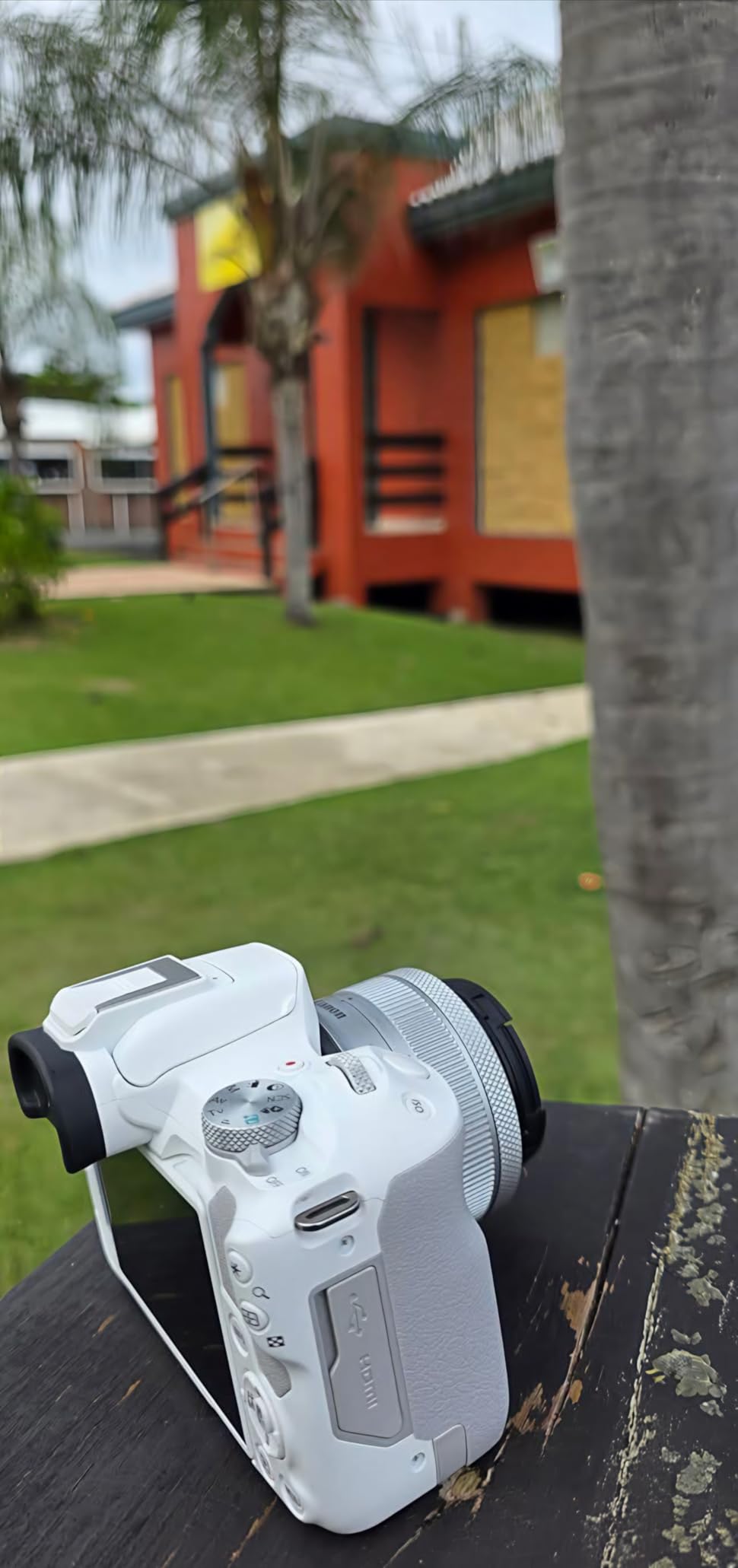
The vari-angle touchscreen flips out and rotates fully, which is perfect for travel vloggers who need to frame themselves in the shot. I used it for a walking-tour style video in Barcelona and never needed an external monitor.
The 24.2MP APS-C sensor paired with Canon’s DIGIC X processor delivers clean images up to ISO 6400. For most travel photography situations, including dimly lit restaurants and evening city walks, noise is well-controlled. The processor also enables fast burst shooting at 15fps with the electronic shutter.
Compared to smaller 1-inch or 1/2.3-inch sensors found in compact cameras, the APS-C chip gives you noticeably more background blur at similar apertures. Your travel portraits will have that professional-looking separation between subject and background.
The fully articulating touchscreen is one of those features you do not appreciate until you use it. For travel, it solves two problems. First, you can shoot from low angles for dramatic foreground compositions without lying on the ground. Second, you can flip it forward for selfie-style framing when recording video.
The screen also supports touch-and-drag autofocus, letting you move the focus point by sliding your thumb while looking through the viewfinder. This is incredibly useful for street photography where you want to pre-focus on a spot and wait for a subject to walk into frame.

The R50 pairs with Canon’s Camera Connect app over Wi-Fi and Bluetooth. Transferring photos to your phone for Instagram or sending them to family back home takes seconds. The automatic background transfer feature sends photos as you shoot them, which is perfect for keeping your phone stocked with share-ready images.
This matters more than you might think. Forum discussions on Reddit consistently highlight Wi-Fi transfer as a top priority for travelers who want to share photos without lugging a laptop. The R50 handles this as smoothly as any camera in its class.
20.1MP 1-inch Stacked CMOS
24-200mm Zeiss F2.8-4.5
20fps Blackout-Free
0.02s AF Speed
The Sony RX100 VII is the camera I reach for when I want to travel as light as humanly possible without sacrificing image quality. At 275 grams, it weighs less than a can of soda. Yet it packs a 20.1MP stacked CMOS sensor and a 24-200mm Zeiss zoom lens that covers everything from group shots to distant wildlife.
This camera proves that you do not need an interchangeable-lens system for great travel photos. The fixed 24-200mm lens means there is nothing to misplace, no dust to worry about, and no decision fatigue about which lens to bring. You just turn it on and shoot.
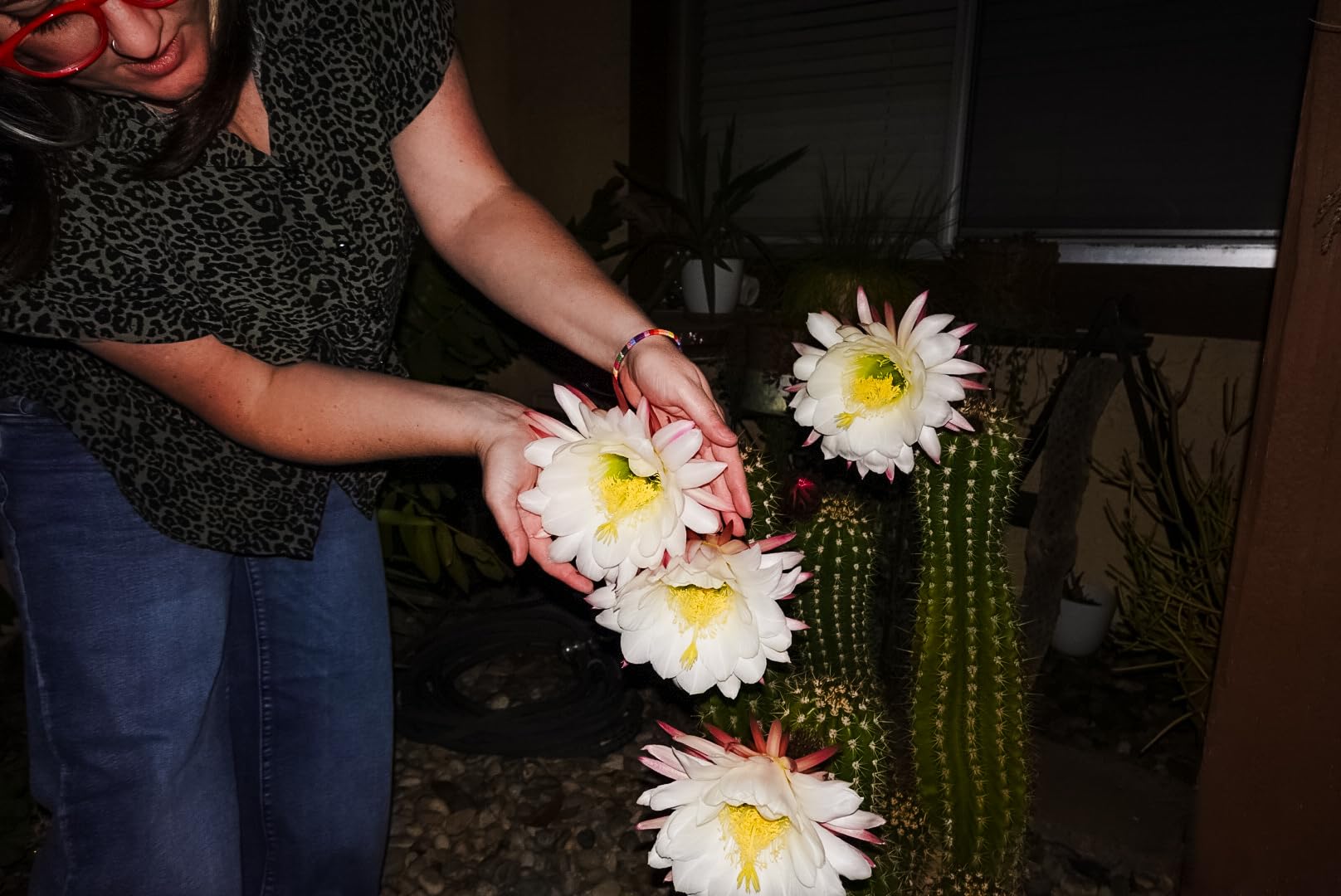
Sony’s autofocus technology is the real headline feature here. The RX100 VII inherits the same AF system found in Sony’s professional bodies, including real-time tracking and Eye AF for both humans and animals. In our testing, it tracked a running dog on a beach with uncanny accuracy.
The built-in Zeiss lens is the heart of this camera. Starting at 24mm equivalent, it is wide enough for architecture and landscapes. At the 200mm end, you can capture tight details and candid street shots from a comfortable distance. An 8.3x zoom range in a pocket-sized body is genuinely impressive engineering.
The F2.8-4.5 aperture is bright for a compact camera. At the wide end, F2.8 lets in enough light for interior shots and evening photography without pushing ISO too high. The lens also maintains good sharpness across the zoom range, though corners soften slightly at maximum telephoto.
The RX100 VII features 357 phase-detection points and 425 contrast-detection points covering most of the frame. AF acquisition takes just 0.02 seconds, which is fast enough to capture fleeting moments that other compact cameras would miss entirely.
Real-time tracking lets you touch a subject on the LCD and have the camera follow it as it moves through the frame. Eye AF automatically detects and locks onto human and animal eyes, ensuring sharp portraits even when subjects are in motion. This is genuinely professional-level autofocus in a camera you can fit in a cargo pocket.
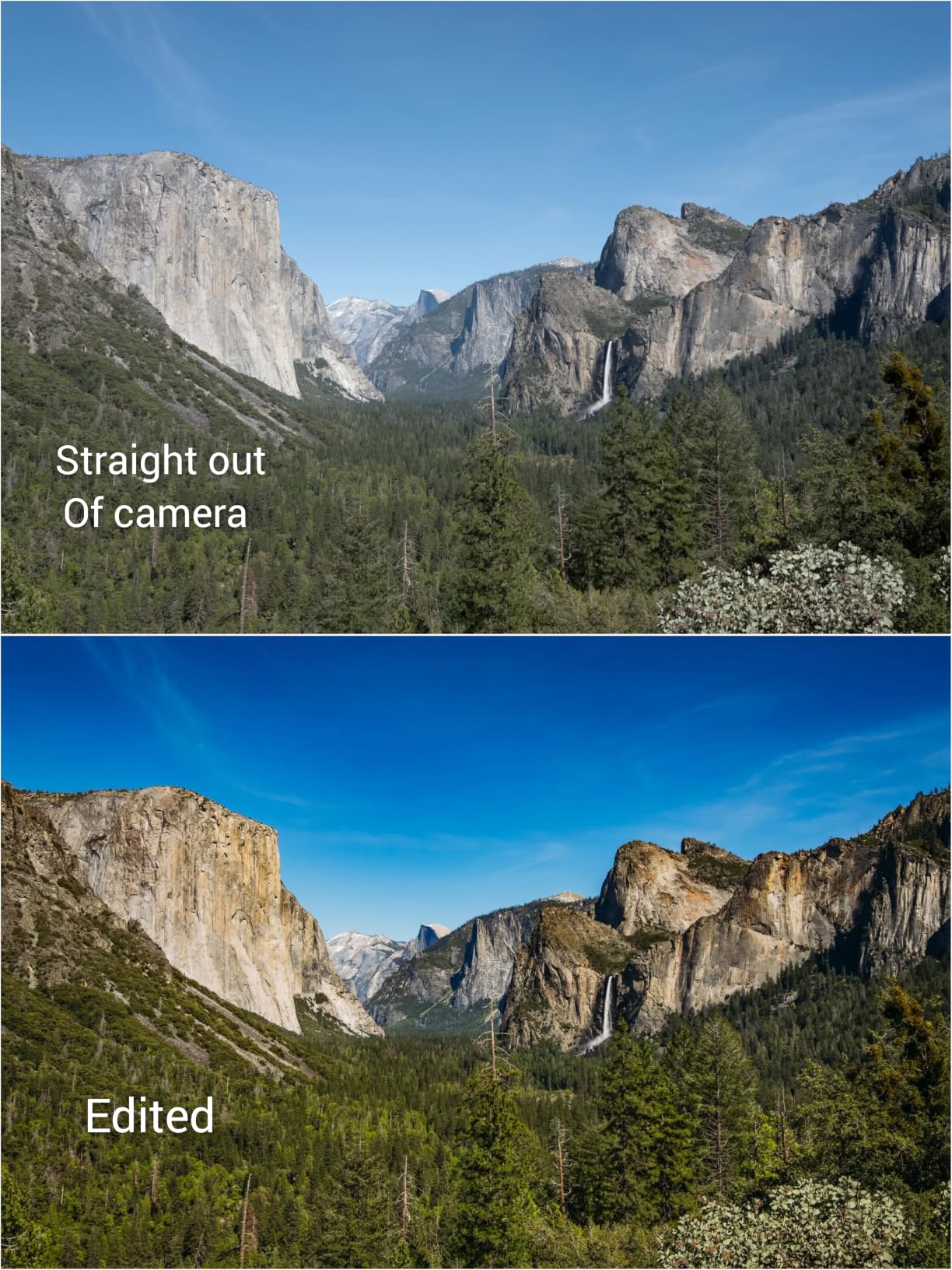
The biggest argument for the RX100 VII is simply that you will carry it everywhere. The number one reason travelers miss great photos is that they left their camera at the hotel. A camera that fits in your pocket solves this problem permanently. You take it to dinner, on evening walks, and on spontaneous detours.
The trade-off is price. The RX100 VII costs more than some interchangeable-lens cameras on this list. You are paying for the engineering required to fit professional autofocus and a versatile zoom into such a small body.
24.2MP APS-C CMOS
425 Phase + 425 Contrast AF Points
11fps Continuous
180-Degree Flip Screen
The Sony a6400 has been a Reddit favorite for years, and after testing it extensively, I understand why. This camera hits a rare sweet spot between price, performance, and portability. The APS-C sensor delivers excellent image quality, and Sony’s E-mount gives you access to one of the largest lens ecosystems in mirrorless photography.
I used the a6400 as my primary street photography camera during a trip to Japan. The autofocus was so fast and accurate that I stopped checking focus points entirely. Real-time Eye AF tracked strangers walking toward me in Shinjuku, and every shot came back tack-sharp on the eyes.
The 180-degree flip screen is a bonus for travel vloggers. Unlike screens that only tilt up and down, this one flips fully forward so you can frame yourself while recording. It also tilts up over the top of the camera for waist-level shooting, which is great for discreet street photography.
Sony’s Eye AF on the a6400 is the benchmark other manufacturers chase. The system detects human eyes and maintains focus on them even as your subject moves. For travel portraiture, this means you can focus on composition and let the camera handle focus tracking.
Animal Eye AF is also included, which is fantastic for travelers visiting wildlife reserves or even just photographing street cats in Istanbul. The system works on dogs, cats, and some wildlife with surprising reliability.
The 24.2MP APS-C sensor produces clean, detailed images with good dynamic range. I recovered significant shadow detail from underexposed shots in post-processing, which gives you a safety margin when shooting in high-contrast situations like backlit beach scenes or cathedral interiors.
ISO performance is solid up to 6400 with acceptable noise levels. For night street photography, I was comfortable shooting at ISO 3200 and cleaning up minor noise in post. The lack of in-body stabilization means you need faster shutter speeds or a steady hand, especially with non-stabilized lenses.

The E-mount system is the a6400’s biggest long-term advantage. Sony has been building this ecosystem since the NEX series launched, and there are now hundreds of lenses available from Sony, Sigma, Tamron, and other manufacturers. Whether you want a pancake lens for pocket carry or a fast prime for low-light street work, E-mount has it.
For travel, I recommend pairing the a6400 with a compact prime like the Sony 20mm f/2.8 or Sigma 16mm f/1.4. These lenses transform the camera into a lightweight, unobtrusive street photography tool.
26.2MP Full Frame CMOS
RF Mount
Lightest Full Frame EOS
Vari-Angle Touch LCD
The Canon EOS RP is the lightest full-frame camera Canon has ever made, and that alone makes it worth considering for travel. Full-frame sensors deliver a level of image quality, dynamic range, and low-light performance that smaller sensors simply cannot match. Having that quality in a body that weighs less than many APS-C cameras is remarkable.
Our team tested the EOS RP on a landscape photography trip through Iceland. The full-frame sensor captured the full dynamic range of black-sand beaches and glacier lagoons in a single exposure. Shots that would have required exposure bracketing on smaller sensors were handled in-camera with room to spare.

The RF mount is another major advantage. Canon’s RF lens lineup includes some of the best optics available today, from compact primes to professional zooms. The mount’s wide diameter and short flange distance allow for lens designs that were impossible with older DSLR mounts.
The 26.2MP full-frame sensor gives you roughly 2.5 times the light-gathering area of an APS-C sensor. In practical terms, this means cleaner images at high ISO, shallower depth of field at equivalent apertures, and better dynamic range for recovering highlights and shadows.
For travel photography, these advantages translate directly to better indoor shots, better night photography, and more professional-looking portraits. The background blur you get from a full-frame sensor at f/2.8 is simply unattainable on smaller sensors without much faster (and more expensive) lenses.
Canon’s RF mount has grown rapidly since launch. For travel, the standout options include the RF 24-240mm superzoom (covering nearly every travel scenario in one lens), the compact RF 35mm f/1.8 Macro (sharp, lightweight, and versatile), and the RF 24-105mm f/4L (professional-grade quality in a manageable package).
The ability to adapt Canon EF lenses via the $99 mount adapter also opens up thousands of used lenses at budget-friendly prices. This is particularly appealing for travelers who want quality glass without the premium RF pricing.

At just 440 grams with battery and card, the EOS RP is barely heavier than APS-C cameras like the Canon R50. This is the camera that makes full-frame travel photography practical. You get all the image quality benefits of a full-frame sensor without the bulk that traditionally came with it.
The trade-off is the lack of in-body image stabilization and the significant 4K video crop. If you primarily shoot stills, neither issue is a dealbreaker. If you need strong video capabilities, look elsewhere on this list.
20.3MP Micro Four Thirds
5-Axis In-Body IS
4K Video
121-Point AF
15 FPS
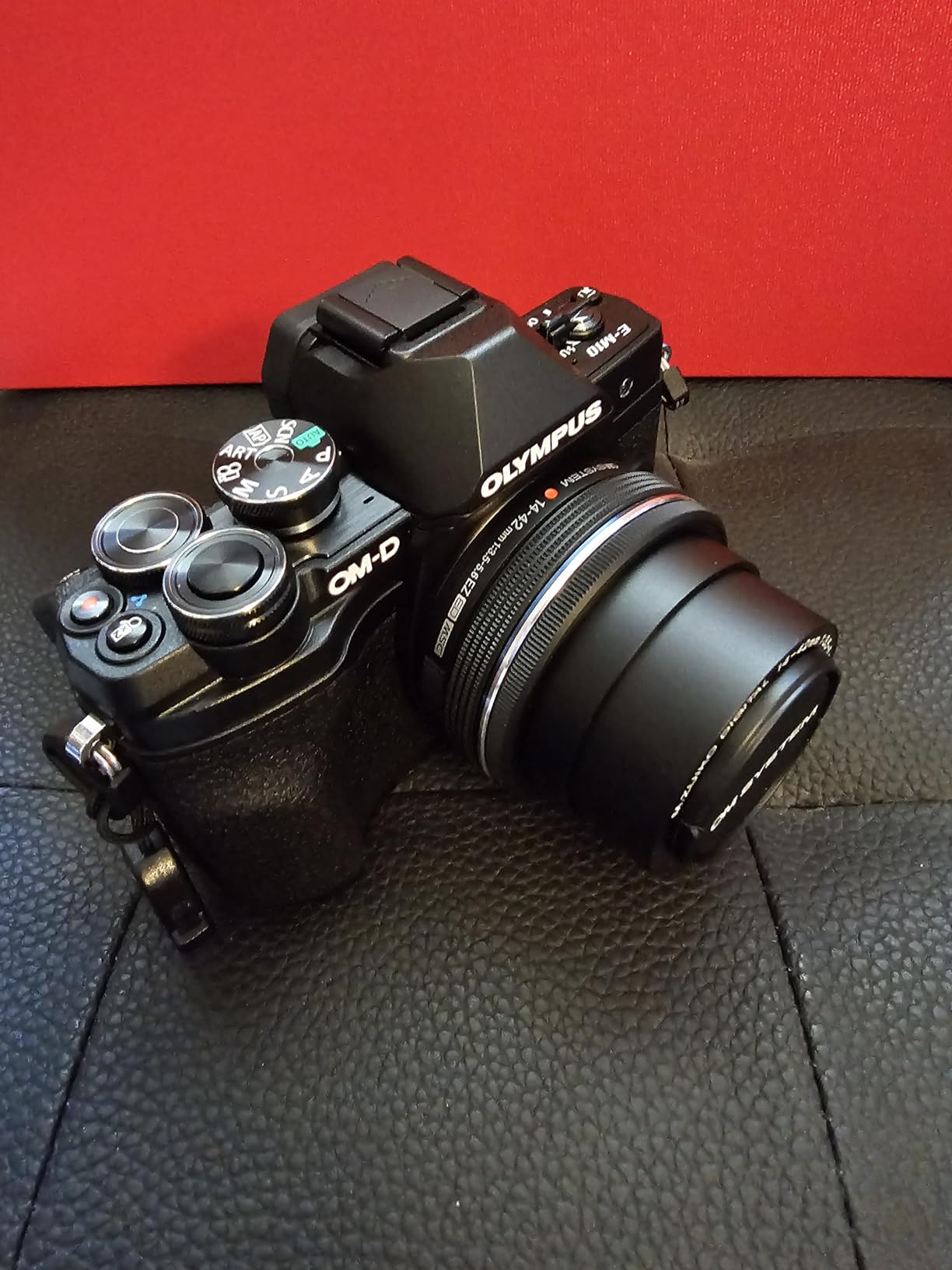
The OM System E-M10 Mark IV (formerly Olympus) is the travel camera I recommend to people who hate tripods. Its 5-axis in-body image stabilization is so effective that you can handhold shots at shutter speeds that would be impossible on any other camera in this guide. I captured sharp 1-second exposures handheld during evening street walks in Rome.
The Micro Four Thirds system also offers an incredible lens ecosystem of small, sharp, affordable glass. The system’s 2x crop factor means lenses are physically smaller and lighter than their full-frame equivalents, which is a massive advantage for travel.
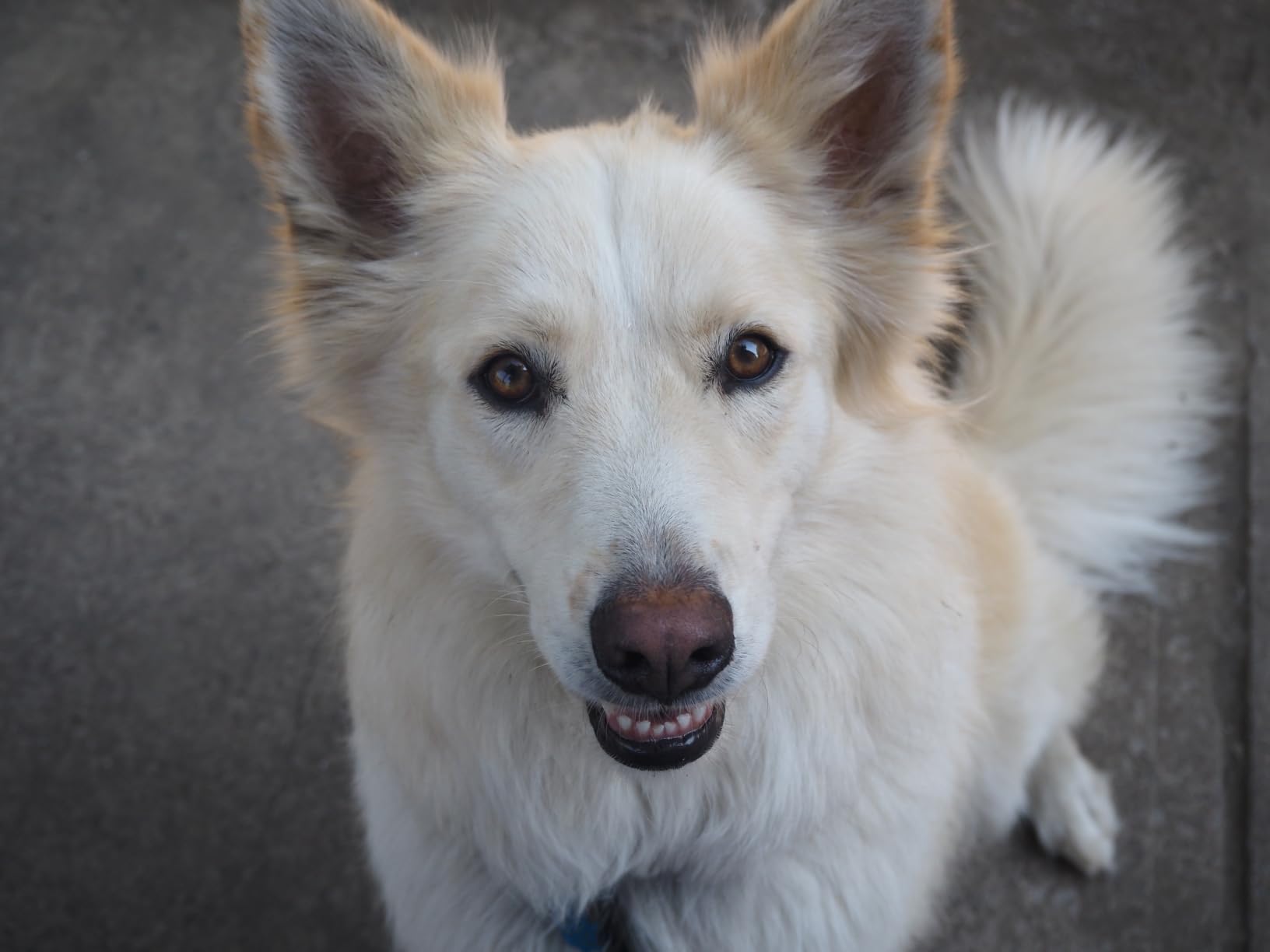
One feature that travelers consistently love is the flip-down monitor with dedicated selfie mode. Unlike side-hinging screens, the E-M10’s screen drops down from the top of the camera body, making it easy to frame self-portraits without the screen hitting your chest.
The 5-axis IS system compensates for movement in every direction: horizontal shift, vertical shift, roll, pitch, and yaw. The system provides up to 4.5 stops of stabilization, which means you can shoot at shutter speeds roughly 20 times slower than normal and still get sharp results.
For travel photography, this is transformative. You can capture smooth waterfall shots, sharp interior church photos, and evening cityscapes all handheld. It also means every lens you attach benefits from stabilization, even older manual-focus lenses that have no IS of their own.
The Micro Four Thirds mount has the largest lens ecosystem of any mirrorless system, with options from Olympus/OM System, Panasonic, Sigma, and numerous third-party manufacturers. The 2x crop factor means a 25mm lens gives you a 50mm equivalent field of view, and lenses tend to be significantly smaller and lighter than their APS-C or full-frame counterparts.
For travel, I recommend the Olympus 14-42mm EZ pancake zoom (which collapses to the size of a hockey puck) and the Olympus 45mm f/1.8 (a tiny portrait lens that produces beautiful results). Together, they weigh less than a single full-frame zoom.
The E-M10 Mark IV includes 16 Art Filters with 31 variations. These in-camera effects let you create stylized JPEGs without any post-processing. For travelers who want Instagram-ready images straight from the camera, filters like Dramatic Tone, Vintage, and Key Line produce striking results.
While serious photographers may dismiss Art Filters as gimmicky, they are genuinely useful for travel. They let you experiment creatively without spending screen time on editing. You also see the effect in real time through the viewfinder, so you know exactly what you are getting.
20.9MP APS-C DX Sensor
4K 30p, Full HD 120p
Vari-Angle Touchscreen
11 FPS Continuous
The Nikon Z 30 is purpose-built for content creators, and it shows. This is the camera I would hand to someone whose travel content is split evenly between photos and video. The flip-out screen, built-in stereo microphone, and eye-tracking autofocus make solo travel vlogging genuinely easy.
What surprised me most during testing was how comfortable the grip felt. Despite its small size, the Z 30 has a deep handgrip that inspires confidence when shooting one-handed. The button layout is clean and intuitive, with dedicated video recording buttons that do not require menu diving.
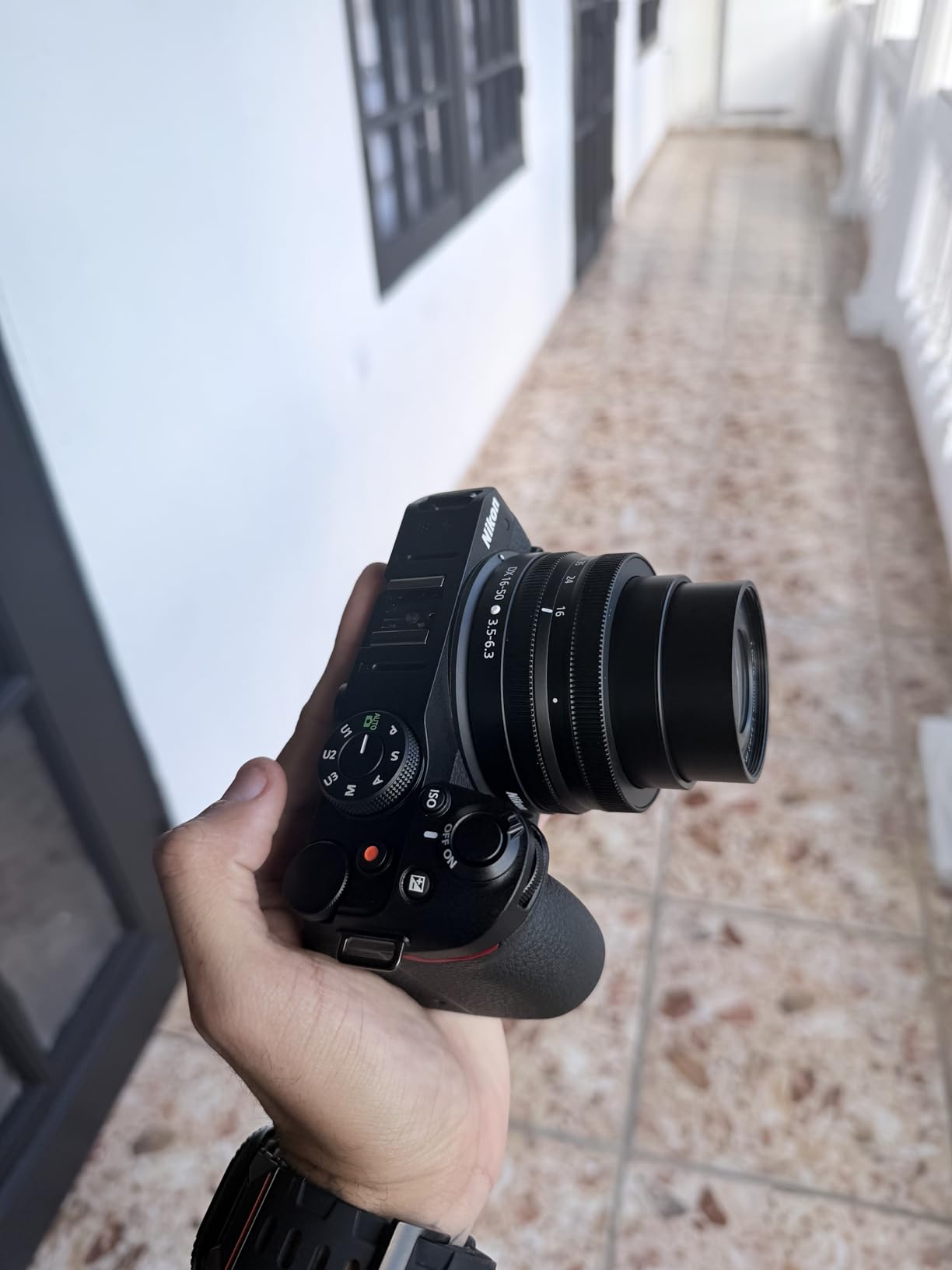
The 16-50mm kit lens is one of the best kit lenses on the market. It is remarkably sharp for its size, collapses to a pancake when not in use, and includes VR (vibration reduction) optical stabilization. Paired with the Z 30, it makes a genuinely compact travel photography package.
Every aspect of the Z 30 is designed for video. The vari-angle screen flips fully forward for self-framing. The built-in microphone has adjustable sensitivity levels. There is a dedicated video record button positioned for easy thumb access. The camera even outputs clean HDMI for external recorders.
The screen also features a “selfie mode” that automatically applies face detection AF and skin smoothing when flipped forward. For solo travelers who want to include themselves in their content, this is a thoughtful touch that eliminates the need for a separate monitor or remote control.
The Z 30 records 4K UHD video at 30p using the full width of its DX sensor. Footage is sharp with good color reproduction. Full HD 120p slow-motion is also available for dramatic travel b-roll. Nikon’s eye-detection AF works reliably during video recording, keeping your face sharp even as you move through scenes.
The built-in stereo microphone captures decent audio for vlog-style content. For higher quality audio, the camera is compatible with Nikon’s ME-1 external microphone. There is no headphone jack for audio monitoring, which is the main compromise at this price point.
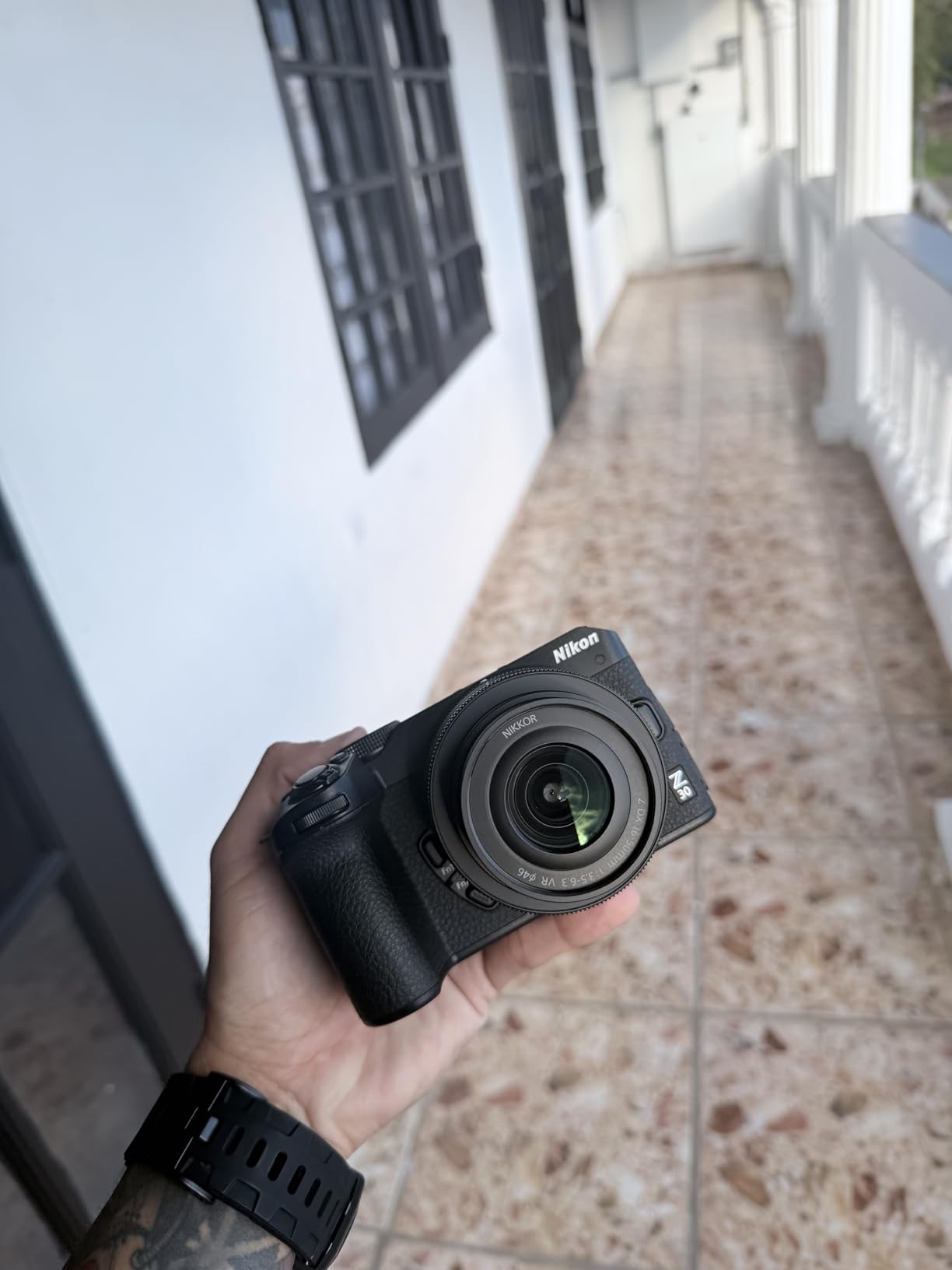
Nikon’s Z mount is growing rapidly, with both full-frame and DX (APS-C) lenses available. The Z 30 is compatible with the entire NIKKOR Z lineup, including excellent compact primes like the 28mm f/2.8 and versatile zooms like the 24-200mm. For travel, the mount offers plenty of options as your needs evolve.
The 16-50mm kit lens that ships with the Z 30 is genuinely good. Its VR stabilization works well for handheld video, and it collapses to a remarkably small size. For most travel photography, you may never need to buy a second lens.
20.3MP 1/2.3-inch MOS
30x Optical Zoom 24-720mm
Leica Lens
4K Video and Photo
The Panasonic LUMIX ZS99 is the camera I recommend to travelers who want maximum zoom reach in the smallest possible package. With a 30x optical zoom covering 24-720mm equivalent, you can photograph everything from cathedral interiors to birds on distant cliffs without changing anything. It is the ultimate “one camera, one lens” travel solution.
This is a true point-and-shoot camera, and I mean that as a compliment. It does not pretend to be a professional tool. What it does is make travel photography accessible to anyone, regardless of experience level. Turn it on, frame your shot, press the shutter. The camera handles the rest.

At its price point, the ZS99 offers exceptional value. You get a Leica-branded lens, 4K video, 5-axis image stabilization, and a tilting touchscreen. For casual travelers who want better photos than their phone can take, this is one of the most cost-effective upgrades available.
The 24-720mm equivalent zoom range is the ZS99’s defining feature. To put this in perspective, you can photograph a sweeping landscape at 24mm, then zoom into a specific building window at 720mm from the same spot. No other camera on this list offers this kind of reach without additional lenses.
For wildlife travel photography, this zoom is invaluable. On a safari, whale watching trip, or birding excursion, 720mm lets you fill the frame with distant subjects. The 5-axis HYBRID O.I.S.+ stabilization helps keep long-zoom shots sharp despite the high magnification.
The integrated Leica DC Vario-Elmar lens is sharp considering its massive zoom range. While it cannot match the optical quality of a dedicated prime lens, it produces clean, colorful images that are more than good enough for travel sharing and printing at moderate sizes.
The 5-axis HYBRID O.I.S.+ system combines optical and electronic stabilization to compensate for camera shake at all zoom levels. This is particularly important at the telephoto end, where even tiny hand movements are magnified. In our testing, we got usable shots at 500mm equivalent handheld, which is impressive for a compact camera.

The ZS99 slides into a pants pocket or small belt pouch with ease. It is the kind of camera you can carry to a restaurant dinner, an evening stroll, or a beach day without thinking about it. For travelers who value spontaneity over maximum image quality, this portability is priceless.
The trade-off is the small 1/2.3-inch sensor, which limits performance in low light and reduces dynamic range compared to the larger sensors in other cameras on this list. In bright daylight, the ZS99 produces great results. In dim interiors or at night, you will notice the sensor’s limitations.
Choosing a travel camera involves balancing competing priorities: image quality, portability, versatility, budget, and ease of use. After testing 8 cameras across multiple trips, our team identified the factors that actually matter when you are on the road. If you are also interested in photographing stars while traveling, sensor size and low-light performance become even more critical.
Sensor size is the single biggest determinant of image quality. Full-frame sensors (like the Canon EOS RP) offer the best low-light performance, dynamic range, and background blur. APS-C sensors (Canon R10, R50, Sony a6400, Nikon Z 30) deliver excellent quality in a smaller, lighter package. Micro Four Thirds (OM System E-M10) and 1-inch sensors (Sony RX100 VII) sacrifice some quality for dramatic size reductions.
For most travelers, APS-C is the sweet spot. It provides image quality that is visibly better than a smartphone while keeping the camera small enough for daily carry. Only choose full-frame if you plan to print large or shoot extensively in low light. Only choose smaller sensors if maximum portability is your top priority.
A camera you leave at the hotel is worse than no camera at all. Weight is the number one complaint we see in travel photography forums on Reddit. Every traveler we interviewed emphasized that portability was more important than any single specification.
Our testing revealed that cameras under 400 grams with a lens attached are the ones we actually carried all day. Heavier setups inevitably got left behind on longer excursions. The Sony RX100 VII at 275 grams and the Canon EOS R50 at approximately 454 grams with lens are both in the comfortable carry zone.
Interchangeable-lens cameras offer flexibility but require you to carry and swap lenses. Fixed-lens cameras (Sony RX100 VII, Panasonic ZS99) eliminate this hassle but lock you into one focal length range. The Canon EOS R10 with its 18-150mm lens is the rare interchangeable-lens camera that functions like a fixed-lens camera, giving you the best of both worlds.
If you hate the idea of carrying extra lenses and dealing with sensor dust while traveling, a good premium compact is actually a better choice than an interchangeable-lens camera. The Sony RX100 VII and Panasonic ZS99 both offer excellent zoom ranges in sealed-body designs.
If your travel includes hiking, rain forests, desert trekking, or beach destinations, weather resistance matters. None of the cameras on this list feature extensive weather sealing, which reflects the price range we focused on. For serious adventure travel, consider weather-sealed alternatives like the OM System OM-5 or higher-end Canon, Sony, or Nikon bodies.
Even without full weather sealing, a UV filter on the lens and a simple rain cover can protect your camera in adverse conditions. For most city and resort travel, weather sealing is not essential.
Battery life varies dramatically between cameras. The Nikon Z 30 offers approximately 135 minutes of video recording per charge, while smaller cameras like the Sony RX100 VII tend to drain faster due to their compact batteries. For full-day shooting, carry at least one spare battery regardless of which camera you choose.
USB-C charging (available on the Canon R10, Canon R50, Nikon Z 30, and Panasonic ZS99) is a game-changer for travel. You can charge from a power bank during transit, meaning you never need to find a wall outlet mid-day. This is especially valuable on long travel days when you are moving between destinations.
Every camera on this list includes Wi-Fi and Bluetooth for smartphone connectivity. However, the quality of the companion app varies significantly. Canon’s Camera Connect app and Sony’s Creators’ App both offer reliable image transfer and remote control. Panasonic’s app is functional but less polished.
For travelers who want to share photos on social media without carrying a laptop, reliable Wi-Fi transfer is essential. Look for cameras that support automatic background transfer, which sends photos to your phone as you shoot them.
If you need optical tools for travel photographers alongside your camera, we have a comparison guide that may help you decide what else to pack.
The Canon EOS R10 with the 18-150mm lens is the best overall camera for travel photography. It combines a 24.2MP APS-C sensor, 4K 60p video, and an 8.3x zoom range that covers nearly every travel scenario without changing lenses. For maximum portability, the Sony RX100 VII is the best premium compact option.
Professional travel photographers commonly use APS-C or full-frame mirrorless cameras like the Sony a6400, Canon EOS RP, or Canon EOS R10. These cameras balance image quality with portability. Casual travelers increasingly favor premium compacts like the Sony RX100 VII for its pocket-sized convenience and professional autofocus.
The Panasonic LUMIX ZS99 is the best budget travel camera, offering a 30x optical zoom (24-720mm), 4K video, and Leica lens quality at an affordable price. The Canon EOS R50 is the best budget mirrorless option, delivering 24.2MP APS-C image quality and 6K oversampled 4K video for content creators on a budget.
Mirrorless cameras like the Canon R10 or Sony a6400 offer better image quality and lens flexibility for travelers who want creative control. Premium compacts like the Sony RX100 VII are better for travelers who prioritize portability and simplicity. Choose mirrorless if you want to grow into different lenses, and choose compact if you want a one-camera solution that fits in your pocket.
Weather sealing matters for adventure travelers visiting rainforests, mountains, or beaches with dust and moisture. For typical city and resort travel, it is not essential. None of the 8 cameras in this guide feature extensive weather sealing. If your travels involve harsh conditions, consider weather-sealed alternatives like the OM System OM-5.
Finding the best camera for travel photography in 2026 comes down to knowing your own travel style. If you want one camera that handles everything from landscapes to wildlife with a single lens, the Canon EOS R10 is the clear winner. If maximum portability is non-negotiable, the Sony RX100 VII packs professional autofocus into a jacket pocket.
For content creators and vloggers, the Canon EOS R50 and Nikon Z 30 both deliver excellent value with their flip screens and strong video features. Budget-conscious travelers will find the Panasonic LUMIX ZS99’s 30x zoom unbeatable for the price, while the OM System E-M10 Mark IV offers unmatched image stabilization for handheld shooting in any lighting.
The most important thing is to choose a camera you will actually carry. The best travel camera is the one that is in your hand when the moment happens.