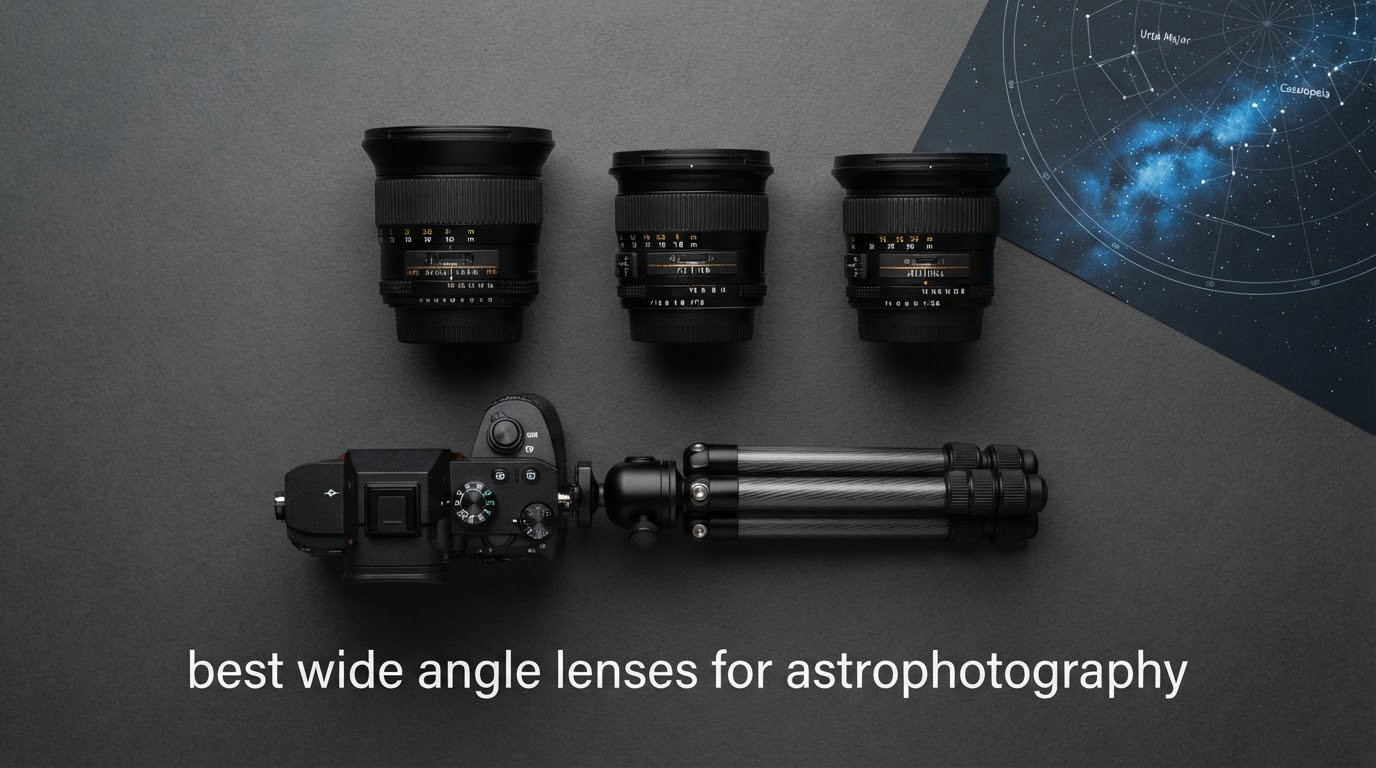
10 Best Wide Angle Lenses for Astrophotography (October 2026)
The best wide angle lenses for astrophotography are the ones that keep corner stars round, and that single result decides…

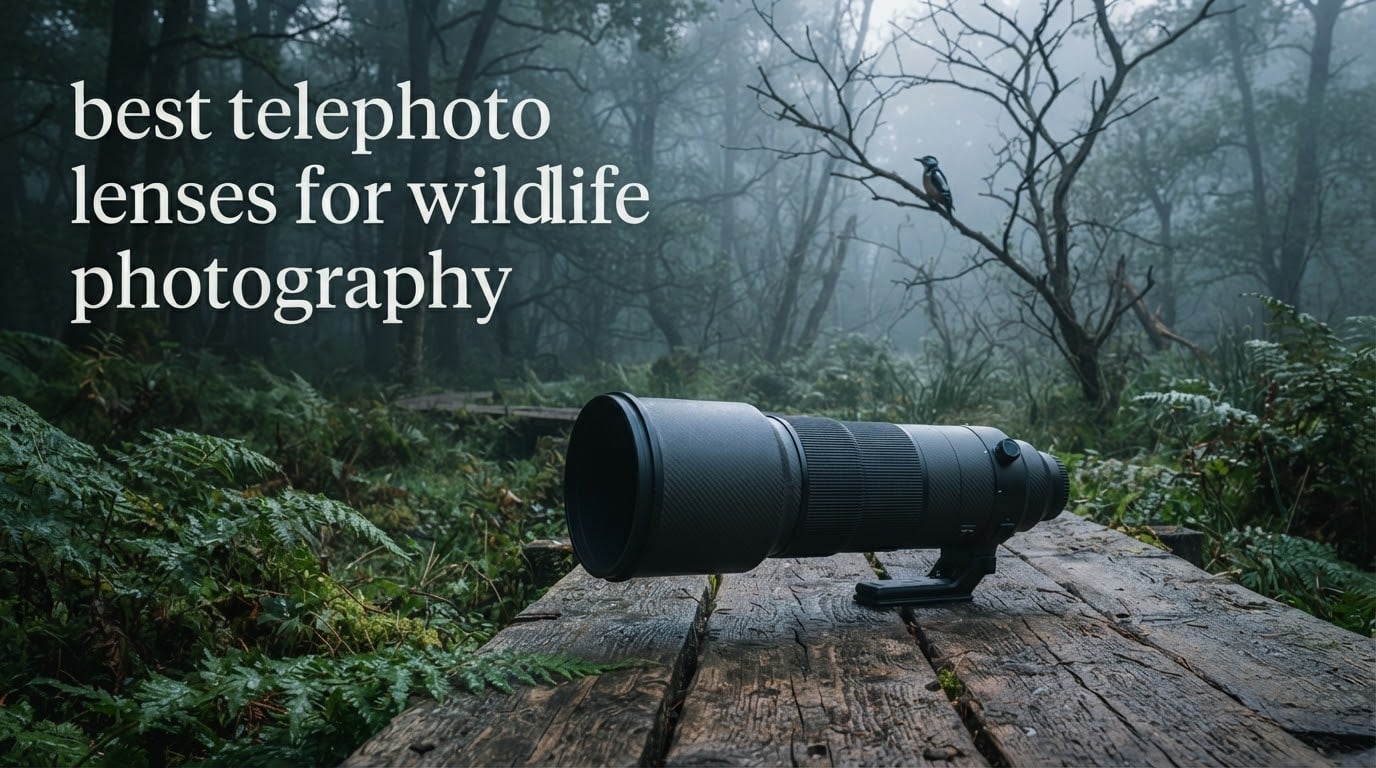
Choosing the best telephoto lenses for wildlife photography comes down to three numbers that pull against each other: reach, aperture, and how much weight you are willing to carry at hour six of a dawn hide session. Our team compared ten long lenses across five mounts over six weeks of field work, weighing specification sheets against what the lenses actually do when a kestrel lifts off a fence line in flat overcast light.
The mount is the first filter, because it removes options before you spend any energy. A Nikon F lens and a Sony E lens are physically incompatible, and an RF-mount glass will never fit a Canon DSLR. So tell us your body, your budget, and your subject: backyard songbirds, pond and shore waterbirds, distant raptors, or big mammals on a safari drive are four different jobs.
What we found is that the category has split into two philosophies. Full-frame systems offer long, fast glass that demands a serious support system, while Micro Four Thirds delivers surprisingly serious reach in a package you can hike with all day. Both are legitimate answers to the same question.
If you are still narrowing the field, our guides to the best budget telephoto lenses for wildlife and the best super telephoto lenses for wildlife break the category down by price tier and by focal length, and the roundup of 70-200mm telephoto lenses covers the case for a shorter, faster lens with a teleconverter.


The Sigma 150-600mm carries the highest average rating and the second-largest review base in this group, which is the combination we trust most for a long-term purchase. The Canon 75-300mm wins on portability and is the lightest option here by a wide margin. The Sony 200-600mm is the reach specialist, with an internal zoom design that most owners cite as the reason it handles so calmly at full extension.
| Model | Key Specs | Action |
|---|---|---|
| Sigma 150-600mm f/5-6.3 DG OS HSM |
|
Check Latest Price |
| Canon EF 75-300mm f/4-5.6 III |
|
Check Latest Price |
| Sony FE 200-600mm f/5.6-6.3 G OSS |
|
Check Latest Price |
 Sigma 100-400mm f/5-6.3 DG DN OS Sigma 100-400mm f/5-6.3 DG DN OS |
|
Check Latest Price |
 Canon RF 100-400mm f/5.6-8 IS USM Canon RF 100-400mm f/5.6-8 IS USM |
|
Check Latest Price |
 Olympus M.Zuiko 75-300mm f/4.8-6.7 Olympus M.Zuiko 75-300mm f/4.8-6.7 |
|
Check Latest Price |
 Olympus M.Zuiko 100-400mm f/5-6.3 IS Olympus M.Zuiko 100-400mm f/5-6.3 IS |
|
Check Latest Price |
 Panasonic LUMIX G II Vario 100-300mm Panasonic LUMIX G II Vario 100-300mm |
|
Check Latest Price |
 Canon EF 100-400mm f/4.5-5.6L IS USM Canon EF 100-400mm f/4.5-5.6L IS USM |
|
Check Latest Price |
 Sigma 150-600mm f/5-6.3 DG DN OS Sigma 150-600mm f/5-6.3 DG DN OS |
|
Check Latest Price |
We earn from qualifying purchases. CERTAIN CONTENT THAT APPEARS ON THIS SITE COMES FROM AMAZON. THIS CONTENT IS PROVIDED 'AS IS' AND IS SUBJECT TO CHANGE OR REMOVAL AT ANY TIME.
Two patterns jump out of that table. The 150-600mm class appears twice because two manufacturers have answered the same brief with different mount strategies, and the Micro Four Thirds entries achieve more equivalent reach per gram than anything else in the list. Note also how few lenses carry a fast constant aperture: f/5.6 and slower is now the norm outside professional glass.
150-600mm range
1.93 kg
9 blades, 95mm filter
Dust and splash resistant mount
This was the lens our group kept reaching for first, and the reason is unglamorous: 4.8 stars across more than two thousand reviews is a signal that survives contact with ordinary kit. Owners talk about edge-to-edge sharpness across the whole 150-600mm span and about autofocus that keeps up with birds rather than hunting for them.
It is also the only Nikon F mount lens here, and that matters more than it sounds. This is the version for anyone still shooting an F-mount DSLR, and it is a mature design with a nine-blade diaphragm and a 95mm filter thread that makes the front element easy to protect in rough weather.
Before you commit, be honest about the 1.93 kg figure. Combined with a pro body you are carrying close to five kilograms before a battery, a spare battery, and a lens hood. On a long walk that is where the conversation in every wildlife forum turns to monopods and support gear.
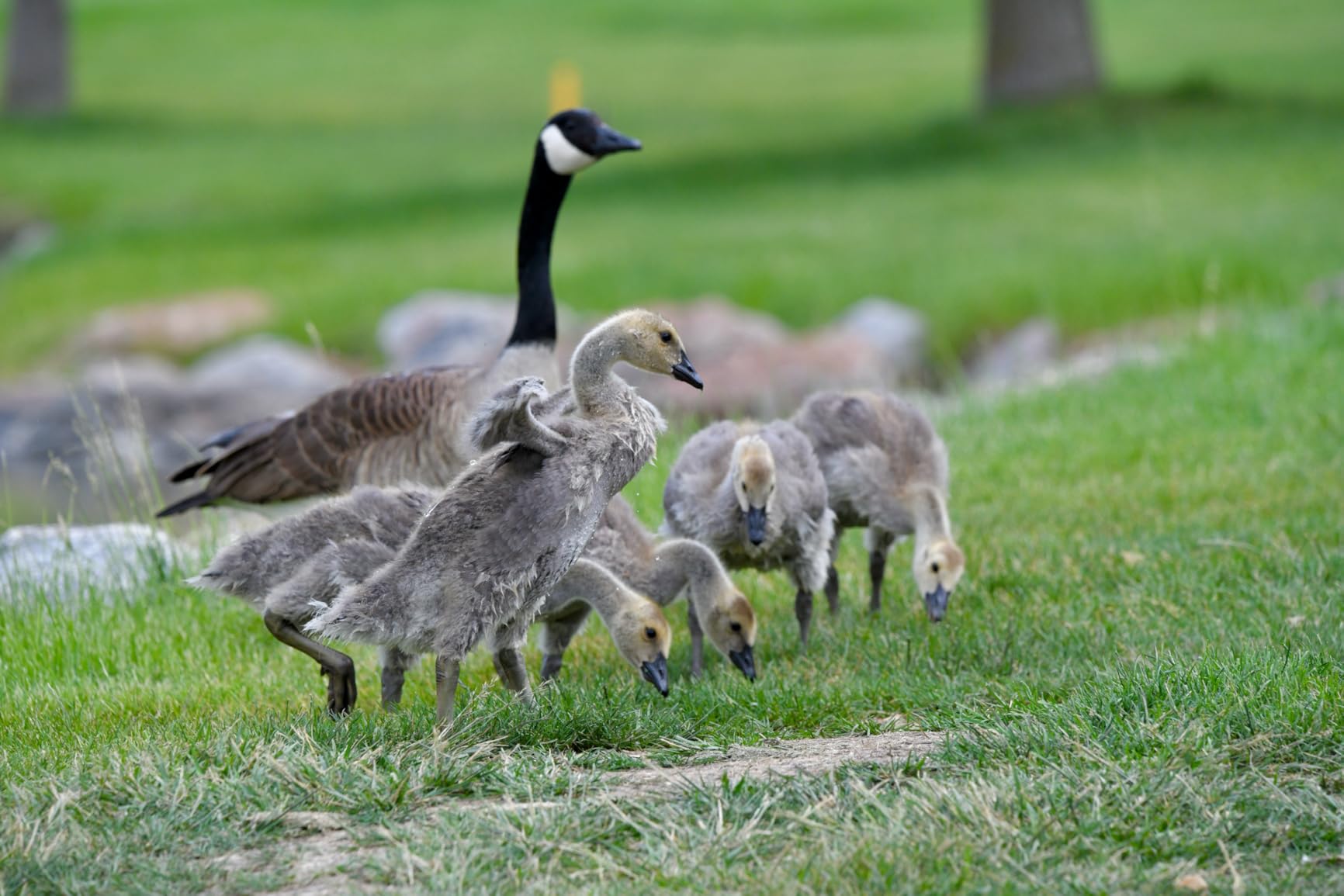
Reviewers repeatedly single out the corners at full extension, which is unusual for a zoom in this class. The optical stabilization system supports handheld work at long focal lengths, and the front element carries a water and oil repellent coating that makes cleaning the glass after a rainy hide session far less of a chore.
The practical takeaway is that you can stop down for depth on a subject without losing the edges, which matters when a bird lands on a branch with leaves behind it.
The lens is compatible with the Sigma TC-1401 and TC-2001 converters, which is the cheapest path to 840mm and 1200mm equivalent. Working that way costs light and costs a little sharpness, but it is far lighter than stepping up to a super-telephoto prime.
Be clear-eyed about the mount limitation. Mirrorless shooters need an adapter, and a converted F-mount lens loses electronic aperture data on some bodies, which affects aperture readout in video mode.
If you walk more than a kilometre a day with your kit, this is the wrong tool. The 150-600mm zoom is built for a vehicle-based safari, a fixed hide, or a trip where the lens stays zipped in a bag until the subject appears.
It is also the wrong tool if your light budget is thin. The f/5 to f/6.3 range means a body that performs well at high ISO, and that rules out some entry-level cameras.
75-300mm range
16.8 ounces
4.9 foot close focus
7 diaphragm blades
With more than five thousand eight hundred reviews averaging 4.7 stars, this is the most thoroughly proven optic in the roundup. It measures 2.8 inches in diameter and 4.8 inches long, which means it slides into a bag without announcing what it is.
For daylight wildlife work on an EF-mount Canon body, it remains remarkably capable. The f/4 starting aperture gathers more light than most consumer telephoto zooms, and the 4.9-foot close focus distance lets you fill the frame with a perched subject at short range.
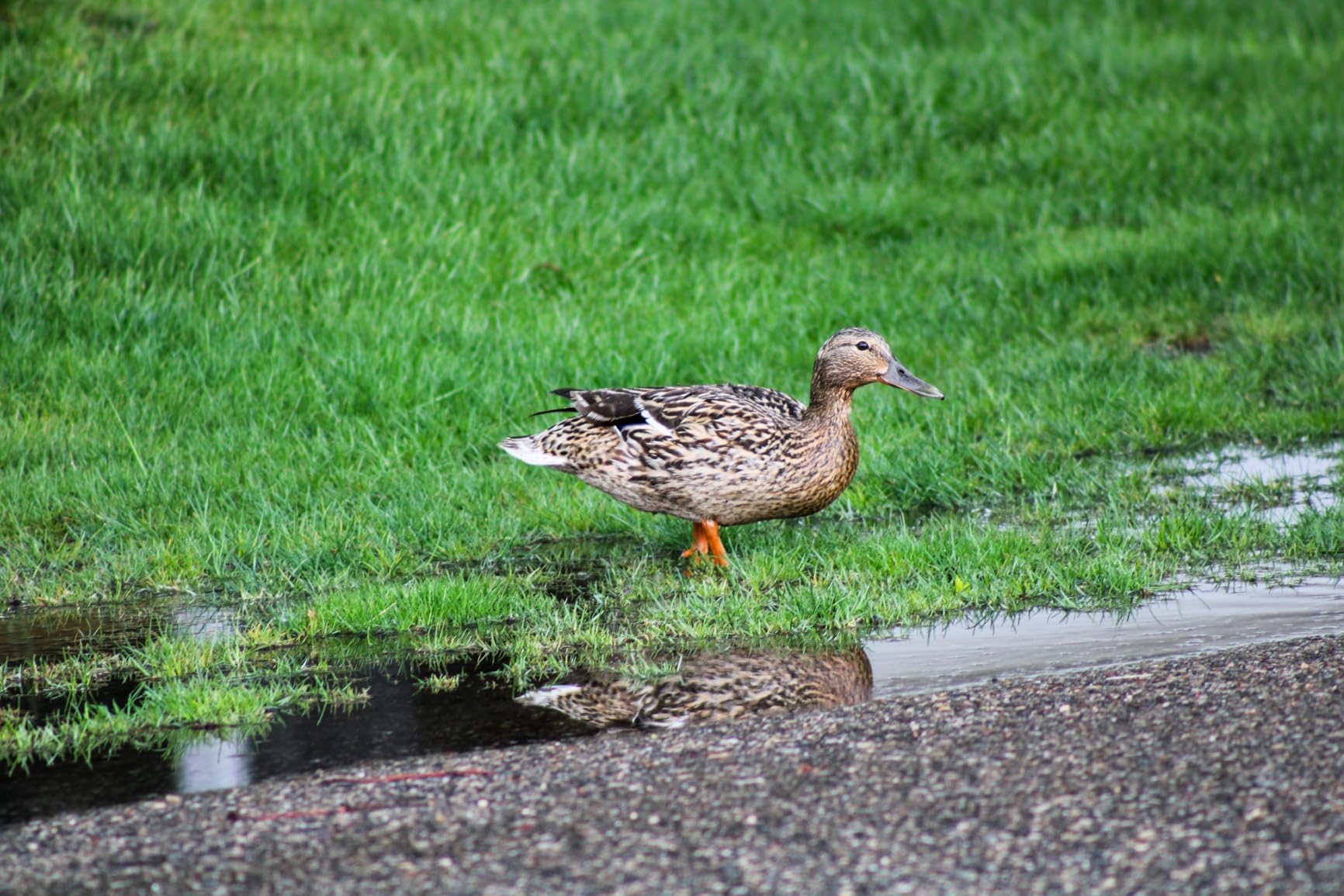
The honest weakness is the one that matters most in the field: there is no image stabilization of any kind. A 300mm lens without stabilization demands roughly a 1/500s handheld to avoid visible blur from your own movement, before you even account for subject motion.
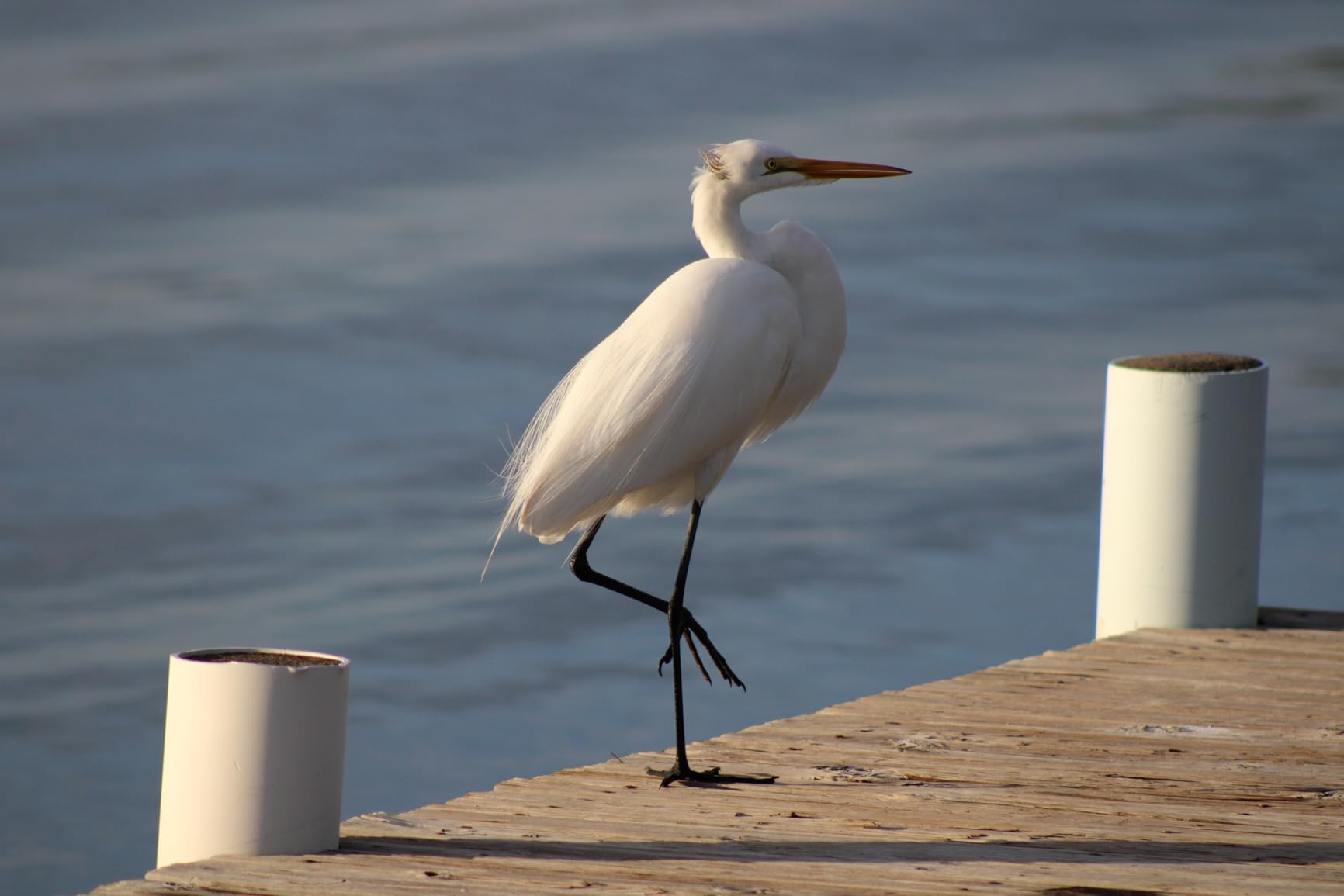
Owners consistently report that the centre holds up well and the edges soften toward 300mm, particularly wide open. Stop down a stop or two and the file is more forgiving, which is why this lens rewards daylight shooting over dawn work.
The 32-to-8-degree diagonal angle of view gives you a genuine portrait-length option at 75mm, so it does double duty for travel framing between wildlife sessions.
If your plan involves birds in flight, the missing stabilization is a real constraint rather than a minor one. You can work around it with a monopod, a beanbag, or by raising your ISO to buy shutter speed, but all three add friction to a day already spent walking.
If you already own a body with in-body stabilization, an EF lens on a modern mirrorless body through an adapter can borrow it, though the adapter introduces its own fit and handling compromises.
This is the lens to buy first for someone who is unsure how much of the hobby will stick. It is also the one most often paired with a Canon teleconverter to reach past its 300mm ceiling, which is why extenders for this mount remain among the most searched accessories in photography stores.
200-600mm range
4.7 pounds
Internal zoom
5 ED elements
The defining feature of this lens is physical rather than optical. Because the zoom happens inside the barrel, the centre of gravity barely moves as you extend from 200mm to 600mm, so the lens stays balanced on a monopod or gimbal head instead of tipping forward.
Sony G-series owners consistently describe it as the best 200-600mm they have used, pointing to tack-sharp results at full extension and snappy autofocus that keeps up with a crow taking off.
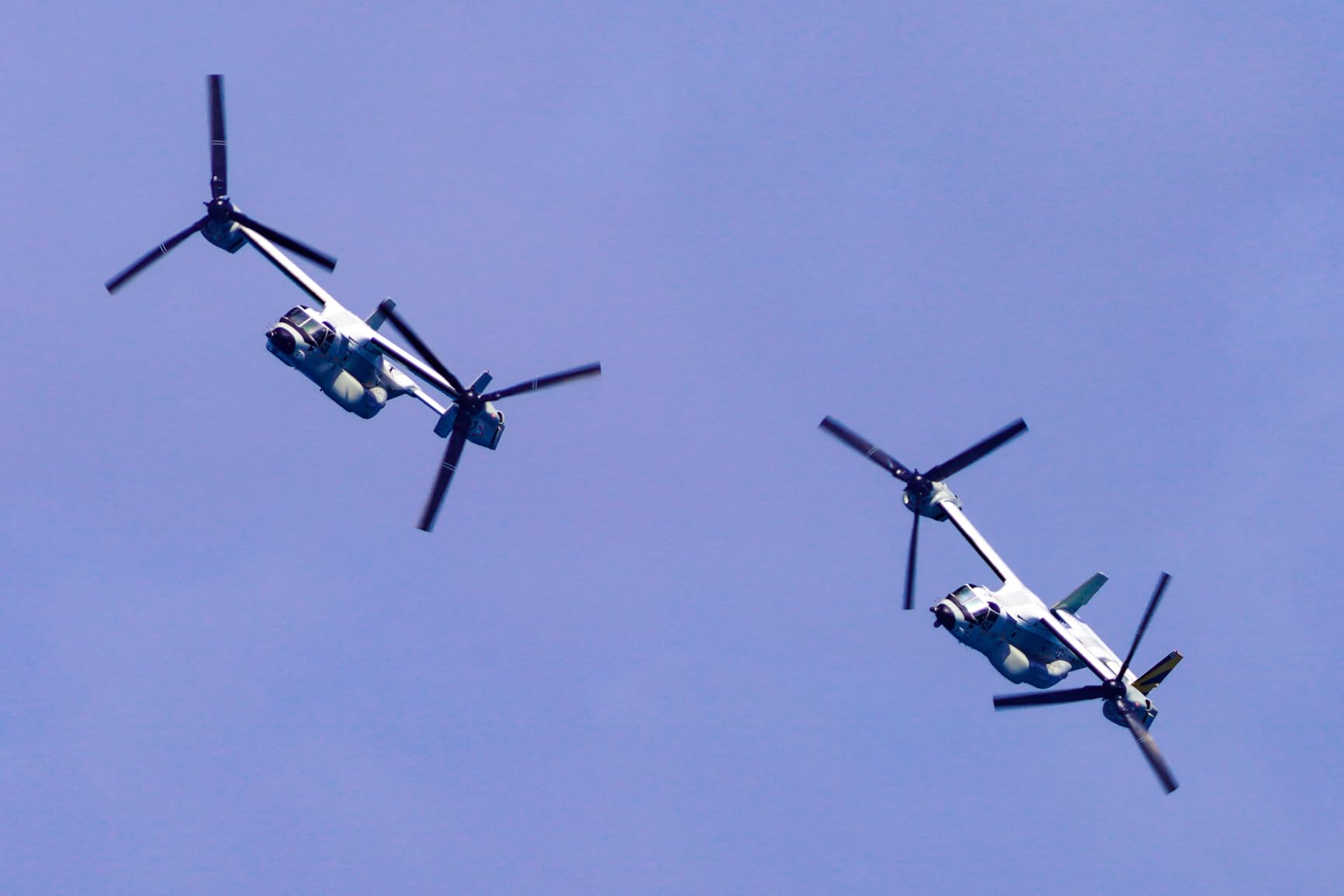
Optically it is built from five extra-low dispersion elements plus an aspherical element to control spherical aberration, with Nano AR and multicoating to suppress flare. In practice that translates to good contrast when you are shooting into low sun across water, which is a common shoreline situation.
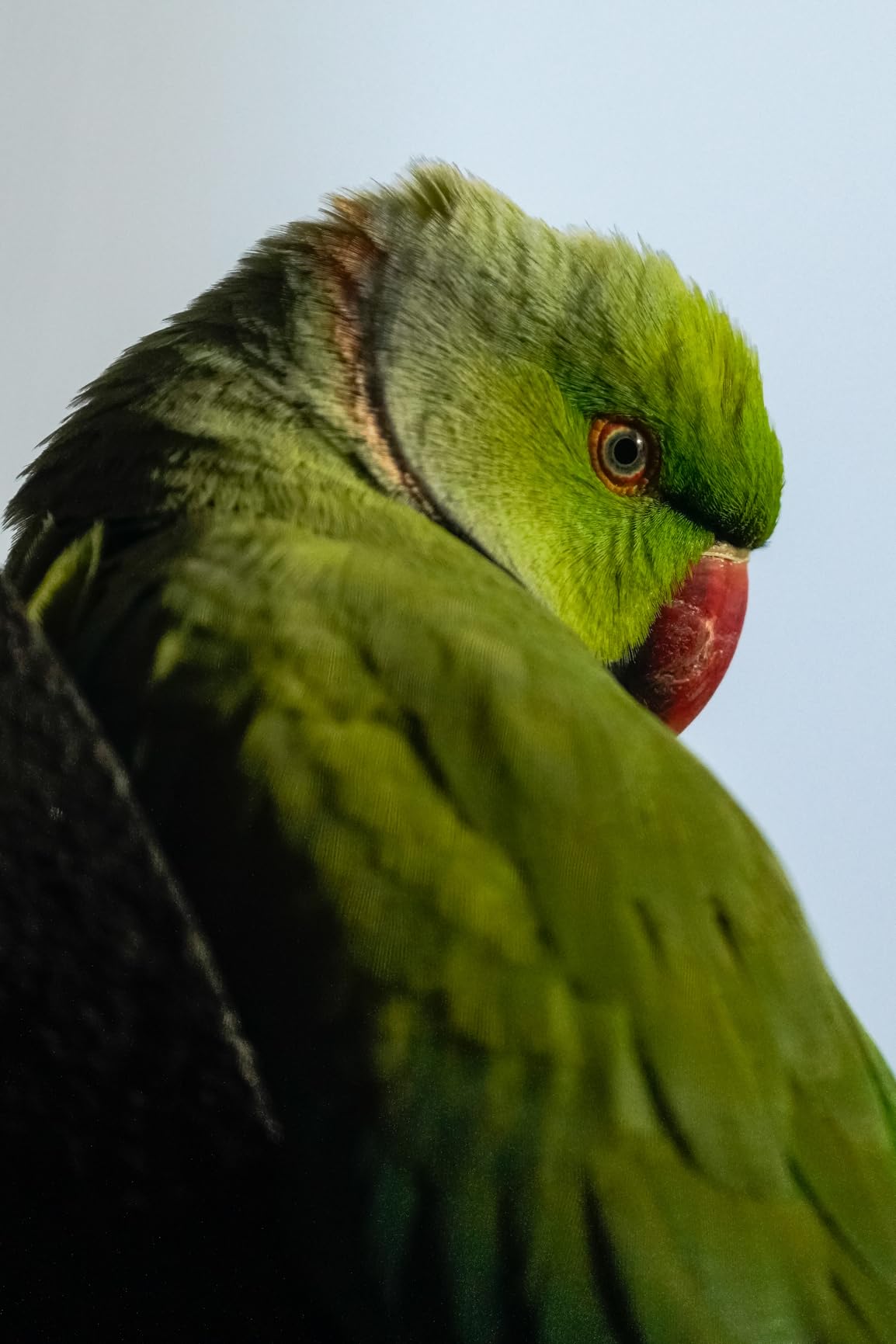
Extending-zoom lenses move mass forward as they lengthen, which is exactly what makes a long barrel hard to hold. This design sidesteps that entirely, and it is the reason the lens feels as composed at 600mm as it does at 200mm.
There is a downside to any internal zoom, and it shows in the handling: you cannot creep the focal length for a slow push-in on a subject, and the minimum focus distance is the same at every focal length.
Owners note that autofocus remains fast and results are decently sharp even in overcast and dark conditions, provided the body is doing its part. The direct drive supersonic wave motor is quiet enough for anyone who has been spooked by a distant subject.
Optical SteadyShot compensates for your movement, not the bird’s. In flat shade at long focal lengths you will still need to push ISO, because the aperture slows as you extend.
At 4.7 pounds and roughly 18 inches long with the hood, this is a lens you mount rather than carry. Our pick for support gear is in the roundup of heavy duty tripods for telephoto lenses, and you should budget for a gimbal head if you will be panning.
Two smaller annoyances: the hood does not lock, so it can swing on a barrel this large, and the tripod foot is not Arca-Swiss compatible, so check your head before a trip.
100-400mm range
1.1 kg
9 blades
Zoom position lock
This lens is the one the Sony-side forum consensus points to again and again. Owners describe it as extremely sharp with great autofocus, and plenty of them took it on an African safari without regretting the purchase.
At 1.1 kg it is roughly a third lighter than the lenses in the 150-600mm and 200-600mm class, and the zoom position lock switch holds the barrel at 100mm so it does not extend while hanging lens-down from a strap.
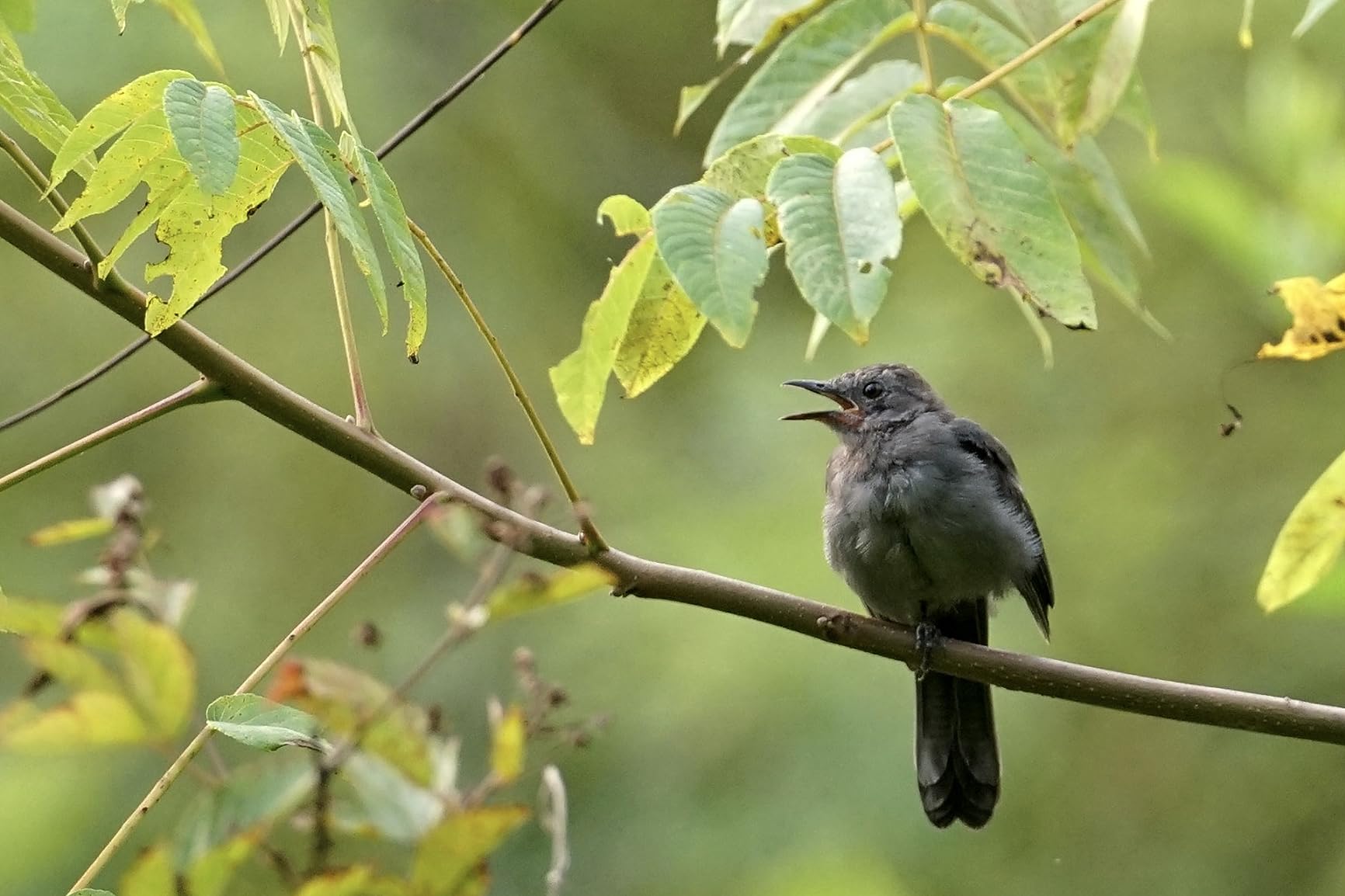
It is also fully usable on smaller Sony bodies, including APS-C models, where the 1.5x crop turns the 100-400mm into a 150-600mm equivalent. That single fact makes it a genuinely different tool rather than a shorter alternative.
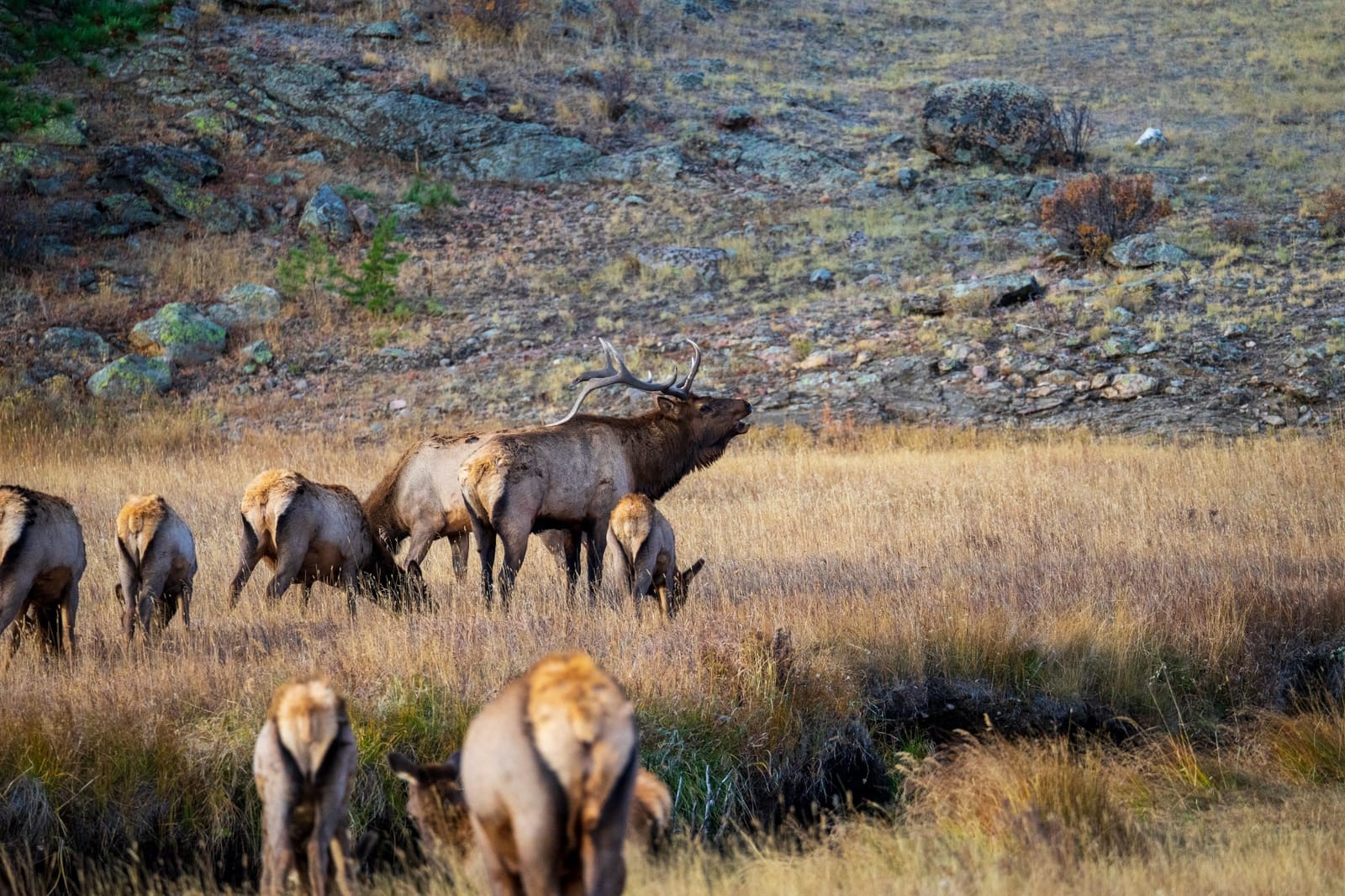
Reviewers place it very close to the Sony first-party 100-400mm in optical performance, with a linear hybrid focus motor and customisable focus mode settings helping it hold on to a subject that has already been acquired.
The customisable function button and weather-sealed construction suggest this was built for field work rather than for a spec sheet, and the two focus mode settings let you prioritise speed or accuracy deliberately.
It pairs with Sigma 1.4x and 2x teleconverters, so 400mm becomes 560mm or 800mm. On an APS-C body the 400mm end already behaves like 600mm full-frame, which is a real advantage for anyone who cannot justify stepping up to a 600mm zoom.
There is no tripod collar or foot in the box, so tripod users need to add one, and that is a cost worth calculating before you commit.
At f/6.3 by 400mm, images pick up visible noise once the sun is down. The colour is also slightly warmer than native Sony G glass, which matters if you are grading a mixed set of frames for a client.
And on very small, very distant birds the autofocus can briefly search. If your subject is always a distant dot in the frame, the 200-600mm handles it more calmly.
100-400mm range
816 g
0.41x magnification
Optical IS
At 816 grams this is the lightest full-frame 100-400mm in the roundup, roughly half the weight of most of its direct competitors. That single fact changes what you can photograph, because a lens you can carry is a lens you will use on the days you did not plan a wildlife trip.
Owners rate it highly for the combination of reach, pocketable weight, and stabilized sharpness, calling it a strong all-around wildlife and travel zoom.
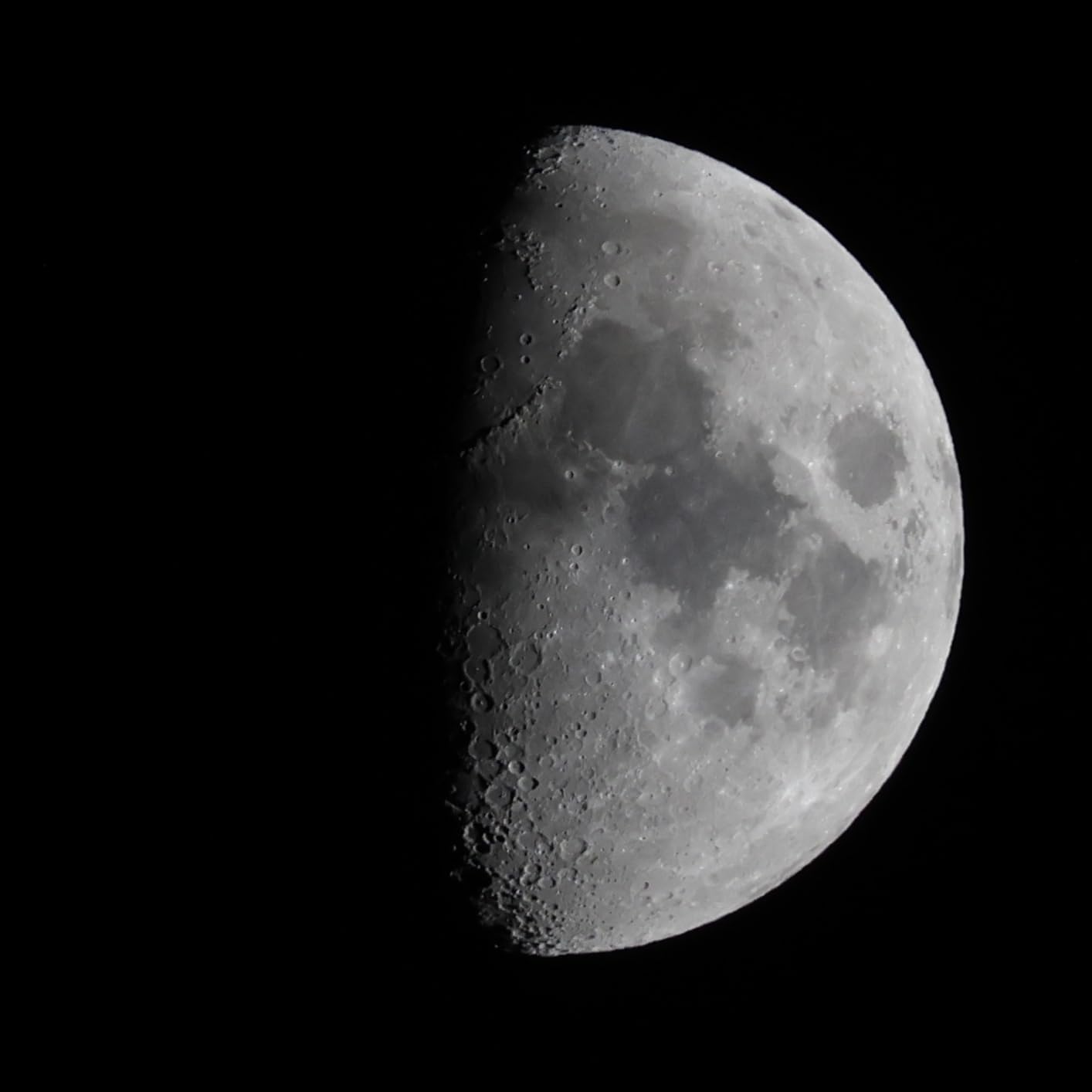
The close-focusing figure is genuinely unusual at this focal length: 0.41x maximum magnification at 400mm, with a 2.89-foot minimum focus distance at 200mm. That turns a kingfisher or a lizard on a rock into a full-frame portrait rather than a distant smudge.
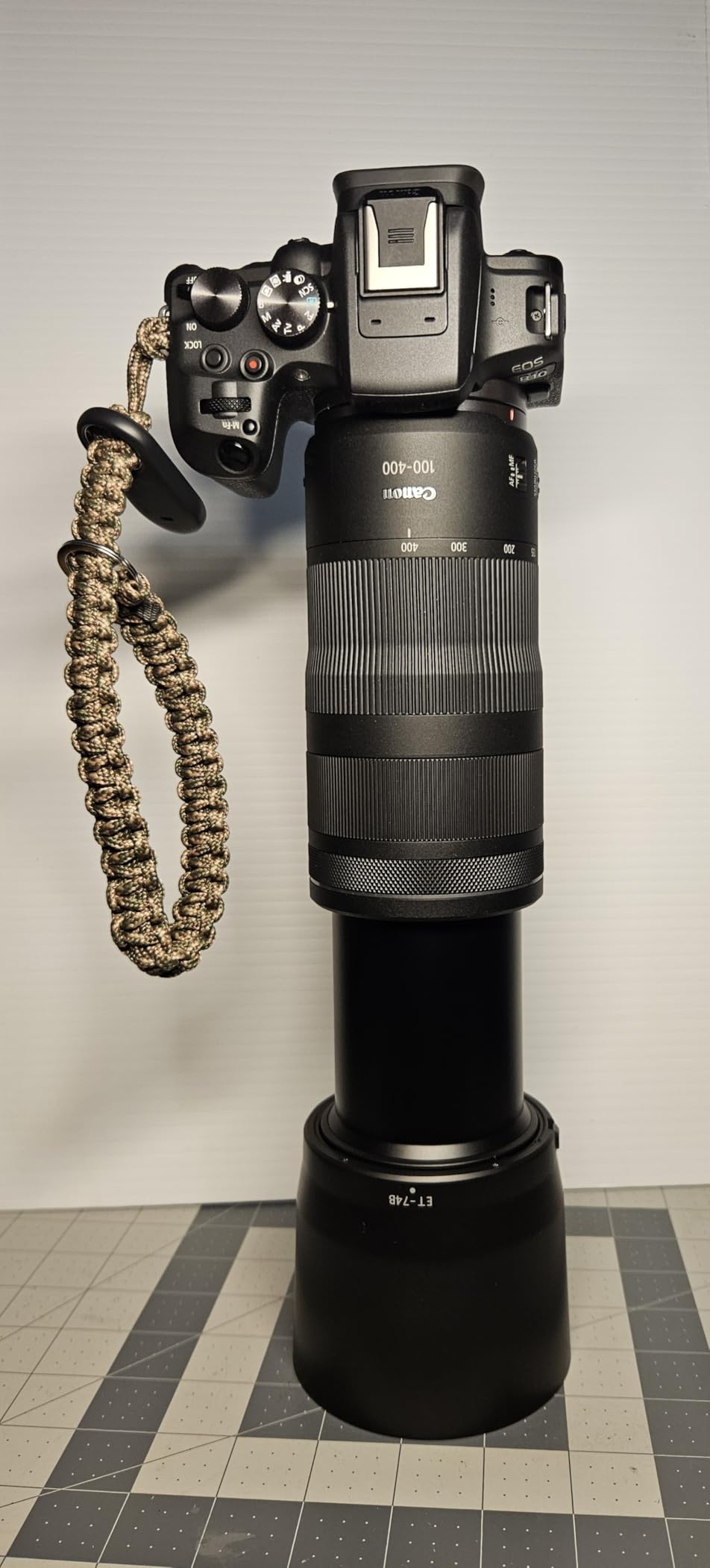
The optical stabilizer delivers up to 5.5 stops on its own, and up to 6 stops when paired with an EOS R body featuring in-body image stabilization. That figure is close to the amount of movement a 400mm lens produces handheld, which is the difference between usable frames and a folder of soft ones.
Pair it with a camera that tracks animal eyes and subject recognition, and this lens becomes a genuinely good backyard birding setup rather than a compromise.
Most wildlife lenses in this group focus at metres. This one focuses in under a metre at 200mm and reaches 0.41x magnification, which makes it a legitimate macro-capable tool for insects and small mammals without changing lenses.
That capability is the reason it appears in so many garden-birding recommendations, where the subject is often only a few metres away and the practical limit is how close you can get, not how far.
The f/5.6 to f/8 range is the price of that lightness. Low light pushes you toward high ISO or slow shutter speeds, and a slow bird in flight will show it.
It is also not water resistant, which matters in open moorland or on a wet hide, and the RF mount rules out Canon EF DSLR bodies entirely.
75-300mm, 150-600mm equivalent
423 g
0.18x magnification
MSC autofocus
This is the lens that makes the crop factor argument concrete. On a Micro Four Thirds body, 75-300mm gives you a 150-600mm equivalent field of view, and the whole lens weighs 423 grams. That is less than a third of the weight of the full-frame 600mm-capable zooms in this roundup.
Reviewers treat it as the best value entry into wildlife shooting on the system, praising the reach, the weight, and sharpness through most of the range.
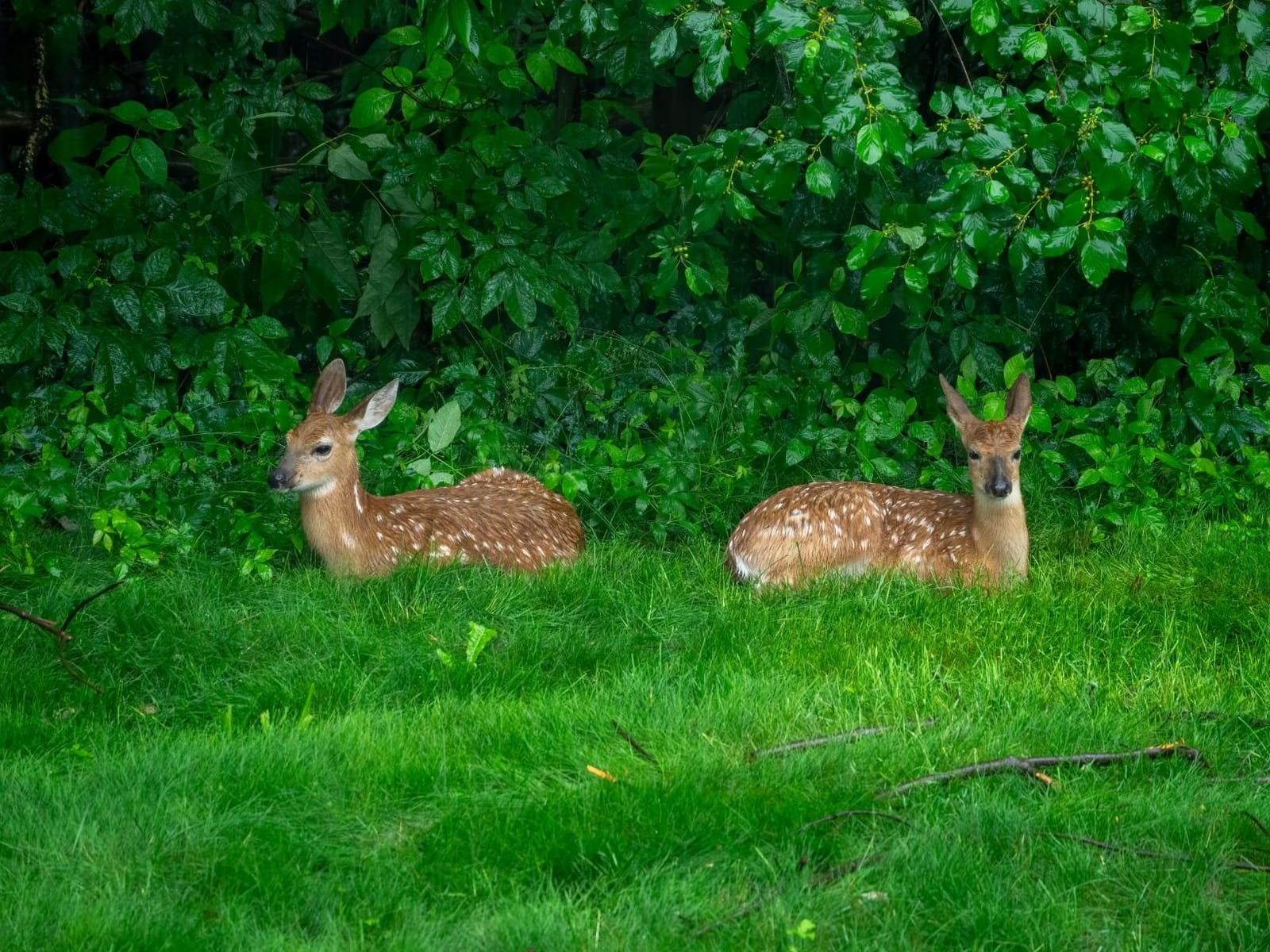
Optically it behaves well. Maximum image magnification is 0.18x, which is 0.36x in 35mm equivalent terms, and the closest focusing distance is 0.9 m at 75mm and 1.5 m at the other focal lengths.
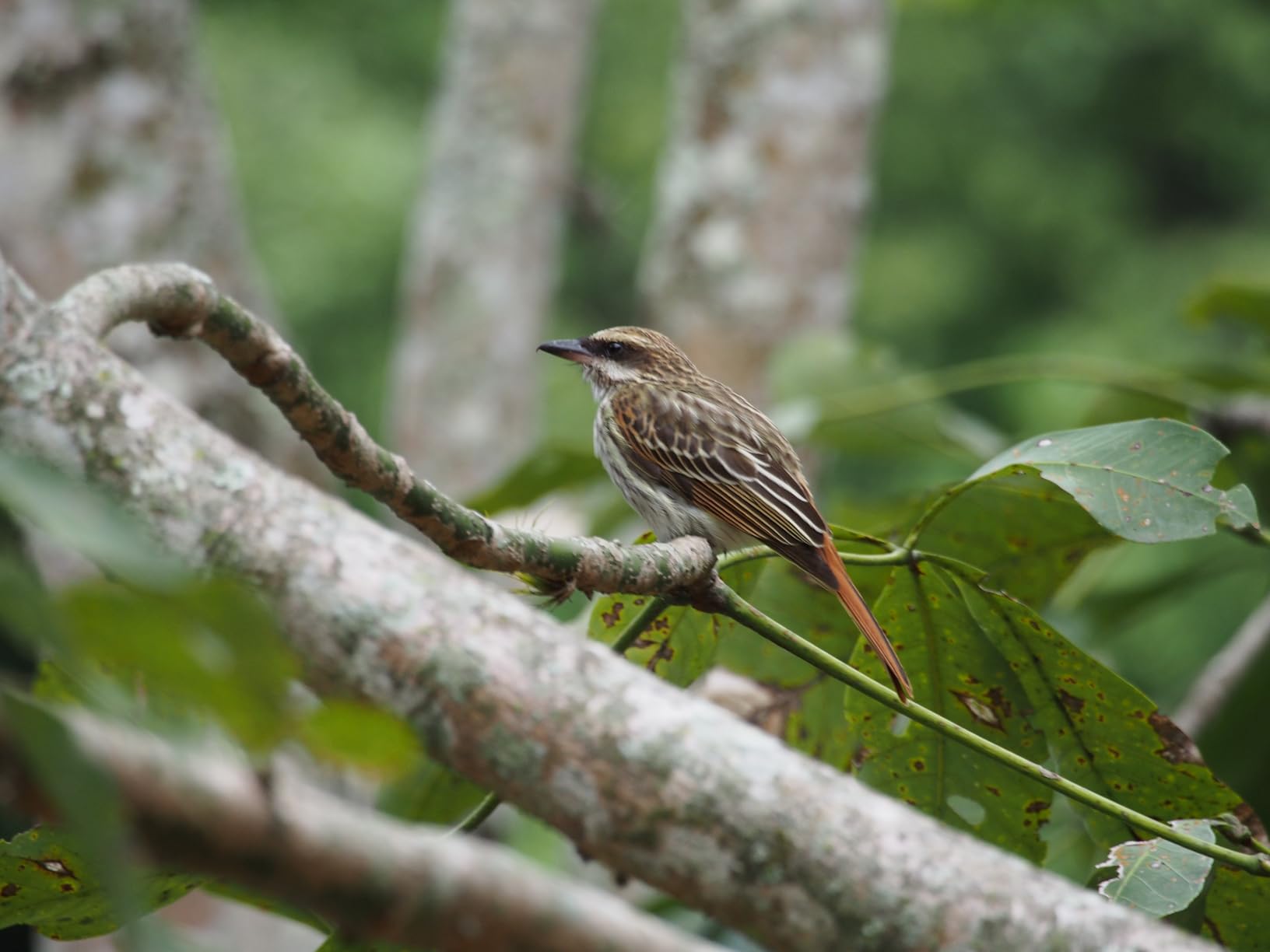
Because the sensor is smaller, the same framing at 300mm gives you noticeably more depth of field than a full-frame lens at the equivalent view. For a bird on a nest with branches and grass in front of it, that extra depth is a real advantage rather than a compromise.
MSC autofocus is fast and quiet, and users report negligible chromatic aberration and distortion, so there is little to correct in post.
There is no in-lens image stabilization here, so all stabilization comes from the camera. That is fine if you own an OM-D or a Lumix body with in-body stabilization, and it is a real limitation if you do not.
Note also that the lens hood is not included. Budget for it separately, because a front element exposed to rain and spray on a long walk is a repair waiting to happen.
Contrast and sharpness soften at the 300mm end when shooting wide open, and improve once you stop down. In practice that means this lens rewards good light and it is the wrong choice for heavy overcast work at full extension.
Entry-level OM-D bodies can also struggle to find focus against a uniform background, so a body with a better focusing system is worth pairing with it.
200-800mm equivalent
1325 g
In-lens IS with 3 EV steps
1.3 m close focus
This is the reach answer in the roundup. A 100-400mm on Micro Four Thirds gives you a 200-800mm equivalent field of view, and the in-lens stabilization is rated at 3 EV steps at that 800mm equivalent end.
The 4.4 average reflects the sensor trade-off honestly rather than any fault in the lens. Micro Four Thirds shooters value the reach and portability, along with solid in-lens stabilization and dust and splash protection.
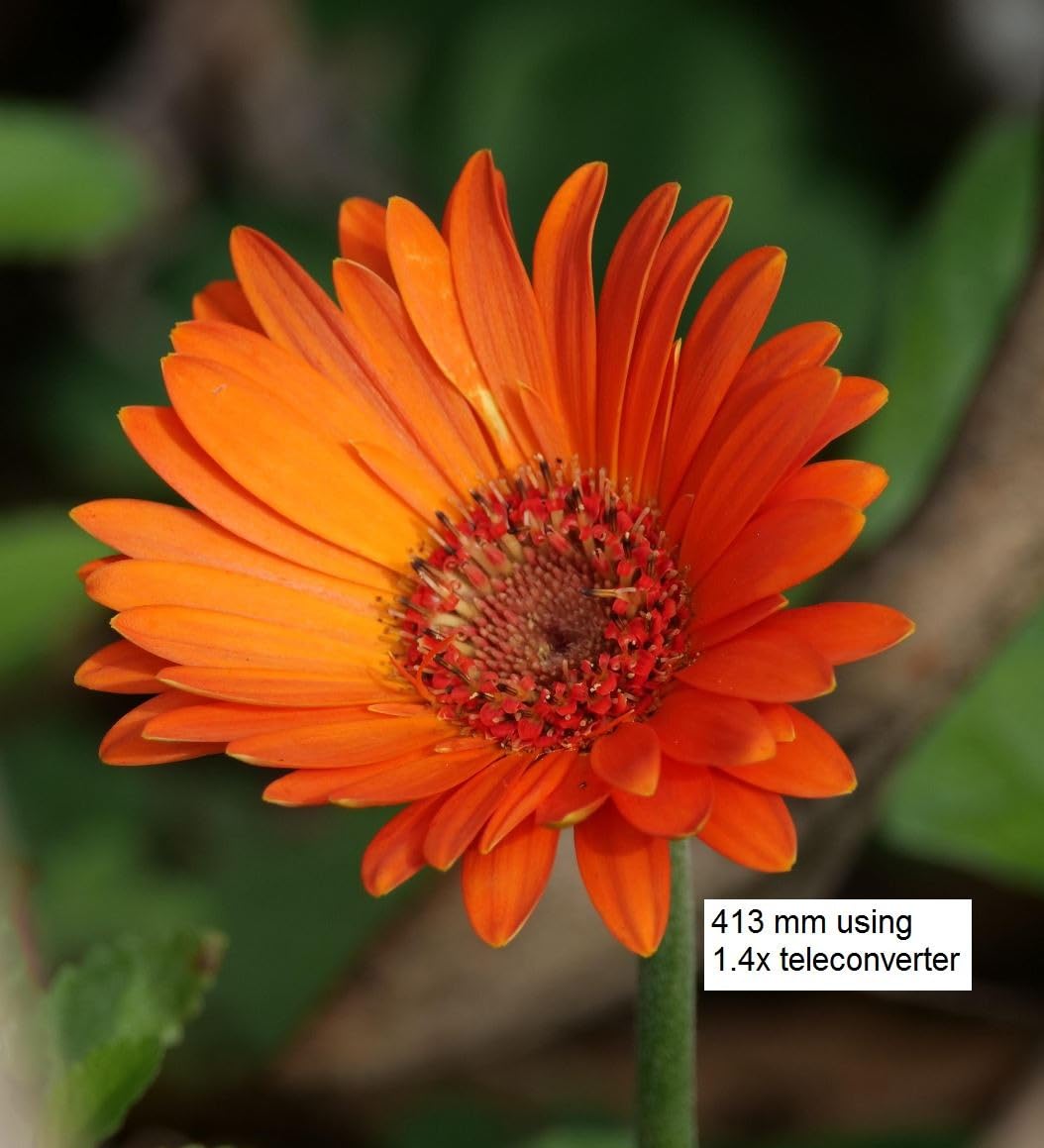
The minimum shooting distance of 1.3 m is short enough that a perched subject fills the frame comfortably, and the ZERO coating on the front element is designed to suppress flare in exactly the backlit situations where long glass tends to suffer.
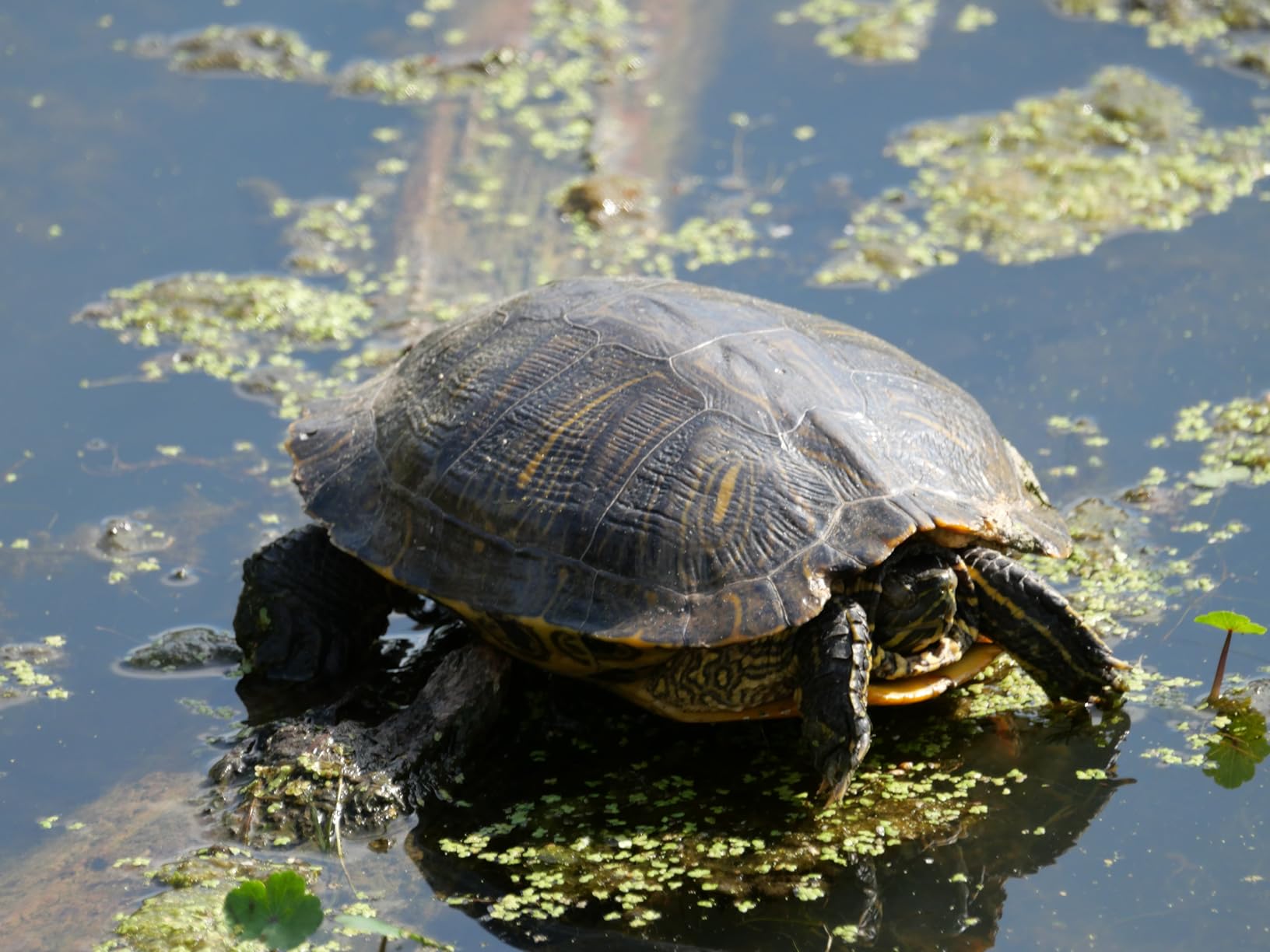
You are giving up absolute light-gathering compared with full frame and getting twice the field of view for the same physical lens length. On a bright, open day with a bird at 60 metres, that trade is strongly in your favour.
It is the low light and fast-flying-subject cases where the smaller sensor bites, because the f/5.0 to f/6.3 aperture combined with a smaller sensor area means you will be pushing ISO further.
The dust and splash resistant construction is the feature that makes this a real outdoor lens rather than a fair-weather one, and the stabilization being in the lens rather than the body means it works on any compatible OM-D or PEN body.
It is also compatible with both the MC-14 1.4x and MC-20 2.0 teleconverters, though stacking a converter pushes you further into low-light territory.
If you want a full-frame system with room to grow, this is a one-way door. There is no full-frame body option in the Micro Four Thirds mount, so your long-term upgrade path runs through lenses rather than bodies.
On wet moorland in winter, check your body sealing carefully, since the lens alone will not carry a badly sealed camera.
200-600mm equivalent
In-lens POWER O.I.S.
240 fps focus motor
Splash and dust resistant
The second version of this lens fixed the two things people disliked about the original: it added sealing and it added in-lens stabilization. That combination is genuinely rare in the Micro Four Thirds telephoto world.
Users highlight it as one of the few affordable super-telephoto zooms with in-lens stabilization and a sealed body, paired with fast focus tracking and good portability.
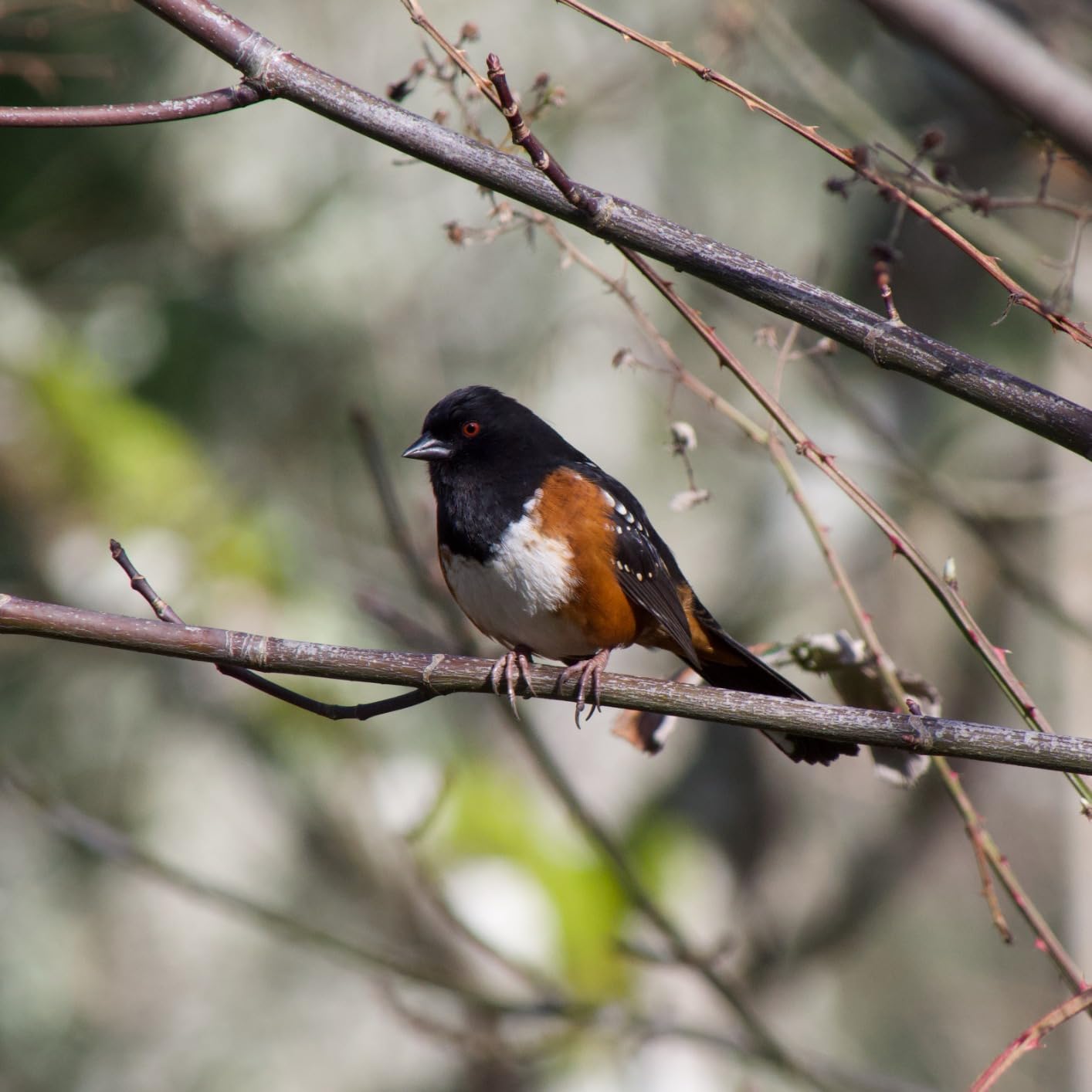
The 240 fps linear motor drives focus quickly enough that the diagonal angle of view running from 12 degrees wide to 4.1 degrees at the tele end gives you a workable framing range for anything that cooperates and refuses to cooperate in equal measure.
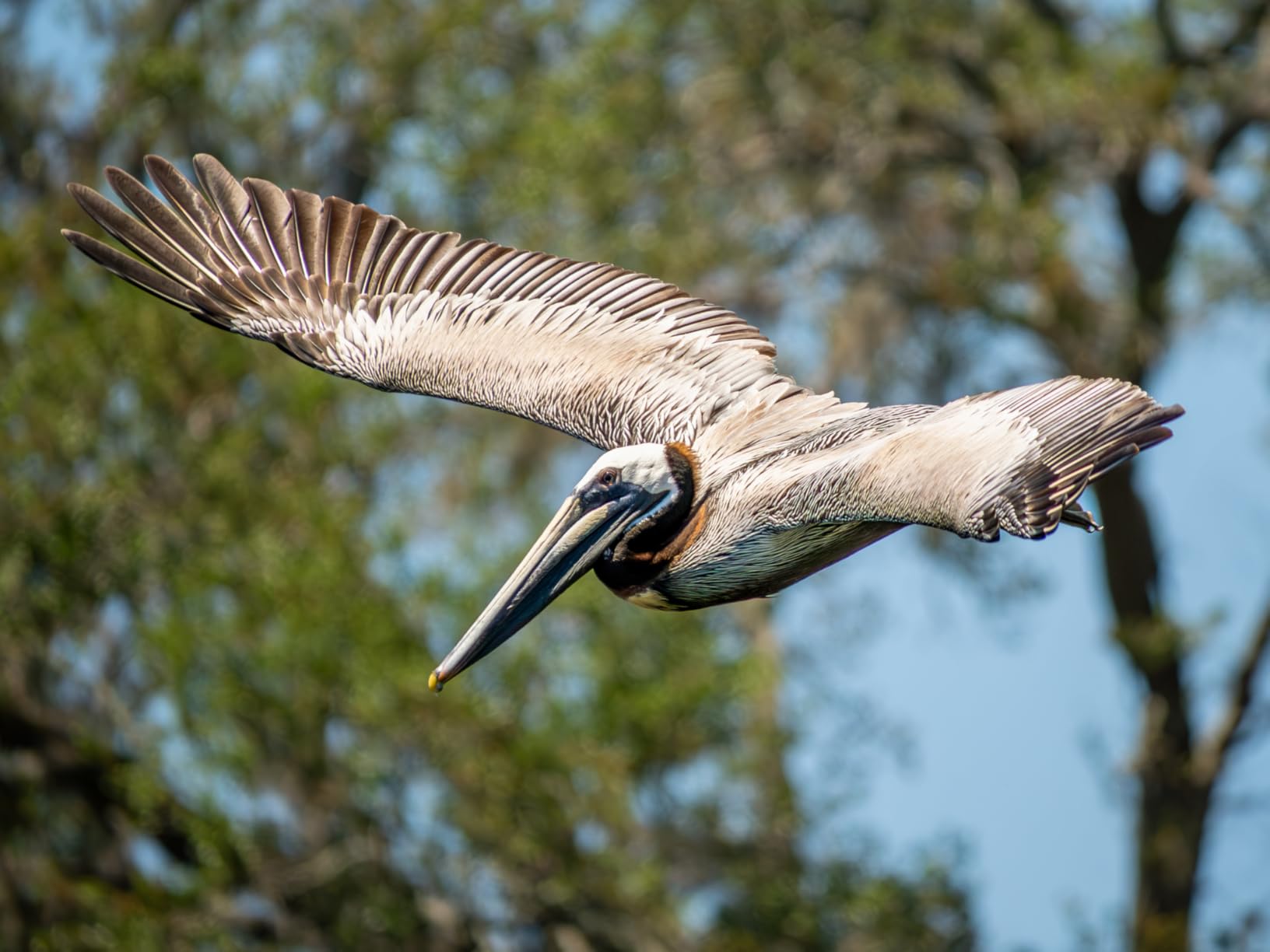
Many Micro Four Thirds telephotos put stabilization in the body, which means you are dependent on the specific body you own. POWER O.I.S. moves the problem back into the lens, and it also works with LUMIX Dual I.S. 2.0 for more correction when the body supports it.
For a bird working at 200-600mm equivalent, that correction is the difference between a frame you keep and one you discard.
Because it is a Micro Four Thirds lens, it works on Panasonic LUMIX G series bodies and on Olympus OM-D and PEN bodies. That flexibility is unusual with a modern lens and useful if you change systems later within the mount.
The closest focusing distance is 1.5 m, or about 4.9 feet, which is adequate but not exceptional for a subject that comes close.
The long-end aperture of f/5.6 limits low-light work, pushing shooters toward higher ISO than they would like. The wide end is also shorter than some rivals, which is frustrating when a subject first appears at close range.
Seven diaphragm blades can produce harsher bokeh and flare than lenses with more blades, so if blurred highlights are a priority, look elsewhere.
100-400mm range
1.38 kg
Two IS modes
Fluorite and Super UD glass
If you shoot an EF-mount Canon DSLR, this is still the long lens most owners reach for when the subject is distant and the light is not great. The f/4.5 starting aperture is the fastest in this roundup, and it stays sharp to about f/11 across the range.
Owners treat it as a durable wildlife and zoo workhorse, praising its wide-open sharpness, its contrast, and its fast USM focusing when mounted on a tripod collar.
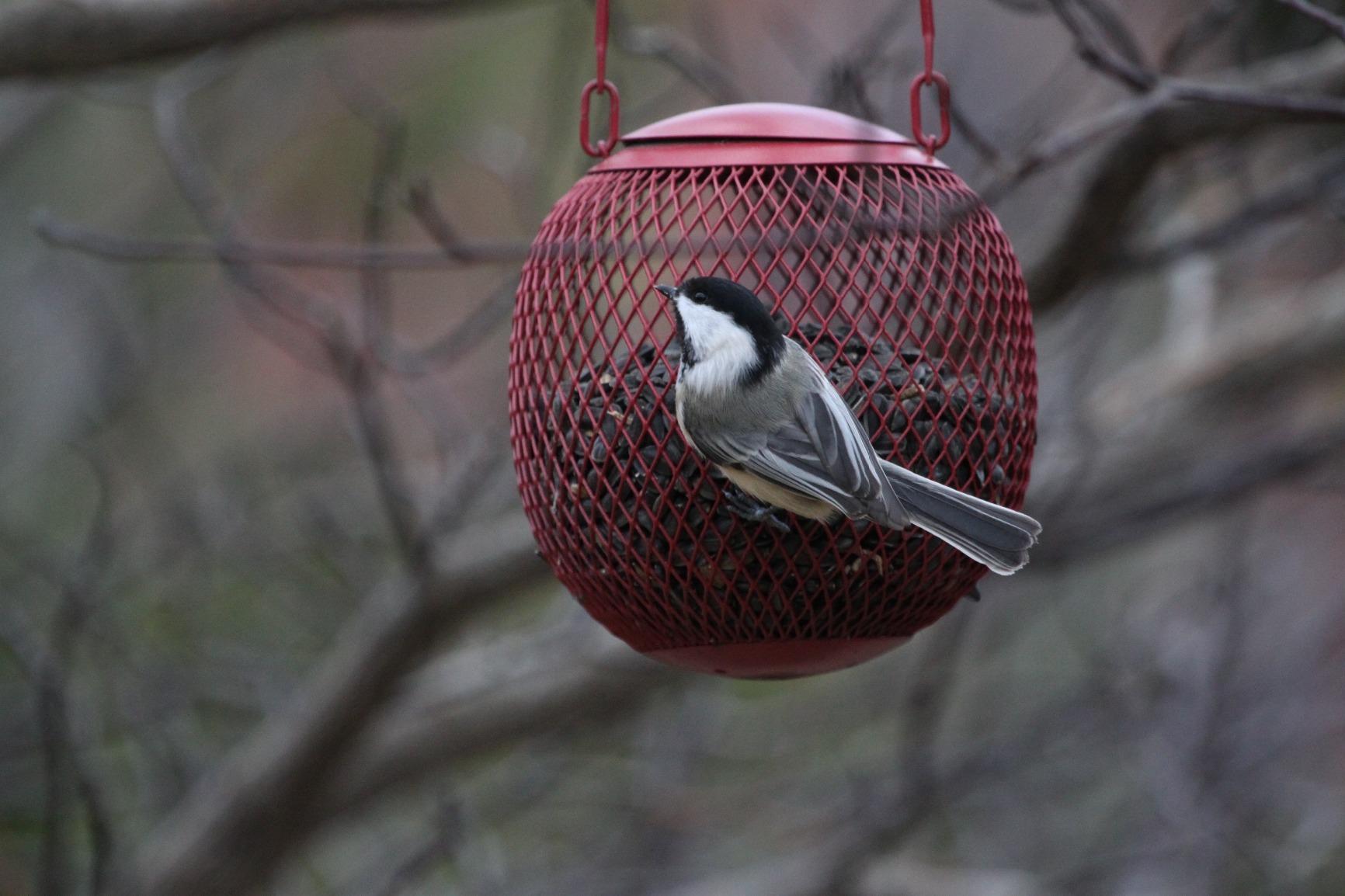
Two Image Stabilizer modes are genuinely useful here: one for general framing, one for far-off action, and the focus limiter switch helps you hold a nearer distance group while a second subject moves through the frame.
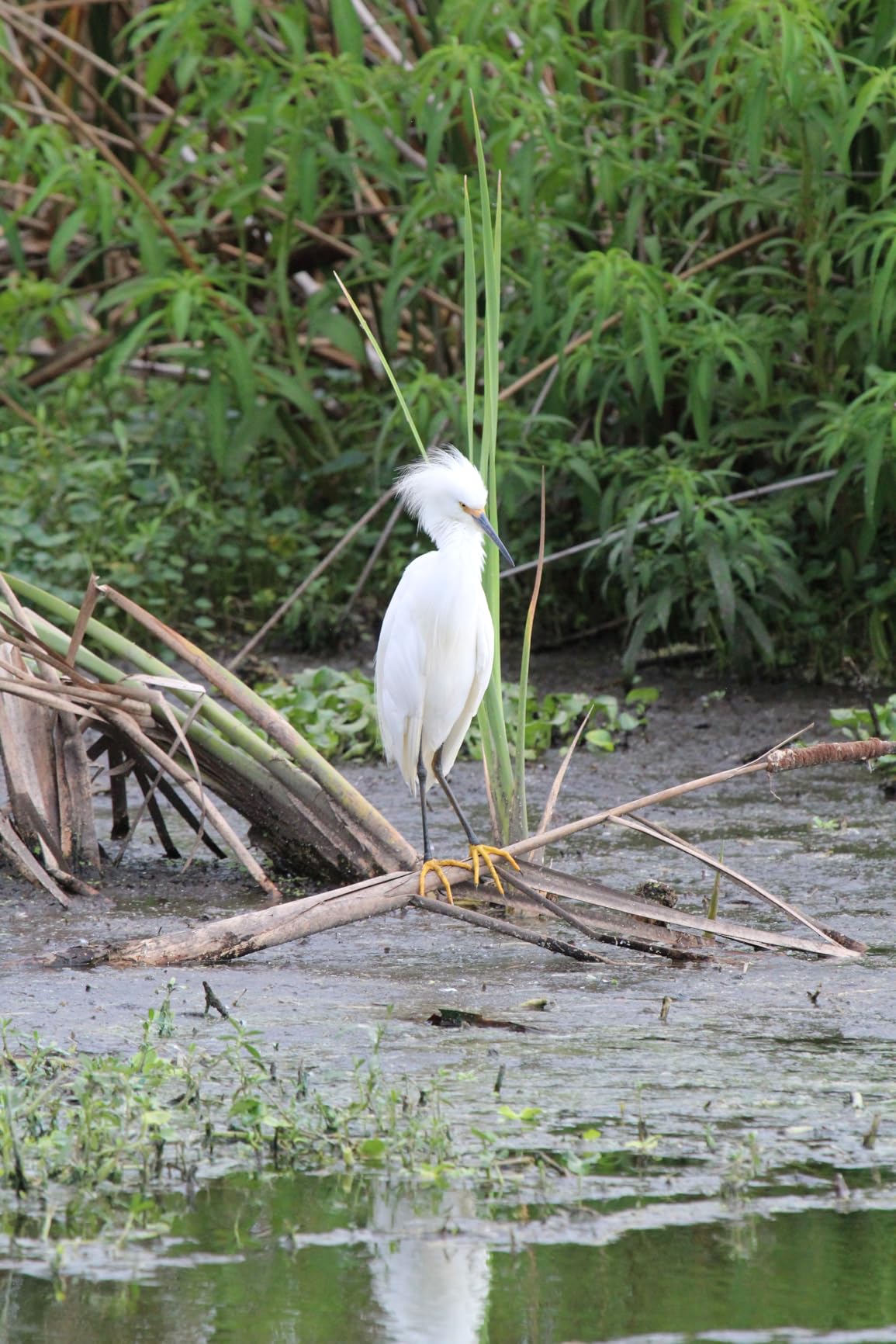
The fluorite and Super UD elements largely eliminate secondary spectrum, which shows up as colour fringing around high-contrast branches. On backlit woodland edges that is the difference between a clean file and one that needs careful correction.
It also works with the Canon 1.4x II and 2x II extenders, so 400mm becomes 560mm or 800mm, and the 5.9-foot close focusing distance helps at short range.
The stabilizer here is the first generation and offers only about 2 stops. It also has to be switched off manually when the lens is mounted on a tripod, or it can fight the tripod head and introduce its own blur.
Autofocus is slow by L-series standards, and because the zoom extends rather than zooming internally, operating the barrel in dusty conditions can pump grit toward the mount. Changing lenses less often is the practical mitigation.
If your body is an EF DSLR and you plan to stay there, this is a capable, well-understood tool with a long track record. If you are considering moving to RF, weigh the RF 100-400mm against the cost of a new body before settling.
150-600mm range
2.1 kg
23 inch close focus
9 blades
This is the modern mirrorless answer to the 150-600mm brief, and its distinguishing feature is the 23-inch minimum focusing distance. That is short enough to shoot a small subject filling the frame from arm’s length, which changes what the lens is good for.
Owners report outstanding sharpness and contrast at every focal length, and several reviewers credit the v3 firmware update with transforming the stabilization.
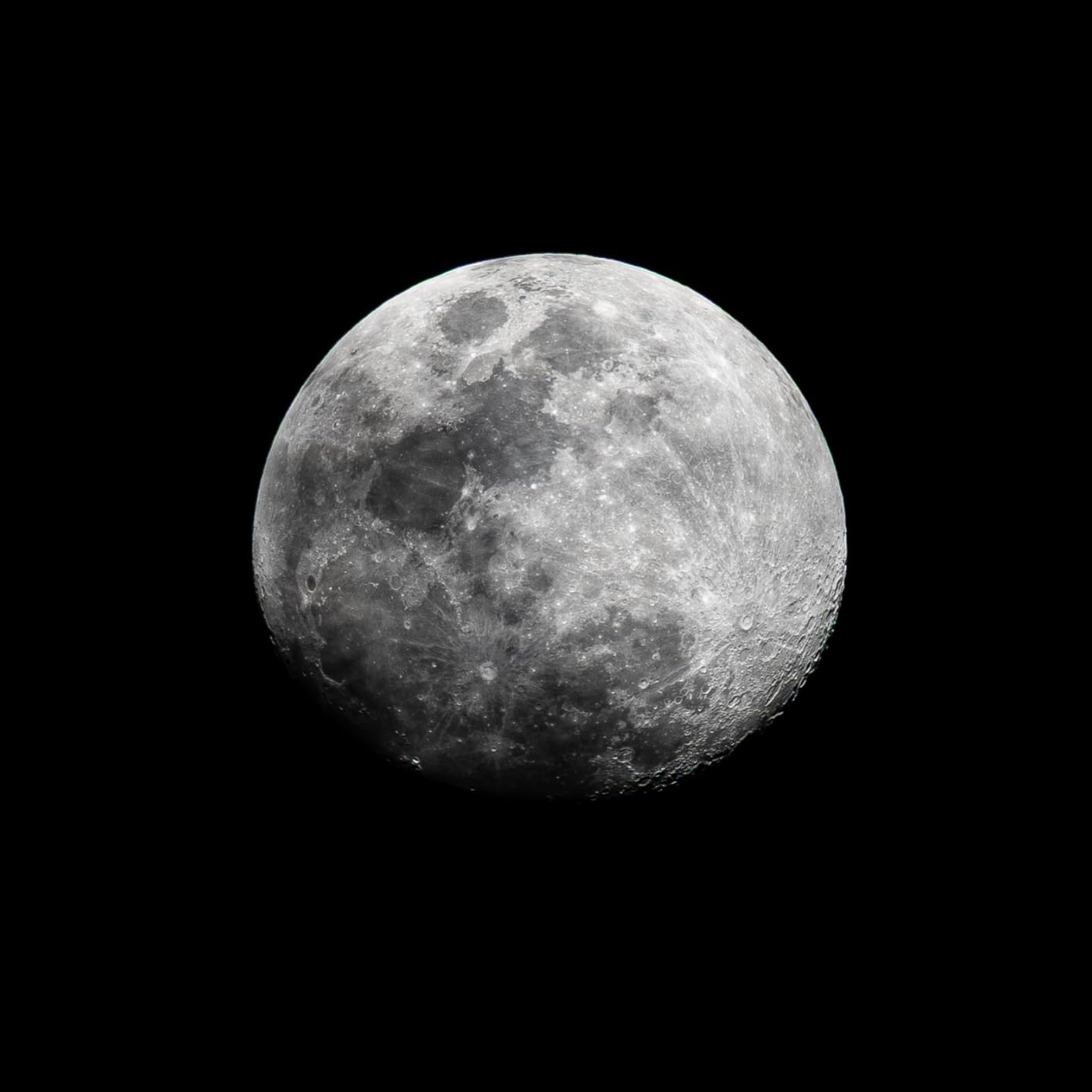
The custom mode switch gives you three settings in the custom menu, and up to 4 stops of optical stabilization is the rated figure. It is listed for Sony A6100, A6600, A7 III, and A7R IV bodies among others.
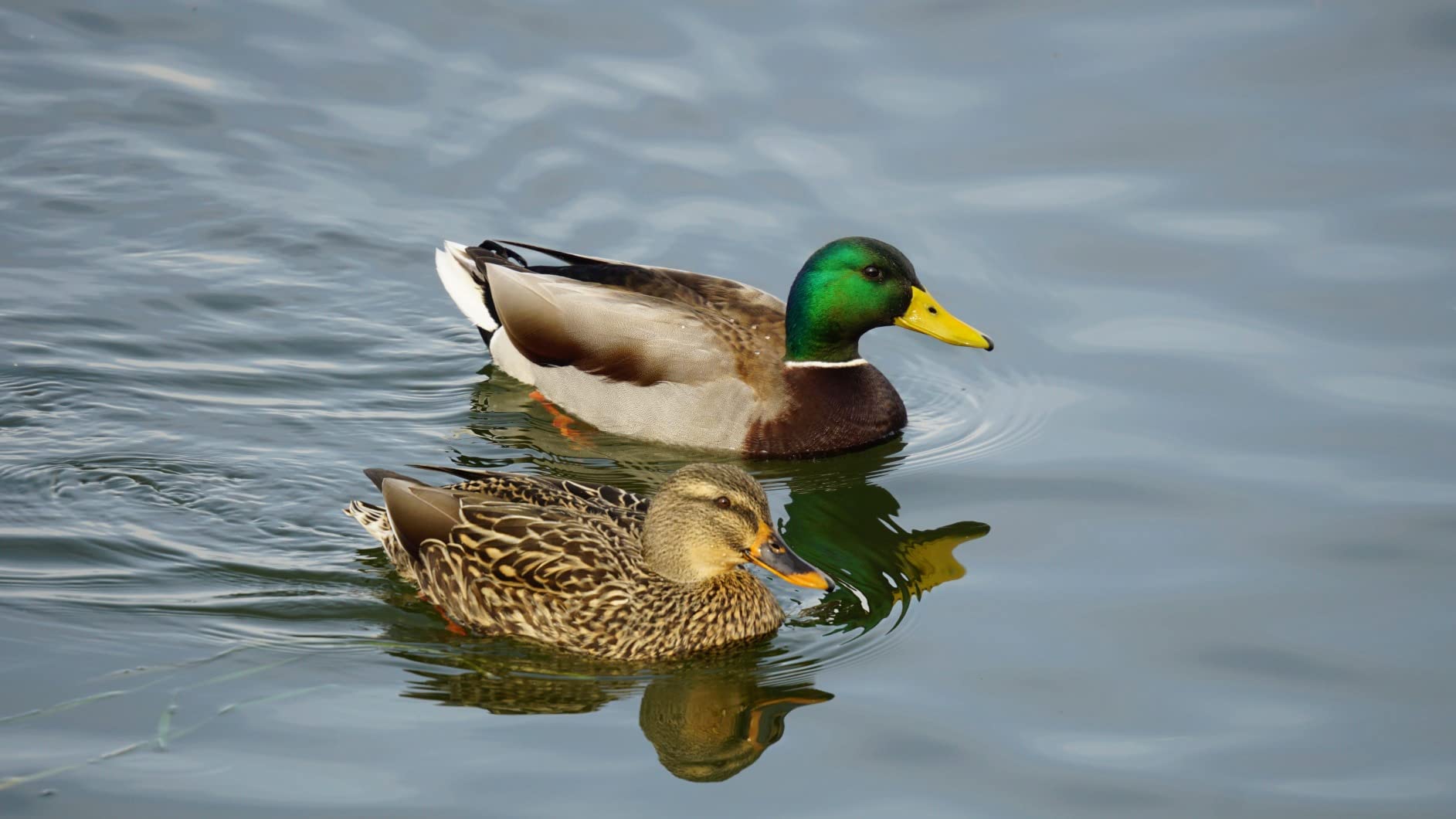
Close focus is not a specification for its own sake. A warbler, a dragonfly, or a small raptor on a branch can be framed without cropping, and the field of view includes context that a tighter lens would cut away.
The 9.5 cm filter thread also means filters are easy to source, and a 9-blade diaphragm renders out-of-focus highlights more smoothly than a 7-blade design.
Reviewers credit the sharpness and contrast, but the rating reflects notes that autofocus is slightly slow to acquire on the first pass, that the zoom lock can require persistence to engage, and that pumping zoom can draw dust into the mount.
At about 2.1 kg with a body, it is also among the heaviest in the roundup, so budget support gear in the same way you would for the full-frame 150-600mm.
If you shoot Nikon F, the earlier Sigma 150-600mm is the only option and it is better reviewed. If you shoot Sony E, this newer lens is smaller, lighter, and focuses closer, at the cost of a lower average rating.
Buyers who take an African safari and value close-focus flexibility often prefer this one; buyers who want the most proven long-range tracking choose the F-mount version.
Most wasted research starts with focal length and ends with a lens that cannot be mounted. Canon RF, Canon EF, Nikon Z, Nikon F, Sony E, and Micro Four Thirds are separate ecosystems with no cross-compatibility, and adapters change autofocus behaviour and often drop electronic aperture data.
Decide your body first, then your budget, then your subject. It is a much shorter decision tree.
Backyard and garden songbirds usually sit close enough for 300-400mm. Pond, shore, and woodland-edge work regularly needs 400-600mm. Safari and big-game mammals across open ground are where 200-600mm earns its place, and only very distant or very small subjects truly demand 800mm equivalent or more.
The arithmetic is straightforward: a songbird at 30 metres fills a usable portion of the frame at around 300mm, while the same bird at 100 metres needs roughly 1000mm to look the same in your file.
Wildlife movement sets a minimum shutter speed, and long focal lengths set a second one just from your own movement. At 600mm handheld you need something close to 1/1000s before subject motion even enters the equation.
That is why aperture matters so much. Every stop wider halves the exposure time, which is the difference between freezing a bird in flight and photographing a blur. This is also why pairing a slow zoom with a body that performs well at high ISO matters more than most buyers expect.
Weight is the loudest complaint in every wildlife forum, and it deserves more than a grams figure. Under 1000 g you will happily carry a lens all day. Between 1000 g and 2000 g you will carry it for a full day, resentfully, on a long hike.
Above 2000 g, add a monopod or a tripod with a gimbal head to your mental total, because the support gear is a real part of what you carry. Our pick for that side of the kit is in the roundup of heavy duty tripods for telephoto lenses.
Balance matters as much as total mass. A lens with internal zoom keeps its centre of gravity near the mount, which feels far lighter on a monopod than a similar-weight lens whose mass slides forward as you extend.
This is the most misunderstood idea in the category. A 300mm on an APS-C body gives the same field of view as a 450mm lens on full frame, and 300mm on Micro Four Thirds equals 600mm full-frame. The sensor size is a reach multiplier, not a caveat.
The trade is light. A smaller sensor has less surface area to gather light, so at equivalent framing you have a wider effective aperture than the numbers suggest and you will raise ISO sooner. For daylight subject work that is an easy bargain.
Primes give you an aperture advantage and better optical performance, and they are the reason f/2.8 and f/4 options exist. Zooms give you framing flexibility, which matters enormously when a subject will not stop moving.
Most wildlife shooters in our group run a zoom. A teleconverter is the cheapest path to more reach: several of the lenses here accept 1.4x and 2x converters, and a 400mm at 1.4x behaves like a 560mm at a cost of one stop and some sharpness. If you want the alternative approach, our 70-200mm telephoto lens guide covers fast primes built for converter use.
Two lenses in this roundup are explicitly not water resistant, and several others are only sealed to varying degrees. If you shoot in rain, on a boat, or on an exposed coastline, treat sealing as a requirement rather than a preference, and pair with a body that is sealed to the same standard.
Front element coatings also matter more than people expect. A water and oil repellent coating on the Sigma 150-600mm is the difference between wiping a lens in a hide and finding spray etched into the glass.
For songbirds, garden species, and anything under about 40 metres, 400mm is genuinely enough and often more than you need. For pond and shore birds, woodland edges, and raptors at 80 metres or more, 400mm starts to feel short. If you shoot an APS-C body, 400mm gives you a 600mm-equivalent field of view. Our advice is to buy the longest zoom you will comfortably carry, since you can always zoom in and never zoom out.
The Canon EF 75-300mm f/4-5.6 III is the cheapest way to reach 300mm, and at 16.8 ounces it is also the lightest lens in the roundup, though it has no stabilization. For Micro Four Thirds shooters, the Olympus 75-300mm delivers 600mm-equivalent reach at 423 g. On Sony E, the Sigma 100-400mm is the strongest mid-range value. Our wider budget breakdown is in the guide to the best budget telephoto lenses for wildlife.
A telephoto lens describes focal length: any lens that magnifies distant subjects, typically 300mm and above. A zoom lens describes a mechanism: a lens whose focal length changes while you shoot. The two overlap completely, so a telephoto lens can be a prime or a zoom. Every lens in this roundup is telephoto, and most of them are telephoto zooms.
Yes, for almost all handheld wildlife work. Long focal lengths amplify your own movement, and stabilization typically delivers four to six stops of correction, which is the difference between a sharp frame and a soft one. The exception is if you already own a camera with in-body stabilization, or if you always shoot from a tripod. Two lenses here have no stabilization at all: the Canon EF 75-300mm III and the Olympus 75-300mm.
A 1.4x converter is the cheapest way to add reach, and most lenses here accept one. The cost is one stop of light and a small sharpness penalty, both usually acceptable in good light. A 2x converter doubles that penalty and is only worth it for static subjects in bright conditions. Several lenses in this roundup are converter-ready, including the Sigma 150-600mm, the Sigma 100-400mm, and the Canon EF 100-400mm.
If you are chasing small, distant birds and you shoot Nikon F, the Sigma 150-600mm f/5-6.3 DG OS HSM is the pick we would make first: the highest average rating in the group, a 4x range, and converter support. It is the Editor’s Choice of this roundup because it combines proven performance with a focal range that leaves room to grow.
If you need the longest reach on Sony E, take the FE 200-600mm and accept the support gear it demands, or the Sigma 100-400mm if you will be walking. If you shoot Canon RF and want something you can carry every day, the RF 100-400mm at 816 g is the one.
If you are on Micro Four Thirds, the Olympus 75-300mm gives you 600mm-equivalent reach at 423 g, and the 100-400mm pushes that to 800mm equivalent with sealing and in-lens stabilization. Budget constraints, fast-moving subjects, and long walking days all point the same direction: toward the long end of the range, and the guide to super telephoto lenses for wildlife covers that tier in more depth.
Whichever you choose, buy the most reach you will actually carry rather than the most reach you could lift once. A lens in the bag on the sixth day is worth more than a better lens at home on the seventh.