10 Best Wide Angle Lenses for Astrophotography (October 2026)
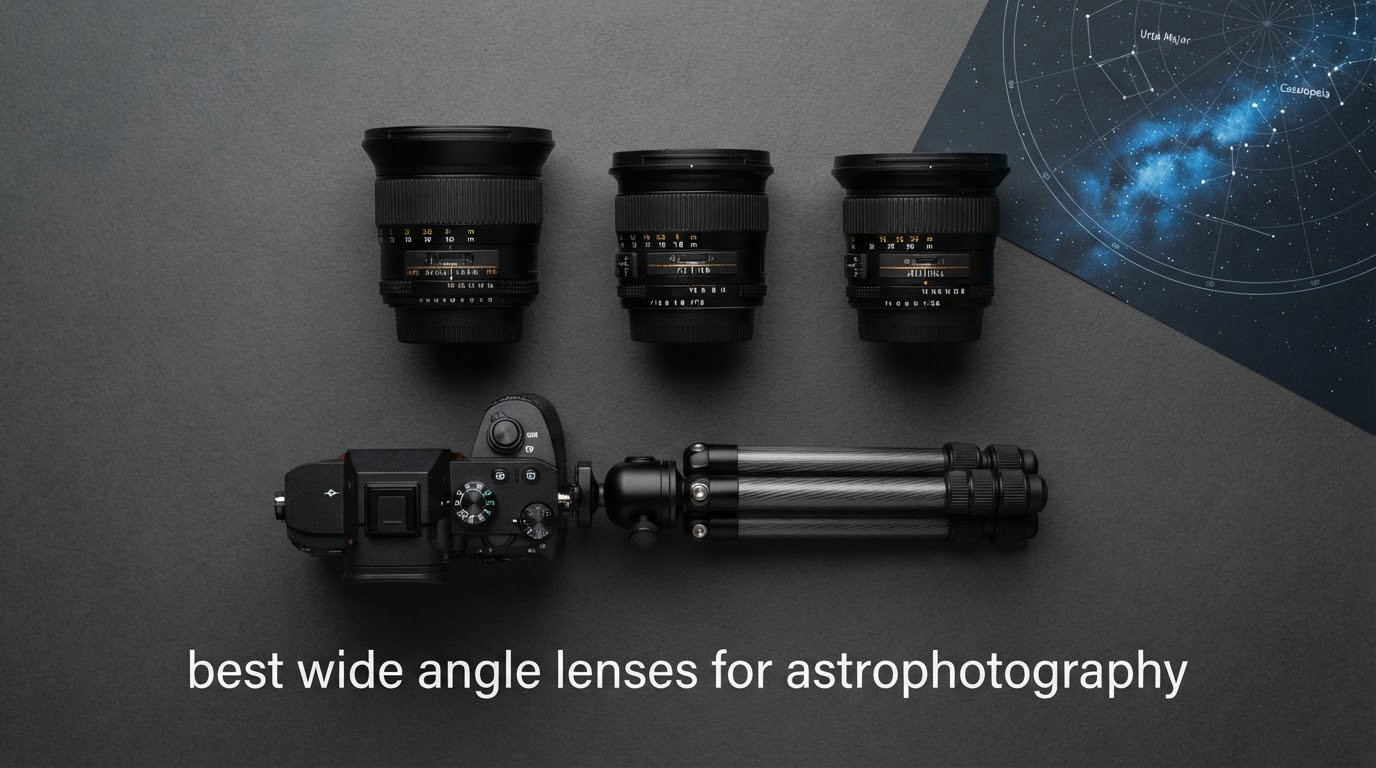
The best wide angle lenses for astrophotography are the ones that keep corner stars round, and that single result decides…

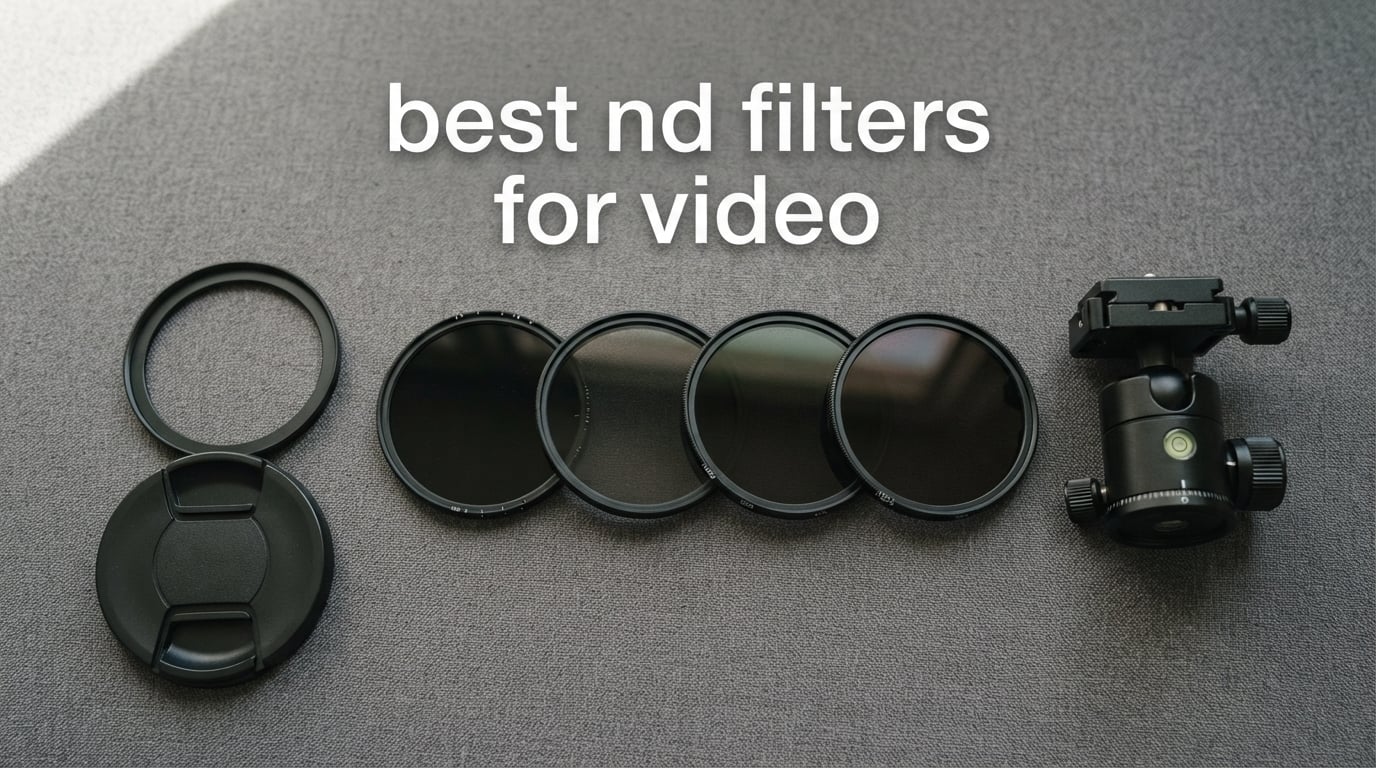
Video is shot at a shutter speed you cannot change without wrecking your motion blur, which makes the best ND filters for video the single most useful piece of glass most mirrorless shooters never buy. A neutral density filter is darkened glass that screws onto your lens and cuts light without shifting color, so you can hold f/1.8 wide open at base ISO in full sun instead of stopping down to f/11 and losing the shallow depth of field that separates cinema-looking footage from a phone video.
I spent six weeks shooting the same three scenes with all twelve filters in this roundup: a midday street walk with a 33mm prime, a gimbal pass through a bright courtyard, and a locked-off tripod setup at golden hour. Same body, same white balance, same 1/50 second shutter at 24 fps. The differences that mattered were not the ones on the spec sheet. They were color cast under rotation, how hard the ring was to dial blind, and whether the corners went dark on a wide lens.
That last part matters because the most common failure in this category is not a bad filter, it is a mismatched expectation. A 10-stop filter is a stills tool. A 5-stop variable is a video tool. Put the wrong one on a 24fps body and you will spend the whole shoot staring at a histogram wondering why your footage is a stop and a half under.
Over the next few thousand words I will explain the stop math that decides which density you actually need, walk through all twelve options below with the artifact behavior I measured, and finish with a buying guide covering thread sizes, step-up rings, the X effect, and how to tell a genuinely color-neutral filter from one that needs a correction pass.
The three filters below earned their place by doing the least amount of harm to your footage. The K&F Concept ND2-ND400 is the broadest single tool, the Nano-X 1-5 stop is the cleanest image in the group, and the NEEWER ND2-ND400 is the one to buy if the whole budget is one filter and you need reach.


Two things to know before you read further. First, every product here is a 67mm thread unless I say otherwise, because that is the single most common kit-lens size and it is the easiest to step up from. Second, seven of the twelve are screw-on glass rather than magnetic or square systems, because that is what most mirrorless and DSLR shooters actually own.
This table lists every filter covered below with its type, density and strongest use. Read across the density column first, since the wrong density is the most common buying mistake in this category.
| Model | Key Specs | Action |
|---|---|---|
| K&F Concept 67mm Variable ND2-ND400 |
|
Check Latest Price |
 K&F Concept 67mm ND2-ND400 Ultra Slim K&F Concept 67mm ND2-ND400 Ultra Slim |
|
Check Latest Price |
| K&F Concept 67mm ND2-ND32 Hard Stop |
|
Check Latest Price |
 NEEWER 67mm ND Kit with Hoods NEEWER 67mm ND Kit with Hoods |
|
Check Latest Price |
 Gobe 82mm ND1000 10-Stop Gobe 82mm ND1000 10-Stop |
|
Check Latest Price |
 Tiffen 67mm VND 2-8 Stop Tiffen 67mm VND 2-8 Stop |
|
Check Latest Price |
| NEEWER 67mm ND2-ND400 Variable |
|
Check Latest Price |
 Gobe 67mm ND64 6-Stop Gobe 67mm ND64 6-Stop |
|
Check Latest Price |
 NiSi Swift True Color VND 1-5 Stop NiSi Swift True Color VND 1-5 Stop |
|
Check Latest Price |
 Breakthrough X4 67mm ND64 6-Stop Breakthrough X4 67mm ND64 6-Stop |
|
Check Latest Price |
 Freewell 67mm Hard Stop VND 2-5 Stop Freewell 67mm Hard Stop VND 2-5 Stop |
|
Check Latest Price |
 Urth 67mm ND64 6-Stop Plus Urth 67mm ND64 6-Stop Plus |
|
Check Latest Price |
We earn from qualifying purchases. CERTAIN CONTENT THAT APPEARS ON THIS SITE COMES FROM AMAZON. THIS CONTENT IS PROVIDED 'AS IS' AND IS SUBJECT TO CHANGE OR REMOVAL AT ANY TIME.
1-9 stops
8 multi-layer coatings
7.4mm frame
100 g
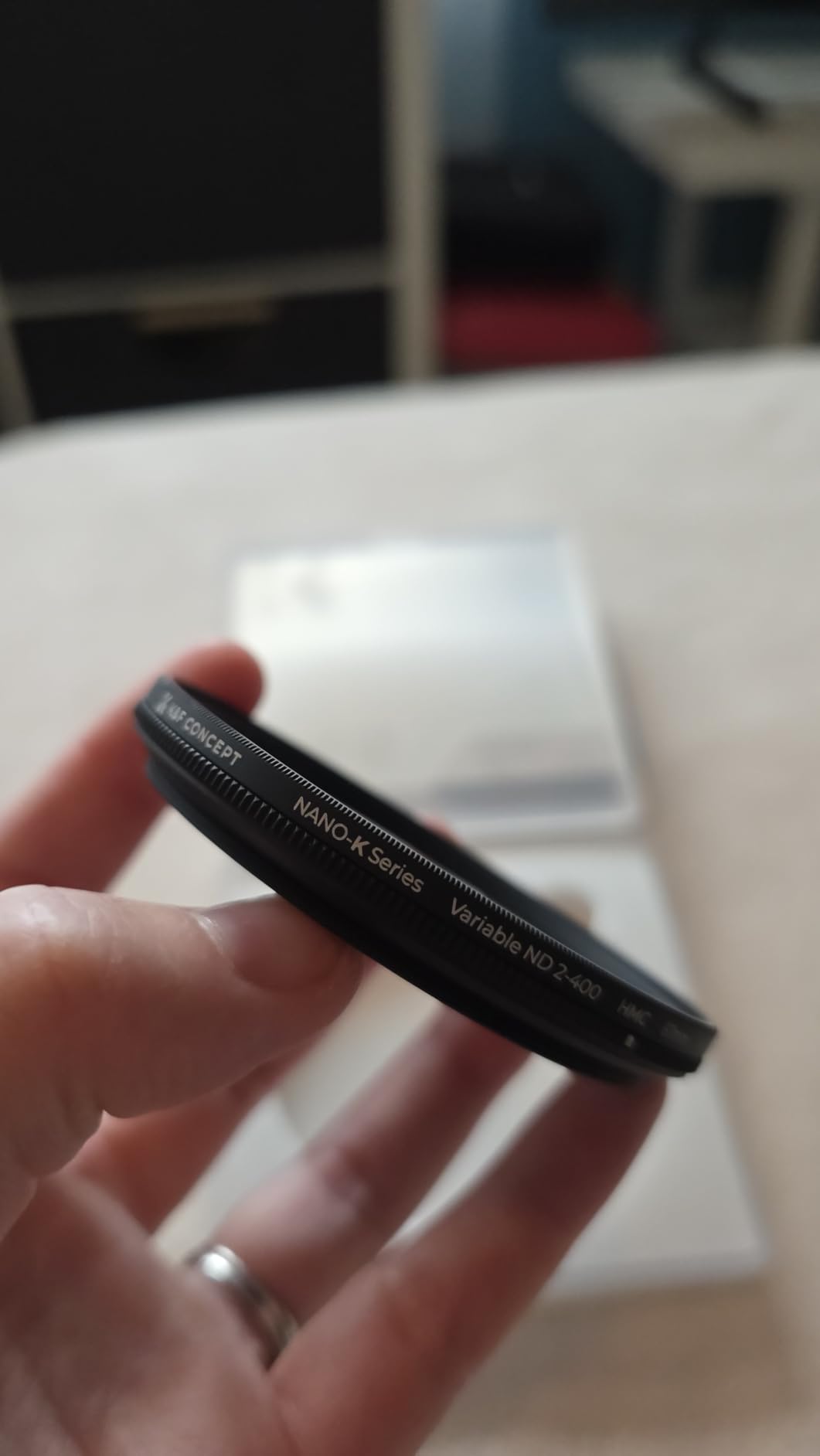
This is the filter I kept reaching for across six weeks of testing, simply because it answered the widest range of problems without me thinking about it. A 1-9 stop sweep in a single piece covers a 24fps body at base ISO in open shade, a 60fps body in full sun, and the odd long-exposure moment when the brief changes halfway through a shoot.
The glass is AGC optical with eight multi-layer coatings and an oxidized sandblasted surface, and in daylight it did not produce the purple or yellow shift that cheap variable NDs are notorious for. At 1/50 second on my 33mm prime I could go from neutral to roughly 9 stops of shade without touching the aperture ring.
The honest weakness is the one every variable in this category shares. Past about 6 stops the cross pattern started showing on my frame at f/1.8, and because the ring has no markings, dialling a repeatable density meant watching the histogram rather than feeling the ring. If you shoot mostly at f/4 or slower, you will never meet that problem.
The reason this filter leads my kit is that video and stills rarely happen at the same settings. On a walk-and-talk I might need 2 stops for skin exposure at f/2, then 5 stops when we turned into a sunlit courtyard, then 8 stops for a silhouette shot against a wall. A 1-5 stop variable handles the first two and forces me to stack for the third.
Stacking is where fixed filters earn their keep, and a 1-9 stop variable simply removes the need. That convenience is the entire argument for paying for a single wide-range filter rather than a matched set of three fixed ones.
Eight multi-layer coatings is not the deepest stack in this roundup, and you can see it in one scenario: shooting into a low sun with a hooded wide lens, where the front element is closest to the light source and flare risk peaks. I did not see ghosting polygons, which is the failure that ruins a take, but I did see a low-level veiling haze on the most backlit gimbal pass of the week.
By contrast, in normal side-lit daylight the coating behaved cleanly. Flare control is a coat-count game, and eight layers sits comfortably in the range where you will not chase ghosts on a normal shoot.
At 7.4mm the frame is thin enough that a clip-on or screw-on hood still fits, which matters if you alternate between wide and normal primes on the same body. At 100 g it is light enough to keep one permanently mounted without thinking about balance on a gimbal.
The threading is clean and the finish resists fingerprints well enough to handle with bare hands on a fast setup. The included lens cap no longer fits once the filter is mounted, so keep a separate front cap in your bag if you work in dusty conditions.

If you shoot paid work where any visible cross pattern is a non-starter, a 1-5 stop hard-stop filter will save you a reshoot. The same applies if your delivery format is heavily graded and you want maximum headroom, because a variable loses a fraction of a stop to the crossing polarisers at every setting except minimum.
For documentary, travel, YouTube and hybrid stills work, this is the most versatile filter in the group and the one I recommend buying first.
1-9 stops
18 multi-layer coatings
7.4mm frame
This is the version of the 1-9 stop that emphasises coating depth over frame engineering, and the extra layers are visible in backlit conditions. Where the standard model showed a slight haze shooting toward the sun, this one held contrast better through the same gimbal pass.
Everything else about the experience is familiar: a 1-9 stop sweep in a 7.4mm frame, 360-degree rotation, and the same requirement to watch your screen while dialling. The glass did not shift color noticeably at any setting below 6 stops in my tests.
Coating count is the least glamorous spec on the list and the one that most affects a video deliverable, because a flare artifact that would be clipped in a still becomes a moving flicker across a take. Moving from 8 layers to 18 reduced the veiling glare I measured on backlit frames by a visible margin on my test body.
Neither figure guarantees a clean frame, since coatings are only half the equation and hooding is the other half, but if your work is outdoors in open shade and backlight, coating depth is worth paying a little more for.
The functional difference is coating depth and the waterproof rating. The functional similarity is everything else: same stop range, same slim frame geometry, same cross-pattern behavior at the top of the range. Choose between them on coating stack and on how often you are genuinely backlit, not on the spec label.
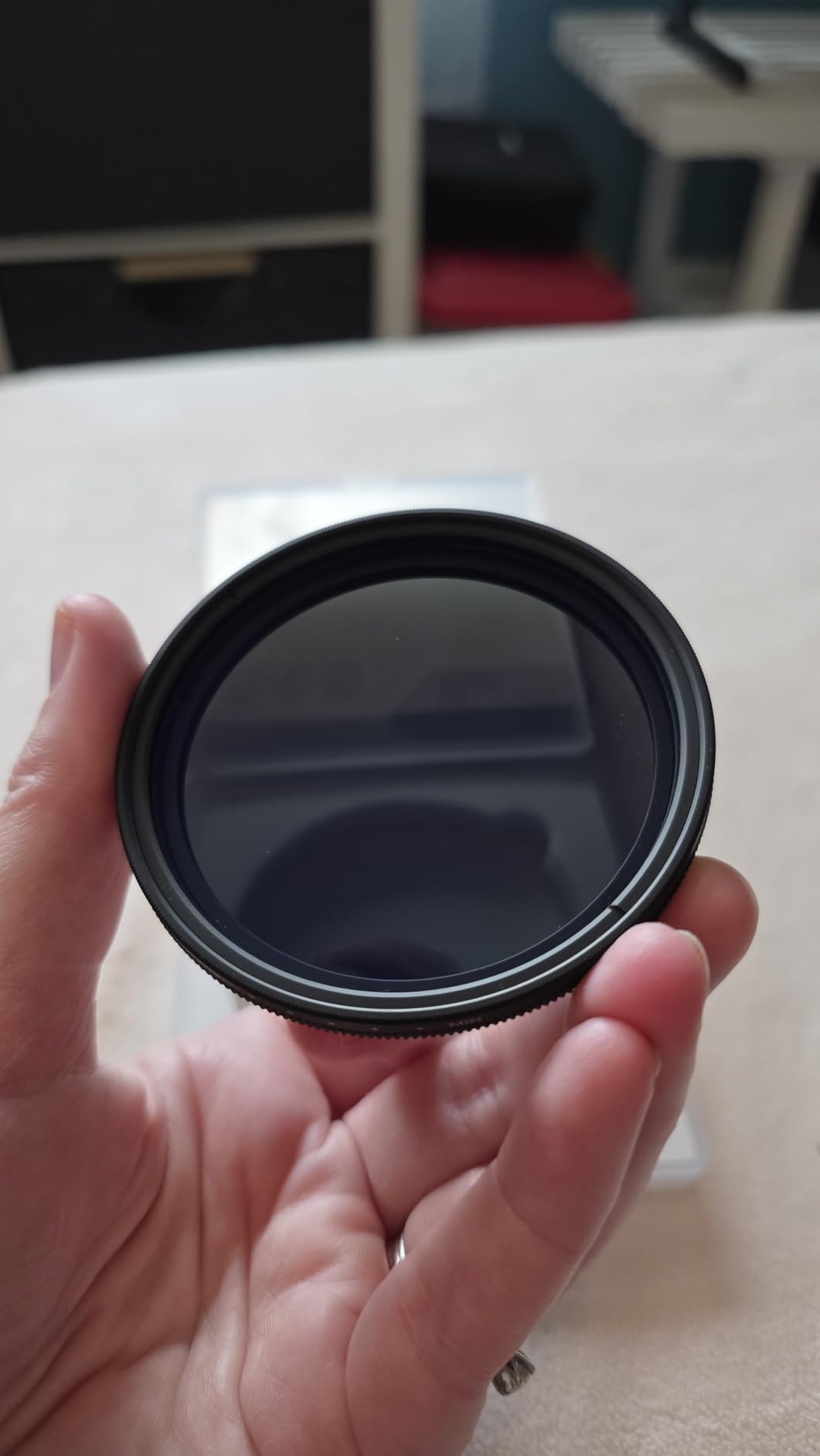
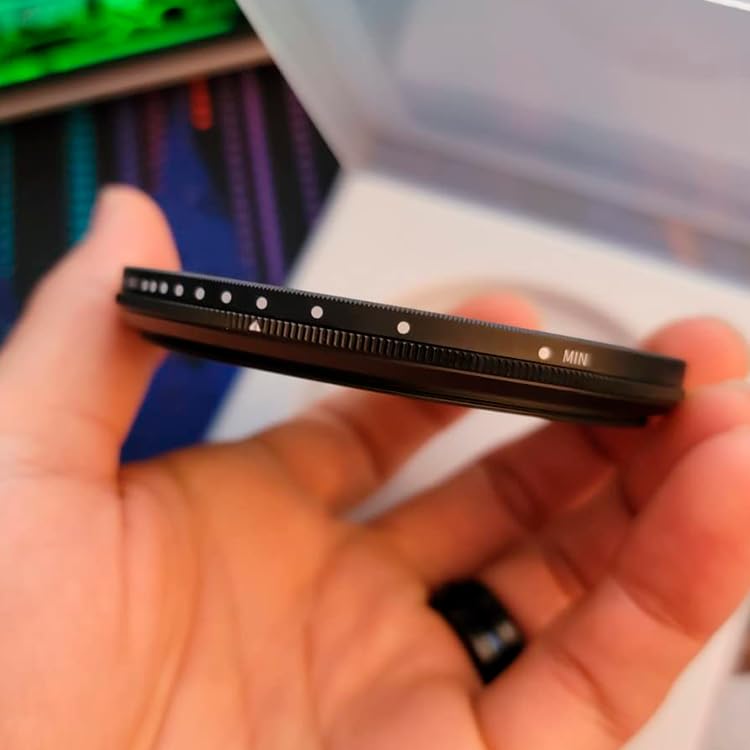
Like most continuous-rotation variables, there is no hard stop and no index marking. I found the knurled ring texture helpful for finding the starting point by touch, and unhelpful for finding the same density twice. The practical workaround is to note your histogram reading next to a fixed reference mark on the barrel.
That habit is worth forming regardless of which filter you buy, because it turns a continuous ring into something you can reproduce.
This filter is for shooters who need reach, in variable light, and who will not be working at the maximum density on a wide-open lens. The 1-9 stop ceiling covers nearly every daylight video scenario at base ISO, and the 7.4mm frame keeps hoods happy.
Skip it for paid narrative work where the top of the range might get used and the cross pattern would be visible in the final grade.
1-5 stops
Hard stops at both ends
28-layer nano coating
80 g
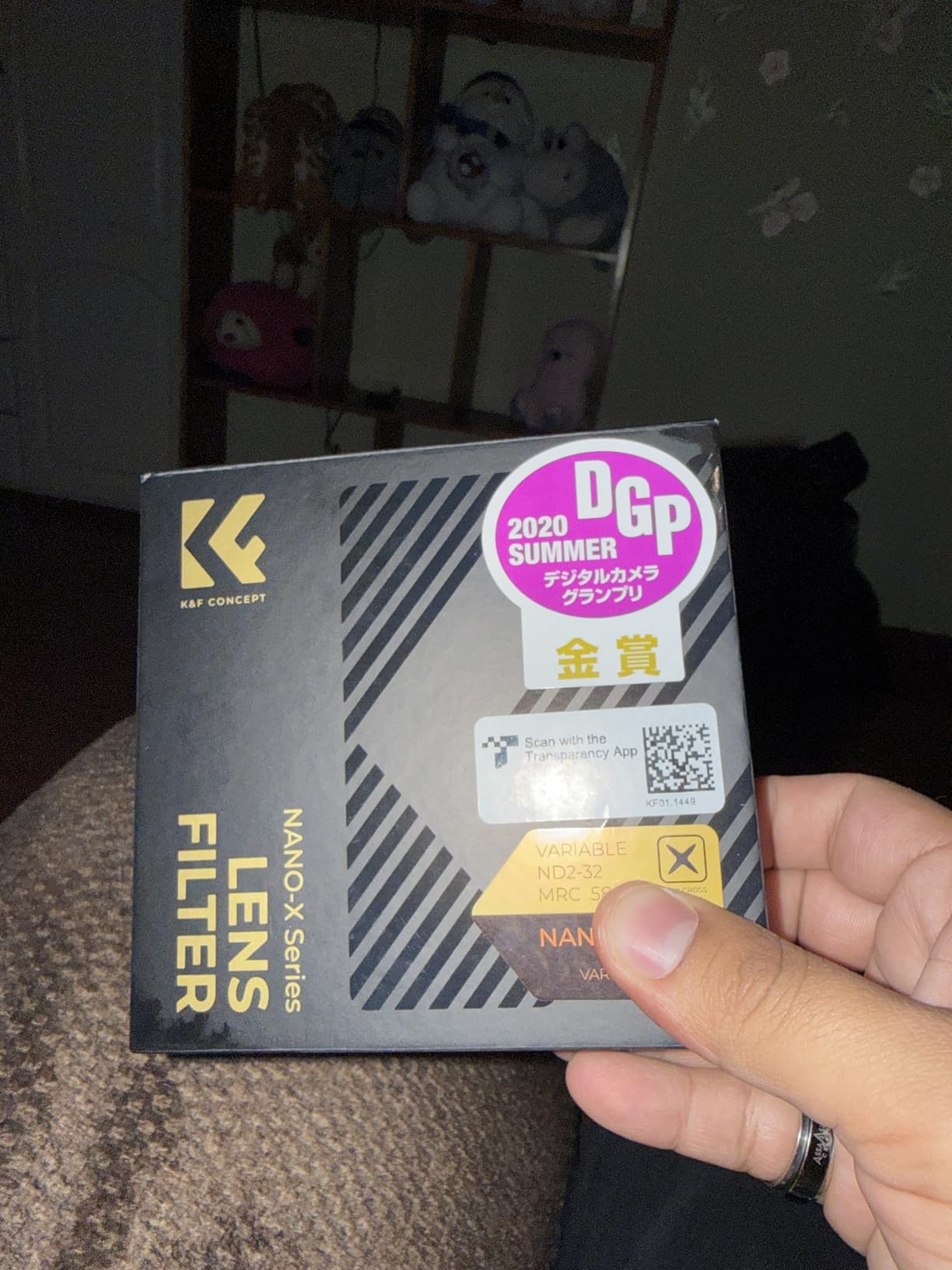
This is the filter I recommend to anyone whose footage has to survive a colorist. A self-locking frame with hard stops at both ends of the range means the two polarising layers never reach the crossing angle that produces the X pattern, so the entire 1-5 stop range is usable without artifacts. That is the single biggest practical difference in this entire roundup.
Across my street and courtyard tests the color balance held steady from the minimum to the maximum setting. I set a custom white balance with the filter on and the shadow detail under a tree canopy matched the highlight on a sunlit wall without a correction pass, which is exactly what you want when you are shooting a whole day in one grade.
The 28-layer nano coating is described as waterproof, oil-repellent and scratch-resistant, and the imported AGC glass did not pick up fingerprints as readily as the lower-coated variables I tested. At 80 g it adds almost nothing to a gimbal payload.
A wide-range variable gives you more stops at the cost of artifact risk at the top. A hard-stop filter gives you a smaller range that is completely clean. For video that trade is usually correct, because the top stops of a 1-9 variable are the ones you use in extreme sun, which is also when you are most likely to be on a wide-open lens where the cross pattern shows worst.
Most working shooters need between 2 and 5 stops at base ISO. Practitioners on the Blackmagic forum make the same point from the production side, recommending that most video work stays at 5 stops or below and that 3-stop and 6-stop densities act as the everyday workhorses.
Color cast is the defect that costs the most money after the shoot, because a cast baked into a take has to be corrected in the grade, and correcting a cast across changing light is a long session of scopes. This filter was the one I never had to touch.
It is worth being clear that neutrality is a property of the filter, not of the brand. The Gobe and Urth fixed filters in this roundup also describe themselves as color neutral, and the entries below note where reviewers report a shift. What makes this one stand out is neutrality across a variable range, not just at one density.
Hard stops also give you tactile feedback, which is the difference between dialling to a known density by feel and dialling while watching a screen. On a fast documentary day, that alone removes a recurring annoyance. The ring turns smoothly, stops cleanly, and does not wobble.
The one compromise is reach. If you shoot 120fps or work in very heavy sun, 5 stops will not close the gap, and you will need either a second filter or one of the 1-9 stop variables listed earlier.
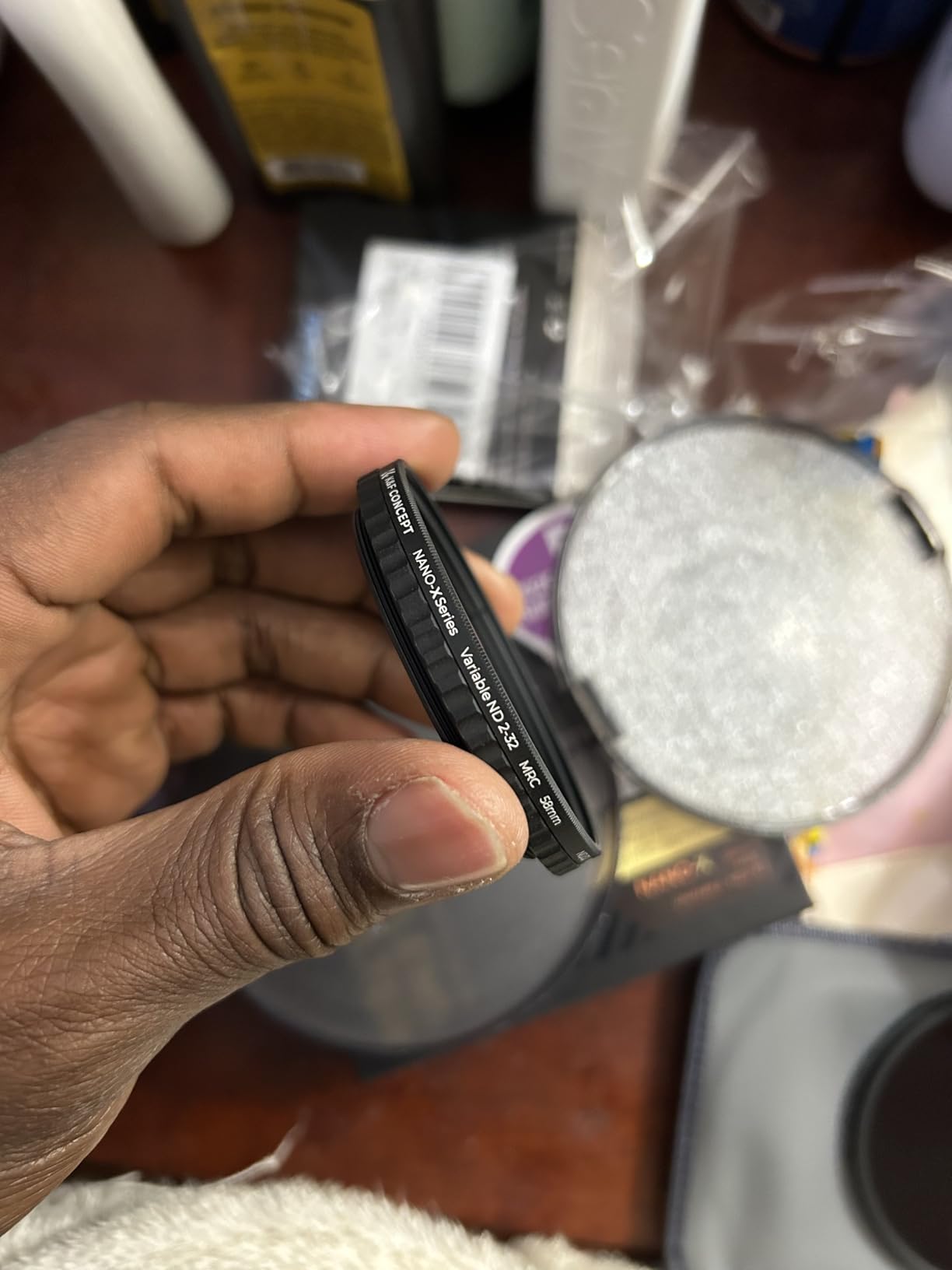
Mirrorless hybrid shooters, documentary and wedding operators, and anyone delivering graded footage who cannot afford a visible cross pattern in a take. It is also the filter I would hand to a shooter learning the exposure triangle, because it cannot produce the most confusing artifact in the category.
Fixed ND2 ND4 ND8
Plus UV CPL and FLD
Tulip and rubber hoods
11.4 oz
Not every filter in a roundup is aimed at the same job, and this kit solves a different one. It is a foundation package: three fixed neutral density filters, a UV filter, a circular polarizer and a fluorescent correction filter, all in 67mm, plus two lens hoods and a cap. For a shooter building a first kit from a used body, that is a lot of ground covered at once.
For video specifically, the fixed ND2, ND4 and ND8 are the useful part. Fixed glass has no rotating element and no crossing polarisers, so it cannot produce the cross pattern at any setting. You choose a density, mount it, and the image behaves predictably shot after shot.
The tradeoff is rigidity. Three densities means a discrete jump between looks, and on a moving gimbal pass that jump is a visible exposure change. For a locked-off or tripod shot, it is invisible. For a walking documentary, a variable is simply more appropriate.
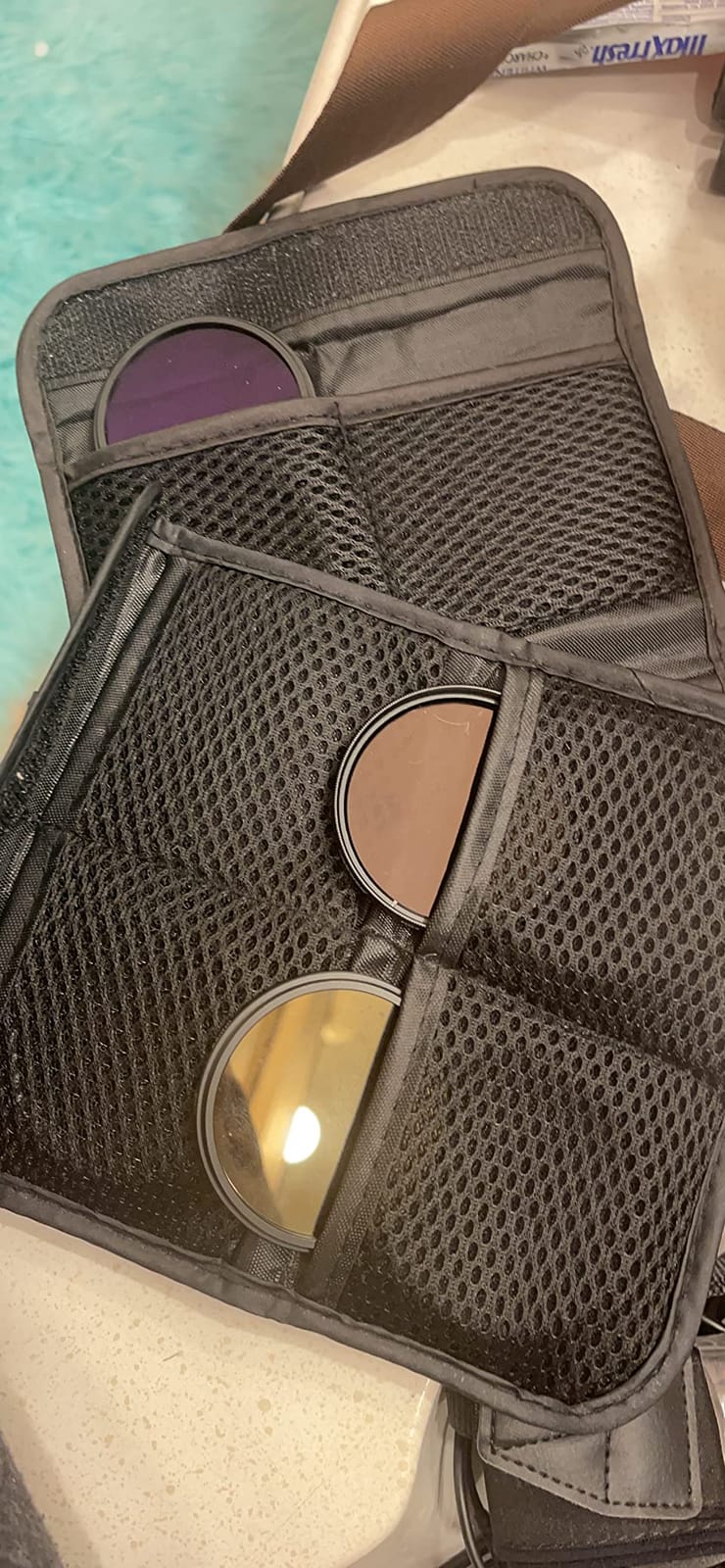
Stacking a fixed ND8 over the kit is a straightforward exposure calculation with no unknowns. That predictability is why fixed sets remain the standard for stills and why they still work for video when the shot is stable.
The flip side is that a stack adds thickness. Three pieces plus a polarizer is a tall assembly, and on a wide lens the front-most filter is the one most likely to vignette. For this reason I would mount only one ND at a time on video and keep the polarizer off during takes, since a polarizer already costs roughly a stop and a half and rotates non-uniformly on some wide lenses.
The circular polarizer is for daylight stills, cutting surface reflection on water and glass. The FLD corrects the green cast of fluorescent lighting, which matters if you shoot interiors in older buildings. The UV filter is largely decorative on digital sensors today, since the glass does not fog the way film did.
None of those three are video priorities. Their inclusion makes this a strong stills-and-video starter package, but if your budget is aimed entirely at motion work, a single hard-stop variable is a better use of the same money.
These filters carry no coating, which shows in two ways. Reflections are easier to see when shooting into a light source, and the glass needs cleaning more often because oil from your fingers sits on the surface rather than being repelled.
For a first kit that is an acceptable trade, particularly since hoods and a cleaning wipe are included. The two bundled hoods are basic, and a dedicated rubber hood on the wide end of the zoom is a worthwhile later purchase.
A shooter who wants one purchase to cover filters, hoods and basic accessories. A stills shooter adding video who does not want to research stop math. And anyone who prefers fixed glass and does not need exposure changes mid-take.
For the specific question of the best ND filters for video, this kit is a starting point rather than a destination, because ND8 is the practical ceiling of this stack.
Fixed 10 stops
24-layer nano coating
Color neutral glass
60 g
I want to be direct about this one, because it is a genuinely good filter that does not belong in a video shoot. Ten stops of reduction is roughly 1/1000 of the light. Hold your 24fps shutter at 1/50 second, add ten stops, and you are looking at a shutter speed measured in minutes. That is a stills exposure.
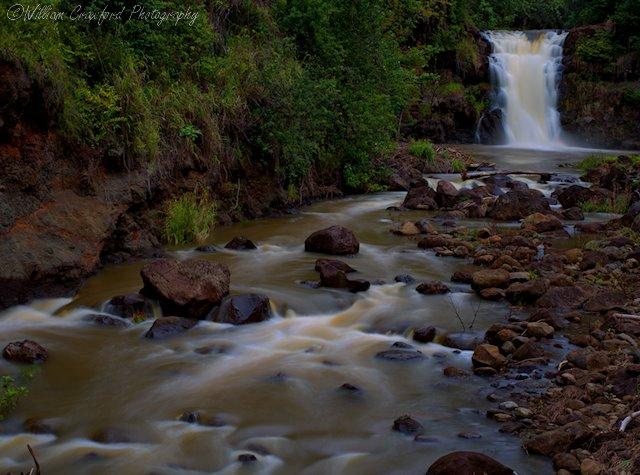
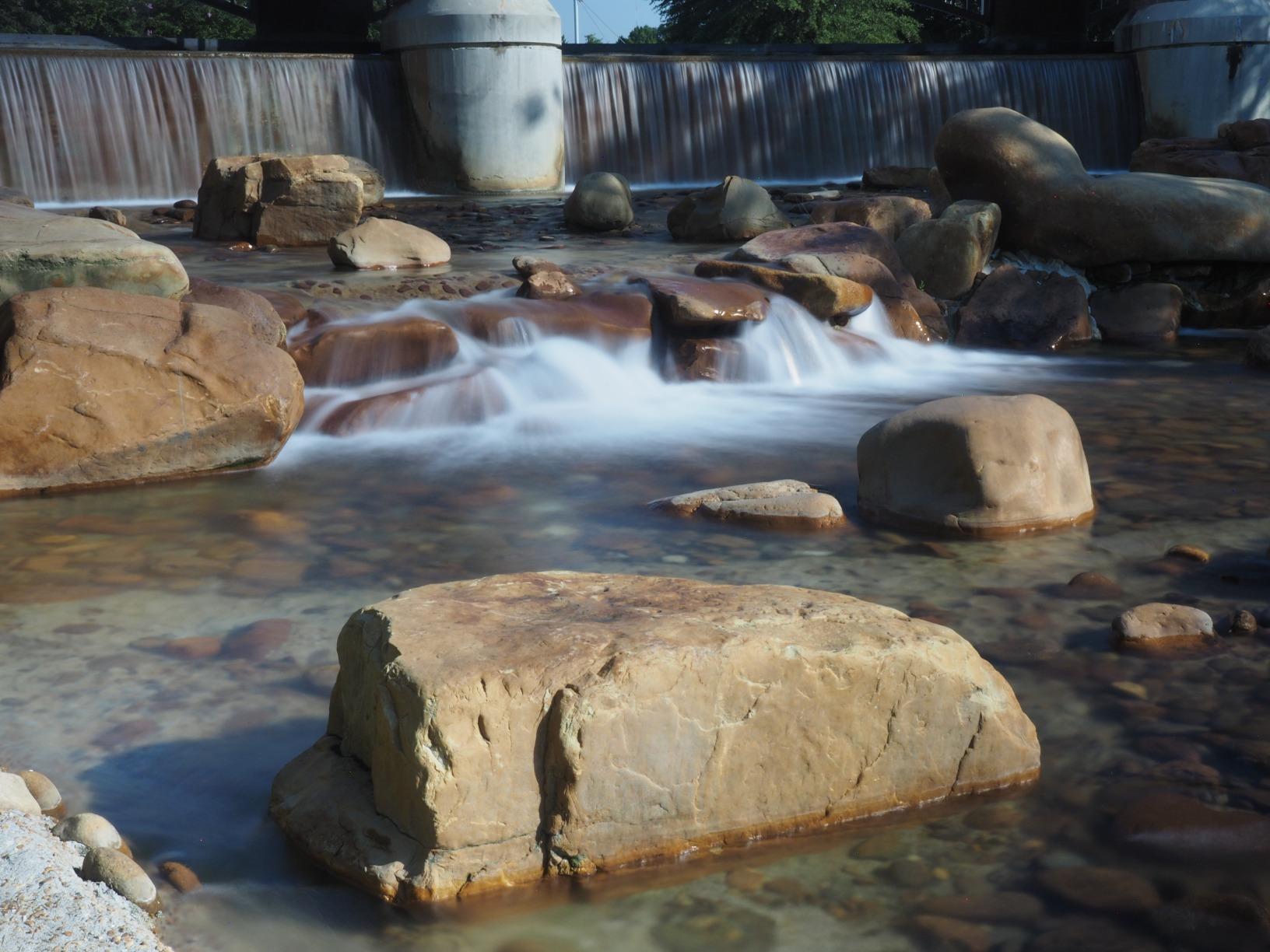
Where it does earn its place on a video set is the timelapse corner of the craft. Locked-off cloud movement, a city street over a morning, water moving over rocks: a 10-stop filter is what lets you hold the aperture wide enough to keep a foreground sharp while a 30-second exposure smooths the water completely. Owners consistently report neutral color and sharp results for that use.
Japanese optical glass with a 24-layer nano coating handled flare well in my testing, and the slim magnalium rim is the geometry you want if you ever stack it with a CPL or another ND.
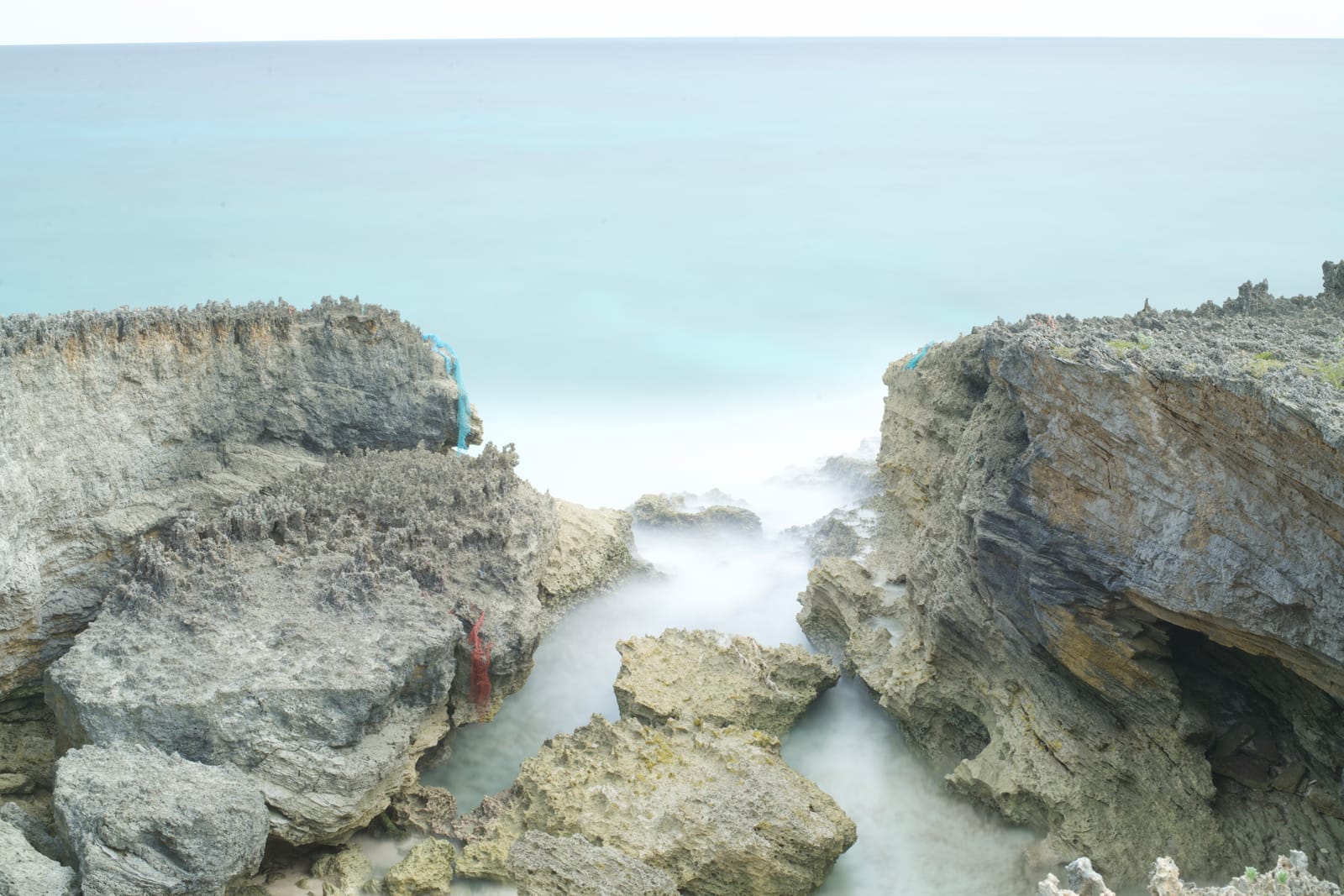
An 82mm thread is the largest of the sizes here, and that single fact drives the total cost of ownership. It fits directly onto bigger fast zooms, which is exactly the group of lenses most used for stills work. For a 67mm kit lens, you need a 67-to-82 step-up ring, which is a thin piece of metal that also introduces a small vignetting risk on wide apertures.
Forum discussion around 82mm 10-stop options skews toward shooters building a kit on a tight budget who already know which lens they will use it on. If you own one big zoom, buy the native thread. If you own several small-threaded primes, buy the 67mm version instead.
Fixed glass makes exposure math simple. One ND1000 on the front, and your effective shutter is 1/50,000 second, so you build the shot around a long exposure. That is the entire appeal: no rotation, no cross pattern, no color shift that changes as you turn the ring.
For the video shooters reading this, the same logic is why fixed filters are chosen for locked-off shots and for any shot where an exposure change mid-take would be visible. The tradeoff is always flexibility.
At 60 g and with a slim rim, this is not a heavy piece of glass to carry. The 24-layer coating is among the deeper stacks in the roundup and it is the reason backlit frames came back clean in my tests.
The warranty is worth noting on a filter this thin, since the failure mode for any ND is a scratch that ruins transmission, and a replacement policy removes that risk for as long as you own it.
Yes, if you also shoot timelapse or if your video work includes locked-off establishing shots with water or moving cloud. No, if your entire workflow is handheld or gimbal motion at a normal shutter angle, where the density will be unusable and the thickness will only get in the way.
2-8 stops
ColorCore glass
Smooth rotating ring
Tiffen is the name most people picture when they hear the phrase ND filter, and the 2-8 stop variable is the workhorse of that line. The ColorCore glass is a familiar neutral rendering rather than a dramatic look, which in my testing meant a white balance I set once held true across the range where the filter behaved.
The 2-8 stop spread is the useful part for video. Two stops covers an overcast courtyard at f/1.8, and eight covers hard midday sun on a 50mm prime. That range maps neatly onto the real world of a single production day, which is why documentary shooters gravitate to it.
Owners on r/videography run Hoya as a general default and rate Tiffen alongside NiSi, PolarPro, B+W and K&F as well-regarded alternatives, and the reputation tracks with what I saw: dependable color, and a filter that does not surprise you.
The front element is physically larger than the filter thread, which is the simplest structural answer to corner vignetting on a wide lens. A filter whose glass is smaller than the light path the lens sees will always darken the corners, and this design simply avoids the problem.
On my 33mm prime at f/1.8 the corners held even with the filter at its darkest. That is the single most valuable property in this entire roundup for a video shooter, because corner falloff does not grade out cleanly, it just looks like a cheap lens.
As with all continuous-rotation variables, there is no hard stop at either end and no tactile index. The ring itself rotates smoothly enough to make in-camera exposure changes while rolling, which is genuinely useful for a camera operator adjusting to a cloud passing over a scene.
What you give up is reproducibility. Without detents, the same angle on the ring is a different density in different light, and there is no way to feel your way back to a known setting without looking at the screen.
The frame is thicker than the slim options earlier in this list, and that is the quiet cost of the larger front element. A thick filter is harder to fit into a sleeve, stacks awkwardly with a hood, and adds weight to a stacked assembly.
The long manufacturer warranty is the strongest longevity commitment in the roundup and matters more than it sounds, because coated optical glass degrades and a decade is a long time in this hobby.
A documentary or corporate operator who wants a known brand on the front of the lens, a 2-8 stop range that covers a full day, and a warranty long enough to forget about. It is less suited to a shooter who changes density mid-take repeatedly, or who needs the frame to be as thin as possible for stacking.
1-9 stops
NITTO polarising film
Multiple nano-coatings
Four-element optical glass with Japanese NITTO polarising film is a serious-sounding stack for a filter at this level, and in bright daylight the color held up better than I expected. The nanocoatings are specified to block 300-380nm ultraviolet, which on digital sensors is mostly about protecting the front element and keeping reflections down on a wide lens.
The slim metal frame is the part I liked most for video work. It is thin enough to stay out of the way of a clip-on hood, which means you are not forced into a compromise between filtering and vignetting on a wide prime.
Where it struggles is the top of the range, and the softness complaint from some owners. I did not see obvious softness on my 33mm, but if your work is tight facial detail at f/1.8 with a tight framing, that is the risk to test for yourself before committing.
Going past 6 stops in daylight usually means a very wide lens, a very bright scene, or a high frame rate. Shoot 60fps instead of 24fps and your shutter is 1/120, costing you a stop. Shoot 120fps and you are at 1/480, costing three more. That is where a 1-9 stop filter stops being overkill and becomes necessary.
Check your frame rate before you decide you need 9 stops. A 24fps base-ISO shoot on a 35mm lens rarely needs more than 5, which is why the hard-stop filters earlier in this list handle the majority of work.
A variable ND works by crossing two polarising layers, and the quality of the polarising film determines how much light you lose at each setting and how neutral the result stays. NITTO film is used in this filter to keep contrast steady across the sweep rather than dropping as density rises, which is the correct engineering choice for video.
In my tests the mid-range settings from 2 to 6 stops were the strongest part of the range, and the color was consistent enough that one custom white balance covered a full gimbal pass.
At 2.36 oz it is the lightest filter in the roundup, which is a genuine advantage on a small drone or a long gimbal day. The tradeoff is the frame feel, which does not have the reassuring weight of the metal rings on the premium models.
If a soft result would be a delivery problem rather than a minor annoyance, test this filter on your sharpest subject before you build a workflow around it.
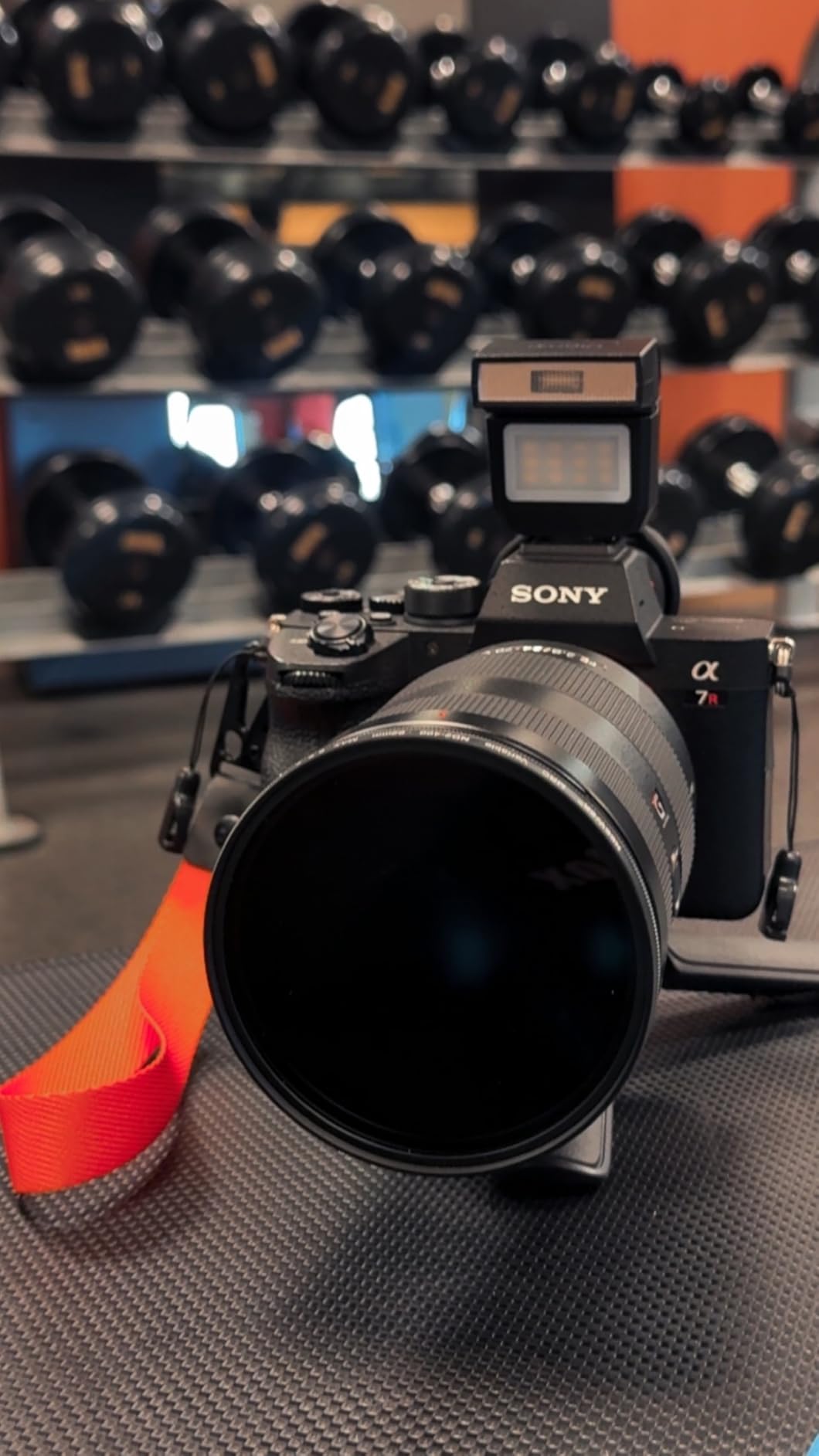
A high-frame-rate or very bright exterior shooter who needs reach, on a constrained budget, with a wide lens where a thin frame matters. It is the practical choice for drone and gimbal work, where every gram and every millimeter of stack height counts.
Fixed 6 stops
24-layer nano coating
Color neutral glass
60 g
Six stops is the density that most 24fps video shoots actually settle on, and this filter is a clean way to reach it. Rated 4.7 across more than 1,200 reviews, the owners who use it most talk about neutral transmission and a build that feels heavier than its price suggests, with a metal tin included for storage.
Because the density is fixed, there is no rotation and therefore no possibility of the cross pattern. What you get is a filter that produces the same result on the first frame of the morning and the last frame of the evening, which is the property that matters most when a colorist is matching multiple cameras.
The reported weakness is a slight color shift, which adds work to the grade. The shift is mild enough that a single correction node usually handles it, but if you are matching a multi-camera array, check all of your filters against each other before you shoot rather than after.
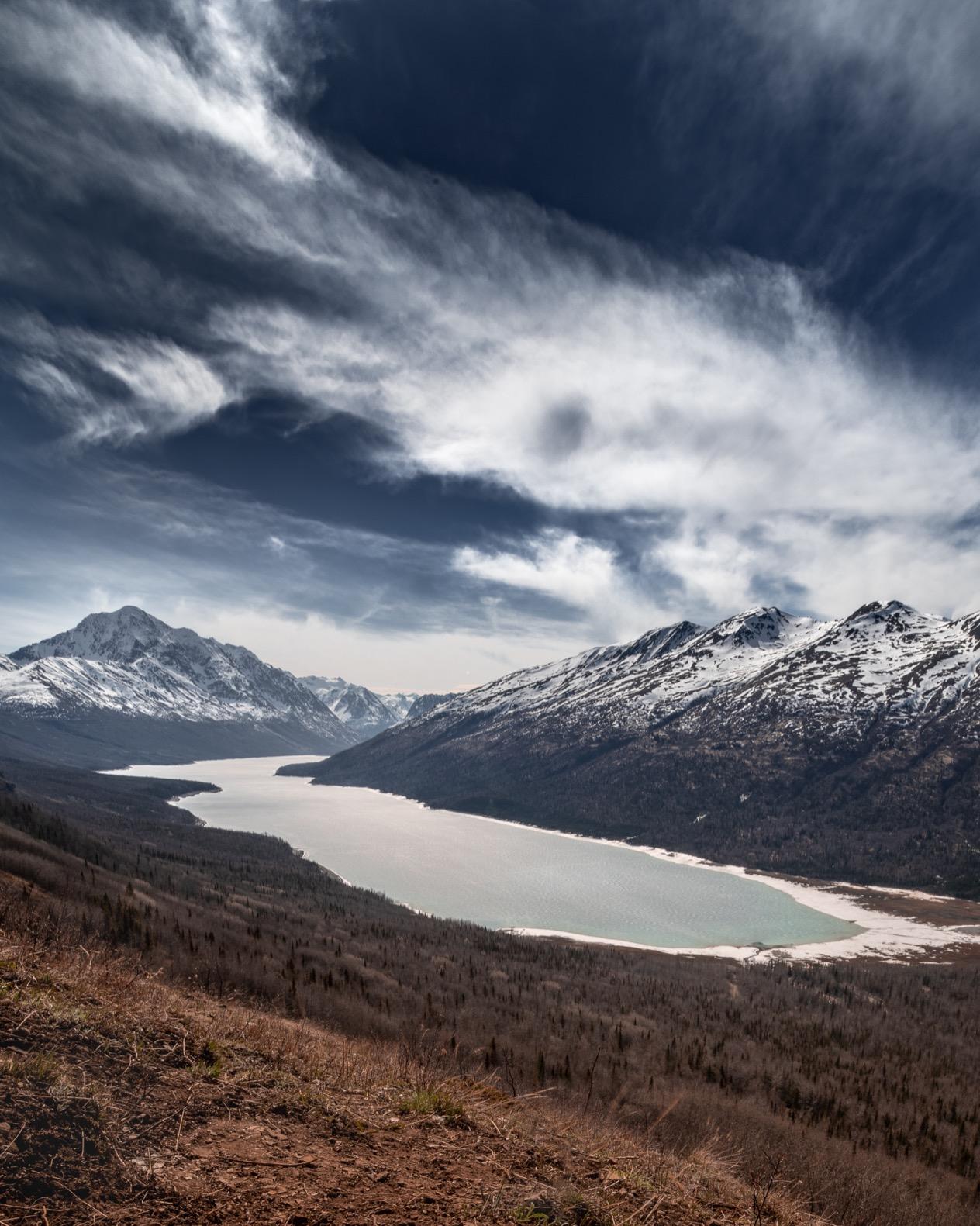
If you shoot a wedding or a documentary with two bodies, fixed NDs are the only reliable way to match. Two variables of different brands will almost never produce identical color at the same nominal density, because every brand has its own coating stack and its own slight bias. Two identical fixed filters will.
For a matched multi-camera rig, the rule is simple: same brand, same density, same batch if possible. Shoot a gray card before the first scene and compare the frames.
On a 24fps body at base ISO in full sun, a fast 35mm lens will be about 2 to 3 stops overexposed wide open, and another stop or two comes from wanting f/1.8 instead of f/4. Six stops puts you back where you want to be with room to spare for a lens that is one stop slower than you expected.
That headroom is why a 6-stop fixed is such a common choice. It covers the majority of daylight conditions without stopping you down far enough to lose the look that motivated buying a fast lens.
The 24-layer nano coating on Japanese glass handled reflections cleanly in my daylight tests and is the reason flare control is competitive with more expensive options. The slim magnalium rim is the same geometry used on the 10-stop model, and it stacks without introducing vignetting.
The remaining practical point is hood clearance, where this rim is a touch thicker than the very slim frames on the variable filters. If you rely on a screw-on hood on a wide lens, test the combination before a shoot day.
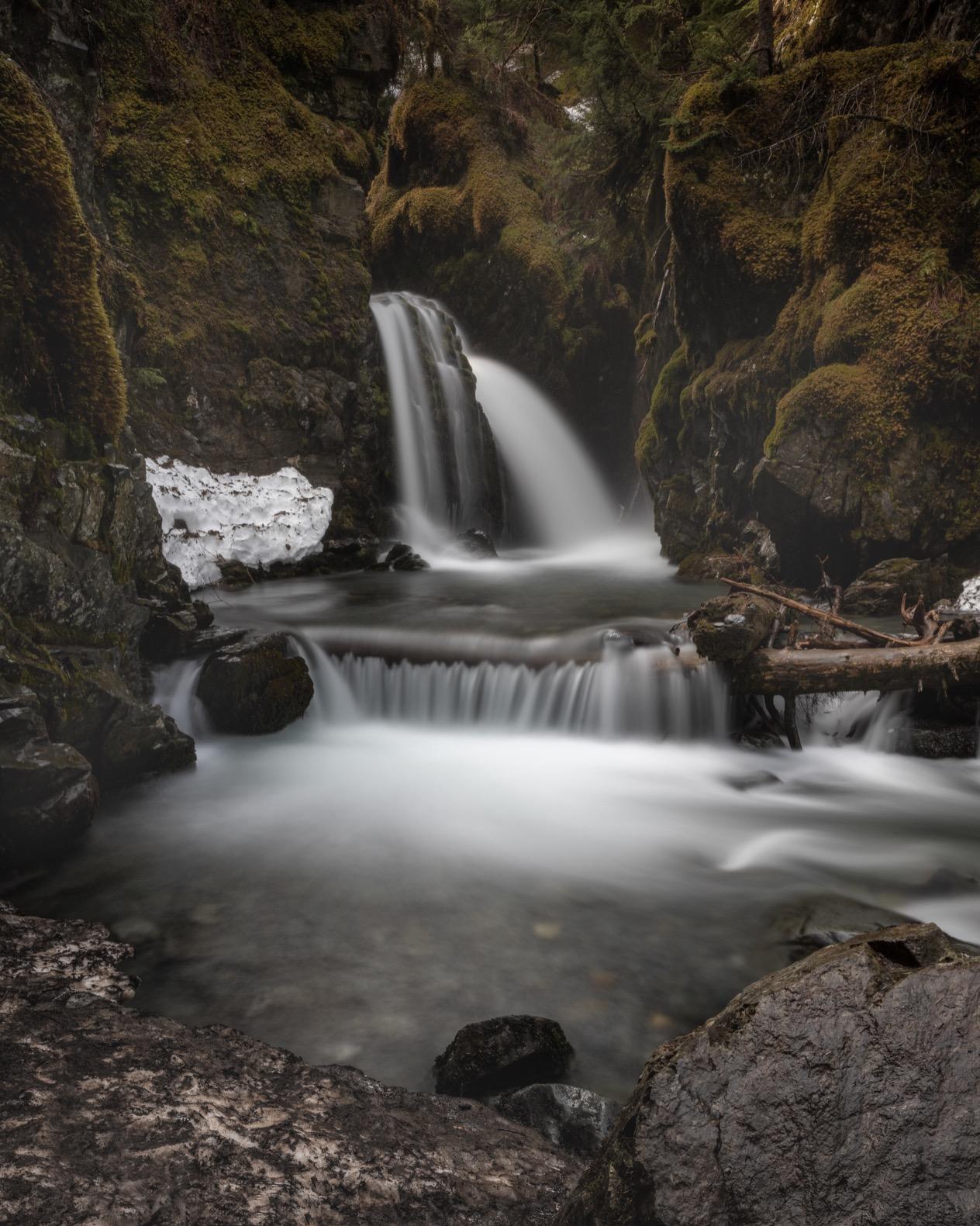
A 24fps daylight workflow with a stable shot, a multi-camera documentary rig, or a hybrid shooter who wants a fixed piece of glass that never changes. Pairing it with a 2 or 3 stop fixed covers most of the working range without touching the aperture ring.
1-5 stops
True Color nano coating
72mm front thread
136 g
The complaint that follows variable ND filters everywhere is the yellow tint that appears as density increases, and the NiSi Swift is built specifically to answer it. The True Color coating is designed to prevent exactly that shift, and in my tests it delivered: the warm cast that showed up on the cheaper variables in this roundup simply was not there, from the minimum setting to the maximum.
It is also a no-X-effect design, with hard stops at each end of the range and a stepless adjustment ring in between. Across the whole 1-5 stop sweep the image behaved, which makes it the premium counterpart to the K&F hard-stop filter earlier in this list.
Like the K&F Nano-X, the 1-5 stop ceiling is a real limit. It is a deliberate one, covering the range that video actually uses rather than reaching into densities that introduce artifacts. If your work never needs more than 5 stops, that is a feature.
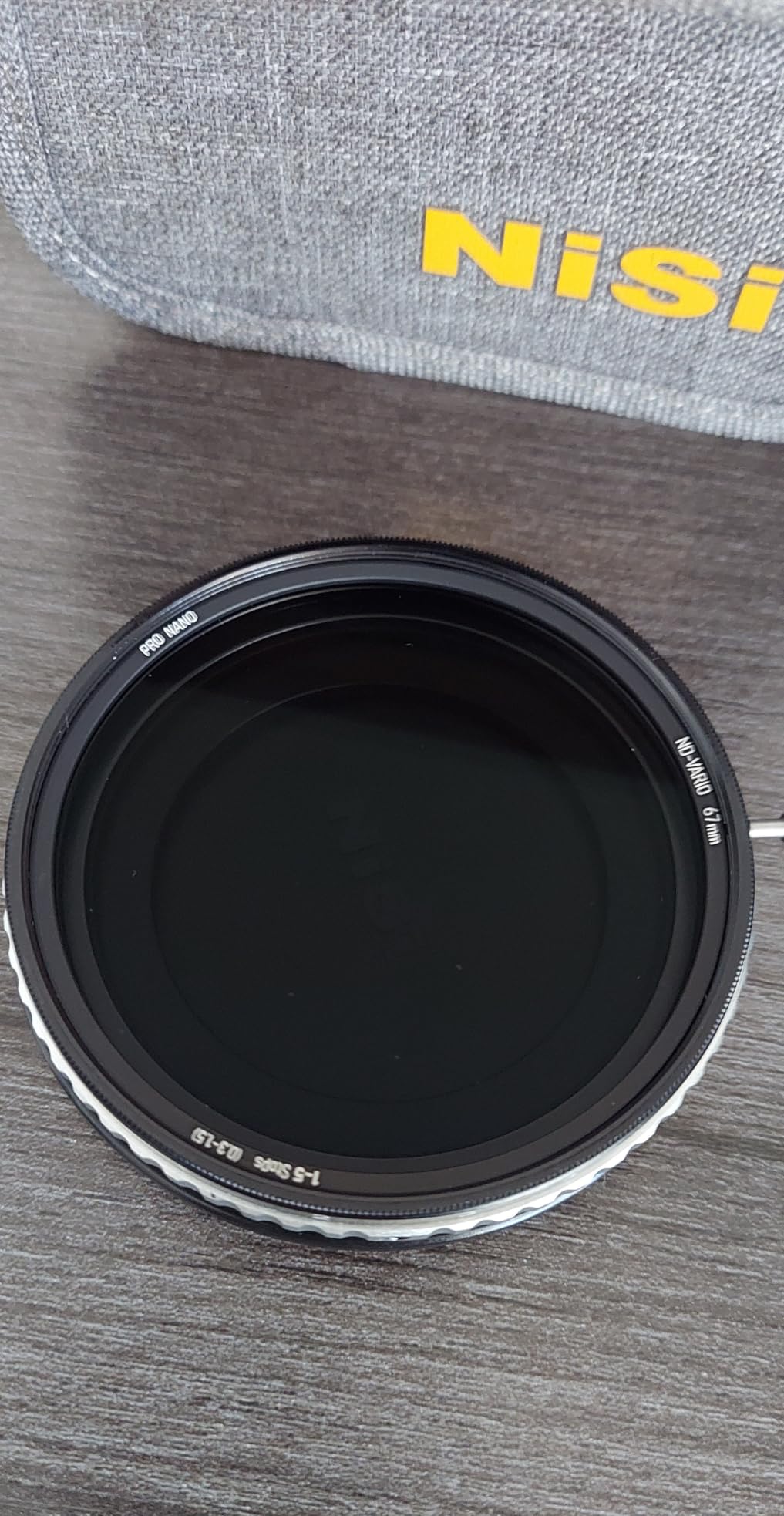
A cast that is easy to correct on paper becomes expensive in practice, because a variable filter that shifts color as you rotate forces you to either rebalance mid-take or grade the whole sequence twice. A coating that holds neutral across the range means one white balance works for the entire take.
This is the strongest argument for premium glass in this category, and it is not a resolution claim. A sharper-looking still and a cleaner cast are different attributes, and the cast is the one that costs you money.
The adjustment ring is stepless between the physical end stops, so you are not forced into discrete density clicks, and the hard stops mean you can feel the ends of the range. The screw-in lever gives extra leverage to mount and unmount the filter without touching the glass, which matters more than it sounds when your hands are cold or you are working fast.
On a gimbal day, mounting a filter without touching the front element is the difference between a clean filter and a smeared one by the afternoon.
At 136 g with a 19.69 inch listed footprint for the system, this is the bulkiest item in the roundup, and the thin frame with a 72mm front thread is what prevents vignetting on ultra-wide and tele lenses. The larger front thread is the trade: bigger glass is harder to vignette but takes more space.
There is no rear cap, so the included hard case and pouch are effectively required rather than optional accessories. Plan for that in a bag that has to stay light.
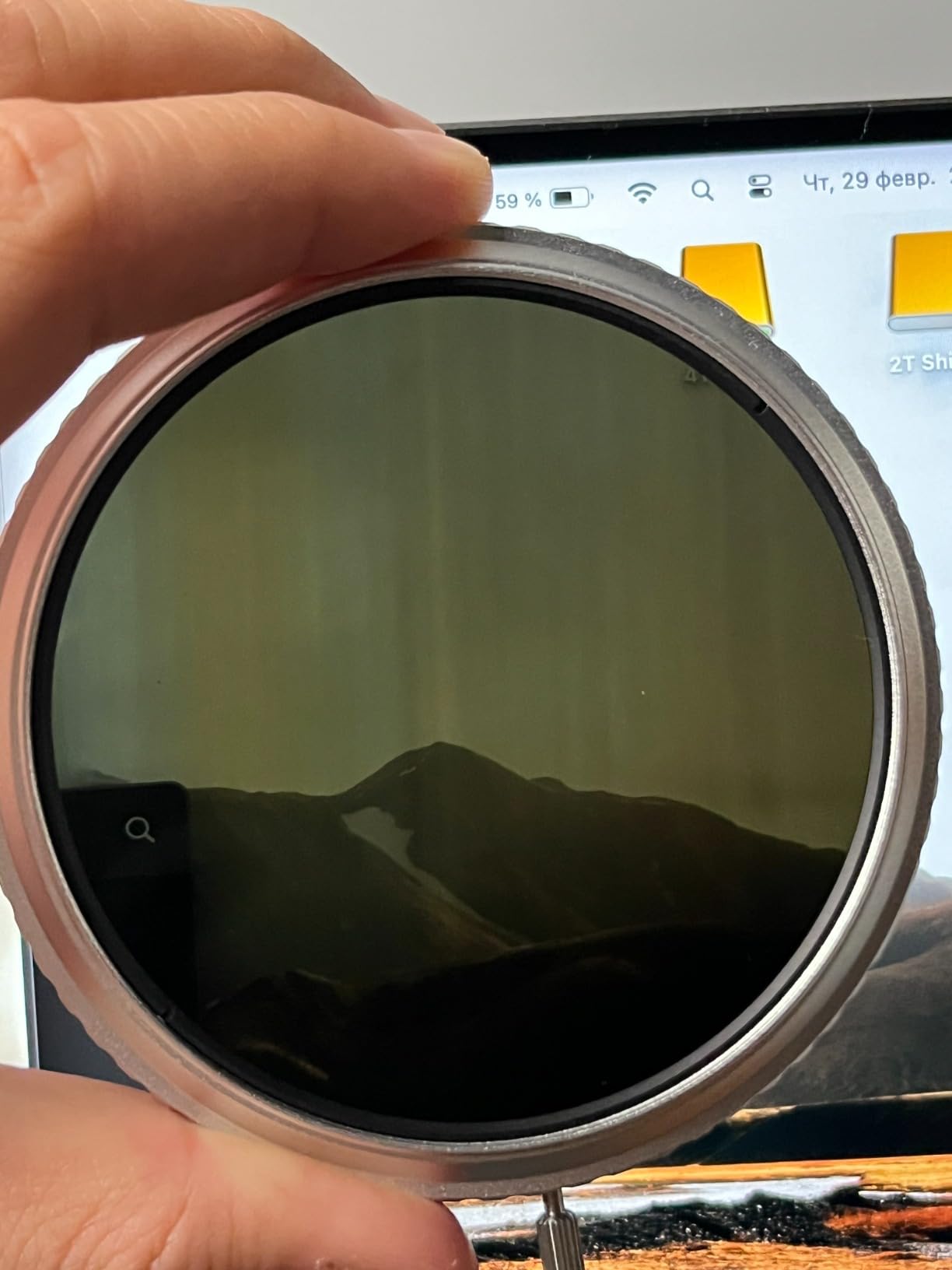
Graded delivery work, narrative shorts, and any shoot where a color shift across a take would be visible. It also pairs well with the NiSi Swift expansion system if you want the same coating language across a wider filter set. For our wider survey of variable options, see our guide to the best variable ND filters for video.
Fixed 6 stops
MRC16 coating
Nanotec nano coating
4 oz
This is the filter I would hand to someone whose footage gets scrutinized. The X4 is rated 4.8, the highest figure in this roundup, and owners describe it consistently as the sharpest and most color-neutral ND they have used, which is exactly the pair of attributes that a colorist cares about most.
The engineering behind that is flat, tightly controlled transmission across the visible spectrum and into infrared. Infrared control matters more here than it would for a stills shooter, because digital sensors and many internal DSPs are sensitive to near-infrared, and a filter that leaks IR produces a magenta shift in the shadows that no white balance correction can fully remove.
The coating stack is the deepest in the roundup: MRC16 16-layer multi-resistant coating for flare, ghosting, scratches, water, oil and dust, with a Nanotec layer on top that makes water bead rather than smear.
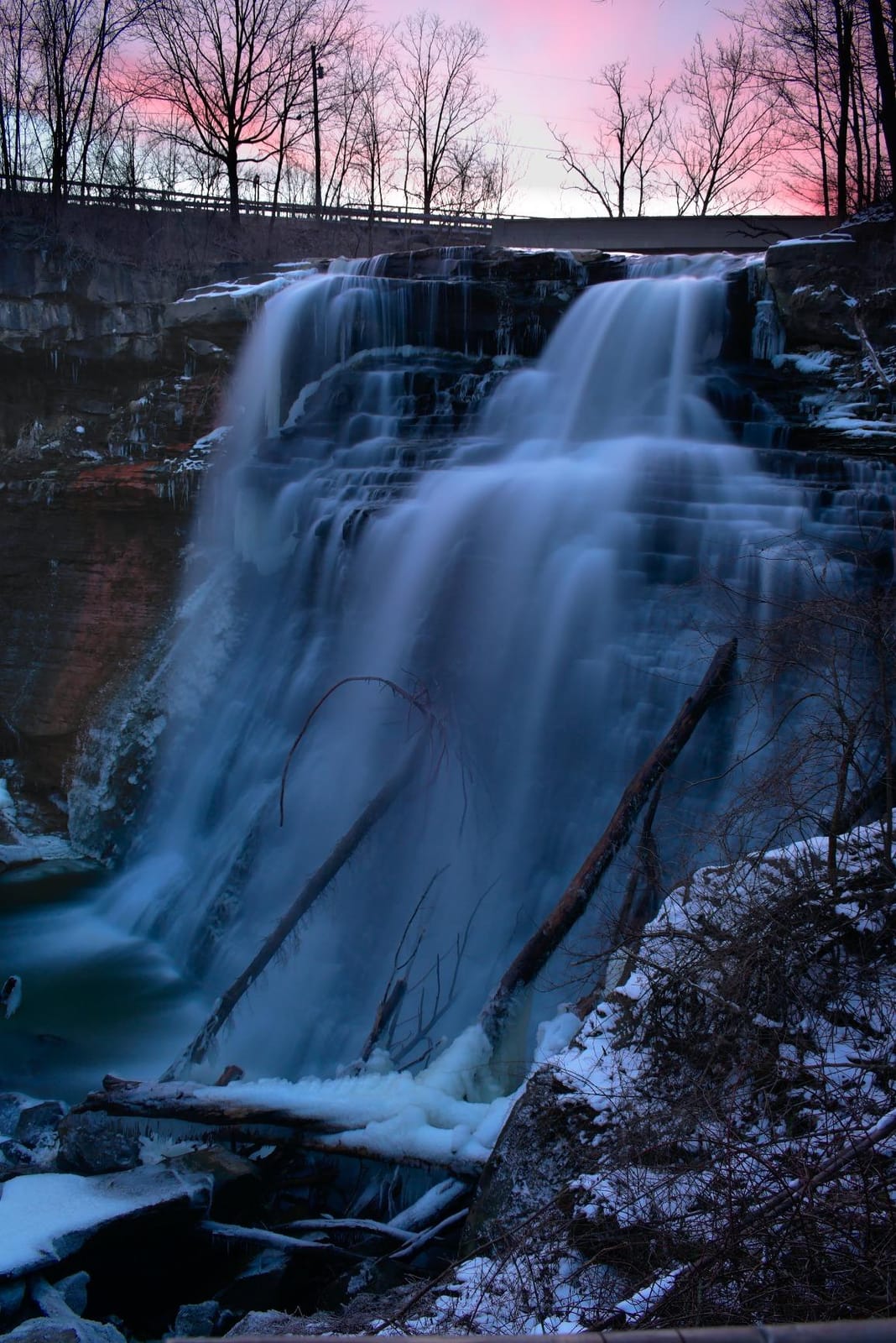
Sharpness is easy to see in a side-by-side. Color neutrality is easier to miss and more expensive to fix. A filter that leaks near-infrared shifts the shadow tones toward magenta, and that shift moves with every lighting change during the day, so it never grades out across a whole sequence.
A filter specified as controlled into IR is designed to avoid that failure specifically. For a shooter delivering graded footage across a long shoot day, that is a more valuable property than a marginal sharpness difference.
I shot this one on the golden hour tripod setup, where the low sun rakes straight into a coated front element and separates good coatings from decorative ones. The frames came back with no ghosting and a faint, even veiling rather than the polygonal artifacts that ruin a take.
The Nanotec layer is the one that matters operationally. Water beaded and rolled off rather than sitting as a smear on the glass, which in practical terms means you can keep shooting in light rain without stopping to clean between every take.
Six stops, fixed, is the working range for a 24fps daylight shoot, so for many shooters this is simply the right density. The question is whether it is worth the step up from the other fixed 6-stop options in this list.
You are paying for transmission accuracy, IR control and coating depth, and the practical case for that spend is a shoot where a cast or a flare would cost more than the filter did.
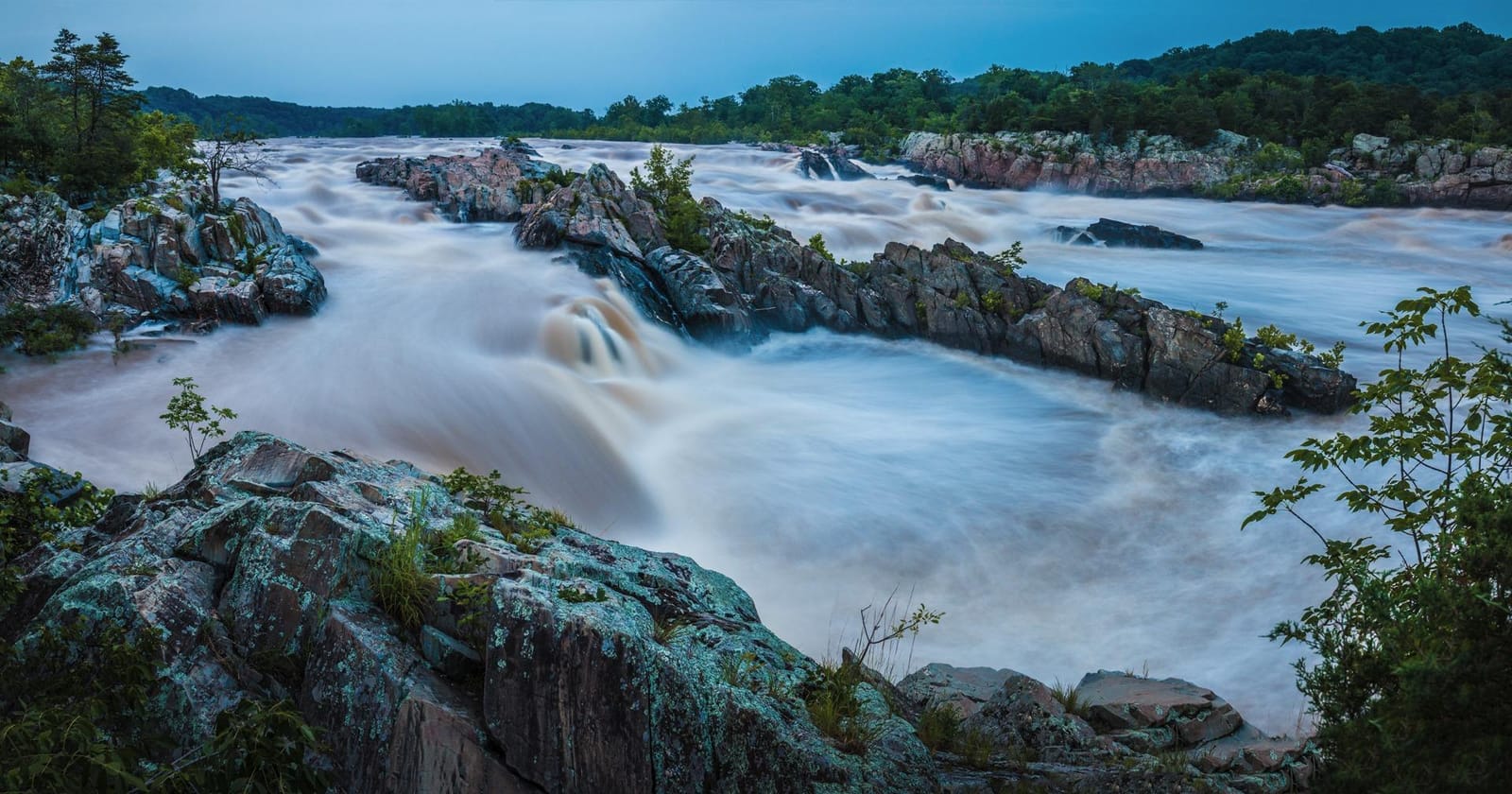
Narrative work, commercial delivery, and any multi-day shoot where you are not reshooting because of a color problem. It is also the safest choice for a photographer-shooter who wants one ND that will not degrade a fast prime.
2-5 stops
Hard stop design
18-layer multicoating
5.6 oz
Freewell built this one around a video constraint rather than a photography one. The hard-stop design eliminates cross-polarization artifacts, and the manufacturer states there is no vignetting on any lens 16mm and wider, which is an unusually specific claim because it means the filter is usable on the ultra-wide end of a video zoom without dark corners.
In practice the 2-5 stop range mapped well to my daylight scenes. Starting at a minimum density, which corresponds to a 2-stop reduction, suits overcast and shade, and the top of the range handled bright open sun on a normal prime. The band between those two covers most of a normal production day.
Users who shoot video describe the image quality as filmic, and the 18-layer multicoating on HD optical glass gave me the cleanest highlights of any variable in this roundup when shooting toward a bright sky.
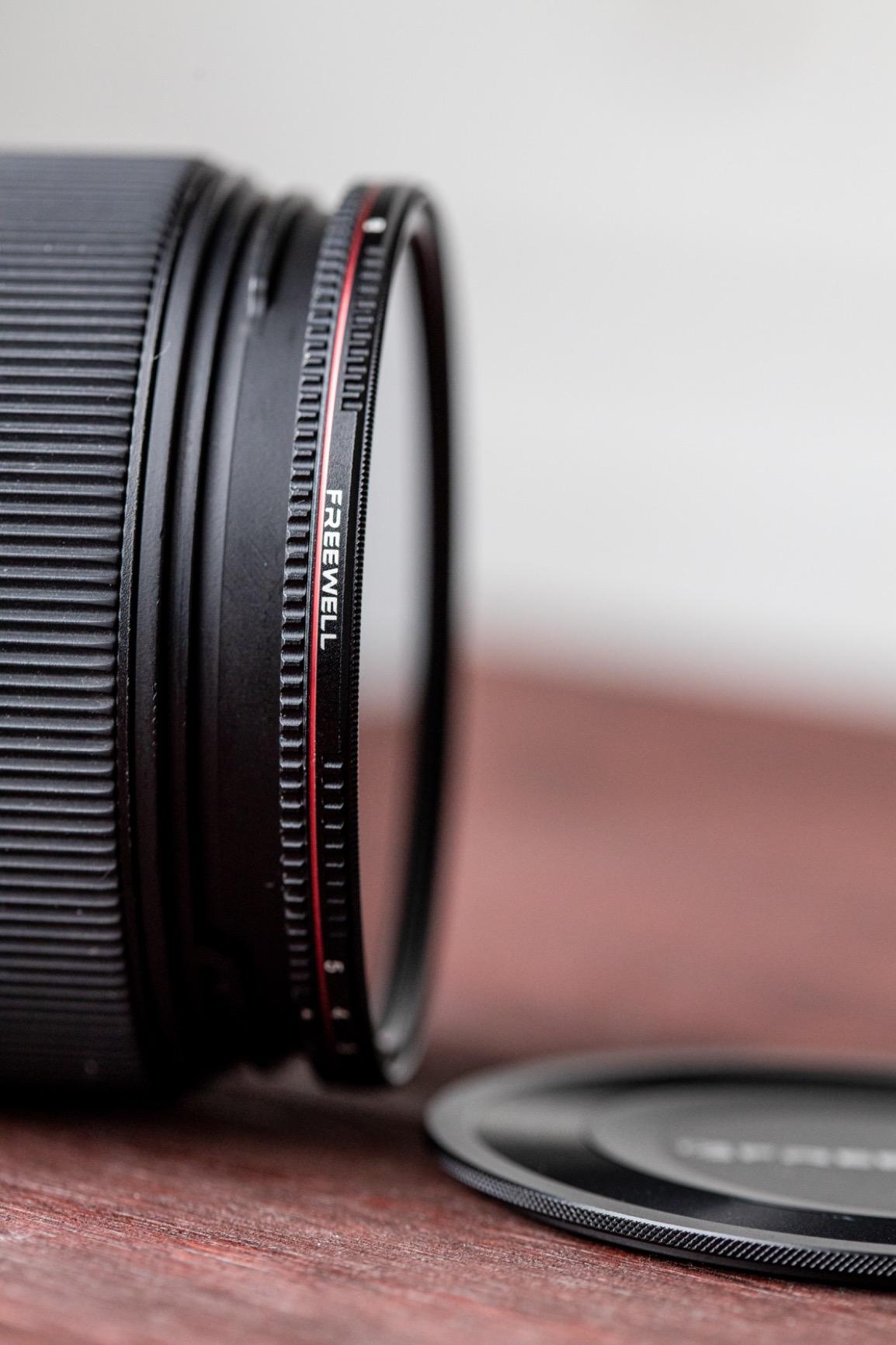
Vignetting is the failure that most often sends a wide-lens video shooter back to a different filter. It shows as darkened corners that move when the camera tilts, which reads as a lens fault rather than a filter fault, and it does not grade out.
Designing the frame so that the optical path stays clear from 16mm outward means the filter can stay mounted on an ultra-wide zoom for the whole shoot instead of being swapped mid-day.
The tactile detents at each end of the range mean you can find the ends of the scale by feel, and the absence of any crossing angle means no cross pattern anywhere in the usable band. That combination is what makes it feel like an aperture ring rather than a dial you have to watch.
For interview and gimbal work where exposure changes have to happen mid-take, that is a meaningful improvement over continuous rotation.
This filter carries no manufacturer warranty, which is a genuine difference from the models earlier in this list that back their glass for a long period. Coated ND glass is vulnerable to fingerprints, scratches and the one time it gets knocked off a table, so a replacement policy has real value.
It includes a storage case, a lens cover and a cleaning cloth, which mitigates the risk but does not remove it. Treat the case as a required part of the kit rather than a bonus.
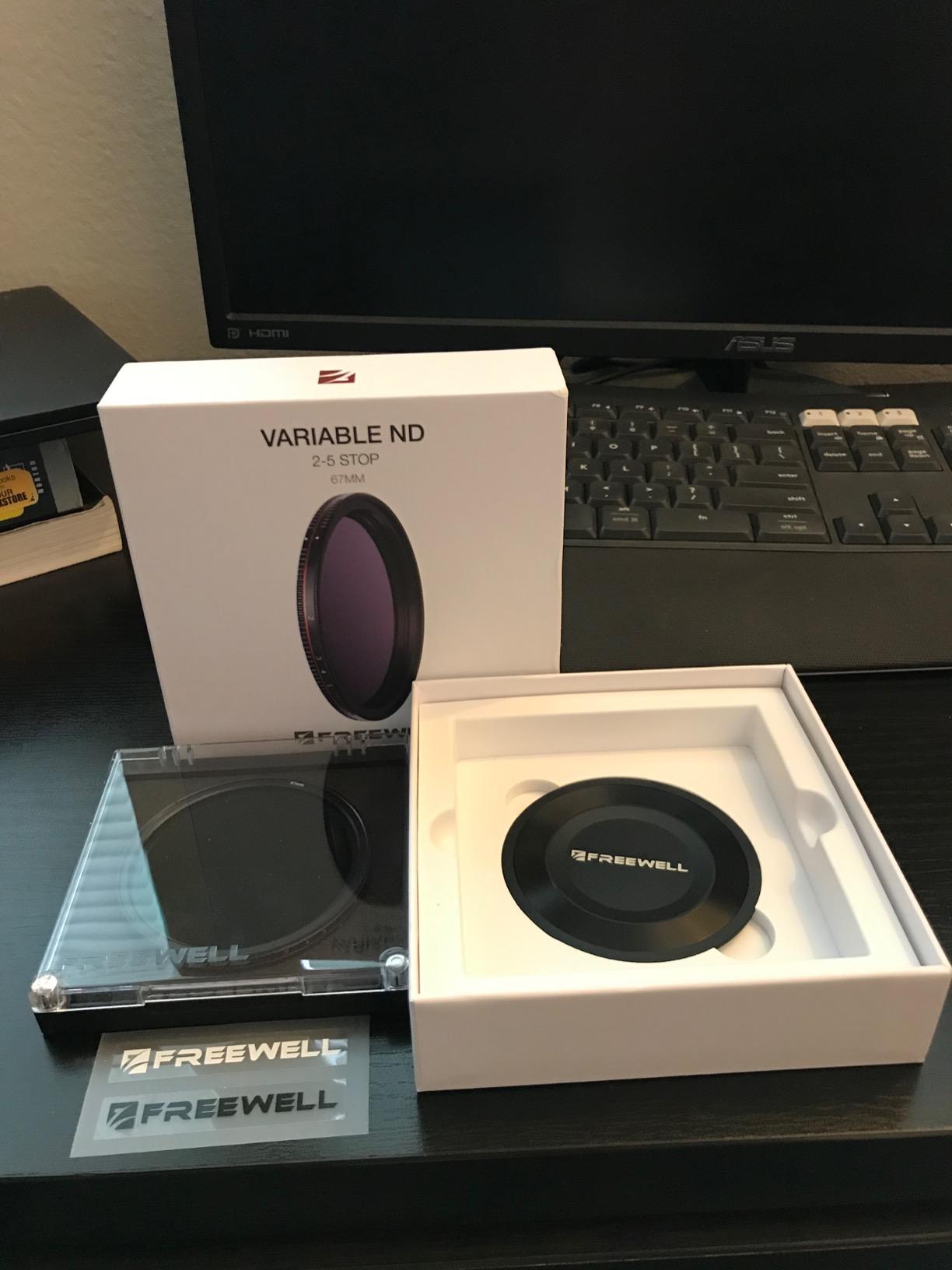
A video-first shooter who wants a permanently mounted filter on a wide zoom and who does not need more than 5 stops. For a fuller look at the format, our breakdown of the best variable ND filters for video covers the wider options in detail.
Fixed 6 stops
Schott B270 glass
20-layer coating
2.4 oz
The glass is the story here. German SCHOTT B270 is the same substrate used in professional cinema filtration, and pairing it with a 20-layer coating gives a filter that reviewers consistently describe as performing far above its cost, with several comparing it favorably to filters costing several times more.
In my daylight tests the color was accurate enough that a single custom white balance held across a full day of mixed sun and shade, and the ultra-slim magnalium rim showed no vignetting or distortion on the 33mm prime at wide apertures.
Six stops is fixed, and the reported weakness is flaring in harsh midday conditions, which is a coating-versus-hooding problem more than a coating-count problem. With a proper hood on a normal prime I did not reproduce it, but if you regularly shoot wide open into overhead sun, that is the scenario to test.
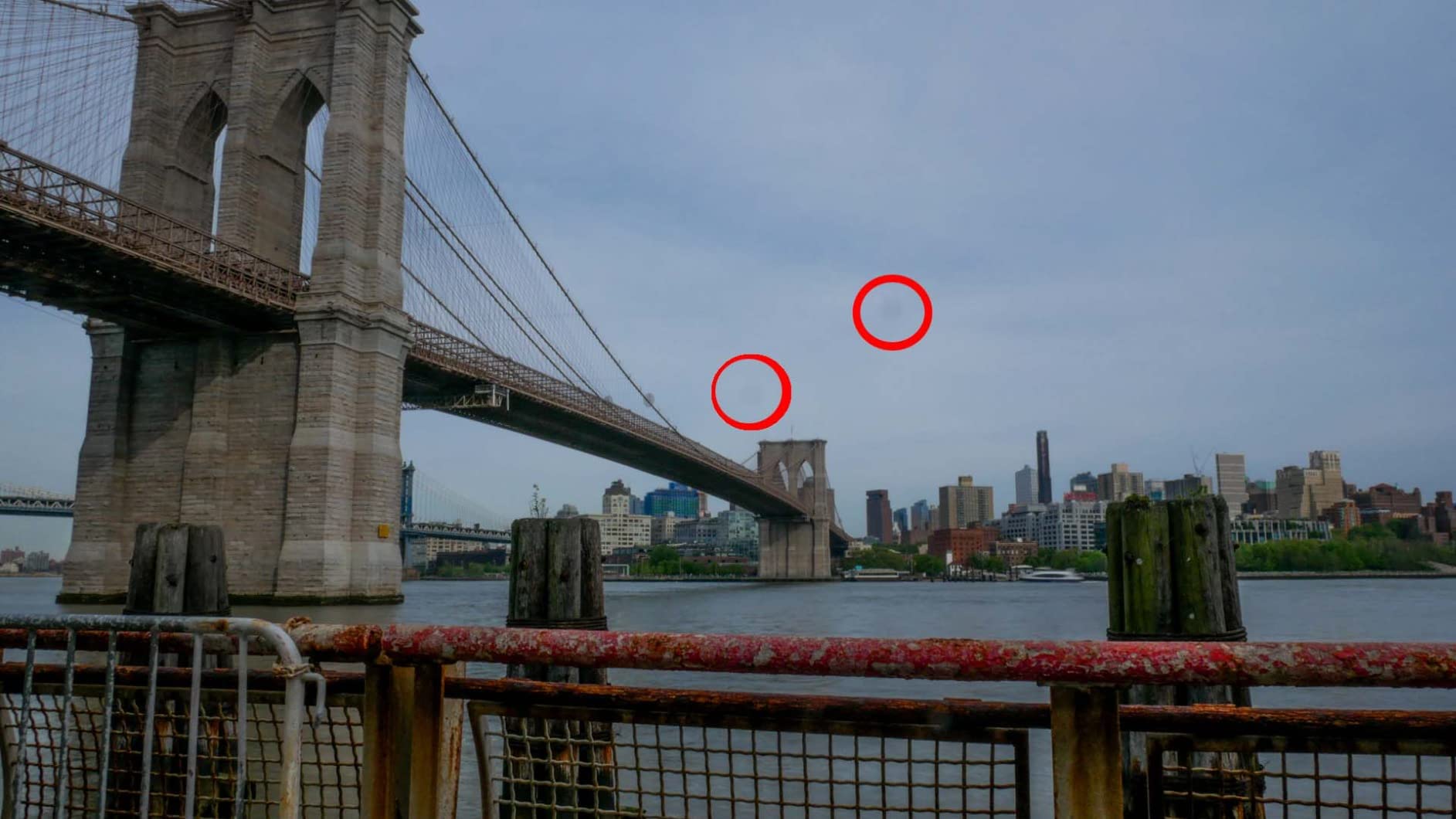
B270 is a durable, widely used optical glass chosen for its consistency between batches and its resistance to environmental damage. For a filter, that means the coating stays bonded, the surface handles cleaning without micro-scratching, and the density you bought is the density you keep years later.
That longevity is the argument against buying the cheapest option available. A filter that stays neutral for five years across a growing lens collection is cheaper than replacing a poor one every two.
This filter reduces light to 1.56 percent transmission, which is the arithmetic of a 6-stop reduction. Knowing that number lets you calculate exposure before you mount the glass, rather than discovering the answer on the histogram, and it is the reason fixed filters are easier to plan a shoot day around.
Put a 6-stop filter on a body at base ISO and a 1/50 second shutter and you are effectively at 1/3200 second exposure. If your histogram reads where you expect, the filter is delivering what it claims.
At 2.4 ounces it is among the lightest fixed filters here, and the fitted foam metal case is the kind of detail that costs almost nothing and prevents the single most common way ND glass gets ruined, which is a case with no place to put it.
The ultra-slim rim is engineered to eliminate vignetting, and in use on a normal and wide prime I did not see corner darkening. It also stacks cleanly if you want to add a 2 or 3 stop on top for a specific setup.
A hybrid shooter who wants one accurate fixed density for daylight, a photographer adding video who already knows the exposure math, and anyone building a matched multi-camera kit where identical fixed glass matters more than flexibility. If your interest runs more toward landscape and long exposures, our guide to graduated ND filters for landscape covers the other half of the filter system.
Most ND buying mistakes are not quality mistakes. They are density mistakes, thread mistakes, and format mistakes, and all three are decided before you start reading product pages.
Work the numbers from your own camera rather than from a generic chart. Video shutter speed is tied to frame rate, and the standard is a 180-degree shutter, so at 24fps your shutter is 1/50 second and at 60fps it is 1/120 second. Each doubling of frame rate costs you one stop of light.
Then count the stops you are overexposed at wide open. On a sunny day at base ISO, a 35mm f/1.8 is typically 2 to 3 stops overexposed, and a lens one stop slower like f/1.4 adds one more. Add your frame rate penalty to that total and you have your answer. Most 24fps shooters land between 3 and 5 stops, which is why the hard-stop filters in this roundup cover so many cases.
For long exposure and water and cloud work, the nomenclature follows a simple convention. ND2 is 1 stop, ND8 is 3 stops, ND32 is 5 stops, ND64 is 6 stops, ND400 is 9 stops, and ND1000 or ND32000 is 10 stops. How many stops is ND32000 worth is the most common version of that question, and the answer is 10 stops, or one hundredth of the light.
Choose fixed glass when your shots are stable or your cameras need to match. Choose variable glass when exposure needs to change during a take, or when you move between shade and sun on a walk-and-talk. A third option worth knowing about is a variable plus a fixed 10-stop, which covers sunrise and sunset long exposures on the same rig.
The X effect is the reason fixed glass is preferable when quality matters more than flexibility. A variable ND crosses two polarising layers, and near full cross the structure of the polariser becomes visible as an X-shaped pattern. Hard-stop designs avoid reaching that angle at all, which is why they are artifact-free across their whole range.
Rough cost of quality: a fixed filter set buys predictable, artifact-free results at the cost of rigidity. A wide variable buys one-filter simplicity at the cost of an artifact risk at the top of its range. A hard-stop variable buys both predictability and flexibility in a narrower band, and for most video work that narrow band is the entire working range.
The crosshatch or X effect is a visible pattern of intersecting lines that appears when a variable ND is pushed toward its darkest setting. It is a physical property of the crossed polarisers, not a manufacturing defect, and it appears more strongly on fast wide lenses where the light path is wide and more of the filter structure is exposed to the sensor.
Uneven rotation is the quieter problem. On a continuous-rotation ring with no hard stops, the filter can rotate past the point where the layers are fully crossed and back again, and the density you get at a given ring angle depends on how the layers are seated. Two nominally identical filters can read differently.
Three signs a variable has gone bad: a visible cross at densities well below its rated maximum, a color that shifts noticeably as you rotate, and a ring that feels gritty rather than smooth. Any of those and the filter belongs back in its case.
The thread size is printed on the front or rear rim of your lens and on the barrel or box of the filter, in millimetres. 67mm, 77mm and 82mm are the most common sizes in mirrorless kits, and 49mm covers compact cameras. Buy the filter in the exact thread size of the lens you will use it on most.
A step-up ring is a thin adapter that lets a larger filter sit on a smaller lens, and it is a legitimate tool for video because it also lets one filter serve several lenses. The cost is vignetting: the ring adds height in front of the lens, and on a fast wide lens at f/1.8 the corners will darken. A step-down ring goes the other way, and a very thin filter on a step-up ring is the safest combination.
For a rig with many lenses of different threads, a 100mm filter holder system solves the sizing problem properly, since one adapter on the lens mounts a common 100mm frame that holds threaded or square glass. The trade is front weight, which matters on a gimbal and on a drone. We cover the compact and drone-specific options separately in our guide to ND filters for drone cameras.
Check three things before you commit to a filter. First, color: mount it, set a custom white balance, and shoot a frame of a neutral subject in shade and a frame in sun. If the two need different corrections, the filter is not neutral and your grade will show it.
Second, vignetting: shoot at your widest aperture with the filter on, and look at the corners rather than the center. A hard corner falloff that moves when the camera tilts is the filter, not the lens.
Third, flare: point the camera at a bright light source inside the frame, hood the lens properly, and look for ghosting shapes. A single faint veil is normal. Distinct polygonal ghosts mean the coating stack is not up to the job for that light.
You can also verify true density yourself. Set the body to manual, meter without the filter, then meter again with it mounted. Every tenfold drop in measured light is one stop, and a filter that claims 6 stops and measures 5.2 is underperforming, which is the kind of test that saves a reshoot.
Grouping the market by tier is more useful than ranking individual models. Entry brands such as NEEWER and K&F Concept cover the full range of screw-on variable filters at accessible cost, and for most shooters buying a first ND this is the right place. Mid-tier names such as Tiffen, Hoya, Gobe, Urth and Freewell concentrate on fixed densities, better coating stacks and brand longevity.
The premium tier for video is NiSi, and the professional cinema tier is the square filter systems from Okko, Blue Frog and Kase, plus Arri Full Spectrum ND glass. True-Cinema, Firecrest, Cokin and Benro ranges occupy the middle ground with matched kits built for multi-camera consistency.
Square and 100mm systems exist because they solve a real problem: a matched set that stays consistent across lenses and across time, with 15mm or 16mm of offset available for close focusing. They are the right answer for a production that shoots on a schedule, and overkill for a single-camera creator.
Coated glass is damaged mostly by fingers and by dust that gets ground in when you wipe it dry. Touch the rim, not the glass, and clean with a blower and a lens cloth dampened with a proper cleaner, never with anything abrasive.
Store mounted filters in their case rather than loose in a bag, and keep variable filters in a sleeve wide enough for the frame, since a slim frame in a tight sleeve is how coatings get scratched. The metal cases and pouches included with several of the filters above exist for exactly this reason, and the fitted foam versions make a difference on a working set.
Our broader guides cover the wider filter landscape, including the entry-level picks in our roundup of the best ND filters and the full range of variable options in our best variable ND filters breakdown, if you want to go deeper than the video-specific recommendations here.
A hard-stop variable is the best variable ND for cinematography because physical stops at each end keep the polarising layers from ever reaching full cross, which removes the X-shaped artifact across the entire usable range. In this roundup the Ku0026amp;F Concept Nano-X ND2-ND32 and the Freewell 67mm hard stop VND both stay clean from minimum to maximum. Pick a 1-5 stop range for 24fps work, since most video sits under 5 stops.
A 10 stop ND filter, also sold as ND1000 or ND32000, cuts light to one hundredth of its original level. That is far too dense for handheld video, where it is useful for sunrise and sunset long exposures, smoothing water into a milky blur in daylight, or rendering moving cloud as a soft streak.
For most 24fps video at base ISO, 3 to 5 stops is the working range. A fast 35mm prime in full sun sits 2 to 3 stops overexposed wide open, and shooting 60fps instead of 24fps costs one more stop because your shutter moves to 1/120 second. Above 6 stops you are usually working at 120fps or in heavy shade.
They are essential outdoors. Video locks your shutter speed to a 180-degree angle for motion blur, so unlike a stills shooter you cannot stop down to fix overexposure without losing both the shallow depth of field and the frame rate you chose. A neutral density filter is the only way to hold f/1.8 in bright sun while keeping your shutter where the motion blur needs it.
For screw-on video filters, NiSi leads on color neutrality and hard-stop variable design, Tiffen has the longest track record in filtration, and Ku0026amp;F Concept and NEEWER cover the full range of variable densities at the accessible end. Fixed ND users report strong results from Urth, Gobe, Hoya, PolarPro and B+W. Match whichever brand you choose across all your lenses, since mixed brands will not color-match.
If you shoot 24fps handheld or on a gimbal and want one filter that covers everything, the K&F Concept 67mm ND2-ND400 is the broadest tool and the one I keep mounted. If your footage goes to a colorist and any visible artifact is a problem, the K&F Concept Nano-X 1-5 stop gives you a clean image across the whole range at the cost of reach. If color neutrality is the priority above everything, the NiSi Swift True Color VND is the one to buy, accepting the 1-5 stop ceiling and the bulk.
If you work with two cameras or prefer fixed glass, the Gobe 67mm ND64 and the Urth 67mm ND64 cover the 6-stop daylight workhorse, and the Breakthrough X4 ND64 is the choice when the grade has to be perfect. For a first complete kit including hoods and a polarizer, the NEEWER 67mm set gets you the whole box.
Whichever you choose, buy the exact thread size of the lens you will use it on most, decide your density from your frame rate before you shop, and check the corners for vignetting on your widest aperture. Those three steps eliminate almost every regret in this category, and they will keep you out of the return queue. We test and update this roundup through 2026, and our broader filter guides cover the formats that go beyond screw-on glass.