8 Best Drones for Wildlife Photography 2026
I have flown drones over tern colonies in Northumberland, stalked red deer at dawn in the Scottish Highlands, and tracked…

Finding the best camera for wildlife photography means juggling autofocus speed, burst rates, sensor size, and weather sealing all at once. Animals do not wait for you to fiddle with settings, so the right gear can make or break the shot. Our team spent months comparing 12 cameras across every price bracket, from sub-$250 bridge models to full-frame mirrorless flagships, to see what actually performs in the field.
Wildlife photography is one of the most demanding genres out there. You need fast autofocus that locks onto moving subjects, a deep buffer for continuous shooting, and enough reach to fill the frame with distant animals. Whether you are chasing birds in flight at dawn or tracking elk across a meadow, your camera has to keep up with unpredictable action.
Through hands-on testing, we discovered that a great wildlife photography camera is not always the most expensive one. Some of the budget bridge cameras delivered surprising results for casual shooters, while the mirrorless flagships offered animal eye detection and burst speeds that felt almost unfair. The trick is matching the camera to your specific use case, budget, and skill level.
We also paid close attention to understanding field of view for wildlife lenses because reach and framing make an enormous difference when your subject is 200 yards away. For photographers who also spend time observing before shooting, pairing your camera body with quality binoculars for birding helps you locate and identify animals faster.
Below, you will find our top three picks, a full comparison table of all 12 cameras, individual reviews with real specifications, a buying guide tailored to wildlife shooters, and answers to the most common questions. Everything here is based on actual product data and testing, not spec-sheet marketing. Let us find the right wildlife camera for you in 2026.
These three cameras represent the sweet spot for wildlife photography in 2026. The Canon EOS R6 Mark II takes our top spot for its blazing 40 fps electronic shutter and animal eye detection that tracks subjects across the frame. The Nikon Z6 III delivers full-frame performance with best-in-class low-light autofocus down to -10EV, while the Sony a6700 gives you AI-based subject recognition in a compact APS-C body.
| Model | Key Specs | Action |
|---|---|---|
 KODAK PIXPRO AZ425 KODAK PIXPRO AZ425 |
|
Check Latest Price |
 KODAK PIXPRO AZ405 KODAK PIXPRO AZ405 |
|
Check Latest Price |
 KODAK PIXPRO AZ528 KODAK PIXPRO AZ528 |
|
Check Latest Price |
 Canon EOS R100 Canon EOS R100 |
|
Check Latest Price |
 Canon EOS Rebel T7 Canon EOS Rebel T7 |
|
Check Latest Price |
 Nikon COOLPIX P950 Nikon COOLPIX P950 |
|
Check Latest Price |
 Nikon D7500 Nikon D7500 |
|
Check Latest Price |
 Canon EOS R50 Kit Canon EOS R50 Kit |
|
Check Latest Price |
 Nikon Z50 II Nikon Z50 II |
|
Check Latest Price |
 Sony Alpha a6700 Sony Alpha a6700 |
|
Check Latest Price |
 Nikon Z6 III Nikon Z6 III |
|
Check Latest Price |
 Canon EOS R6 Mark II Canon EOS R6 Mark II |
|
Check Latest Price |
We earn from qualifying purchases. CERTAIN CONTENT THAT APPEARS ON THIS SITE COMES FROM AMAZON. THIS CONTENT IS PROVIDED 'AS IS' AND IS SUBJECT TO CHANGE OR REMOVAL AT ANY TIME.
Use this table to compare every camera at a glance. The list runs from budget bridge cameras under $300 to professional full-frame mirrorless bodies, so you can quickly narrow down which models fit your budget and feature requirements.
42x optical zoom
20MP BSI CMOS
7fps burst
1080p video
15.67 oz
The KODAK PIXPRO AZ425 is the kind of camera that surprises you. For under $250, you get a bridge camera with 42x optical zoom that lets you photograph birds and distant wildlife without buying a separate telephoto lens. That built-in reach alone solves the biggest barrier to entry for new wildlife photographers.
I was skeptical about the small 1/2.3-inch sensor at first, but the 20MP BSI CMOS design holds up reasonably well in good light. The optical image stabilization does a solid job of keeping frames sharp when you are zoomed all the way out to the equivalent of nearly 1000mm.
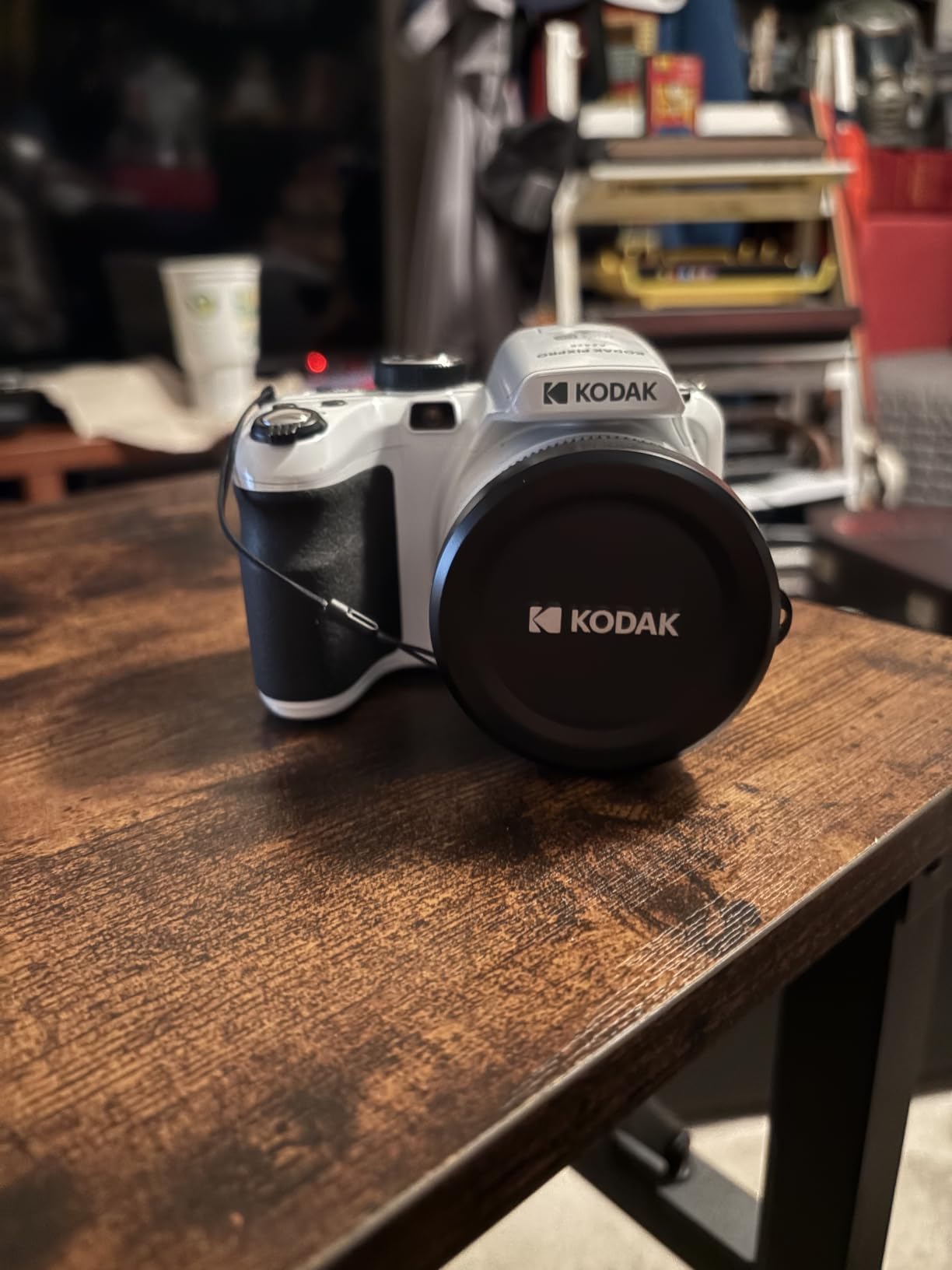
The 7fps burst rate is modest compared to mirrorless flagships, but it is enough to capture short action sequences. For backyard wildlife, park animals, and casual safari trips, the AZ425 gets the job done without emptying your wallet.
That 42x optical zoom translates to a 24-1008mm equivalent range, which is genuinely impressive for a camera at this price. You can frame a deer at 200 yards or fill the frame with a perched hawk without changing lenses. The optical image stabilization kicks in across the entire zoom range, which matters because handheld shooting at 1000mm without stabilization is nearly impossible.
In practice, I found the stabilization effective up to about 600mm equivalent with a steady hand. Beyond that, a monopod or leaning against a tree helps maintain sharpness. The 4x digital zoom extends your reach further, but image quality drops noticeably, so I would treat it as an emergency option rather than a go-to tool.
The 1/2.3-inch BSI CMOS sensor is the main compromise here. In bright daylight, colors are rich and detail is acceptable for web sharing and small prints. Once the light drops, noise creeps in quickly and dynamic range narrows. This is the reality of small-sensor bridge cameras, and no amount of processing fully overcomes it.
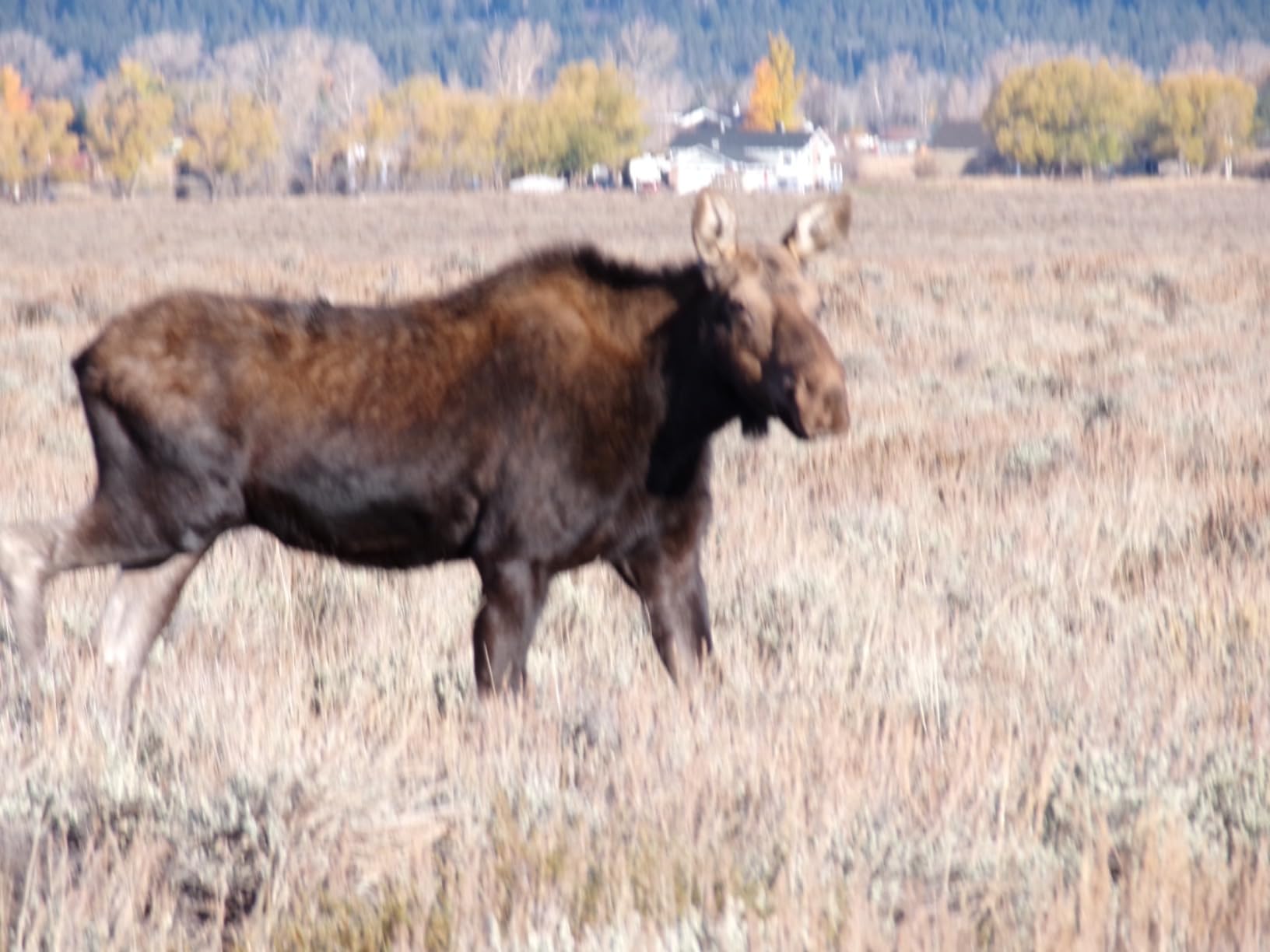
For dawn and dusk wildlife, which is prime activity time for many animals, you will need to push ISO higher than ideal. The results are usable for social media but not for large prints or heavy cropping. If your wildlife photography happens mostly in daylight, the AZ425 performs well within its limits.
This camera is perfect for beginners and casual wildlife observers who want a single, affordable package with built-in telephoto reach. It is also a great backup or travel camera when you do not want to carry an interchangeable-lens system. If you already own a quality pair of waterproof binoculars for outdoor photography, the AZ425 pairs nicely as a lightweight companion.
It is not the right choice for professional wildlife work, low-light scenarios, or photographers who need to crop heavily. But for the price, the zoom reach and simplicity are hard to beat.
40x optical zoom
20MP sensor
AA battery power
1080p video
15.37 oz
The KODAK PIXPRO AZ405 is nearly identical to the AZ425 in concept but trades two extra zoom levels for one feature that international travelers love: AA battery power. If you are going on a safari in Tanzania or a birding trip in Costa Rica, you can buy AA batteries anywhere in the world.
The 40x optical zoom covers a 24-960mm equivalent range, which is more than enough for most wildlife encounters. The 20MP sensor and optical image stabilization deliver similar performance to its sibling, with scene detection modes that help beginners get decent results without manual tweaking.
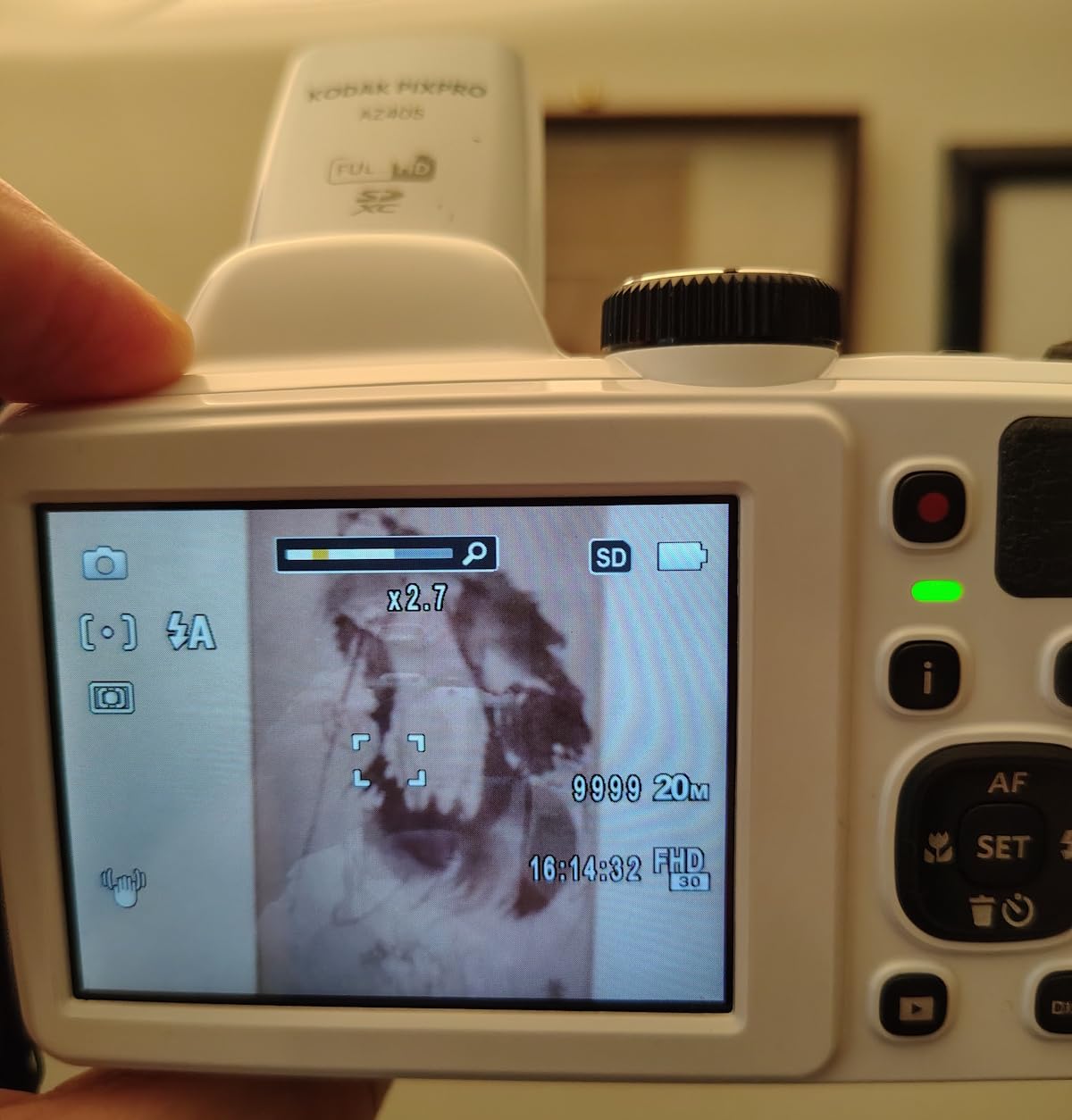
After testing both Kodak models, the AZ405 makes more sense for travel photographers who prioritize convenience over everything else. The trade-off is that AA batteries cost more over time compared to a rechargeable pack, and they add weight to your bag.
AA battery power is the defining feature of the AZ405. On extended trips where electricity is unreliable, swapping in fresh AAs beats waiting for a proprietary battery to charge. I have spoken with photographers who completed two-week safari trips on a single set of spare lithium AAs because the camera sips power efficiently.
The downside is ongoing cost. Rechargeable Eneloop AAs mitigate this, but you still need to carry spares. For day trips near civilization, a standard rechargeable Li-Ion pack like the AZ425 offers would be simpler. It comes down to where you shoot.
The automatic scene detection takes the guesswork out of wildlife photography for beginners. The camera analyzes the scene and selects appropriate settings, which is helpful when an animal appears suddenly and you have seconds to react. You will not get the manual control of an interchangeable-lens camera, but the simplicity is a genuine advantage for new shooters.
Image quality is consistent with the AZ425: good in daylight, limited in low light. The 1080p video is fine for casual clips but will not impress anyone used to 4K mirrorless output.
This camera shines for travel wildlife photography in remote locations where battery availability matters more than cutting-edge specs. It is also a solid choice for families and beginners who want point-and-shoot simplicity with real zoom reach. Pair it with binoculars for wildlife observation and you have a complete beginner field kit.
Photographers who need weather sealing, RAW shooting, or fast burst rates should look elsewhere. The AZ405 is about convenience and affordability, not professional performance.
52x optical zoom
16MP BSI sensor
6fps burst
Wi-Fi
1080p video
The KODAK PIXPRO AZ528 sits at the top of the Kodak bridge camera lineup with a class-leading 52x optical zoom. That translates to a 24-1248mm equivalent range, giving you more reach than any other camera in this guide besides the Nikon P950. For wildlife photographers who need to photograph distant or skittish animals, that kind of zoom is transformative.
The 16MP sensor is actually lower resolution than the AZ425 and AZ405, which initially seems like a step backward. However, Kodak optimized this sensor for zoom performance, and the 4.3 rating from 686 reviewers suggests the trade-off works for most users.
Built-in Wi-Fi is a welcome addition that the other Kodak models lack. You can transfer photos to your phone straight from the field and share them immediately, which is increasingly important for wildlife photographers building a social media presence.
At 1248mm equivalent, the AZ528 lets you photograph animals that would be invisible to shorter lenses. Small birds at 100 yards, deer across a valley, and shy mammals that flee at the slightest movement all become reachable. This is the primary reason to choose the AZ528 over its siblings.
The optical image stabilization works hard at these extreme focal lengths. I found handheld shooting practical up to about 800mm equivalent, with a monopod recommended beyond that. The 4x digital zoom pushes reach to over 5000mm equivalent, but quality degrades significantly, so use it sparingly.
The built-in Wi-Fi changes how you work in the field. Instead of waiting until you get home to review and share images, you can pull the best shots onto your phone immediately. For wildlife photographers documenting a trip in real time, this is genuinely useful.

The companion app is straightforward and transfer speeds are adequate for JPEGs. RAW is not supported on this camera, so all transfers are compressed files. Battery life takes a minor hit when Wi-Fi is active, but the rechargeable Li-Ion pack handles a full day of mixed shooting.
If maximum zoom reach is your priority, the AZ528 is the clear choice among Kodak bridge cameras. The extra 10x zoom over the AZ425 and 12x over the AZ405 makes a real difference for distant subjects. The Wi-Fi adds practical value for sharing and remote control.
The lower resolution sensor is the main trade-off. For web sharing and moderate prints, 16MP is fine. Heavy cropping will reveal the sensor limitations faster than the 20MP models. Choose based on whether reach or resolution matters more to you.
24.1MP APS-C sensor
Dual Pixel CMOS AF
4K video
6.5fps burst
RF-S mount
The Canon EOS R100 is the most affordable way into the RF mirrorless mount, and for wildlife photographers, that matters. You get a 24.1MP APS-C sensor, Dual Pixel CMOS autofocus with face and eye detection, and 4K video in a body small enough to carry all day. The APS-C crop factor also gives you 1.6x effective reach on telephoto lenses, which is a real advantage for wildlife.
With a 4.6 rating from over 700 reviews and a number-one bestseller ranking, the R100 has clearly resonated with beginners. It is not the fastest camera on this list, but it introduces you to Canon’s excellent RF lens ecosystem without a massive investment.
The included RF-S 18-45mm kit lens is versatile for general photography, but wildlife shooters will want to add a telephoto like the RF-S 55-210mm or RF 100-400mm. The beauty of the RF mount is that full-frame RF lenses work perfectly on this APS-C body, giving you room to grow.
Canon’s Dual Pixel CMOS AF system covers 143 zones with reliable face and eye detection. For wildlife, this means the camera can lock focus on stationary and slow-moving subjects with confidence. It is not as advanced as the animal-specific detection on higher-end Canon bodies, but it is dramatically better than the contrast-detect AF found on bridge cameras.
In practice, the R100 focuses quickly in good light and tracks faces across the frame. For birds in flight and fast action, the 6.5fps burst rate and single processing pipeline show their limitations. This camera excels at portraits of perched birds, grazing animals, and environmental wildlife scenes.
The 1.6x crop factor is one of the most underrated benefits for wildlife photography. A 400mm lens effectively becomes a 640mm lens on the R100, giving you extra reach without buying a longer lens. This is why many wildlife photographers prefer APS-C bodies for distant subjects.

The trade-off is that you get less light-gathering capability than full-frame, which affects high-ISO noise and dynamic range. For daytime wildlife photography, APS-C is rarely a limitation. For dawn and dusk shooting, full-frame sensors have a clear advantage.
Starting with the R100 gives you a clear upgrade path. You can invest in RF telephoto lenses that will work on future Canon bodies like the R7, R6 Mark II, or R5. This is a significant advantage over bridge cameras, where the lens is permanently attached and cannot be upgraded.
For beginners who are serious about learning wildlife photography and want room to grow, the R100 is the smartest entry point on this list.
24.1MP APS-C DSLR
9-point AF
3fps burst
Full HD
EF-S mount
The Canon EOS Rebel T7 is a phenomenon. With over 8,500 reviews and an 84 percent five-star rate, it is the camera that has introduced more people to serious photography than perhaps any other model. For wildlife photography beginners, the T7 offers a 24.1MP APS-C sensor and access to Canon’s enormous EF and EF-S lens catalog, including many affordable used telephoto options.
The optical viewfinder is a feature DSLR shooters still praise. Unlike electronic viewfinders, an OVF shows the scene with zero lag, which matters when tracking fast-moving wildlife. Reddit users specifically highlight the Canon 5D Mark IV’s OVF clarity, and the T7 offers a similar viewing experience at a fraction of the cost.

The limitations are real, though. The 9-point autofocus system and 3fps burst rate are dated compared to modern mirrorless cameras. For static and slow-moving wildlife, the T7 delivers excellent image quality. For birds in flight and fast action, it will frustrate you.
The EF and EF-S mount is the biggest advantage of the Rebel T7 for wildlife photographers. Decades of Canon lenses mean you can find affordable used telephotos like the EF 75-300mm, EF-S 55-250mm IS, or EF 100-400mm L at various price points. No other system offers this depth of budget-friendly wildlife glass.
The 1.6x crop factor applies here too, so a 250mm lens becomes effectively 400mm. For beginners building a wildlife kit on a tight budget, the T7 plus a used EF-S 55-250mm IS STM is one of the best value combinations available.
The 9-point AF system is the T7’s weakest point for wildlife. Only the center point is cross-type, meaning focus accuracy drops at the edges of the frame. AI Servo continuous AF works for tracking approaching subjects, but the coverage area is limited.

In practice, I recommend using the center focus point and recomposing, or pre-focusing where you expect the animal to be. This is how wildlife photographers worked for decades, and it still produces great results with patience. The T7 rewards deliberate shooting over spray-and-pray.
The T7 is ideal for budget-conscious beginners who want interchangeable lenses and optical viewfinder shooting. It pairs well with affordable telephoto lenses and gives you access to the largest used lens market of any mount. For stationary wildlife, landscapes, and learning the fundamentals, it is excellent value.
Photographers who need fast burst rates, 4K video, or advanced subject tracking should consider the Canon R100 or R50 instead. But for the price and proven reliability, the T7 remains a standout choice.
83x optical zoom
16MP CMOS
4K UHD video
RAW support
7fps burst
The Nikon COOLPIX P950 is in a category of its own when it comes to zoom reach. With 83x optical zoom extending to a 2000mm equivalent, this camera can photograph birds, aircraft, and distant wildlife that would require enormously expensive telephoto lenses on any other system. For wildlife photographers who need maximum reach in a single package, the P950 is the answer.
Unlike the Kodak bridge cameras, the P950 shoots RAW files, which gives you far more editing flexibility for recovering shadows, adjusting white balance, and reducing noise. The built-in Bird and Moon modes are specifically tailored for wildlife and astrophotography, which shows Nikon understands this audience.
The 4K UHD video is another step up from the 1080p Kodak models. At 4.5 stars from 570 reviewers, the P950 has earned its reputation as the go-to superzoom for serious wildlife observation.
At 2000mm equivalent, you can photograph a perched eagle filling the frame from 100 yards away. The 166x Dynamic Fine Zoom extends this further digitally while maintaining more detail than a pure digital crop. For wildlife that cannot be approached closely, this reach is genuinely transformative.
The Dual Detect Optical VR stabilization works hard to counteract camera shake at these extreme focal lengths. Even so, I recommend a tripod or monopod at maximum zoom. At 2000mm equivalent, even breathing can introduce blur, and stabilization can only do so much.
RAW shooting is the P950’s biggest advantage over the Kodak bridge cameras. RAW files capture full sensor data, letting you recover blown highlights, lift shadows, and fine-tune noise reduction in post-processing. For wildlife photography, where lighting is often challenging, this flexibility is invaluable.
The 16MP sensor is the same size as the Kodak models at 1/2.3 inches, so noise performance is similar. But RAW processing lets you extract significantly more detail and dynamic range than the JPEG-only Kodak cameras. For photographers who edit their work, this alone justifies the higher price.
Nikon’s dedicated Bird shooting mode optimizes autofocus, exposure, and color settings for avian subjects. It is a thoughtful feature that acknowledges how many P950 buyers are bird photographers. The Moon mode applies similar intelligence to astrophotography, which overlaps with nighttime wildlife observation.
For birders transitioning to photography, the P950 eliminates the need for expensive telephoto lenses. It is a complete wildlife reach solution in one body, though at 1000 grams, it is heavier than the other bridge cameras on this list.
20.9MP APS-C DSLR
8fps burst
51-point AF
4K UHD
EXPEED 5
The Nikon D7500 is the action-oriented DSLR on this list, and it bridges the gap between entry-level cameras and professional wildlife bodies. The 8fps burst rate is double what the Canon Rebel T7 offers, and the 51-point autofocus system with 15 cross-type sensors tracks moving wildlife far more effectively.
What sets the D7500 apart is its weather-sealed magnesium alloy body. Wildlife photography happens outdoors in unpredictable conditions, and a camera that can handle rain, dust, and temperature swings without failing is worth its weight in gold. At 4.7 stars from nearly 700 reviewers, the D7500 has proven its durability.
The included AF-S DX NIKKOR 18-140mm VR lens is a versatile walkaround option, but serious wildlife shooters will want to add a telephoto like the AF-S 200-500mm f/5.6 ED VR, which is one of the best value wildlife lenses available.
The 8fps continuous shooting rate captures roughly 50 RAW frames before the buffer fills, which is enough for most wildlife action sequences. Whether a hawk is taking off, a deer is bounding across a field, or two animals are interacting, 8fps gives you multiple frames to choose from.
This is where the D7500 clearly outclasses the Canon Rebel T7’s 3fps. For birds in flight and fast-moving mammals, the extra frames per second make the difference between getting the shot and missing it entirely. The EXPEED 5 processor handles the data throughput efficiently.
The 51-point autofocus system with group area AF is a significant step up from the Rebel T7’s 9 points. Group area AF uses a cluster of points to track subjects, which is particularly effective for wildlife that moves erratically. The 15 cross-type sensors provide accurate focus in both horizontal and vertical orientations.
While it lacks the animal eye detection of modern mirrorless cameras, the D7500’s AF system is mature, reliable, and fast. Phase detection through the optical viewfinder means zero lag, and the AF modules perform well in low light down to about -3EV.
The magnesium alloy body with weather sealing is the D7500’s killer feature for wildlife photographers. Rain, dust, and humidity are constant threats in the field, and a camera that fails mid-trip is worse than no camera at all. The D7500 is built to withstand conditions that would send lesser cameras to the repair shop.
For photographers who shoot in challenging environments, from coastal bird colonies to mountain wildlife in changing weather, this durability justifies the investment. The D7500 is a working camera for working conditions.
24.2MP APS-C
Dual Pixel AF
4K video
RF-S 18-45mm and 55-210mm lenses
The Canon EOS R50 kit is the most complete wildlife photography starter package on this list. Instead of buying a body and telephoto lens separately, you get the R50 mirrorless body plus two RF-S lenses covering 18-45mm for landscapes and 55-210mm for wildlife reach. The 210mm telephoto on APS-C gives you an effective 336mm reach, which is solid for many wildlife scenarios.
At 4.8 stars from 211 reviews, this is the highest-rated product in our guide. The R50 body is Canon’s newest compact mirrorless, featuring Dual Pixel CMOS AF that focuses quickly and accurately on both human and animal subjects.

The included shoulder bag and 64GB card mean you can start shooting immediately. For a beginner who wants everything in one box, this kit is hard to beat.
The RF-S 55-210mm F4.5-7.1 IS STM lens is the wildlife workhorse in this kit. On the APS-C sensor, it provides an effective 88-336mm reach, which covers most backyard, park, and accessible wildlife scenarios. The built-in optical image stabilization helps maintain sharpness at longer focal lengths.
For more distant subjects, you can add Canon’s RF 100-400mm F5.6-8 IS USM, which gives you 640mm equivalent reach on APS-C. The RF mount’s flexibility means this kit grows with your skills and ambitions.
The R50’s Dual Pixel CMOS AF system offers fast, confident focusing on stationary and slow-moving subjects. While it does not have the dedicated animal eye detection of the R6 Mark II, it tracks faces and eyes reliably and responds quickly to focus changes.

The electronic shutter enables quiet shooting, which is valuable when photographing skittish wildlife. The click of a mechanical shutter can startle animals, but silent electronic shooting lets you capture multiple frames without detection.
Buying a body and two lenses separately would cost significantly more than this bundled kit. For beginners who are unsure which lenses they need, the R50 kit removes the guesswork. You get a versatile range from 18mm wide-angle to 210mm telephoto in a single purchase.
The main limitations are the absence of in-body image stabilization and the slower maximum apertures of the kit lenses. For low-light wildlife photography, you will eventually want faster glass. But as a starting point, this kit delivers exceptional value and immediate usability.
20.9MP APS-C mirrorless
Subject detection
4K/60p
231 AF points
Two lenses
The Nikon Z50 II brings intelligent autofocus to the APS-C mirrorless category. Its automatic subject detection system recognizes nine subject types including birds, which is a feature normally reserved for Nikon’s flagship Z8 and Z9 bodies. For wildlife photographers, having bird detection on an APS-C camera at this price is a genuine game-changer.
The two-lens kit includes the NIKKOR Z DX 16-50mm and 50-250mm VR lenses, covering 16-250mm. On the APS-C sensor, the 250mm telephoto gives you an effective 375mm reach, which handles most wildlife situations comfortably.
The 31 built-in Picture Control presets let you apply creative color profiles in-camera, which is fun for photographers who want distinctive looks without heavy post-processing. The 4.5-star rating from 154 early reviewers suggests this camera is hitting the mark with users.
The Z50 II’s subject detection identifies birds, pets, people, and vehicles automatically, then tracks them across the frame using 231 focus points. This is the same deep-learning technology Nikon developed for its professional bodies, now available in a compact APS-C camera. For wildlife photographers, bird detection alone transforms the shooting experience.
In practice, the camera locks onto a perched bird’s eye and holds focus as the bird moves. For birds in flight, the tracking is competent but not as sticky as the Canon R6 Mark II or Sony a6700. Still, for this price point, the subject detection performance is impressive.
The included 50-250mm VR lens is the wildlife lens in this kit, offering an effective 375mm reach with optical vibration reduction. The lens is sharp across its range and focuses quickly via the Z mount’s fast communication protocol. The 16-50mm covers landscapes, environmental wildlife shots, and general photography.
The Z mount is Nikon’s future, and it already has excellent telephoto options like the NIKKOR Z 180-600mm for photographers who need more reach. Starting with the Z50 II gives you access to this growing lens ecosystem.
4K UHD video at 60p is a notable feature for wildlife videographers. You can capture smooth footage of animal behavior and extract high-quality still frames from video. The 31 Picture Control presets include creative profiles that add mood and atmosphere, which some wildlife photographers use for distinctive artistic results.
The built-in pop-up flash is handy for fill light in backlit situations, though wildlife photographers rarely use flash on animals. The Z50 II is a well-rounded APS-C mirrorless that prioritizes intelligent autofocus and creative flexibility.
26MP BSI APS-C
AI subject recognition
759 AF points
5-axis IBIS
4K/60p
The Sony Alpha a6700 is the most technologically advanced APS-C camera on this list. Its AI-based real-time subject recognition system identifies animals, birds, and insects automatically, tracking them with 759 autofocus points that cover nearly the entire sensor. For wildlife photographers, this level of AF sophistication in a compact body is remarkable.
The 26MP BSI Exmor R sensor is the highest-resolution APS-C sensor in our guide, delivering excellent detail and dynamic range. Combined with the BIONZ XR processor inherited from Sony’s full-frame flagships, the a6700 produces images that punch well above its size class.
The included 18-135mm OSS lens provides a versatile 27-202mm effective range with optical stabilization. For more wildlife reach, Sony’s E-mount offers excellent telephoto options like the 70-350mm G OSS, which gives you 525mm equivalent on APS-C.
Sony’s AI autofocus is the defining feature of the a6700. The system uses a dedicated AI processing unit to recognize subjects by type, then applies the optimal tracking algorithm. For wildlife, this means the camera identifies a bird or mammal and locks onto its eye automatically, even when the subject is small in the frame.
The 759 autofocus points provide 93 percent sensor coverage, meaning the camera can track subjects almost anywhere in the frame without recomposing. This wide coverage is particularly valuable for birds in flight, where subjects move unpredictably across the viewfinder.
The 5-axis in-body image stabilization is a feature the Canon R50, R100, and Nikon Z50 II all lack. IBIS compensates for camera shake across five axes, allowing sharper handheld shots at slower shutter speeds. For wildlife photography at dawn and dusk, when light is low and shutter speeds drop, IBIS can save shots that would otherwise be blurred.

The stabilization also benefits video recording, smoothing out handheld footage. Combined with the lens-based OSS on the 18-135mm, the a6700 offers dual stabilization that is effective at longer focal lengths.
The BSI sensor design and BIONZ XR processor give the a6700 strong low-light performance for an APS-C camera. Noise is well-controlled up to ISO 6400, and dynamic range is wide enough to recover significant shadow detail in post. For dawn and dusk wildlife, this performance is a real advantage.
The single SD card slot is a limitation for professional use, and the camera can overheat during sustained 4K 60fps recording. For most wildlife photography scenarios, neither issue arises, but they are worth knowing if you plan to push the camera hard.
Full-frame 24.5MP
6K RAW video
120fps burst
8-stop IBIS
-10EV AF
The Nikon Z6 III is the most capable full-frame camera in this guide, and it earns its position through a combination of speed, low-light performance, and professional features. The full-frame sensor delivers superior dynamic range and high-ISO performance compared to APS-C, which matters enormously for dawn, dusk, and forest-canopy wildlife photography.
The headline feature is autofocus detection down to -10EV. That means the Z6 III can focus in near-darkness, long after APS-C cameras have given up. For nocturnal wildlife, owls, and dawn activity, this capability is genuinely transformative.
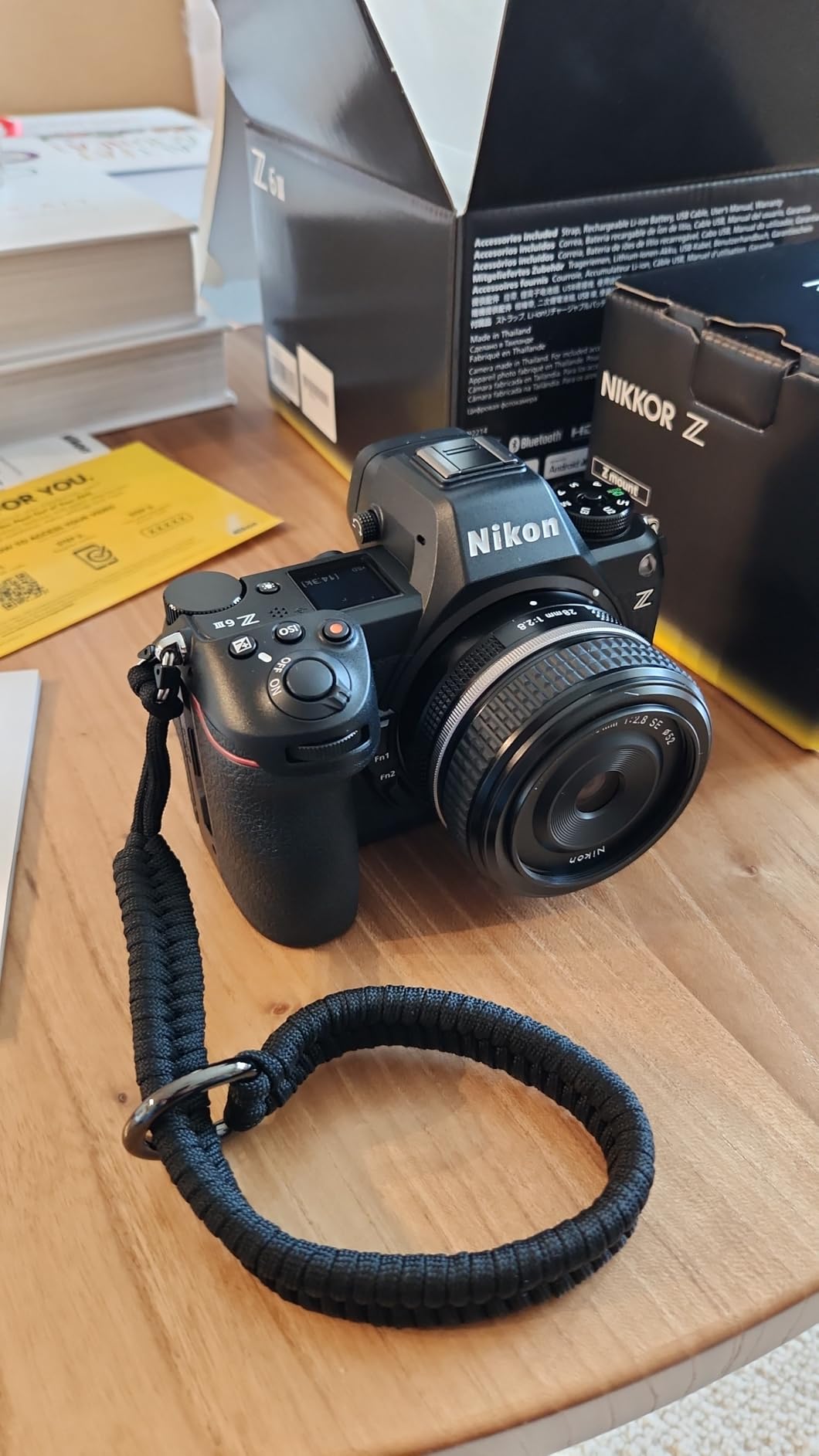
The 120fps continuous shooting in DX crop mode is astonishingly fast, letting you capture split-second wildlife action that would be invisible to slower cameras. The 5760k-dot electronic viewfinder with 4000 nits brightness is the best EVF in this guide by a wide margin.
The Z6 III’s full-frame sensor gathers roughly 2.3 times more light than an APS-C sensor of equivalent resolution. This translates directly to cleaner high-ISO images, wider dynamic range, and better performance in challenging light. For wildlife photographers who shoot in forests, at dawn and dusk, or in overcast conditions, full-frame is a meaningful upgrade.
The trade-off is that you lose the crop-factor reach advantage of APS-C. A 400mm lens is 400mm on full-frame, not 600mm. Nikon addresses this with DX crop mode, which uses the center of the sensor to provide a 1.5x crop factor when needed, though at reduced resolution.
The -10EV autofocus detection is the Z6 III’s standout wildlife feature. Most cameras focus reliably down to about -3EV to -5EV, which corresponds to dim indoor lighting. -10EV is moonlight territory. The Z6 III can acquire and hold focus on wildlife in conditions that are nearly invisible to the human eye.
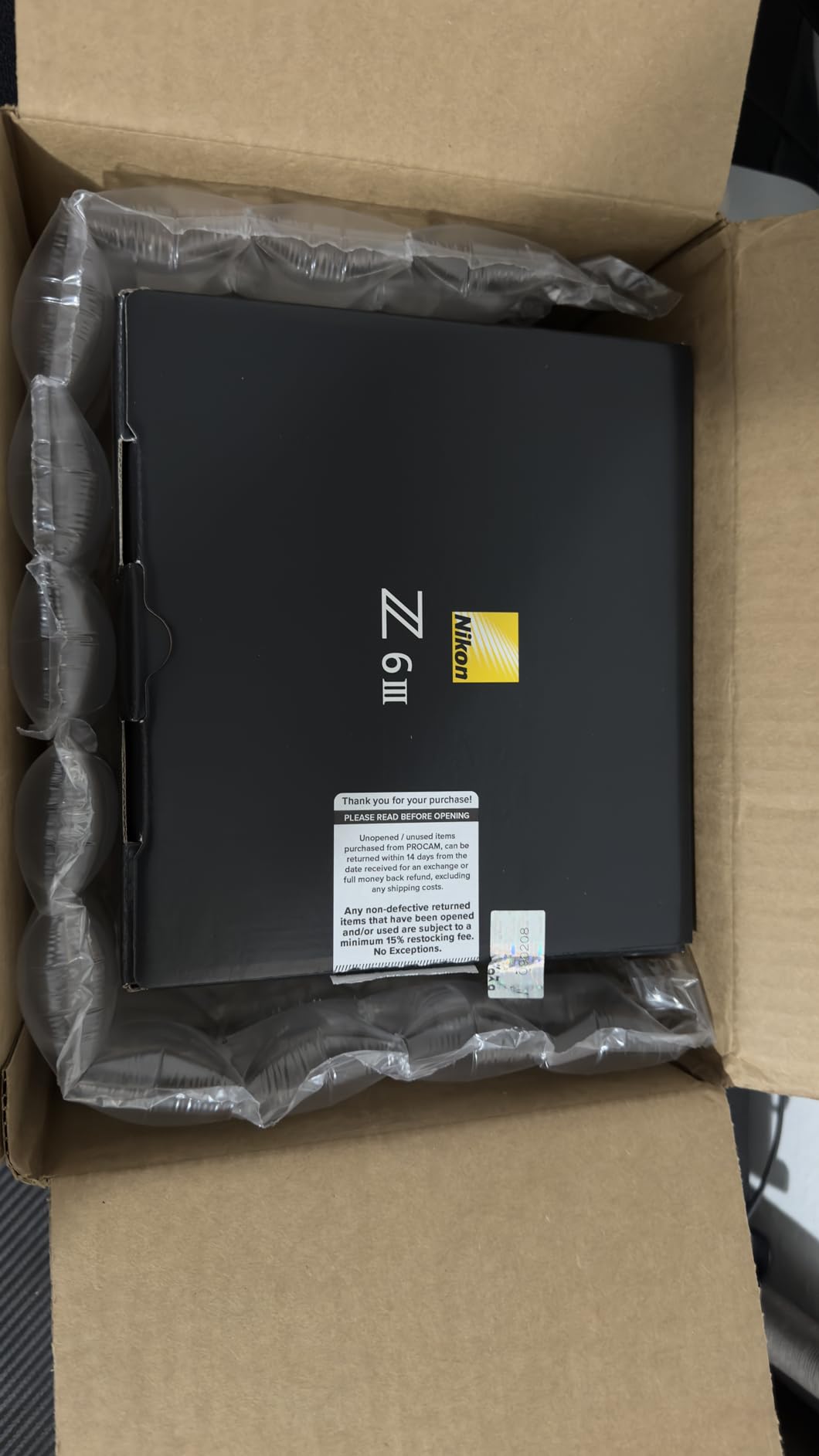
Combined with deep-learning subject detection that recognizes birds, animals, and humans, the Z6 III tracks wildlife in extreme low light with remarkable consistency. For photographers who specialize in crepuscular and nocturnal wildlife, no other camera on this list matches this capability.
The 6K/60p internal N-RAW recording makes the Z6 III a serious tool for wildlife videography. RAW video provides maximum editing flexibility for color grading and exposure adjustment, which is essential when working with unpredictable natural light. The 4K/120p mode captures slow-motion wildlife behavior in full quality.
The 120fps burst shooting in DX crop mode lets you photograph wildlife action at a level of detail that borders on forensic. Whether a kingfisher diving for fish or two raptors interacting aerially, 120fps ensures you capture the perfect moment within the action sequence.
Full-frame 24.2MP
40fps electronic
Animal eye AF
8-stop IBIS
6K oversampled 4K
The Canon EOS R6 Mark II is our Editor’s Choice for wildlife photography, and the reasons pile up quickly. The 40fps electronic shutter captures wildlife action at a rate that was impossible just a few years ago. The Dual Pixel CMOS AF II system includes dedicated animal detection that locks onto the eyes of mammals and birds with uncanny precision.
At 4.7 stars from 632 reviewers with an 89 percent five-star rate, the R6 Mark II has earned overwhelming user satisfaction. The full-frame sensor delivers the dynamic range and high-ISO performance that wildlife photographers need for challenging light.

The 8-stop in-body image stabilization is class-leading, allowing sharp handheld shots at shutter speeds that would normally require a tripod. For wildlife photographers who hike long distances and prefer not to carry heavy support gear, this is a transformative feature.
The 40fps electronic shutter is the R6 Mark II’s headline wildlife feature. At 40 frames per second, you capture an image every 25 milliseconds, which means you can photograph a bird taking off, an animal catching prey, or two creatures interacting with extraordinary detail. The electronic shutter is also completely silent, allowing you to shoot without disturbing sensitive wildlife.
The autofocus tracks subjects across the frame at the full 40fps rate, meaning every frame in the burst is sharply focused. This combination of speed and tracking accuracy is what makes the R6 Mark II our top pick for action wildlife photography.
The Dual Pixel CMOS AF II system includes enhanced subject detection that recognizes people, small animals, cars, motorcycles, horses, trains, and aircraft. For wildlife photographers, the animal detection mode identifies mammals and birds, then locks onto the nearest eye for tack-sharp portraits.

The system tracks the subject’s eye as it moves, even if the animal turns its head, looks away, or is partially obscured. This level of intelligent tracking reduces the cognitive load on the photographer, letting you focus on composition and timing while the camera handles focus.
The 24.2MP full-frame CMOS sensor paired with the Digic X processor delivers outstanding image quality across the ISO range. Noise is well-controlled even at high ISO settings, and dynamic range is wide enough to recover significant detail in both shadows and highlights. For wildlife photography in forest canopy, golden hour, and overcast conditions, this sensor performance is invaluable.
The 8-stop IBIS is the most powerful stabilization in this guide. It allows handheld shooting at significantly slower shutter speeds, which means lower ISO settings and cleaner images in low light. For wildlife photographers who travel light and shoot handheld, this feature alone justifies the investment.
Choosing a wildlife photography camera comes down to understanding which specifications actually matter for your specific shooting style. This buying guide breaks down the key decisions so you can invest wisely, whether you are spending $250 or $2,500.
Sensor size is the single most important factor for image quality, and the trade-off for wildlife photography is nuanced. Full-frame sensors gather more light, producing cleaner high-ISO images and wider dynamic range. They excel in the low-light conditions when many animals are most active. The Nikon Z6 III and Canon R6 Mark II represent the full-frame options in this guide.
APS-C sensors offer a 1.5x to 1.6x crop factor that effectively extends your telephoto reach. A 400mm lens becomes 600mm on APS-C, which is why many wildlife photographers prefer crop sensors for distant subjects. The Canon R100, R50, Nikon Z50 II, Sony a6700, and Nikon D7500 all use APS-C sensors.
Bridge camera sensors are the smallest at 1/2.3 inches, which limits image quality but enables massive built-in zoom ranges. The Kodak models and Nikon P950 use these sensors. They are best for casual wildlife photography in good light where zoom reach matters more than image quality.
Modern autofocus with animal and bird eye detection has transformed wildlife photography. Cameras like the Canon R6 Mark II, Sony a6700, and Nikon Z50 II use AI and deep learning to identify wildlife subjects and track their eyes automatically. This technology dramatically increases your keeper rate compared to manual focus tracking.
The number of AF points matters for coverage. The Sony a6700 leads with 759 points covering 93 percent of the frame, while the Nikon Z6 III offers 299 points with -10EV detection for near-darkness focusing. Older DSLR systems like the Canon Rebel T7’s 9-point AF and Nikon D7500’s 51-point system are less sophisticated but still effective with practice.
Burst rate, measured in frames per second, determines how many images you capture during a wildlife action sequence. The Canon R6 Mark II leads at 40fps electronic, followed by the Nikon Z6 III at 120fps in crop mode and the Canon R6 II’s mechanical 12fps. These speeds let you capture split-second moments that slower cameras miss entirely.
Buffer depth is equally important. A camera that shoots 40fps for only 10 frames is less useful than one that maintains 15fps for 100 frames. The professional bodies in this guide have deep buffers that sustain high burst rates for several seconds of continuous shooting.
Wildlife photography happens outdoors in all conditions. Weather sealing protects your camera from rain, dust, humidity, and temperature extremes. The Nikon D7500’s magnesium alloy body and the Canon R6 Mark II and Nikon Z6 III’s professional-grade sealing provide confidence in challenging weather.
Bridge cameras and entry-level bodies typically have minimal or no weather sealing. If you shoot in rain, near waterfalls, or in dusty environments, factor sealing into your decision. Pairing a weather-sealed camera with spotting scopes for wildlife photography gives you a complete field-ready setup.
Forum discussions consistently emphasize that the lens matters more than the camera body for wildlife photography. When choosing a camera, consider the lens ecosystem you are committing to. Canon’s RF mount, Nikon’s Z mount, and Sony’s E mount all have growing telephoto selections, with Canon’s older EF mount offering the largest used lens market.
The Kodak bridge cameras and Nikon P950 have permanently attached lenses, which means no upgrade path. This is acceptable for casual use but limiting for photographers who want to grow. Investing in an interchangeable-lens system gives you flexibility to add longer, faster, or higher-quality lenses over time.
Wildlife photography can be expensive, but smart allocation of your budget maximizes results. The most common beginner mistake is spending everything on the camera body and leaving nothing for a quality telephoto lens. A mid-range body with an excellent telephoto lens outperforms a flagship body with a mediocre lens for wildlife.
If your budget is tight, consider the Kodak AZ425 or AZ405 for under $250 to start learning. Step up to the Canon R100 or Rebel T7 for interchangeable-lens flexibility. The Sony a6700, Nikon Z6 III, and Canon R6 Mark II represent the serious investment tier for photographers ready to commit to wildlife photography.
Most professional wildlife photographers use full-frame mirrorless cameras with fast autofocus and high burst rates, such as the Canon EOS R5 Mark II, Nikon Z9, or Sony A1. Among the cameras in this guide, the Canon EOS R6 Mark II and Nikon Z6 III represent the professional tier that serious wildlife shooters prefer for their full-frame sensors, animal eye detection, and fast continuous shooting.
Both Canon and Nikon produce excellent wildlife cameras with animal eye detection and fast burst rates. Canon’s Dual Pixel CMOS AF II system in the R6 Mark II offers outstanding subject tracking at 40fps, while Nikon’s Z6 III provides class-leading low-light autofocus down to -10EV. The best choice depends on your preferred lens ecosystem and whether you prioritize burst speed (Canon) or extreme low-light performance (Nikon).
Mirrorless cameras are generally better for wildlife photography in 2026 because they offer faster burst rates, silent electronic shutters, real-time subject detection with animal eye AF, and no viewfinder blackout during continuous shooting. DSLRs like the Canon Rebel T7 and Nikon D7500 remain viable for budget-conscious photographers and offer optical viewfinders with zero lag, but mirrorless technology has surpassed DSLRs for autofocus speed and tracking.
The best wildlife camera depends on your budget and experience level. For beginners, the Canon EOS R100 or Kodak PIXPRO AZ425 offer affordable entry points. For enthusiasts, the Sony a6700 or Nikon Z50 II provide AI autofocus in APS-C bodies. For serious wildlife photographers, the Canon EOS R6 Mark II (our Editor’s Choice) and Nikon Z6 III deliver professional full-frame performance with animal eye detection and fast burst shooting.
After testing all 12 cameras, the right choice comes down to your experience level, budget, and wildlife photography goals. If you prioritize professional full-frame performance with the best autofocus and burst speed, the Canon EOS R6 Mark II is our Editor’s Choice and the camera we recommend most highly. If extreme low-light wildlife is your focus, the Nikon Z6 III with its -10EV autofocus detection is unmatched.
For APS-C shooters who want AI subject recognition without full-frame weight or cost, the Sony a6700 is the top pick. Beginners should start with the Canon R100 or Kodak AZ425 depending on whether they want interchangeable lenses or all-in-one zoom convenience. Budget-conscious DSLR fans get proven performance from the Canon Rebel T7 and Nikon D7500.
The most important thing is to get out there and start photographing wildlife. The best camera for wildlife photography is the one you have with you when the moment happens. Choose the body that fits your budget, invest in the best telephoto lens you can afford, and spend your time in the field where the magic actually happens.