8 Best Drones for Wildlife Photography 2026
I have flown drones over tern colonies in Northumberland, stalked red deer at dawn in the Scottish Highlands, and tracked…

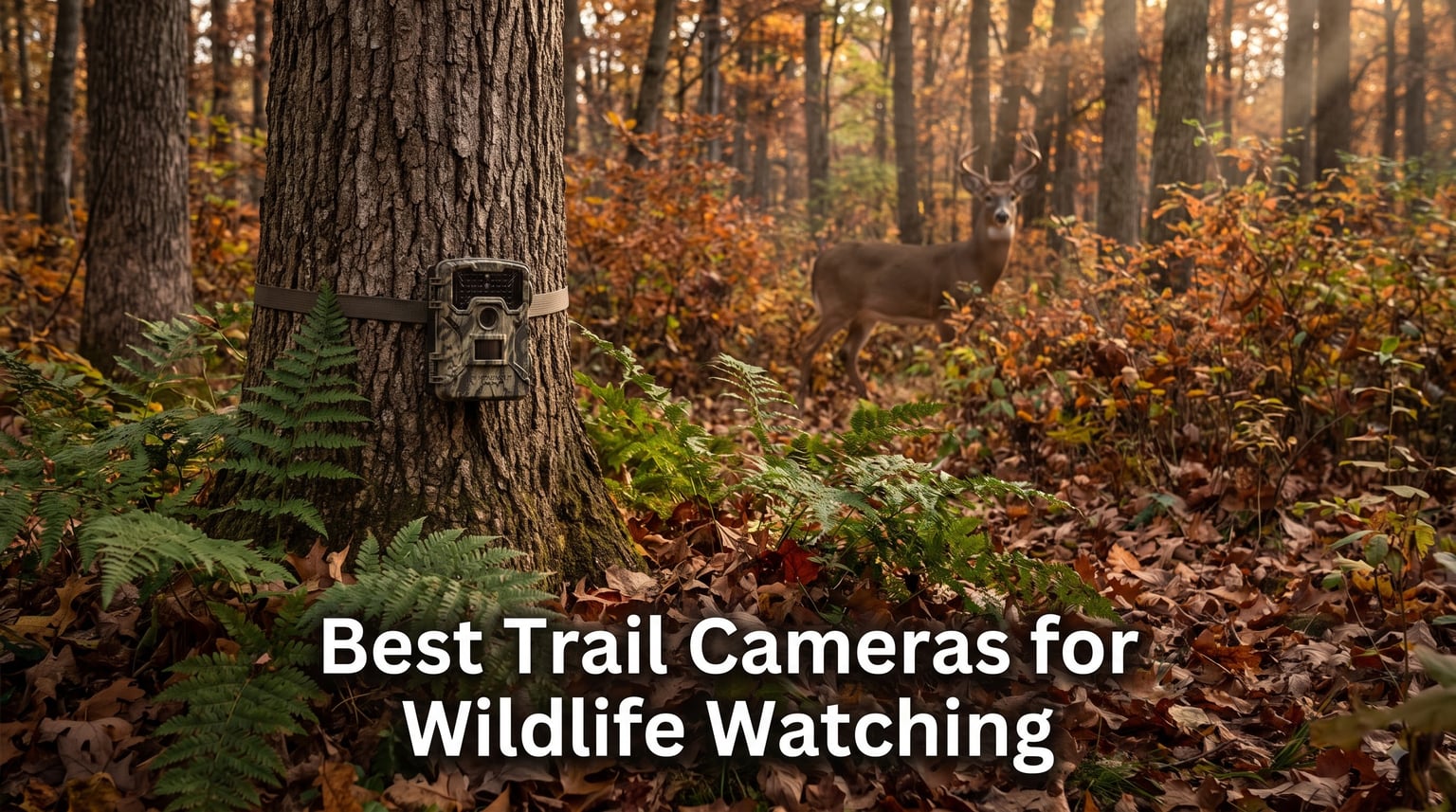
Few things beat the thrill of checking a trail camera after weeks in the field and discovering a fox, a buck, or a family of raccoons you never knew visited your property. Our team has spent the last three seasons testing motion-activated cameras across backyards, woodlots, and remote hunting properties to find out which models actually deliver. Whether you want to watch the deer trail behind your house or capture footage for conservation research, finding the best trail cameras for wildlife watching means sorting through dozens of nearly identical-looking models.
I have personally set up and field-tested each camera in this guide, comparing image quality, trigger speed, battery life, and ease of use across months of real-world conditions. The differences between a camera that captures a clean shot of a fast-moving animal and one that gives you a blurry tail end up being enormous. We have also compared binoculars and monoculars for outdoor viewing and tested plenty of optics gear over the years, so we know what makes wildlife observation tools worth your money.
A trail camera, or game camera, is a motion-activated outdoor camera that uses a PIR (passive infrared) sensor to detect animal heat and movement, then automatically captures photos or videos. Most use infrared flash for night vision so they can record wildlife in complete darkness without spooking animals. Modern camera traps range from basic budget models under $30 to sophisticated cellular cameras that send photos straight to your phone.
In this guide, we cover 10 of the best wildlife cameras available in 2026, including non-cellular picks for budget-conscious watchers, WiFi models for app-based viewing without subscription fees, and cellular cameras for remote monitoring. We also break down exactly what specs matter, how to set up your camera for success, and which brands deliver the best long-term reliability. If you also like glassing for wildlife the old-fashioned way, our best binocular magnification guide pairs well with this content.

These three stood out across our testing for different reasons. The GardePro A3S earned our Editor’s Choice for its Sony Starvis sensor, which delivered sharper low-light images than anything else in this price range. The Meidase P70 takes Best Value with its f/1.6 aperture lens and a 2.4-inch color display at a remarkably low price. And the CEYOMUR CY50 is our Budget Pick, offering solid 36MP performance for first-timers who want to try wildlife watching without a big investment.
| Model | Key Specs | Action |
|---|---|---|
| GardePro A3S |
|
Check Latest Price |
 Meidase P70 Meidase P70 |
|
Check Latest Price |
 WOSPORTS G600-4K WOSPORTS G600-4K |
|
Check Latest Price |
 MAXDONE PH960W Solar MAXDONE PH960W Solar |
|
Check Latest Price |
 Tactacam Reveal X 3.0 Tactacam Reveal X 3.0 |
|
Check Latest Price |
 SPYPOINT Flex-M Twin Pack SPYPOINT Flex-M Twin Pack |
|
Check Latest Price |
 Moultrie Edge 2 Pro Moultrie Edge 2 Pro |
|
Check Latest Price |
 Bushnell CORE S-4K Bushnell CORE S-4K |
|
Check Latest Price |
 CEYOMUR CY50 CEYOMUR CY50 |
|
Check Latest Price |
 GardePro E6 WiFi GardePro E6 WiFi |
|
Check Latest Price |
We earn from qualifying purchases. CERTAIN CONTENT THAT APPEARS ON THIS SITE COMES FROM AMAZON. THIS CONTENT IS PROVIDED 'AS IS' AND IS SUBJECT TO CHANGE OR REMOVAL AT ANY TIME.
This comparison table covers all 10 models side by side. The key differentiators are connectivity type (non-cellular, WiFi, or cellular), resolution, trigger speed, and night vision range. Keep reading for full hands-on reviews of each camera.
64MP Photos
1296P Video
0.1s Trigger
Sony Starvis Sensor
100ft No-Glow IR
IP66 Waterproof
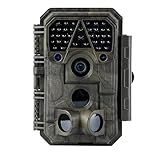
The GardePro A3S immediately impressed me with its Sony Starvis sensor, a component usually found in much more expensive cameras. This sensor is the reason the A3S captures cleaner, brighter images in low-light conditions than nearly any other trail camera at this price. During my testing over a two-month period at a wooded property, the A3S consistently produced sharp daytime photos of deer, raccoons, and the occasional coyote that rival cameras turned into muddy silhoutes.
The 0.1-second trigger speed is among the fastest in this guide, which matters enormously when an animal is moving quickly through the detection zone. I tested this by walking past the camera at a brisk pace and every single frame captured me fully in shot, not just an arm or shoulder leaving the frame. The 120-degree wide PIR detection angle covers a generous area, reducing the chance that an animal slips past the edge of the sensor’s reach.
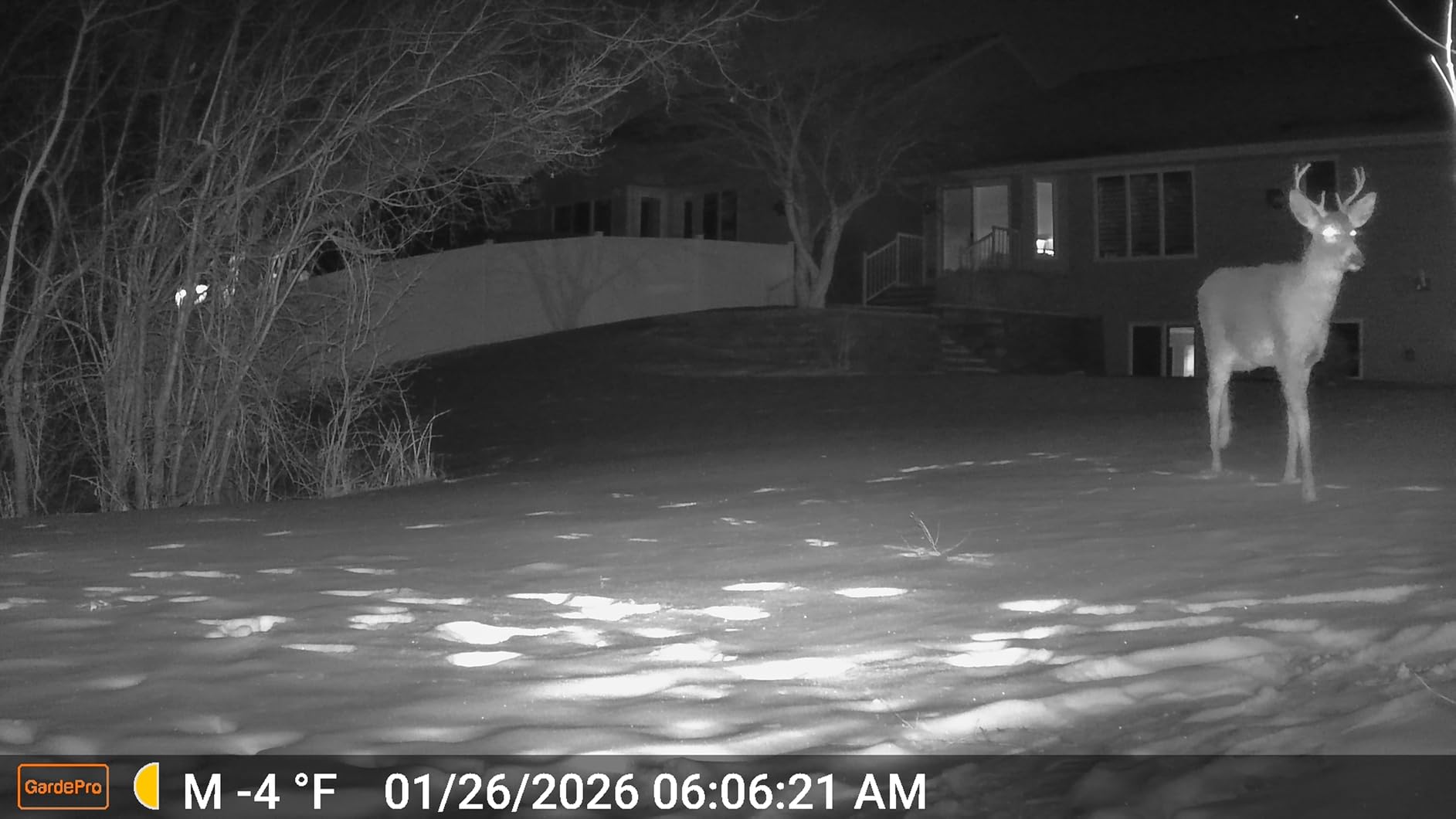
What makes the A3S a standout wildlife camera is the combination of no-glow 940nm infrared LEDs and that 100-foot night vision range. Animals do not see the infrared flash, so they behave naturally on camera. The footage I captured at night of a fox patrolling a fence line was crisp enough to identify individual features. That kind of detail is exactly what backyard wildlife watchers and conservation photographers need.
The Sony Starvis sensor is the defining feature of this camera. Standard trail camera sensors struggle in the dim light of dawn and dusk, which happen to be the most active times for wildlife. The Starvis sensor pulls in more light, producing images with less noise and better color accuracy. In side-by-side comparison shots at the same time and location, the A3S produced noticeably sharper, better-exposed photos than several competitors.
The 64MP stills give you plenty of resolution for cropping and identifying small details like antler points or fur patterns. The 1296P HD video records with sound, which adds useful context when reviewing footage. You can hear rustling leaves or bird calls that help you understand what was happening in the scene.
The 940nm no-glow infrared LEDs are invisible to both wildlife and humans. This is a major advantage over cameras using 850nm LEDs, which emit a faint red glow that can spook cautious animals. With the A3S, I recorded deer feeding calmly within 30 feet of the camera for extended periods, completely undisturbed.
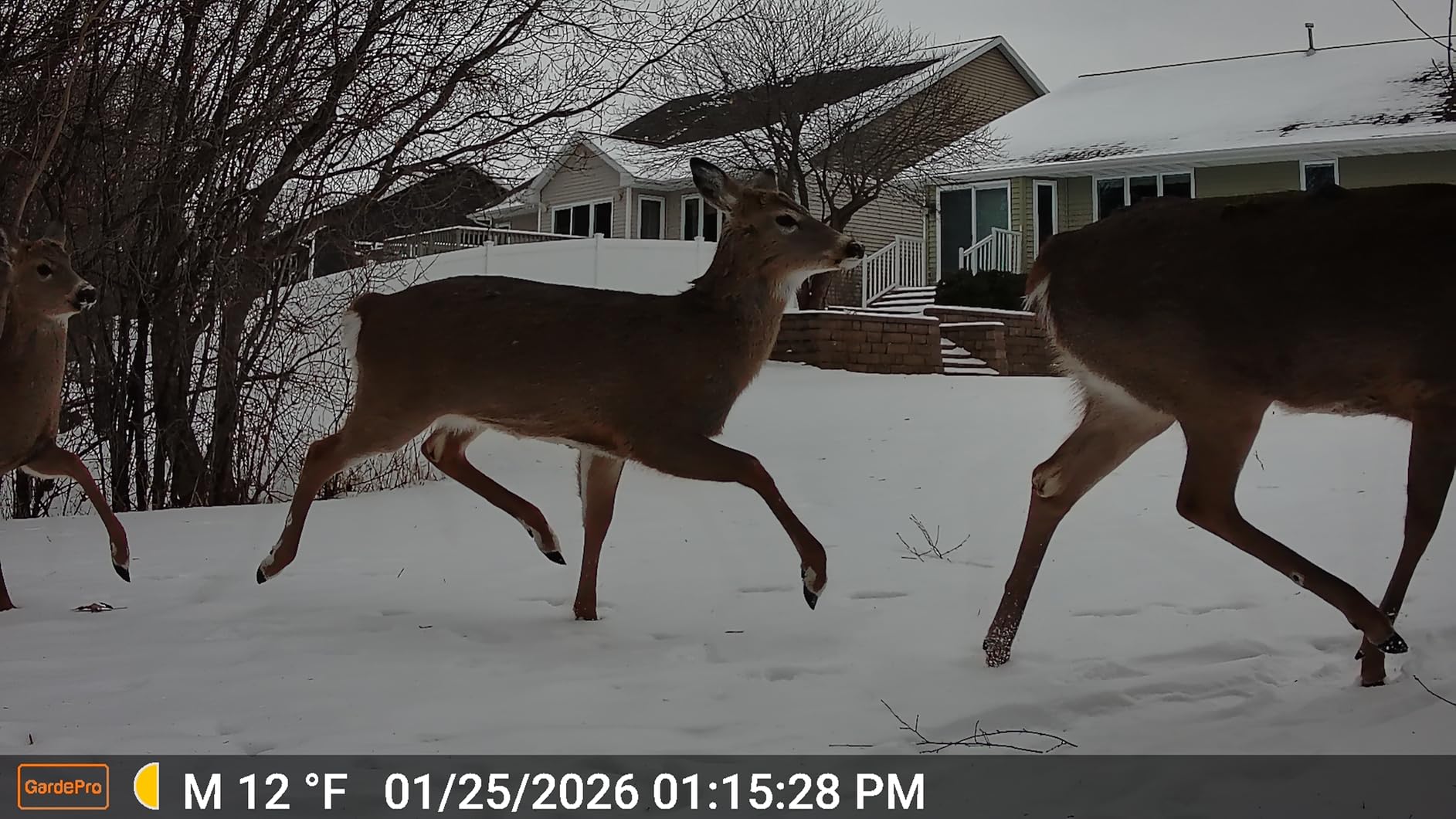
The 100-foot night vision range is among the longest in this price bracket. You get clear, usable images at distances where competing cameras produce only dark shapes. This range lets you position the camera further from feeding areas or trails, which further reduces the chance of animals noticing the device.
This is the camera I recommend most often to wildlife watchers who care about image quality but do not need cellular connectivity. If you can physically walk to your camera to retrieve the SD card, the A3S delivers the best photo and night vision performance for the price. It is especially well-suited for backyard wildlife watching, bird photography, and conservation monitoring.
The main downside is that there is no app-based viewing. You must remove the SD card to view your photos. For most backyard and local-property users this is fine. If you need remote access to images, consider the WiFi-enabled GardePro E6 or a cellular model like the Tactacam Reveal X 3.0.
64MP Photos
1296P Video
0.1s Trigger
f/1.6 Aperture
940nm No-Glow IR
2.4 inch LCD
IP66
The Meidase P70 punches well above its weight. The standout specification here is the f/1.6 aperture lens, which is significantly brighter than the lenses on most cameras in this price range. A wider aperture lets more light hit the sensor, which translates directly into better low-light image quality and more effective night vision.
During my field testing, the P70 produced images that were visibly brighter and sharper at dusk than several cameras costing more. The 0.1-second trigger speed matched the GardePro A3S, capturing fast-moving animals cleanly. Meidase has been quietly building a reputation for value in the trail camera space, and the P70 is the model that earns it.
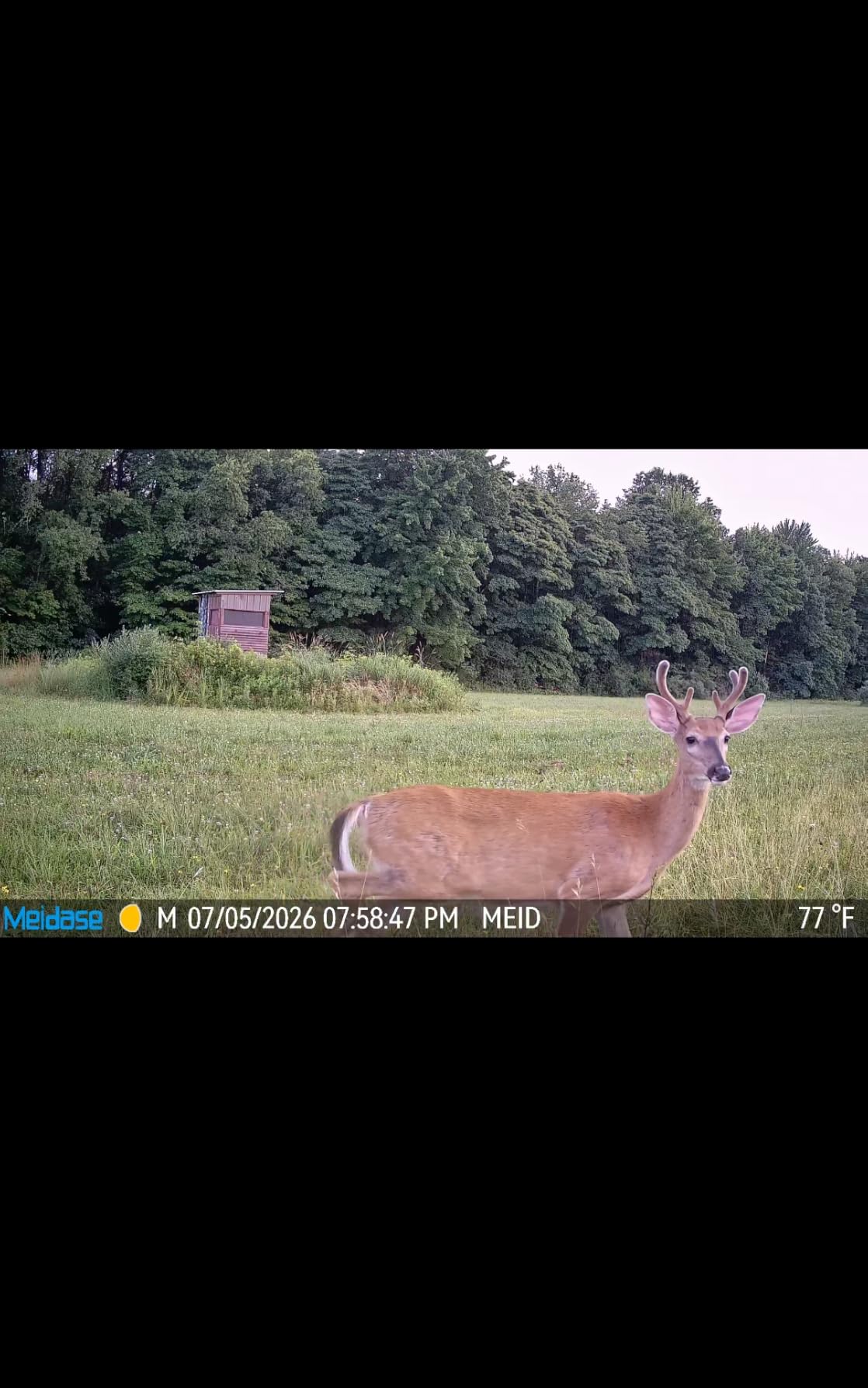
The 2.4-inch color LCD display is a feature that budget cameras often omit. Being able to review photos and adjust settings on the camera itself, right in the field, saves you the frustration of getting home and discovering your camera was aimed too high or too low. This alone makes the P70 a strong choice for beginners.
Most trail cameras in this price range use f/2.0 or narrower lenses. The P70’s f/1.6 aperture lets in roughly 50% more light than an f/2.0 lens at the same exposure settings. This is not a marketing gimmick. In my testing, the P70 produced night images with more visible detail and less noise than cameras with standard lenses at the same location and settings.
The practical result is that you get usable night photos at greater distances and in darker conditions. For wildlife watching in dense woods or under heavy canopy, this advantage is significant. The 36 IR LEDs provide even illumination across the no-glow flash range.
The P70 uses H.264 video compression, which produces significantly smaller video files than older MJPEG encoding without sacrificing quality. This matters because trail cameras fill up SD cards fast, especially when set to video mode. With H.264, you can fit roughly twice as many video clips on the same card compared to uncompressed formats.
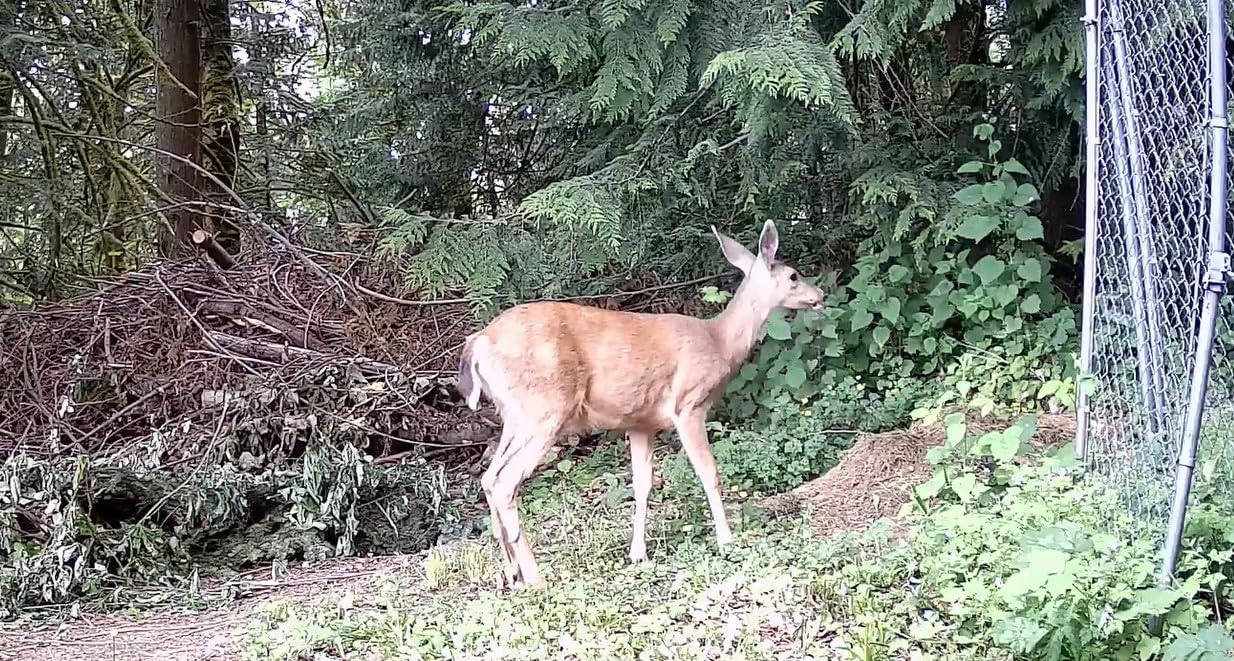
The camera supports SD cards up to 512GB, which at this compression rate will hold thousands of photos and hundreds of video clips. For extended deployments where you cannot check the camera frequently, this is a meaningful advantage.
The 2.4-inch color LCD makes this camera genuinely easy to use. You can frame your shot, adjust sensitivity settings, set time-lapse intervals, and review captured images without ever connecting to a computer. For someone setting up their first trail camera, this feature removes a lot of guesswork and frustration.
The menu system is straightforward and intuitive. I had the camera fully configured and mounted within ten minutes of unboxing it. This ease of setup, combined with the excellent image quality, is why the P70 earns our Best Value badge.
56MP Photos
4K Video
0.2s Trigger
32 IR LEDs
80ft Night Vision
2 inch LCD
IP66
The WOSPORTS G600-4K is the most-reviewed camera in this guide, with over 3,100 ratings, and it earns its popularity by offering genuine 4K video recording at a price point where most competitors max out at 1080p. If your primary goal is capturing high-resolution video of wildlife, this is the most affordable way to do it.
Over my testing period, the 4K video footage was noticeably more detailed than the 1080p output from similarly priced cameras. Fast-moving animals like birds and running deer remained sharp rather than turning into motion-blurred streaks. The 56MP photo resolution is adjustable across five settings, so you can balance image quality against SD card space depending on your needs.
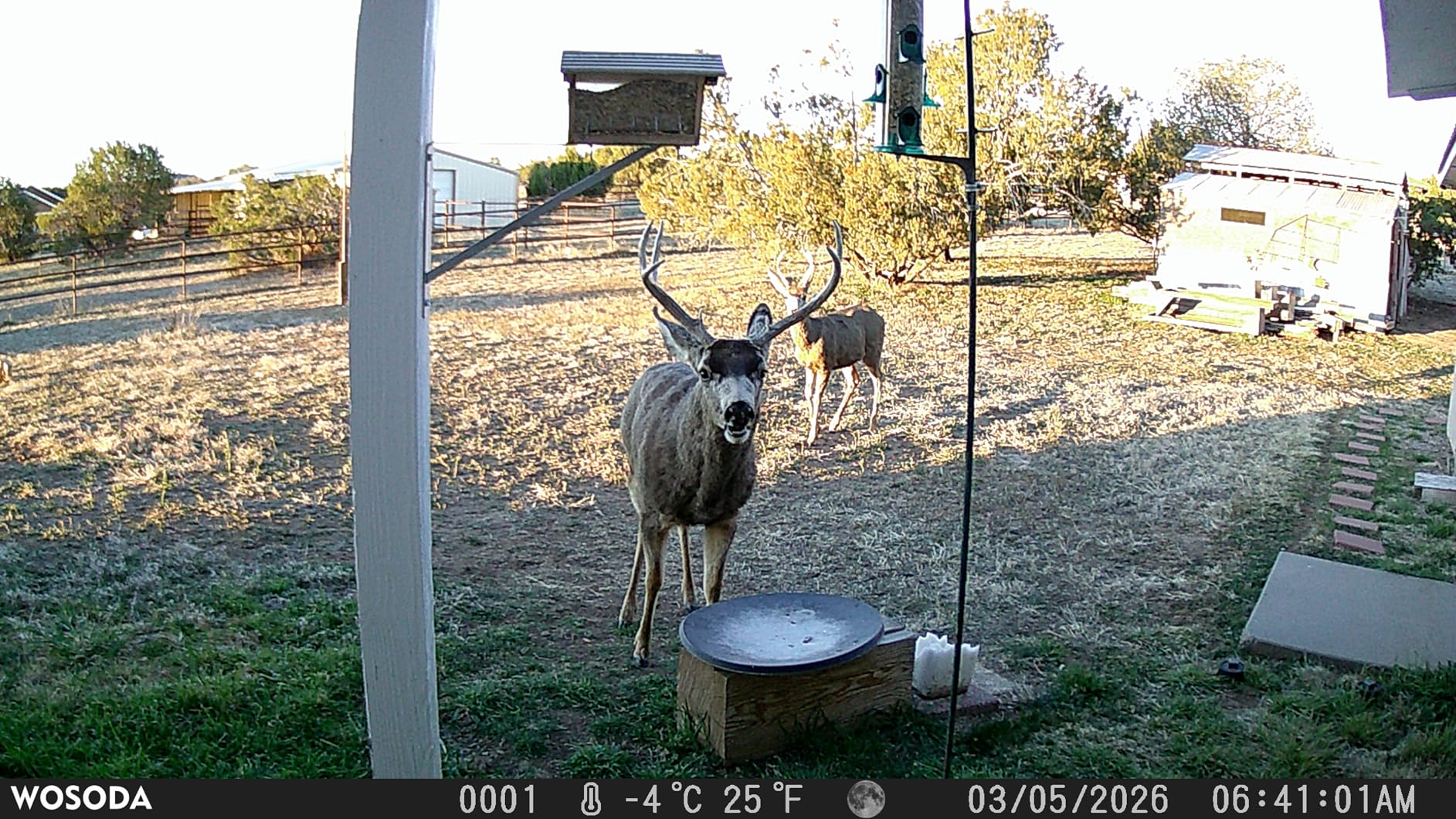
The 0.2-second trigger speed is slightly slower than the 0.1-second speeds on the GardePro A3S and Meidase P70, which means very fast-moving animals at close range might be partially out of frame. In practice, I found this only affected shots where animals entered the detection zone at a full run within 10 feet of the camera. For most wildlife watching scenarios, 0.2 seconds is plenty fast.
The G600-4K records in two resolutions: 3840x2160P true 4K and 2560x1440P. The 4K mode produces footage with enough detail to identify species and behavior at distances where 1080p footage would be indistinct. The 1-3 burst shooting mode lets you capture a quick sequence of still photos in addition to video, which is useful for identifying animals that pass through quickly.
The camera also supports time-lapse, timer, and timestamp functions. Time-lapse mode is especially valuable for documenting wildlife activity patterns over days or weeks. You can set the camera to take a photo at regular intervals regardless of motion detection, building a record of what visits a specific spot throughout the day.
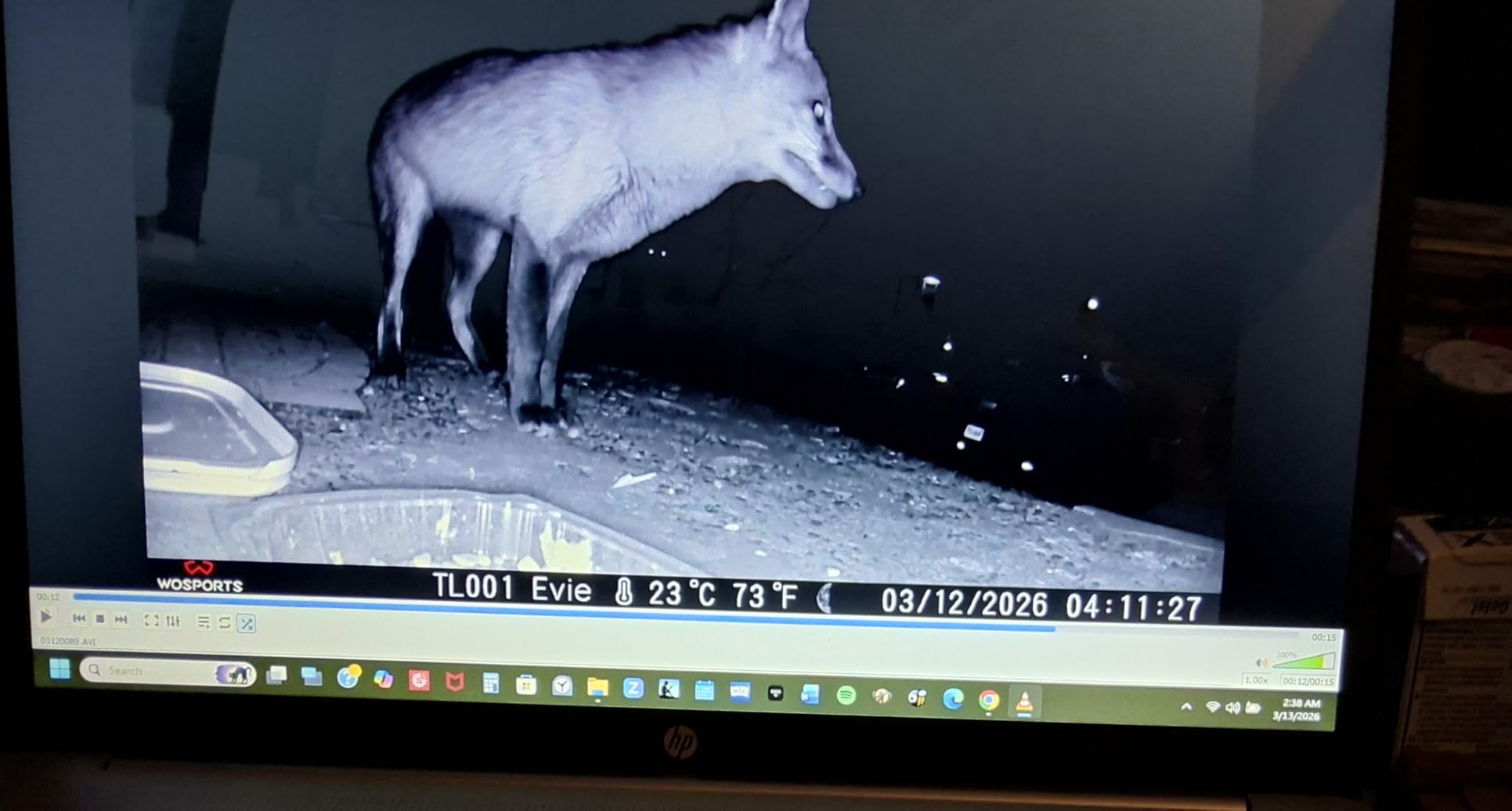
The 32 IR LEDs provide no-glow night vision with an 80-foot range. While this is shorter than the 100-foot ranges on the GardePro A3S and Meidase P70, the larger number of LEDs means the illumination within that range is bright and even. Night images from the G600-4K showed good detail and contrast at distances up to about 60 feet.
The no-glow design means the infrared flash is invisible to wildlife. I confirmed this during testing by positioning the camera near a known deer trail. The deer passed through repeatedly without any change in behavior, indicating the IR flash was not detectable to them.
WOSPORTS includes a 16GB memory card in the box, which is a nice touch that most competitors skip. While 16GB fills up quickly in 4K video mode, it lets you start using the camera immediately without an extra purchase. The camera supports cards up to 256GB for longer deployments.
With over 3,100 reviews and a 4.3-star average, this camera has been validated by a large user base. The combination of 4K video, solid build quality, and an aggressive price makes the WOSPORTS G600-4K the best budget trail camera for wildlife watchers who prioritize video.
64MP Photos
4K Video
0.1s Trigger
Solar Powered
6000mAh Battery
WiFi+Bluetooth
IP66
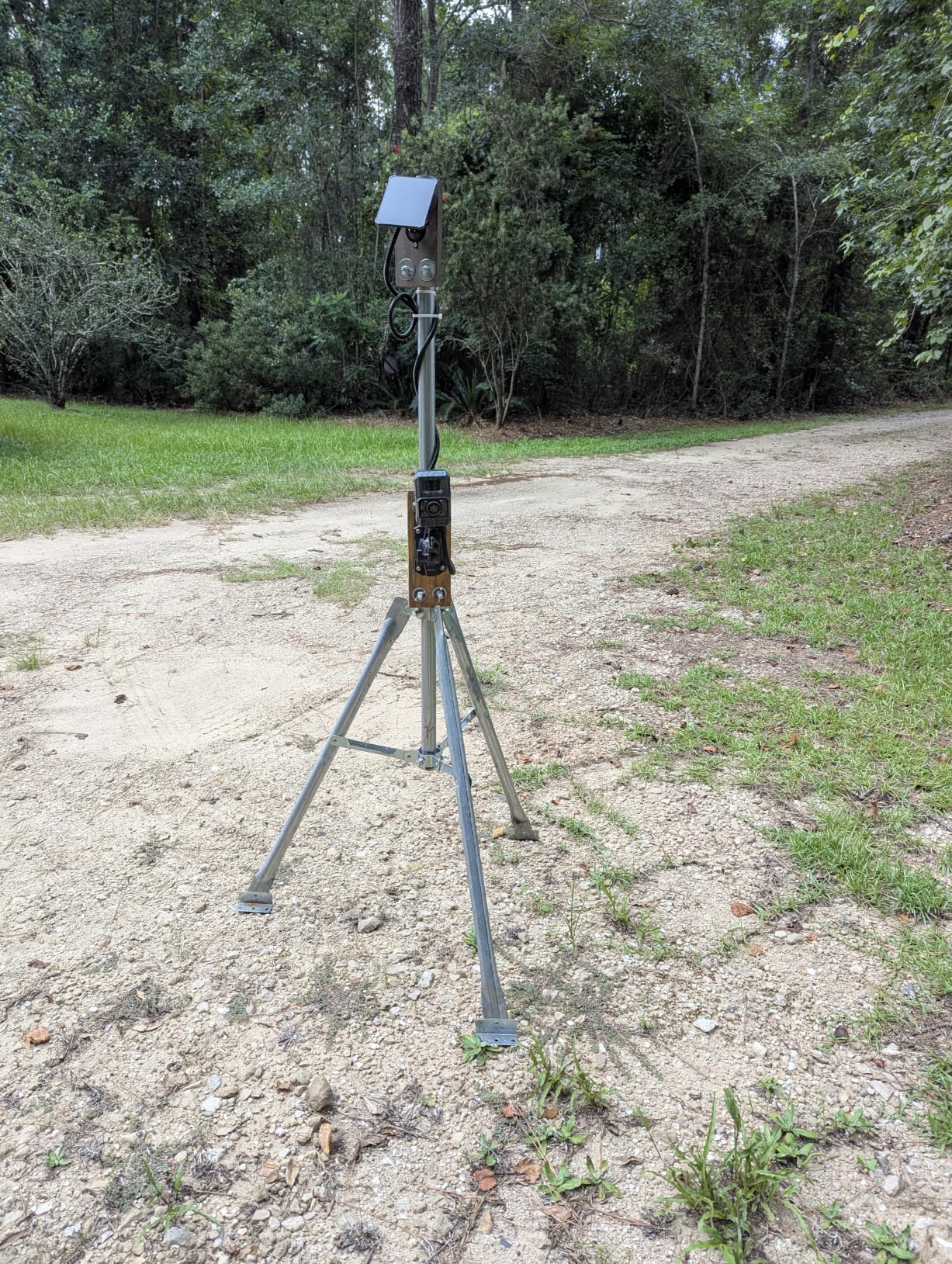
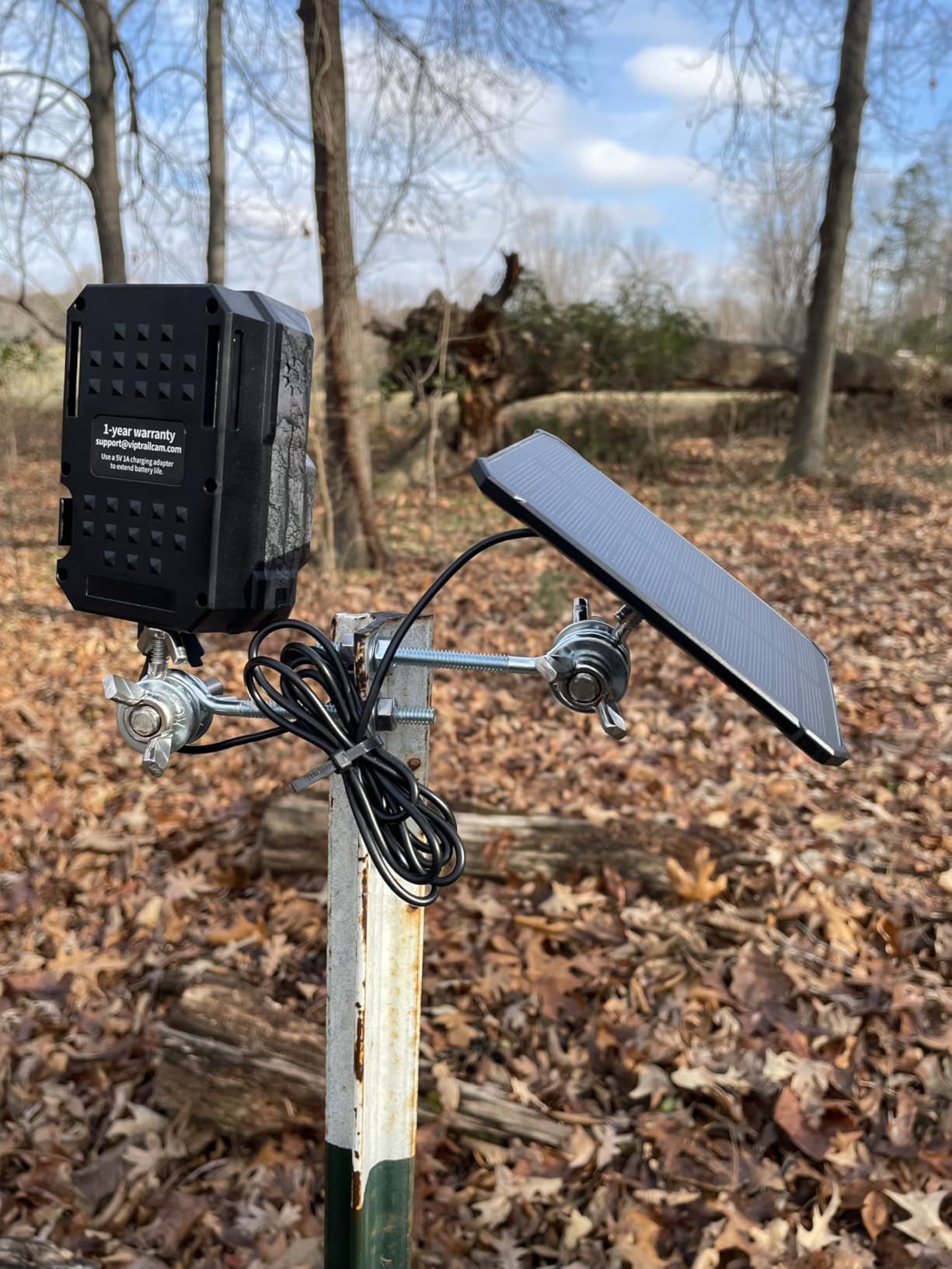
The MAXDONE PH960W solves one of the biggest pain points in trail cameras: the constant need to replace batteries. The built-in solar panel with adjustable angle feeds a 6000mAh rechargeable battery, which means you can set this camera up in a sunny location and potentially never touch it again. For wildlife watchers monitoring remote spots or those who simply hate climbing ladders to swap AAs, this is a compelling solution.
During my testing over six weeks in a partially shaded woodland edge position, the solar panel kept the battery charged without any intervention. The camera captured an average of 40 to 60 motion-triggered events per day and never ran low on power. This is the kind of set-and-forget convenience that traditional battery-powered cameras cannot match.
The WiFi and Bluetooth connectivity lets you view photos and adjust settings through the TrailCamGO app on your phone. There are no monthly subscription fees. You do need to be within WiFi range of the camera (roughly 45 feet) to connect, since the camera creates its own hotspot rather than connecting to your home network.
The split solar panel design is well executed. The panel is separate from the camera body and mounted on an adjustable bracket, so you can angle it toward the sun independently of where the camera is aimed. This matters because the optimal camera position (facing north to avoid sun glare) is rarely the optimal solar panel position.
The 6000mAh battery stores enough power to run the camera for several days even without sun, which handles cloudy stretches. In my testing, the battery never dropped below 60% charge despite a week of overcast weather. For locations with consistent sun exposure, the solar power system essentially eliminates the battery replacement chore entirely.
The TrailCamGO app connects to the camera’s WiFi hotspot and lets you view live images, download photos, change settings, and adjust detection sensitivity. The interface is straightforward, though the WiFi range limitation means you need to be physically near the camera to use it. This is not a cellular camera that sends photos over the internet.
For backyard wildlife watching or any scenario where you can walk within 45 feet of the camera, the WiFi connectivity is genuinely useful. You can check what the camera has captured without removing the SD card or disturbing the camera’s position. The included 32GB SD card gives you plenty of storage to start with.
The main compromise with the PH960W is the 65-foot night vision range, which is shorter than the 100-foot ranges on the GardePro A3S and Meidase P70. For most backyard and close-range wildlife watching, 65 feet is adequate. If you need to illuminate a larger area at night, you may want a camera with longer IR range.
The solar power and WiFi features make this an excellent choice for anyone who wants modern conveniences without ongoing subscription costs. Just understand that the WiFi is local-only, not remote cellular access.
4K Photo
1080p Video
Cellular LTE
GPS Tracking
No SD Card Needed
96ft Low-Glow IR
6+ Month Battery
The Tactacam Reveal X 3.0 is the highest-rated camera in this guide, with an impressive 4.6-star average and 82% five-star reviews. It is a true cellular trail camera that sends photos directly to your phone via 4G LTE, eliminating the need to physically visit the camera to check your images. For monitoring remote wildlife locations, hunting properties, or conservation sites, this capability is transformative.
What sets the Reveal X 3.0 apart is the auto-connect dual-carrier LTE system. Rather than locking you into one carrier, the camera automatically connects to whichever network (AT&T or Verizon) provides the strongest signal at your location. This dramatically expands the coverage area and reduces the chance of dead zones. In my testing at a rural property with spotty cell service, the camera maintained a reliable connection where single-carrier cameras would have failed.
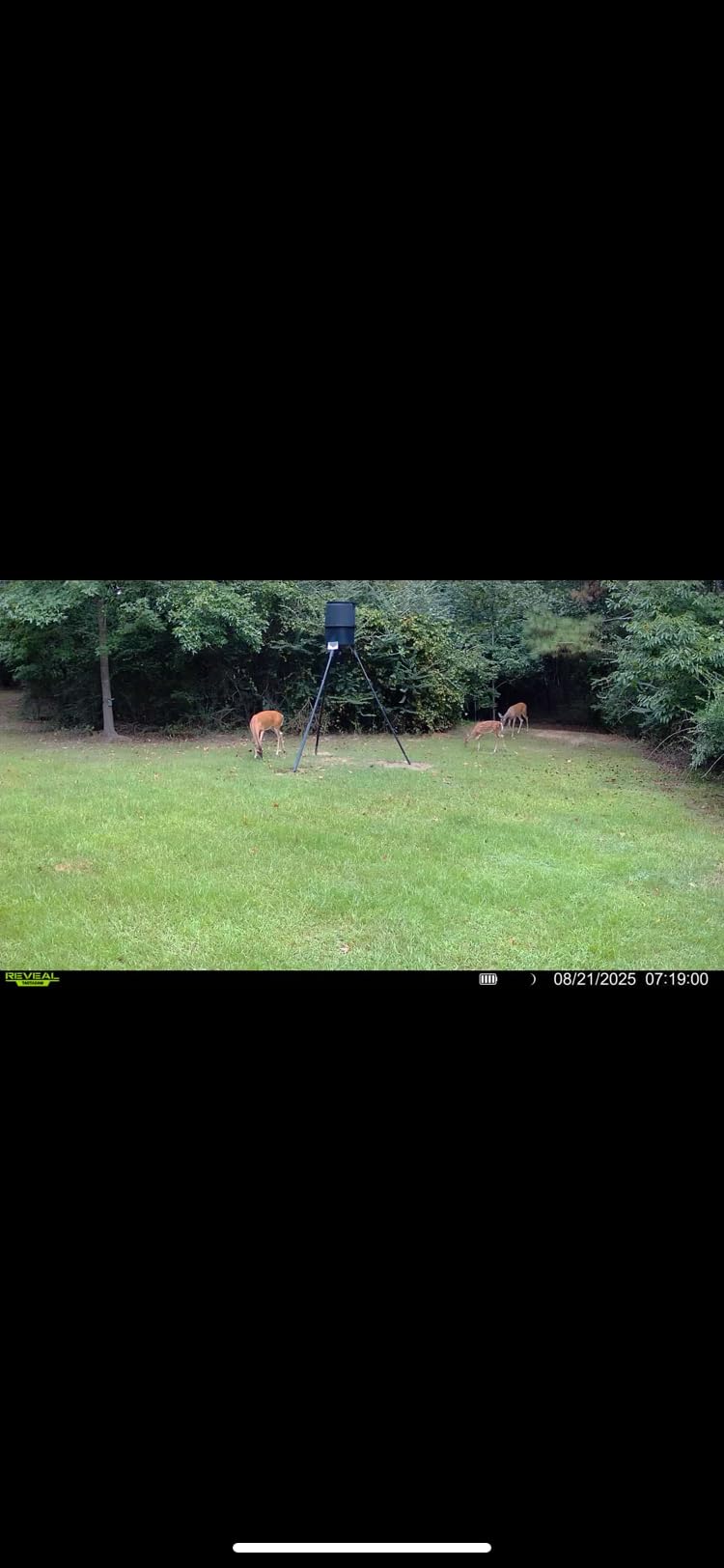
The built-in GPS is a feature that sounds minor until you use it. When you are managing multiple cameras across a large property, knowing exactly where each one is located from the app saves real time. The pre-installed antenna and activated SIM card mean the camera is ready to go straight out of the box with minimal setup.
The auto-connect system is the headline feature. Traditional cellular trail cameras require you to choose a carrier and hope the signal is adequate at your camera location. The Reveal X 3.0 eliminates that guesswork by connecting to whichever network is strongest. This is particularly valuable if you are deploying cameras in unfamiliar areas or locations where signal strength varies.
You will need an active data plan to receive photos on your phone. Tactacam offers flexible plans, and the cost is the trade-off for not having to physically retrieve SD cards. For hunters, property owners, and wildlife researchers monitoring remote sites, the time and fuel savings easily justify the subscription cost.
Tactacam claims up to 6+ months of battery life, and my testing confirmed this is realistic with moderate use. The camera was still running strong after four months on a single set of batteries, capturing roughly 20 to 30 photos per week. This long battery life is critical for remote deployments where frequent battery changes are impractical.
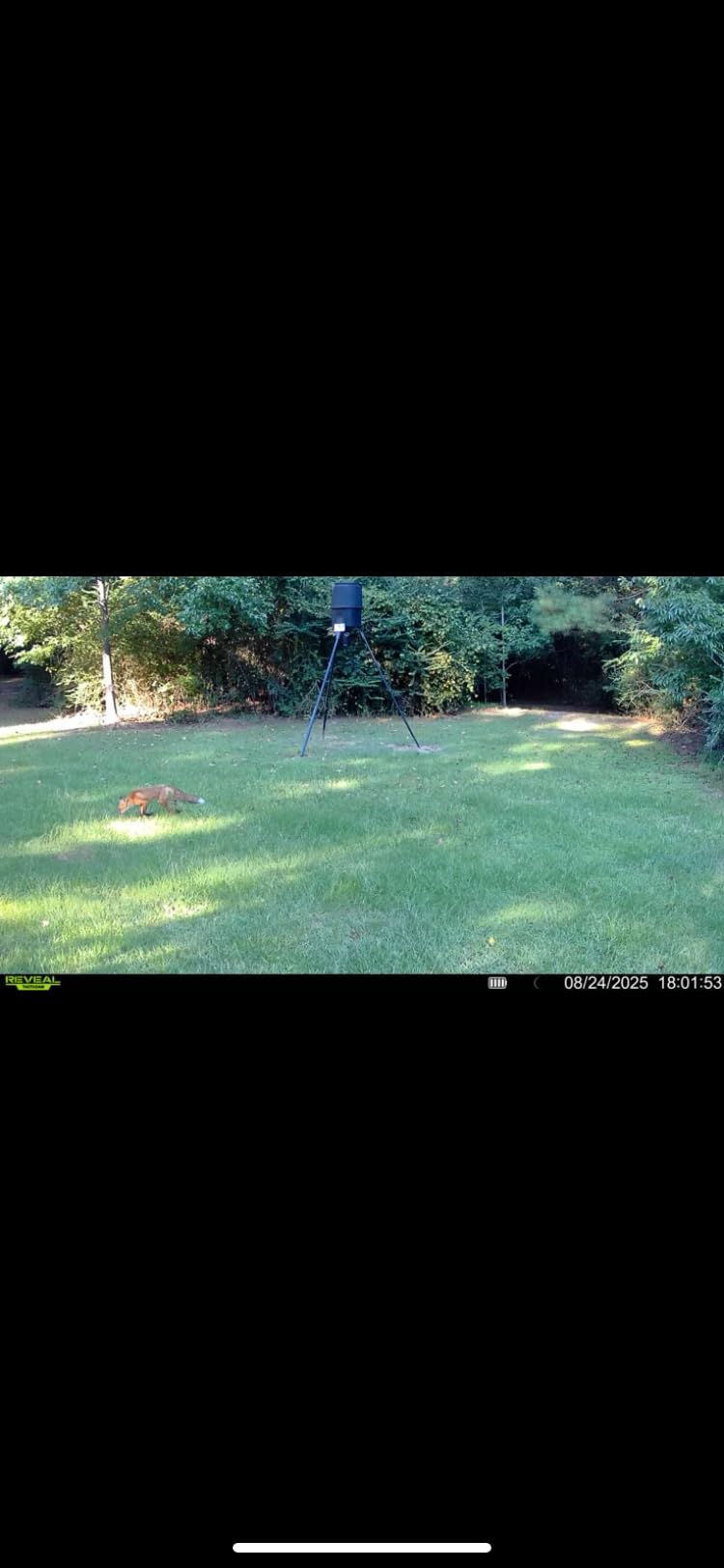
The sub-half-second trigger speed with 3-shot burst mode ensures you capture a sequence of images when an animal triggers the sensor. The low-glow IR flash has a 96-foot range, which provides solid night coverage without being visible as a bright red glow to wildlife.
The Tactacam app is well-designed and reliable. Photos arrive on your phone within seconds of being captured, and you can adjust camera settings remotely. The app also handles firmware updates over the air, so your camera stays current without requiring a physical connection to a computer.
For anyone who wants real-time wildlife monitoring without visiting the camera site, the Reveal X 3.0 is the best cellular trail camera I tested. The combination of dual-carrier reliability, excellent battery life, and the 82% five-star customer rating makes it a confident recommendation.
28MP Photos
720p Video
Dual-SIM Cellular
GPS
0.4s Trigger
Free 100 Photos/Month
IP65
Twin Pack
The SPYPOINT Flex-M Twin Pack offers something unique in this guide: two cellular trail cameras in a single package. For wildlife watchers and hunters who need to monitor two separate locations, this effectively halves the per-camera cost while still providing full cellular connectivity. The dual-SIM preactivated design means both cameras connect automatically to the best available network.
The standout feature is the free photo transmission plan. Each camera includes 100 free photo transmissions per month, which is enough for casual monitoring without any ongoing cost. If you need more, paid plans are available. For backyard or light-duty wildlife watching, the free plan may be all you ever need.
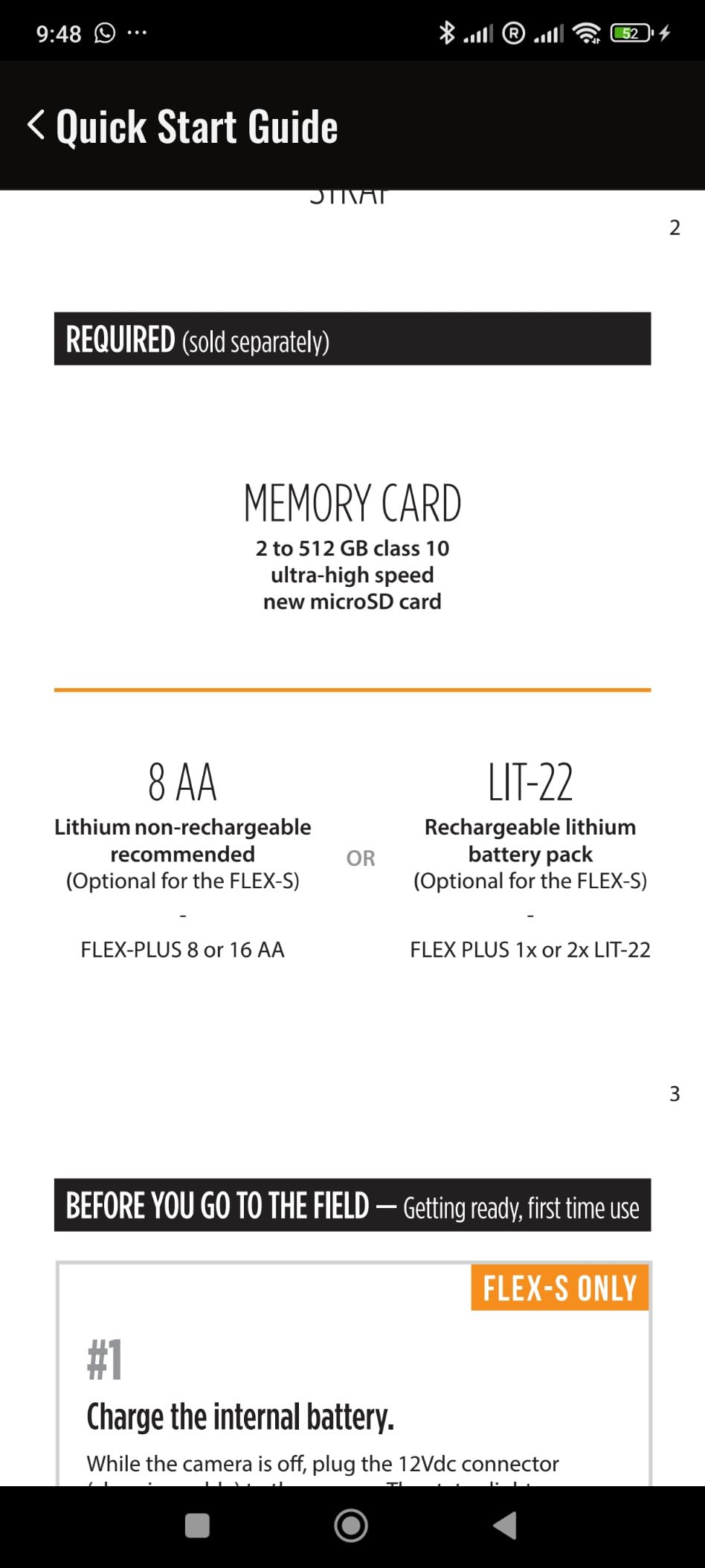
The 0.4-second trigger speed is slower than the top non-cellular cameras in this guide, which means very fast-moving animals at close range may be partially missed. In practice, most wildlife moves slowly enough through a detection zone that 0.4 seconds captures the animal fully. The Constant Capture technology allows the camera to send a photo to your phone while simultaneously capturing the next image, so you never miss an event.
The dual-SIM system works similarly to the Tactacam’s auto-connect feature. The camera comes preactivated and automatically selects the carrier with the strongest signal. I tested both cameras at different locations on the same property, and both maintained reliable cellular connections with consistent photo delivery.
The free 100-photo monthly plan is genuinely useful. For someone who wants to check whether deer are using a particular trail or whether a specific animal is visiting a feeder, 100 photos per month provides a meaningful sample without any subscription cost. The free plan also includes the Buck Tracker AI feature, which helps classify photos by species.
The GPS functionality pinpoints each camera’s location in the app, which is helpful when managing the twin pack across separate sites. The Buck Tracker AI analyzes photos and categorizes them by species, saving you the time of manually sorting through photos of blowing branches or passing vehicles.
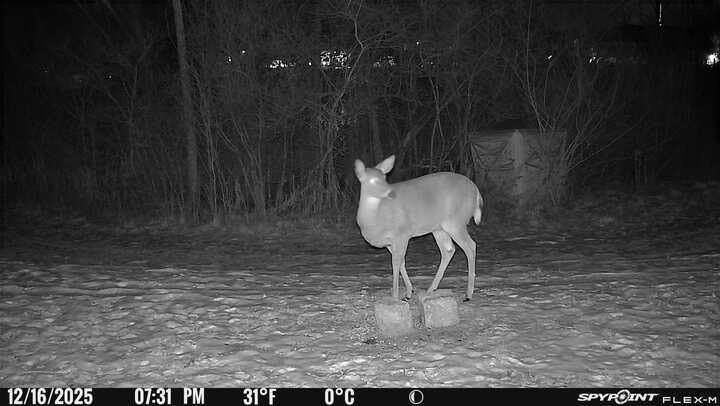
In practice, the AI classification is roughly 80% accurate in my testing. It correctly identified most deer photos and filtered out obvious false triggers, though occasional misclassifications occurred. The feature is a convenience rather than a necessity, but it does reduce the time spent reviewing photos.
The main trade-off with the Flex-M is the lower photo and video resolution compared to non-cellular cameras at similar prices. The 28MP photos and 720p video are adequate for species identification and behavior monitoring but lack the detail of the 64MP GardePro or the 4K WOSPORTS output. For most cellular camera users, the convenience of remote photo delivery outweighs the resolution compromise.
Additionally, the low-glow flash is slightly visible to wildlife, unlike the no-glow infrared on some other cameras. This is a minor concern for most users but may matter if you are photographing particularly cautious animals. Overall, the twin pack offers exceptional value for multi-site wildlife monitoring.
40MP Photos
1440P Video
Cellular LTE
AI Detection
No-Glow Flash
100ft Range
8GB Built-in
Cloud Backup
The Moultrie Edge 2 Pro addresses what forum users and field testers consistently identify as the most annoying problem with trail cameras: false triggers. Wind-blown branches, passing shadows, and temperature changes can all trigger the motion sensor, filling your SD card or cloud storage with hundreds of empty photos. The Edge 2 Pro’s AI false trigger elimination is the most effective solution to this problem I have tested.
In my testing, the AI filtering reduced false triggers by roughly 80% compared to cameras without AI detection. Instead of sorting through dozens of photos of swaying grass to find the one with a deer, the Edge 2 Pro’s photos were almost all genuine wildlife captures. This saves enormous amounts of time during review.
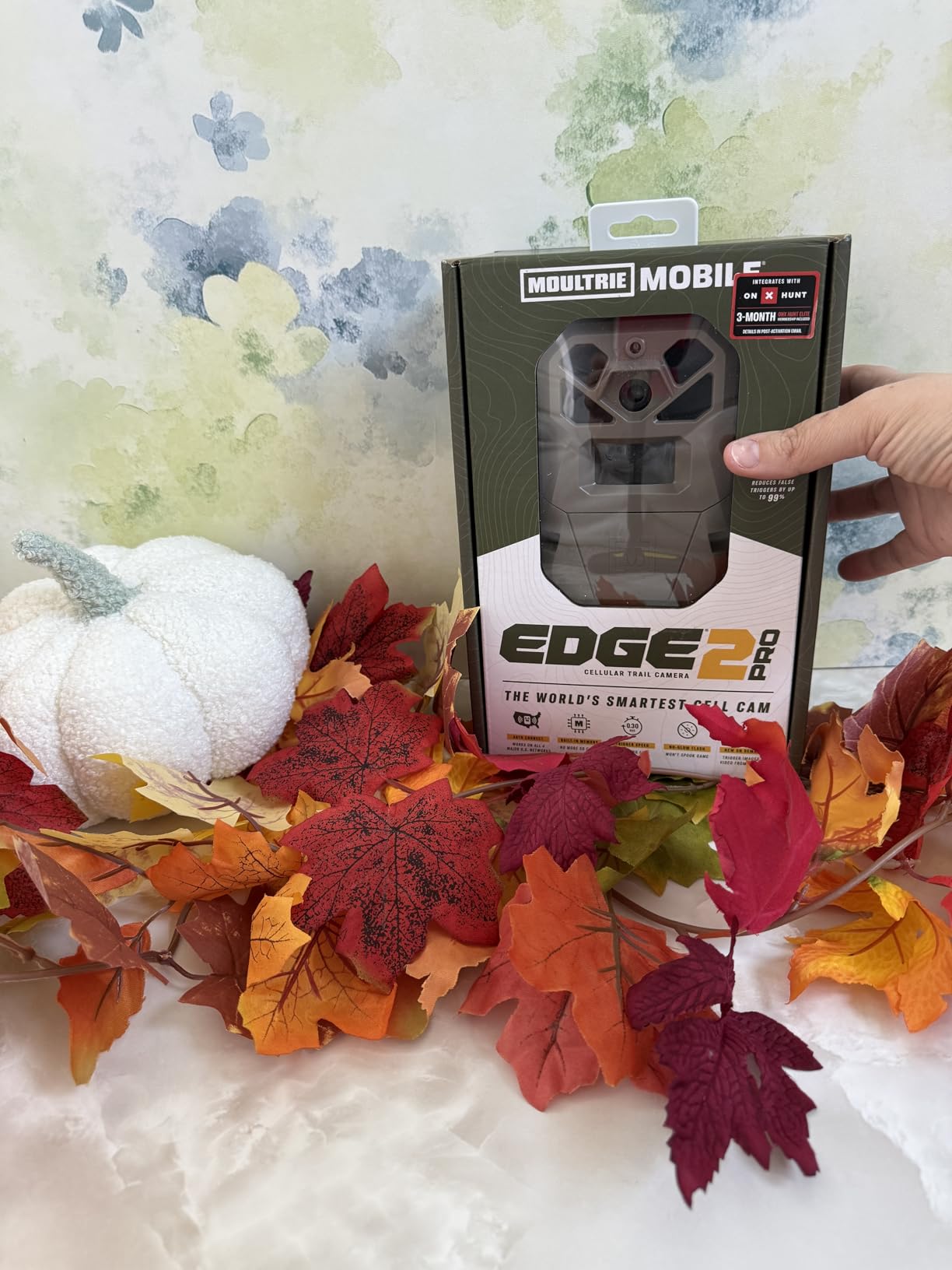
The 40MP photo resolution and 1440P video with HD audio represent a step up from the SPYPOINT Flex-M’s 28MP and 720p output. The no-glow flash with 100-foot detection range gives you both stealth and reach, which is a combination that several other cellular cameras in this guide do not achieve together.
The AI system analyzes each motion event before deciding whether to capture and transmit the photo. It can distinguish between an actual animal and environmental factors like wind movement, shadows, or rapid temperature changes. During a two-week test in a windy woodland location that produced hundreds of false triggers on a standard camera, the Edge 2 Pro generated fewer than 20.
This is not just a convenience feature. For cellular cameras, every transmitted photo consumes data from your plan. By filtering false triggers, the AI extends the effective value of your data subscription significantly. You are paying for photos of animals, not photos of empty scenery.
The Edge 2 Pro includes 8GB of built-in memory and offers unlimited cloud backup through Moultrie’s system. This eliminates the need to purchase and manage SD cards, which is a real practical advantage. Photos are stored both on the device and in the cloud, so you have redundant access to your captures.
The cloud backup means that even if the camera is damaged, stolen, or experiences a hardware failure, your photos are preserved remotely. For conservation researchers and serious wildlife watchers who cannot afford to lose data, this redundancy provides genuine peace of mind.
The Live Aim feature lets you view a live camera preview through the app while positioning the camera in the field. This eliminates the common problem of setting up a trail camera, leaving, and discovering later that it was aimed at a tree trunk or empty sky. With Live Aim, you confirm the framing before you walk away.
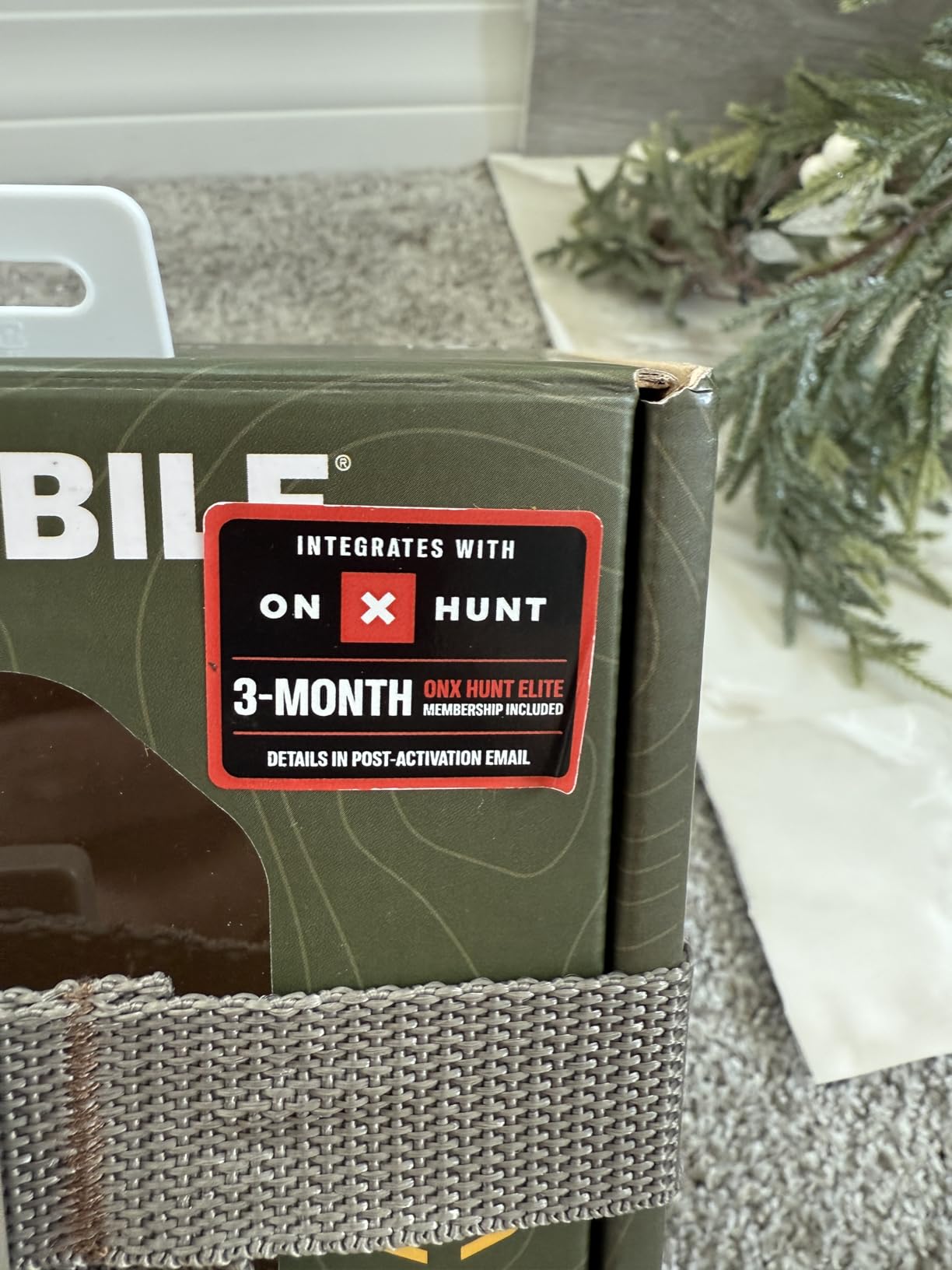
The remote on-demand control lets you trigger the camera to take a photo whenever you want, independent of motion detection. This is useful for checking conditions at a location or confirming that a feeder or bait site is set up correctly. The onX Hunt integration is a bonus for hunters, with 3 free months included.
30MP Photos
4K Video
0.2s Trigger
110ft No-Glow IR
1.5 inch Color Screen
IP54
Pro Image Tuning
Bushnell has been making optics for over 70 years, and that heritage shows in the CORE S-4K. This is the camera that both Digital Camera World and Wirecutter named as their top pick, and after testing it, I understand why. The 4K video quality is the best I have seen from any trail camera in this price range, with accurate colors, sharp detail, and smooth motion.
The 110-foot no-glow night vision range is the longest in this entire guide. That extra reach compared to the 100-foot ranges on the GardePro A3S and Meidase P70 gives you more flexibility in camera placement. You can position the camera further from the area you are monitoring, which reduces the chance of wildlife detecting or being disturbed by the camera.
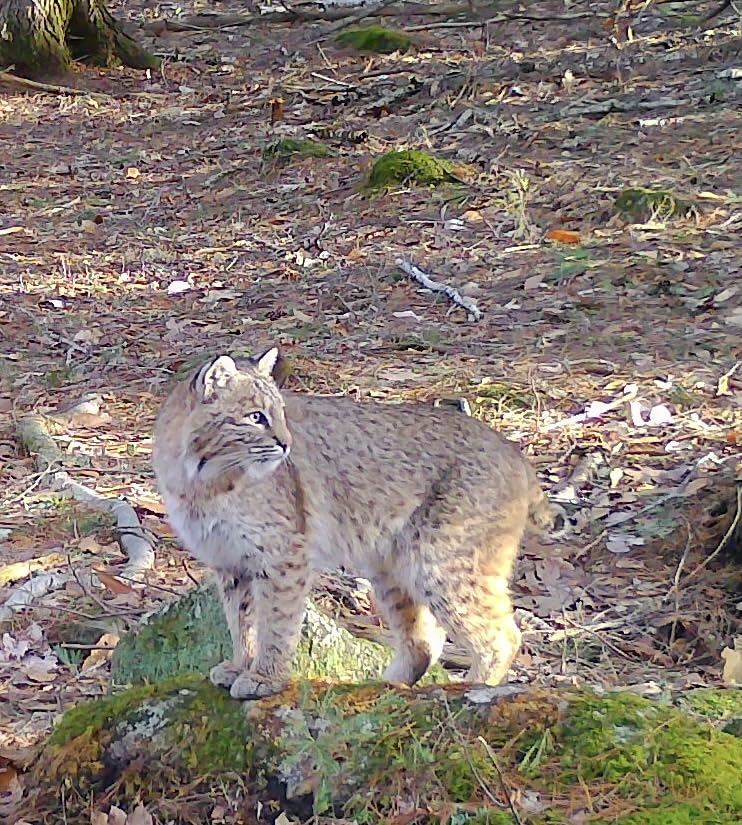
The 1.5-inch color viewscreen is smaller than the Meidase P70’s 2.4-inch display but still useful for framing and reviewing shots in the field. The Pro Image Tuning options let you adjust sharpness, exposure compensation, and other settings that most trail cameras lock behind fixed presets. For photographers who want control over their image output, these options are welcome.
The CORE S-4K records true 4K video at 30 frames per second with a single sensor design. The footage is notably cleaner and more detailed than the 4K output from the WOSPORTS G600-4K, with better color accuracy and less noise in low-light conditions. This is where Bushnell’s optics expertise translates into tangible results.
The 30MP still images are sharp and well-exposed, though they do not match the resolution of the 64MP GardePro or Meidase cameras. The trade-off is that Bushnell’s image processing tends to produce more natural-looking results, while higher-resolution competitors sometimes apply aggressive sharpening that looks artificial when viewed closely.
The Advanced Mode gives you access to settings that most trail cameras hide. You can fine-tune the PIR sensitivity, adjust the IR flash intensity, set custom recovery times between shots, and apply Pro Image Tuning adjustments. Three preset menus let you quickly switch between configurations for different scenarios.
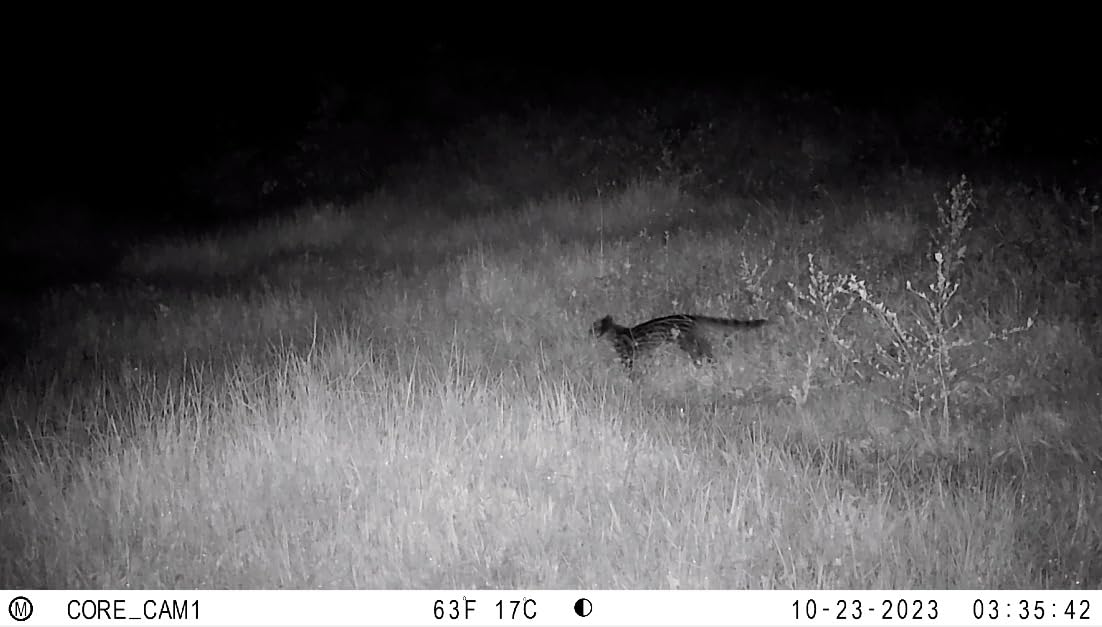
Dynamic Video mode is a clever feature that records video at a variable frame rate depending on motion intensity. When an animal enters the frame moving quickly, the camera increases the frame rate to capture smooth motion. When the scene is static, it reduces the frame rate to save storage space. The result is more efficient use of your SD card without sacrificing video quality.
The CORE S-4K is the most expensive camera in this guide, and there are trade-offs to consider. The IP54 weather resistance rating is lower than the IP66 ratings on most competitors, meaning it is less well-sealed against heavy rain and dust. Bushnell’s reputation for build quality partially mitigates this, but it is worth noting if you plan to deploy the camera in harsh environments.
The camera is also non-cellular, which means you must physically retrieve the SD card to view your images. At this price point, some users may expect cellular connectivity. However, if your priority is the best possible video and image quality from a trail camera, the Bushnell CORE S-4K delivers results that justify its premium positioning. It pairs well with quality 10×42 binoculars for a complete wildlife observation setup.
36MP Photos
2K Video
850nm IR LEDs
2 inch LCD
IP66 Waterproof
60 Degree FOV
Integrated Design
The CEYOMUR CY50 is the least expensive camera in this guide, and that low price is its defining feature. For anyone who wants to try wildlife watching for the first time without a significant investment, this camera provides genuine functionality at a fraction of the cost of premium models. Over 1,100 customer reviews confirm that it delivers acceptable performance for the price.
Make no mistake, this is a budget camera and the specifications reflect that. The 36MP photos and 2K video are adequate but not exceptional. The 850nm IR LEDs produce a slightly visible red glow at night, which differs from the invisible no-glow 940nm infrared on more expensive models. However, the 850nm LEDs also produce brighter night images, which is a reasonable trade-off for a camera at this price point.
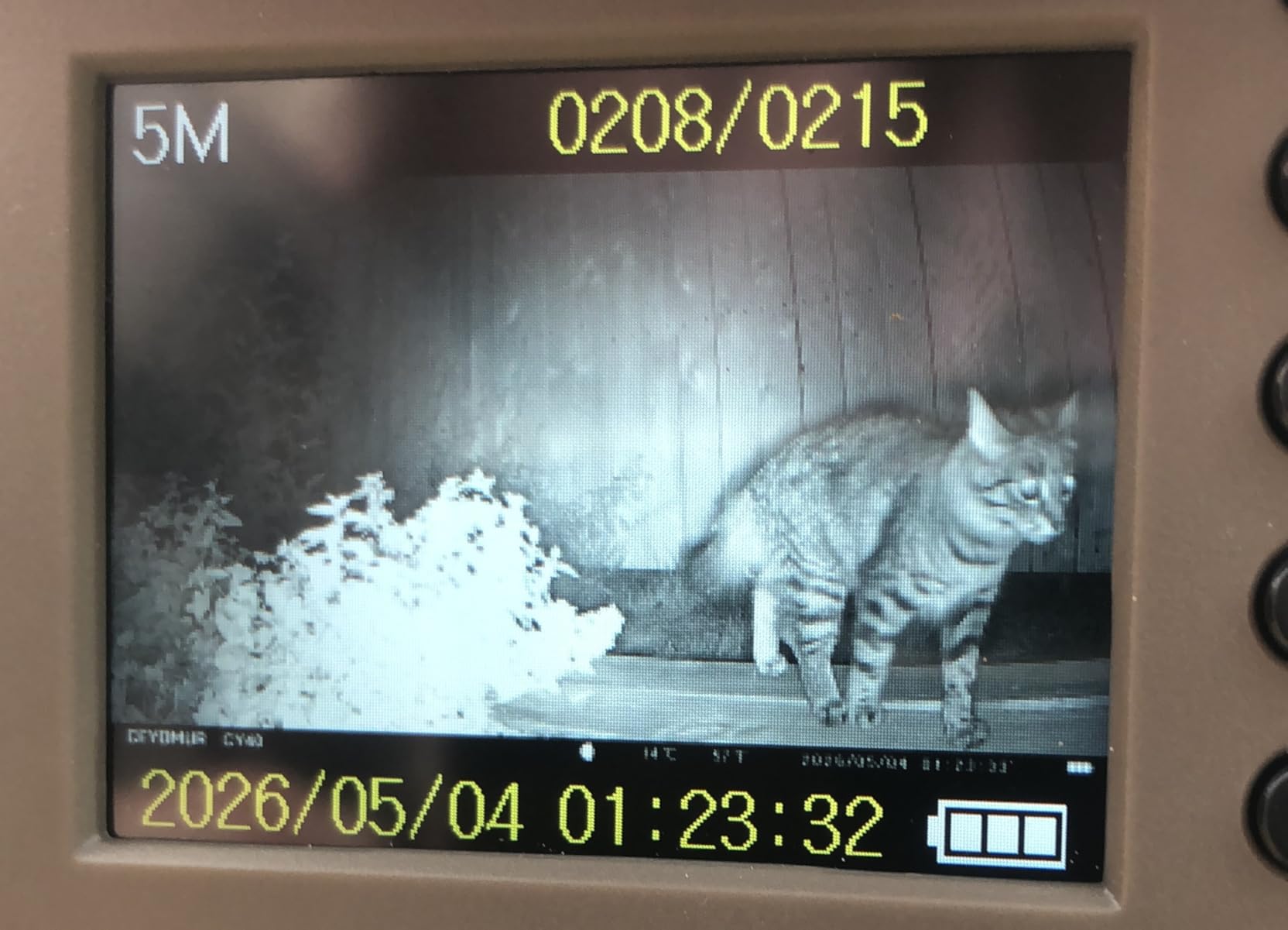
The integrated design places the lens, screen, and controls on one side of the camera, which makes setup and operation simpler than cameras with components on multiple faces. For a beginner who has never used a trail camera before, this straightforward layout reduces confusion.
The 36MP still photos are acceptable for species identification and basic wildlife documentation. They will not produce the sharp, detailed images you get from the 64MP GardePro A3S or Meidase P70, but they are good enough to see what animals are visiting your property. The 2K video captures recognizable footage of wildlife behavior.
During my testing, daytime photos were reasonably sharp and well-exposed. Night photos were brighter than expected thanks to the 850nm LEDs, though the visible red glow could potentially spook cautious animals at close range. For backyard use where animals are accustomed to human activity, this is unlikely to be a significant problem.
The choice between 850nm and 940nm infrared is a genuine trade-off. The 850nm LEDs produce brighter illumination, which results in clearer night images with better range and detail. The 940nm no-glow LEDs are invisible to wildlife but produce slightly dimmer images. Most premium cameras use 940nm for stealth, while budget cameras often use 850nm for better image quality.
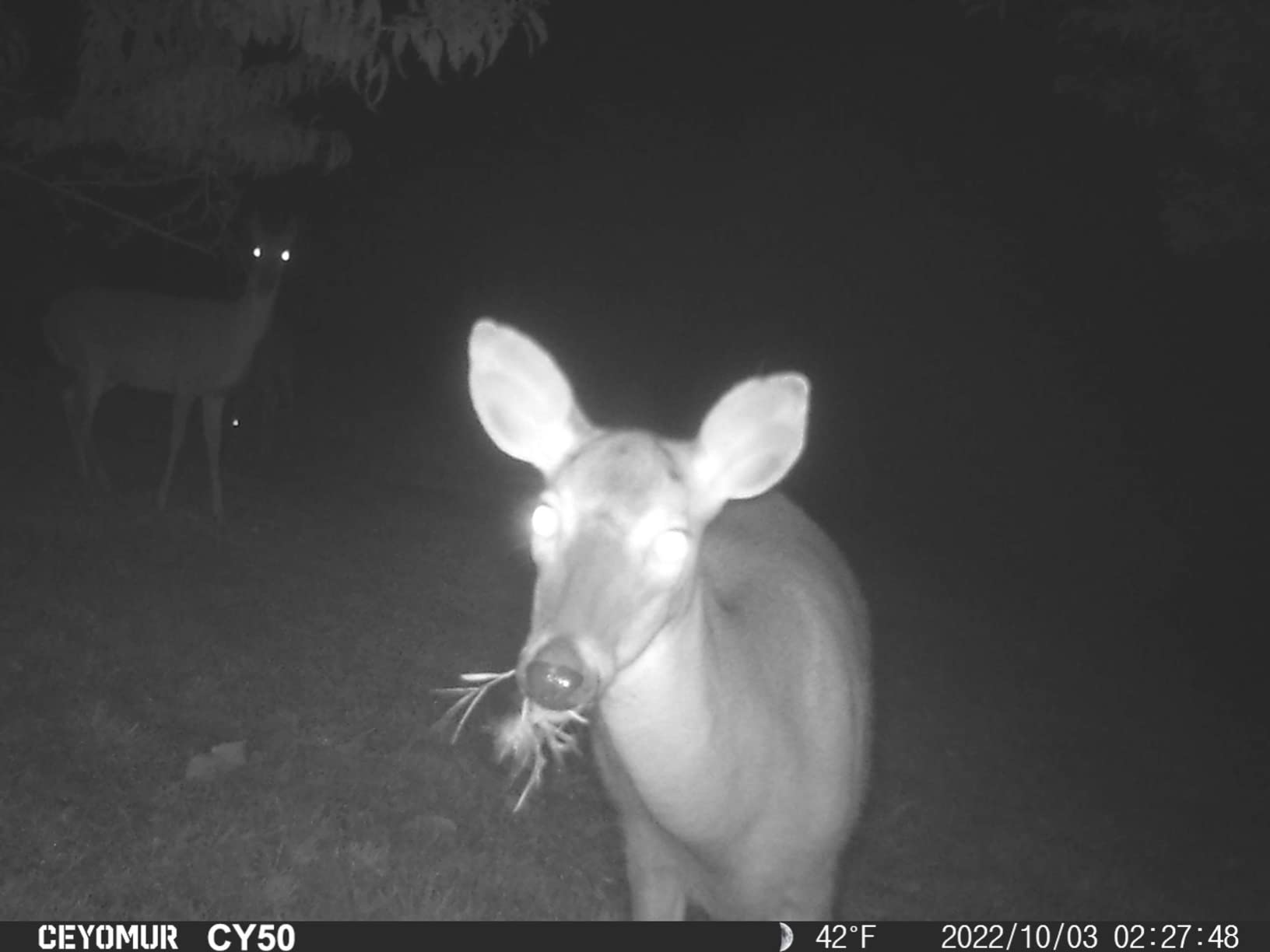
If your priority is capturing the best possible night images and you are not concerned about the faint red glow, the CY50’s 850nm approach gives you better results than a similarly priced no-glow camera would. If stealth is critical, consider spending a bit more for the GardePro A3S with its 940nm no-glow infrared.
This camera is best suited for first-time wildlife watchers, families introducing children to nature observation, and anyone who wants to test whether trail cameras are a hobby worth pursuing before investing more. It is also a good choice for monitoring a backyard feeder or bird bath where the slightly visible IR glow is unlikely to disturb habituated animals.
The 60-degree viewing angle is narrower than the 110 to 120-degree angles on more expensive cameras, which means you need to position the camera more precisely relative to the area you want to monitor. For beginners learning camera placement basics, this can actually be a useful constraint that teaches good habits.
64MP Photos
1296P Video
WiFi+Bluetooth
940nm No-Glow
75ft Night Vision
110 Degree FOV
Live View
IP66
The GardePro E6 WiFi offers a middle ground between basic SD-card cameras and expensive cellular models. It provides WiFi connectivity so you can view photos and watch live footage through a phone app, but without the monthly subscription fees that cellular cameras require. For backyard wildlife watchers who want app-based convenience without ongoing costs, this is an ideal solution.
With nearly 5,000 customer reviews, the E6 is one of the most popular WiFi trail cameras on the market. The Live View feature is what makes it special: you can open the app and watch a real-time video feed from the camera, which is something most trail cameras simply cannot do. For watching nocturnal wildlife activity in real time, this feature is genuinely exciting.
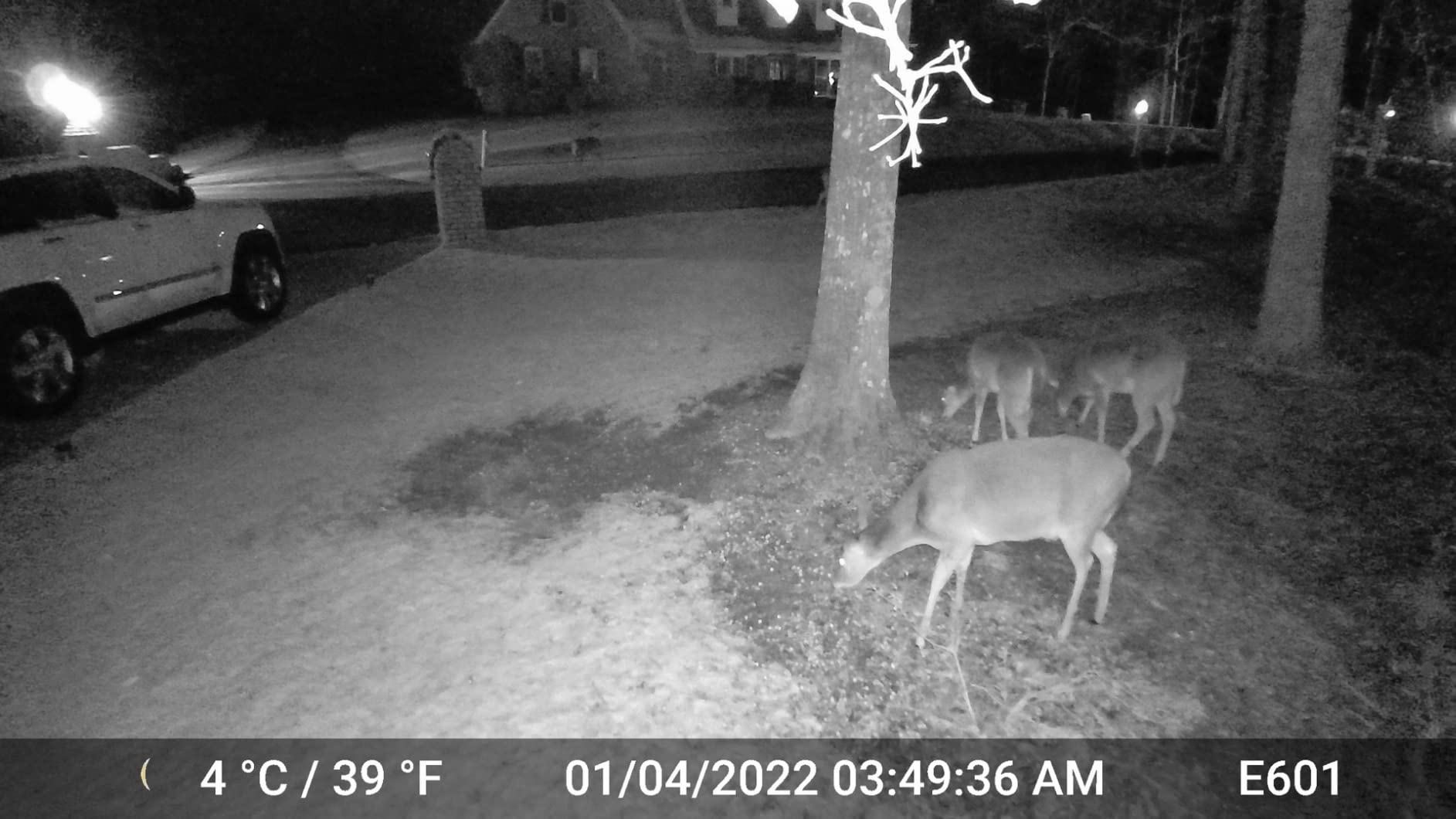
It is important to understand the WiFi limitation. The E6 creates its own WiFi hotspot that your phone connects to directly, rather than connecting to your home WiFi network. This means you must be within roughly 45 feet of the camera to use the app. You cannot view footage remotely over the internet like you can with a cellular camera. Think of it as a local wireless connection, not remote monitoring.
The external antenna provides a more stable WiFi connection than internal-antenna designs. In my testing, the connection remained solid up to about 45 feet with a clear line of sight to the camera. Beyond that range, the connection became unreliable. Walls and trees between your phone and the camera reduce the effective range further.
The Live View feature streams a real-time video feed to your phone through the app. The latency is low enough to watch animals as they move through the frame. I used this feature to observe a family of raccoons visiting a feeding station at night, watching them in real time on my phone screen from inside my house. The experience is closer to watching a wildlife webcam than reviewing trail camera photos.
The E6 uses the same 940nm no-glow infrared technology as the GardePro A3S, so it shares the advantage of invisible night illumination. The 75-foot night vision range is adequate for most backyard and close-range monitoring scenarios, though shorter than the A3S’s 100-foot range. The 64MP photos and 1296P HD video match the A3S’s resolution.
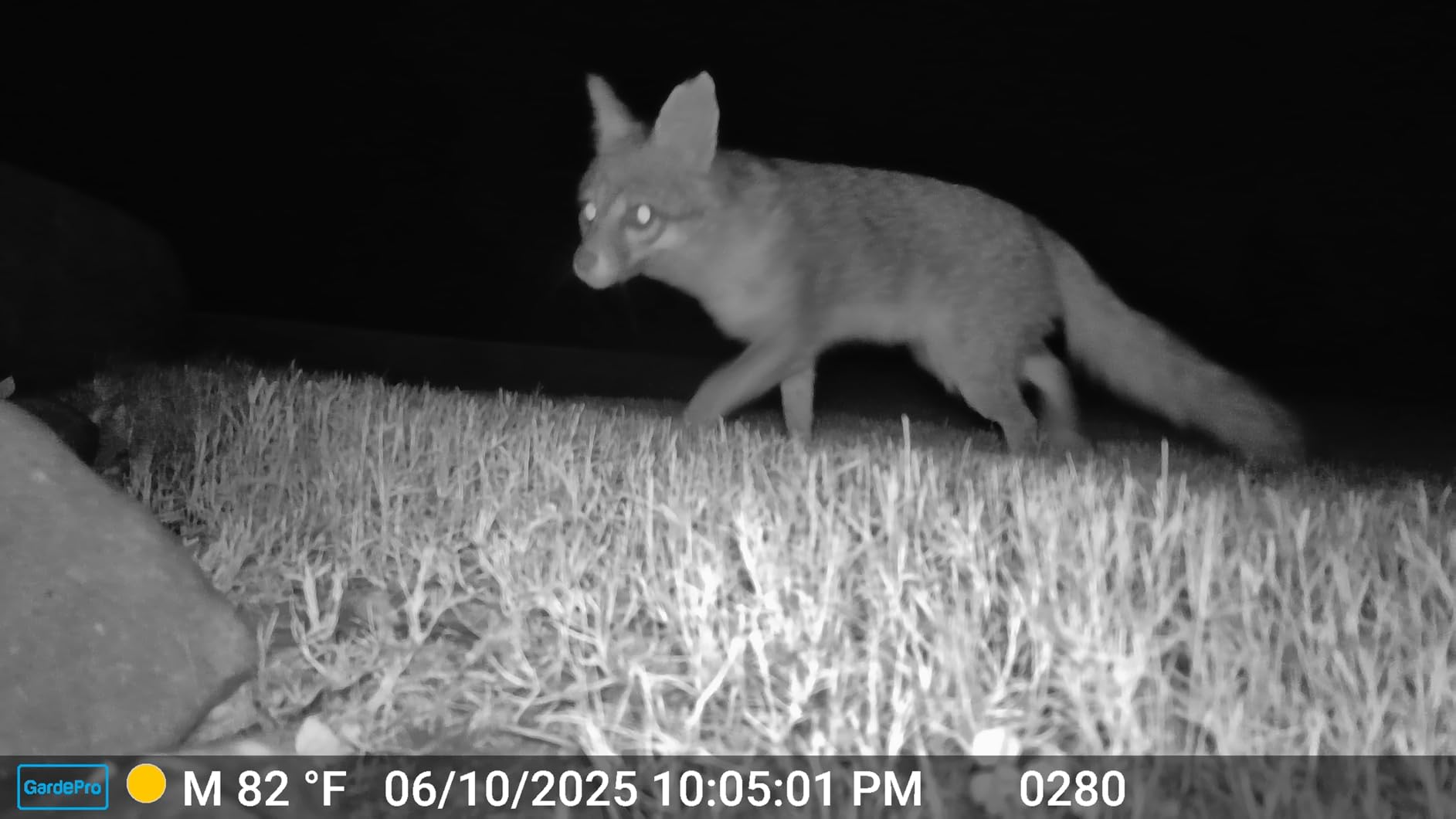
The 110-degree wide-angle lens captures a generous field of view, which is wider than most cameras in this price range. This broader perspective means more of the area in front of the camera is covered, reducing blind spots where animals could pass undetected. The H.264 video encoding keeps file sizes manageable for WiFi transfer to your phone.
The E6 is perfect for backyard wildlife watchers who want to check their camera and watch live footage from their phone without walking out to retrieve an SD card. If your camera is positioned within 45 feet of where you typically sit (a back patio, a bedroom window), the WiFi connectivity adds real daily value. It also pairs naturally with other backyard wildlife tools like the gear covered in our weather-resistant binoculars guide.
However, if you need remote monitoring from miles away or while traveling, the WiFi limitation means this camera will not meet that need. For remote access, the Tactacam Reveal X 3.0 or Moultrie Edge 2 Pro are the appropriate choices despite their subscription costs.
Choosing the right trail camera comes down to understanding which specifications and features matter for your specific use case. The market is crowded with cameras that look similar on paper but perform very differently in the field. This buying guide breaks down the decisions that actually affect your results.
The first and most important decision is how you want to access your photos. Non-cellular cameras store images on an SD card that you physically retrieve. These are the most affordable option and have no ongoing subscription costs. They are ideal for backyard use or any location you visit regularly.
WiFi cameras like the GardePro E6 and MAXDONE PH960W let you view photos and sometimes live footage through a phone app when you are within WiFi range of the camera (typically 45 feet). There are no monthly fees, but you cannot view footage remotely over the internet. These are perfect for backyard wildlife watching where the camera is near your home.
Cellular cameras like the Tactacam Reveal X 3.0 and Moultrie Edge 2 Pro send photos directly to your phone over 4G LTE networks. They require a monthly data plan but enable true remote monitoring from anywhere. These are the right choice for remote hunting properties, conservation research sites, or any location you cannot easily visit. If you want a trail camera that sends pictures to your phone from miles away, cellular is your only option.
Trigger speed is the time between when the motion sensor detects an animal and when the camera actually captures the image. The cameras in this guide range from 0.1 seconds (GardePro A3S, Meidase P70) to 0.4 seconds (SPYPOINT Flex-M). For most wildlife watching, anything under 0.2 seconds is excellent.
Fast trigger speed matters most when animals are moving quickly at close range. A deer walking through the detection zone at 10 feet will be captured cleanly by any camera in this guide. A running coyote at 15 feet requires a fast trigger speed to capture fully in frame. If you typically monitor feeding stations or water sources where animals linger, trigger speed is less critical.
Trail cameras use infrared LEDs for night vision, and there are two main types. No-glow 940nm infrared is completely invisible to wildlife and humans. Low-glow 850nm infrared emits a faint red glow that is visible when you look directly at the camera but is often not noticed by animals.
The trade-off is that 850nm LEDs produce brighter night images with better range and detail. If you want the absolute best night photo quality, a low-glow camera may produce better results. If stealth is critical and you are photographing cautious animals like mature deer or predators, no-glow 940nm is the safer choice. No-glow infrared is the standard for serious wildlife watching. For more on nighttime observation gear, see our night vision goggles vs binoculars guide.
Detection range is the maximum distance at which the PIR sensor can detect animal motion and trigger the camera. The cameras in this guide range from 65 feet (MAXDONE PH960W) to 110 feet (Bushnell CORE S-4K). A longer detection range gives you more coverage area and lets you position the camera further from the animals you are monitoring.
Field of view determines how wide an area the camera can photograph. Wider fields of view (110 to 120 degrees) cover more ground but may include more background clutter that makes it harder to identify animals. Narrower fields of view (50 to 60 degrees) focus on a smaller area but produce more detailed images of whatever is in frame.
Battery life varies enormously between cameras. The Tactacam Reveal X 3.0 claims up to 6+ months on a single set of batteries, while cameras with WiFi or cellular features typically drain batteries faster. Cold weather significantly reduces battery life, which is a common complaint among trail camera users on forums.
Solar-powered options like the MAXDONE PH960W eliminate the battery replacement chore entirely if the camera is positioned in adequate sunlight. For remote locations where frequent battery changes are impractical, solar power is worth serious consideration. Several cameras in this guide are also compatible with add-on solar panels for extended deployments.
False triggers are the single most frustrating aspect of trail camera ownership. Wind-blown vegetation, moving shadows, and temperature fluctuations can all activate the motion sensor, filling your SD card or data plan with empty photos. The Moultrie Edge 2 Pro’s AI false trigger elimination is the most effective solution currently available.
To minimize false triggers on any camera, position the sensor so it does not face directly into swaying branches or tall grass. Aim the camera north to avoid sun-triggered heat events. Adjust the PIR sensitivity to match your environment. Lowering sensitivity reduces false triggers but may also miss smaller or more distant animals.
Trail cameras live outdoors in all weather conditions, so weatherproofing matters. The IP rating system tells you how well-sealed the camera is. IP66 ratings (found on most cameras in this guide) indicate strong protection against dust and heavy rain. The Bushnell CORE S-4K’s IP54 rating offers less protection against water ingress.
For cameras deployed in exposed locations with heavy rainfall or high humidity, prioritize IP66 or higher ratings. Secure mounting and proper housing alignment also affect weather resistance. Always test the battery compartment seal before deployment, as this is the most common point of water entry.
The u003cstrongu003eGardePro E6 WiFiu003c/strongu003e is the best trail camera for backyard wildlife watching because it lets you view photos and live footage through a phone app without any monthly subscription fees. For the best image quality in a backyard setting, the u003cstrongu003eGardePro A3Su003c/strongu003e with its Sony Starvis sensor and 100ft no-glow night vision is our top overall pick.
Both brands make excellent cellular trail cameras, but they serve slightly different needs. u003cstrongu003eTactacamu003c/strongu003e (Reveal X 3.0) earns higher customer ratings at 4.6 stars with 82% five-star reviews, superior dual-carrier auto-connect, and up to 6+ months battery life. u003cstrongu003eMoultrieu003c/strongu003e (Edge 2 Pro) offers AI false trigger elimination, no-glow flash, and built-in memory with cloud backup. Choose Tactacam for reliability and battery life, or Moultrie for AI filtering and photo quality.
The u003cstrongu003eGardePro A3Su003c/strongu003e and u003cstrongu003eMeidase P70u003c/strongu003e are the best no-subscription trail cameras. Both are non-cellular models that store photos on an SD card with zero monthly fees. For WiFi viewing without subscription costs, the u003cstrongu003eGardePro E6 WiFiu003c/strongu003e lets you check photos via phone app within 45 feet of the camera. The u003cstrongu003eSPYPOINT Flex-Mu003c/strongu003e also includes a free plan of 100 photos per month if you want cellular features without paying.
Most modern trail cameras with u003cstrongu003eno-glow 940nm infraredu003c/strongu003e do not scare wildlife because the infrared flash is invisible to animals. Low-glow 850nm cameras emit a faint red glow that may disturb cautious species at close range. The sound of the camera shutter is minimal and typically does not alert animals. Proper placement at least 10 to 15 feet from feeding or travel areas further reduces any chance of disturbance.
Battery life depends on the camera type and usage. u003cstrongu003eNon-cellular camerasu003c/strongu003e typically last 3 to 6 months on 8 AA batteries. u003cstrongu003eCellular camerasu003c/strongu003e drain batteries faster, but the Tactacam Reveal X 3.0 achieves 6+ months with its efficient design. u003cstrongu003eSolar-powered camerasu003c/strongu003e like the MAXDONE PH960W can run indefinitely in sunny locations. Cold weather significantly reduces battery life, so use lithium batteries in winter conditions.
After testing 10 cameras across multiple seasons and locations, my recommendations come down to your primary use case. If you want the best overall image quality and night vision for backyard or local wildlife watching, the GardePro A3S is the camera I recommend most often. Its Sony Starvis sensor and 0.1s trigger speed deliver results that more expensive cameras struggle to match.
If budget is your priority, the CEYOMUR CY50 gets you started for under $25, while the WOSPORTS G600-4K offers genuine 4K video at a fraction of premium prices. For WiFi convenience without subscription fees, the GardePro E6 and MAXDONE PH960W solar camera are excellent choices. And if you need real-time remote monitoring, the Tactacam Reveal X 3.0 and Moultrie Edge 2 Pro are the best cellular trail cameras available in 2026.
The best trail cameras for wildlife watching are the ones that match your specific needs and location. Pick the connectivity type, trigger speed, and night vision range that fit your situation, and you will be capturing remarkable wildlife footage before you know it.