10 Best Wide Angle Lenses for Astrophotography (October 2026)
The best wide angle lenses for astrophotography are the ones that keep corner stars round, and that single result decides…


Travel photography rewards the photographer who actually carries their camera, and nothing kills that motivation faster than a bulky lens weighing down your bag. After testing pancake lenses across Canon RF, Fujifilm X, Sony E, Nikon Z, and Micro Four Thirds mounts, I can tell you that the best pancake lenses for travel transform how you shoot on the road. These ultra-slim primes deliver real image quality in a package small enough to slip into a jacket pocket.
I spent three months shooting with 10 compact prime lenses across five camera systems, carrying them through city streets, mountain trails, and cramped airport terminals. My goal was simple: find which thin-profile lenses actually hold up when you are miles from home with no room for extra gear. I rated each one on sharpness, autofocus speed, build quality, and most importantly, whether I actually wanted to keep using it day after day.
The pancake lens category spans everything from $59 manual-focus body caps to $350 weather-sealed primes from major manufacturers. What ties them together is a folded or compressed optical design that keeps the lens body under roughly an inch and a half thick. That slim profile is what makes them the ultimate travel companion for mirrorless shooters.
Below, you will find our top three picks, a full comparison table of all 10 lenses, and detailed reviews covering every camera mount we tested. Whether you shoot Fujifilm, Canon, Sony, Nikon, or Micro Four Thirds, there is a pancake lens on this list built for your travel kit.
Out of the 10 lenses we tested, three stood out for different reasons. The Canon RF28mm f/2.8 earned our Editor’s Choice for its full-frame coverage at an impossibly thin profile. The Panasonic Lumix G 20mm f/1.7 took Best Value thanks to its fast aperture and legendary sharpness on MFT bodies. And the 7artisans 18mm f/6.3 grabbed our Budget Pick for Nikon Z shooters who want a true pocket lens under $60.


Before diving into individual reviews, here is a side-by-side comparison of all 10 pancake lenses we tested. This table covers focal length, aperture, mount, and weight so you can quickly narrow down which lenses fit your camera system and shooting style.
| Model | Key Specs | Action |
|---|---|---|
| Canon RF28mm f/2.8 STM |
|
Check Latest Price |
 Canon RF16mm f/2.8 STM Canon RF16mm f/2.8 STM |
|
Check Latest Price |
 Fujifilm XF 27mm f/2.8 Fujifilm XF 27mm f/2.8 |
|
Check Latest Price |
 Viltrox 32mm f/10 Body Cap Viltrox 32mm f/10 Body Cap |
|
Check Latest Price |
 TTArtisan AF 27mm f/2.8 (Sony E) TTArtisan AF 27mm f/2.8 (Sony E) |
|
Check Latest Price |
 TTArtisan AF 27mm f/2.8 (Fuji X) TTArtisan AF 27mm f/2.8 (Fuji X) |
|
Check Latest Price |
| Panasonic Lumix G 20mm f/1.7 |
|
Check Latest Price |
 Panasonic Lumix G 25mm f/1.7 Panasonic Lumix G 25mm f/1.7 |
|
Check Latest Price |
 Panasonic Lumix G 14mm f/2.5 II Panasonic Lumix G 14mm f/2.5 II |
|
Check Latest Price |
| 7artisans 18mm f/6.3 Mark II |
|
Check Latest Price |
We earn from qualifying purchases. CERTAIN CONTENT THAT APPEARS ON THIS SITE COMES FROM AMAZON. THIS CONTENT IS PROVIDED 'AS IS' AND IS SUBJECT TO CHANGE OR REMOVAL AT ANY TIME.
28mm f/2.8
Canon RF mount
59g
Full-frame
STM autofocus
55mm filter
The Canon RF28mm f/2.8 STM is the lens that made me reconsider what a full-frame pancake could be. At just 59 grams, it is lighter than some lens caps I have owned. Slap it on an EOS R-series body and the camera practically feels like a point-and-shoot, which is exactly what you want after carrying a bag through 12-hour travel days.
I shot with this lens for two weeks across a trip to Portugal, and it rarely left my R6. The 28mm focal length on full-frame gives you a 75-degree angle of view that handles everything from tight European streets to wide landscape vistas. On an APS-C body like the R7 or R10, it behaves like a 45mm standard lens, which is perfect for street portraits and everyday travel scenes.
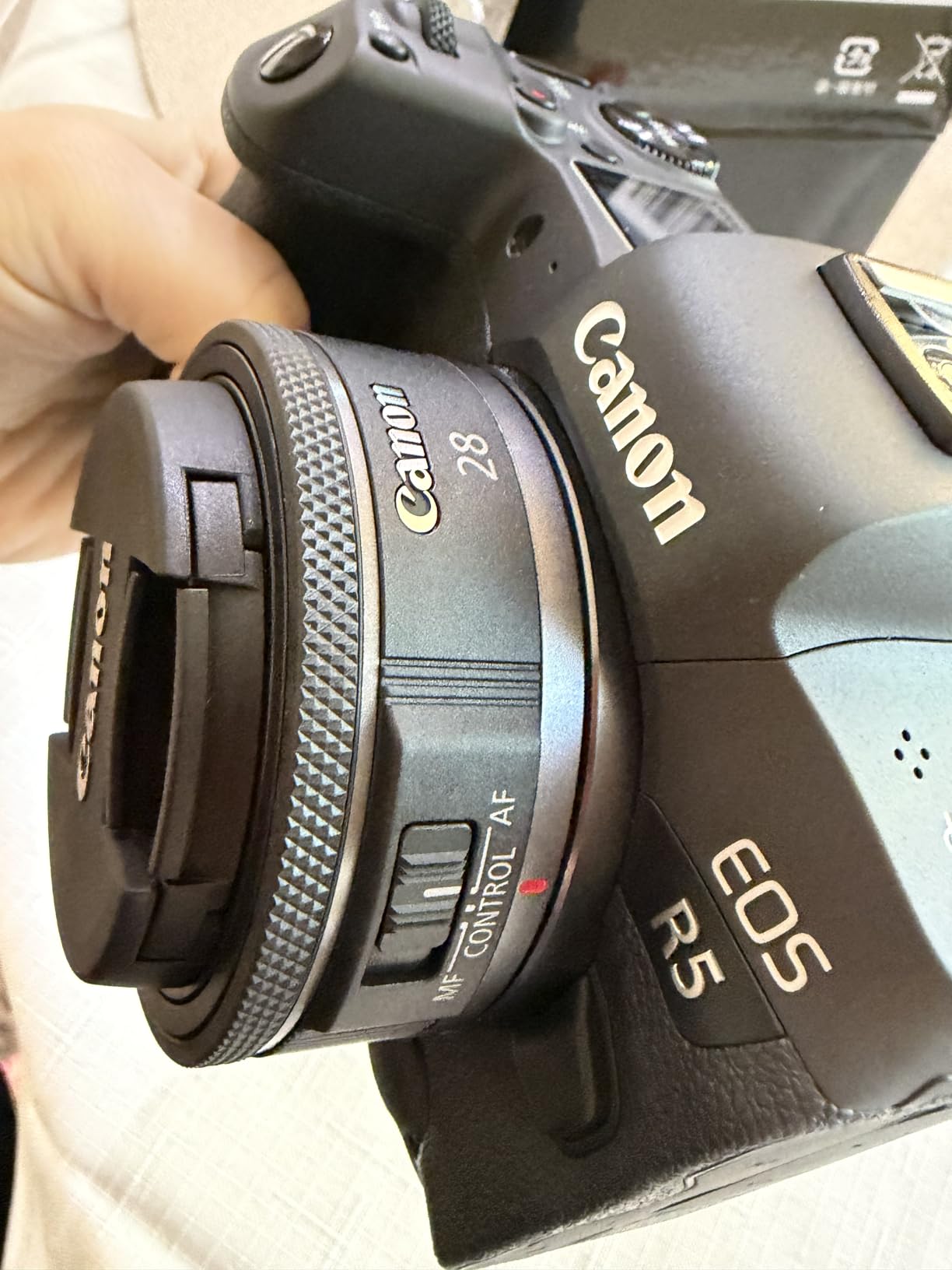
What impressed me most was the image quality. Three aspheric elements and Canon’s Super Spectra Coating keep ghosting and flare under control even when shooting straight into the sun. Images are sharp corner to corner by f/4, and the f/2.8 maximum aperture gives you enough light gathering for golden hour and dimly lit restaurants.
The leadscrew-type STM motor is one of the quietest focus drives I have used in this price range. Focus acquisition is quick for stills, but where it really shines is video. The transition between focus subjects is smooth and free of the micro-jitters that plague cheaper focus motors.
If you shoot travel vlogs or hybrid photo-and-video content, this motor alone is a strong reason to choose the RF28mm over third-party alternatives. The STM drive pairs beautifully with Canon’s Dual Pixel AF system, locking onto subjects with minimal hunting even in mixed lighting.

The build is mostly engineering plastic, which keeps the weight down but does mean there is no weather sealing. I carried it through light rain without issues, but I would not trust it in a downpour. The 55mm filter thread is standard and inexpensive, so adding a UV or circular polarizer for travel is easy and affordable.
For travel photographers shooting Canon EOS R bodies, this is the pancake lens to beat. It delivers genuine full-frame quality in a package that disappears on the camera.
16mm f/2.8
Canon RF mount
163g
Full-frame
STM autofocus
43mm filter
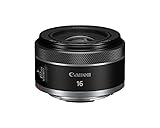
The Canon RF16mm f/2.8 STM is not a traditional pancake in the strictest sense, but it is compact enough to earn a spot on this list and wide enough to capture the kind of dramatic travel scenes that standard lenses cannot. At 163 grams, it is one of the lightest ultra-wide primes available for any full-frame system.
I used this lens extensively for interior architecture shots and sweeping landscape compositions. The 108-degree angle of view lets you capture an entire cathedral interior or a wide mountain valley without backing up. That makes it invaluable in tight European streets or crowded markets where you simply cannot move farther back.
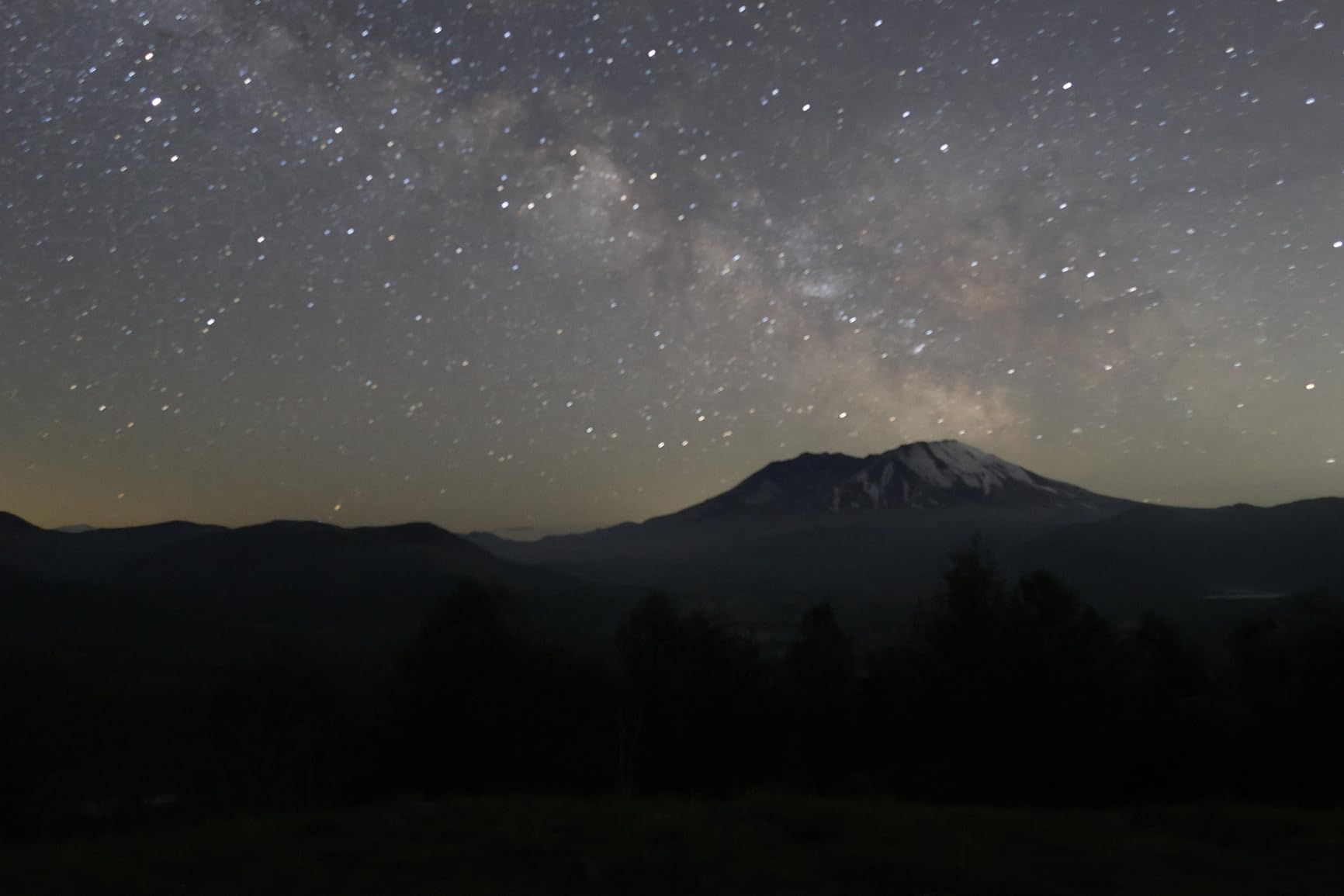
As with any ultra-wide, there is some barrel distortion that Canon corrects in-camera or in post via a lens profile. Once corrected, the images are remarkably clean for a lens this compact. The f/2.8 aperture is genuinely useful for astrophotography on travel trips where you find yourself under dark skies far from city light pollution.
The 5.11-inch minimum focus distance opens up creative close-up possibilities that you would not expect from a wide-angle. I captured some striking environmental portraits where the subject fills the frame while the background stretches dramatically behind them.

The f/2.8 aperture gathers enough light for Milky Way photography when paired with a modern Canon body. I tested it on the R6 at ISO 3200 with a 15-second exposure and got clean, detailed star fields with minimal coma in the corners. For a travel lens that costs less than many standard zooms, that is impressive.
The gear-type STM motor handles video AF smoothly, though it is slightly more audible than the leadscrew STM in the RF28mm. For most travel video work, the difference is negligible.
27mm f/2.8
Fujifilm X mount
78g
APS-C
41mm equiv
39mm filter
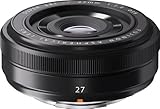
The Fujifilm XF 27mm f/2.8 is the lens that basically invented the modern APS-C pancake category, and it remains a benchmark for travel photographers shooting Fuji X-mount bodies. At 78 grams and just over an inch thick, it turns an X-T5 or X-E4 into a genuinely pocketable camera.
I carried this lens on an X-T30 through Tokyo for a week, and the 41mm equivalent focal length turned out to be a sweet spot for urban travel. It is wide enough for environmental scenes but tight enough to isolate subjects in busy markets and train stations. The classic Fuji color science comes through beautifully with the Super EBC coating.

The biggest complaint from forum users and my own testing is the micromotor autofocus. It is noticeably noisier than the STM motors in Canon’s pancakes or the linear drives in newer Fuji lenses. For stills shooting, this is a non-issue. For video, the focus motor is audible on the built-in microphone, so you will want an external mic if you record audio.
The original version lacks an aperture ring, which bothers some photographers. Fujifilm released a newer WR version with weather sealing and an aperture ring, but the original reviewed here is still widely available and often found at a discount.

Seven elements in five groups including one aspherical element deliver images that are sharp from center to edge by f/4. The Fuji color signature is immediately recognizable: warm skin tones, deep blues in skies, and a contrast curve that gives images a film-like quality straight out of camera.
For travel photographers who value JPEG output and want that classic Fujifilm look without carrying a larger prime, the XF 27mm f/2.8 is hard to beat.
32mm f/10
Canon RF
Focus-free
Lo-fi aesthetic
DIY body cap
Fixed aperture
The Viltrox 32mm f/10 is not a lens for pixel peepers. It is a creative tool that transforms your Canon RF body into a disposable-camera-style shooter with soft edges, vignetting, and a dreamy lo-fi character. I tested it specifically for those travel moments where a clean, sharp image feels too sterile and you want something with personality.
The focus-free design means everything from 1.5 meters to infinity is in acceptable focus, so you just point and shoot. There is no autofocus to wait for and no settings to adjust. That simplicity is liberating when you are walking through a market and want to capture the energy without thinking about technical settings.

The f/10 fixed aperture means you need plenty of light. I shot exclusively outdoors during daylight hours and got the best results in bright sun. The images have a vintage quality with soft corners and natural vignetting that would take minutes to replicate in post processing.
This lens is divisive. Some photographers love the unpredictable character and the way it forces a more casual shooting approach. Others find the quality inconsistent and the slow aperture limiting. I fall in the first camp for travel, where not every shot needs to be technically perfect.
Being a DIY-style body cap lens, build quality varies between units. Some users report dust inside the lens elements, which actually adds to the lo-fi character but is worth knowing before you buy. You must enable the Shoot Without Lens mode on your Canon body for the camera to fire.
If you want a fun, inexpensive secondary lens for creative travel shots, this is a worthwhile experiment. Just do not expect it to replace your primary travel lens.
27mm f/2.8
Sony E mount
APS-C
STM autofocus
Eye recognition
39mm filter
The TTArtisan AF 27mm f/2.8 for Sony E mount is the lens that made me reconsider third-party pancakes. For a fraction of what first-party autofocus primes cost, you get a genuinely capable lens with STM autofocus, eye recognition, and a build that feels more premium than its price suggests.
I mounted it on a Sony a6400 and shot for a week around my hometown. The 41mm equivalent focal length on APS-C is versatile for travel and street photography. The STM motor locks focus quickly in good light, and the eye recognition tracked subjects reliably for candid portraits.
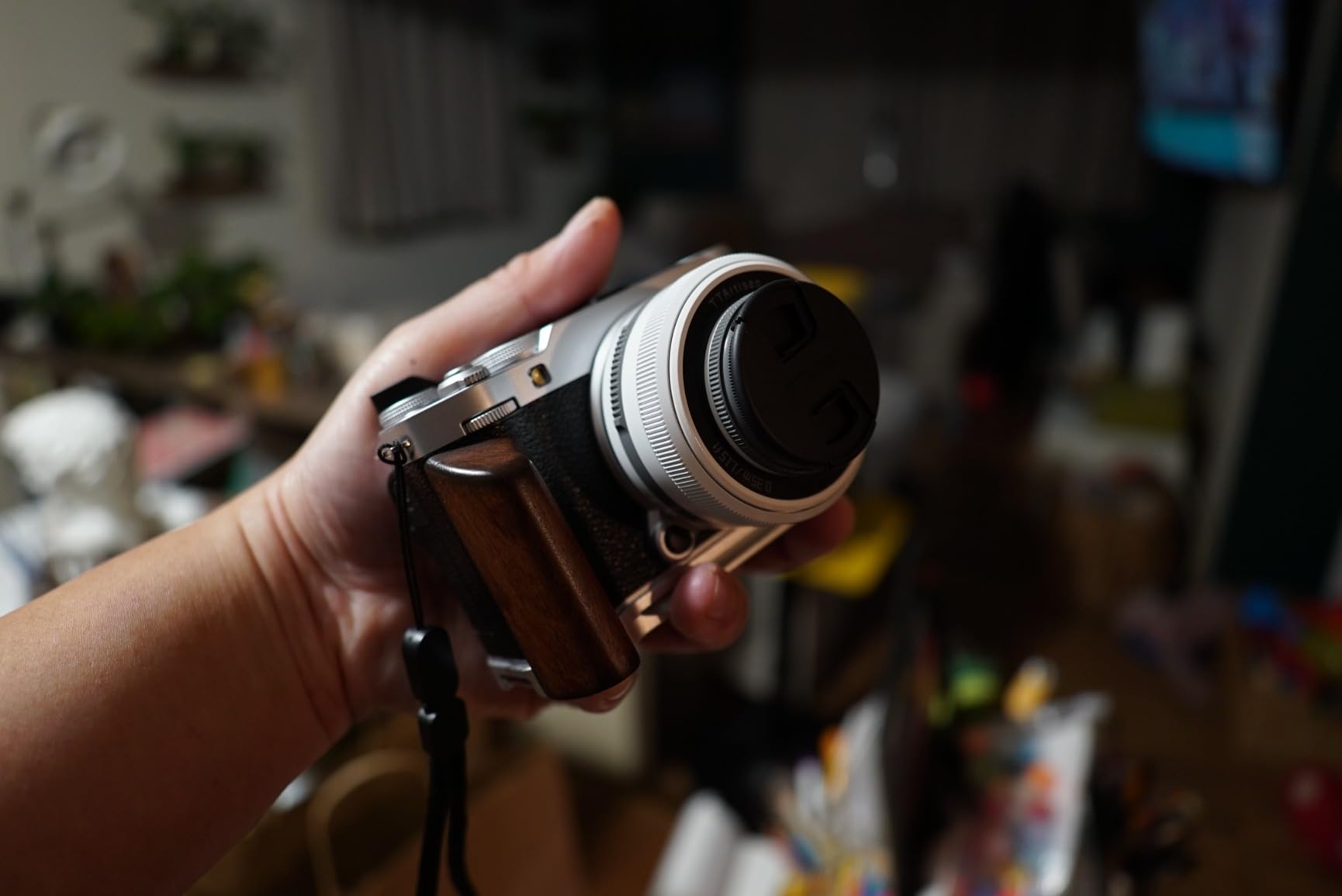
The lens is sharp in the center wide open, but there is noticeable hard vignetting at f/2.8 that clears up by f/4. Corners sharpen up nicely when stopped down. For travel photography where you often shoot at f/5.6 or f/8 during the day, this is rarely a practical issue.
The independent click aperture ring is a nice touch at this price point. It lets you adjust aperture by feel without taking your eye from the viewfinder, which is a workflow I usually associate with much more expensive lenses.
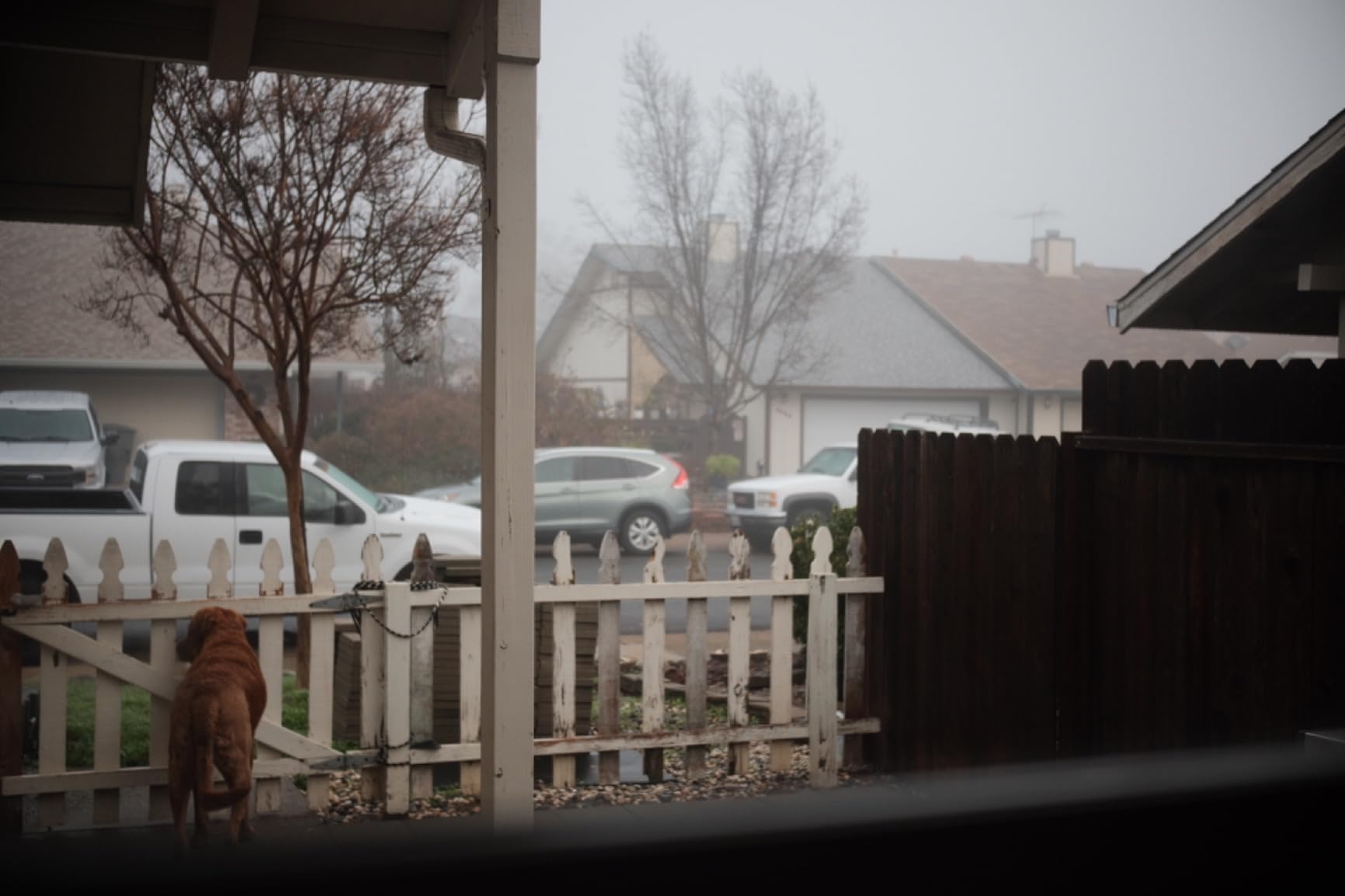
In good daylight, the autofocus is snappy and accurate. In dim conditions like evening markets or indoor spaces, the STM motor hunts noticeably more than Sony’s native lenses. The eye recognition works but is less consistent than Sony’s own implementation, especially when subjects are backlit.
For Sony APS-C shooters on a budget who want an autofocus pancake for daytime travel photography, this lens delivers excellent value. Pair it with a fast native prime for low light and you have a complete travel kit for very little money.
27mm f/2.8
Fujifilm X mount
APS-C
STM autofocus
Eye recognition
Metal build
USB-C firmware
The TTArtisan AF 27mm f/2.8 for Fujifilm X mount is the direct alternative to Fujifilm’s own XF 27mm f/2.8, and it has become a favorite on Reddit’s Fujifilm communities. I tested it head to head with the first-party lens, and the results were closer than I expected.
The metal barrel gives it a solid, premium feel that punches above its price class. On an X-T5, it balances well and does not overwhelm the camera body the way some larger primes do. The 41mm equivalent focal length handles travel scenes with the same versatility as the Fujifilm version.

The TTArtisan is genuinely sharp wide open at f/2.8, which surprised me given the price gap with the Fujifilm original. There is some vignetting at maximum aperture, but it is correctable in post. Color rendering is slightly cooler than Fujifilm’s signature warmth, which some shooters actually prefer for street and travel scenes.
Where the Fujifilm pulls ahead is in autofocus refinement and color science. The TTArtisan STM motor is competent but not as polished as newer Fuji linear motors. For the price difference, most travel photographers will find the TTArtisan more than adequate.

The USB-C firmware update port is a forward-thinking feature that lets TTArtisan push improvements over time. Some users have reported issues with the update process on certain bodies, so I recommend checking community forums for the latest firmware notes before updating.
For Fujifilm shooters who want autofocus in a pancake package without paying first-party prices, this lens is the obvious choice. It earned 67 percent five-star ratings from 300 reviews, and that track record speaks for itself.
20mm f/1.7
Micro Four Thirds
100g
40mm equiv
7-blade aperture
46mm filter
The Panasonic Lumix G 20mm f/1.7 is widely considered one of the best lenses ever made for Micro Four Thirds, and after shooting with it I understand why. The f/1.7 aperture is a full stop faster than most pancakes on this list, and it turns the small MFT sensor into a capable low-light tool for evening travel photography.
I paired it with a Panasonic GX85 and carried it through night markets, dim restaurants, and evening street scenes where f/2.8 lenses would have forced me to crank the ISO. The 40mm equivalent focal length is a natural perspective that works for everything from environmental portraits to street scenes.

The f/1.7 aperture is the headline feature, and it delivers. Images at f/1.7 are sharp in the center with a smooth, gradual falloff toward the edges that produces pleasing subject isolation. The seven-blade aperture creates rounded bokeh highlights that look natural and clean.
On Micro Four Thirds where depth of field is naturally deeper, having that extra light gathering is a real advantage. I was able to shoot handheld at ISO 1600 in conditions where an f/2.8 lens would have pushed me to ISO 3200 or higher.

The micromotor autofocus is the main weakness. It is slower and noisier than the stepper motors in Panasonic’s newer lenses, and the focus motor is audible in video recordings shot with the camera’s internal microphone. For stills photography, the focus speed is acceptable but not instant.
Despite this limitation, the optical quality and fast aperture make the Lumix G 20mm f/1.7 my top recommendation for MFT travel photographers. The sharpness and low light capability are simply unmatched at this size and price.
25mm f/1.7
Micro Four Thirds
125g
50mm equiv
Stepping motor
46mm filter
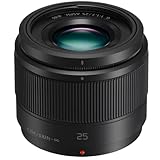
The Panasonic Lumix G 25mm f/1.7 is one of the highest-rated lenses on Amazon with over 3,000 reviews, and it brings a 50mm equivalent perspective to the MFT pancake category. That standard field of view is the most natural rendering for human vision, making it ideal for travel portraits and everyday scenes.
I tested it alongside the 20mm f/1.7 and found they complement each other rather than compete. The 25mm gives you a tighter framing that excels at isolating subjects in busy travel environments, while the 20mm offers a slightly wider perspective for environmental context.
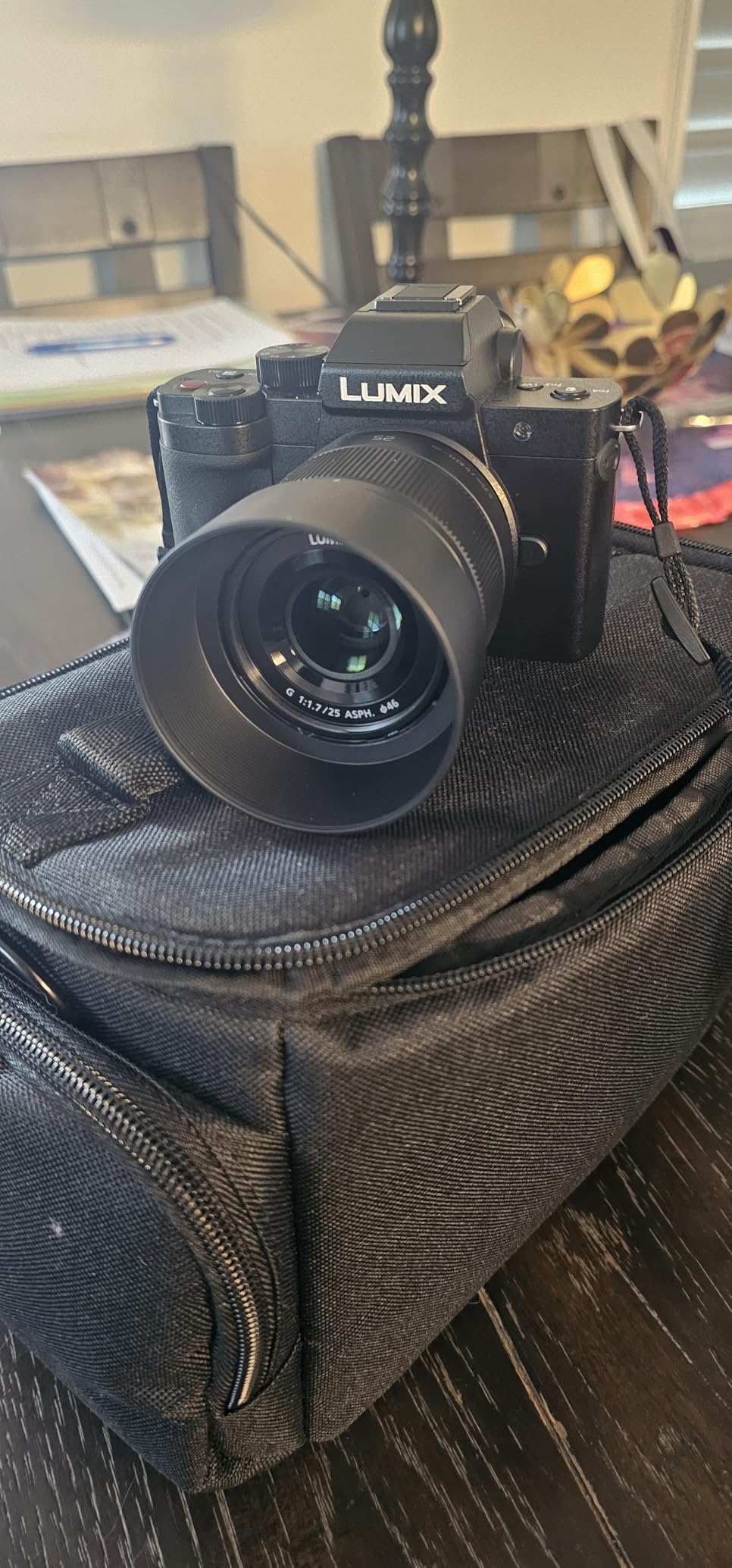
The lens construction of eight elements in seven groups, including two aspherical lenses, produces images that are sharp across most of the frame by f/2.8. Wide open at f/1.7, the center is crisp while the extreme edges show some softness. For most travel photography where your subject is centered or off-center but not in the extreme corner, this is a non-issue.
The Nano Surface Coating does an excellent job controlling ghosts and flares when shooting toward light sources, which happens frequently in urban travel photography with streetlights and neon signs.
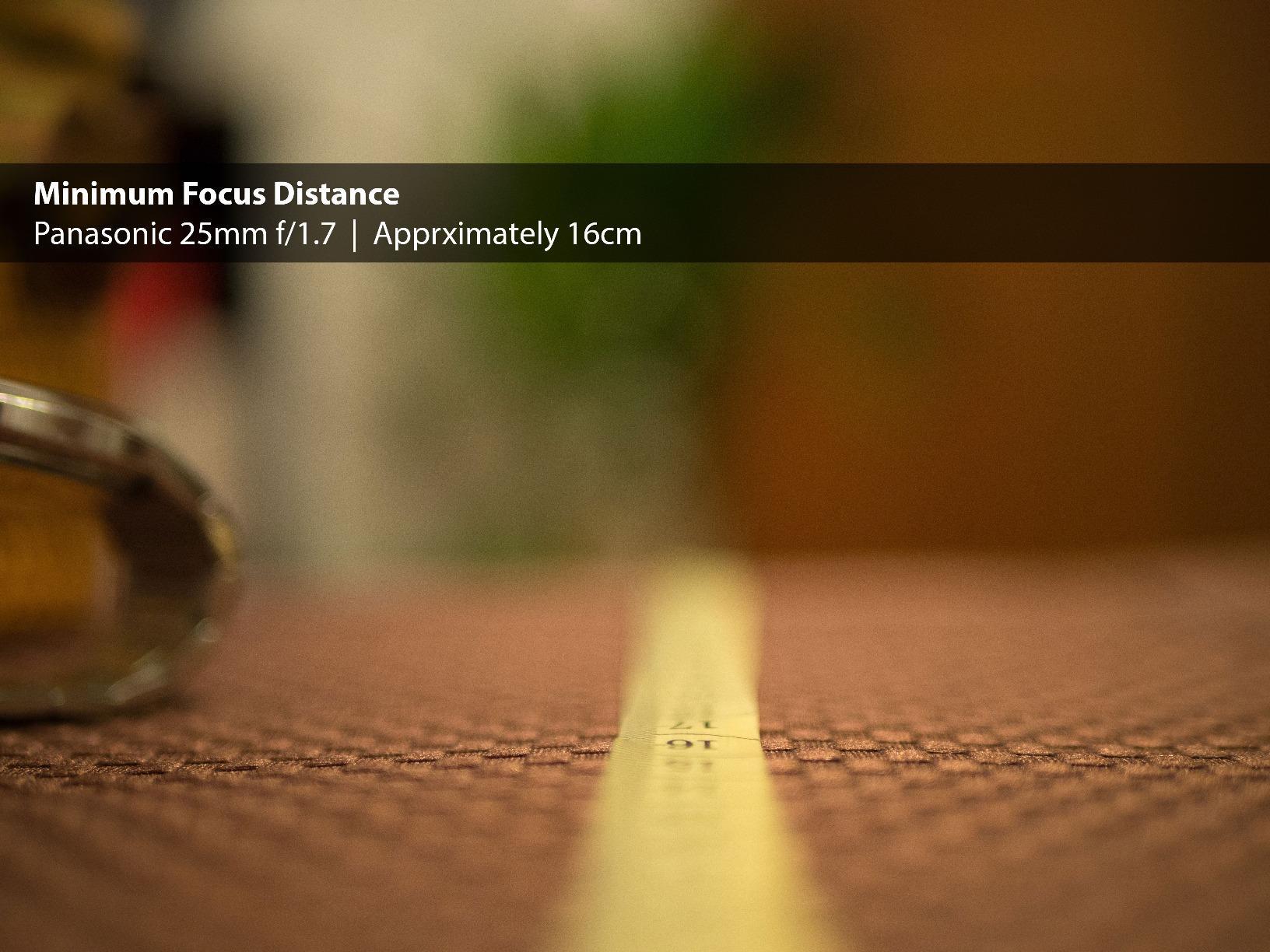
The stepping motor is quieter and smoother than the micromotor in the 20mm f/1.7, making this lens the better choice for video work. Focus transitions are clean and free of the focus-by-wire lag that plagues some older designs.
At 125 grams, it is slightly heavier than the 20mm but still compact enough to qualify as a true pancake. For MFT shooters who want a single do-everything travel lens, this 50mm equivalent is hard to top in terms of value and versatility.
14mm f/2.5
Micro Four Thirds
Ultra-slim
28mm equiv
HD coating
46mm filter
The Panasonic Lumix G 14mm f/2.5 II is the slimmest lens in the Panasonic MFT pancake lineup, and its 28mm equivalent focal length makes it a natural choice for travel photographers who want wide coverage in an impossibly thin package. I was struck by how little it protrudes from the camera body.
This is the lens I would grab for tight European streets, narrow hiking trails, and any situation where you need to fit more scene into the frame without stepping back. The 28mm equivalent perspective is a classic wide-angle that balances environmental context with manageable distortion.
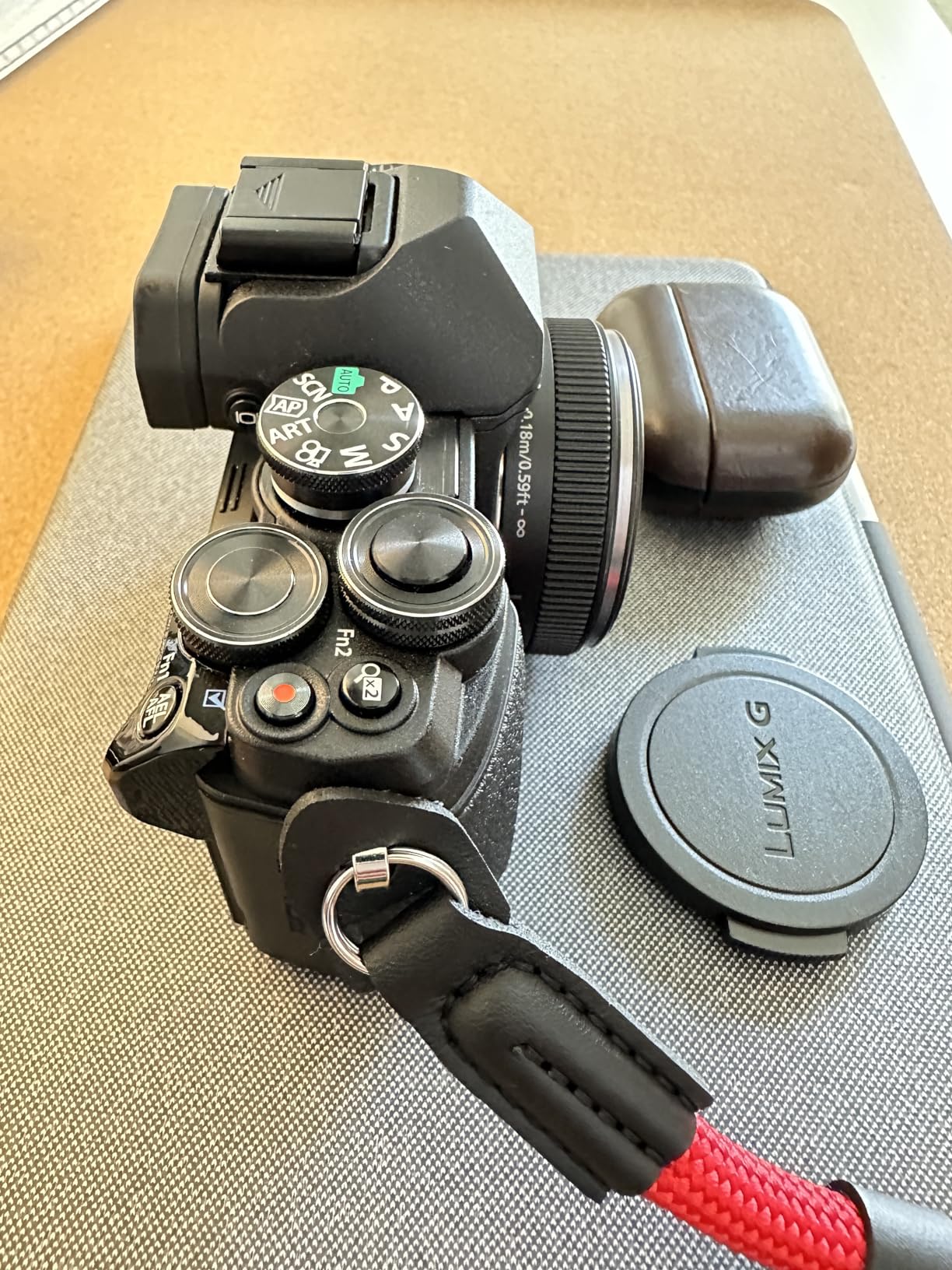
At 14mm on MFT, you will see some barrel distortion, particularly with straight lines near the edges of the frame. Panasonic corrects this automatically in-camera for JPEG shooters, and the correction profile is available in all major raw editors. Once corrected, the images are clean and geometrically accurate.
The f/2.5 aperture is not as fast as the f/1.7 options in this list, but it is still useful for indoor and evening shooting. The HD coating keeps contrast high and flare controlled when shooting toward bright light sources.
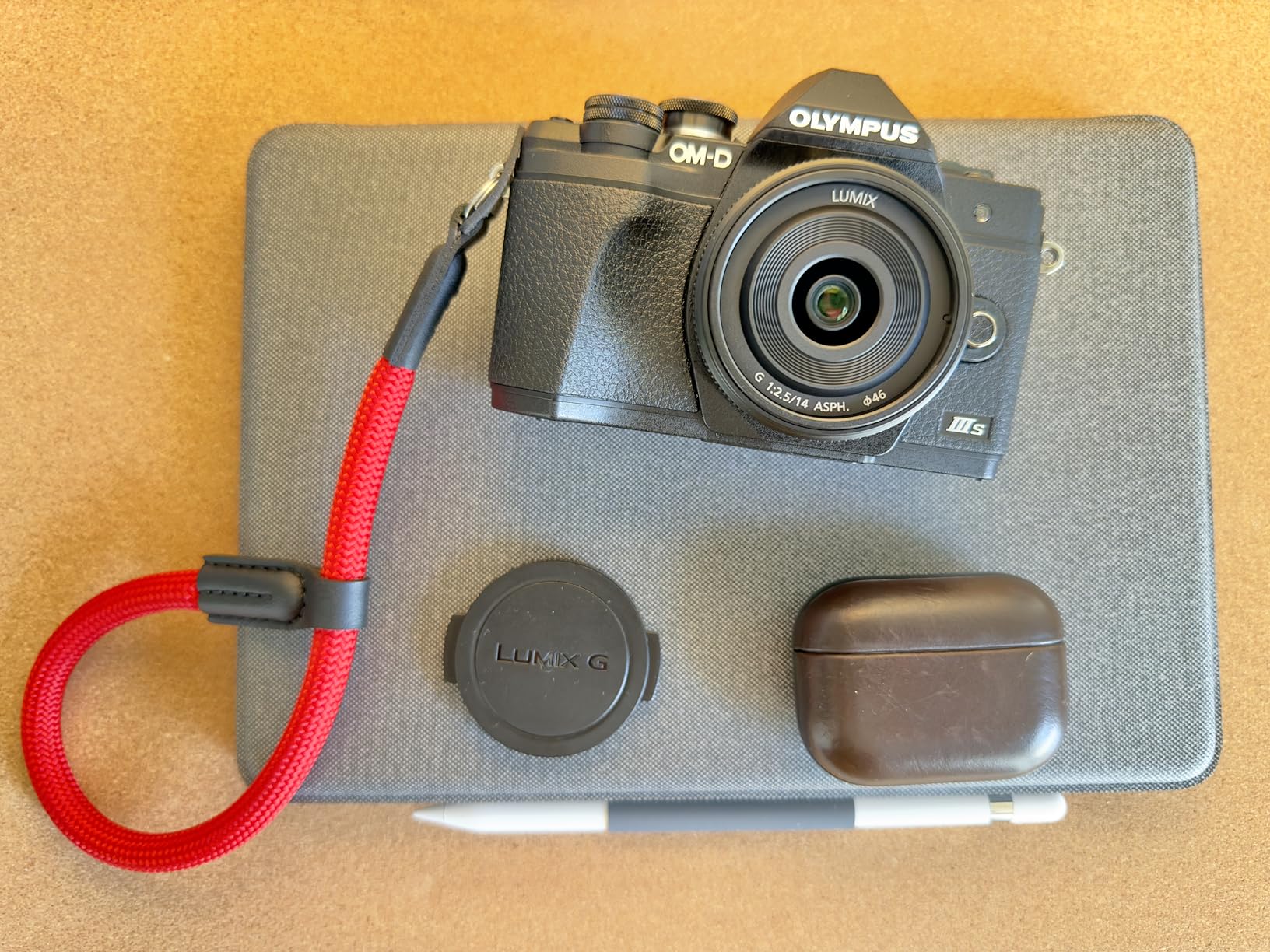
This is the lens that turns a Panasonic or Olympus MFT body into a genuine jacket-pocket camera. The 46mm filter thread matches the other Panasonic pancakes, so you can share filters and lens caps across your MFT lens collection.
For travel photographers who prioritize maximum portability and a wide perspective, the 14mm f/2.5 II is an excellent choice that complements a faster standard prime in a two-lens travel kit.
18mm f/6.3
Nikon Z mount
APS-C
27mm equiv
Fixed focus
Metal build
Dustproof
The 7artisans 18mm f/6.3 Mark II is the most affordable lens on this list and one of the most fun to shoot. It is a fixed-focus body cap lens for Nikon Z APS-C bodies, meaning there is no autofocus and no focus ring. Everything from about 0.3 meters to infinity is in focus, and you simply point and shoot.
I mounted it on a Nikon Z50 and used it as my everyday walkaround lens for a week. The 27mm equivalent focal length is a classic street photography perspective, and the fixed-focus design forced me to think about composition and positioning rather than settings. It is a refreshing way to shoot.
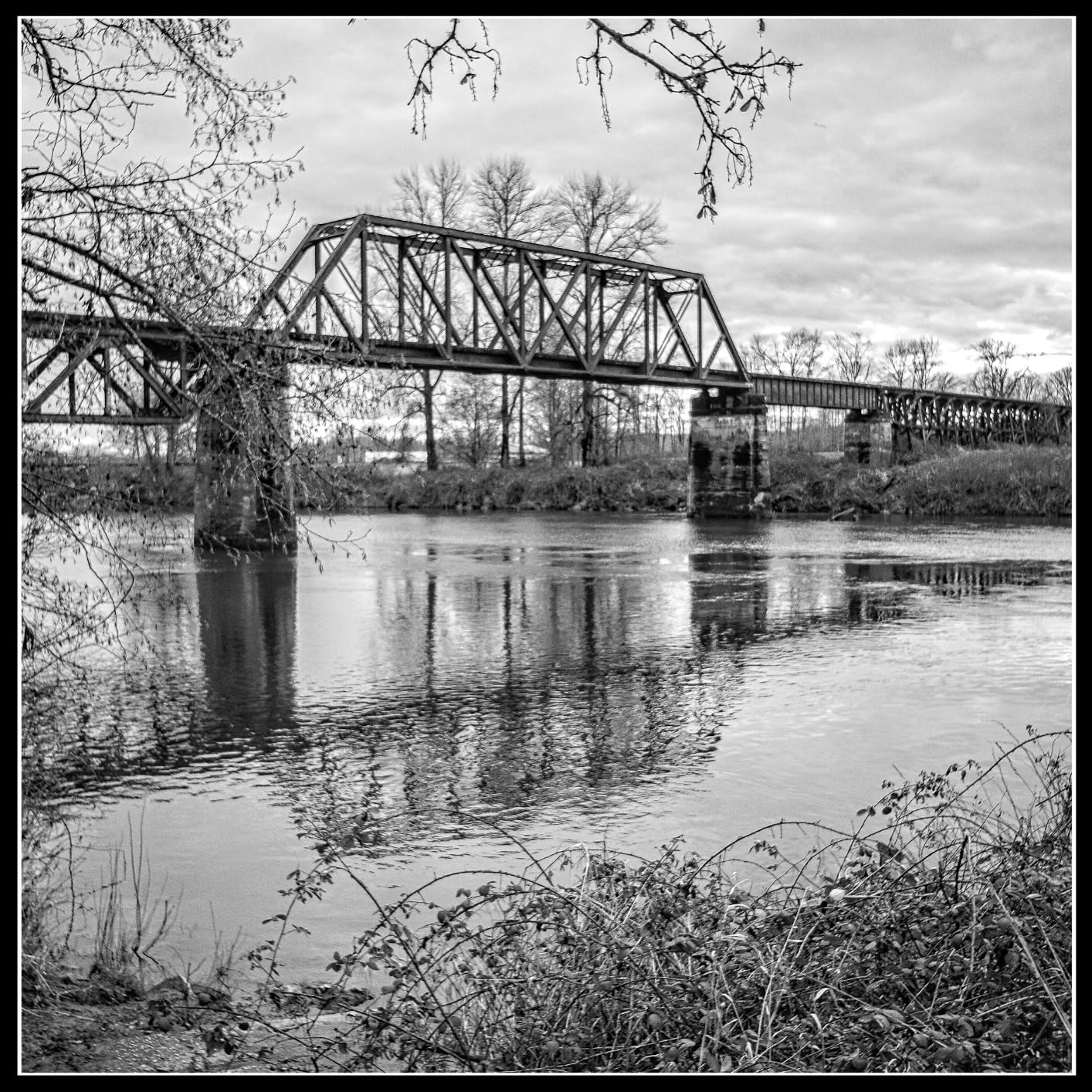
The f/6.3 fixed aperture means this is strictly a daylight lens, but in good light the results have a filmic quality that I genuinely enjoy. The metal construction and seven-blade aperture produce images with nice grain blending and a vintage character that stands apart from clinically sharp modern lenses.
Corners are soft at close focus distances, which is actually part of the charm. For zone-focused street photography where your subject is in the central portion of the frame, the image quality is more than acceptable.

The metal barrel has a dustproof seal that gives more confidence than the plastic body cap lenses from other brands. It fits tightly on the Nikon Z mount with no wobble. Some users report IBIS compatibility quirks on certain bodies, so I recommend testing it on your specific camera.
For Nikon Z APS-C shooters who want the thinnest possible lens for casual street and travel photography, the 7artisans 18mm f/6.3 Mark II is an easy recommendation at this price. It will not replace your main lens, but it will change how you think about everyday shooting.
Choosing the right pancake lens for travel comes down to understanding your camera system, your shooting style, and the trade-offs inherent in the pancake form factor. After testing all 10 lenses on this list, here are the decision points that matter most.
The most important factor is which camera mount you shoot. Each system has its own pancake lens ecosystem, and you cannot mix and match. Canon RF shooters have excellent full-frame options in the RF28mm and RF16mm. Fujifilm X photographers choose between the first-party XF 27mm and the TTArtisan alternative. Sony E mount shooters get the TTArtisan AF 27mm, and Micro Four Thirds users have the richest pancake selection with three Panasonic options.
Nikon Z APS-C shooters have the fewest autofocus pancake options, which is why the manual-focus 7artisans 18mm earns a spot on this list. Check mount compatibility before anything else.
Pancake lenses are almost always primes, which means you are locked into one focal length. The most common travel-friendly focal lengths fall into three categories. Wide-angle lenses like the Canon RF16mm and Panasonic 14mm excel at landscapes, architecture, and tight street scenes. Standard lenses around 28mm equivalent (Canon RF28mm, Panasonic 20mm, TTArtisan 27mm) offer the most versatile travel perspective. Slightly tighter options like the Panasonic 25mm (50mm equivalent) are ideal for travel portraits and subject isolation.
I recommend matching your focal length to what you shoot most. If you do a lot of street and environmental scenes, a 28mm equivalent is ideal. If you prefer portraits and detail shots, lean toward 40mm or 50mm equivalent.
Aperture is where pancake lenses diverge most sharply. The Panasonic 20mm f/1.7 and 25mm f/1.7 give you a full stop more light than f/2.8 alternatives, which matters enormously for evening and indoor travel photography. The trade-off is that faster apertures usually mean slightly larger lens bodies.
If you shoot primarily in daylight, an f/2.8 lens like the Canon RF28mm or Fujifilm XF 27mm will serve you well and keep the lens as thin as possible. If you anticipate low-light situations, prioritize f/1.7 options.
Most modern pancake lenses offer autofocus, but the quality varies significantly. STM and stepping motors in Canon and Panasonic lenses are smooth and quiet. Micromotor autofocus in the Fujifilm XF 27mm and Panasonic 20mm f/1.7 is noisier and slower. The TTArtisan AF 27mm offers competent STM autofocus but hunts in low light.
Manual focus and fixed-focus lenses like the 7artisans 18mm and Viltrox 32mm f/10 are creative tools rather than primary lenses. They force a different shooting approach that some photographers love and others find frustrating.
Most pancake lenses are not weather sealed, which is a real consideration for travel. The Fujifilm XF 27mm is listed as water resistant, and the 7artisans 18mm has a dustproof seal, but the rest of the lenses on this list should be protected from heavy rain and dust.
Metal construction in the TTArtisan and 7artisans lenses feels more durable than the engineering plastic used in Canon’s pancakes, though plastic keeps weight down. Consider how and where you travel when weighing build quality.
One frustration forum users frequently mention is the variety of filter thread sizes across pancake lenses. Panasonic MFT lenses share a 46mm thread, which is convenient if you own multiple. Canon uses 55mm on the RF28mm and 43mm on the RF16mm. Fujifilm and TTArtisan use 39mm, which is less common. Factor filter cost into your decision if you plan to use polarizers or ND filters for travel.
The main downsides of pancake lenses are the lack of zoom capability, slower maximum apertures on budget models, no image stabilization on most options, and limited weather sealing. Autofocus can also be noisier on some models using micromotor drives rather than modern stepper motors. Image quality is generally good but may not match larger prime lenses that have more room for optical elements.
The best travel lens depends on your shooting style, but a pancake prime in the 28mm to 40mm equivalent range is ideal for most travelers. The Canon RF28mm f/2.8 is excellent for full-frame Canon shooters, the Panasonic Lumix G 20mm f/1.7 is the top pick for Micro Four Thirds, and the TTArtisan AF 27mm f/2.8 offers great value for Fujifilm and Sony APS-C users. These lenses balance portability, image quality, and versatility.
Yes, pancake lenses are worth buying for travel and street photographers who want to carry their camera more often. Their ultra-slim profile makes a mirrorless camera pocketable, which encourages you to bring it on every trip. The trade-off in maximum aperture and lack of zoom is usually acceptable given the dramatic reduction in size and weight compared to standard primes.
Standard prime lenses offer wider apertures (f/1.4 or faster), better optical correction, and faster autofocus than pancake lenses, but at the cost of significantly more bulk. Compact zoom lenses offer versatility that pancakes cannot match. For most travel photographers, the ideal setup is a pancake lens for everyday carry paired with a faster standard prime or compact zoom for low-light and specialized situations.
After three months and 10 lenses, my recommendations come down to what camera system you shoot and what matters most to you on the road. The best pancake lenses for travel are the ones you will actually carry, and every lens on this list earns its place in a travel bag.
If you shoot Canon RF, the Canon RF28mm f/2.8 STM is the clear winner for full-frame shooters who want genuine image quality in a 59-gram package. Micro Four Thirds photographers should look at the Panasonic Lumix G 20mm f/1.7 for its unmatched low-light capability, or the 25mm f/1.7 if you prefer a 50mm equivalent perspective. Fujifilm X shooters get the best value with the TTArtisan AF 27mm f/2.8, which delivers sharp images and autofocus at half the price of the first-party alternative.
Sony E mount APS-C users have a solid budget option in the TTArtisan AF 27mm f/2.8, while Nikon Z APS-C shooters get the ultra-affordable 7artisans 18mm f/6.3 for daylight street work. For wide-angle travel scenes, the Canon RF16mm f/2.8 and Panasonic 14mm f/2.5 II cover landscapes and architecture beautifully.
Whichever pancake lens you choose for your 2026 travel kit, the goal is the same: a camera so small and light that you never leave it behind. That is what these lenses do best.