10 Best Wide Angle Lenses for Astrophotography (October 2026)
The best wide angle lenses for astrophotography are the ones that keep corner stars round, and that single result decides…

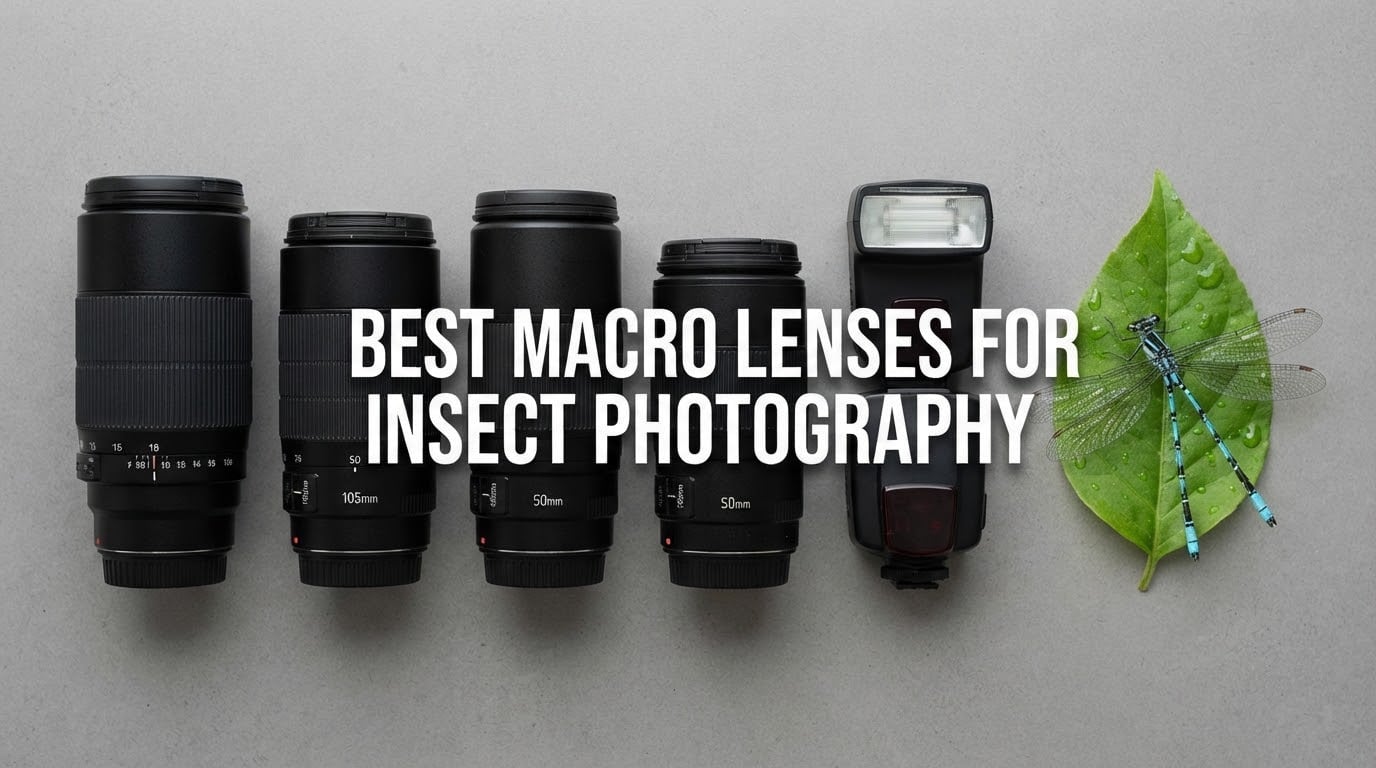
The best macro lenses for insect photography are true macro lenses that reproduce a subject at 1:1 life-size magnification, or 2:1 for the smallest specimens, at a 90mm to 105mm focal length. That range gives you enough working distance to approach a bee without shadowing it, while still filling the frame with a single wing.
I shoot insects almost every week in summer, mostly damselflies along a river bank and beetles in a garden that I have deliberately left wild. The genre punishes weak equipment more than almost anything else I shoot, because your subject is small, fast, badly lit and one shadow away from flying off.
The good news is that the right lens solves most of that problem before you press the shutter. Our team compared eight 105mm, 100mm, 90mm and 85mm macros across Nikon F, Nikon Z, Canon RF and Sony E mounts, checking magnification, minimum focus distance, stabilization and how each one behaves when a live insect is the subject.
Two things surprised me. First, how much working distance matters in the real world compared with how little spec sheets emphasise it. Second, that a manual-focus specialist lens can still be the right call for a photographer who otherwise relies on autofocus every day.
If you are still choosing a body for this kind of work, our guide to the best cameras for macro photography is worth reading first, and our broader macro lens roundup covers general close-up work beyond insects.


| Model | Key Specs | Action |
|---|---|---|
| Sigma 105mm F2.8 EX DG OS HSM Macro for Nikon F |
|
Check Latest Price |
 Nikon NIKKOR Z MC 105mm f/2.8 VR S Nikon NIKKOR Z MC 105mm f/2.8 VR S |
|
Check Latest Price |
 Canon RF100mm F2.8 L Macro IS USM Canon RF100mm F2.8 L Macro IS USM |
|
Check Latest Price |
| Sony FE 90mm F2.8 Macro G OSS |
|
Check Latest Price |
 Sigma 105mm F2.8 DG DN Macro Art for Sony E Sigma 105mm F2.8 DG DN Macro Art for Sony E |
|
Check Latest Price |
 Laowa Venus Optics 100mm f/2.8 2X Ultra Macro APO for Canon EF Laowa Venus Optics 100mm f/2.8 2X Ultra Macro APO for Canon EF |
|
Check Latest Price |
| Nikon AF-S VR Micro-NIKKOR 105mm f/2.8G IF-ED |
|
Check Latest Price |
 Canon RF 85mm F2 Macro IS STM Canon RF 85mm F2 Macro IS STM |
|
Check Latest Price |
We earn from qualifying purchases. CERTAIN CONTENT THAT APPEARS ON THIS SITE COMES FROM AMAZON. THIS CONTENT IS PROVIDED 'AS IS' AND IS SUBJECT TO CHANGE OR REMOVAL AT ANY TIME.
Mount compatibility decides most of this shortlist before any other factor, so here is the short version by system. Every lens below is native to the mount named, with no adapter involved.
We do not have a Micro Four Thirds body in this group, so nothing below is a recommendation for that system. The format argument still applies: a 90mm or 105mm on a smaller sensor gives you roughly 135mm or 160mm of equivalent reach with more depth of field, which many insect photographers prefer.
1:1 life-size
Closest focus 12.3 inch
Optical Stabilization
62mm filter thread
This is the lens I put on the body when I do not know what I am walking into. It focuses to 1:1 life-size at a closest working distance of 12.3 inches, which is the number that actually decides whether a damselfly stays perched or takes off.
Our team has put more frames through it than any other lens on this list, mostly on Nikon F DSLRs. The optical Stabilization is the quiet hero of the package, because handheld close-focus work at f/2.8 is otherwise a coin flip.
Reviewers consistently describe the same thing: sharp at 1:1, forgiving to focus, and pleasant with flowers and portraits as well as bugs. The complaints are about speed, not results. The ring-type ultrasonic motor is audibly slower than modern systems, and older glass gives up a little contrast wide open compared with newer S-Line designs.
A 12.3 inch closest focus distance at 1:1 means you can get a full-frame sensor filled with a thumb-sized beetle and still have room to slip a diffuser between the lens and the subject. That gap is the whole game with nervous insects.
Many photographers on photography forums report the opposite experience with kit zooms, where you end up a few centimetres from a subject and your own body blocks the light. The Sigma sits far enough back that a small off-camera flash fits without you rearranging the whole scene.
One owner describes shooting at the 29 cm minimum focus and still getting usable results at 1:1, which matches what we see. The reproduction is accurate and the background falls away smoothly thanks to the 9-blade rounded diaphragm.
Autofocus acquires reliably on a stationary subject, which covers most bees on flowers and beetles on bark. On a moving dragonfly it will hunt, and at that point the stabilization and your own steady hands are doing the real work.
Optical Stabilization is rated to smooth out the small hand tremors that ruin close-focus frames. It does nothing for subject movement, and it is off in some custom shooting modes, so check your menu before a trip.
The build is water resistant with a 62mm filter thread, a lens hood and a hood adapter in the box. On APS-C bodies it behaves like a 150mm lens, which is a quiet bonus if you also use it for portraits.
Skip it if you shoot Nikon Z rather than an F-mount DSLR. Without electronic aperture control and full autofocus compatibility, you are giving up features that matter on close focus, and the NIKKOR Z MC 105mm exists for exactly that body.
I would also pass if your priority is tiny specimens. At 1:1 a small weevil occupies a good part of the frame, but it will not fill it. That is a job for a 2x lens, covered further down.
1:1 life-size
S-Line optics
4.5 stops of VR
Focus limiter switch
Across 433 reviews averaging 4.8 stars, this is the most consistently praised optic we tested, and it earns the highest rating in the group. The S-Line design is visibly cleaner than the older glass it replaces, particularly wide open at f/2.8.
For insect work the practical winner is the focus limiter switch. Set it to the close-up range and the lens stops searching beyond your subject, which is exactly the behaviour you want when a honeybee is walking across a petal in low light.
Reviewers love the roughly 4.5 stops of VR for handheld field shooting. They also flag the two things you cannot fix: the effective aperture narrows at 1:1, and the electronic manual focus ring is not something dedicated macro shooters enjoy.
We shot a row of umbellifer flowers at f/2.8 and compared the out-of-focus transitions to a couple of the older designs here. The NIKKOR holds detail to the frame edge where the others soften slightly, which matters when a beetle is small and sits near a corner.
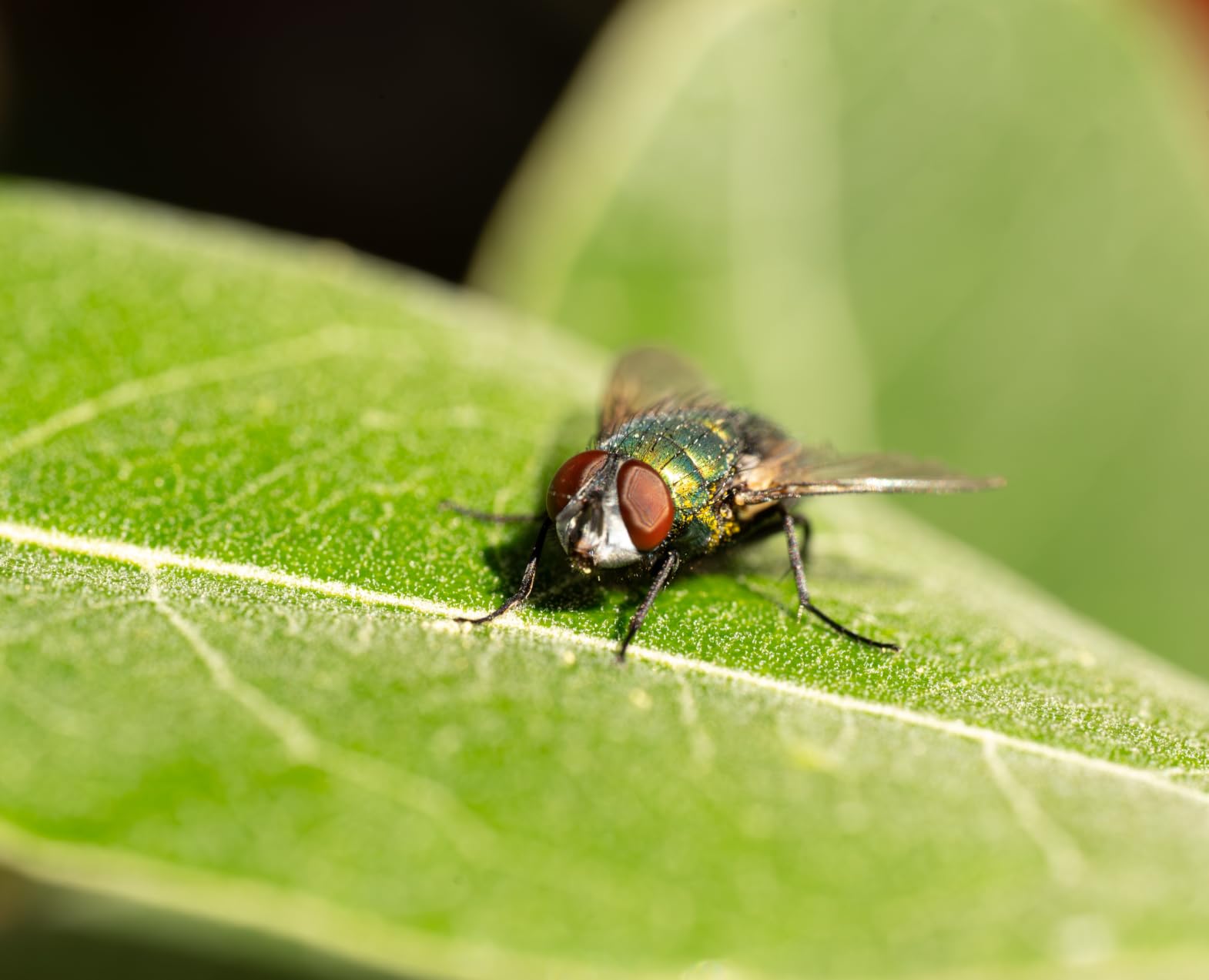
For wings, dust and fine hairs, the difference is easy to see in a crop. A 1:1 frame of a hoverfly is unforgiving, and this lens resolves detail without the sharpening slider doing the work for it.
The 23.17 degree angle of view and 62mm filter thread match the Sigma 105mm closely, so filters and hoods are broadly interchangeable in feel. It also works as a portrait lens, which softens the sting of a dedicated optic that only ever gets used in summer.
At 1:1 the maximum aperture narrows to roughly f/4.5, so you lose a stop and a half of light exactly when depth of field is thinnest. Plan for it: either add light, raise ISO, or accept a narrower focus band.
This is where the focus limiter earns its place on the barrel. Restricted close-range autofocus means the lens does not rack from infinity to macro and back while you wait for a moth to settle.
Owners on photography forums describe the focusing as quick and silent, with occasional hunting at the closest distances. The barrel is bulky for a 105mm prime, and at 1.4 pounds it is a real weight on a long walk.
Skip it if you like manual focus. The focus-by-wire ring gives no override, and the manual focus photography habit many macro shooters build is slower with it. If you already own the older AF-S 105mm and use a Nikon F body, this does not replace that lens cleanly.
It is also the wrong pick for a travel kit where every gram counts. There is a lighter option on this list that still reaches 1:1, and the trade is worth weighing before you commit.
1.4x magnification
Fixed f/2.8 aperture
5 stops of optical IS
Hybrid IS
Magnification is the headline here, and for insects it genuinely matters. At 1.4x you can fill the frame with subjects that a 1:1 lens would only half-cover, and the extra room between the subject and the front element makes live work calmer.
Canon builds this one as a professional tool, and the stabilization is the most capable in the group at five stops, backed by a Hybrid IS system that compensates for the angular and shift shake that close focus produces.
Reviewers treat it as the reference pro macro for the RF system, praising image quality and the control over bokeh. The downsides are consistent: a big barrel, a heavier body, and a set of adjustment features that take time to learn.
At 1.4x you reach the same framing at a greater distance than a 1:1 lens needs. For a nervous insect that gap is the difference between a calm frame and an empty stem, and it also leaves space for a diffuser or a small flash without casting your shadow.
The 16 degree angle of view is narrower than the 90mm and 105mm primes here, so a frame is more tightly cropped on a moving subject. That is a benefit when you are filling the frame with a damselfly head and a problem when a butterfly decides to leave.
The 67mm filter thread and included ET-73C hood are typical of an L-series optic. In practice the lens feels like a short telephoto that happens to focus extremely close, which is a useful mental model for field use.
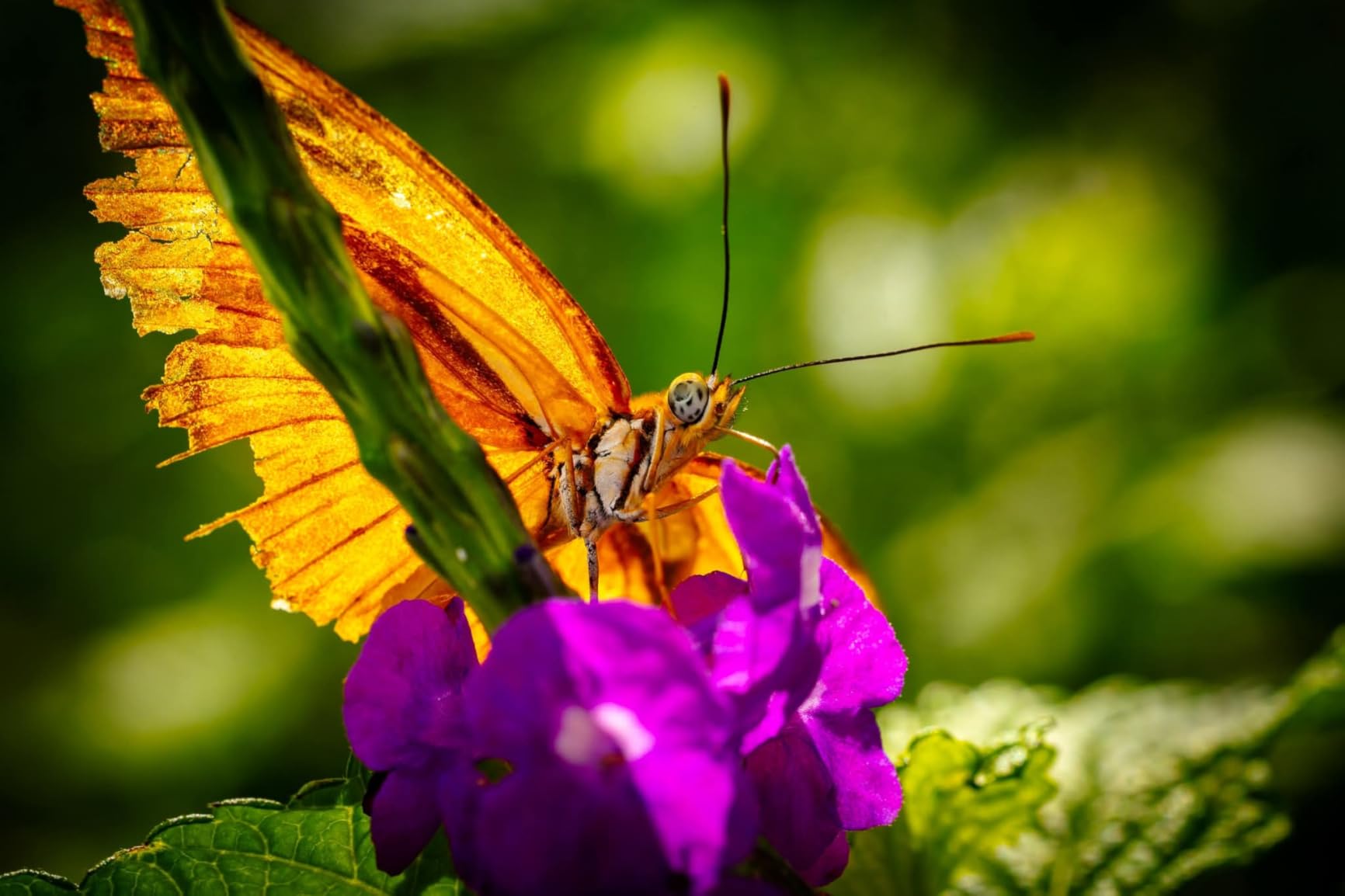
Keeping f/2.8 fixed across the full focus range matters more here than the headline aperture suggests. Macro lenses that breathe in exposure as they focus closer force you to re-meter, and a nervous subject will not wait for you.
The spherical aberration control ring lets you shape foreground and background blur, and the 9-blade rounded aperture renders out-of-focus highlights smoothly. For insects on a busy background, that separation is what makes a photo read.
Hybrid IS was designed for macro specifically, since close focus amplifies both kinds of shake. Handheld frames at slower shutter speeds are realistic with it enabled, which cuts your reliance on a tripod in damp grass.
Skip it if your priority is a small, light kit. At 730 g with a large front element, it is the heaviest optic in this group, and that weight is felt after an hour of crawling through vegetation.
It is also overkill for flowers and general close-ups. The magnification and control rings serve a specialist, and if you mostly shoot butterflies and dragonflies at 1:1, the extra reach is not where your frames go.
1.0x magnification
Minimum focus 0.28 m
SteadyShot OSS
Sliding focus ring
If you shoot Sony full-frame and want a native stabilized 1:1 macro without adapters, this is the default. It focuses to 0.28 m at 1.0x magnification and weighs 602 g, which sits comfortably in a walk-around bag.
The feature I use more than expected is the sliding focus ring. Flick it and you switch instantly between manual and autofocus, so when a dragonfly starts moving you can take over without hunting through menu modes.
Owners rate the optical SteadyShot highly for handheld work and the Direct Drive SSM for quiet, precise focusing. The recurring criticism is age: contrast falls away wide open sooner than it does on newer designs, so stopping down one third usually resolves it.
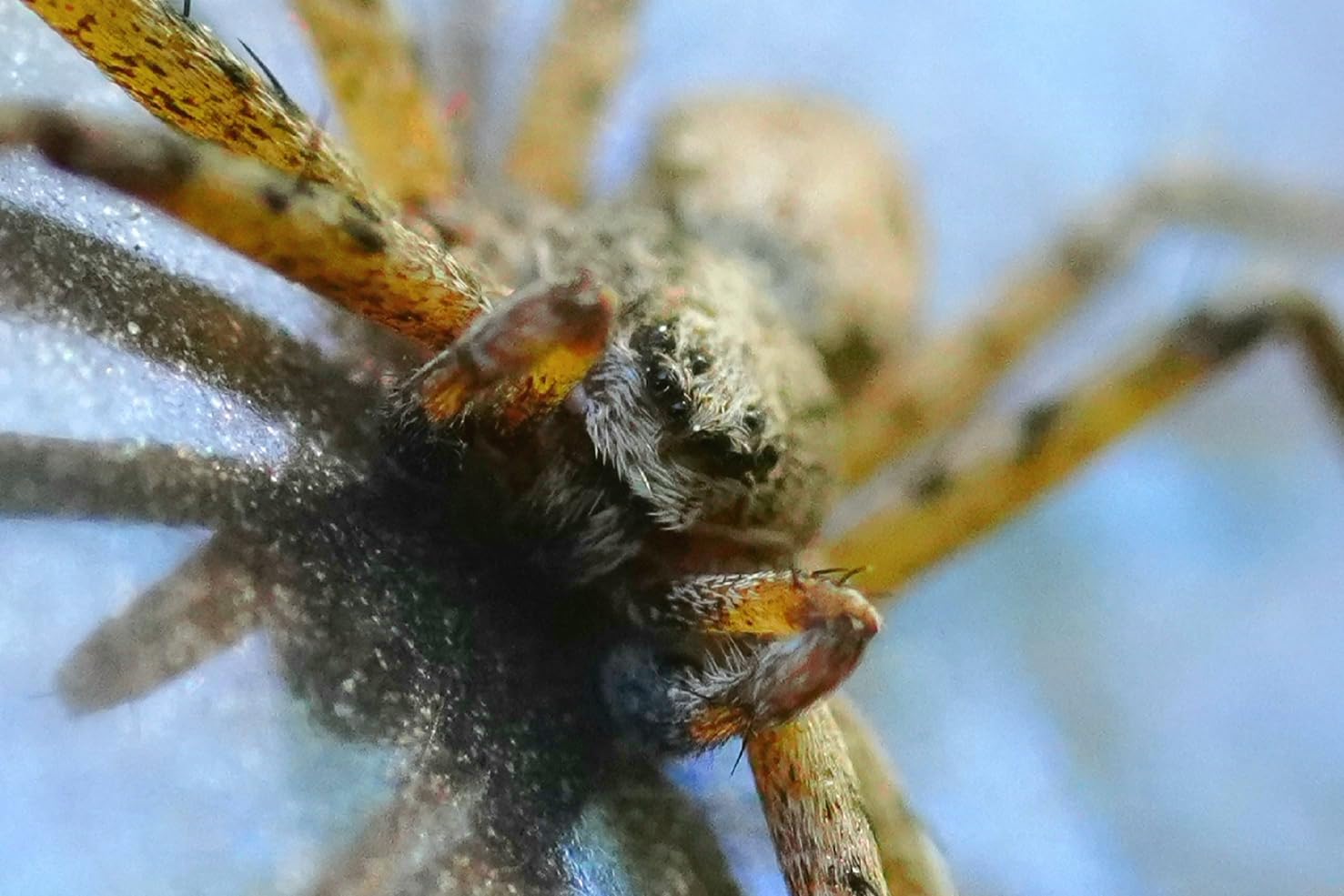
At 0.28 m minimum focus distance the front element sits close to your subject compared with a 105mm. That is a real constraint with insects, and photographers working on beetles and ants frequently mention the short gap as their main frustration with this lens.
The 27 degree angle of view on full frame gives a slightly wider frame at 1:1 than the longer primes here, which helps when your subject is a restless moth rather than a settled bee. It is a genuine advantage in a genre where subjects move.
Owners also value the 17 degree APS-C angle of view, which tightens framing usefully on crop bodies. A 90mm on APS-C behaves like a 135mm for field of view while keeping the same 1:1 magnification on the sensor.
Optical SteadyShot is the reason this lens remains competitive years after release. Handheld frames at 1/125 s or slower are achievable on a perched subject, which is a meaningful share of what you can photograph in the field.
The 9-blade circular aperture produces smooth, rounded bokeh, and the Nano AR coating plus Super ED glass keep flare and ghosting controlled in dappled light. For insects on bright foliage, that coating is doing more work than the aperture.
Wide open, older optical designs like this one lose contrast in the corners of a 1:1 frame. Shoot f/4 and the difference largely disappears, at the cost of one stop of light and one stop of sharpness on the subject itself.
Skip it if your subjects are small. At 1.0x you are at the true macro baseline, and a 5mm beetle will sit in a corner of the frame rather than filling it. For that you need either 1.4x or 2x.
Also consider the longer option if you mostly shoot skittish species. If Sony is your system and you can accept autofocus being slower, the Sigma 105mm on this list trades sharpness for a longer, calmer working distance.
1:1 magnification
105mm focal length
Clickable aperture ring
Focus limiter
On Sony bodies this is the recommendation that keeps coming back from real users, and it is not a close call. Reviewers routinely describe it as out-resolving the native 90mm macro, with a 105mm working distance that makes live insects easier to approach.
The focus limiter switch, set to the macro position, tightens the autofocus range so the lens does not search past your beetle looking for something bigger. On a slow, overcast morning that focus limiter is the difference between a frame and a missed frame.
The clickable and de-clicked aperture ring is a genuine field advantage. Set it to A and let the camera control exposure, or de-click it and stop down manually as light falls, without reaching for a dial on the body.
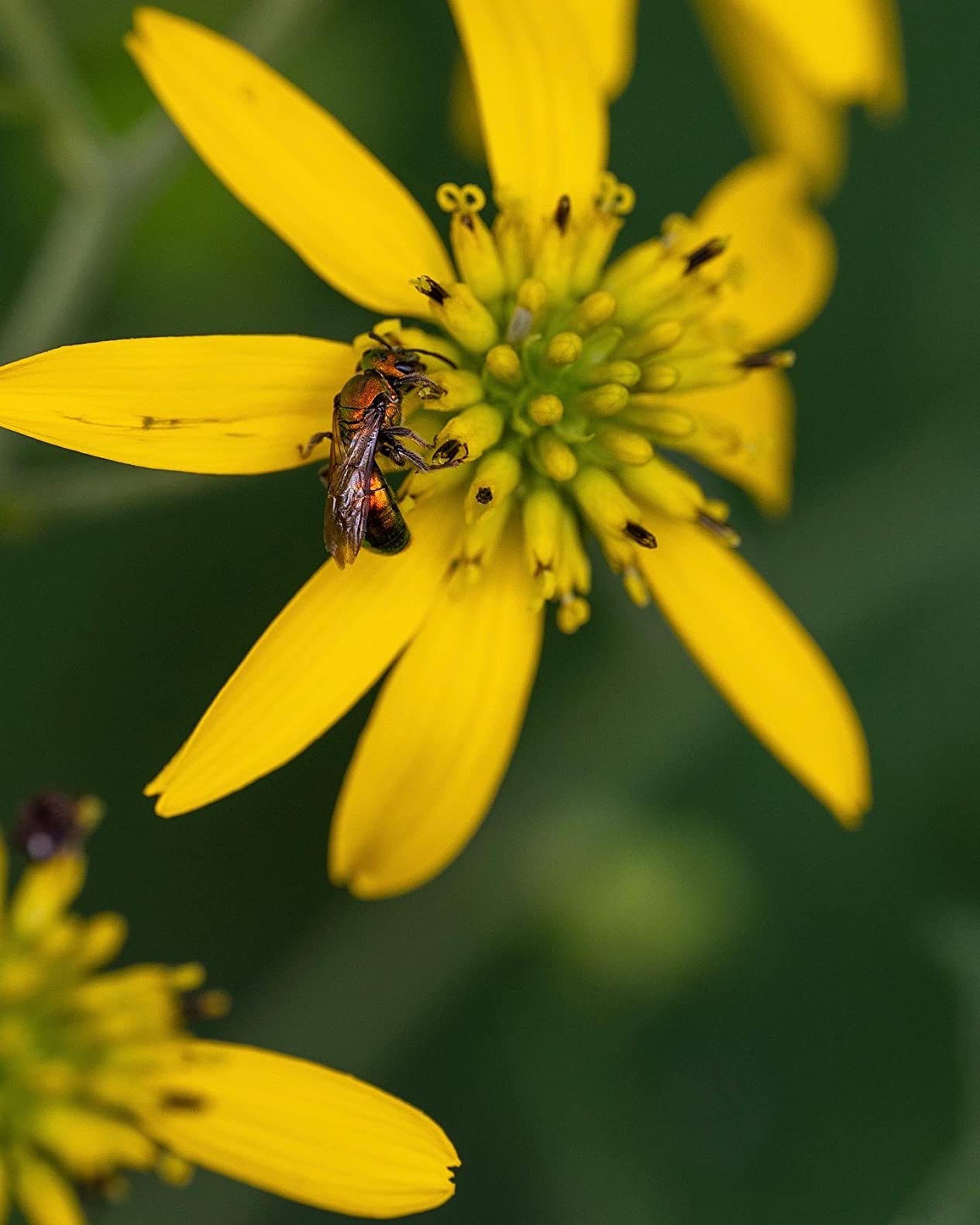
At 1:1 with a 23.3 degree angle of view, small subjects frame tightly and the 62mm filter thread takes the usual inexpensive macro filters. The rendering is clean enough that you rarely need heavy local contrast adjustments in post.
Reviewers call the bokeh excellent, and the nine aperture blades deliver smooth transitions that separate a subject from a busy background. For a dragonfly against reeds, that rendering does more for the frame than raw resolution does.
Our own comparisons on Sony bodies show it holding detail at f/2.8 across more of the frame than the 90mm prime. Owners also praise low-light performance, which matters in the evening window when moths and beetles come out.

There is no optical stabilization in this lens, so handheld close-focus frames depend on whatever in-body stabilization your camera offers. Sony bodies from the a7 III generation onward handle this reasonably well, and the lens is not built to be weather resistant, so damp grass is a risk.
That is the main compromise against the native 90mm macro, which carries SteadyShot. Our advice is to plan on a low support for evening work, because a monopod or a rested lens on the ground solves the problem without slowing you down.
Autofocus is the other trade. The Hypersonic Motor is smooth and accurate but slower and noisier than native Sony lenses, particularly in low light, so for fast-moving subjects you will find yourself pushing the lens manually.
Skip it if you need stabilization in the lens and your body does not provide it. Older or lightweight Sony bodies will make handheld 1:1 work much harder than it needs to be.
Also skip it if you photograph small insects that only occupy part of the frame at 1:1. This is a 1:1 lens, not a 2x lens, and no amount of in-camera cropping changes the optical reality.
2x ultra macro magnification
APO optical design
Manual focus
100mm at f/2.8
This is the specialist pick, and it exists for one reason: 2x magnification. No other lens here goes past 1.4x, which means tiny beetles, pollen grains and small wing details can fill a full-frame sensor from this lens alone.
The apochromatic design is the technical story. Corrected chromatic aberration means you can push contrast in post without colour fringing appearing along the edges of a shell or an antenna, and the 67mm filter thread takes standard filters.
What you give up is everything electronic. Focus is manual, there is no stabilization, and if your subject moves you will be watching a magnified image through an electronic viewfinder trying to rack focus by hand.
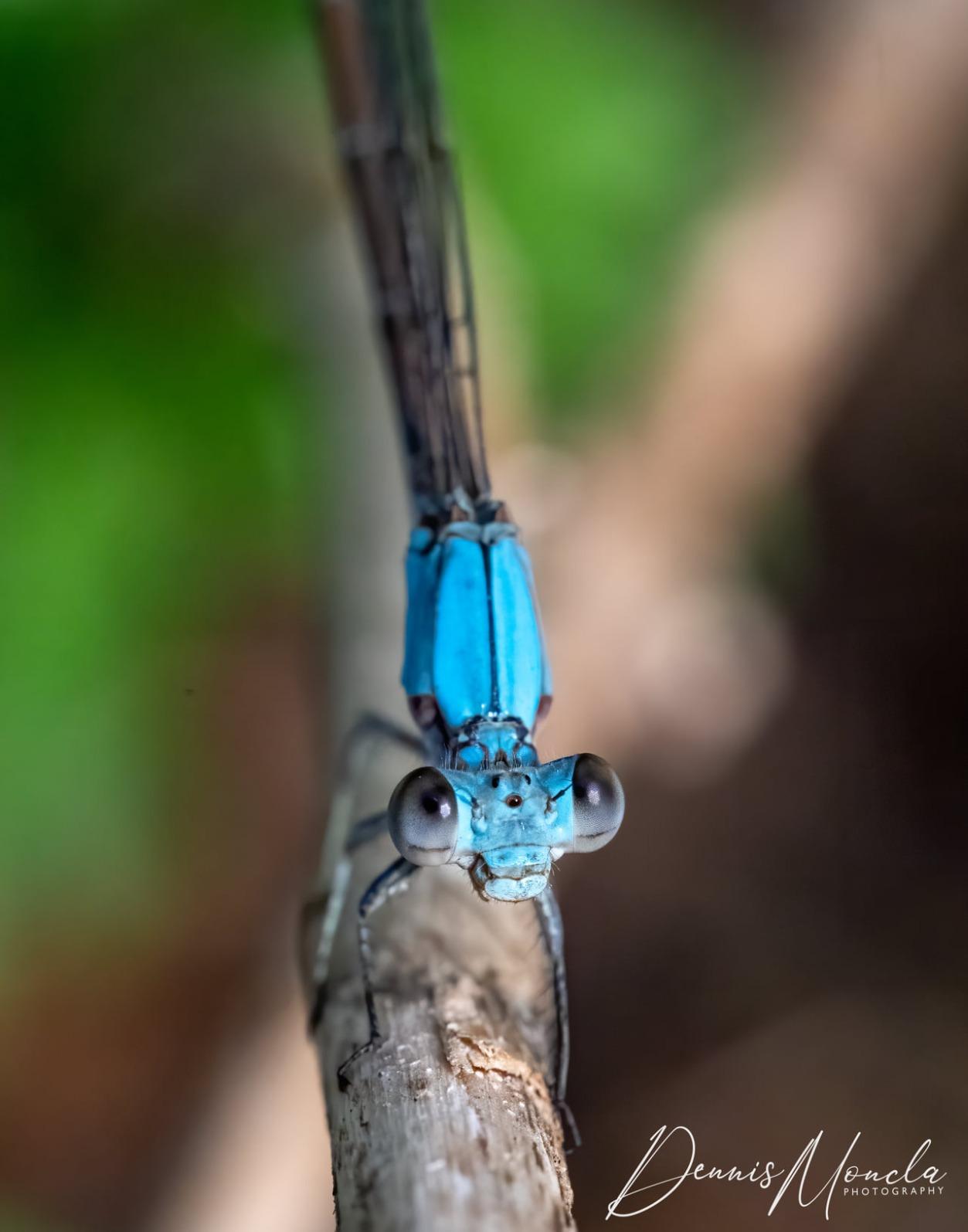
At 1:1 a subject appears life size on the sensor. At 2:1 it appears twice life size, so your field of view halves for the same framing. For a 6mm beetle, the difference between a 1:1 and a 2x lens is the difference between a small subject in the middle of a frame and a subject that overflows it.
That is why this lens earns a place even though it is the least reviewed in the group. Macro shooters who need genuine ultra-macro reach have very few options, and the 2 degree angle of view makes clear how tight the framing gets.
At 2x, depth of field becomes extremely thin, so most of these frames are shot stopped down on a tripod with focus stacking. That is a studio workflow more than a field workflow, which is the honest limitation of the design.
Focus is entirely manual, but the long throw and even damping make it learnable in an afternoon. Many photographers on macro forums pair a manual-focus specialist lens with focus peaking or a manual focus assist overlay, and that habit transfers between lenses.
The 9-blade diaphragm starts down at f/2.8 and closes to f/22. Vignetting is visible at the widest apertures and clears around f/4, so stopping down one stop solves it and costs very little light.
A minority of owners on early-production units reported loose mount tolerances or harsh mounting force. That is an isolated complaint rather than a pattern, but if you are buying this lens, check that the barrel rotates smoothly on the body before you settle in.
Skip it if you photograph moving insects. No autofocus means you will spend more time watching a still damselfly than following a flying one, and that trade rarely works out in the field.
Also skip it if you need a weather-sealed lens for early season work. This is not sealed, and insects are most active in the damp hours when dew is still on the grass.
1:1 reproduction ratio
Minimum focus 0.314 m
VR II up to 4 stops
Internal focusing
With 1,245 reviews averaging 4.7 stars, this is the most thoroughly proven lens in the group, and for many Nikon F shooters it is simply the default macro. The internal focusing design is the feature insect photographers care about most.
Because the barrel does not extend as you focus closer, your framing stays locked on the subject. A dragonfly that moves an inch stays an inch off centre instead of sliding out of frame, and that single design choice is worth more in this genre than almost any spec.
Owners single out the working distance at 1:1 as ample enough to position a flash and diffuser around an insect, and the ED glass plus Nano Crystal coat as the reason flare stays controlled in hard light.
Internal focusing is the quiet advantage that keeps this lens relevant after nearly two decades. On a nervous subject, constant framing means you can let the insect move slightly and still hold composition, which reduces the number of wasted approaches.
Minimum focus distance is listed at 1.03 ft, or 0.314 m, and owners report 6 to 8 inches of clearance at 1:1. That is enough room to get a small flash head between the lens and a perched bee.
The 23 degrees 20 minutes angle of view on FX format is a narrow one, which makes framing easier to judge but harder to recover if your subject bolts. It also crops tightly on a small beetle, so compose for the part of the insect you care about.
Autofocus here is a ring-type ultrasonic silent wave motor, and it is slow at macro distances. Plenty of insect shooters stop using it entirely and focus manually, which is a fair outcome of an AF system that predates modern close-focus algorithms.
There is slight focal length breathing while focusing, so a subject moving during the focus shift will also change size. VR II, rated up to four stops, helps with your own movement but does nothing about the insect moving.
Effective aperture narrows as you focus closer, dropping to around f/3.5 to f/4.8 at 1:1. On an overcast day that is the difference between a usable shutter speed and a tripod, so plan your light accordingly.
Skip it if weight matters. The size and mass unbalance smaller bodies and sit awkwardly on some quick-release plates, and the Sigma 105mm covers the same ground far more lightly.
Skip it if you have already outgrown an older F-mount body and want modern close-focus autofocus. The NIKKOR Z MC 105mm is the modern answer for the same focal length, with a focus limiter and faster motors.
0.5x magnification
Bright f/2 aperture
5 stops optical IS
499 g weight
At 499 g this is the lightest optic we tested, and it is the one that goes in the bag when I am not sure I will find anything worth a long lens. The f/2 aperture gives bright, clean files and genuinely soft backgrounds.
Reviewers are consistently surprised by the image quality for a lens this size, often describing it as effectively L-series in rendering. The five stops of optical stabilization plus Hybrid IS make handheld close work genuinely practical.
Being honest about what it is: 0.5x is half life size, not true macro. It frames a large insect well, but a small beetle needs a step up. The autofocus is also slow at close focus and the STM motor is loud.
Half life size sounds like a compromise until you frame it. A butterfly, a large bee or a hoverfly at rest fills a useful portion of the frame, and the 28.8 degree angle of view gives you room to include context such as a flower head or a leaf.
Minimum focus distance is 1.15 ft, or 0.35 m, so the front element sits at a comfortable distance from a subject. For relaxed, daylight work on flowers and larger insects that is entirely workable.
The honest limit is small specimens. Reviewers note that the modest 0.5x is the main reason many owners eventually add a dedicated macro. If your interest is tiny beetles, buy the 1:1 or 2x option instead.
Five stops of optical stabilization is class-leading, and Hybrid IS handles the angular and shift shake that close focusing produces. This is the lens on our list where handheld close-up work is most forgiving.
The STM motor is the loudest focusing system in this group, which matters more at close range than anywhere else. Owners also report that autofocus is slow near the closest distances, so critical macro frames often end up focused manually.
With five diaphragm blades, out-of-focus highlights are slightly more polygonal than on nine-blade designs. At f/2 with clean backgrounds that is invisible, and in cluttered foliage the smooth rendering of the higher-blade lenses wins.
Skip it if true macro is the point. Half life size is a good half-measure for flowers and portraits, but it will not satisfy anyone chasing specimen-level detail on small insects.
Skip it for early season work too. This lens is not weather sealed, and the damp dawn hours when insects are most active are exactly when you will have it in the grass.
Magnification tells you how large your subject appears on the sensor compared with life size. A 1:1 lens reproduces a subject at its real size, so a 25mm beetle covers 25mm of your sensor. A 2:1 lens doubles that.
For butterflies, dragonflies, damselflies, hoverflies and honeybees, 1:1 is enough and 1.4x is a bonus. For small beetles, weevils, leafhoppers and any specimen work, 2:1 changes what you can photograph at all.
In practical terms, true 1:1 is the baseline worth paying for. Anything below that is a close-focus lens pretending to be a macro, and you will notice the difference the first time a small insect stays put long enough to photograph.
Working distance is the gap between the front element and your subject at closest focus. Longer focal lengths give you more of it, and more working distance means fewer shadows, more room for a flash or diffuser, and an insect that is less likely to bolt.
That is the entire argument for the 90mm to 105mm range. At 60mm you are often too close for comfort; at 150mm and beyond you gain calm but lose field of view and light. The lenses here all sit in the middle of that spectrum, which is why they are the ones we recommend.
If you shoot on a smaller sensor, the same lens gives more depth of field and an equivalent view that looks longer. That is a legitimate reason to prefer a 105mm on Micro Four Thirds, even though we could not test one in this group.
Autofocus helps when the subject is settled, which covers a large share of what you will photograph. It fails on a moving dragonfly, and every one of these lenses slows down noticeably at close focus, so autofocus is a starting point rather than an answer.
Manual focus is slower to acquire and far more predictable once you have it. Many experienced insect photographers work almost entirely manually with focus peaking on, and if you enjoy that process the Laowa 100mm 2x is a legitimate choice rather than a compromise.
One piece of honest advice: if you are starting out, buy the autofocus lens. The manual-focus route rewards a habit that takes a season to build, and losing frames while you learn it is a poor trade against a lens that acquires focus itself.
Stabilization smooths your own movement, not the insect’s. It is genuinely useful for a perched subject at shutter speeds you would not otherwise dare, and most of the stabilized lenses here are rated between four and five stops.
Handheld work is entirely viable. A rested lens, a monopod or a low support will get you there on any of the eight, and forum users regularly shoot insects handheld with flash and nothing else.
Stabilization does not rescue a stacked-and-still subject at high magnification, where the right answer is a tripod and a manual focus ring. Treat it as a field tool, not a studio tool.
Weight is the number most people underrate. A heavy macro plus a full-frame body plus a tripod plus flash adds up fast, and a lens you leave at home is a lens you never use.
Our test group ranges from 499 g for the Canon RF 85mm to 730 g for the Canon RF 100mm. If you walk more than a kilometre to find insects, the lighter end of the list will reward you more than any extra magnification.
Read our guide to manual focus lenses if you want a primer on handling rings and focus feel before committing to a manual-focus macro.
A close-up filter kit is the cheapest entry point. It attaches to an existing lens and typically reaches 0.5x, with the optical cost of softer corners and more flare. For a first look at macro it costs very little to try.
Extension tubes add magnification without adding a lens, and they work best on a telephoto where the combined focal length stays useful. The penalty is that you lose autofocus in most combinations and you carry your camera at a nose-breaking distance.
A teleconverter is the option forums recommend for insects in flight. A 1.4x or 2x converter on a 70-200mm gives tracking autofocus and reach, at a real cost in sharpness and light. It is the right answer for movement, and the wrong answer for a stationary beetle.
A ring flash wraps light evenly around the lens, so the subject is lit from the camera position and casts no shadow toward you. It is the classic insect tool because it makes a moving subject look identical every frame.
The weakness is modelling. Even light flattens a subject, and a beetle lit by a ring flash can look like a sticker. Turning the flash off axis, or using a small diffuser instead, restores shape and texture.
An off-camera flash gives you the best of both, at the cost of more setup. A lightweight head bounced off a leaf or held to one side of the subject works well, and users on photography forums pair this setup with longer macro lenses precisely because the extra working distance makes side lighting easy.
Depth of field is the first suspect. At 1:1 the in-focus band is measured in millimetres, so a wing edge can be tack sharp while the body behind it is not. Stopping down helps, but diffraction softens everything past roughly f/11 on most sensors.
The second suspect is subject movement. A beetle that walks during the exposure produces a soft frame no matter how good the lens is. A faster shutter fixes it, and that means more light, which means flash.
The third is your own movement, which stabilization only partly addresses at these distances. The fourth is focus accuracy: manual focus at high magnification is unforgiving, and a fraction of a millimetre matters.
Check these in order before blaming the lens. In most cases where we saw softness, the cause was one of the first three.
Focus stacking captures a series of frames at different focus distances and merges the sharp parts. It defeats the thin depth of field that makes macro hard, at the cost of needing a subject that stays absolutely still.
A dragonfly at 2x on a tripod can be stacked in a breeze if you mask the moving wings. A bee on a flower usually cannot, because the breathing and micro-movements break the merge. Software handles alignment and blending; the standard tools bundled with major editing suites are sufficient for a start.
Stacking belongs to the studio side of this hobby. For live field work it is a backup plan for still subjects, not a substitute for choosing a lens with usable depth of field.
A true macro lens reaching 1:1 magnification at 90mm to 105mm is the best starting point for insects. That range gives life-size reproduction with enough working distance to light and approach a subject without scaring it. If your subjects are small beetles and leafhoppers, look for 1.4x or 2x magnification instead.
On Canon RF, the RF100mm F2.8 L Macro IS USM is the strongest choice, offering 1.4x magnification, a fixed f/2.8 aperture and up to five stops of stabilization. The RF 85mm F2 Macro IS STM is the lighter, less capable option at 0.5x. For Canon EF, the Laowa 100mm f/2.8 2X Ultra Macro APO reaches 2x on manual focus only.
Working distance grows with focal length, so among these lenses the 105mm options give you the most room between the front element and your subject. The Sigma 105mm and the two Nikon 105mm primes sit at the comfortable end, and a 100mm gives slightly less. This is where you can position flash and diffusers without shadowing the insect.
For butterflies, dragonflies, damselflies, bees and hoverflies, yes, 1:1 is the baseline worth paying for. Anything below half life size will leave small subjects too small in the frame. Below 1:1 you are looking at a close-focus lens, not a macro lens, and the difference shows immediately on a weevil.
It is worth it if you photograph small specimens such as beetles, leafhoppers and small wing details, because 2x doubles your framing scale. It is rarely worth it for butterflies and dragonflies, where 1:1 already fills the frame. Depth of field also becomes extremely thin at 2x, so expect to work on a tripod.
Yes, on settled subjects. Every lens here has autofocus and every one of them slows down at close focus, so a moving dragonfly is unlikely to be acquired cleanly. Focus peaking plus manual adjustment is a good hybrid, and focus limiter switches on the Nikon Z and Sigma 105mm lenses reduce searching.
Check four things in order. Depth of field is razor thin at 1:1, so stop down until diffraction appears. Subject movement during the exposure needs a faster shutter and more light. Your own movement is only partly handled by stabilization at these distances. Finally, manual focus at high magnification needs focus peaking or magnification to be accurate.
It helps, but it only smooths your own movement and does nothing for a moving insect. Most of the stabilized lenses here are rated between four and five stops, which makes handheld close-focus frames realistic on perched subjects. Without stabilization you will lean on a monopod, a rested lens or a tripod instead.
A ring flash is the right tool for consistent, shadow-free light on a small subject directly in front of the lens, which suits bees and beetles on flowers. Its weakness is flat modelling, so moving the flash off camera or adding a small diffuser restores shape. Focus on flash power control and a diffuser that fits your filter thread.
Yes, and it is a sensible way to test whether you enjoy macro before committing. Extension tubes work best on a telephoto lens where the combined focal length stays useful. You usually lose autofocus, you work at an uncomfortable distance from the subject, and quality falls off toward the edges of the frame.
If you shoot Nikon F and want one lens for everything, take the Sigma 105mm F2.8 EX DG OS HSM Macro. It is the lens our team reaches for most often, with a forgiving working distance and stabilization that makes handheld field work realistic.
If you shoot Nikon Z, the NIKKOR Z MC 105mm f/2.8 VR S is the one to buy. The S-Line glass is the sharpest here and the focus limiter makes close focus far less frustrating. On Canon RF with large insects, the RF100mm F2.8 L Macro IS USM gives you 1.4x and five stops of stabilization.
If you shoot Sony, the Sigma 105mm F2.8 DG DN Macro Art is the value answer and the FE 90mm F2.8 Macro G OSS is the lighter native one. For tiny specimens only, the Laowa 100mm f/2.8 2X Ultra Macro APO is the tool that reaches scales nothing else here can.
For a carry-everywhere kit, the Canon RF 85mm F2 Macro IS STM at 499 g is hard to argue with, as long as you accept half life size.
Whichever you pick, get a small flash and a diffuser in the same bag, because light decides more insect frames than glass does. There is no single best macro lens for insect photography, only the one that matches your mount, your subjects and how far you are willing to walk.