10 Best Wide Angle Lenses for Astrophotography (October 2026)
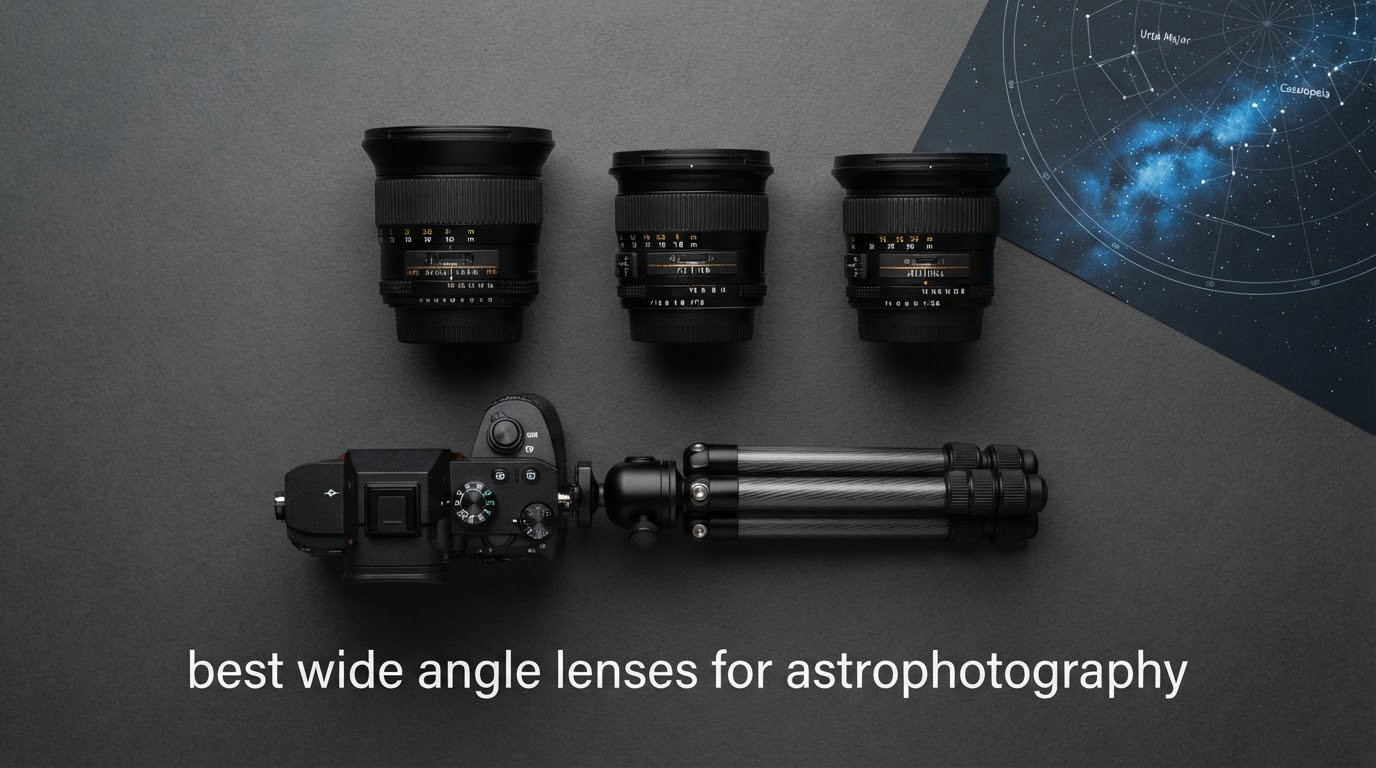
The best wide angle lenses for astrophotography are the ones that keep corner stars round, and that single result decides…

The best budget prime lenses for beginners are the fastest way to make an ordinary camera shoot like a serious one. A kit zoom is built to be cheap and versatile. A prime is built to be good at one thing, which is why a single fixed focal length can outperform a bundle of glass at half the money.
I have spent the last few years swapping lenses between an entry-level DSLR, a Sony E body and a Micro Four Thirds kit, mostly to find out which primes actually survive contact with real beginners. The short version: aperture matters more than focal length, autofocus matters more than price, and the mount you already own narrows the choice faster than any spec sheet.
A prime lens has one fixed focal length, so every element inside is designed for that single view. That simpler optical design is why primes tend to be sharper wide open, wider open, and lighter than a zoom at the same tier. A fast maximum aperture such as f/1.8 gathers several times more light than a kit zoom and produces the background separation that makes a photo look deliberate.
If you are still building a kit, our full guide to 50mm primes goes deeper on focal length choices, and the budget lens roundup covers zooms worth pairing with one of these. Everything below assumes you already own a camera with a lens mount, and every pick here is chosen to be a genuine first upgrade rather than a trophy piece.
Before the long list, these are the three that earned permanent space on my own bodies. Each one has a distinct job, and picking the wrong job is how beginners end up unhappy with a lens that is actually fine.


The Canon EF 50mm f/1.8 STM is the safest recommendation in this entire article. It is the most reviewed lens here by a wide margin, it is quiet, and it works on both Canon DSLRs and EF-mount mirrorless bodies.
Use this table to check the mount before you fall for a focal length. Most disappointing first-lens purchases are a focal length problem, not an optics problem. Each lens below links to its listing, and every row carries the two or three specs that actually change how it shoots.
| Model | Key Specs | Action |
|---|---|---|
| Canon EF 50mm f/1.8 STM |
|
Check Latest Price |
| Sigma 30mm f/1.4 DC DN |
|
Check Latest Price |
| Panasonic LUMIX G 25mm f/1.7 |
|
Check Latest Price |
 Sony FE 50mm f/1.8 Sony FE 50mm f/1.8 |
|
Check Latest Price |
 Canon RF 50mm f/1.8 STM Canon RF 50mm f/1.8 STM |
|
Check Latest Price |
 Nikon NIKKOR Z 40mm f/2 Nikon NIKKOR Z 40mm f/2 |
|
Check Latest Price |
 Fujifilm XC35mmF2 Fujifilm XC35mmF2 |
|
Check Latest Price |
 YONGNUO YN50mm f/1.8 YONGNUO YN50mm f/1.8 |
|
Check Latest Price |
 YONGNUO YN50mm f/1.8N YONGNUO YN50mm f/1.8N |
|
Check Latest Price |
 YONGNUO YN35mm f/2 YONGNUO YN35mm f/2 |
|
Check Latest Price |
We earn from qualifying purchases. CERTAIN CONTENT THAT APPEARS ON THIS SITE COMES FROM AMAZON. THIS CONTENT IS PROVIDED 'AS IS' AND IS SUBJECT TO CHANGE OR REMOVAL AT ANY TIME.
One thing the table cannot show you is the field of view difference between formats. A 35mm on a full-frame body and a 35mm on a Micro Four Thirds body are not the same lens in practice, and that is the single biggest reason budget prime shopping goes wrong. We cover the math in the buying guide below.
50mm f/1.8
6 elements in 5 groups
0.35m minimum focus
5.6 ounces
49mm thread
This is the lens I hand to beginners who already own an EOS DSLR, and it has earned that spot by being unremarkable in the best way. It focuses quickly, it stays quiet, and at f/1.8 it produces the blurred backgrounds that make people ask what camera you shot on.
On an APS-C body the 50mm behaves like an 80mm short telephoto, which is a genuinely useful portrait focal length rather than a compromise. That framing is one reason owners so often describe it as the lens that taught them what aperture does. It also fits comfortably in a small bag, which matters when you are walking a city block for four hours.

The optical design is deliberately simple at 6 elements in 5 groups, and the result is a lens that stays sharp wide open in the centre and holds up well stopped down to around f/2.8. Corners are the weak point, softening visibly at f/1.8, but stop down one or two stops and the whole frame firms up.
An f/1.8 aperture lets in roughly four times the light of a typical kit zoom at its wide end, which means you can hold a shutter speed fast enough to freeze a walking subject in dim light. It also means a much shallower depth of field, so you learn to place your subject inside a plane rather than hoping the camera sorts it out.
That shallow depth of field is the reason so many beginners buy a prime in the first place, and reviewers consistently single out the seven-blade rounded diaphragm as the source of the smooth, creamy out-of-focus highlights. Point lights in the background come out round instead of hexagonal.
The stepping motor inside gives continuous, near-silent servo focusing, which makes the lens usable for video without the audible hunting you get from cheaper gear. It is not the fastest focusing mechanism available, and reviewers note it is slower than ring-type ultrasonic motors on higher-tier lenses.
What that means in practice is simple: this lens is excellent for walking portraits, street candids and quiet indoor work, and less ideal if your photography is fast-moving sport. The minimum focusing distance of 0.35 metres with 0.21x magnification also lets you fill the frame with small objects like food or hands.
There is no image stabilization, so below 1/50s you need a steady hand or a support of some kind. Focus is electronic rather than mechanical, meaning the manual focus ring gives finer control than a geared ring but less raw tactility. No lens hood or weather sealing is included either.

None of those drawbacks is unusual at this tier, and each one has a workaround. Stabilize the camera, use the focus magnifier for manual focus, and buy a small clip-on hood if you shoot into bright light. In exchange you get the most reviewed budget prime available and a lens that will outlast several bodies.
30mm f/1.4
9 rounded aperture blades
Stepping motor AF
52mm thread
4 year warranty
This is the lens I recommend when a beginner shoots Sony E and plans to stay on APS-C. An f/1.4 aperture is one full stop faster than the f/2 primes most people buy first, and reviewers rate this one at 4.8 stars from close to 4,900 reviews.
The catch is worth repeating because it trips up almost everyone: 30mm on a crop sensor gives roughly a 45mm equivalent view, which is tighter than the 35mm many beginners imagine when they hear a number. It is a brilliant portrait and street framing length, but it is not a wide environmental lens.

Made in Japan with aspherical and high-refractive-index elements, the rendering is sharp with good colour and contrast straight out of the camera. That is unusual in a lens with this much light-gathering ability, and it is the reason the lens rates so highly despite a body that is bigger than competing 30mm primes.
The practical difference shows up in two places. Indoors or after dark, the extra stop of light means you can keep a usable shutter speed or a lower ISO, which is the difference between a photograph and a blur. Outdoors, it means the background separates more cleanly at the same framing.
The nine rounded aperture blades produce noticeably smoother bokeh than the six-blade budget lenses further down this list. For anyone shooting stage lights, shop windows or street scenes at dusk, that smoother transition is a real upgrade rather than a subtle one.
Whether this lens is loud is one of the most common questions on Sony E photography forums, since the answer decides whether it suits video. The focusing system here is a stepping motor, and reviewers describe it as smooth and near-silent in operation, particularly in continuous mode.
Because the lens is built only for the Sony E APS-C mount, it will not cover a full-frame sensor properly, so it is a genuine commitment to that format. If you later move to full frame, you would be replacing this lens rather than keeping it.
At 9.28 ounces this is one of the heavier lenses in the roundup, and reviewers repeatedly mention that it feels larger than competing primes of the same focal length. It is still a compact lens by fast-standard standards, just not a pocketable one.

The included hood and front and rear caps are a nice touch at this level, and the four year warranty is longer than most competitors offer. There is no optical stabilization in the lens, so low-light work leans on the camera body where available.
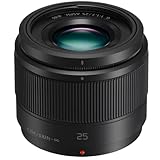
25mm f/1.7
50mm equivalent view
8 elements in 7 groups
125g and 2.05 inches long
Micro Four Thirds bodies are the easiest way to get a genuinely good prime without spending serious money, and this 25mm f/1.7 is the reason. On a 2x crop sensor the 25mm gives a 50mm equivalent view, which is the classic normal lens framing.
It weighs 125g and measures 2.05 inches long. That is a lens you can leave on the body permanently and forget is there, which is exactly what a travel or street photographer wants from an everyday carry.
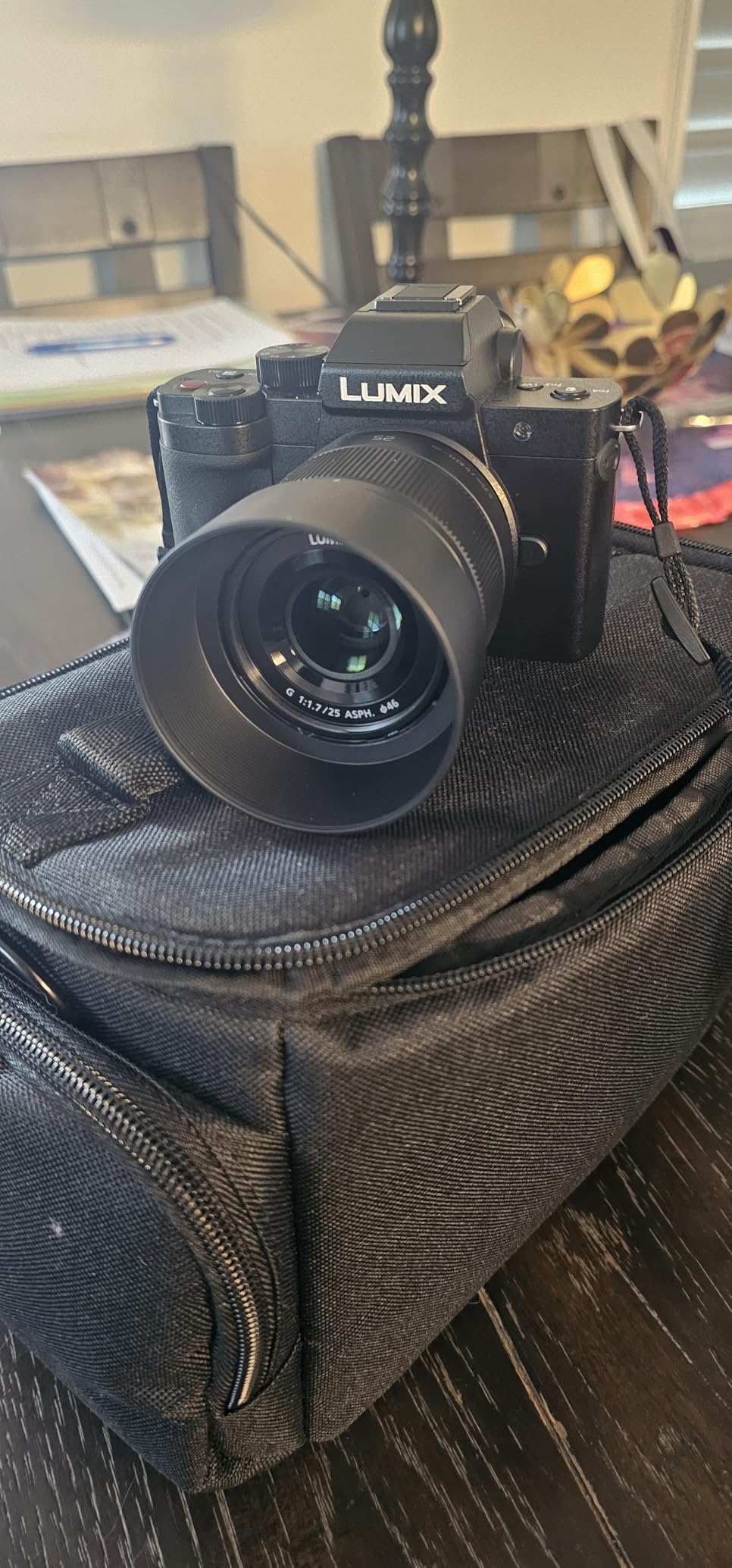
Reviewers rate it at 4.8 from more than 2,100 reviews, with the recurring praise landing on the combination of aperture, size and sharpness. The optical recipe of 8 elements in 7 groups includes 2 aspherical elements and one ultra-high-refractive element, which is a serious layout for a budget prime.
Micro Four Thirds crops by 2x, so you double the focal length to compare it with full frame. A 25mm becomes a 50mm equivalent, a 35mm becomes a 70mm equivalent, and a 50mm becomes a 100mm equivalent. This is the same math that makes a 50mm on APS-C behave like an 80mm.
Once you stop thinking in printed focal lengths and start thinking in equivalents, choosing a lens becomes much easier. You decide what framing you want on the final image, then work backwards to the number on the lens.
The honest limitation here is the format, not the lens. A 2x crop sensor gathers substantially less light than full frame, so even at f/1.7 the low-light performance trails a full-frame prime with the same equivalent framing. Reviewers consistently accept this as the trade-off for the size and weight saving.
There is no optical stabilization in the lens and no weather sealing, so this is a fair-weather, indoor-and-evening lens rather than an all-conditions one. If your body has in-body stabilization, that covers part of the gap.
The stepping motor supports smooth, quiet hybrid autofocus for stills and HD video, and the lens is a popular companion to compact Micro Four Thirds bodies for travel. The 47 degree angle of view sits comfortably between a classic normal and a moderate wide.
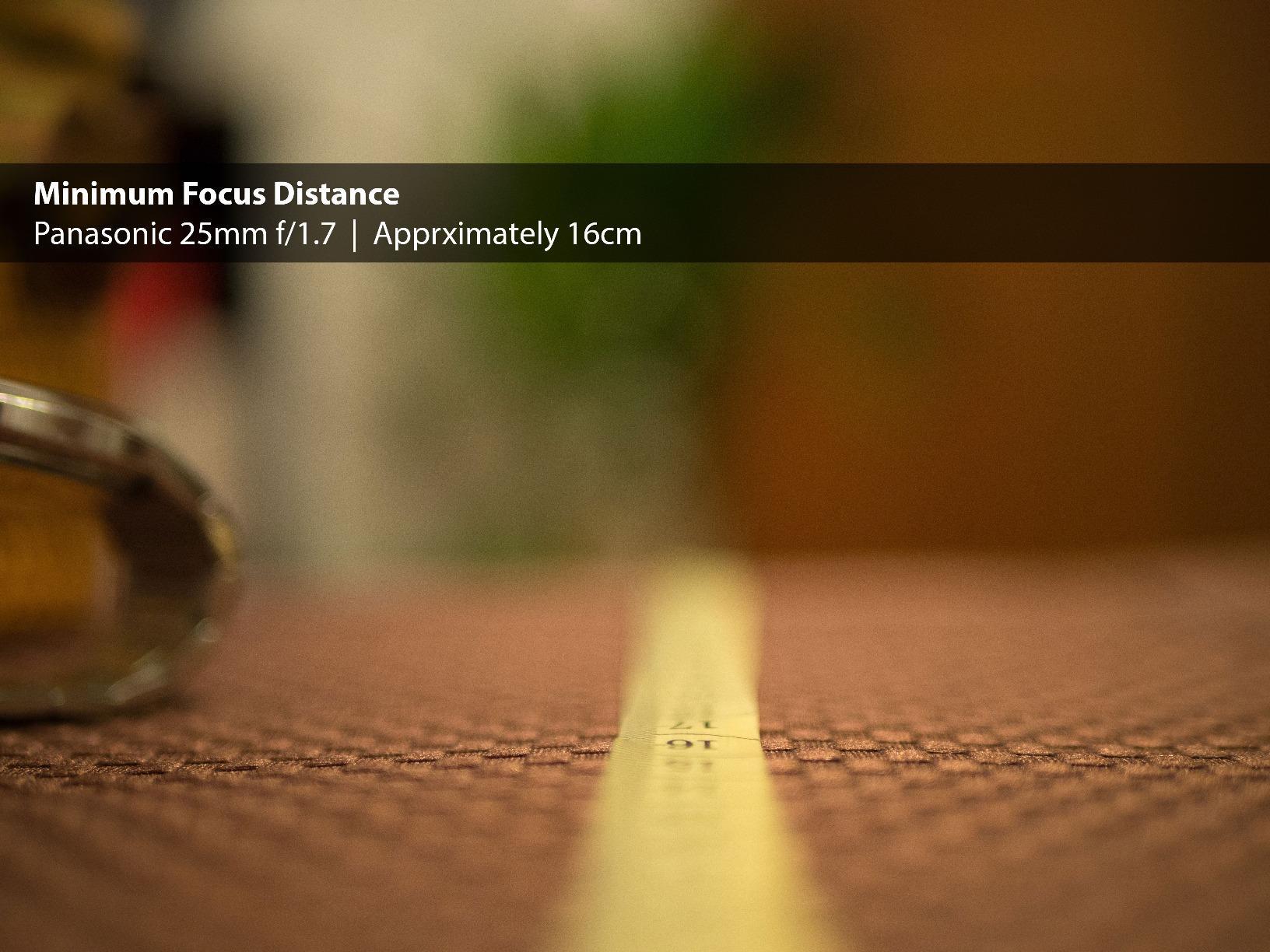
No lens hood is included as standard, which is a small saving that will annoy you the first time you shoot into glare. It is still the strongest argument in this list for buying into a smaller format, and it holds a 4.8 rating from owners who mostly describe it as the lens they never take off.
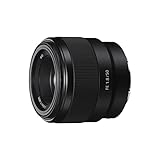
50mm f/1.8
7-blade circular aperture
186g
Aspherical element
47mm equivalent on APS-C
This is the lens most Sony shooters meet first, and for good reason: at 186g it is one of the lightest full-frame primes available, and it needs no adapter on any E-mount body. Reviewers rate it 4.6 stars from more than 7,000 reviews.
On APS-C bodies like the a6000 line it gives roughly a 75mm field of view, which makes it a short telephoto portrait lens in practice. The forum consensus among Sony shooters is that this is the obvious choice when you are on a tight budget, and it is hard to disagree.
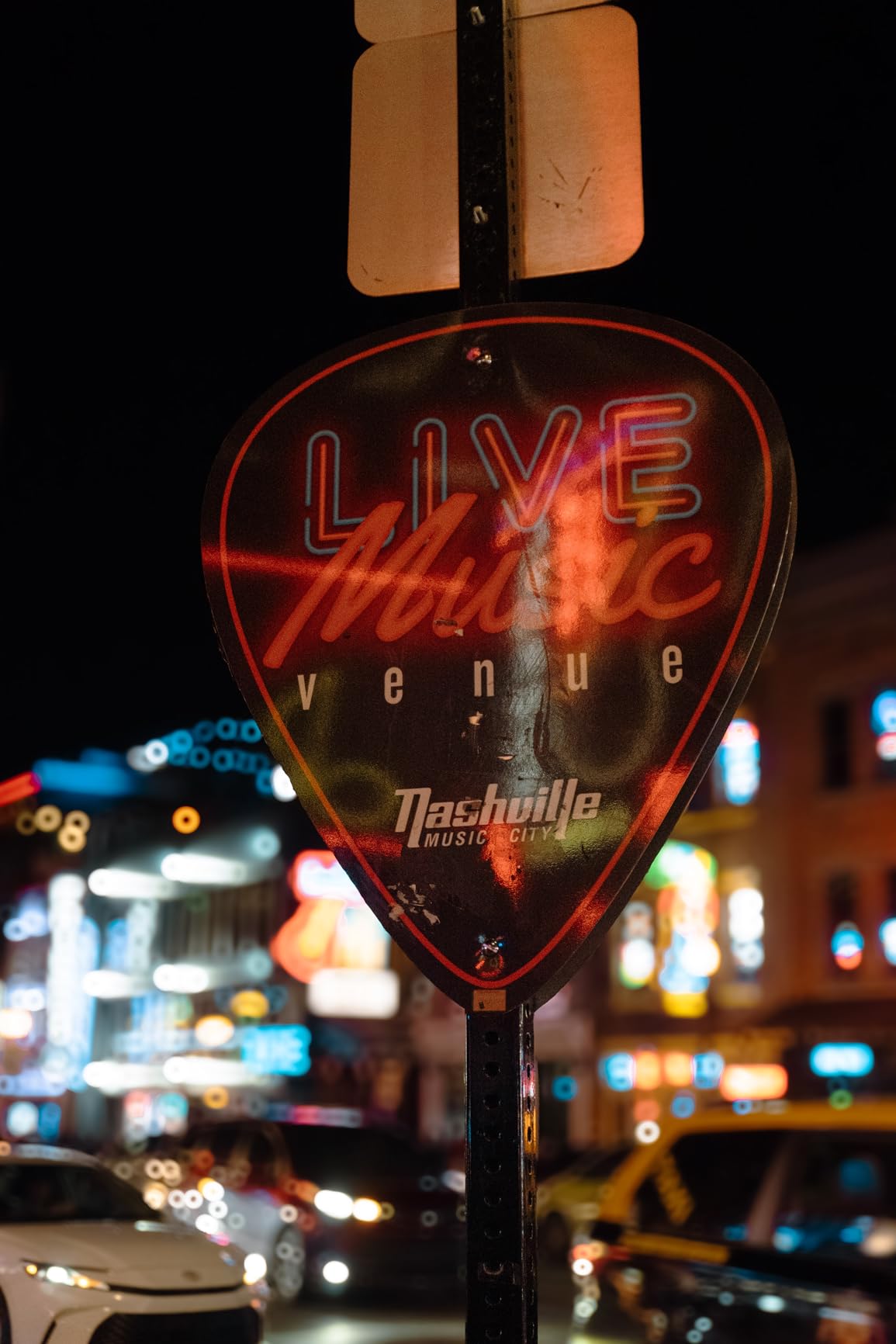
Optically it is well made. The aspherical element controls spherical aberration and coma, and the double-Gauss configuration suppresses field curvature and distortion. Sharpness is strong in the centre and improves markedly stopped down to f/2.8 through f/5.6.
This is the lens’s defining weakness. The DC motor is noticeably noisier and slower than competing fast primes, and reviewers report it can hunt in low light or low contrast situations. Owners frequently note that updating both lens and camera firmware resolves much of the hunting and speed.
For stills work in good light that is a non-issue. For video recorded in quiet rooms, the noise is audible, and if you shoot a lot of moving subjects you will miss focus more often than the price suggests you should.
Wide open, corners are soft and slightly hazy, and some chromatic aberration is visible in high-contrast scenes. Stopping down to f/2.8 largely resolves both. Profile corrections for this lens are widely available if you would rather not touch your files at all.
The 7-blade circular aperture gives smooth, rounded bokeh at f/1.8, which is the reason the lens still wins reviews despite the motor complaints. It is a lens you judge stopped down, not wide open.
The ALC-SH146 hood plus front and rear caps are all included, which is generous compared with some first-party primes. There is no aperture ring, so manual aperture adjustment happens on the body, and manual focus is by electronic ring.

At 186g with a metal mount, this is the lens that stays on the camera for a full day without fatigue. If you shoot full-frame Sony and want a single normal prime, this is the one I would put on the body and stop thinking about.
50mm f/1.8
7 diaphragm blades
43mm filter thread
5.6 ounces
46 degree angle of view
If you have moved to an EOS R body and are still using an adapted EF lens, this is the reason to stop adapting. The RF 50mm f/1.8 STM is a native 50mm f/1.8 that weighs 5.6 ounces and focuses with a quiet gear-type stepping motor.
Reviewers rate it 4.7 from more than 3,200 reviews and describe it as the lens that makes entry-level R bodies produce noticeably better images than their kit zoom allowed. That framing is exactly right for this list.

The optical placement and Super Spectra coatings are tuned for colour balance and flare control, and the control ring lets you change settings directly rather than scrolling through a menu. Close-focusing is good enough for product and detail shots, which widens its use well beyond portraits.
An adapted EF 50mm f/1.8 STM focuses reasonably on R bodies with a compatible adapter, but you give up weight, compactness and some of the aperture feel. A native RF lens communicates with the body through the electronic contacts for aperture control, which is why the f/1.8 stops feel dependable on mirrorless.
Our Canon RF prime roundup covers the wider RF ecosystem if you want to compare against a short telephoto option.
Reviewers consistently report noticeable softening and astigmatism toward the corners at f/1.8, plus some chromatic aberration in high-contrast and night scenes. Closing to f/2.8 or f/4 cleans up most of it, and centre sharpness is good throughout.
The 43mm filter thread is unusual in this day and age. It means fewer third-party filter options and thinner, less robust filters than the common 52mm or 58mm sizes, so plan your filter purchases around that from the start.
The body is mostly plastic, and reviewers note it feels a step below older EF lenses in perceived quality. It is also remarkably small, which is the point. Mounted on an R50 or R100 it barely changes the balance of the camera at all.

For a beginner who bought a mirrorless body recently, this is the correct native upgrade. It pairs the quiet focusing you want for video with an aperture wide enough to handle indoor and evening street work, and it is covered by a one year manufacturer warranty.
40mm f/2
9 rounded diaphragm blades
52mm thread
6.08 ounces
60mm equivalent on DX
The 40mm f/2 fills a gap no other lens on this list does. It sits between a 35mm and a 50mm, and on DX bodies it gives roughly a 60mm equivalent view, which is a flattering street and portrait length.
Several reviewers describe it as their default everyday lens on bodies like the Zf, Z6 III and Z8. At 6.08 ounces it is among the smallest and lightest full-frame primes in this roundup, roughly half the length of the NIKKOR Z 50mm.

It works on both FX and DX format Z series bodies, and the 38 degree angle of view on full frame is deliberately between normal and short telephoto. That is a framing you cannot get from a 35mm or a 50mm, and for candid work it is genuinely useful.
Autofocus is quick and quiet, and the system suppresses focus breathing so the angle of view does not shift during recording. That matters for video and for anyone shooting sequences where framing needs to stay locked.
The click-less control ring can be reassigned to manual focus, aperture, ISO or exposure compensation. On a body like the Zf with physical dials, that flexibility is a real advantage over lenses that put everything behind a button.
Nine rounded diaphragm blades give natural-looking bokeh, and f/2 is fast enough for low light and for background separation at moderate shutter speeds. Reviewers praise the bokeh quality directly.
The most common caveat is raw sharpness. This lens sits below Nikkor S-line primes in the same class, though several owners describe that as giving images a pleasant character rather than a defect. Judge it stopped down before judging it wide open.
The mount and housing are plastic, and some owners dislike that on a full-frame lens. There is no optical stabilization, so it depends on in-body stabilization where the body has it and on steady technique where it does not.

This is the smallest review base in the roundup, so treat the rating as newer and less battle-tested. Mechanically it is unremarkable, which for a lens is the highest compliment. Our Nikon Z prime guide covers the alternatives if you need more reach.
35mm f/2
9 elements in 6 groups
53mm equivalent view
300g
52mm thread
Reviewers of this lens repeatedly say its rendering is on par with the more expensive XF 35mm f/2. At 4.7 stars from 260 reviews, that is a small sample, but the sentiment is consistent enough to take seriously.
On X bodies it gives roughly a 53mm equivalent field of view, which is the classic street framing length. For a Fujifilm shooter starting out, this is the lens most people should buy first.

The optical design of 9 elements in 6 groups uses 2 aspherical elements to suppress chromatic aberration and field curvature. Owners report edge-to-edge sharpness with no obvious vignetting, which is not standard at this tier.
An inner focusing system driven by a stepping motor delivers fast, quiet, near-silent focusing, and it works in all of the camera’s AF modes including those used for video. That matters on Fujifilm bodies in particular, where older lenses struggled with face and eye detection.
The 53.04 degree angle of view is a comfortable all-purpose framing for travel and street work, and the lens handles both 4K UHD and 1080p capture on current X bodies.
The construction is predominantly plastic and feels less premium than the XF lenses. There is no aperture ring, so you change aperture on a command dial, which some photographers dislike for video work. It is also not weather sealed.
A small number of buyers report units arriving with a manufacturing defect embedded in the glass or with packaging already opened. Check the front and rear elements under a bright light the moment it arrives.
At 300g it is among the lighter f/2 primes here, which suits travel and street shooting on compact X bodies. The lighter construction is the trade for the premium feel you get from XF glass.

Bokeh at full aperture is described as pleasant rather than exceptional, and low-light capability is good for the format. If you shoot Fujifilm and want one prime, this is the sensible pick and the least risky one to recommend.
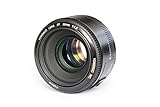
50mm f/1.8
6 elements in 5 groups
Minimum focus 0.45m
4.2 ounces
6 diaphragm blades
This is the option for the beginner whose budget is genuinely tight and who wants f/1.8 depth of field before anything else. The YN50mm f/1.8 focuses automatically, weighs 4.2 ounces, and carries a focus distance indicator that first-party lenses at twice the cost usually omit.
It is not a close match for the Canon EF 50mm f/1.8 STM optically. Reviewers rate it 4.4 from more than 5,300 reviews and describe it as good value but clearly a step below first-party glass.
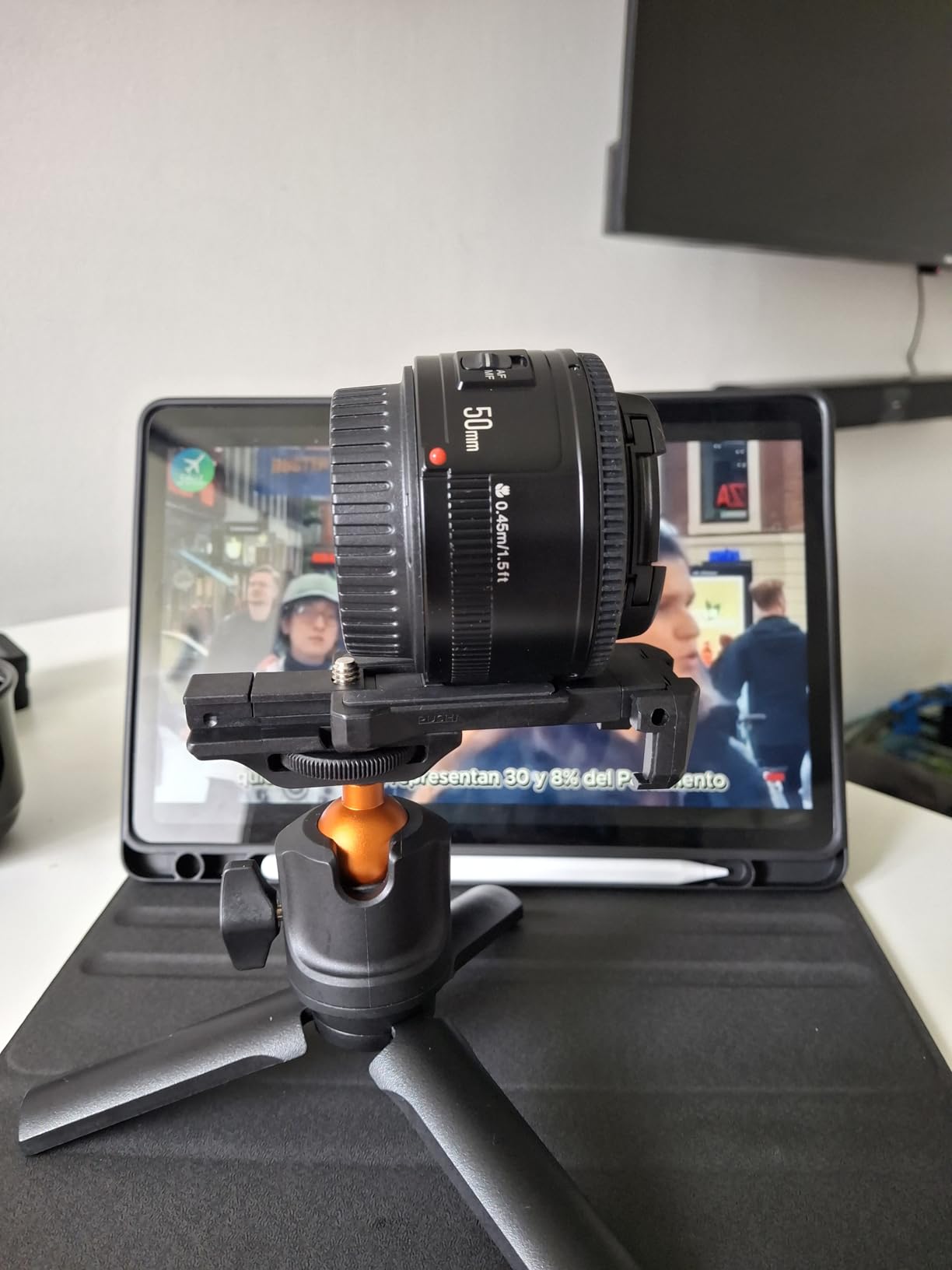
The build is 6 elements in 5 groups with a 46 degree angle of view and multi-coated elements for light transmission. Gold-plated contacts resist corrosion, and aperture data is recorded in EXIF across M, AV, TV and P shooting modes.
Autofocus is the biggest gap. Reviewers describe it as inconsistent and slower than first-party lenses, and that inconsistency matters more in candid street work than the specifications suggest. Constant missed focus is what makes a cheap lens feel like a bad purchase rather than a budget one.
Image quality is noticeably weaker than Canon and Sigma 50mm primes, particularly in the corners and at wider apertures. Stop down and the gap narrows, but you are giving up some of the reason you wanted a fast prime.
With 6 diaphragm blades, out-of-focus point highlights come out hexagonal rather than round. That is the most visible difference in a street scene at night, where every streetlamp becomes a small polygon instead of a soft disc.
Against the Canon EF 50mm at seven blades and the Sigma 30mm at nine rounded blades, the rendering is a clear step down. It is still wide-open background blur, just with harder edges.
It is for a student, a hobbyist on a very small budget, or anyone who wants to learn aperture on Canon EF without spending meaningfully. It works on both full-frame and APS-C Canon EF-mount cameras.
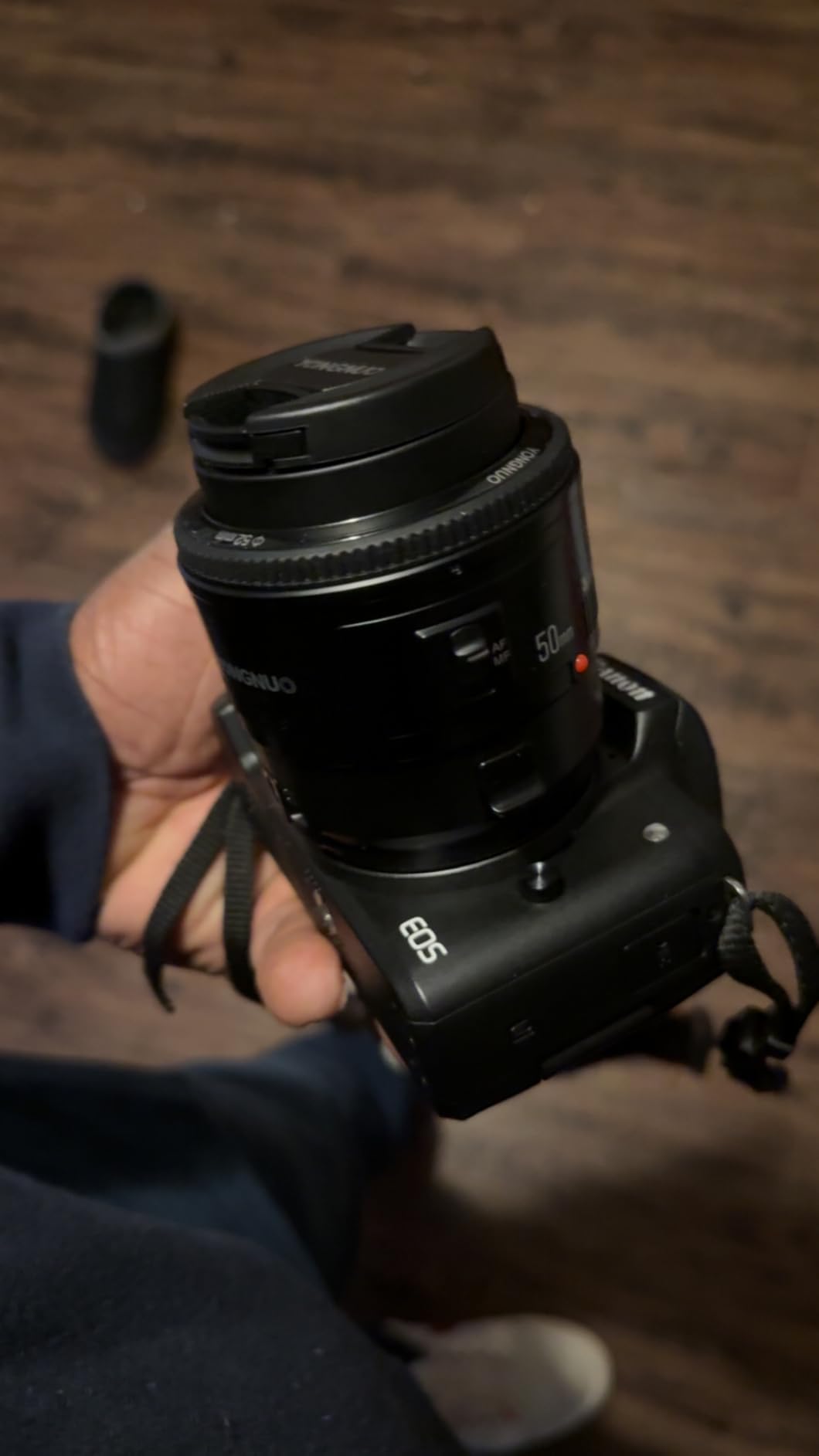
There is no stabilization, no weather sealing and no hood included. A 0.45 metre minimum focus distance is closer than most kit zooms manage at the tele end, which is a genuine plus for detail shots. If you can afford the step up, take it.
50mm f/1.8
7 diaphragm blades
58mm thread
7.2 ounces
40 degree angle of view
The Nikon F version of the same idea is the stronger of the two budget 50mm options here. Reviewers rate it 4.6 from more than 2,100 reviews and frequently compare its image quality favourably with the 35mm f/1.8 Nikkor, which is telling.
Unlike many entry-level kit bodies, this lens works even on Nikon DSLR bodies without a built-in autofocus motor, which broadens who can use it considerably. That single feature is worth checking before you buy anything else.
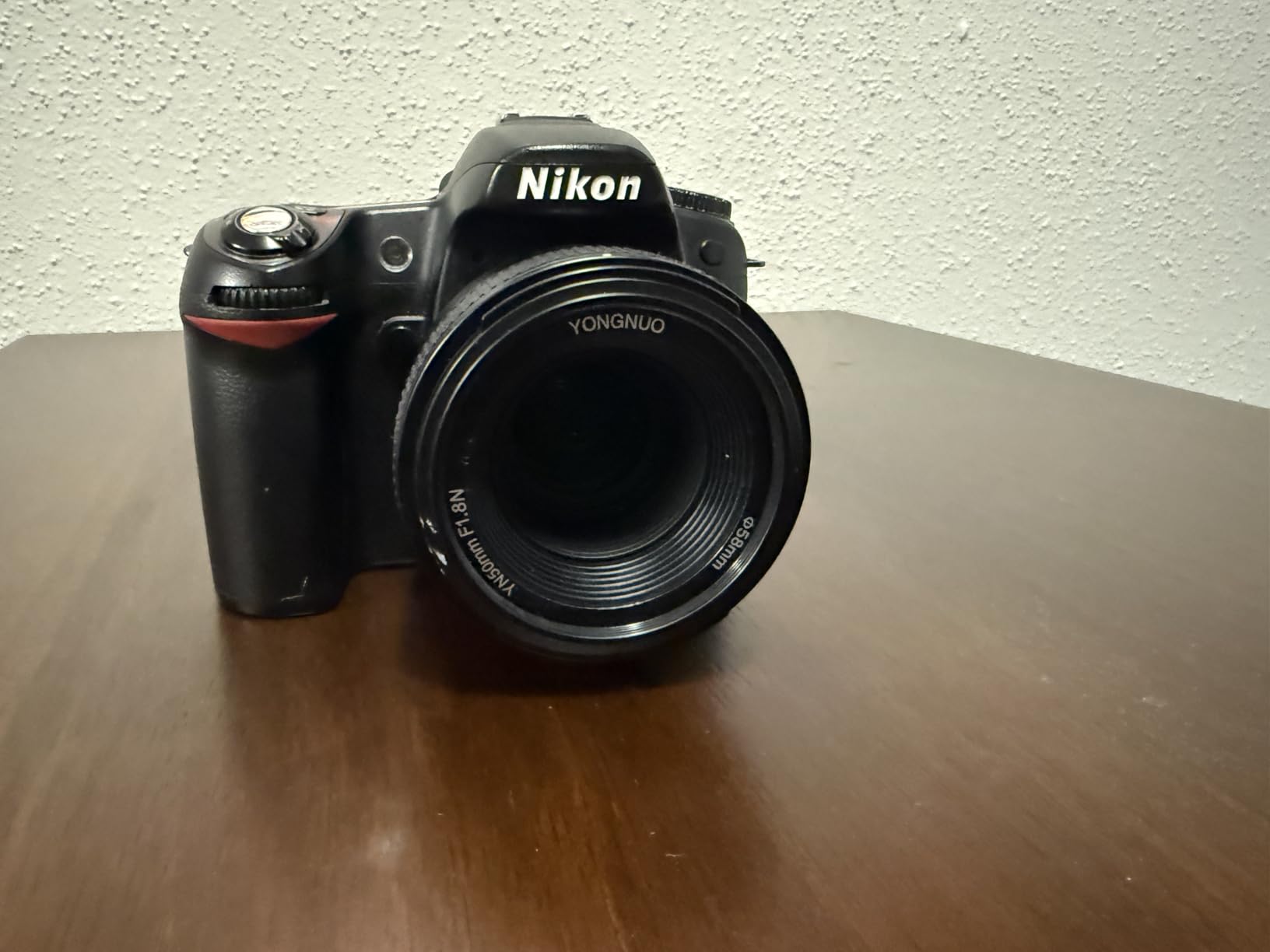
Seven diaphragm blades give rounder bokeh highlights than the six-blade Canon EF version, and the 58mm filter thread means filters are easy to find. The 40 degree angle of view is a classic normal framing on full frame.
Motor noise is the single most cited drawback, and it is a real one for video. A minority of owners also report autofocus that never settles reliably. If you are shooting stills in decent light, this is tolerable; if you are filming, it is not.
There is no manual focus override while autofocus is engaged, so stopping down and refocusing manually means switching modes first. Plan your technique around that rather than being surprised by it in the field.
Reviewers note visible softness from f/1.8 to roughly f/2.5, with good results from around f/4. That is a normal pattern for budget fast primes and means you should think of the fast aperture as a light-gathering and separation tool rather than a sharpness tool.
The focus scale moves in the opposite direction to the focus ring, which catches out most beginners once. Spend five minutes with it indoors before you rely on it outdoors.
Owners repeatedly stress removing the blue protective plastic film from the front and rear elements. It is designed to be removed, and leaving it on tints your images in a way that is easy to misattribute to the lens.

There is no weather sealing, and there is a one year warranty. For a Nikon F DSLR owner on a budget who wants f/1.8 and a distance scale, this remains the most capable value option here. If you also need a wider angle, keep reading.
35mm f/2
7 aperture blades
58mm thread
318g
USB firmware upgrade support
Every other lens on this list sits around 40mm to 50mm equivalent. This one is the outlier, and that is the point. A 35mm f/2 on full frame gives you room to work in a crowd, which is the single most useful thing for street photography.
It is built for Nikon F-mount DSLRs and supports autofocus, manual focus and live view focusing, which makes it usable on older bodies with live view. USB firmware upgrade support is unusual at this level.

At f/2 you still get real background separation without the extreme thin depth of field that f/1.8 forces on you in daylight. For beginners who find wide apertures disorienting, f/2 is a gentler place to start.
At 35mm you can hold a subject in frame while walking past them, include context in your composition, and work at chest height rather than raising the camera. Those are the mechanics of street photography, and a 50mm makes all three harder.
The 63 degree angle of view is wide enough to capture a scene and a person together. For environmental portraits and travel work, that framing is worth more than another stop of aperture.
Autofocus is slower and noisier than native Nikon 35mm primes, and the optical performance falls off toward the frame edges, particularly at f/2. Stopping down to f/2.8 or f/4 evens out the edges considerably.
At 318g it is heavier than expected for a prime of this class, which is the main reason it trails the 50mm options on portability. The metal bayonet mount is a genuine quality step up at this budget.
Some listings claim optical stabilization, and the actual hardware does not include it. Treat any stabilization claim for this lens as incorrect and stabilize through the body instead. There is no weather sealing.
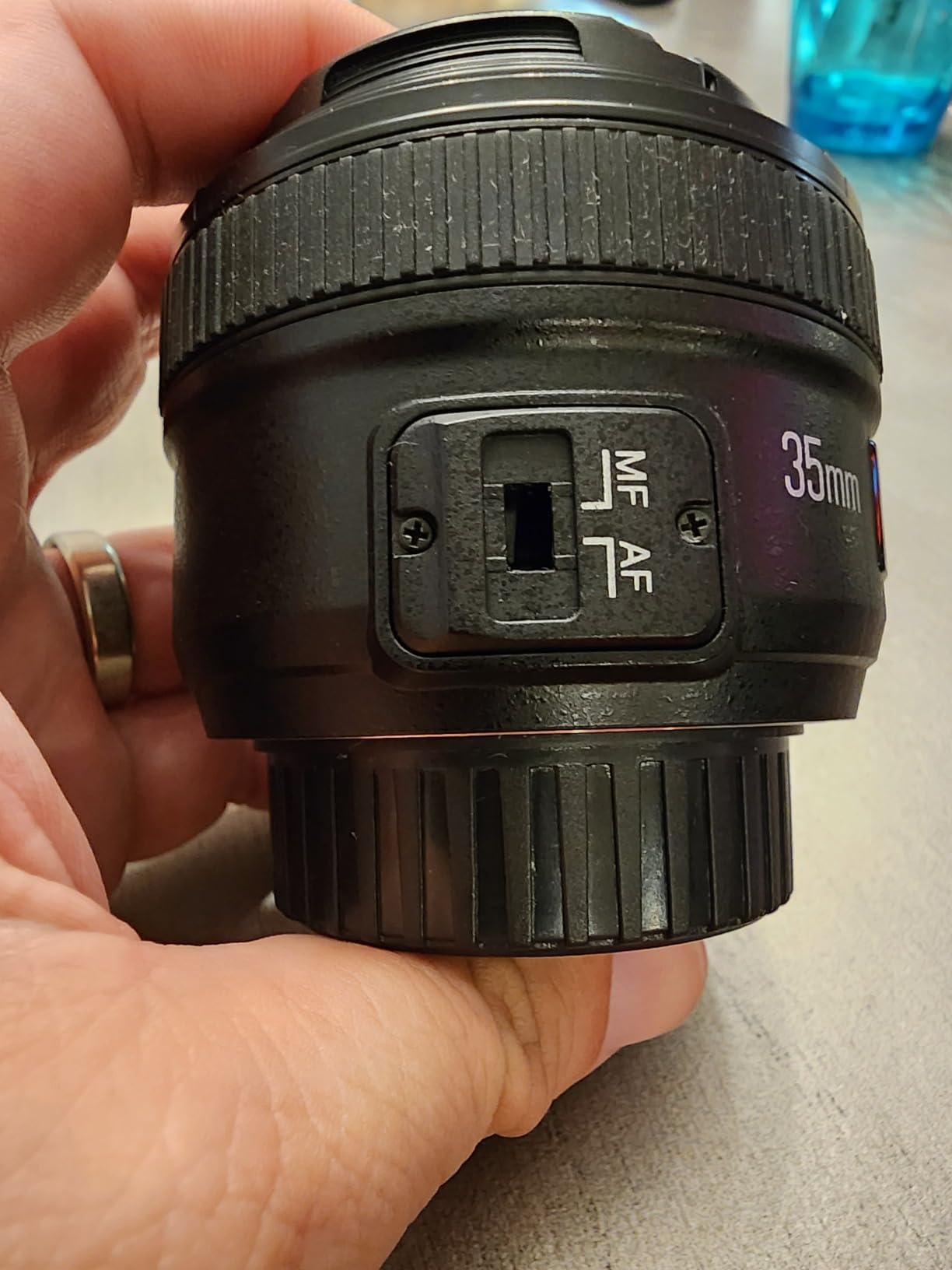
With 857 reviews and a 4.4 average, this is one of the smaller samples here, and buyers are mainly Nikon DSLR owners adding a second, wider lens beside a kit zoom. If you shoot street and you already have a normal prime, this is the one to add next.
Every mistake I have seen beginners make with a prime comes down to one of four decisions: focal length, aperture, autofocus, and mount. Get those right in that order and the lens choice makes itself. Here is how we think through each one.
Print the number on the lens and you will be misled, because the same focal length produces a completely different image depending on the sensor. Convert to the full-frame equivalent before you decide anything, using the crop factor below.
Micro Four Thirds crops by 2x, Canon APS-C by about 1.6x, and most other APS-C bodies by 1.5x. So a 50mm becomes a 50mm equivalent on full frame, roughly 75mm on Sony APS-C, about 80mm on Canon APS-C, and 100mm equivalent on Micro Four Thirds. That single table explains why the Canon EF 50mm feels like a portrait lens to APS-C users and a normal lens to full-frame users.
Once converted, pick the framing you actually want. Roughly 24mm equivalent or wider suits interiors, street groups and cramped environments. Around 35mm to 40mm equivalent is the flexible choice for travel and candid work. Around 50mm equivalent is the classic normal lens for street and everyday photography. Beyond 85mm equivalent you are committing to portraits, details and distant subjects.
Maximum aperture is not a quality score. It is a description of how much light the lens gathers and how thin your depth of field becomes. f/1.8 gathers roughly four times the light of f/5.6, and it blurs backgrounds far more aggressively.
For most beginners the practical sweet spot is f/1.8 to f/2. Fast enough to shoot indoors and at dusk without cranking ISO, wide enough to separate a subject from its background, and not so wide that holding both subject and background in focus becomes a daily fight. If a prime makes you stop photographing because you cannot keep the frame sharp, it is too fast for you.
One practical warning: in bright midday light, a very fast prime will overexpose constantly. Carry a two or three stop ND filter and the problem disappears, which is why filters are worth adding to your kit alongside a fast prime.
Buy autofocus. That is the honest verdict, and it is worth defending. Every fast prime in this roundup has autofocus, and the manual-focus alternative is where beginners tend to give up. Forum discussion tends to split cleanly here, with some photographers describing manual focus as encouraging creativity and others calling it a deal-breaker for anything that moves.
Manual focus primes are genuinely appealing: they are far cheaper, they have aperture rings and distance scales, and nothing about them will ever break. The counterargument is that learning to focus a thin lens wide open in poor light is a slow way to learn composition, and at f/1.8 the tolerance is measured in millimetres.
If you want to try one anyway, use focus peaking or manual focus assist on your camera, stop down to f/4 while learning, and treat it as a second lens for static subjects rather than a replacement for your main one.
Match the mount exactly. The same lens name exists in EF, RF, F, Z, E, X and Micro Four Thirds versions, and buying the wrong one is the single most common wasted purchase beginners make.
Adapters exist for older glass on newer bodies, but they add cost, weight and often autofocus behaviour you have to verify. Nikon Z and L-mount shooters looking at EF or E-mount glass should assume a step down in autofocus speed and check the specific combination before buying. For a beginner, spending that money on a native lens is almost always the better decision.
Full-frame versus APS-C matters here too. A lens built only for a smaller sensor may not cover a full-frame sensor properly at all, which is the situation with the Sigma 30mm in this roundup. Know which format you are committing to before you buy.
Used market pricing dominates conversation in this category, and a hazy or fungused lens is a common trap. Hold the lens up to a bright light and look for haze that scatters evenly, and for fungus that appears as a dark, branching patch. Both kill contrast permanently.
Work the focus ring through its full travel and listen for a gritty feel, and cycle the aperture through every stop looking for oil on the front element. Check the mount for wear and the contacts for scratches or corrosion, and confirm the lens focuses cleanly on your specific body before the return window closes. If you are buying video-focused glass, listen to the autofocus motor as well.
Our budget cinema lens guide covers the manual-focus side of the market if your interest is video rather than stills photography.
The Canon EF 50mm f/1.8 STM is the most dependable first prime for most beginners, because it is quiet, light, sharp in the centre and available in a mount range that covers most Canon bodies. If you shoot Sony E APS-C, the Sigma 30mm f/1.4 gives you a brighter aperture. If you shoot Micro Four Thirds, the Panasonic LUMIX G 25mm f/1.7 is the value pick. Buy the one that matches your mount and your preferred framing.
Yes, for most beginners. A prime gives you a wider maximum aperture, which means more light, better low-light performance and background blur that a kit zoom cannot produce at the same money. You give up the ability to zoom, so the right approach is to keep your kit zoom and add a prime rather than replacing it.
A 50mm f/1.8 is good for street photography, portraits, travel, indoor work and everyday shooting. The wide aperture keeps shutter speeds fast in low light and blurs backgrounds so your subject stands out. On an APS-C body it behaves like roughly a 75mm or 80mm lens, which makes it especially good for portraits, and on Micro Four Thirds it frames like a 100mm.
A 50mm is simpler because it mimics natural perspective, so a 35mm is better if you want wider environmental frames, more room to work in tight spaces, or a viewfinder that shows more of the scene. Convert both to full-frame equivalent before deciding, because a 35mm on full frame is a very different lens from a 35mm on a crop sensor.
They work physically, since almost any lens with a mount will fit, but the experience depends on the body. Most mirrorless cameras offer focus peaking, magnification and manual focus assist that make manual focusing far easier than on an DSLR. Manual focus primes also have an aperture ring and usually cost less, but they take practice in low light and are poor for moving subjects.
Buy a lens, not a body upgrade, and choose one fast prime with a wide maximum aperture. It teaches you aperture, gives you background separation, and works in the low light where your kit zoom struggles. Keep the kit zoom for reach and wide angles rather than selling it, and add a hood and a two or three stop ND filter once you have the prime.
If you shoot Canon DSLR or EF-mount mirrorless, the Canon EF 50mm f/1.8 STM is the pick. It is the most proven choice in this roundup, quiet enough for video, light enough to carry all day, and sharp enough to grow into.
If you shoot Sony E on APS-C and want the most light and the smoothest bokeh, go with the Sigma 30mm f/1.4. Accept that 30mm frames tighter than you expect, and commit to the format while you have it.
If you shoot Micro Four Thirds, the Panasonic LUMIX G 25mm f/1.7 is the value pick that gives you a 50mm equivalent view at 125g. If you shoot full-frame Sony, the FE 50mm f/1.8 is small and dependable once you update its firmware. Canon RF shooters should take the native RF 50mm f/1.8 STM rather than adapting EF glass. Nikon Z owners get an unusually small 40mm f/2, and Fujifilm shooters get the XC35mmF2, which reviewers say punches well above its weight.
Nikon F DSLR owners on a tight budget have two routes: the YN50mm f/1.8N for a normal lens with a distance scale, or the YN35mm f/2 if street framing matters more to you. Canon EF owners on the smallest possible budget can start with the YN50mm f/1.8 and upgrade later.
Whatever you choose, keep the kit zoom. A prime plus a zoom is a two-lens kit that covers almost everything, and adding a hood and a two or three stop ND filter will make you shoot more than the lens alone encourages. That is the whole game in 2026: one fast, small, sharp lens that changes how you see.