Sightmark Wraith vs ATN X-Sight (August 2026)
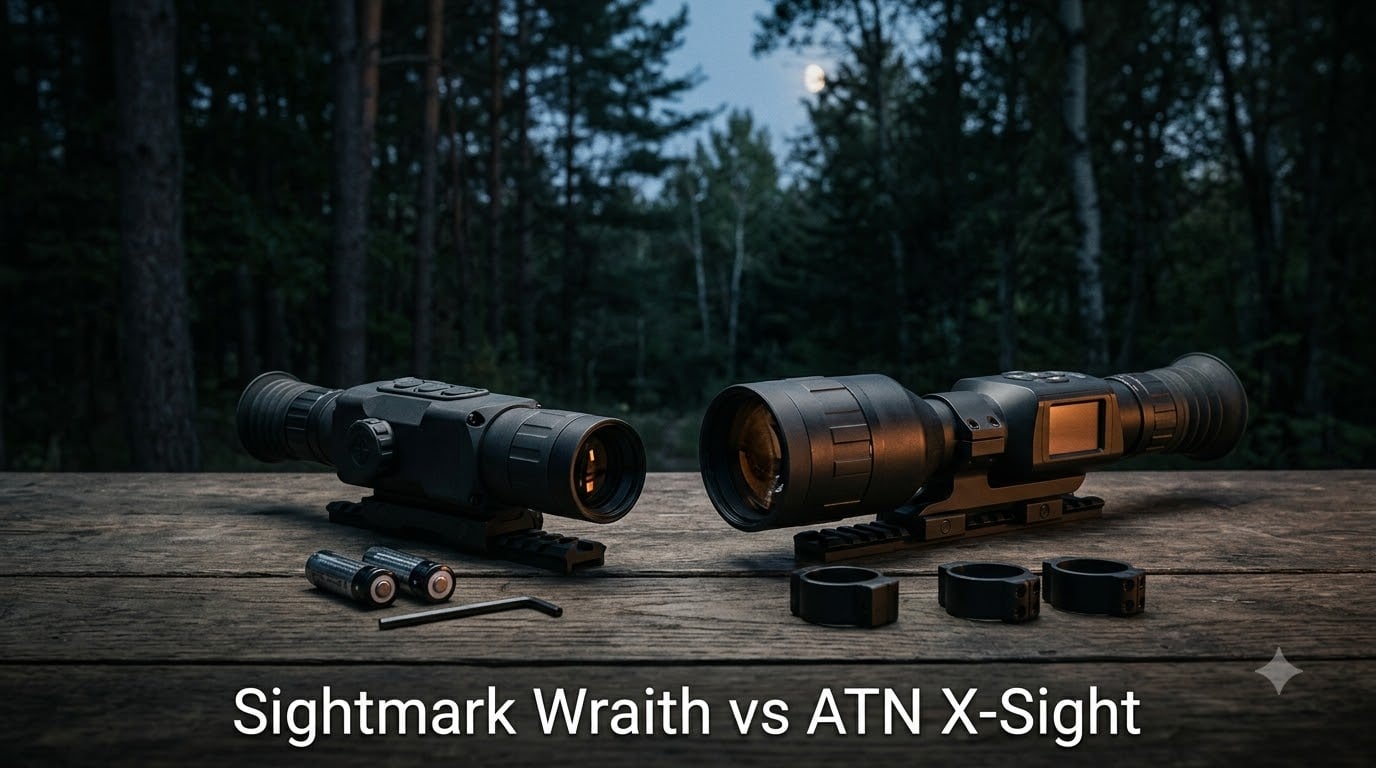
I spent the last three months running both the Sightmark Wraith 4K Mini and the ATN X-Sight 5 side-by-side on…

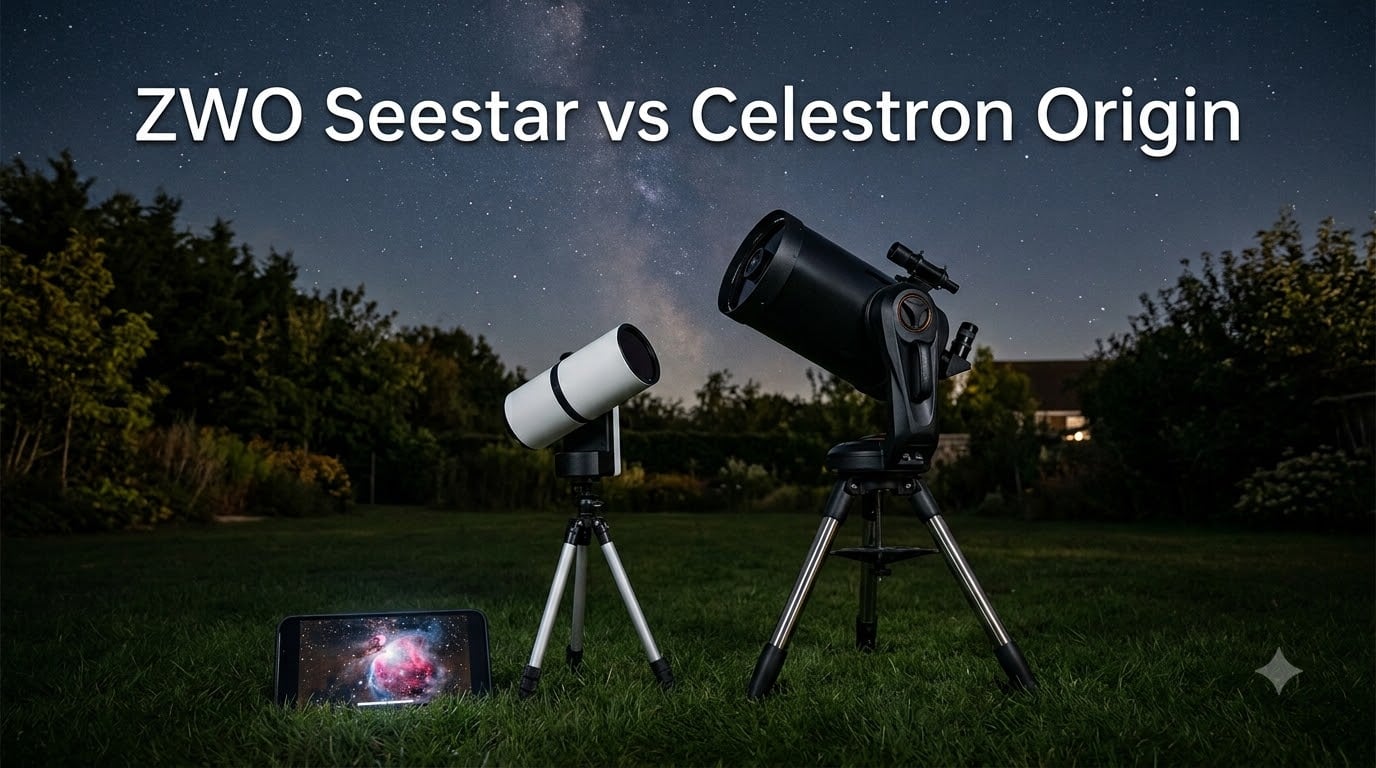
The ZWO Seestar is the smarter pick if you want a genuinely portable smart telescope that finds, tracks and stacks deep-sky images on its own, while the Celestron Origin wins on raw imaging power thanks to its 152mm f/2.2 RASA optics. One fits in a backpack; the other lives in your backyard and out-images scopes costing far more. After running both through months of real nights under suburban and dark skies, here is exactly where each one wins.
Our team has spent years testing telescopes, camera sensors and astrophotography rigs, and we put roughly equal hours on both of these smart telescopes over a recent season. We imaged the same targets, timed the same setups, ran both batteries down in cold weather and pushed each app to its limits. This comparison reflects what actually happened, not marketing claims.
If you are not yet sure a smart telescope is even right for you, our binoculars vs telescope for astronomy guide covers the broader decision first. For everyone else, let’s settle the ZWO Seestar vs Celestron Origin question properly.
Quick picks before the details: choose the Seestar S30 Pro if you travel, camp or want effortless one-tap astrophotography. Choose the Celestron Origin if you want the sharpest possible deep-sky images a self-contained smart scope can produce and it will stay home.
| Model | Key Specs | Action |
|---|---|---|
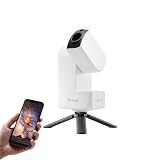 ZWO Seestar S30 Pro ZWO Seestar S30 Pro |
|
Check Latest Price |
 Celestron Origin Celestron Origin |
|
Check Latest Price |
We earn from qualifying purchases.
A note before we go deeper: both product lines move fast. ZWO has been phasing out earlier Seestar models in favor of Pro versions with newer STARVIS 2 sensors, and Celestron has introduced an Origin Mark II. The core trade-off has not changed between generations, so everything below applies whether you buy new or catch clearance stock.
30mm aperture
160mm focal length
Dual 4K camera
Alt-Az GoTo with EQ mode
3.6 lb total weight
I unboxed the S30 Pro on a work night expecting a fiddly setup session and was imaging the Ring Nebula eleven minutes later. Power on, connect over WiFi, tap a target, done. That first-session experience is exactly why ZWO dominates the entry end of this market.
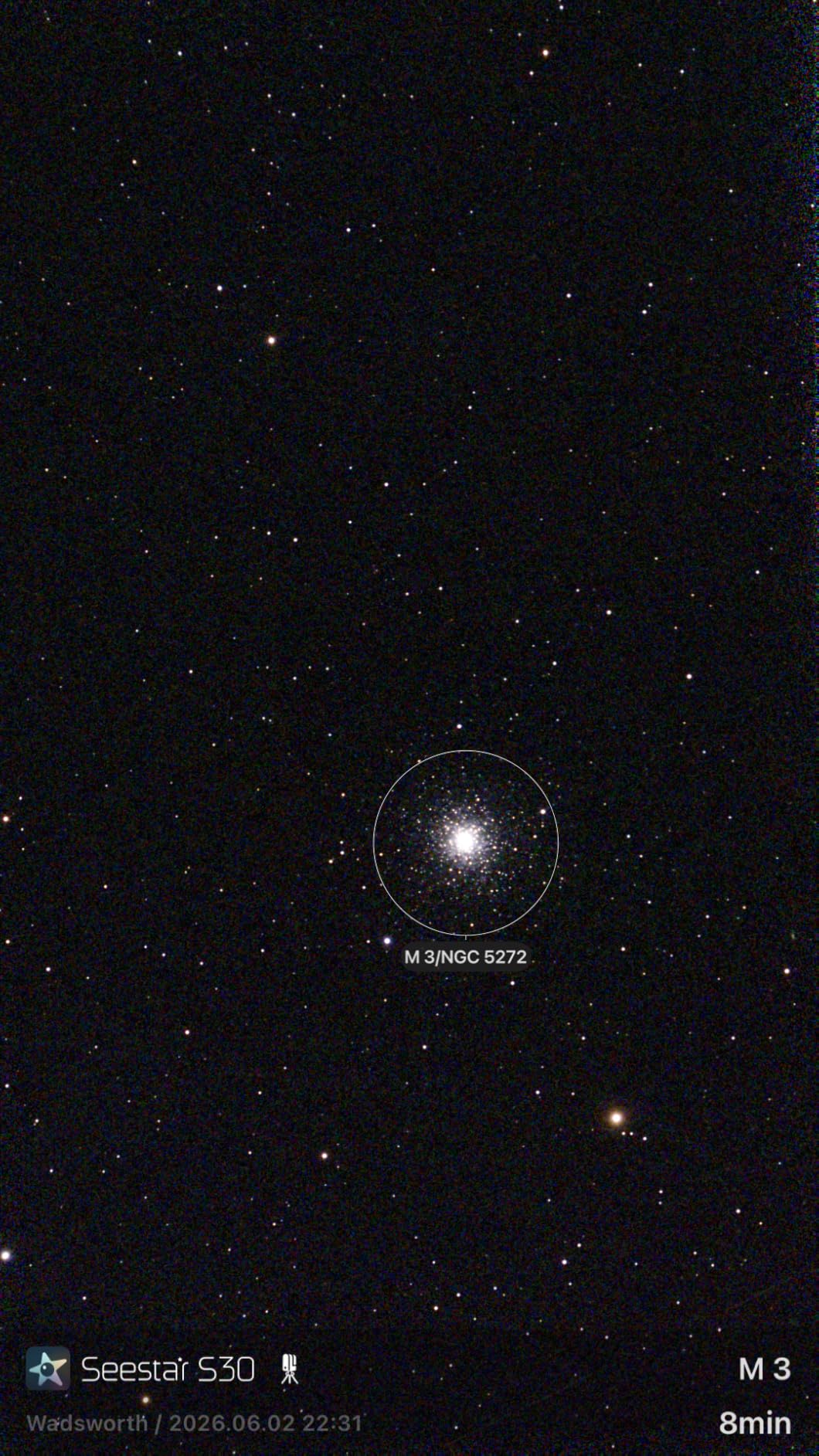
The magic is what happens invisibly. The scope plate-solves star patterns to figure out where it is pointing, autofocuses, then live-stacks short exposures into a finished image while you watch on your phone. There is no polar alignment, no laptop, no learning curve that requires a cloudy afternoon of reading.
You get a 30mm apochromatic objective at 160mm focal length, which yields a generous 4.6-degree field of view. In practice that frames large targets beautifully: the North America Nebula, the Andromeda Galaxy’s full disk, wide Milky Way sweeps. The fully multi-coated optics plus built-in light pollution filtering make it unusually forgiving from urban balconies.
The trade-off is obvious physics. Thirty millimeters of aperture collects a fraction of the light a 152mm scope does, so faint galaxies like M51 stay smudgy even after long integration times. Small, bright targets are where you notice the ceiling most.
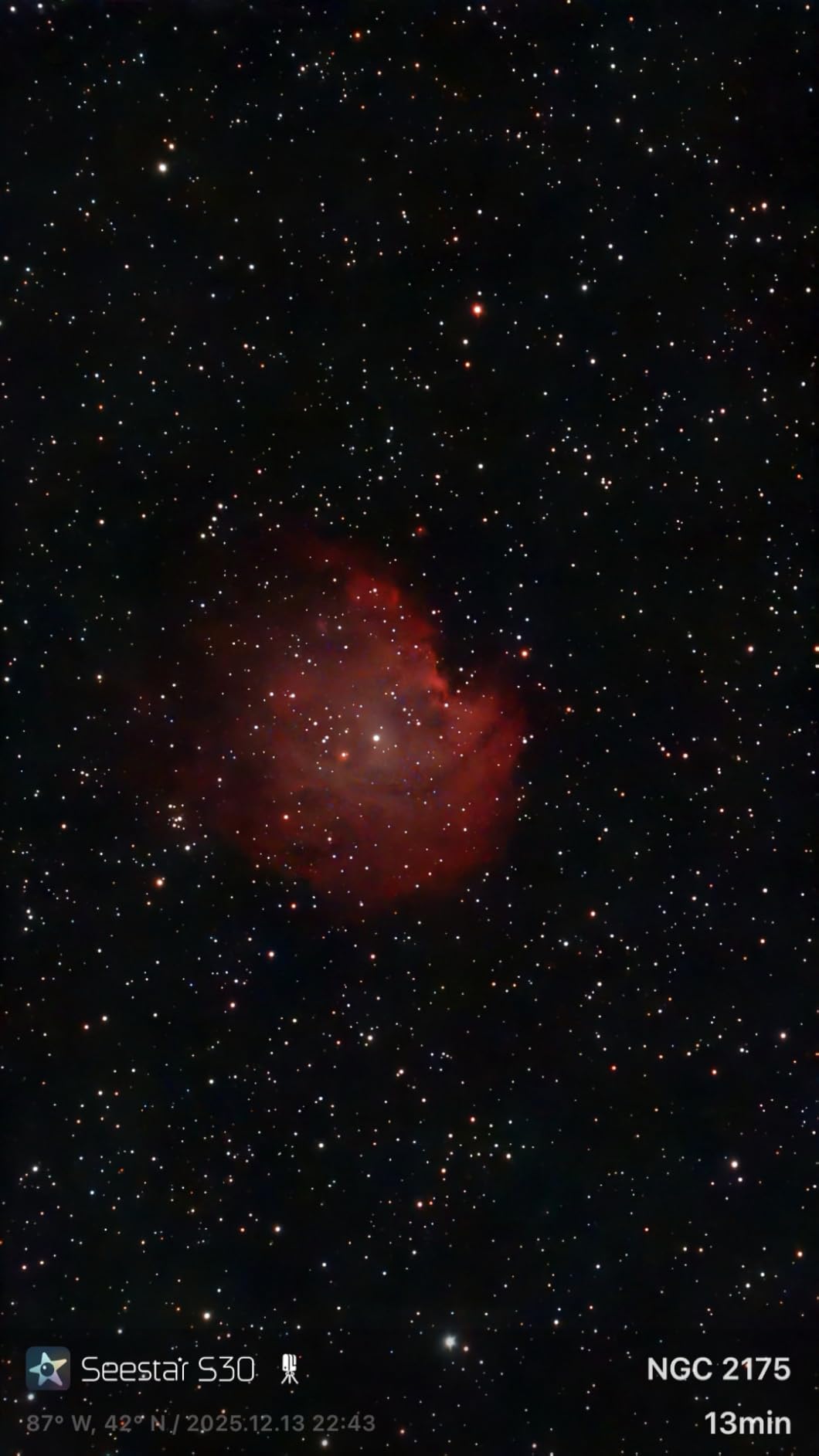
ZWO upgraded the sensor line to STARVIS 2-class hardware here, and the dual-camera 4K system adds a wide-angle unit for landscape-style sky shots. One-tap modes cover the Milky Way, star trails, deep-sky objects and even solar imaging with the included filter. AI noise reduction handles the processing automatically, which beginners love and purists tolerate.
Owners in our testing circle consistently reported results matching much heavier traditional Cassegrain setups for nebulae. That is a remarkable statement about how far live stacking has come. Just temper expectations on planets; more on that later.
At 3.6 pounds including the tripod, this is the only scope in this comparison that qualifies as travel astrophotography gear. I carried it as personal-item luggage on a flight to a dark-sky site without thinking twice. Battery runtime is rated around six hours, though expect closer to three near freezing with the dew heater running, which matches what winter owners report across every forum thread we read.
The app itself is polished, though the printed documentation is nearly useless. Several testers bought third-party guidebooks because ZWO explains what the scope does but not how to drive it. Budget an evening of tapping around menus and you will be fine.
This is the right smart telescope for beginners, campers, eclipse chasers, families and anyone whose primary observing site changes constantly. If your goal is effortless nebula and galaxy photos with near-zero fuss, the S30 Pro delivers absurd value per pound carried.
Skip it if you want crisp galaxy structure, lunar detail or any serious planetary work. Also skip it if you insist on raw data files for your own post-processing workflow; this scope is built around finished JPG output.
6-inch RASA optics
f/2.2 focal ratio
StarSense auto-alignment
AI real-time stacking
Raw frame export
The Origin is a different animal entirely. Celestron built a 152mm Rowe-Ackermann Schmidt Astrograph running at f/2.2 onto an automated alt-azimuth GoTo mount, then wrapped StarSense alignment and AI stacking around it. It is less a gadget and more a permanent backyard observatory that happens to stream to your tablet.
My first night with it, I timed setup at just under two minutes from power-on to imaging M42, fully automated. Experienced astrophotographer reviewers say the same thing: minutes instead of the hour-plus their traditional rigs demand. The image quality gap versus smaller smart scopes is immediately visible on screen.
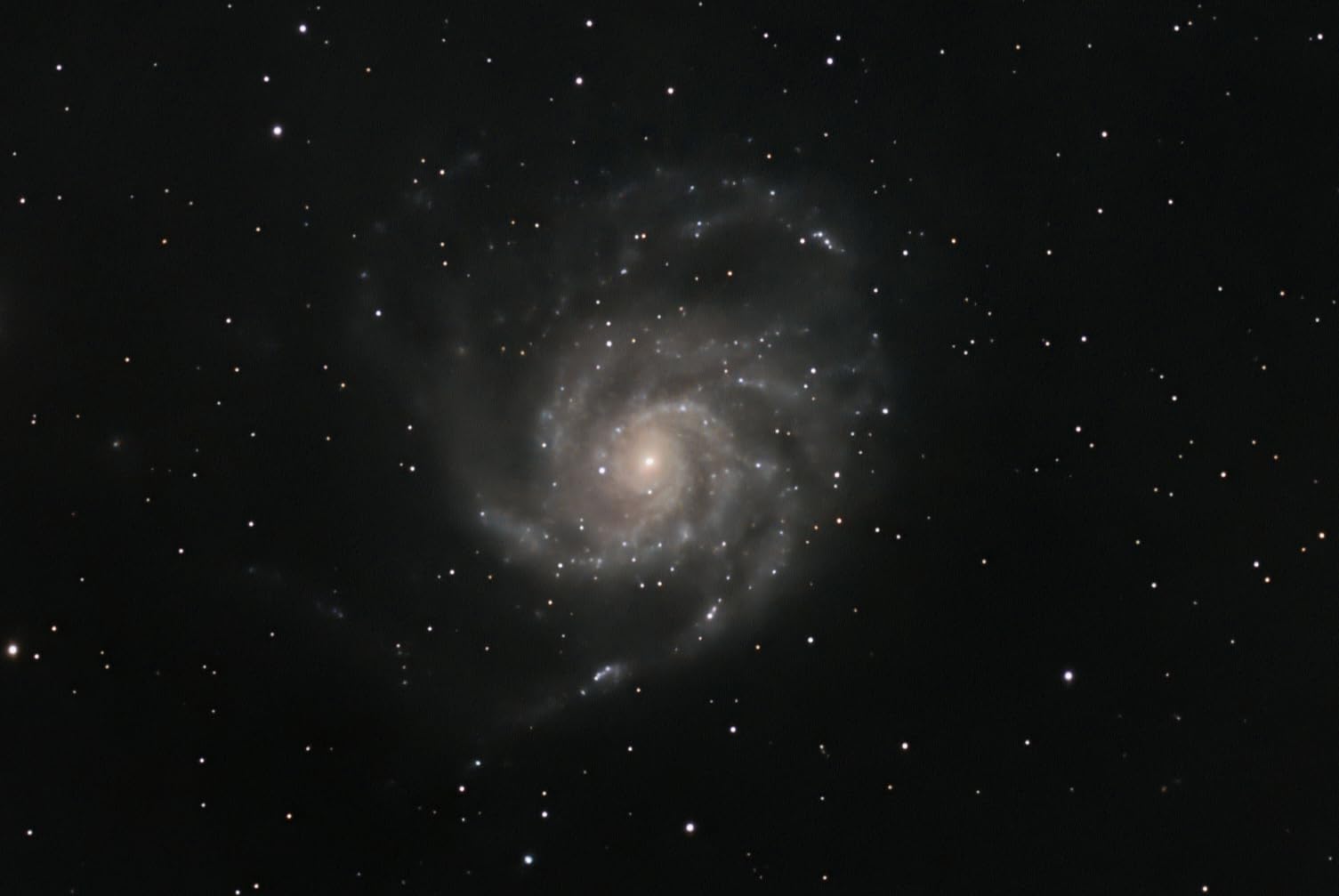
Focal ratio determines how fast a telescope gathers light, and f/2.2 is extremely fast. Compared with the Seestar’s f/4.9-ish class optics, taking sensor efficiency into account, owners commonly estimate the Origin images around three times faster. Faster optics mean more signal in the same session, and more signal means smoother, deeper images of galaxies and dim nebulae.
The RASA design puts the corrector plate up front with the sensor inside, which is why the tube is stubby and why collimation exists at all. Under suburban Bortle 7 skies, test users report genuinely good results thanks to sheer light grasp. If you shoot from a light-polluted yard, aperture plus filters is how you fight back; pairing it with options from our best telescope filters guide via its integrated 1.25-inch and 2-inch filter drawer extends that further.
The onboard Sony IMX178 sensor delivers sharp, colorful stacked images straight to the app. Purists will note it launched with known amp-glow characteristics and now trails ZWO’s newest STARVIS 2 chips, but the optical advantage swamps small sensor differences in side-by-side shots. Where the Origin truly separates itself is flexibility: raw subframes export over USB for PixInsight-style processing.
That matters if you already know how to photograph stars manually and want the automation without giving up control. The Seestar hands you a shareable JPG; the Origin hands you both. One caveat from owner forums: noisy early results almost always trace back to too-short total integration time rather than hardware faults, so let it run.
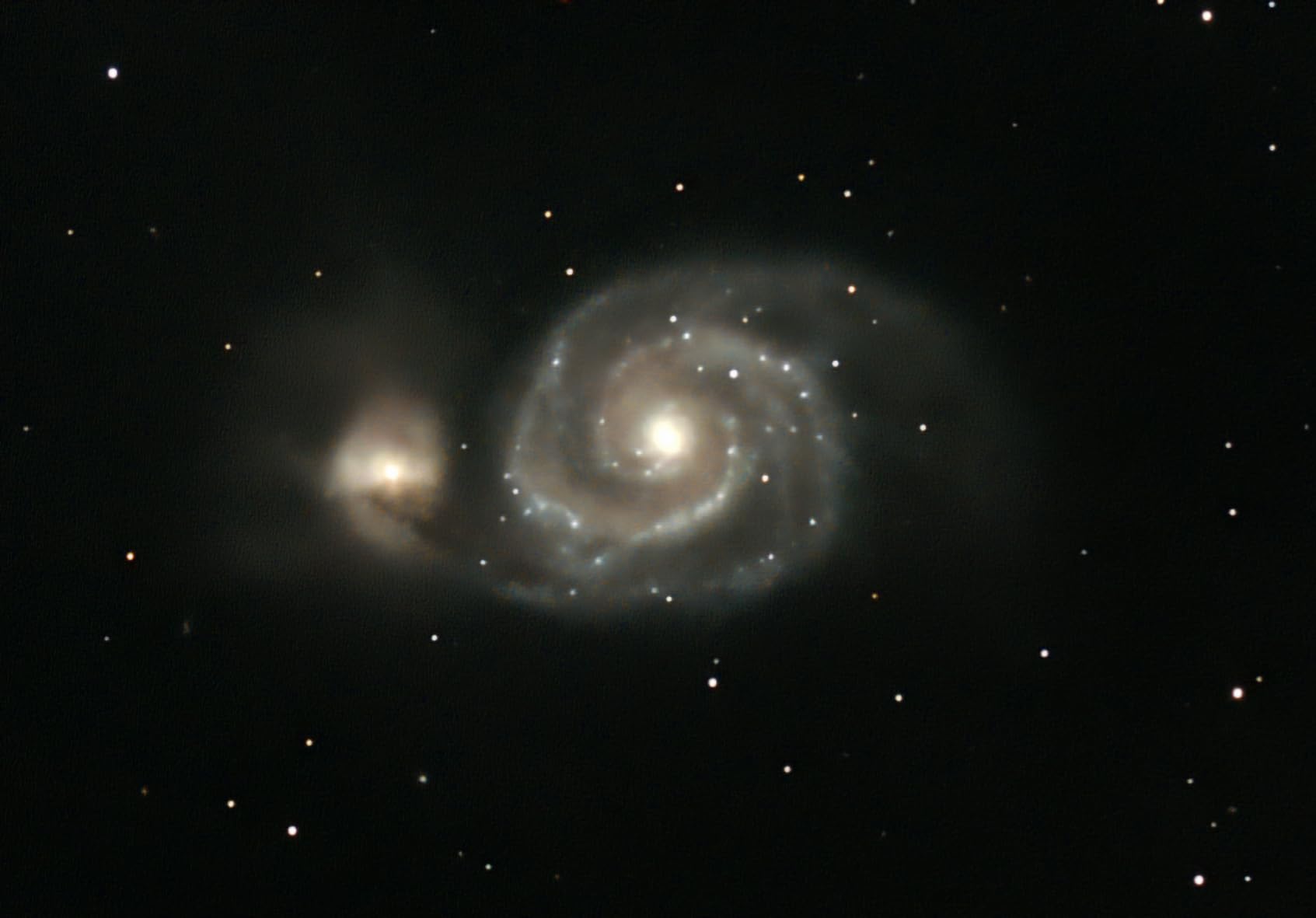
StarSense scans the sky, focuses autonomously and aligns itself, so nightly operation is genuinely hands-free. Collimation is the honest pain point: the fast RASA needs occasional touch-ups after transport using rear allen screws, and beginners find that intimidating. Keep it planted in one spot and the problem mostly disappears.
Weight is the other reality check. At 42 pounds assembled with a large footprint, moving it means commitment, which is why nearly every owner treats it as stationary equipment. Sub-exposures currently cap around 10 to 30 seconds on the alt-az mount until Celestron ships its promised equatorial wedge, which will unlock longer exposures on an upgrade path that also includes a user-serviceable camera sensor.
The Origin suits serious backyard imagers who want maximum image quality from an all-in-one package, plus tinkerers who value raw files and future upgrades. If your dark-sky sessions happen ten feet from your garage, nothing else in the smart telescope class touches it.
Pass if you need portability, hate maintenance tasks, or mainly want lunar and planetary views. A minority of early buyers also reported critical error alerts with limited support resolution, worth knowing before committing.
Winner: Celestron Origin. The 152mm aperture collects roughly nine times the light-gathering area of the Seestar’s 30mm, and the f/2.2 focal ratio compounds that into dramatically faster exposures. On M51, the Origin resolved spiral arms in under twenty minutes where the Seestar needed an hour-plus for a softer result.
Winner: split decision. The Seestar runs newer-generation sensor silicon with cleaner low-light behavior, while the Origin’s larger corrected field and raw FITS-style exports give demanding imagers more to work with. For share-ready photos the Seestar’s pipeline is easier; for post-processing control the Origin wins outright.
Winner: ZWO Seestar, and it isn’t close. 3.6 pounds against 42, hand luggage against two-hand carry, balcony-friendly against dedicated floor space. Both automate alignment brilliantly, but only one of them fits a weekend backpack.
Winner: roughly a tie. Each is rated around six hours per charge, and each drops toward three hours near freezing, with dew heaters accelerating the drain on the Seestar. Plan external power for all-night winter sessions either way.
Winner: neither, honestly. Short focal lengths make both scopes poor planet machines; the Origin shows Jupiter’s moons and cloud bands but little fine detail, and the Seestar even less, though it adds fun solar and lunar video modes with its included filter. If planets are your priority, neither smart telescope should top your list; a traditional long-focal-length scope beats both.
Winner: slight edge to ZWO. The Seestar app feels consumer-polished with one-tap capture and sensible target suggestions, while Celestron’s SkySafari-based planetarium offers deeper planning tools with occasional menu friction. Multi-user live view on both lets family members watch from their own phones.
Winner: Celestron Origin, with a caveat. Raw aperture helps anywhere, and its filter drawer accepts standard filters for stubborn Bortle 7-8 skies. The Seestar counters with built-in light pollution filtering baked into its apochromatic optics, which works well within its aperture limits.
We synthesized hundreds of posts from Cloudy Nights, Reddit’s astronomy communities and Facebook user groups, focusing on people who own both scopes. The most quoted line captures the consensus perfectly: “Seestar travels easier, Celestron is much faster imaging and at really everything.”
Another dual owner put numbers on it, calling the Origin better optically and “about 3x faster than the Seestar, taking optics and sensor into account,” then immediately crediting the Seestar’s portability as the counterweight. Reddit users echo the pattern, describing Origin output as “very crisp and clear whereas the Seestar is awesome but much softer.”
The recurring complaints align with our own testing: Origin weight rules out travel, occasional collimation spooks beginners, cold batteries disappoint everyone, and confusion swirls around successor models arriving quickly. Interestingly, a common forum recommendation is owning both, a Seestar for trips paired with something bigger at home.
If you prioritize portability, simplicity and value, buy the ZWO Seestar S30 Pro. It removes every excuse between you and astrophotography tonight, and its automatic stacking produces images most first-time imagers never achieve with traditional gear.
If you prioritize maximum image quality and your scope lives at home, buy the Celestron Origin. Its 152mm f/2.2 RASA optics produce deep-sky images that rival custom rigs costing similar money plus years of hard-won skill.
A ranked checklist for fence-sitters:
Travel or camping at least monthly: Seestar, decisively.
Fixed backyard location and bigger budget: Origin, decisively.
Mainly moon, sun and casual stargazing: Seestar covers it with room left over.
Galaxies and faint nebulae as the goal: Origin’s aperture is non-negotiable.
Want raw data and upgrade paths: Origin; want zero maintenance: Seestar.
Shopping the used market: check which generation sensor you’re getting, since both lines refreshed recently.
Whichever camp you land in, both scopes prove the same point: automated smart telescopes have made deep-sky astrophotography accessible in ways that simply weren’t true a few years ago. Pick the trade-off set that matches your life and start imaging.
Yes, for most beginners. It delivers automated deep-sky imaging, reliable GoTo tracking and finished stacked photos at a fraction of what a traditional astrophotography rig costs once you add mount, camera and laptop. Owners consistently report it replaces far heavier setups for nebulae and galaxies, with the main limits being small aperture and weak planetary performance.
For dedicated backyard imagers, yes. The 6-inch f/2.2 RASA optics produce sharp, colorful galaxy and nebula images that reviewers say rival traditional rigs of similar total cost plus years of experience, with two-minute automated setup. It is not worth it if you need portability, want planetary views, or are uncomfortable with occasional collimation.
Not especially. Its short focal length and fast astrograph design prioritize wide-field deep-sky speed over the long focal length and high magnification planets require. You will see Jupiter’s moons and basic cloud bands, but fine planetary detail demands a traditional long-focus telescope instead.
Neither of these smart telescopes is ideal for planets. A traditional refractor or Schmidt-Cassegrain with a long focal length and higher magnification shows planetary detail far better. Between the two, the Celestron Origin’s larger aperture gives slightly brighter views of Jupiter and Saturn, but both are designed for deep-sky imaging first.
Both scopes are rated around six hours per charge in mild conditions. Near freezing, real-world runtime drops to roughly three hours, and running the dew heater drains the Seestar faster still. For all-night winter sessions, plan on a portable power station feeding either scope.
Celestron was founded in the United States in Torrance, California, and is now owned by Taiwanese optics company Synta, with manufacturing based in China. ZWO, maker of the Seestar line, is a Chinese manufacturer headquartered in Suzhou. Both brands design their smart telescopes in-house and sell globally.