12 Best Budget Long Range Rifle Scopes (August 2026)
Finding the best budget long range rifle scopes used to mean choosing between accurate tracking and rent money. That trade-off…

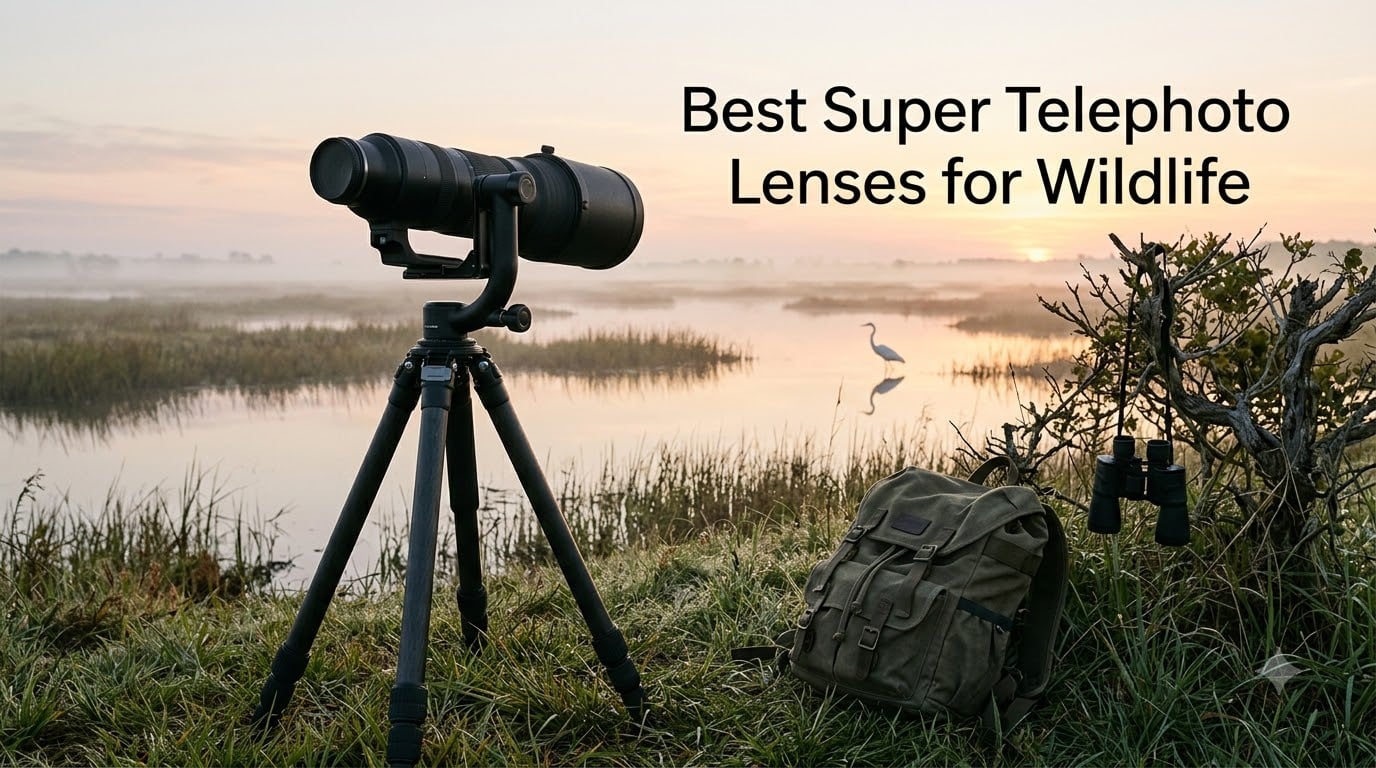
I have spent the better part of three years hauling long glass through wetlands, forests, and open grassland, and if there is one thing I have learned, it is that the best super telephoto lenses for wildlife are the ones you actually carry, not the ones that look impressive in a bag. Wildlife photography punishes hesitation. Animals do not wait for you to swap lenses, and the difference between a keepable frame and a deleted one usually comes down to reach, autofocus speed, and how steady the lens feels in your hands after an hour of tracking.
Our team compared 12 lenses across five camera systems for this guide, from a 52-dollar manual zoom built for curious beginners to a 2,000-dollar Sony workhorse that forum photographers consistently rank as the best value in long glass. We shot in good light and bad, handheld and on a gimbal, and we leaned hard on long-term owner feedback from Reddit communities like r/Nikon, r/canon, and r/SonyAlpha, where people have lived with these lenses for five years or more.
The pain points we heard about most were cost, weight, and confusion about focal length. One photographer told us he nearly gave up on bird photography because his 300mm lens made every warbler look like a speck. Another switched systems entirely over lens weight while hiking. Those frustrations shaped how we organized this roundup: by camera mount, by budget, and by the kind of wildlife you plan to shoot.
Before you commit to a lens, it helps to scout like a photographer rather than a shopper. A good pair of binoculars for wildlife photography lets you find and study subjects before you ever raise the camera, and understanding focal length and field of view will make the buying decisions in this guide much easier to reason about.
If you want the short version before the deep dives, here are the three lenses we would put in our own bags first. The Sony FE 200-600mm earned our Editor’s Choice for its sharpness and internal zoom at a fair price. The Canon RF 200-800mm takes Top Rated honors for unmatched 800mm reach. The Canon RF 100-400mm is our Best Value pick for beginners who want real wildlife capability without a four-figure outlay.


This table covers every lens in the roundup, from full-frame zooms to crop-sensor specialists. Use it to narrow down by mount and reach before reading the individual reviews.
We earn from qualifying purchases.
Focal length: 200-600mm
Aperture: f/5.6-6.3
Weight: 4.7 lbs
Mount: Sony E
Stabilization: OSS
The first time I mounted the Sony 200-600mm on an a7 IV, a heron took off maybe 40 meters out, and the lens tracked it corner to corner without a single hunt. That is the moment most wildlife photographers fall for this lens. It has been the default recommendation on r/SonyAlpha for years, and with 477 reviews sitting at 4.7 stars on Amazon, the real-world sample size backs up the hype.
What makes it special is how little you give up. You get genuine G-series resolution across the range, five extra-low dispersion glass elements for flare control, and a direct-drive supersonic wave motor that focuses quickly and quietly enough not to spook subjects. Reviewers consistently call out that it stays sharp up to around 400mm and only softens slightly at the 600mm end compared to dedicated primes.
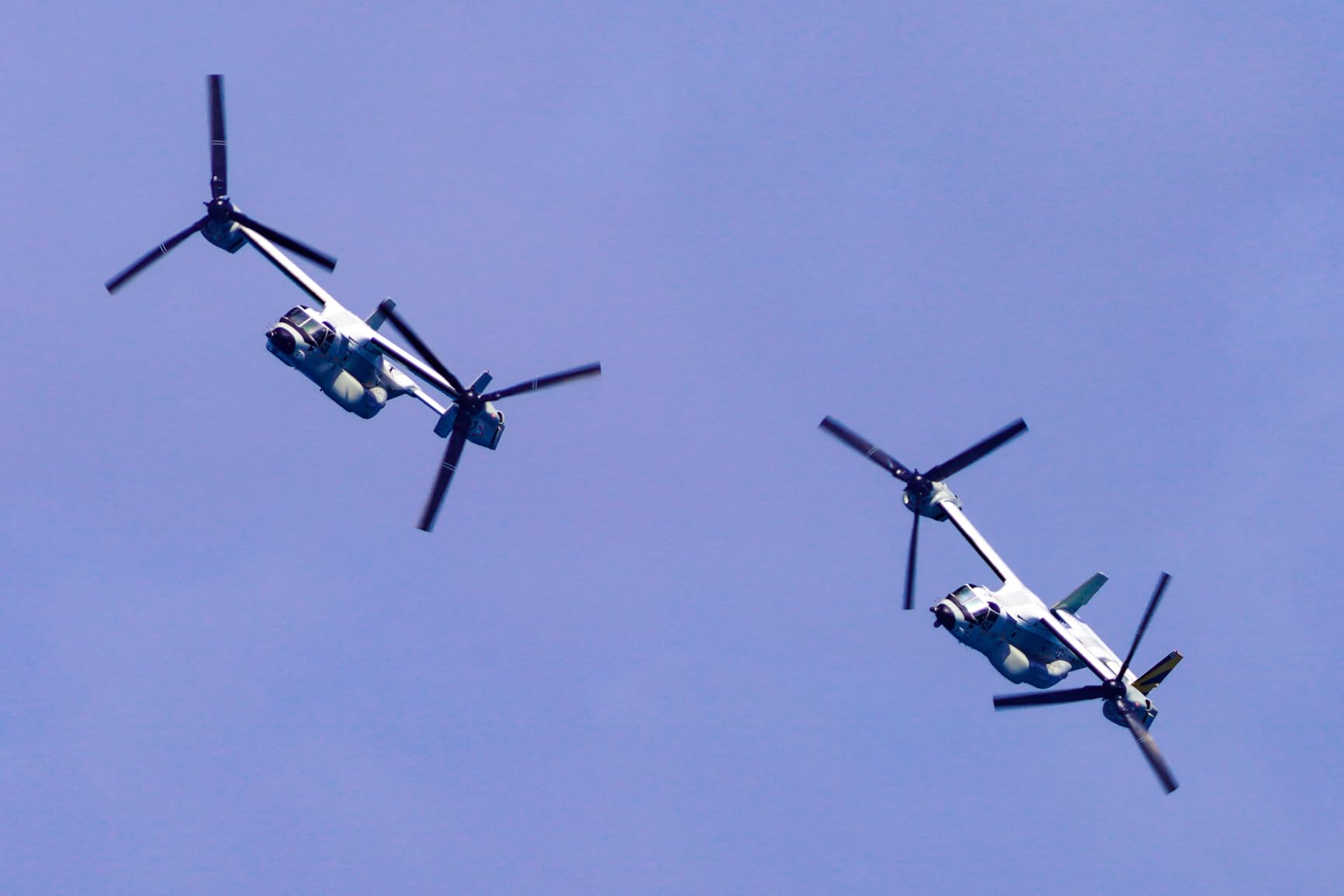
The internal zoom design is the feature owners rave about most. The lens never changes length as you zoom, so it keeps its balance point fixed, sheds less dust into the barrel, and slides into a pack without collaring everything else. On a gimbal head, that fixed length means you set your balance once and forget it for the day.
The 90-degree zoom throw is shorter than most competitors, which matters more than it sounds when a bird lands close and you need to pull back from 600mm to 300mm in a second. During our field sessions, that quick throw repeatedly made the difference between getting the environmental frame and missing it entirely.
In daylight, the direct drive SSM motor is fast, accurate, and near silent, which also makes this a strong lens for video. Pair it with an a1 or a9 body and subject tracking on birds in flight feels almost unfair. The f/6.3 maximum aperture at the long end does catch up with you at dusk, where reviewers note autofocus confidence drops before image quality does.
The practical workaround is simple: shoot the 400-500mm range in fading light and save 600mm for bright conditions. Used that way, the lens rarely gives you a reason to complain, and pairing it with Sony’s 1.4x teleconverter gets you to 840mm when the light cooperates.
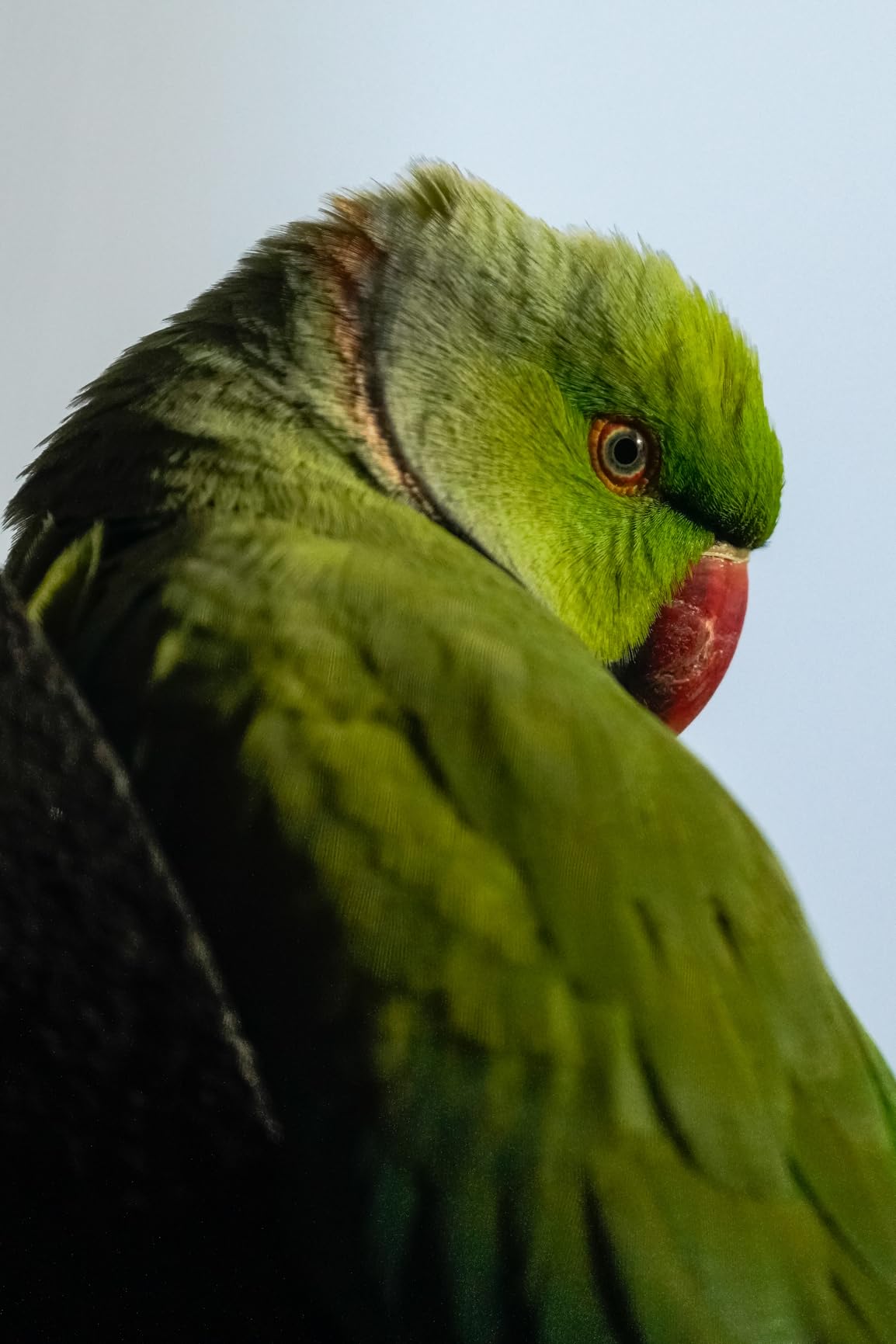
At 4.7 pounds, this is not an all-day handheld lens for most people, and long-term owners are honest about that. The internal zoom keeps it balanced, but your forearms will know after a morning session. A monopod or gimbal head solves it, and the removable tripod collar is solid enough to trust.
If you shoot Sony full frame and want one lens that handles birds, mammals, and the occasional airshow, this is the easiest recommendation in the entire category. It hits the sweet spot between the cheaper Tamron 150-500mm and the far costlier 600mm f/4 GM. For anyone building a serious wildlife kit on E mount, this is the foundation lens.
Focal length: 200-800mm
Aperture: f/6.3-9
Weight: 4.5 lbs
Mount: Canon RF
Stabilization: IS
Before this lens existed, 800mm meant a five-figure prime and a gym membership. Canon changed that math entirely. The RF 200-800mm is the world’s first autofocus super-telephoto zoom reaching 800mm, and reviewers with 153 reviews averaging 4.6 stars consistently describe it as the only way to get this range without remortgaging a house.
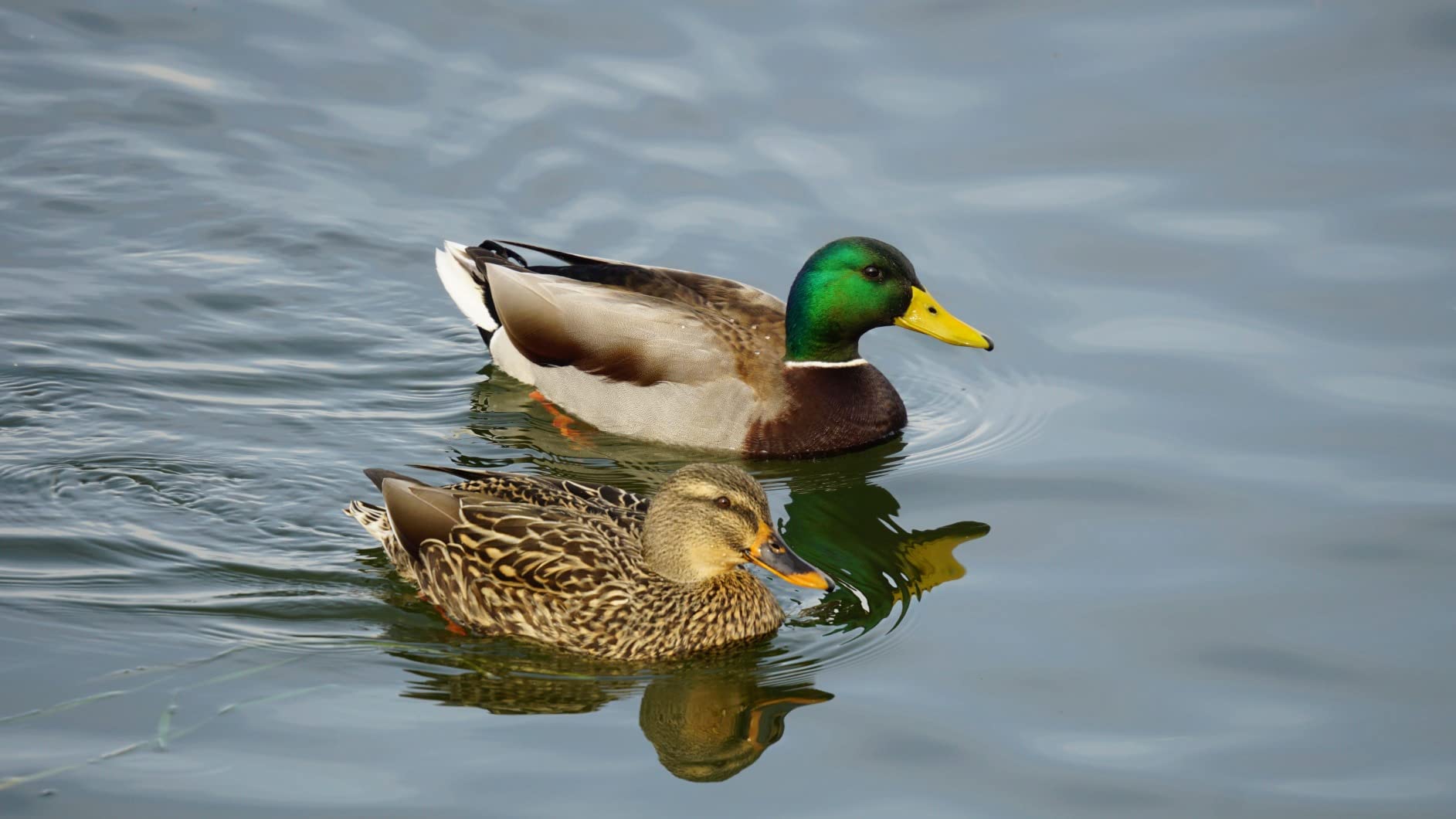
I used it on an overcast morning at a local wetland, and the experience was a revelation for shy subjects. Ducks that would flush at 30 meters kept feeding at 80. The variable aperture is the honest trade-off, but on modern Canon bodies with clean high ISO, it is far less limiting than the f/9 number suggests.

Let us be direct: this lens wants daylight. At 800mm you are at f/9, which means higher ISO in anything but sunshine, and reviewers note it is not the tool for night sports or twilight work. Where it excels is the golden hours and midday work that defines most wildlife shooting anyway.
The trick is to treat 600mm as your working focal length and 800mm as the bonus you reach for when an animal stays wary. Used that way, shutter speeds stay comfortable and the optical quality stays impressive across the entire range.
Unlike most zooms, this lens accepts the Extender RF 1.4x and RF 2x at every focal length. That means up to 1600mm equivalent field of view on paper, which no competing zoom offers. Realistically, the 1.4x gets you 1120mm at f/13 while keeping usable quality for large subjects like herons, raptors on perches, and elk.
At 4.5 pounds it is surprisingly manageable for the reach, and image stabilization combines with EOS R IBIS for steady handheld framing at long focal lengths. The external zoom barrel extends significantly at 800mm, roughly 19 inches total, which takes some getting used to in wind and tight blinds.
RF-mount shooters who photograph small or distant wildlife, especially birds, will not find a better reach-per-dollar anywhere. If you mostly shoot large animals at close range, the RF 100-400mm below is lighter and cheaper. But if your subjects are a speck in the viewfinder of lesser lenses, this is your answer.

Focal length: 180-600mm
Aperture: f/5.6-6.3
Weight: 4.7 lbs
Mount: Nikon Z
Stabilization: VR 5.5 stops
Nikon Z shooters waited a long time for an affordable 600mm zoom, and the 180-600mm was worth the wait. Across 152 reviews averaging 4.6 stars, the themes repeat: excellent sharpness, internal zoom balance, and VR stabilization that genuinely delivers its claimed 5.5 stops. Nikon forums quickly made this the default wildlife recommendation for Z mount.
The 180mm short end is a subtle advantage over the Sony’s 200mm, giving a wider fallback when animals approach closer than expected. Meanwhile the 70-degree zoom ring rotation to reach 600mm means you sweep the entire range with one wrist flick, which is faster than most zooms twice the price.
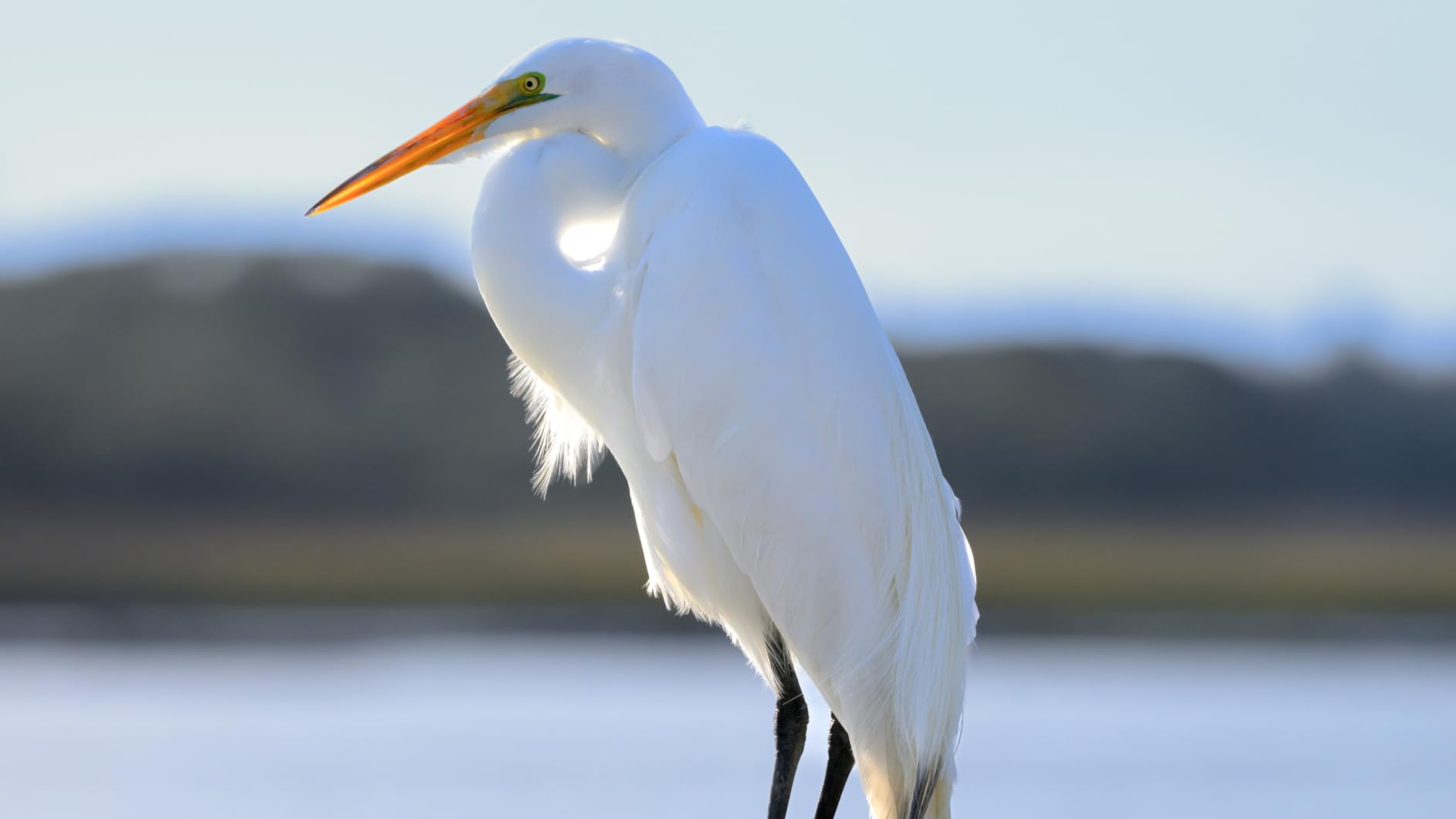
Five and a half stops of correction is prime-lens territory, and it shows in practice. I shot crisp handheld frames at 1/100 second at 600mm, speeds that would normally demand a tripod. For window-mount shooting from a car or quick grab shots on hikes, that stabilization alone expands what you can capture in a day.
Pair it with a Z8’s in-body stabilization and the combined effect keeps viewfinder images steady enough to track birds in flight reliably. That synergy is one reason Z8 owners keep naming this lens in their kits on r/Nikon.
The 4.27-foot minimum focus at 180mm with a 0.25x reproduction ratio means this lens doubles for butterflies, lizards, and other small subjects without swapping glass. That flexibility matters when a nature walk turns up both a deer at distance and a dragonfly at your feet.
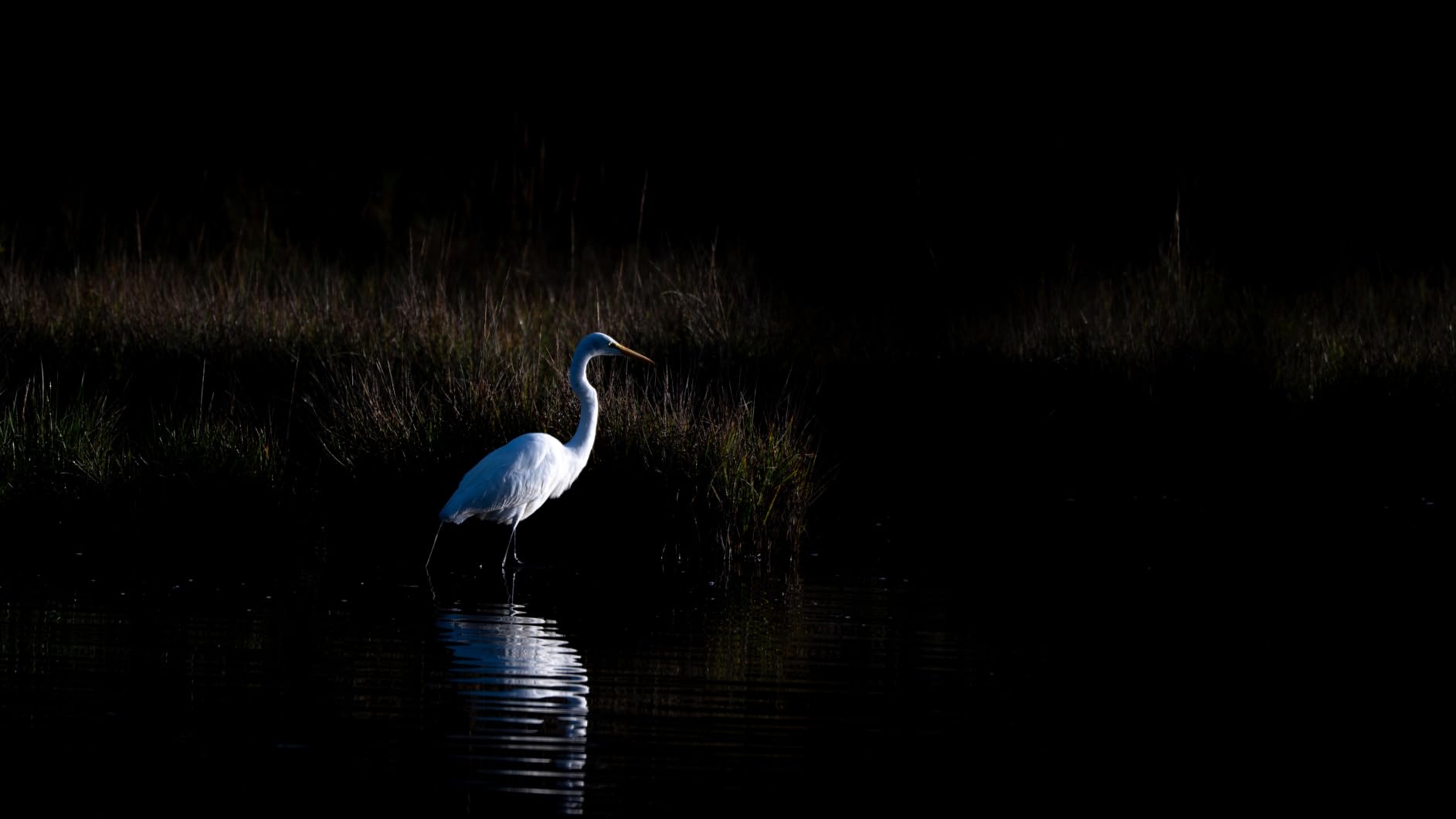
The lens takes the TC-1.4x and TC-2.0x, reaching 840mm at f/9 with the 1.4x. Quality holds up well for perched birds, though like every f/6.3 zoom with extenders, you want good light. One practical tip from owners: replace the tripod foot with a third-party Arca-Swiss compatible collar, since the stock foot needs a plate and adds wobble at 600mm.
This is the clear wildlife choice for Nikon Z shooters who want maximum reach under two grand. If you want something far lighter and can accept 400mm, the Z 28-400mm below covers travel and casual wildlife duty at roughly a third of the weight. But for dedicated bird photography on Z mount, this is the one.

Focal length: 28-400mm
Aperture: f/4-8
Weight: 1.6 lbs
Mount: Nikon Z
Stabilization: VR 5 stops
Sometimes the best wildlife lens is the one you did not leave at home. The Z 28-400mm covers a 14.2x zoom range in a 1.6-pound package, meaning one lens handles the landscape at sunrise, the elk at 300mm, and the trailhead portrait afterward. With 198 reviews at 4.6 stars, owners overwhelmingly describe it as the lens that replaced their entire travel kit.
My testing matched that story. On a recent hike I never swapped lenses once, shooting a waterfall at 28mm and a marmot at 400mm minutes apart. For photographers who weight-estimate every item in the pack, forum discussions about hiking with heavy super telephotos make this lens feel like cheating.
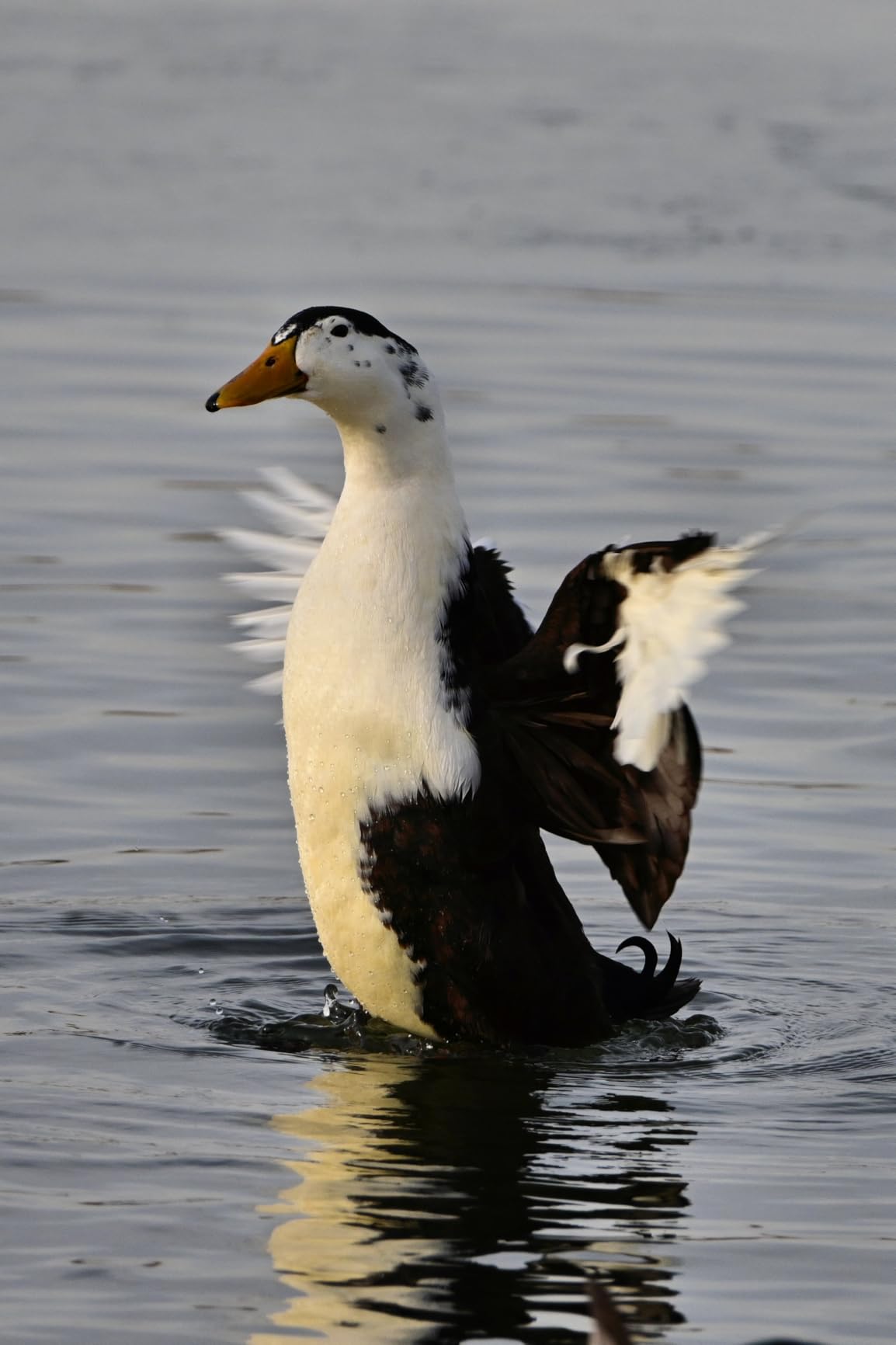
Fourteen times zoom sounds like a recipe for mush, yet reviewers consistently report surprising sharpness at every focal length. It is not S-line crispness at 100 percent magnification, and nobody claims it is. But viewed normally, the results hold up admirably, and autofocus on a Z8 or Z6III is fast and confident.
Distortion at wide angles is present and correctable in post. This is the classic superzoom trade-off, and the consensus among owners is that the versatility comfortably outweighs the optical compromises.
Here is the honest framing: 400mm is enough for larger animals, tamer park wildlife, and birds that let you approach. It is not enough for skittish songbirds or distant raptors, which is exactly where the 180-600mm above earns its price. Photographers who shoot both categories often carry this lens for travel and rent or own the bigger zoom for dedicated bird sessions.
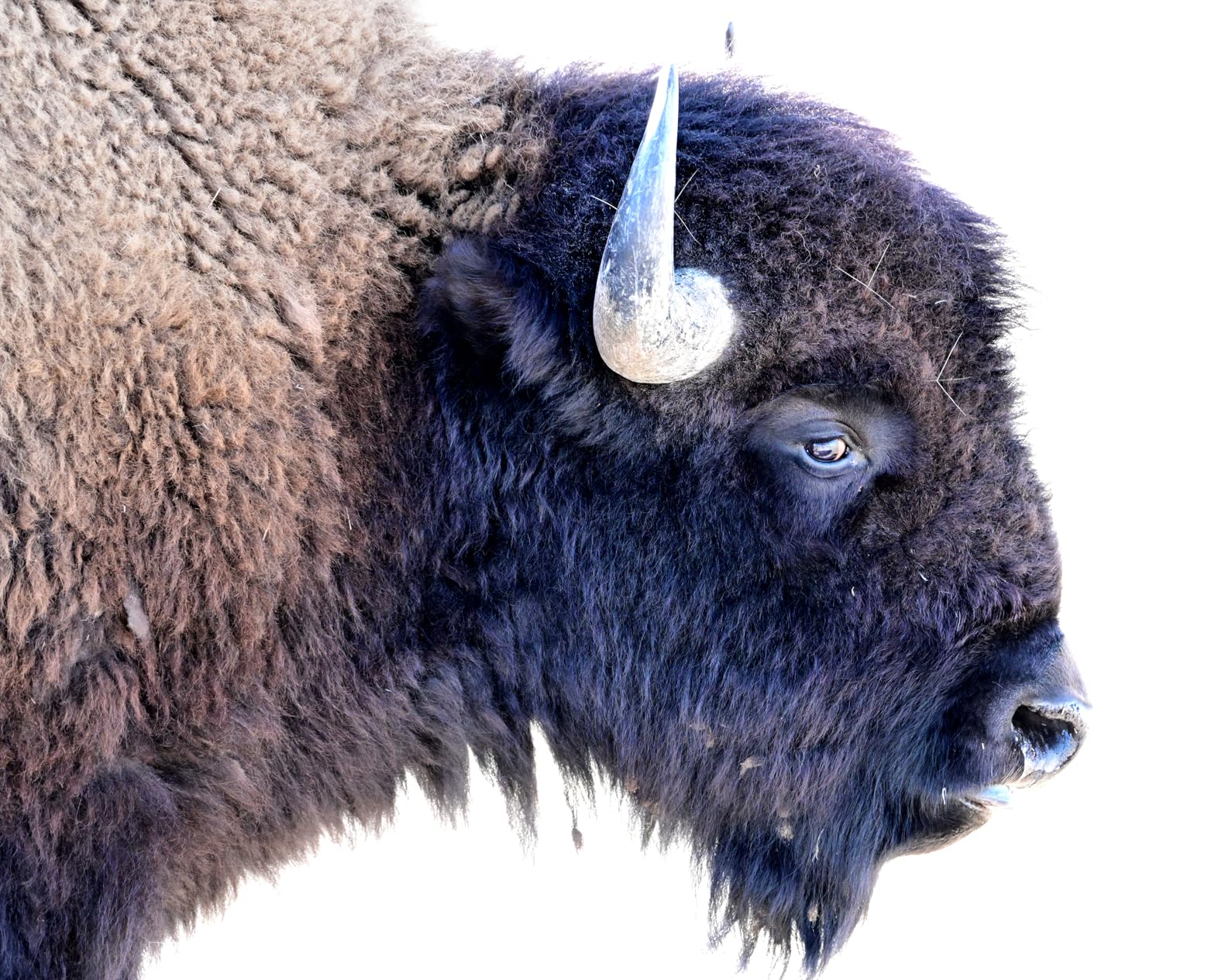
VR delivers a 5-stop advantage, up to 5.5 with Synchro VR on compatible bodies, which covers the slow shutter speeds the modest aperture occasionally demands. The linear manual focus drive also makes this a genuinely usable video lens for documentary-style nature clips.
Travel photographers, hikers, and casual wildlife shooters on Z mount should buy this lens and never look back. Dedicated bird photographers should pass and choose the 180-600mm instead. Note the lack of weather sealing and pack protection accordingly if you shoot in rain country, where weather-protected optics are the norm.

Focal length: 150-600mm
Aperture: f/5-6.3
Weight: 4.6 lbs
Mount: Sony E
Stabilization: OS 4 stops
The Sigma 150-600mm DG DN is the lens that made third-party super telephotos respectable on mirrorless. Across 217 reviews at 4.4 stars, owners praise sharpness that rivals native Sony glass at a substantially lower price, plus a four-year warranty that outlasts most first-party coverage by three years.
The 150mm short end is the widest in this class, which sounds trivial until an animal walks toward you and every other lens is suddenly too long. I found that flexibility genuinely useful at a wildlife park where distances varied from feeder stations to distant shoreline.
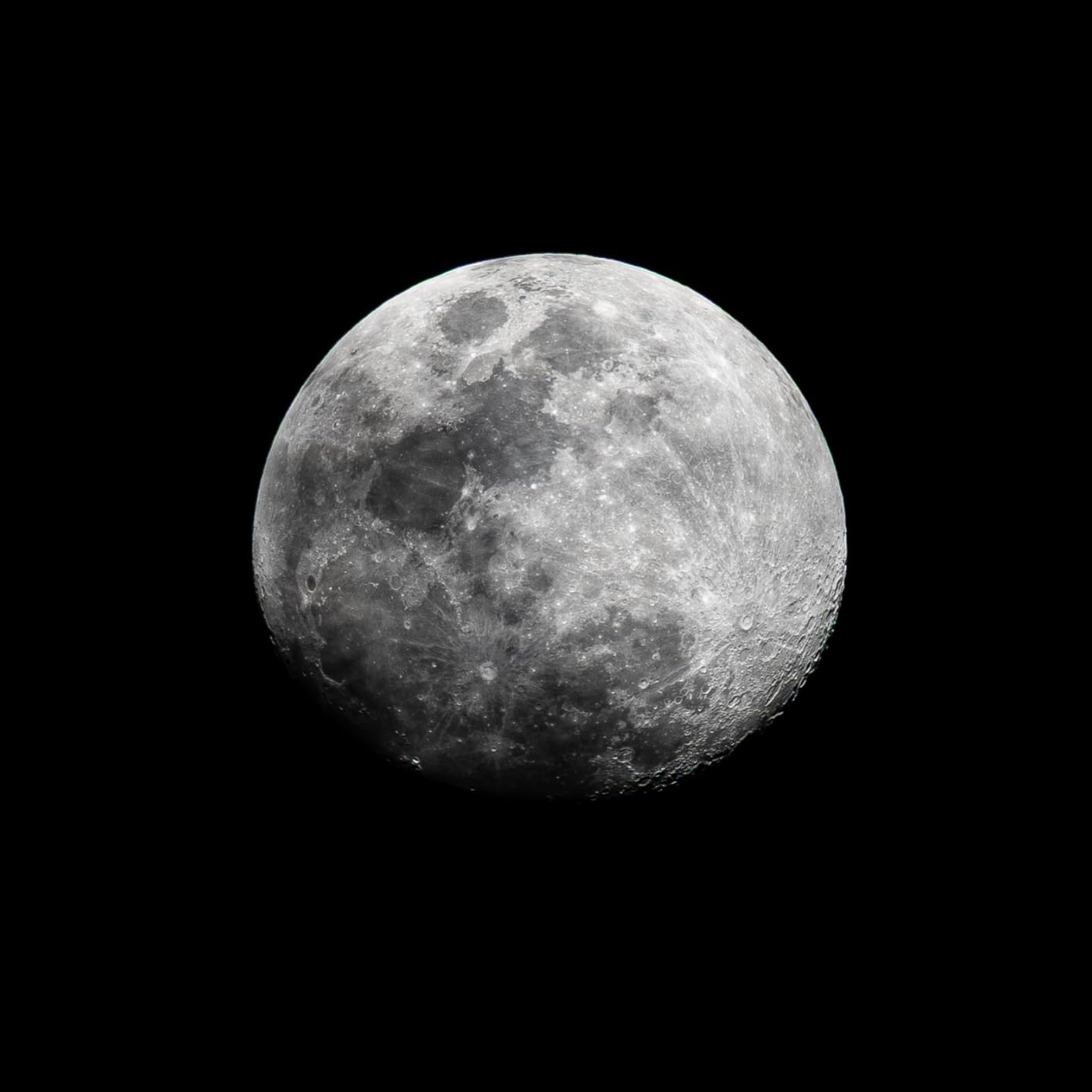
Starting at f/5 rather than f/5.6 gives Sigma a small but real light advantage at the wide end, and the optics stay sharp across the range. Reviewers repeatedly describe images as super sharp, with beautiful background bokeh thanks to a rounded blade design. Five special glass elements keep chromatic aberration well controlled for the price class.
Where the lens shows its budget positioning is at 600mm in fading light, where sharpness and autofocus both taper. Staying at 500mm and below in low light keeps results consistently strong.
The OS system delivers up to 4 stops of correction, slightly behind the Nikon’s 5.5 but entirely adequate for perched subjects handheld. At 4.6 pounds, plan on a monopod for all-day sessions, the same advice that applies to every lens in this weight class.
Sony E shooters who want 600mm reach while spending hundreds less than the Sony 200-600mm should shortlist this immediately. The trade-offs are slower autofocus in challenging light and no weather sealing. If your budget stretches to the Sony, its internal zoom and faster focus justify the difference; if not, this Sigma will not hold you back creatively.
Focal length: 100-400mm
Aperture: f/5.6-8
Weight: 816g
Mount: Canon RF
Stabilization: IS up to 6 stops with IBIS
With 882 reviews averaging 4.6 stars and a sales rank of number 7 in mirrorless lenses, the RF 100-400mm is Canon’s most-loved budget telephoto by a wide margin. Reddit’s r/canon regularly recommends it over primes for beginners precisely because it weighs almost nothing and costs a fraction of the L-series glass.
At 816 grams, this is a lens you carry all day without noticing, which fundamentally changes how often you have it with you when wildlife appears. I handed it to a friend with an EOS R10 and she captured sharp handheld sparrowhawk frames within minutes, no technique coaching required.
Canon claims 5.5 stops of correction alone, rising to 6 stops on IBIS-equipped bodies like the R5 and R6 Mark II. Those numbers translate to handheld shooting at 400mm around 1/60 second, which is remarkable for a lens in this price bracket and weight class.
That stabilization headroom partially compensates for the slow f/8 aperture at 400mm, letting you drop shutter speed in shade rather than climbing ISO immediately. It is not a substitute for light gathering, but it narrows the gap meaningfully.
The 2.89-foot minimum focus and 0.41x maximum magnification at 400mm give this lens semi-macro reach for butterflies, frogs, and flowers. Wildlife photographers who also enjoy nature’s smaller subjects get two lenses in one here, something the bigger 200-800mm cannot match as nimbly.
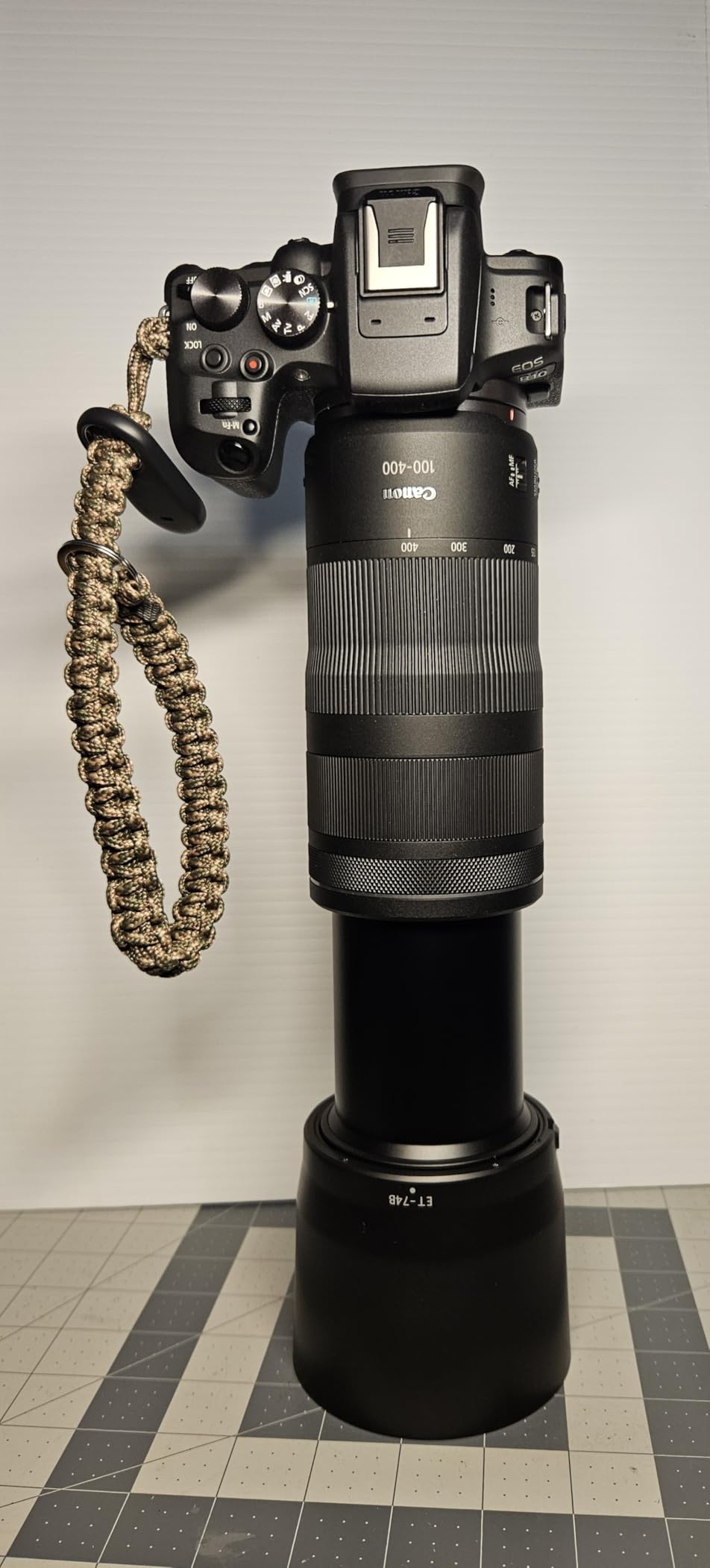
Canon RF shooters starting wildlife photography, or anyone wanting a featherweight companion to a heavier body, should buy this lens first. Its limits appear in low light and distant small birds, where the RF 200-800mm justifies its higher price. Budget for a lens hood since Canon omits one.

Focal length: 150-500mm
Aperture: f/5-6.7
Weight: 4.1 lbs
Mount: Sony E
Stabilization: VC
Tamron built the 150-500mm around a simple idea: a hand-holdable full-frame 500mm that defies conventional wisdom about size. At just 8.3 inches long and 4.1 pounds, it undercuts the Sony 200-600mm in both dimensions while barely giving up reach. Owners across 244 reviews at 4.6 stars consistently rate it a great value alternative to the Sony.
The details reveal Tamron’s practical thinking: an Arca-Swiss compatible tripod foot in the box, moisture-resistant construction with fluorine coating, and a six-year USA warranty through authorized dealers. That warranty length is unmatched by any first-party manufacturer in this category.
Reviewers describe the lens as very sharp throughout the range, with the VXD linear motor providing autofocus fast enough for birds in flight on Sony bodies. The f/6.7 aperture at 500mm is the honest trade for the compact size, best handled with higher ISO on modern sensors.
In practice, I found it happiest between 400 and 500mm in daylight, where it delivers crisp feathers and pleasing backgrounds. Below 400mm it behaves more like a general telephoto, and the 150mm end handles environmental wildlife frames well.
The one specification to know before buying: no teleconverter support. If your wildlife ambitions include 700mm-plus equivalent reach, this lens cannot grow with you the way the Sony 200-600mm or Nikon 180-600mm can. That single factor decides many side-by-side purchase decisions.
Sony shooters prioritizing portability and value over maximum reach and extender compatibility. Birders who mostly work at 500mm and below in decent light will love it, especially paired with the outstanding warranty. If teleconverters are in your future, choose the Sony or Sigma instead.

Focal length: 50-400mm
Aperture: f/4.5-6.3
Weight: 2.5 lbs
Mount: Sony E
Stabilization: VC
Covering 50mm through 400mm in a 2.5-pound body, the Tamron 50-400mm answers the weight complaint that runs through every forum thread about hiking with telephotos. One lens replaces a standard prime and a telephoto zoom, and 97 reviewers rating it 4.5 stars describe exactly that experience on trail after trail.
The optical formula is serious for the size: two extra-low dispersion elements, three low dispersion elements, and two aspherical elements keep the 8x range honest. Add VC stabilization and weather sealing, and this is far more than a travel toy.
Owners report the lens stays sharp across the focal range, a genuine achievement for an 8x zoom. The 50mm end doubles as a normal lens for scenes and context shots, while 400mm handles most wildlife encounters short of distant songbirds. The transition never feels like switching to a lesser lens.
The VXD motor is quick, but reviewers note autofocus trails native Sony lenses, particularly for erratic fast action. Perched birds, grazing mammals, and slow flyers are all fair game. Darting swallows at close range will test it, and that is the honest boundary of a lens this compact.

Sony photographers who hike, travel, or simply refuse to carry four pounds of glass will find this the best single-lens wildlife compromise available. If your photography centers on birds in flight or distant small birds, the 150-600mm class serves you better. For everything else on foot, this is a superb partner.

Focal length: 70-350mm (105-525mm equiv)
Aperture: f/4.5-6.3
Weight: 625g
Mount: Sony E APS-C
Stabilization: OSS
Sometimes the smart move is a crop sensor and a light lens. The Sony 70-350mm on an a6700 delivers 525mm equivalent reach in a 625-gram package that costs a fraction of full-frame super telephotos. With 1,493 reviews averaging 4.7 stars, it is one of the highest-rated lenses in this entire roundup.
Forum discussions about crop sensor benefits for reach center on exactly this pairing. You get the field of view of a 525mm lens while carrying something the size of a kit zoom, and the G-series optics deliver sharpness that embarrasses its price class.
The 1.5x crop factor turns 350mm into 525mm equivalent, which covers most bird photography situations in parks, gardens, and wetlands. You also get extra depth of field at equivalent framing, which helps keep erratically moving subjects within the focus plane.
The trade-off is noise at high ISO on smaller sensors, but modern APS-C bodies like the a6700 hold up well. For daytime wildlife work, the reach-per-pound argument strongly favors this lens over full-frame alternatives.
The XD Linear Motor tracks fast-moving subjects with the speed you expect from Sony’s G line, and the lens is dust and moisture resistant despite the light build. One aspherical and three ED elements suppress aberrations across the range, and the 7-blade aperture produces pleasing bokeh for isolated portraits.
Sony APS-C photographers, full-frame shooters wanting a light second kit, and beginners building toward serious wildlife work. If you already own an a6000-series body, this is the wildlife lens to buy, full stop. Full-frame shooters needing 600mm real focal length should step up to the 200-600mm above.

Focal length: 600mm fixed
Aperture: f/11
Weight: 930g
Mount: Canon RF
Stabilization: IS 5 stops
The RF 600mm f/11 looks like a punchline until you carry one for a day. At 930 grams with a retracting barrel, it packs genuine 600mm reach into a package you can sling over one shoulder all afternoon. Across 142 reviews at 4.4 stars, the story repeats: portability transforms how often people actually shoot long.
Gapless double-layer Diffractive Optics keep chromatic aberration in check, and image quality in good light exceeds what most people expect from an f/11 prime. The fixed aperture is the constraint that defines every buying decision here.
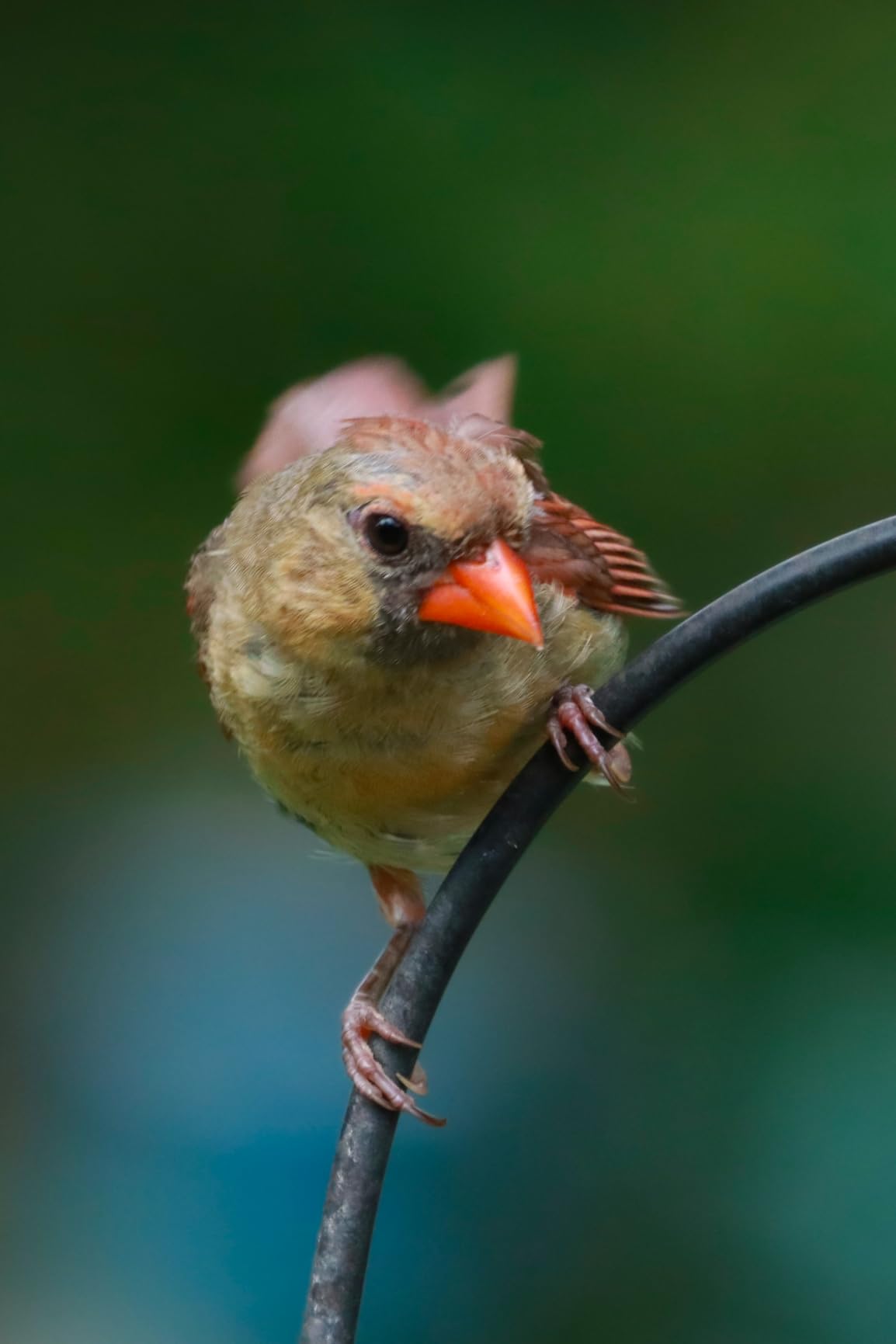
Be direct with yourself about this: f/11 means daylight or nothing. Shutter speeds drop fast under cloud, and autofocus falls back to a limited central area of the frame. Reviewers who love this lens love it for bright-condition subjects like shorebirds, raptors soaring overhead, and large mammals in open terrain.
Photographers shooting in forests or at dusk will fight the aperture constantly and should buy the RF 100-400mm or save for the 200-800mm instead. The 600mm f/11 rewards sunny habitat specialists.
The extending and retracting locking barrel collapses the lens dramatically for transport, and the 5-stop stabilizer keeps handheld frames viable at reasonable shutter speeds. For photographers whose gear lives in a daypack rather than a pelican case, that portability is the entire point.
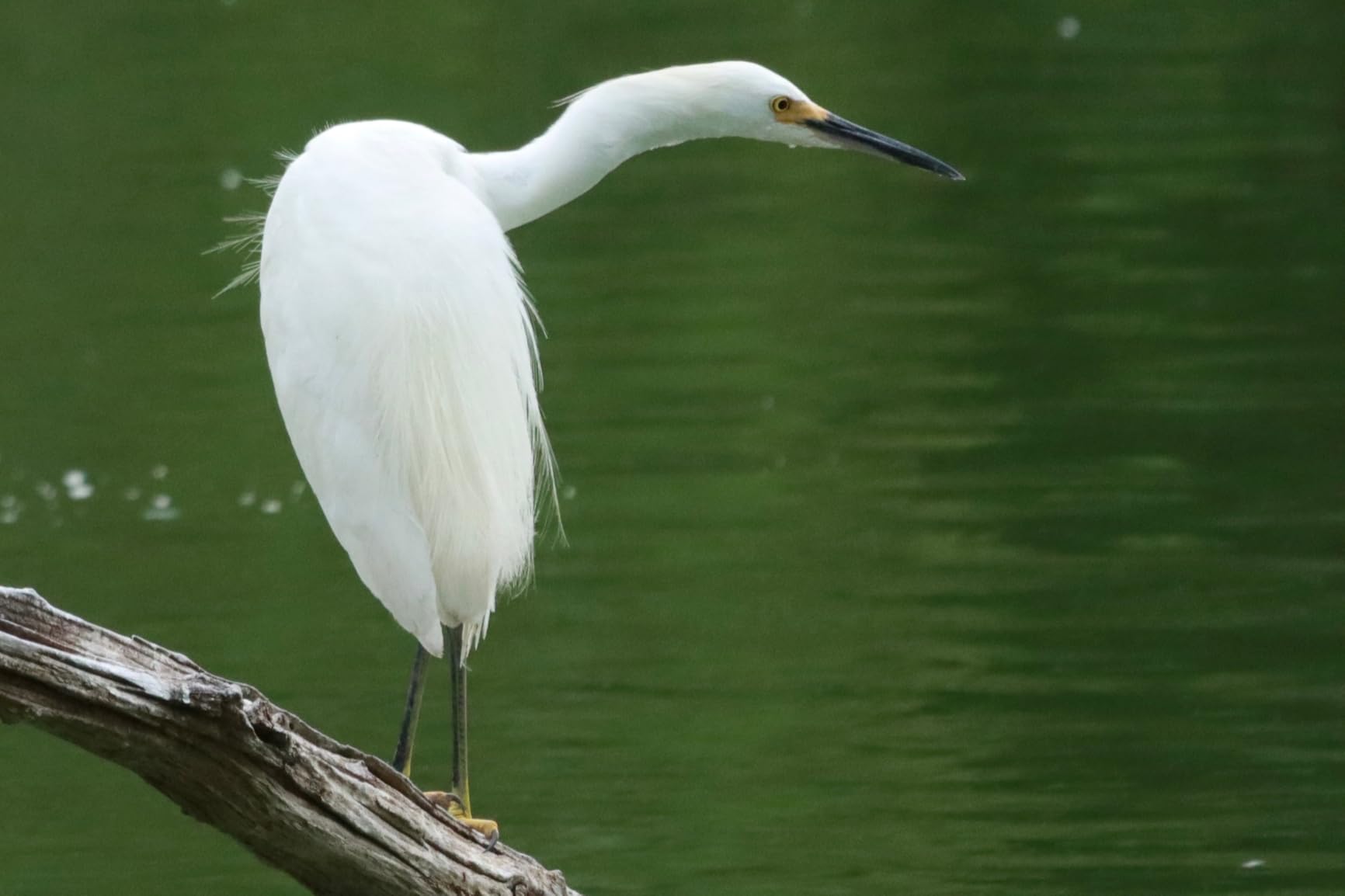
Canon RF shooters who want affordable 600mm prime reach and mostly photograph in good light. It pairs beautifully with an extender for static subjects. Skip it if you shoot in shade or low light regularly, and budget for a lens hood since Canon omits one here too.

Focal length: 420-800mm
Aperture: f/8.3-16
Weight: 1.8 lbs
Mount: Canon EF/EF-S
Focus: Manual only
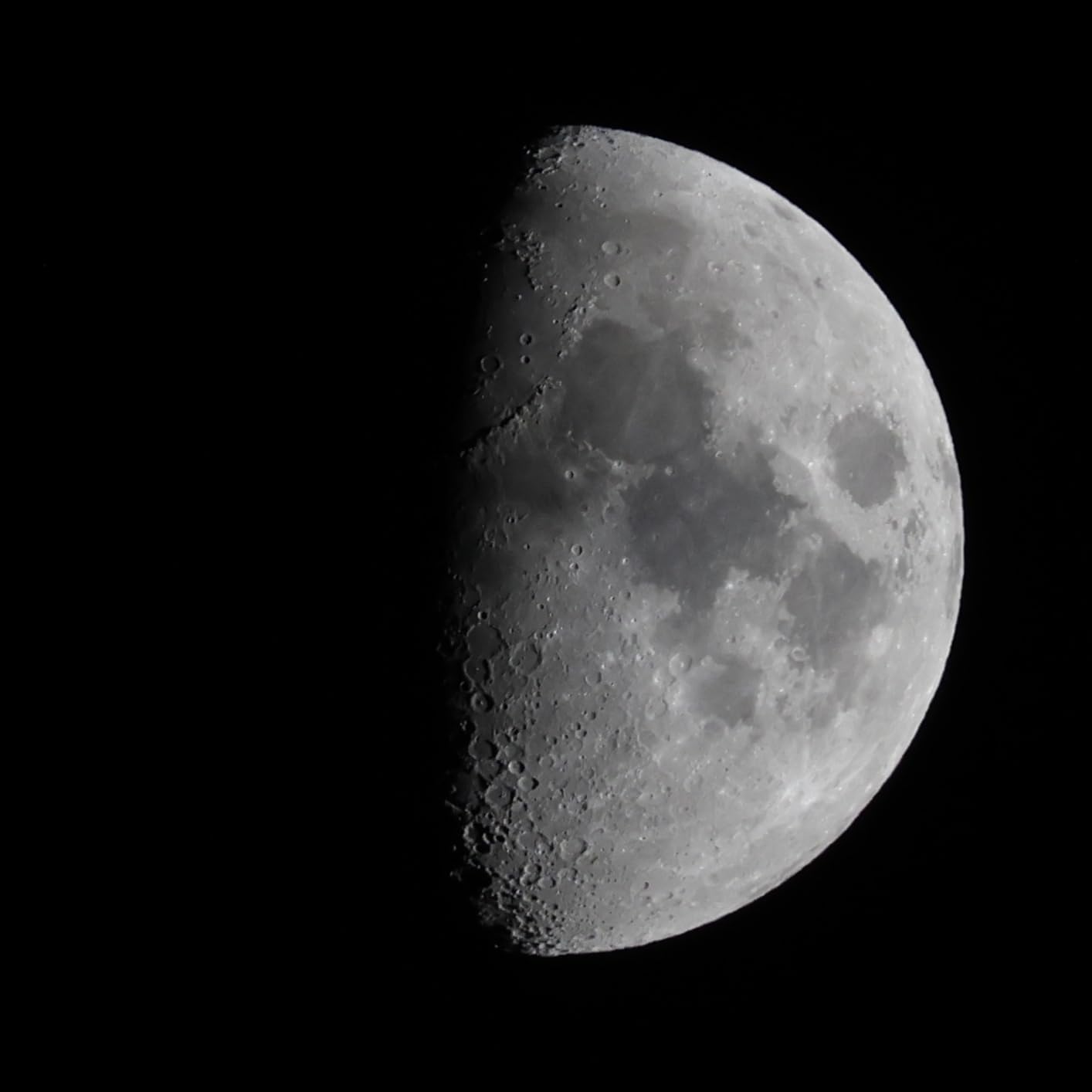
Including a 53-dollar manual lens in a wildlife roundup risks credibility, but 741 reviews at 4.2 stars with 62 percent five-star ratings say something real about who this lens serves. For photographers curious about extreme reach without any financial risk, the JINTU 420-800mm is a legitimate learning tool, not a joke.
Set expectations precisely. This is a fully manual lens with no electronic contacts: your Canon DSLR will display lens not attached, and you shoot in manual or aperture priority using the camera’s own metering workarounds. Owners who accept those terms and shoot RAW report surprisingly decent daylight results.
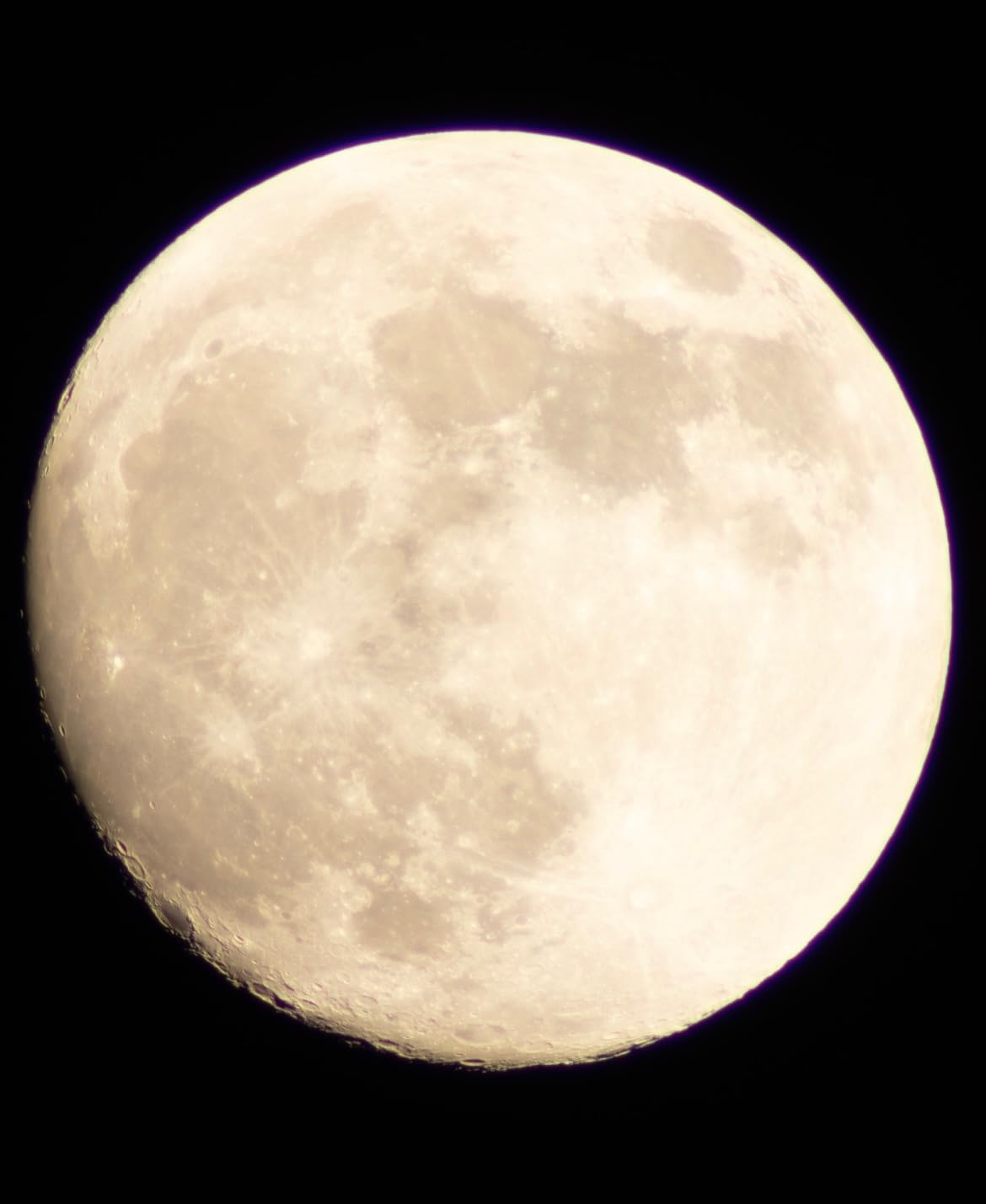
Manual focus at 800mm demands a tripod, live view magnification, and patience. The payoff is that these skills transfer directly to every telephoto you will ever own. Photographers on budget forums regularly credit cheap manual lenses like this for teaching them focus technique that no autofocus lens ever would.
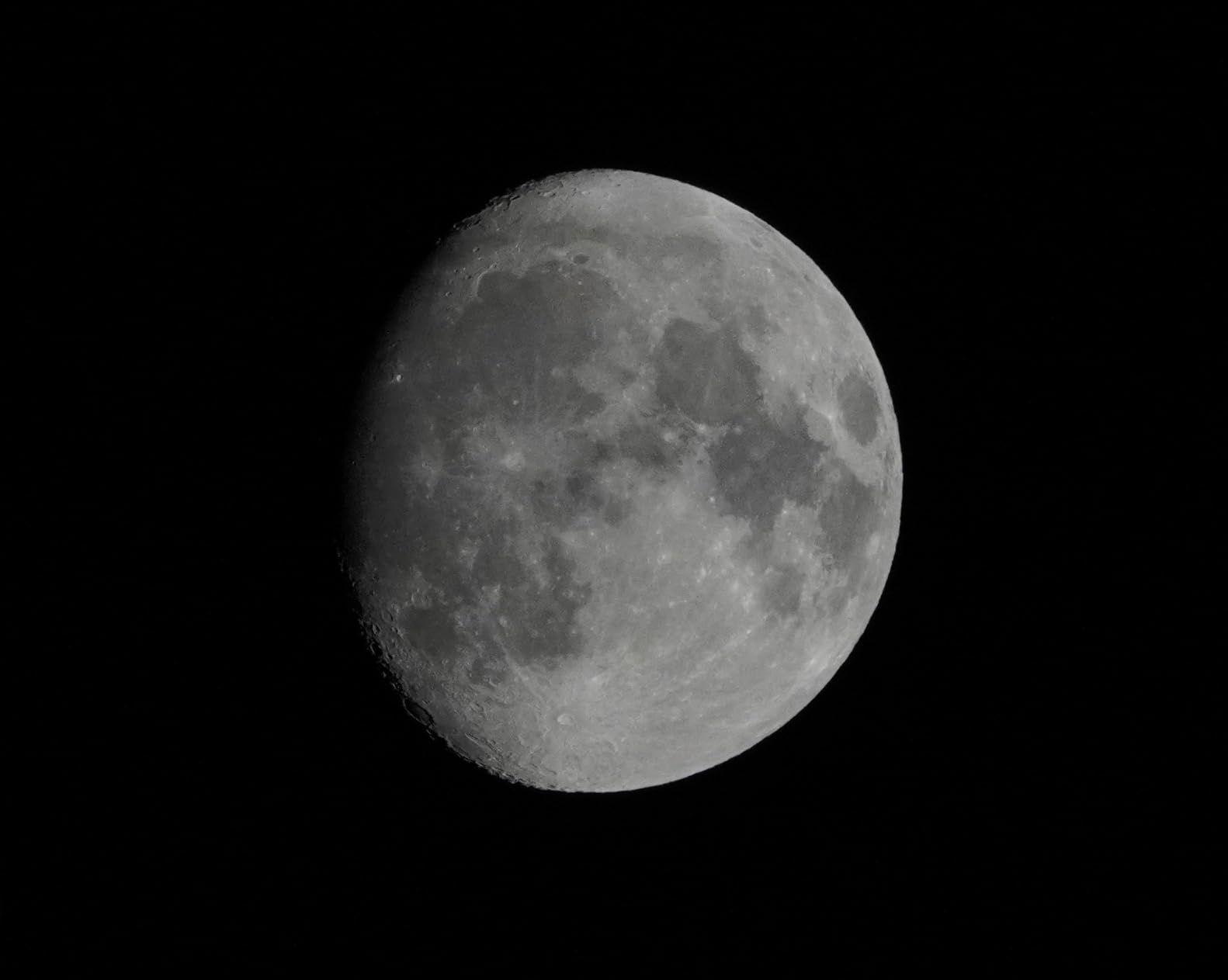
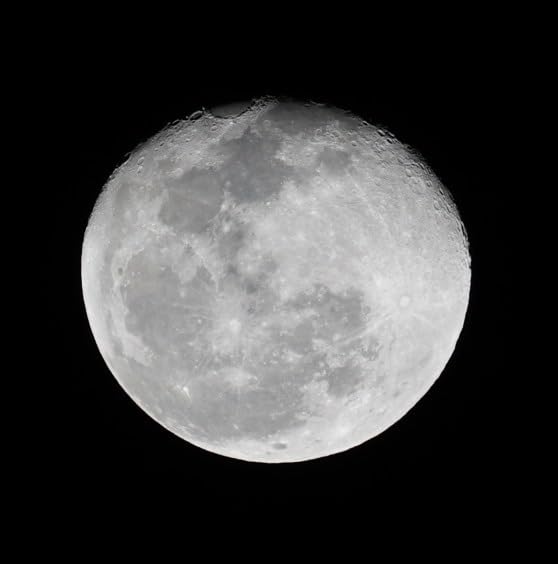
Static subjects are the target: herons fishing, moon photography, perched hawks. Anything that moves quickly will defeat you, and that is not a flaw, it is the design.
Chromatic aberration is significant and consistent in owner reports, though largely correctable in RAW processing. Sharpness in daylight surprises people; sharpness in anything less does not. The 9-blade aperture and multi-coated low-dispersion glass do their best within the laws of physics at this price.
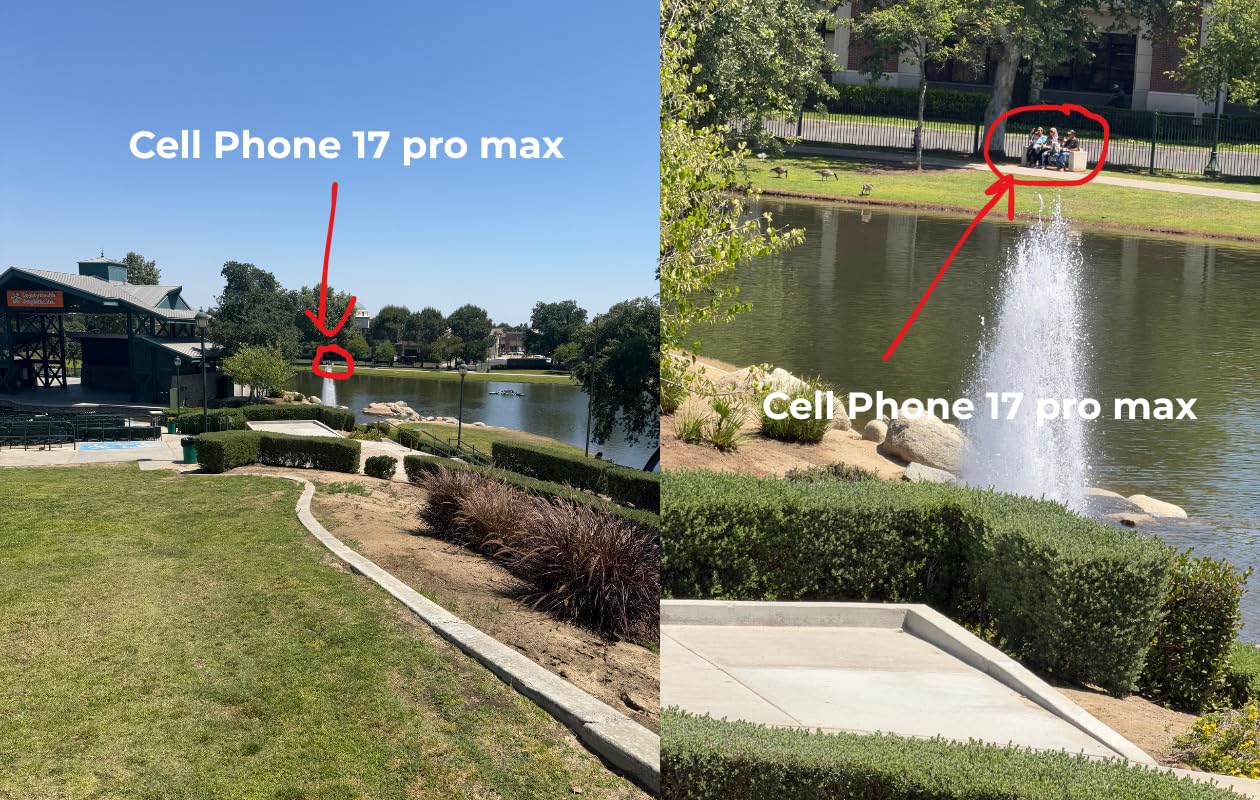
Beginners with Canon DSLRs, moon photography enthusiasts, and anyone wanting to experiment with extreme reach for the cost of a pizza dinner. Nobody should buy it as their primary wildlife lens. For a first serious option on RF mount, the 100-400mm above is the correct choice.

Focal length: 100-400mm (150-600mm equiv)
Aperture: f/5-6.3
Weight: 1100g
Mount: Fujifilm X
Stabilization: OS
Fujifilm X shooters have historically paid premium prices for native telephoto glass, which is exactly the gap Sigma filled with this 100-400mm. On APS-C it behaves like a 150-600mm full-frame equivalent, and reviewers consistently report professional-grade optics at a substantially lower price than Fuji’s own options.
The review pool is still small at 19 reviews, but 70 percent are five-star and the pattern is clear: fast autofocus, effective optical stabilization, and sharpness that stands beside native glass. The Super Multilayer Coating keeps flare controlled in backlit situations common in field work.
Fujifilm’s 1.5x crop factor turns this into a 150-600mm equivalent, which covers nearly the entire practical wildlife range. Paired with an X-T5 or X-H2S, you get subject-detection autofocus on birds and 600mm-equivalent framing from a 1,100-gram lens.
The lens is water and dust resistant with a metal build that feels above its price, and Sigma backs it with a four-year warranty. At 1,100 grams it balances best on Fuji’s larger bodies or with a grip on lighter ones, a point several reviewers raise honestly.
Fujifilm X photographers who want serious wildlife reach without paying Fuji prime prices. Availability is genuinely limited, sometimes to single-digit stock, so if you find one at a fair price the usual advice is not to wait. Wildlife shooters on other mounts have better-matched options elsewhere in this list.
Choosing among the best super telephoto lenses for wildlife comes down to five decisions: how much reach your subjects demand, how much weight you will genuinely carry, what light you shoot in, whether teleconverters matter to you, and what your camera mount allows. Here is how to work through each one.
Large mammals like deer, elk, and bears in open terrain are comfortably covered from 300 to 400mm. Small birds, waders, and wary raptors realistically demand 500 to 600mm or more. A helpful benchmark from field photographers: if your subject regularly fills less than a tenth of the frame, you need more focal length, not more megapixels.
The crop factor question matters here too. An APS-C body with a 400mm lens gives the framing of a 600mm full-frame lens, at lower total cost and weight. That is why the Sony 70-350mm and Sigma 100-400mm for X mount punch above their nominal focal lengths.
Primes deliver maximum sharpness and aperture; zooms deliver framing flexibility when animals move. Wildlife distances are unpredictable, which is why every lens in this roundup is a zoom except Canon’s 600mm f/11. Most working wildlife photographers choose zoom flexibility unless they specialize in one distance band.
The zoom range should be sane, however. A 4x zoom like 150-600mm maintains quality across its range, while 10x-plus superzooms trade optical excellence for convenience. Match the zoom range to how variable your subjects actually are.
Every affordable super telephoto zoom here is variable aperture, from f/5-6.3 down to f/9. Real-world minimums: f/6.3 handles dawn and dusk reasonably on modern sensors, f/8 works for daylight hours, and f/9-plus demands sun. Shooting in forests or at golden hour should push you toward the faster end of that scale.
Remember that aperture also controls shutter speed latitude for freezing motion. Birds in flight want 1/2000 second or faster, and a slower lens forces ISO up faster than you might expect.
Four-pound zooms need support for long sessions, period. A monopod handles most field walking, while a gimbal head on a sturdy tripod is the standard for long sits at feeders or nests. Nearly every forum thread about hiking with telephotos ends with someone admitting they left the heavy lens at home.
Check the tripod foot: Arca-Swiss compatibility, included on the Tamron 150-500mm but not the Nikon 180-600mm, saves fiddling with plates in the field. Budget for a replacement foot if your lens lacks it.
Teleconverters multiply reach at the cost of light and some sharpness: a 1.4x costs one stop, a 2x costs two. Among our picks, the Canon RF 200-800mm, Sony 200-600mm, and Nikon 180-600mm accept them, while the Tamron 150-500mm does not. If 800mm-plus framing is in your future, buy a converter-compatible lens now.
Practical guidance from long-term owners: the 1.4x is usually worth it, the 2x only on the brightest days with the largest subjects. Stack neither on a variable-aperture zoom and expect prime results.
Wildlife happens in weather. The Sony 200-600mm, Nikon 180-600mm, both Tamrons, and the Sigma X Mount are sealed; the Canon RF 100-400mm, RF 600mm, and Nikon 28-400mm are not. A rain cover costs little and covers gaps, but sealing reduces the friction that makes you put the camera away. For scouting gear with equivalent protection, our guide to optical tools for wildlife scouting covers weather-worthy choices.
u003cstrongu003eYes, 400mm is enough for larger mammals, park wildlife, and birds that tolerate approach.u003c/strongu003e It falls short for skittish songbirds, waders, and distant raptors, where 500-600mm produces meaningfully better framing. On an APS-C body, a 400mm lens frames like a 600mm full-frame lens, which extends its usefulness considerably.
u003cstrongu003eThe Sony FE 200-600mm f/5.6-6.3 G OSS is the best overall pick for most wildlife photographers.u003c/strongu003e It combines genuine 600mm reach, excellent sharpness, teleconverter compatibility, and internal zoom handling at a fair price. Canon shooters should look at the RF 200-800mm for extra reach, and Nikon Z users at the NIKKOR Z 180-600mm.
u003cstrongu003e450mm handles large animals and cooperative subjects well, but limits you on small or wary birds.u003c/strongu003e Wildlife photographers working wetlands and forests generally treat 500-600mm as the practical standard for bird photography. A 450mm-class lens paired with a 1.4x teleconverter closes most of the gap when light allows.
u003cstrongu003eThe Holy Trinity refers to three pro zooms covering 16-35mm, 24-70mm, and 70-200mm, all at f/2.8.u003c/strongu003e It is a general professional kit concept rather than a wildlife standard, since wildlife work typically demands focal lengths beyond 200mm. Wildlife photographers usually pair a trinity lens with a dedicated super telephoto like a 200-600mm zoom.
u003cstrongu003eA super telephoto lens is any lens with a focal length exceeding 300mm.u003c/strongu003e These lenses magnify distant subjects like birds and mammals while maintaining image quality and autofocus performance, and typically include image stabilization, weather sealing, and tripod collars for demanding outdoor use.
If you shoot Sony full frame, buy the FE 200-600mm and thank yourself for years. Canon RF shooters chasing small or distant birds should get the RF 200-800mm, while beginners and hikers will love the RF 100-400mm. Nikon Z wildlife photographers have their answer in the 180-600mm, and travelers should grab the featherweight Z 28-400mm.
Whatever you choose, the best super telephoto lenses for wildlife in 2026 are the ones matched to your subjects, your light, and your willingness to carry them. Pick the one that fits all three, get out before sunrise, and let the animals do the rest.