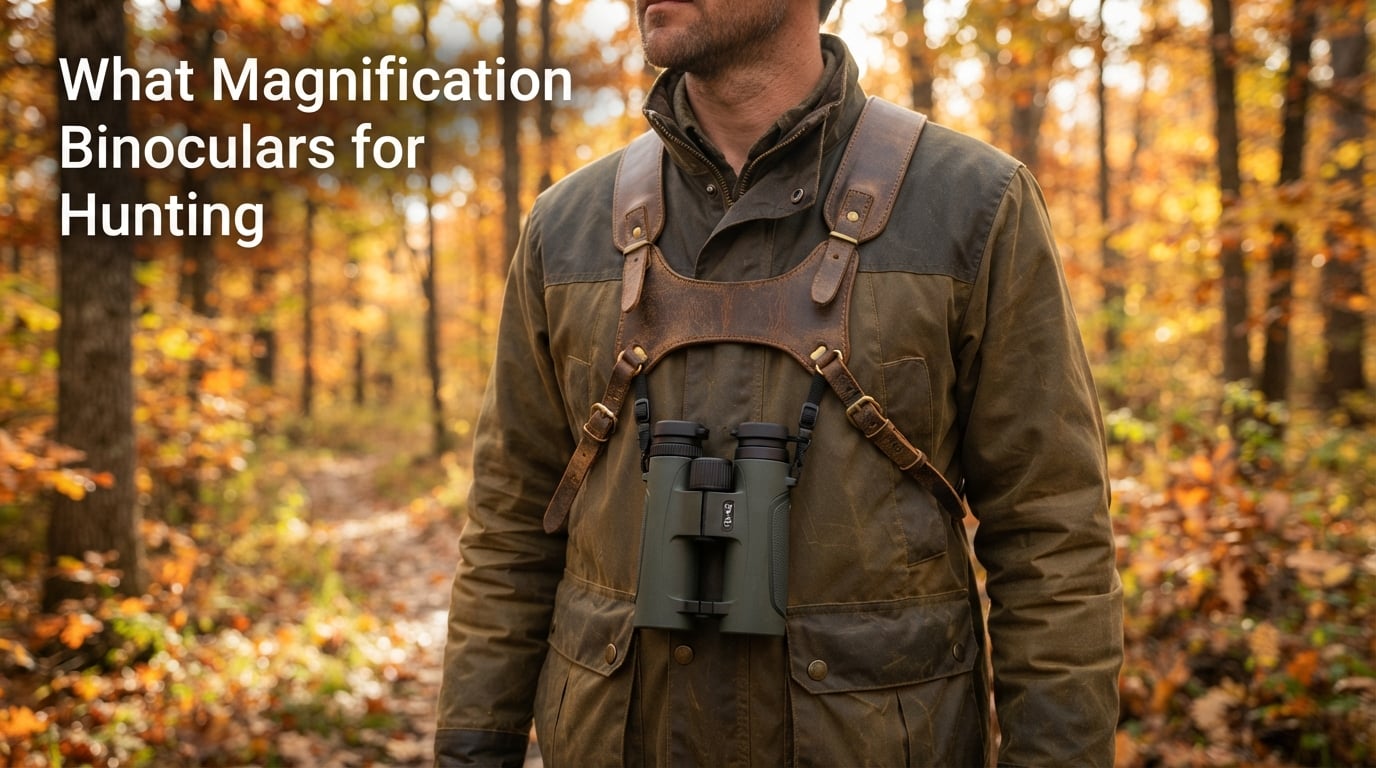
What Magnification Binoculars for Hunting (October 2026)
Picking the right magnification for hunting is the single most important decision you’ll make when buying binoculars. I have spent…

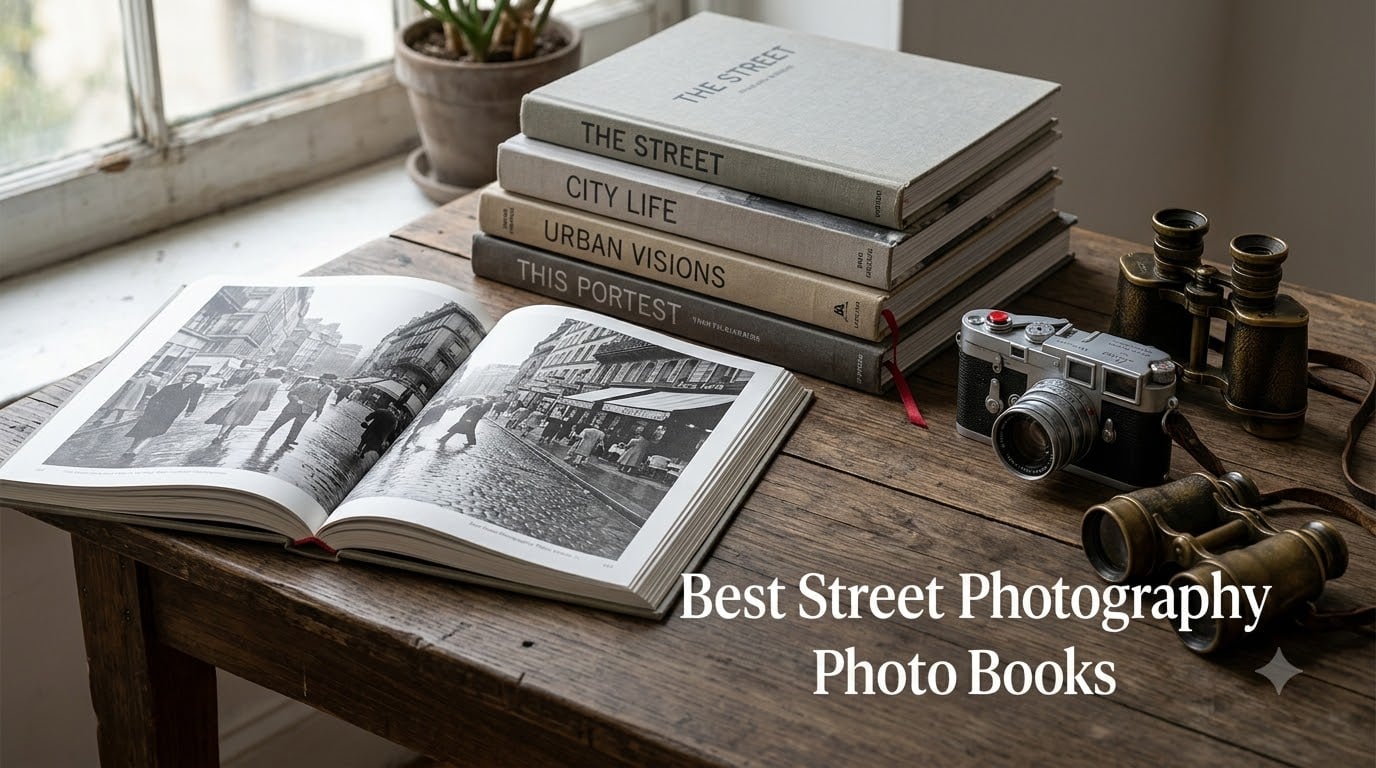
After three months of page-turning, sticky-noting, and hauling heavy art books around our studio, our team settled on the 12 best street photography photo books you can buy right now. The list mixes classic monographs like Fred Herzog’s Modern Color and Vivian Maier’s The Color Work with hands-on instructional guides from Matt Stuart, Brian Lloyd Duckett, and Craig Whitehead. If you want the short answer up front: start with Fred Herzog: Modern Color for inspiration, Think Like a Street Photographer for mindset, and Find Your Frame if you’re on a budget.
I’ve been shooting street photography for over a decade, and I can tell you the fastest way to develop your eye isn’t another lens — it’s studying how the masters sequenced, cropped, and waited for a frame. That’s exactly what these street photography books deliver: a private masterclass in visual storytelling that you can return to again and again.
One thing I learned from forum threads on r/streetphotography and r/Photobooks is that most photographers are confused by the difference between educational books and photo monographs. This guide separates them clearly, so whether you want to learn technical concepts like field of view or just soak in iconic images of urban life, you’ll find the right book below. You can also pair your reading with the right street photography field gear to practice what you study.


These three cover the full spectrum: a landmark color monograph, a pocket-sized philosophy lesson, and a practical masterclass that costs less than a pizza night.
Here’s the full lineup side by side before we get into the individual reviews. Every book on this table earned its place through a combination of reader ratings, print quality, and how much it actually teaches you about the craft.
| Model | Key Specs | Action |
|---|---|---|
| Fred Herzog: Modern Color |
|
Check Latest Price |
 Vivian Maier: The Color Work Vivian Maier: The Color Work |
|
Check Latest Price |
 Vivian Maier: A Photographer Found Vivian Maier: A Photographer Found |
|
Check Latest Price |
 Street Photography Workshop Street Photography Workshop |
|
Check Latest Price |
 The Art of Street Photography The Art of Street Photography |
|
Check Latest Price |
 52 Assignments: Street Photography 52 Assignments: Street Photography |
|
Check Latest Price |
 The Street Photographer’s Manual The Street Photographer’s Manual |
|
Check Latest Price |
| Think Like a Street Photographer |
|
Check Latest Price |
 Masters of Street Photography Masters of Street Photography |
|
Check Latest Price |
 Street Photography: A History in 100 Iconic Photographs Street Photography: A History in 100 Iconic Photographs |
|
Check Latest Price |
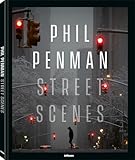 Phil Penman: Street Scenes Phil Penman: Street Scenes |
|
Check Latest Price |
| Find Your Frame: A Street Photography Masterclass |
|
Check Latest Price |
We earn from qualifying purchases. CERTAIN CONTENT THAT APPEARS ON THIS SITE COMES FROM AMAZON. THIS CONTENT IS PROVIDED 'AS IS' AND IS SUBJECT TO CHANGE OR REMOVAL AT ANY TIME.
320 pages
Hatje Cantz
Large format hardcover
1950s-1980s Vancouver
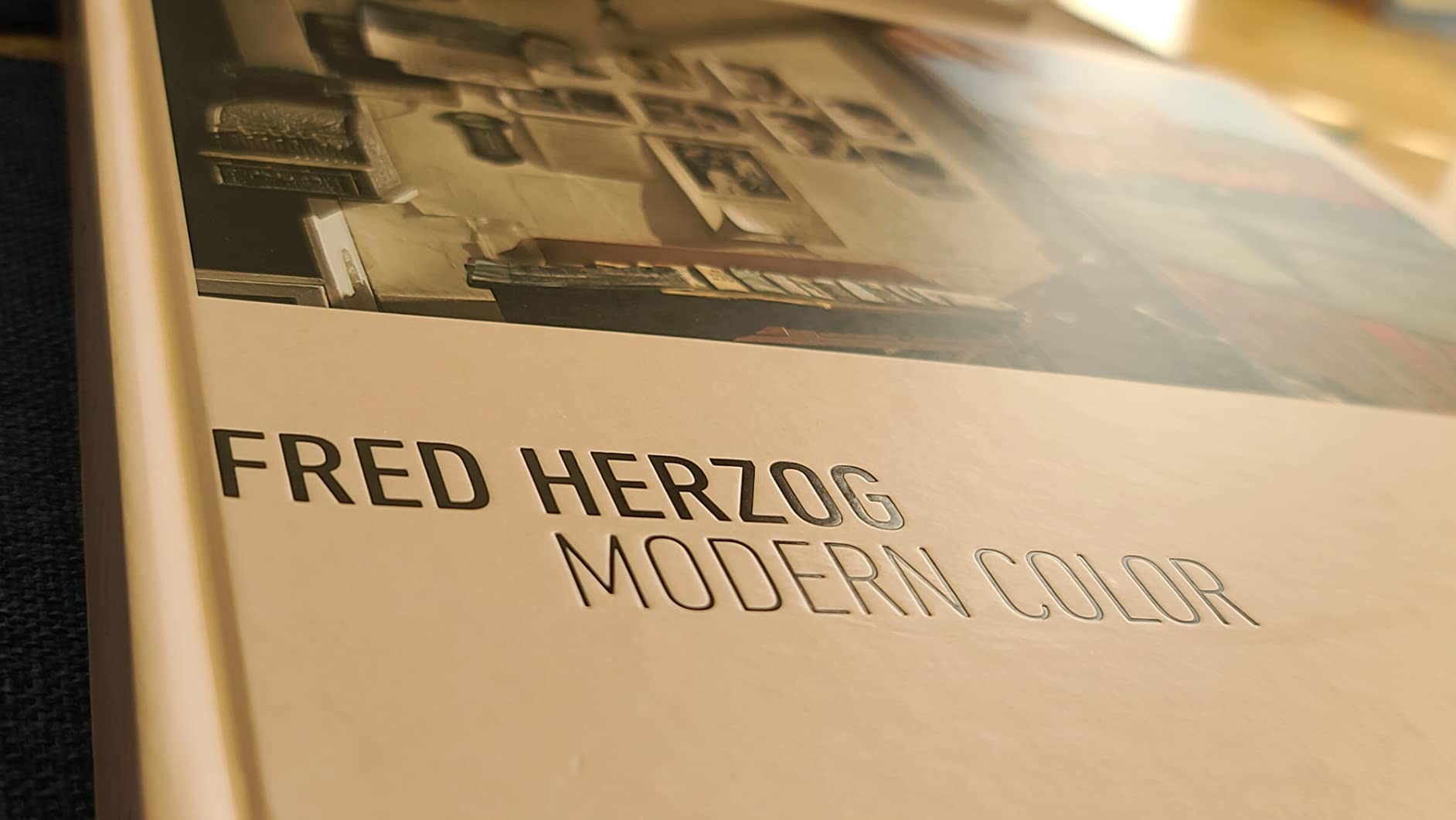
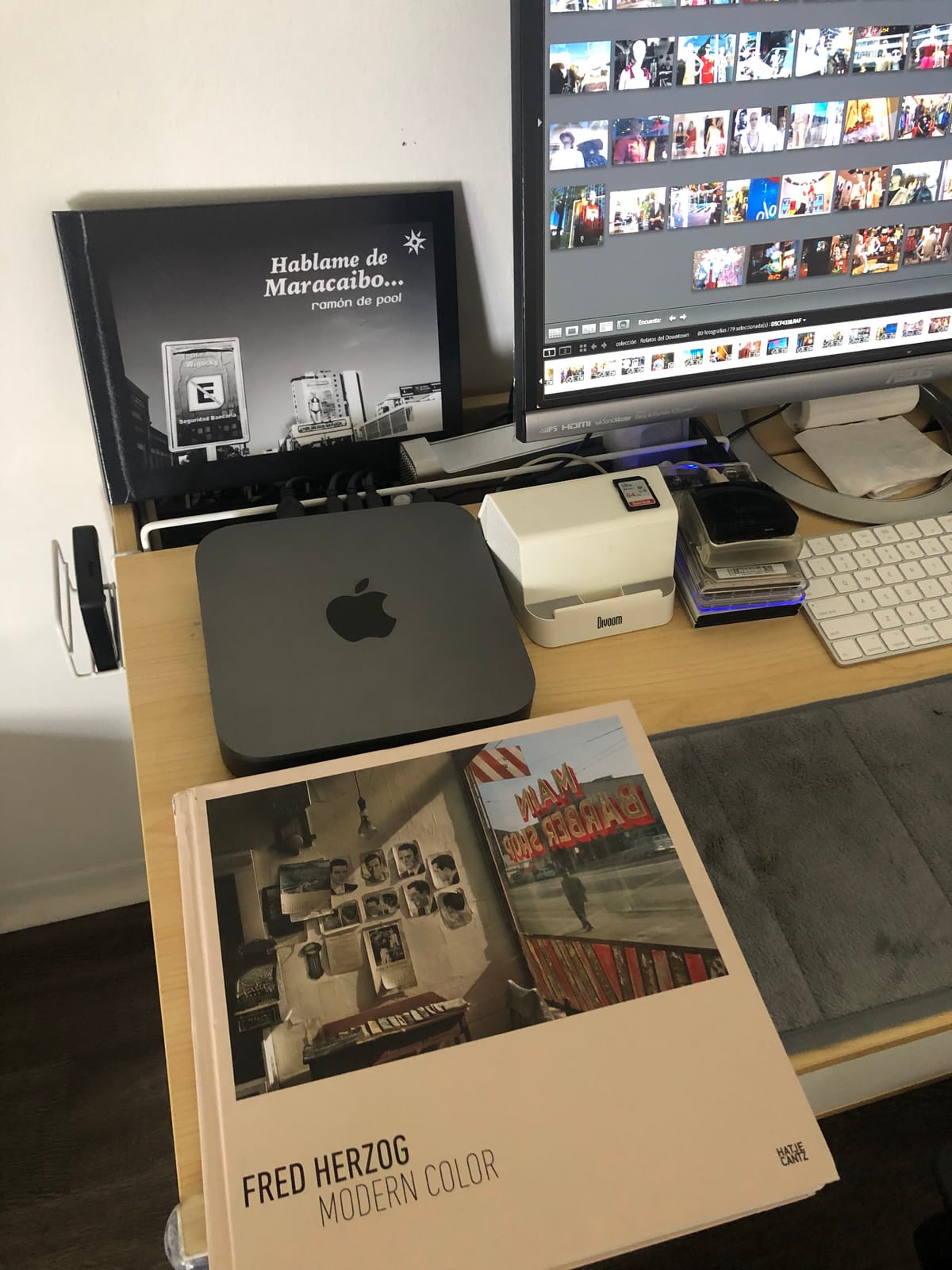
This is the book I hand to anyone who says color street photography started with Instagram. Herzog was shooting Kodachrome on the streets of Vancouver in the 1950s and 1960s, decades before color was taken seriously in art photography. At 4.9 stars across more than 1,200 reviews, it’s also the highest-rated book on our list.
The first time I opened it, I spent forty minutes on a single spread of a neon diner sign and a woman in a red coat. Herzog’s use of color isn’t decorative — it’s structural, doing the compositional work that other photographers of his era did with light and shadow.
What makes this monograph a study tool rather than a coffee table decoration is how consistently Herzog uses color relationships to build a frame. Reds anchor subjects, blues and yellows create depth, and muted mid-tones give his cityscapes their melancholy mood.
Try copying his palette discipline for a week of shooting and you’ll immediately understand how deliberate every frame is. This is visual vocabulary you can’t learn from a settings tutorial.
Hatje Cantz did justice to the work — the reproduction is rich, the binding is solid, and the large 10.67 x 10.71 inch format gives each image room to breathe. Reviewers consistently call out the production quality, and at 4.34 pounds, this is a substantial book.
One note: the listing language shows German for this edition, but the photography speaks for itself regardless of text language. If you want an English-first edition, check the listing details before ordering.
If you shoot color street photography and want to understand where the visual language came from, this is the single most important purchase on this list. It’s also a genuine collector’s item — first printings of Herzog’s earlier volumes have appreciated significantly.
Skip it if you only want technique instruction; this is a pure monograph with minimal text. Pair it with one of the instructional books below for a complete education.
240 pages
Harper
150+ unpublished color photos
Foreword by Joel Meyerowitz
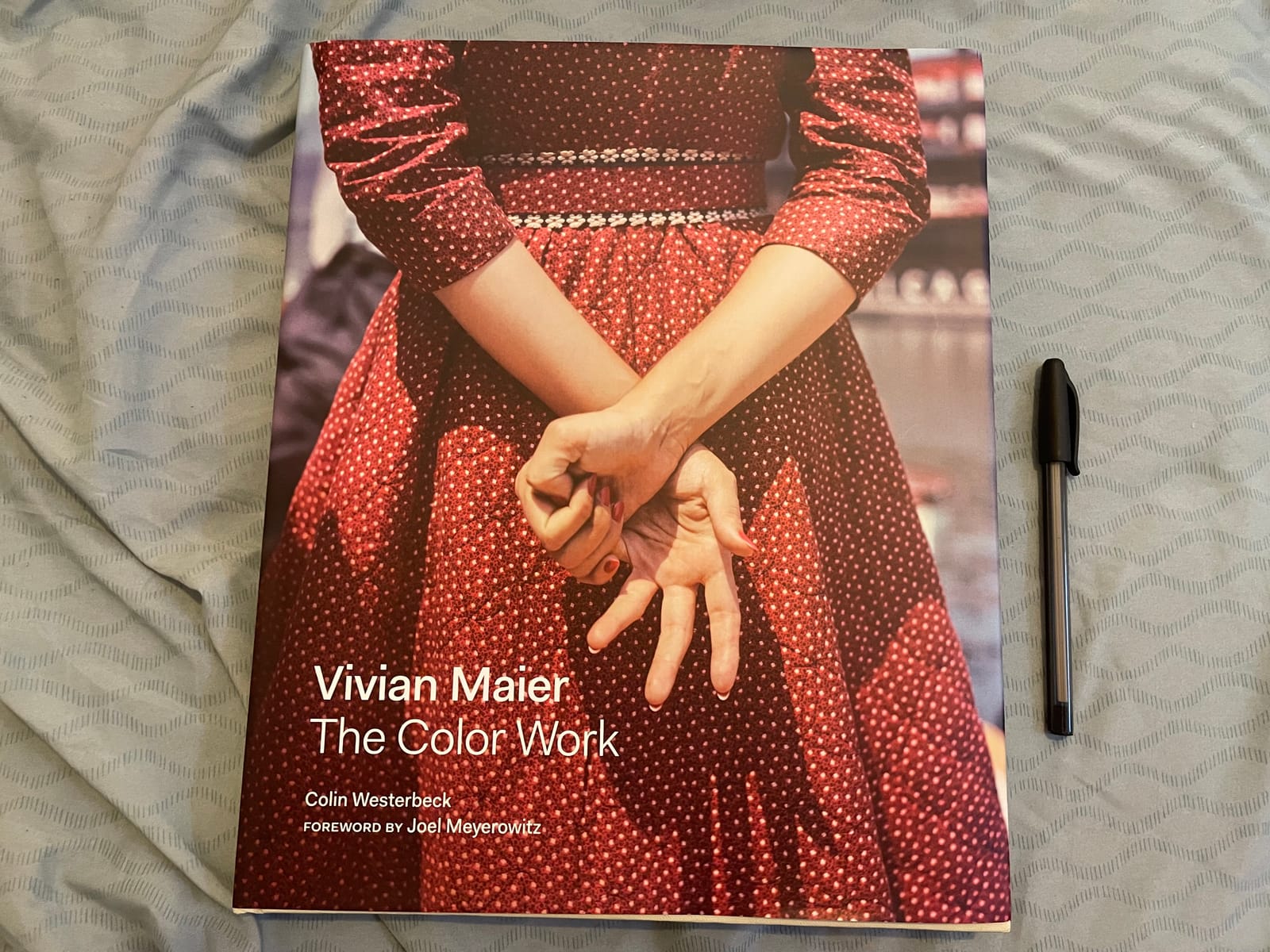
Vivian Maier was a nanny who shot thousands of rolls of film in Chicago and New York, showed almost nobody, and became one of the most celebrated street photographers of the 20th century after her work was discovered in 2007. This volume, with a foreword by Joel Meyerowitz, is the first book dedicated entirely to her color work.
I find her color frames even sharper than her more famous black and white work — the way she uses shop windows, signage, and reflections shows a photographer thinking in layers decades before “layering” became a workshop buzzword.
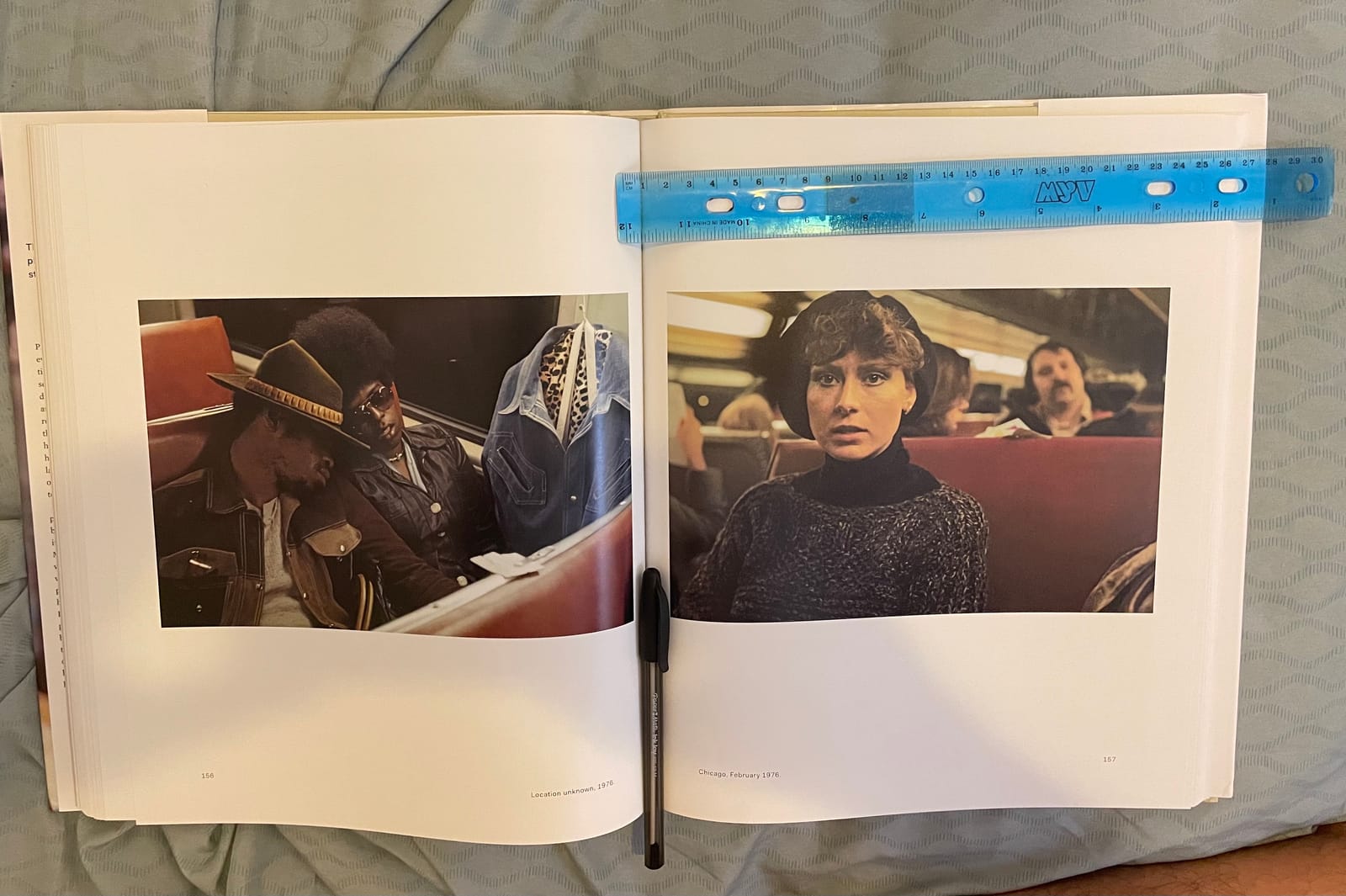
Maier’s frames reward slow looking. She frequently shoots through glass, uses doorways as frames-within-frames, and places her subjects off-center in ways that feel casual until you try to replicate them.
Spend an evening with a notebook and you’ll fill pages with compositional ideas. Her work is proof that timing and geometry matter far more than gear — she shot with a basic Rolleiflex for most of her life.
The large format does real work here. At roughly 32.5 x 27 cm, the images get the space they deserve, and the printing holds up under close inspection. The 240-page count keeps the pacing tight without feeling thin.
Be aware there’s some overlap with the earlier A Photographer Found volume if you already own that one. If you’re choosing between the two, this is the tighter, more focused collection.
This is the best single-volume introduction to one of photography’s great stories, and it belongs in every street photography collection. It’s also a fantastic gift — the Maier story is so remarkable that even non-photographers get pulled in.
If you’re a completionist who wants the definitive archive instead, the next book on our list is the one to get.
288 pages
Harper
Largest Maier format
BW and color work together
Curated by John Maloof, the man who discovered Maier’s negatives at a storage auction, this is the most complete Maier collection in print. At 288 pages and 5.12 pounds, it’s a heavyweight in every sense.
Seeing her black and white and color work side by side changed how I read her career. The book’s introductory essay gives the life context and contemporary framework that turns a pile of brilliant images into a coherent body of work.
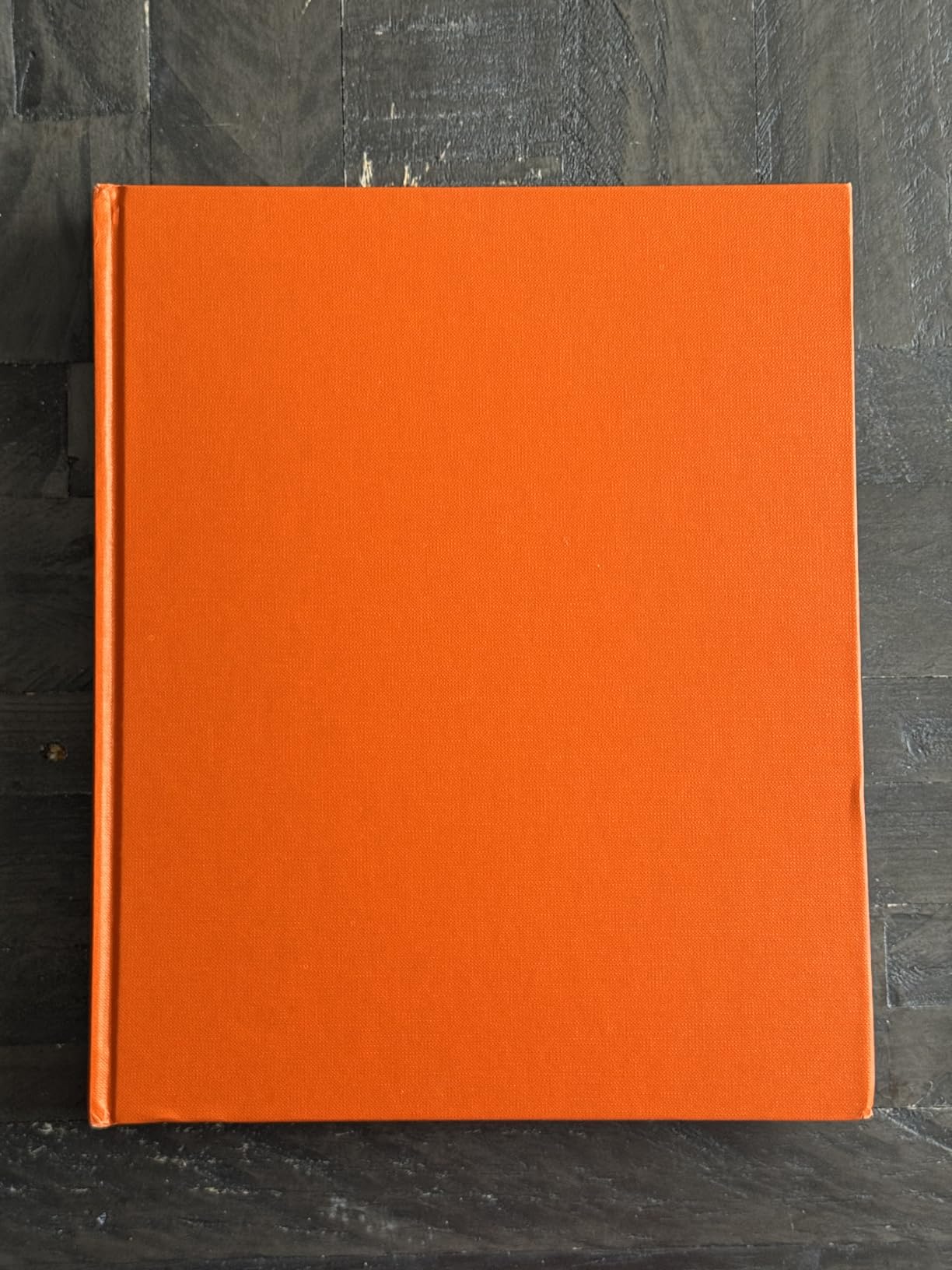
Reviewers consistently rank this as the best-looking Maier book thanks to its larger pages. Fine grain detail and tonal nuance survive the reproduction far better than in smaller volumes.
That size is a double-edged sword — it’s not a book you read in bed. Give it space on a table and it rewards you with an almost gallery-like viewing experience.
The biographical essay is genuinely useful, not filler. It explains who Maier was, how the archive surfaced, and why her work matters in the history of documentary photography.
For students, this framing is invaluable. Understanding the circumstances of her obscurity adds a layer of meaning to every self-portrait shadow she left on a sidewalk.
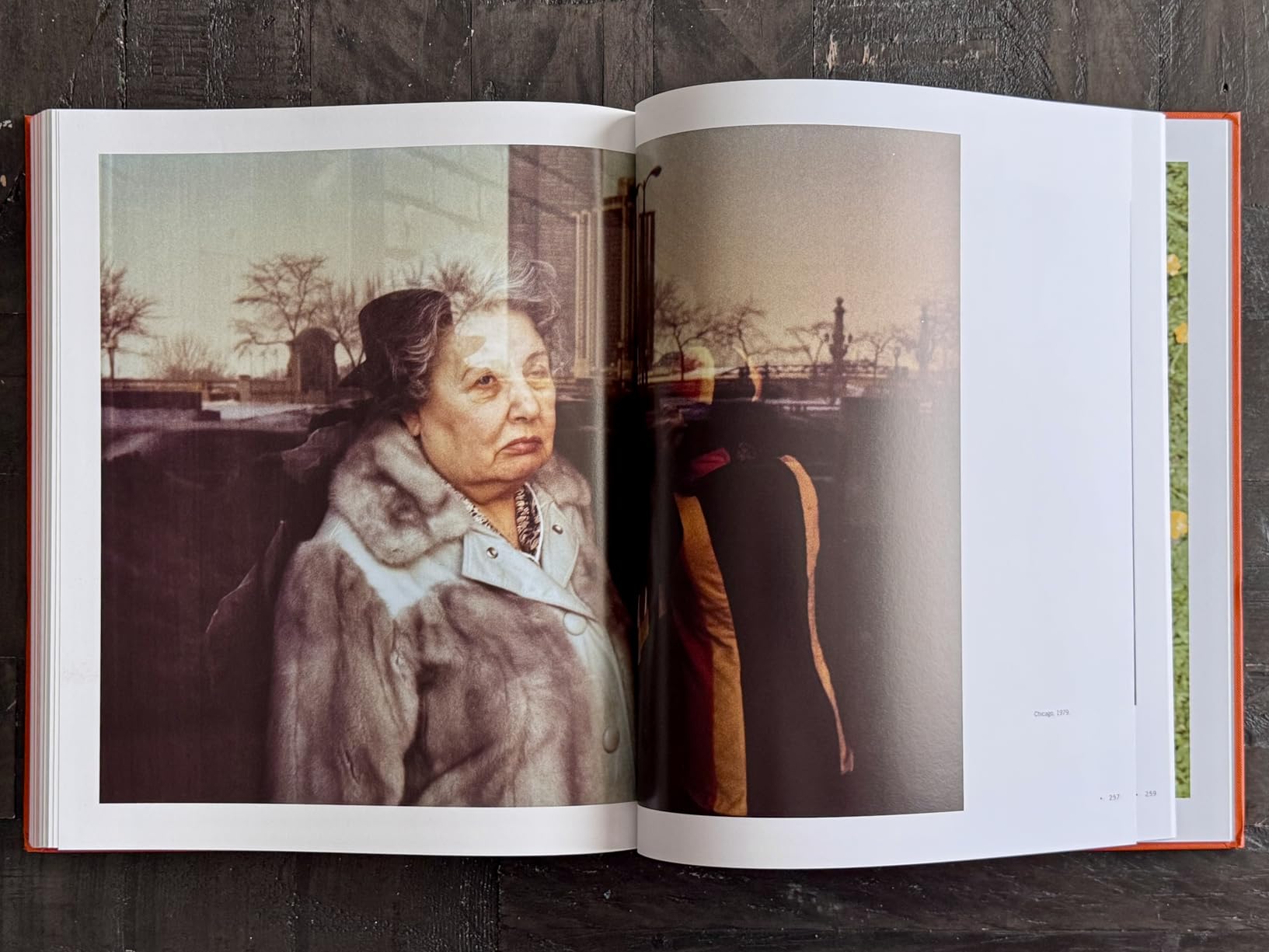
If you want one Maier book and care about image quality above all, this is the one. It’s also the pick for collectors building a serious library of street photography classics.
At this price point, casual readers should probably start with The Color Work and graduate to this later. Heavy art book collectors know shipping can be rough — inspect your copy on arrival.
176 pages
Ammonite Press
Composition and lighting
Practical exercises
Brian Lloyd Duckett’s Street Photography Workshop is the closest thing to a photography course in book form on this list. The 176 pages are packed with concrete advice on composition, lighting, and how to handle candid moments without freezing up.
What I appreciate most is the exercise structure. Each chapter gives you something specific to go out and practice, which is exactly how most of us actually improve — not by reading, but by shooting with intent.
Duckett breaks down why certain frames work: leading lines, figure-ground relationship, the geometry of shadows. It’s the kind of analysis that monographs leave you to figure out on your own.
The lighting section alone is worth the price of admission for anyone who struggles with harsh midday sun. Duckett shows you how to turn “bad light” into your best friend.
The assignments push you out the door with a purpose, whether it’s finding reflections, working a single corner for an hour, or shooting a roll at night. Readers describe the book as inspiring, and that’s the highest praise an instructional guide can get.
At 8.25 x 9.25 inches and 1.6 pounds, it’s portable enough to keep in your bag. If you pair it with the right optical tools for scouting locations, you’ve got a complete field kit.
This is the best first book for someone new to street photography who wants to learn, not just look. It’s also one of the most affordable titles on our list, which makes it an easy gift for the aspiring photographer in your life.
If you already own Duckett’s other Ammonite titles, check for content overlap before buying — his books share some philosophical DNA.
272 pages
Rocky Nook
By Sean Tucker and Joshua K. Jackson
Philosophy and ethics
Written by Sean Tucker and Joshua K. Jackson and published by Rocky Nook in June 2026, this is the newest book on our list and possibly the most ambitious. One University of Texas photography professor called it “the best photography book of the 21st century.”
It’s not a settings manual. It’s a philosophical treatise on why you shoot, how to shoot with intention, and how to think about the ethics of photographing strangers in an era of privacy concerns.
The core argument — that street photography is elevated by intention rather than impulse — reframes the whole genre. Instead of chasing the decisive moment, the authors ask you to ask why that moment matters to you.
I found the mindfulness chapters genuinely changed how I walk a street. Slowing down and observing before raising the camera is advice that sounds obvious until you actually practice it.
No other book on this list seriously addresses the question every street photographer faces today: is it okay to photograph strangers without consent? The authors treat the question with the nuance it deserves rather than offering rules.
For anyone who has hesitated before pressing the shutter, this section alone justifies the book. It gives you a framework for your own answer.
This is for intermediate and advanced photographers who have the mechanics down and want their work to mean something. The premium production — 272 pages on substantial paper — makes it a worthy shelf centerpiece.
Beginners should start elsewhere; without some field experience, the philosophical material lands less powerfully. Come back to this one after a year of shooting.
128 pages
Ammonite Press
52 weekly projects
Pocket-sized hardcover
This little hardcover is the book I gift most often. The premise is simple: 52 street photography assignments, one per week, each with an explanation of both the how and the why.
With 534 reviews at 4.7 stars, the format clearly works. Photographers credit it with breaking creative ruts and getting them out shooting when motivation runs dry.
Each project is specific enough to act on and open enough to interpret — shoot only shadows, photograph a color, work one intersection for two hours. That balance is what makes it effective across skill levels.
Some assignments will push you outside your comfort zone, which readers note is exactly the point. Growth in street photography requires a little discomfort.
At 5.5 x 8.25 inches and 15 ounces, it slides into a camera bag next to your lens cloth. There’s space for notes after each assignment, turning the book into a running record of your year.
The hardcover holds up to field use, though some readers report copies arriving dinged from shipping. Inspect yours on arrival — Amazon replaces damaged art books without fuss.
Anyone who knows what to shoot but not what to shoot next. It’s the perfect companion to a monograph-heavy library, adding structured practice to all that inspiration.
It also makes a great January gift: one assignment a week is a New Year’s resolution that actually sticks.
192 pages
Thames & Hudson
By David Gibson
Photographer profiles included
David Gibson’s The Street Photographer’s Manual is one of the most frequently recommended books in the r/streetphotography community, and with 665 reviews at 4.6 stars, the praise is well earned. It’s the rare guide that works for both beginners and seasoned shooters.
Gibson teaches systematically: subject, environment, example, approach. Rather than prescribing a style, he maps the territory and lets you find your own way through it.
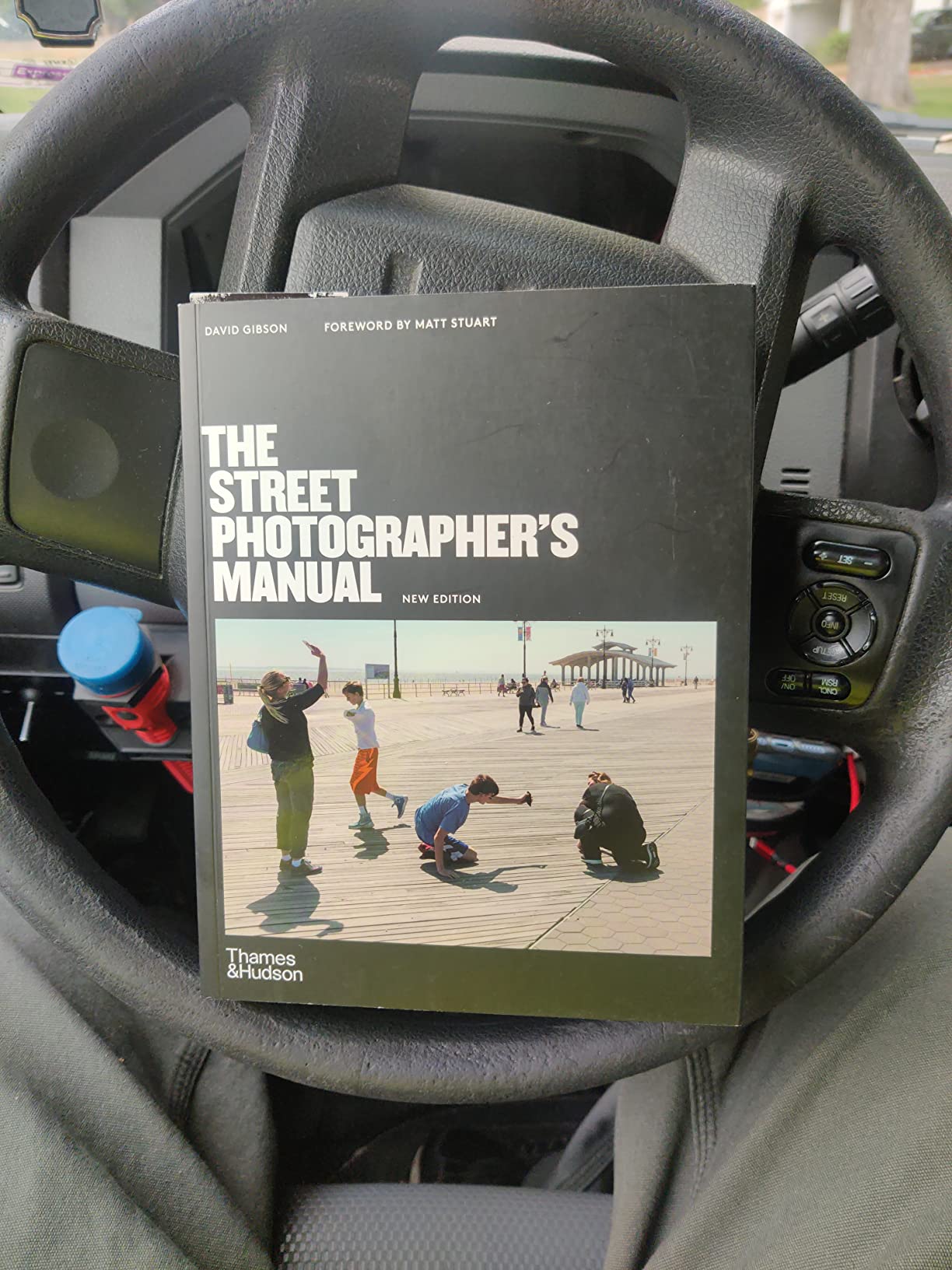
The book’s secret weapon is its profiles of contemporary street photographers, each with a distinct style. Seeing ten different ways of working the same genre is liberating — there’s no single correct approach.
Those profiles double as a curated reading and viewing list. I discovered at least three photographers through this book whose work I now follow religiously.
Gibson deliberately skips deep technical coverage, and the book is better for it. His argument — that mindset and approach matter more than aperture — matches what every experienced street photographer eventually learns.
If you do want the technical foundations, understanding field of view is a good place to start, then let Gibson handle the seeing.
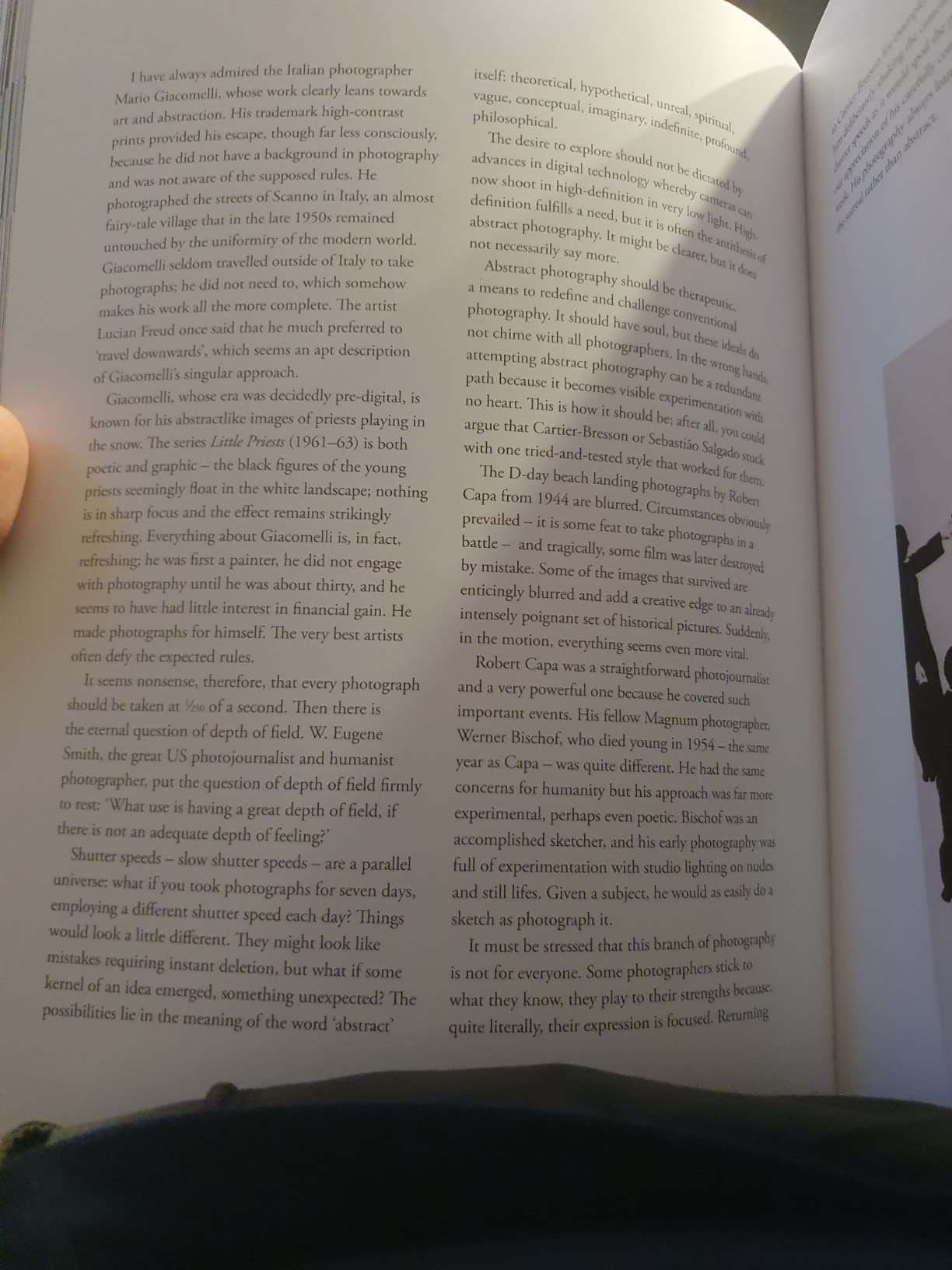
This is the best all-around instructional book on the list if you want one volume that balances teaching, inspiration, and photographer discovery. The Thames & Hudson production quality is excellent for the price.
Readers over fifty have noted the font runs small — worth knowing if that’s a concern for you or a gift recipient.
128 pages
Laurence King
By Matt Stuart
Compact paperback
Matt Stuart is one of the most celebrated contemporary street photographers, and this compact book distills how he actually thinks on the street. Multiple reviewers call it “the instruction manual for this genre.”
The central message is liberating: most of the rules you’ve been taught are imaginary. Stuart’s witty, direct prose gives you permission to shoot the way you see, not the way a forum says you should.
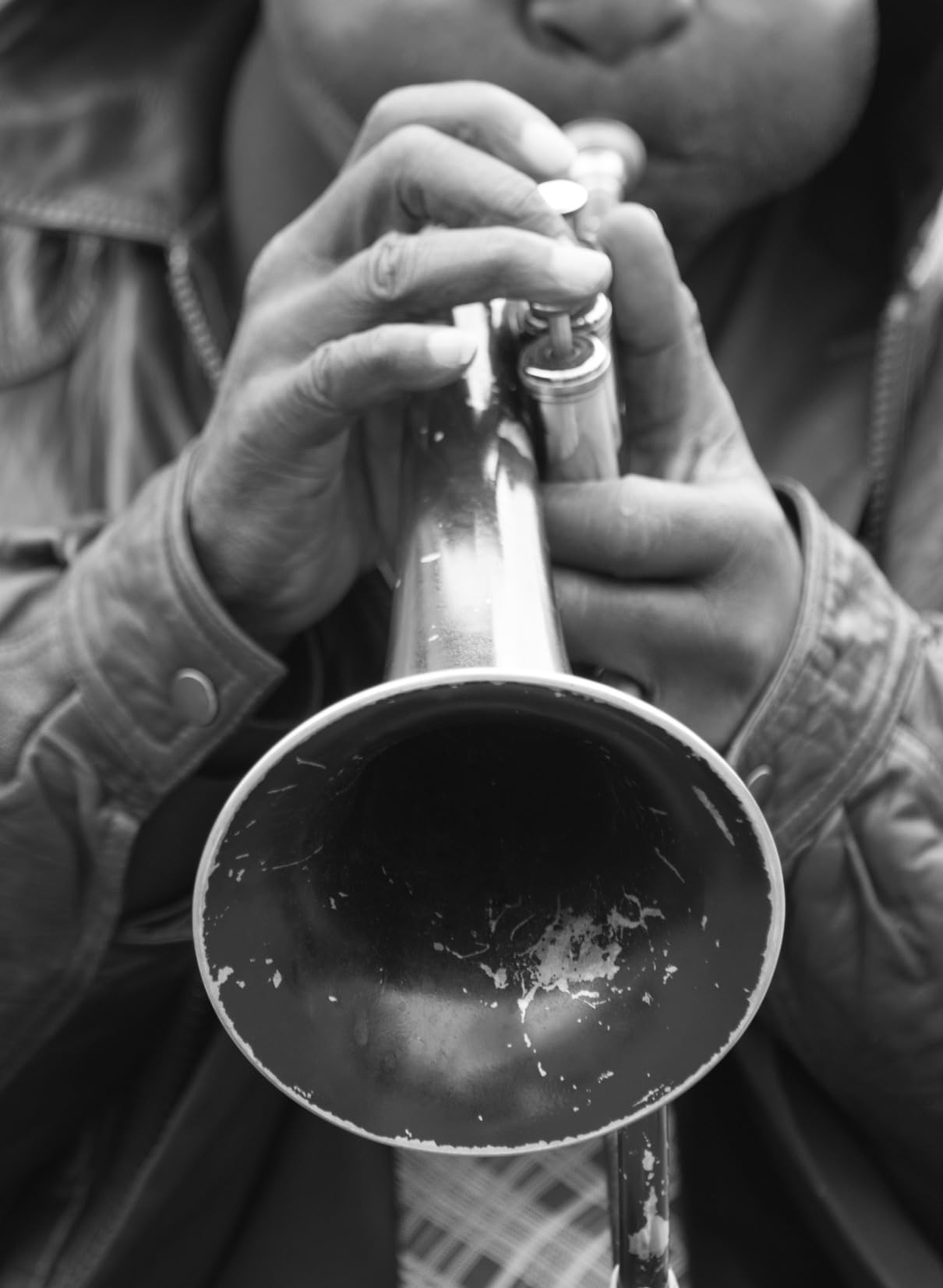
Stuart’s famous patience — waiting hours for a single element to enter a frame — comes through in both his images and his writing. The book teaches you to see photographs as constructions of patience and observation.
For timid photographers who struggle to raise the camera around strangers, his encouragement is genuinely helpful. This is the book that gets people over the fear hump.
At 128 pages and just over 11 ounces, it fits in a jacket pocket. Some reviewers wish the images were bigger, and fair enough — but as a field companion, the size is a feature.
For the price, it’s the best value on this list by a wide margin. Few books deliver this much usable wisdom per dollar.
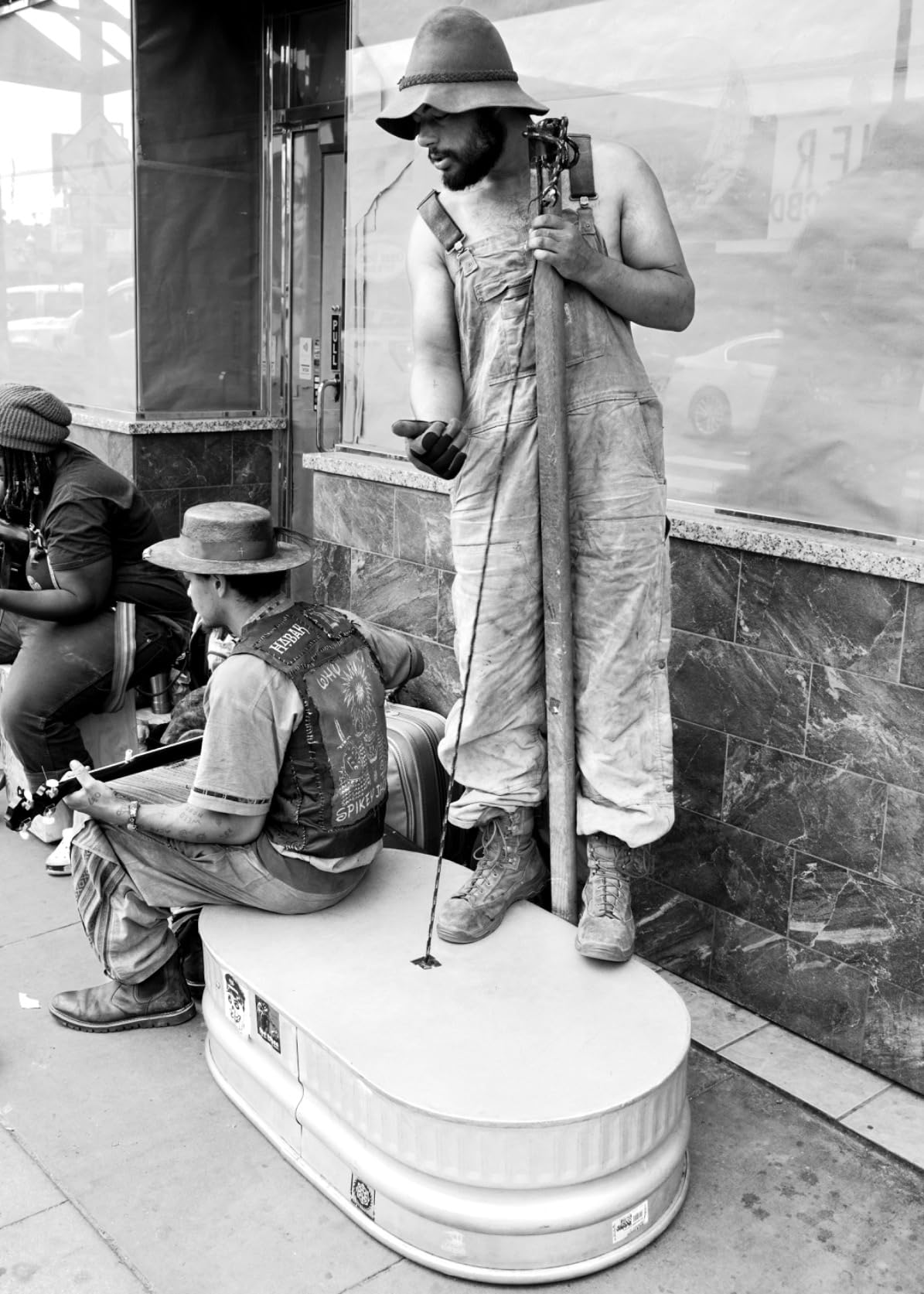
Anyone who hesitates before pressing the shutter, or anyone stuck shooting the same comfortable pictures. It’s also the perfect first street photography book — cheap, short, and inspiring.
Advanced photographers chasing technical refinement should look to the Workshop or Manual instead. This one is about the eye and the nerve.
176 pages
Ammonite Press
16 featured photographers
Hardcover with ribbon bookmark
Masters of Street Photography takes a different approach: instead of one master, you get sixteen, each organized by what they do best — complexity, atmosphere, humor, geometry. It’s like attending sixteen mini-workshops in one hardcover.
The inclusion of full technical information (camera, lens, exposure) for every photograph is what makes this a study tool rather than a picture book. You can reverse-engineer how each frame was made.
Seeing the focal length and exposure behind a frame you admire collapses the distance between inspiration and execution. I’ve spent entire evenings with this book and a notepad, mapping settings to results.
The Q&A sections humanize the photographers too. Their answers about process, failure, and patience are worth the cover price on their own.
Rob Yarham’s selection goes beyond the usual suspects, including international voices and specialists the typical list skips. For readers seeking broader perspectives — a recurring request in forum threads — this is the anthology that answers it.
The expertise-themed chapters make it easy to jump straight to whatever skill you’re trying to build.
Intermediate photographers who want to study a wide range of working styles in one place. The hardcover with ribbon bookmark also makes it a handsome gift.
Check your copy on arrival — a few reviewers report bumped corners, and one reader’s misreading of an Italian religious procession photo caused unnecessary controversy. The image is exactly what the caption says it is.
208 pages
Prestel
By David Gibson
100 iconic photographs
Also from David Gibson, this Prestel volume walks through the history of street photography via 100 landmark images, each with context and explanation. It’s the book that connects the dots between Cartier-Bresson, Vivian Maier, and the contemporary shooters in this list.
Reading it felt like taking a survey course in the genre. You see how visual ideas were invented, borrowed, and reinvented across decades.
Gibson’s selections span eras, continents, and styles, and his captions explain each image’s significance rather than just naming it. That context is what turns browsing into learning.
For photographers who feel stuck in the present, seeing a century of work is a genuine creative reset. Several frames here sent me back onto the street with fresh eyes.
Honest caveat: this title runs in and out of stock, and several reviewers received copies with bent covers or creases. When it’s available and arrives clean, the content is excellent.
If you see it in stock, grab it. If condition matters to you for gifting or collecting, consider a bookstore copy you can inspect in person.
Anyone who wants to understand where street photography came from and how it evolved. It pairs beautifully with any of the monographs above, giving you the timeline they fit into.
Students of photography history and teachers building a curriculum will get the most from it. Pure technique seekers should pick the Workshop or Manual instead.
224 pages
teNeues
Large format 10.8 x 13.4 inches
Black and white with select color
Phil Penman’s Street Scenes, published in October 2025, is the strongest contemporary monograph on our list — roughly 90% of reviewers give it five stars. His black and white images of New York and other world cities carry a film noir intensity that feels both classic and completely current.
Opening this book is a physical experience: 13-inch-tall pages, deep blacks, and fog rolling through frames that look staged but absolutely are not. It’s the book that made me want to grab a camera and go out in the rain.
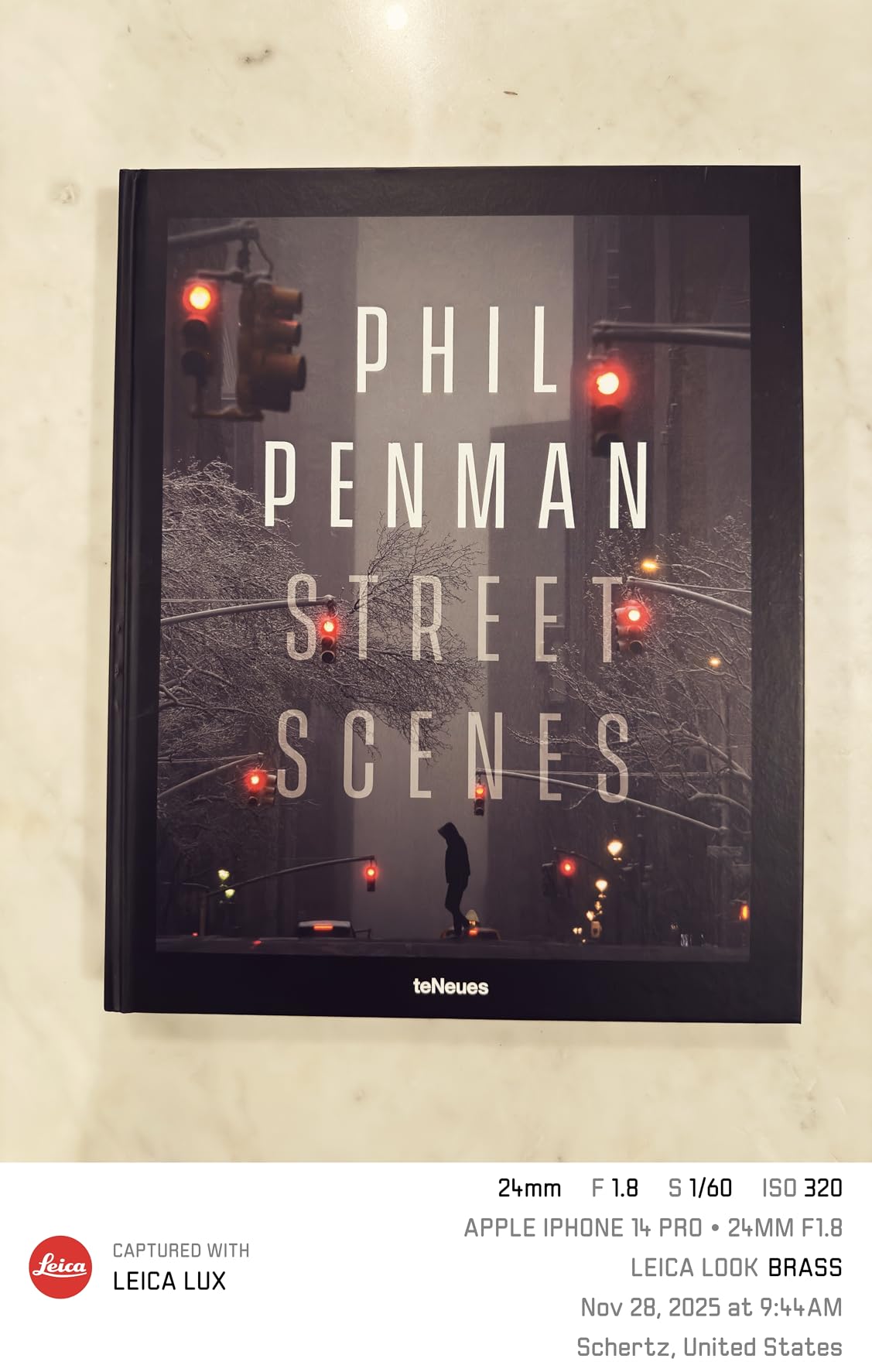
Penman works in shadows, silhouettes, and atmosphere. The sequencing is deliberate throughout — quiet frames set up dramatic ones, and the occasional color image lands like a thunderclap precisely because it’s rare.
Studying his juxtapositions teaches you how a photo essay builds rhythm, a skill that improves your single frames too.
teNeues is one of the best photobook publishers working today, and it shows: heavy paper, deep tonal reproduction, and a binding built to last. The book even ships in a protective cardboard box, which collectors will appreciate.
At 5.46 pounds and over 13 inches tall, this is display-piece territory. Clear a spot on the shelf — or the coffee table — before it arrives.
Photographers who love mood, atmosphere, and black and white work, and anyone building a collection of contemporary street photography classics in the making. It’s a premium book at a premium price, and the quality justifies it.
If you need heavy color content, Herzog or the Maier color volume will serve you better. But for drama, nothing on this list touches Penman.
144 pages
Frances Lincoln
By Craig Whitehead
20 short chapters
Craig Whitehead (known online as sixstreetunder) is famous for his layered, color-soaked frames, and Find Your Frame compresses 20 years of field experience into 20 short chapters. Around 71% of reviewers give it five stars, and it’s one of the most affordable books on our list.
The title is the mission: this isn’t about imitating Whitehead, it’s about developing your own recognizable style. That framing makes it a perfect early-career read.
Each chapter is a dense, fluff-free lesson drawn from real field experience — light, color, layers, patience, and how to keep a series coherent. The brevity keeps you moving and shooting rather than stuck in theory.
Readers repeatedly say it makes them want to grab the camera immediately. I reread the color chapters before every trip and they never stop paying off.
The first half is accessible to complete newcomers; the second half assumes more photographic knowledge. Treat that as a feature — the book grows with you across multiple reads.
Its 6 x 8 inch size keeps the price down and portability up, though some images deserve a bigger stage. For the cost of a few rolls of film, that’s a trade worth making.
Anyone building a street photography library on a budget, and any photographer whose work looks technically fine but feels generic. Whitehead’s push toward personal vision is exactly the cure.
Pair it with Matt Stuart’s book for a one-two punch of mindset and style at a combined price under most single art books.
Building a photography book collection is a skill in itself. After years of buying, returning, and treasuring these volumes, here’s the framework our team uses before every purchase.
The single most common confusion in forum threads is the difference between the two types of street photography books. A monograph is a curated collection of a photographer’s work — pure visual study with minimal text. An instructional book teaches technique, approach, and process.
Your collection needs both. Monographs build your visual vocabulary; instructional books tell you what to do with it. A rough starting ratio is one instructional book for every two monographs.
Not all photo books are printed equally. Look for publishers with strong reputations — Hatje Cantz, Thames & Hudson, teNeues, Prestel, and Ammonite Press all appear on this list for a reason. Check page count, physical dimensions, and weight as proxies for production value.
Large formats (10+ inches) present images better but cost more and ship rougher. If a book weighs over 4 pounds, inspect it on arrival — heavy art books are the most commonly damaged in transit.
Beginners get the fastest results from structured, encouraging guides: Street Photography Workshop, Think Like a Street Photographer, or 52 Assignments. Intermediate shooters should add the Street Photographer’s Manual and Masters of Street Photography to widen their study.
Advanced photographers benefit most from the philosophical depth of The Art of Street Photography and from monographs — Herzog, Penman, Maier — that push their visual ambitions.
You don’t need to buy everything at once — most collectors in the forums built their libraries over years. Start with one instructional guide and one affordable monograph, then add a title every couple of months.
Four books on this list come in under twenty dollars, which keeps the barrier low. And when you’re ready to spend more, tools for location scouting and street photography make good companion investments alongside a premium monograph.
Classic book lists tend to recycle the same handful of names. Seek out women photographers (Vivian Maier is the essential start), international voices, and contemporary shooters like Joshua K. Jackson and Craig Whitehead who are redefining the genre right now.
Masters of Street Photography is the best single-volume shortcut here, with sixteen photographers chosen for range rather than fame.
Amazon offers the widest availability and easy returns on damaged copies, which matters for art books. Independent bookstores deserve support too — many can special-order any title here, and photobook communities consistently recommend them for condition-critical purchases.
For out-of-print and rare street photography classics, used marketplaces and specialist photobook dealers are your friends — just verify edition and condition before committing. You can find more street photography tips and resources on our site as your collection grows.
For most photographers, the best single book about street photography is Fred Herzog: Modern Color for pure visual study or The Street Photographer’s Manual by David Gibson if you want instruction. Think Like a Street Photographer by Matt Stuart is the best low-cost starting point.
Buy an instructional guide first. Think Like a Street Photographer or Find Your Frame teaches you how to see before you study monographs. Once you understand approach and composition, monographs like Vivian Maier: The Color Work become far more useful.
The 20-60-20 rule is a composition guideline suggesting that roughly 20% of a frame’s elements should be visually dominant, 60% supporting context, and 20% breathing space or tension. It is a flexible structure rather than a law, and street photographers often break it deliberately for dynamic, chaotic frames.
Fred Herzog: Modern Color (Hatje Cantz) and Phil Penman: Street Scenes (teNeues) have the highest print and reproduction quality on this list, with Vivian Maier: A Photographer Found close behind thanks to its large-page format and superior image quality.
Most street photographers use compact mirrorless cameras with a fixed 28mm or 35mm equivalent lens, or compact rangefinder-style bodies. The genre’s philosophy emphasizes vision over gear — books in this guide teach that mindset, since photographers like Vivian Maier produced masterpieces with a basic Rolleiflex.
If you shoot color and want the historical foundation, Fred Herzog: Modern Color is the best street photography photo book of 2026 and our editor’s choice. If you need the confidence and mindset to actually raise your camera, Matt Stuart’s Think Like a Street Photographer costs less than a lens filter and works faster.
Collectors and image-quality purists should invest in Vivian Maier: A Photographer Found and Phil Penman: Street Scenes, while beginners get the fastest results from Street Photography Workshop or Find Your Frame. Whichever you choose, the real gains come when you close the book and take what you learned back onto the street.
Pick one, study it slowly, and shoot the way the masters do: with patience, intention, and an open eye. Your next favorite frame is already out there waiting.