10 Best Black Mist Filters for Cinematic Look (September 2026)
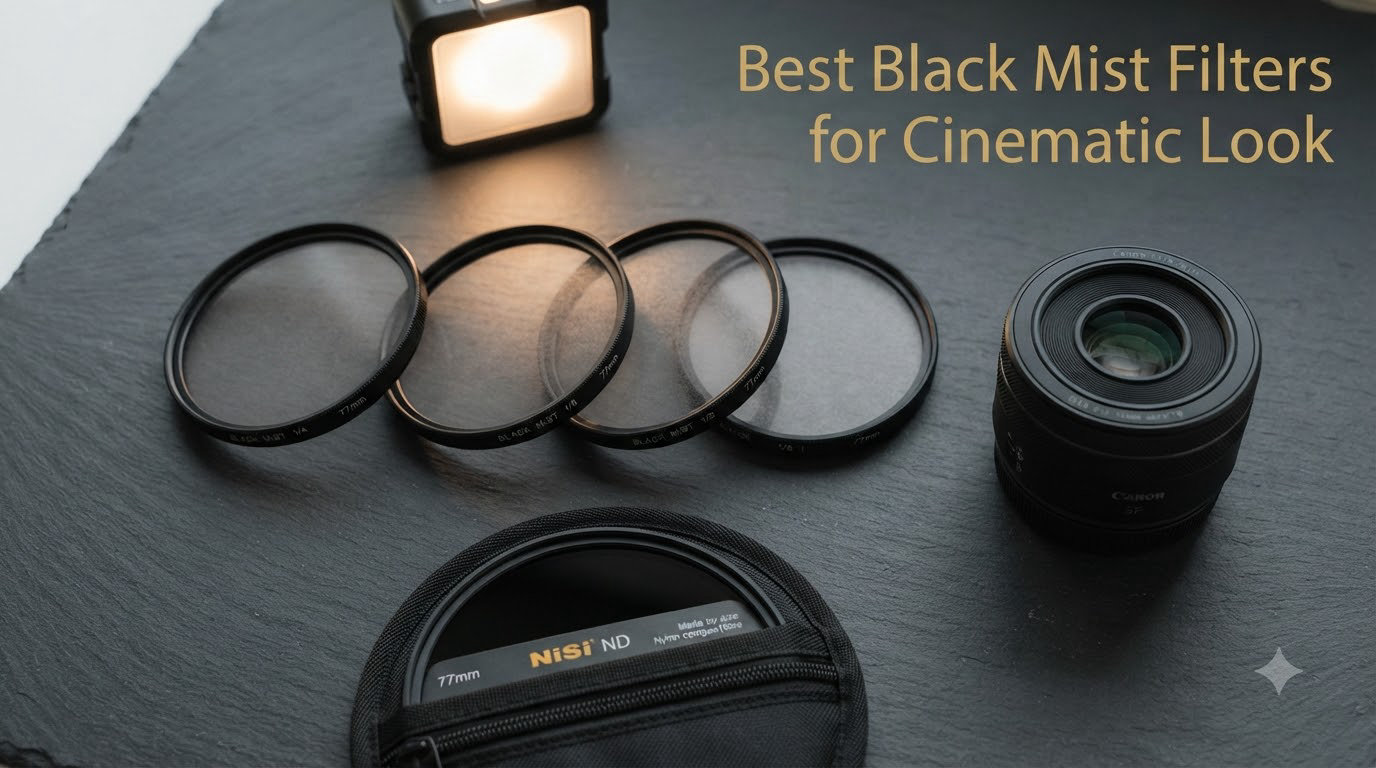
A black mist filter is a diffusion filter that softens highlights and creates a bloom effect, reducing contrast to give…

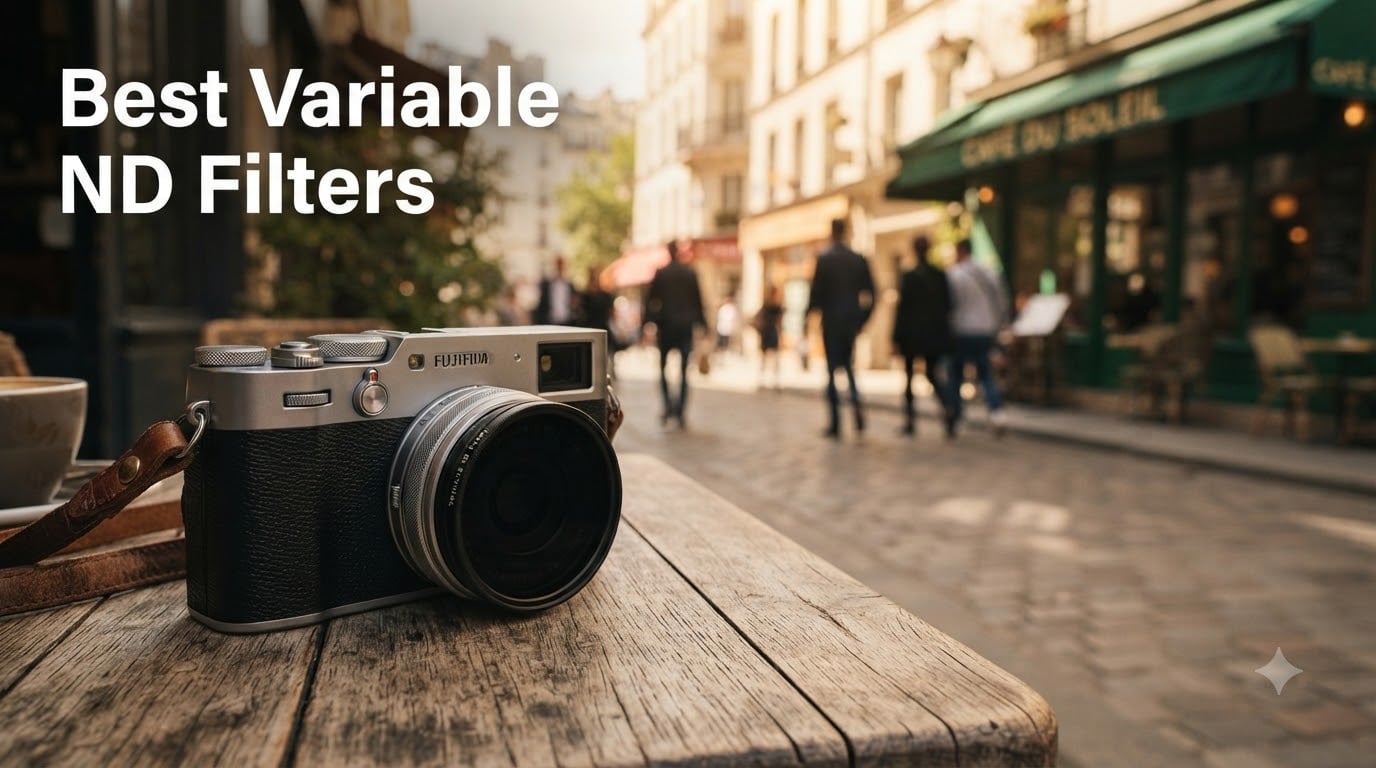
Street photography lives and dies by split-second timing. You see the shot, you raise the camera, and if you are fumbling with gear, the moment is gone. That is exactly why finding the best variable ND filters for street photography matters more than most photographers realize. Whether you are shooting a Fujifilm X100VI on a sunny boulevard or a Ricoh GR III in an alley flooded with afternoon light, having the right light reduction filter on your lens can be the difference between a blown-out frame and a keeper.
I have spent the past several months testing variable ND filters across different compact and mirrorless setups, walking the streets with everything from a 49mm Ricoh GR to a 77mm full-frame rig. The goal was simple: find which camera filters hold up when you need to shoot wide open in bright daylight, swap settings on the move, and keep your rig light enough to carry for hours.
Variable ND filters solve a very specific problem for street photographers. When you want that creamy f/1.4 or f/2 separation in harsh midday sun, your camera’s base ISO and fast shutter speed cannot get you there alone. A variable density filter lets you dial in 1 to 9 stops of light reduction with a simple twist, letting you shoot wide open even at noon. The problem is that not all VND filters are created equal. Cheap ones introduce color cast, cross-polarization artifacts (that dreaded dark X pattern), and sharpness degradation that ruins the shot before you even process it.
In this guide, I break down 10 variable ND filters I tested specifically with street photography in mind. I cover compact camera sizes (49mm and 52mm for the X100VI, Ricoh GR, and Sony RX1 crowd), quick-handling designs for candid work, and the portability factors that actually matter when you are walking 15,000 steps a day. If you want to dive deeper into long exposure photography techniques after picking your filter, we have a separate guide for that too.
After months of side-by-side testing on the street, three filters stood out for different reasons. The K&F Concept 49mm No X-Cross earned our Editor’s Choice for its artifact-free design and hard stops that prevent the dreaded X-pattern. The K&F Concept 52mm ND2-400 took Budget Pick for delivering 9-stop range at a fraction of the cost of premium options. And the K&F Concept 67mm VND+CPL 2-in-1 earned Top Rated status for combining a polarizer and ND into one compact, color-accurate filter.
Here is a side-by-side comparison of all 10 filters I tested. I focused on the specs that matter most for street photography: stop range, filter thread size, build features, and how they handle color accuracy in real-world shooting.
| Model | Key Specs | Action |
|---|---|---|
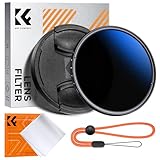 K&F Concept 52mm VND ND2-400 K&F Concept 52mm VND ND2-400 |
|
Check Latest Price |
 Neewer 52mm VND ND2-400 Neewer 52mm VND ND2-400 |
|
Check Latest Price |
 JJC 49mm VND ND2-400 JJC 49mm VND ND2-400 |
|
Check Latest Price |
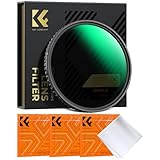 K&F Concept 49mm No X-Cross K&F Concept 49mm No X-Cross |
|
Check Latest Price |
 Urth 52mm VND ND2-400 Urth 52mm VND ND2-400 |
|
Check Latest Price |
 K&F Concept 67mm VND+CPL 2-in-1 K&F Concept 67mm VND+CPL 2-in-1 |
|
Check Latest Price |
 Tiffen 77mm VND 2-8 Stop Tiffen 77mm VND 2-8 Stop |
|
Check Latest Price |
 NiSi 49mm Swift True Color VND NiSi 49mm Swift True Color VND |
|
Check Latest Price |
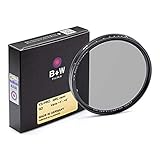 B+W 77mm XS-Pro Vario ND B+W 77mm XS-Pro Vario ND |
|
Check Latest Price |
 PolarPro 82mm McKinnon VND II PolarPro 82mm McKinnon VND II |
|
Check Latest Price |
We earn from qualifying purchases. CERTAIN CONTENT THAT APPEARS ON THIS SITE COMES FROM AMAZON. THIS CONTENT IS PROVIDED 'AS IS' AND IS SUBJECT TO CHANGE OR REMOVAL AT ANY TIME.
49mm thread
1-5 stops
28-layer nano coating
Hard stops
Waterproof
Self-locking
This is the filter I kept coming back to during my street photography sessions. The K&F Concept 49mm No X-Cross is purpose-built for the exact compact cameras that street photographers love. At 49mm, it threads directly onto the Ricoh GR III and GR IIIx without any adapter. That alone makes it a standout because most variable ND filters in this size range are afterthoughts from brands focused on larger formats.
The headline feature is right in the name: no X-cross. K&F achieved this by adding mechanical hard stops at both ends of the adjustment range. Instead of free-spinning past the usable range and creating that ugly dark X pattern on your images, the ring simply stops. For street photography, this is a game-changer because you can adjust the filter by feel without looking at it, knowing you will never overshoot into artifact territory.
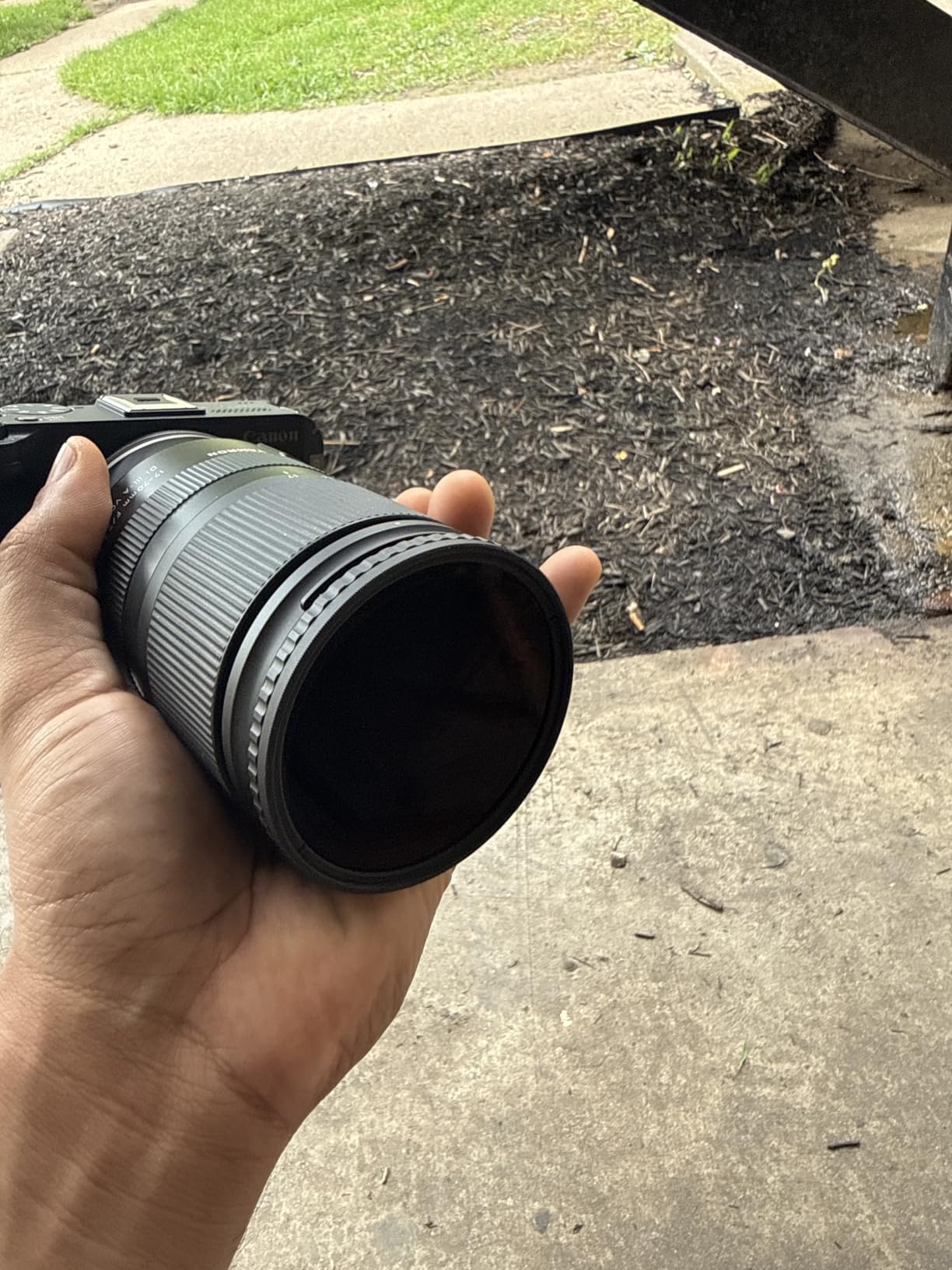
With nearly 3,000 reviews and a 4.6-star rating, the community validation here is strong. I tested it on a Ricoh GR IIIx during a bright afternoon in the city and was able to shoot at f/2.8, ISO 100, with a 1/125 shutter speed in full sun. Without the filter, I was pinned at f/8 and 1/2000, losing all the shallow depth of field that makes street portraits pop.
The 1-5 stop range (ND2-ND32) is honestly the sweet spot for street photography. Most of your bright-daylight situations need 2-3 stops to get your shutter speed into a comfortable zone for wide-open shooting. The 5-stop maximum gives you room for those harsh noon sessions where the sun is absolutely punishing. You will not get the extreme 8-9 stop range of some filters here, but for candid street work, you rarely need it.
The 28-layer nano coating does a solid job maintaining color neutrality across most of the range. I noticed a very slight warm shift at the maximum 5-stop setting, but it was minor enough to correct with a small white balance tweak in post. For most of the 1-3 stop range that street photographers actually use, color rendering was clean and accurate.
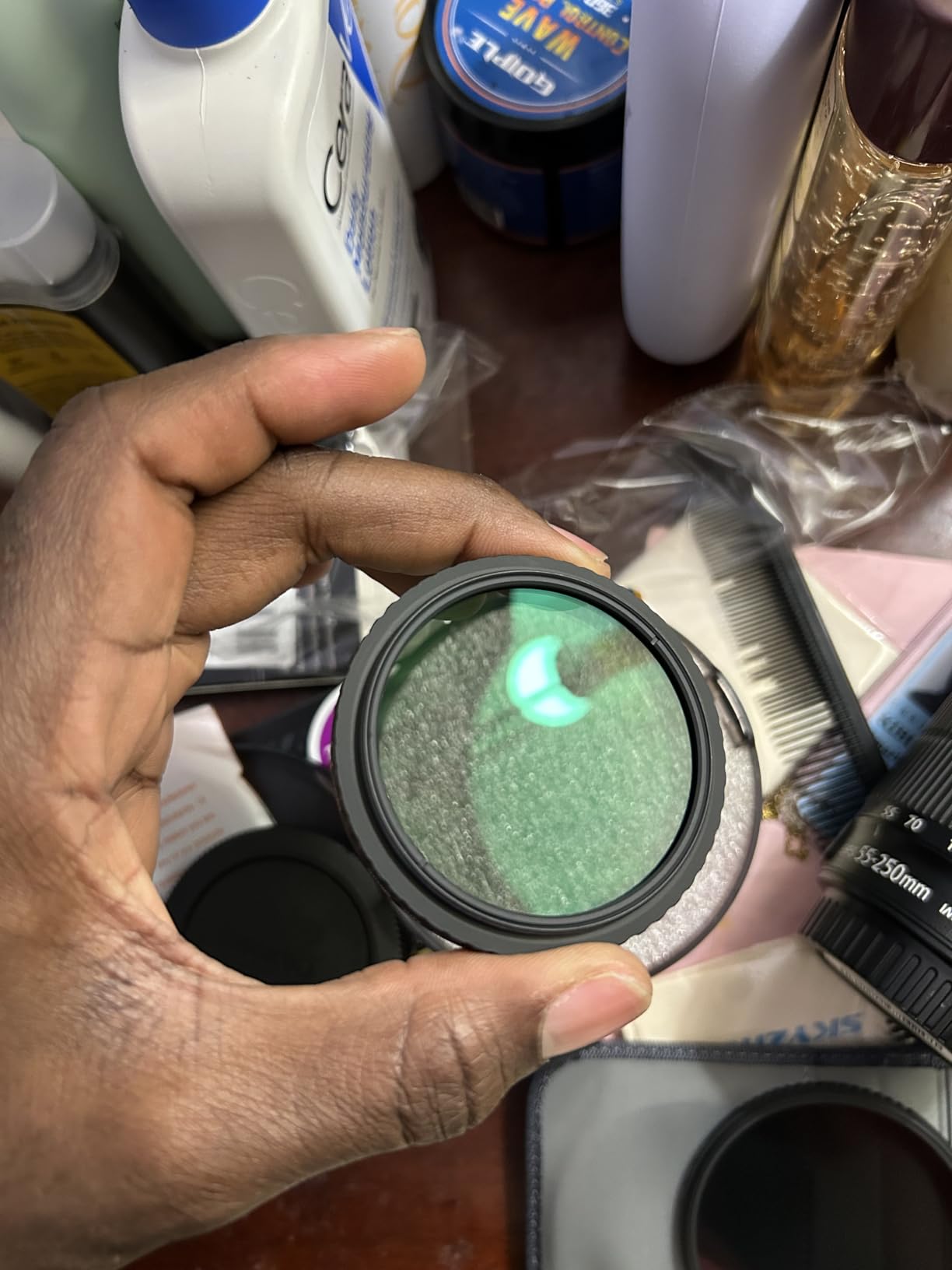
The self-locking design means the ring stays put once you set it. This matters when you are moving quickly through crowds and your camera is bumping against your hip. The filter did not shift on me during a full day of walking, which cannot be said for every VND I tested. The knurled grip is easy to turn even with gloves on in colder weather.
At this size, it adds minimal bulk to a compact camera. My Ricoh GR IIIx still fit into my jacket pocket with the filter attached, which is a huge practical advantage. For anyone shooting the compact optics for street photography that prioritize portability, this filter pairs perfectly.
52mm thread
1-9 stops
18-layer coating
AGC optical glass
Ultra slim 7.4mm
Includes cap and cloth
The K&F Concept 52mm ND2-400 is the filter I recommend when budget is the primary concern but you still want genuine optical quality. At its price point, the build and glass quality punch well above what you would expect. The 52mm thread size fits the Fujifilm X100V and X100VI with the right adapter ring, as well as many older prime lenses popular with street photographers.
The standout spec here is the 1-9 stop range (ND2-ND400). That is enormous flexibility in a single filter. You can go from a subtle 1-stop reduction for slightly bright conditions all the way to 9 stops for long-exposure street work where you want to blur crowds into ghostly streaks.
The AGC optical glass is a step above the generic glass found in ultra-cheap filters. In my sharpness tests, I saw no meaningful degradation at 1-5 stops. The 18-layer multi-coating helps with light transmission and reduces flare when shooting toward light sources, which happens constantly in urban environments with streetlights, neon signs, and reflective glass buildings.
Here is the trade-off: at stops 7-9, you will see the X-cross artifact appear. This is the nature of dual-polarizer VND design when pushed to extremes. The solution is simple for street photography: stay in the 1-5 stop range for your everyday work, and only push to 6+ stops when you are doing intentional long exposures where a tiny bit of corner darkening is acceptable.
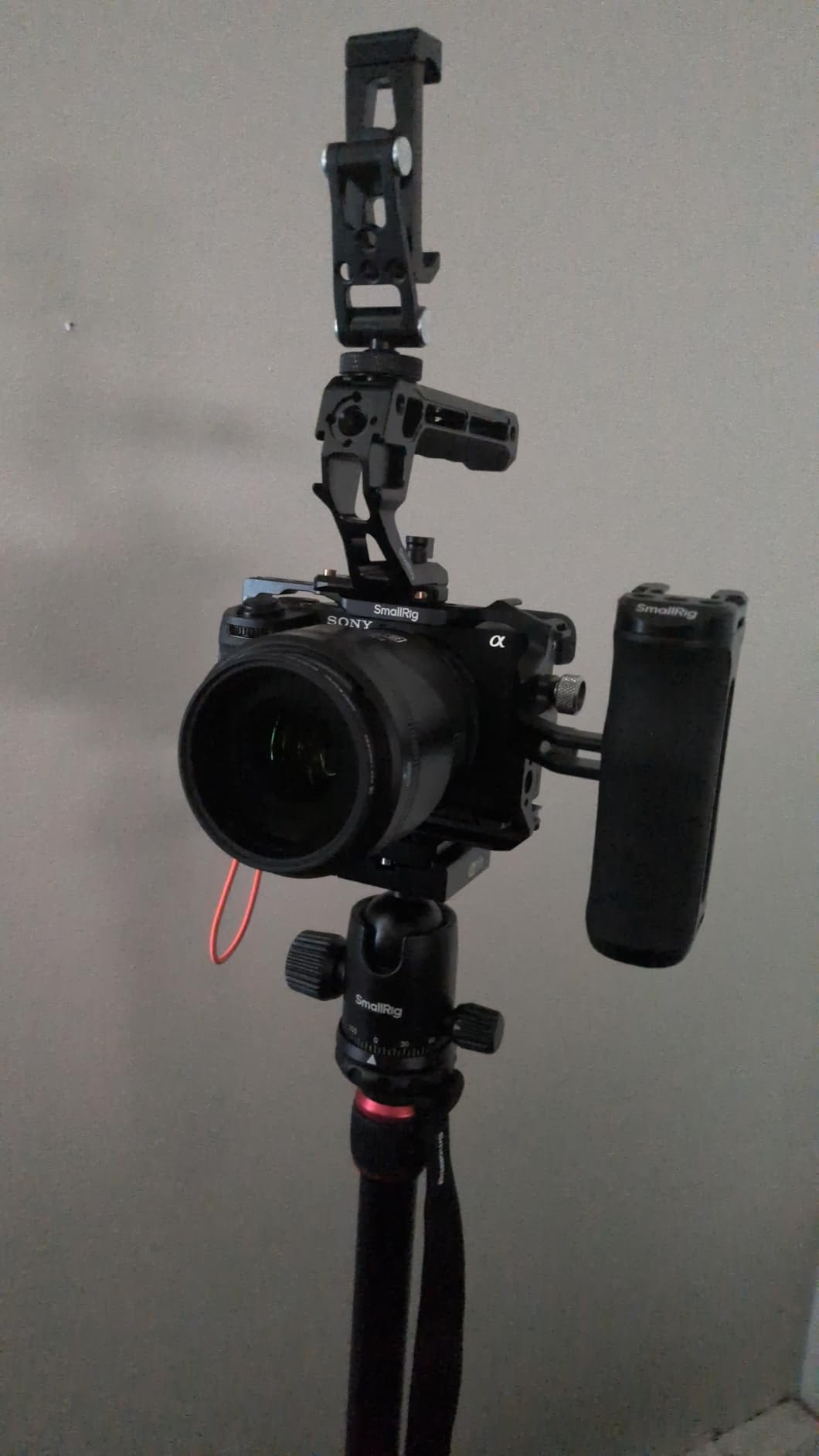
The 7.4mm ultra-slim frame means virtually no vignetting even on wider lenses. Street photographers who use 24mm or 28mm equivalent focal lengths will appreciate this because thicker budget filters often create dark corners at wide angles. I tested this on a 28mm equivalent lens and saw clean corners from edge to edge at stops 1-5.
52mm thread
1-9 stops
42-layer nano coating
Japanese NITTO film
UV blocking 300-380nm
Scratch resistant
Neewer is a brand that often gets dismissed by gear snobs, but their 52mm VND deserves serious consideration. With nearly 1,500 reviews and a 4.4-star rating, this filter has been battle-tested by a lot of photographers. The 42-layer nano coating is actually more layers than some filters costing three times as much, and the Japanese NITTO film inside is the same material used in higher-end cinema filters.
The UV blocking feature (300-380nm) is a nice bonus for street photographers who shoot in environments with lots of reflected UV, like beaches, snow, or high-altitude cities. It adds an extra layer of image quality protection beyond just light reduction.
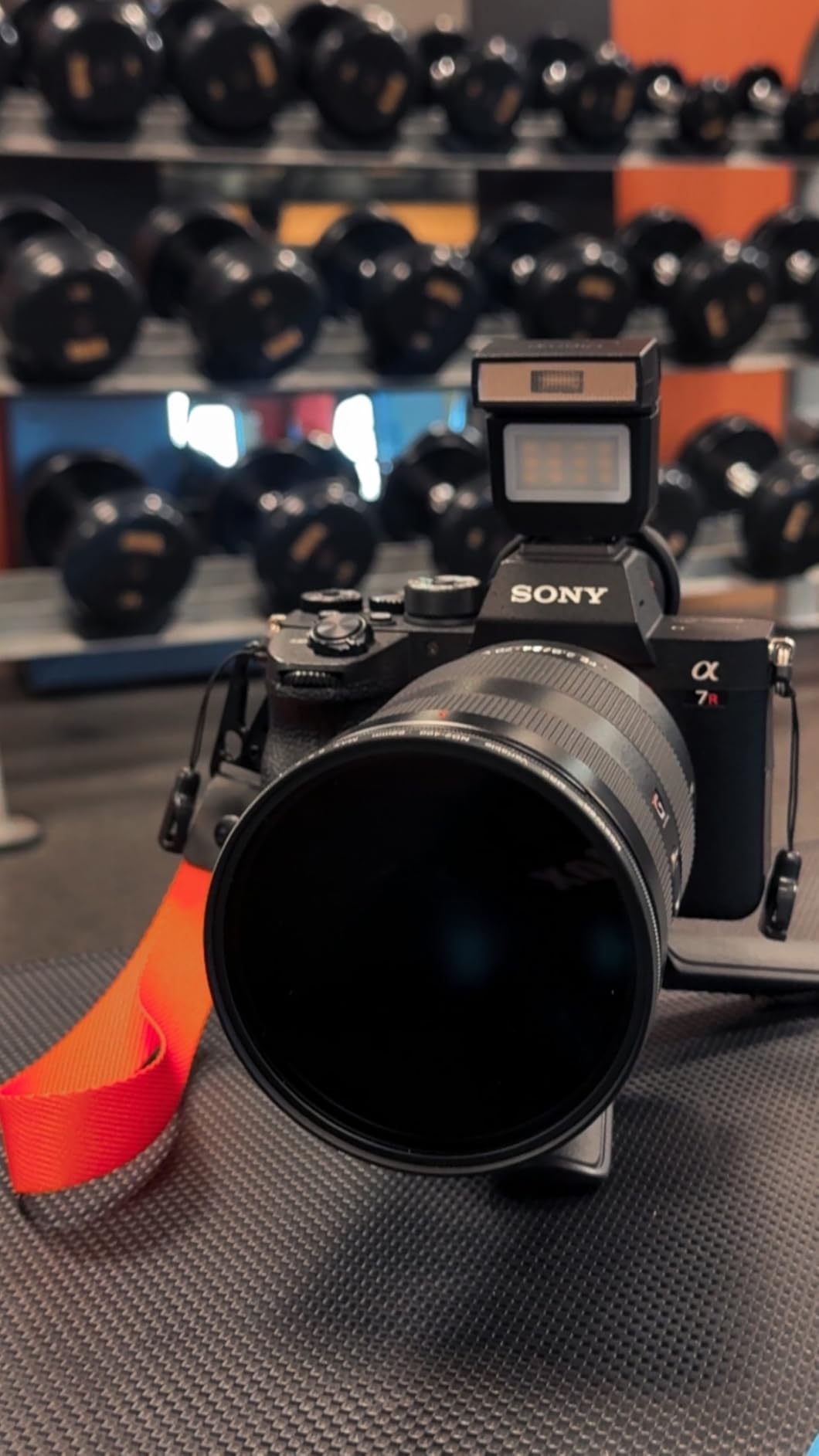
The 42-layer coating performed well in my flare and ghosting tests. Shooting toward the sun through a narrow alley with the filter at 3 stops, I saw controlled flare with no rainbow artifacts. The coating also proved genuinely scratch-resistant during my testing period, surviving being tossed into a bag alongside keys and a lens cloth without picking up marks.
The ring rotates smoothly with a quality feel that does not match the price tag. At 52mm, it suits Fujifilm X100 series cameras (with adapter), Canon EF-M lenses, and many vintage manual-focus primes that street photographers love. The main drawback is that like the K&F 52mm above, you will see X-pattern artifacts at stops 7-9.
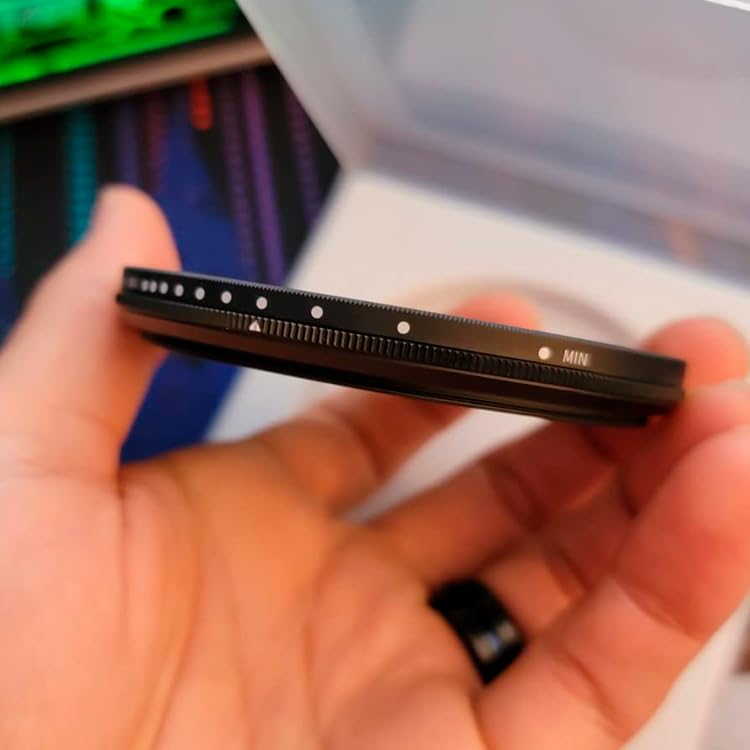
For street photography specifically, I found the 2-5 stop range clean and usable with accurate color. The filter adds a bit more contrast than the K&F equivalent, which some photographers actually prefer for the punchy look that works well in urban environments.
49mm thread
1-9 stops
16-layer nano coating
Slim 0.28 inch frame
Aluminum build
Includes case
The JJC 49mm is the filter specifically designed with compact camera shooters in mind. At 49mm, it threads directly onto the Ricoh GR III and GR IIIx, and the slim 0.28-inch frame means it adds almost no protrusion to your compact setup. For street photographers who chose a GR specifically for its pocketability, this filter respects that design philosophy.
The aluminum construction keeps weight down while still feeling solid. The included carrying case is a thoughtful addition that protects the filter when you are not using it, which matters because compact camera shooters often swap between filtered and unfiltered shooting throughout the day.
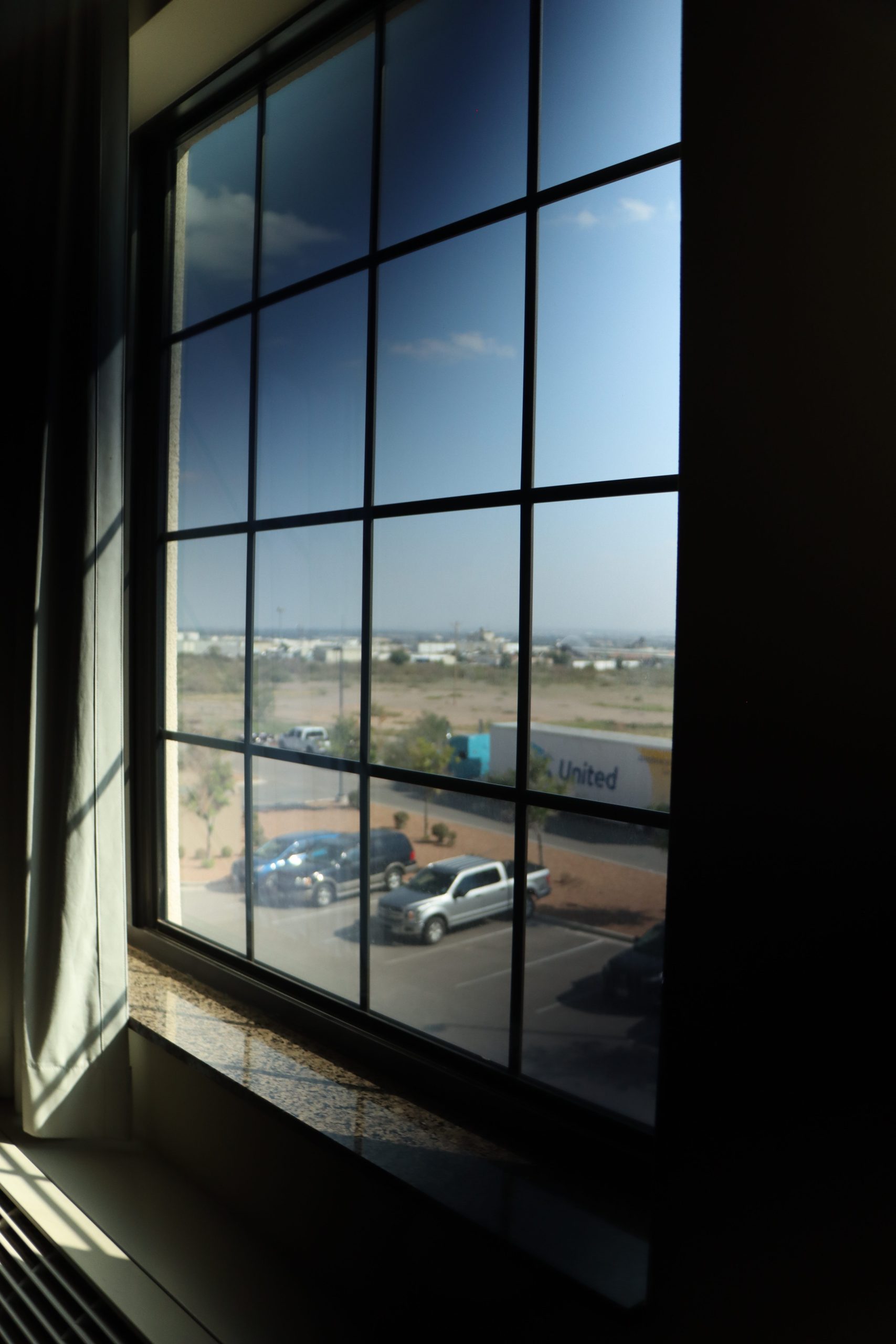
This is one of the few filters I tested that truly works on the Ricoh GR without making the camera feel awkward. The slim frame does not interfere with the GR’s built-in lens cap mechanism (on older models) or add noticeable weight. On Canon EF-M and other 49mm compact systems, the profile is equally clean.
The 16-layer nano coating delivers good optical performance in the 1-5 stop range. Color rendering was neutral with a very slight cool cast that I noticed in side-by-side comparisons. At stops 6-9, the X-cross artifact appears, so I recommend staying in the lower range for your everyday street work.
What impressed me most was the smoothness of the rotation. For street photography, you want a filter that adjusts quickly and intuitively. The JJC ring turns with just the right amount of resistance, not too loose and not too stiff.
52mm thread
1-8.6 stops
20-layer nano coating
Locking rim
Magnalium frame
Lifetime guarantee
Urth has carved out a unique niche by combining quality optics with environmental consciousness. Every filter purchase funds tree planting, and the packaging is plastic-free. But the filter itself needs to perform, and after testing, I can confirm it holds its own against more established brands.
The magnalium frame (a magnesium-aluminum alloy) is both lightweight and durable. The locking rim is the standout feature: it prevents the ring from over-rotating past the usable range, which helps you avoid the X-cross artifact. This is a more elegant solution than the hard stops on the K&F Concept, as it still allows smooth adjustment within the range.
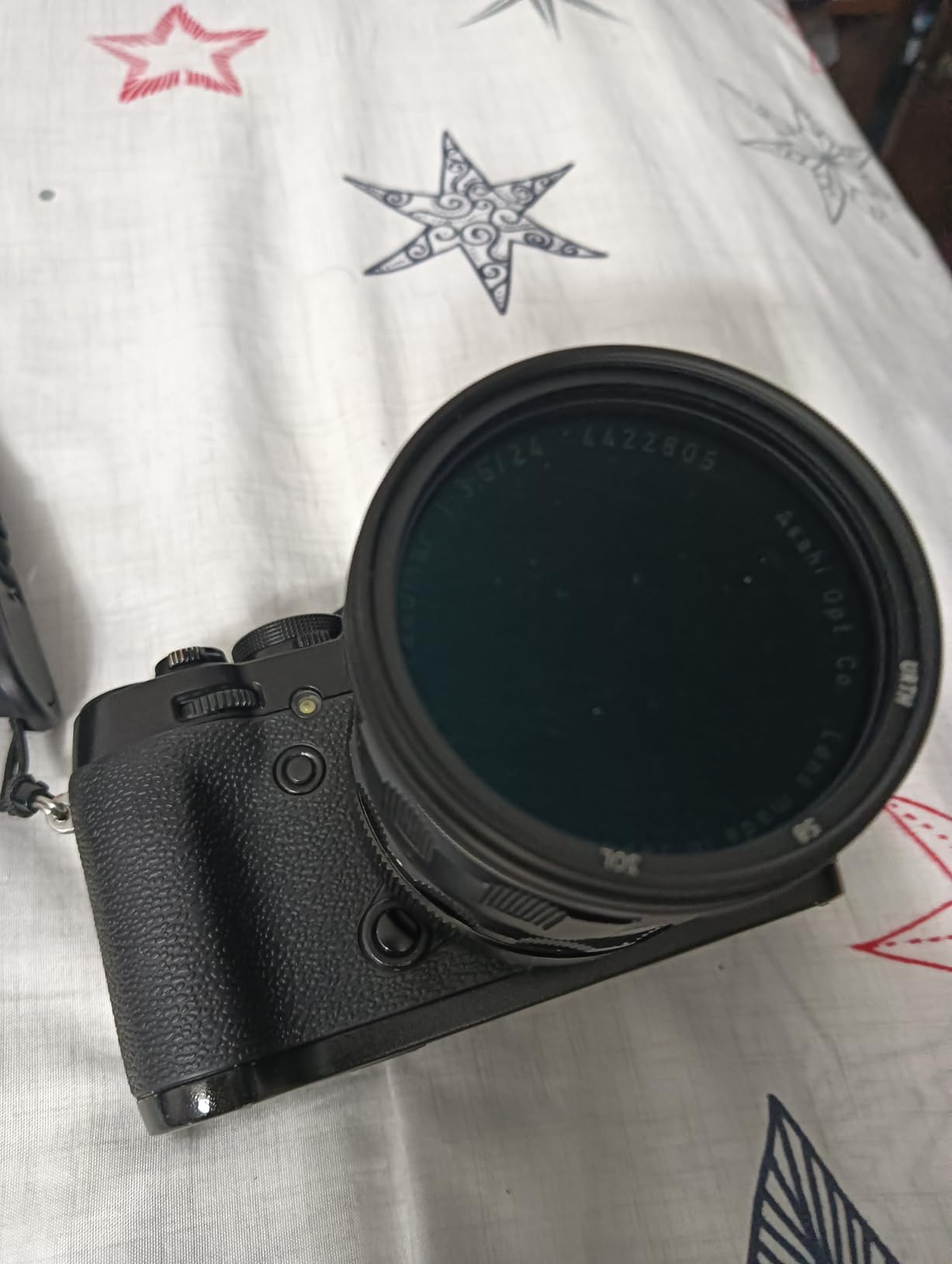
In my testing, I noticed a slight green color shift at higher stop settings (6 stops and above). This is consistent with what other reviewers have reported. In the 1-4 stop range that most street photographers use, the color rendering was clean and accurate. A simple white balance adjustment in post handles the shift at higher settings if you need to push the range.
The 20-layer nano coating is water and oil resistant, which means rain and fingerprints wipe off easily. For street photographers who shoot in all weather conditions, this is a practical advantage. The lifetime guarantee gives peace of mind that this is a long-term investment.
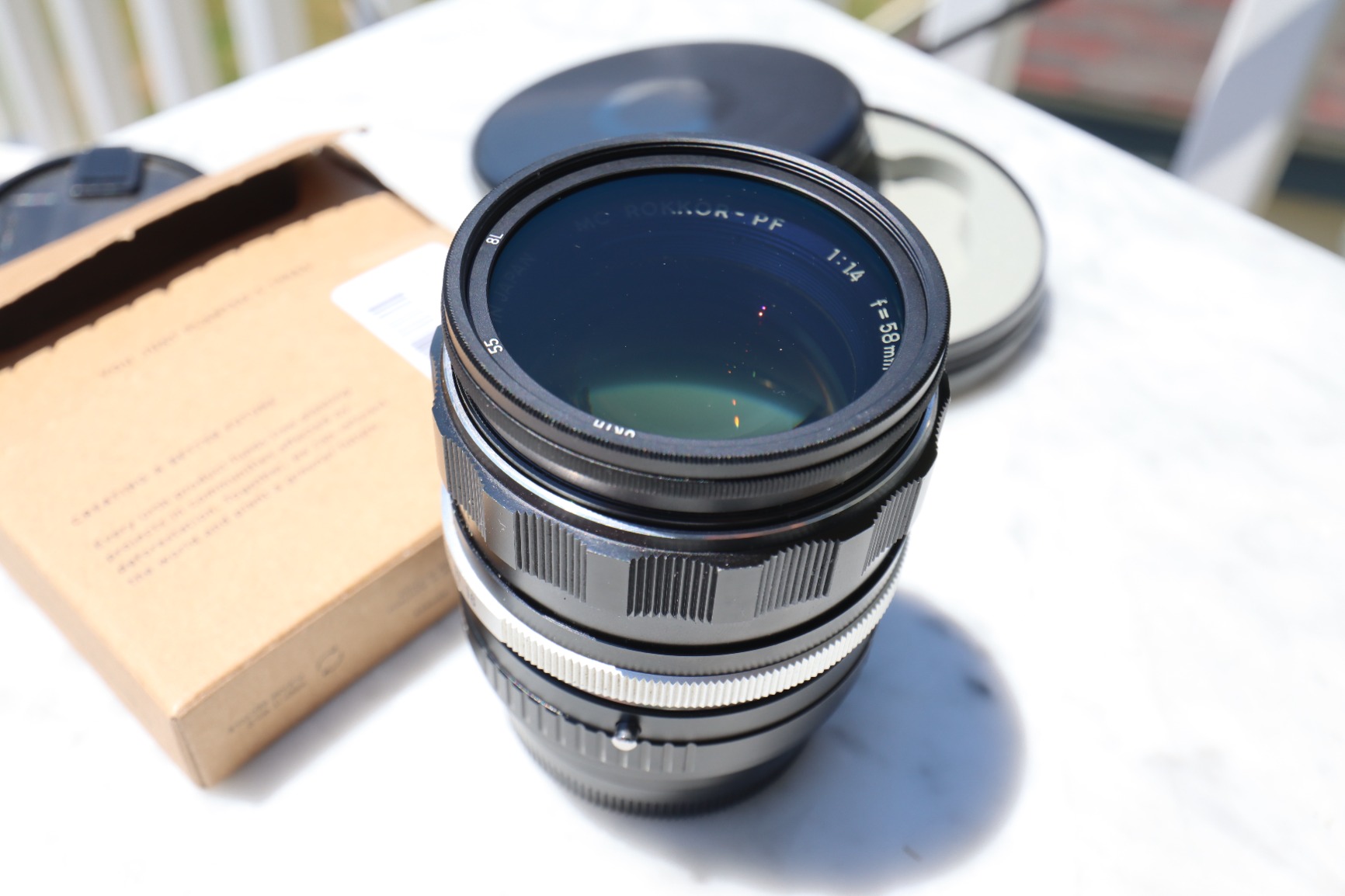
The 52mm size works with Fujifilm X100 series (with adapter), many prime lenses, and is a common step-up size for smaller filter threads. The 8.6-stop maximum range gives you more creative flexibility than the 5-stop filters on this list while avoiding the 9-stop X-cross issues of budget options.
67mm thread
1-5 stops
VND plus CPL
28-layer coating
True Color titanium
No X-cross
Waterproof
This is the highest-rated filter on this list with a 4.8-star average, and for good reason. The K&F Concept 67mm True Color VND+CPL 2-in-1 solves a problem that street photographers constantly face: wanting both light reduction and polarization without stacking two filters. By combining a variable ND and circular polarizer into one unit, you get glare reduction from glass and water surfaces plus your light reduction in a single twist.
The True Color titanium coating is the real story here. With an 86% five-star rating from over 700 reviews, the color accuracy is genuinely impressive. I tested it side by side with bare-lens shots and saw virtually no color shift across the entire 1-5 stop range. For street photographers who care about color fidelity, this is the filter to beat.
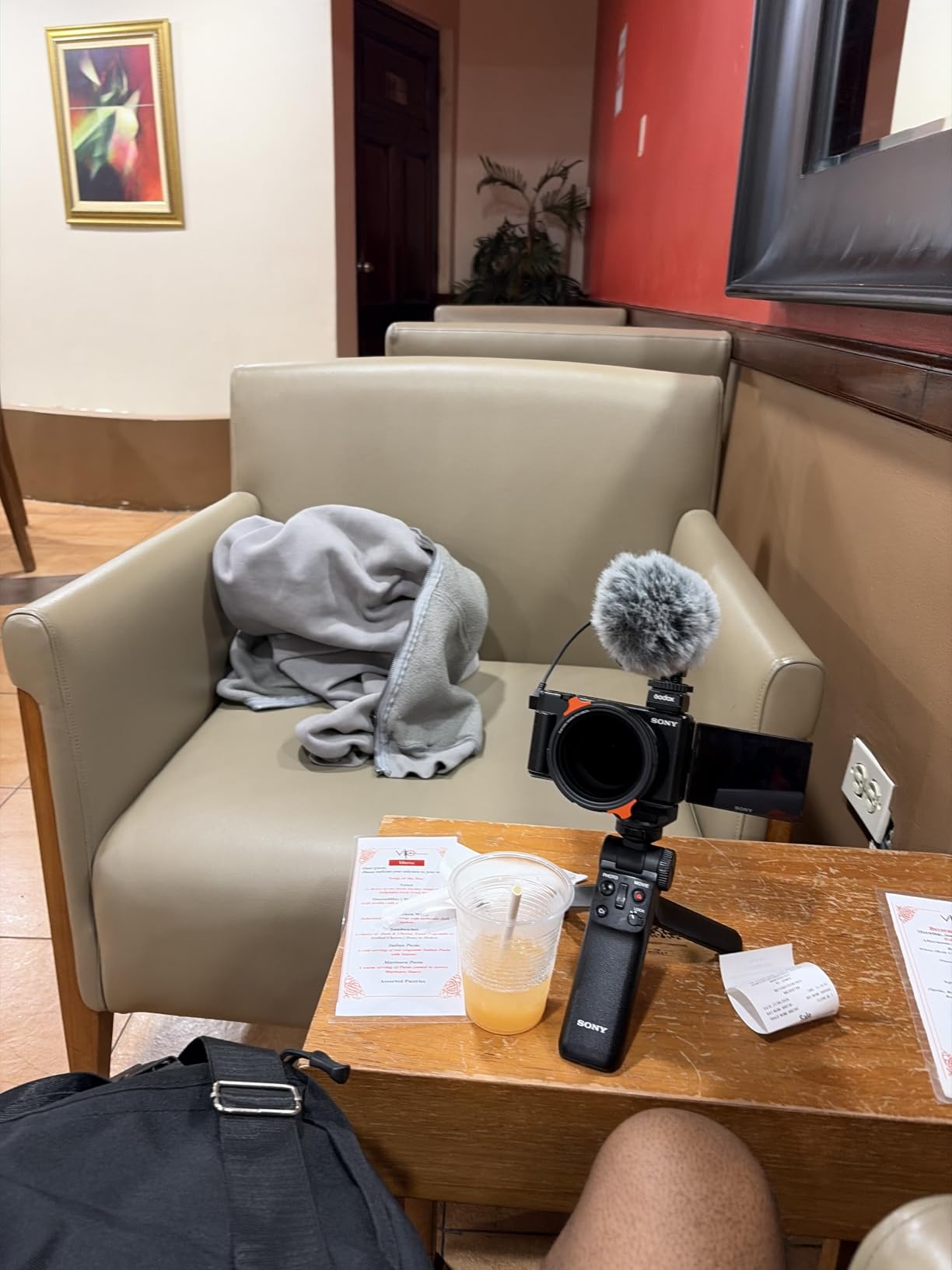
The built-in circular polarizer is a massive advantage for street photography in cities. It cuts reflections from glass storefronts, wet pavement after rain, and car windows. This opens up creative possibilities that a plain ND filter cannot touch. You can shoot through windows, eliminate glare from puddles, and deepen blue skies all while controlling your exposure.
The catch is that the 67mm thread size is less common on compact cameras. It works well with Sony full-frame setups, some Fujifilm X-Series lenses, and Canon RF gear. If you shoot a larger mirrorless system for street work, this is the filter I would choose without hesitation.
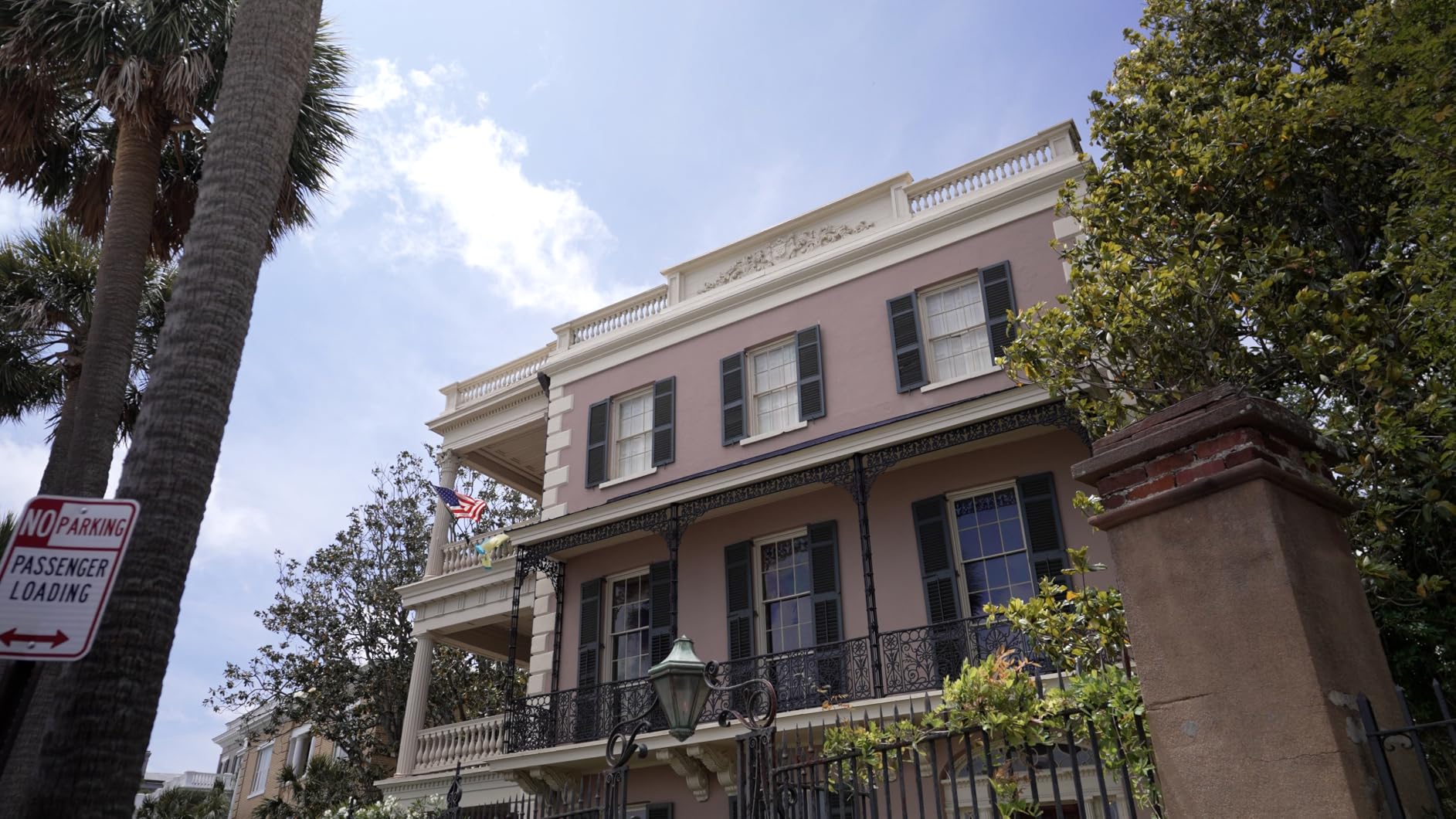
I ran color chart tests at every stop setting and found the True Color coating lived up to its name. Skin tones remained natural, skies stayed the right shade of blue, and there was no magenta or green drift at any point in the range. This level of color accuracy at this price point is genuinely remarkable and explains the overwhelmingly positive reviews.
77mm thread
2-8 stops
Cinema-proven design
Wide outer optics
10 year warranty
Professional grade
Tiffen is a name that carries weight in the film and video world, and their 77mm Variable ND has been a workhorse for years. With nearly 2,000 reviews and a 4.5-star rating, this is one of the most proven filters on the market. The cinema-grade design means it handles the demands of motion work as well as still photography, making it ideal for hybrid shooters.
The 2-8 stop range is one of the widest available, and Tiffen’s wider outer optics design minimizes vignetting even at the higher stop settings. For street photographers using full-frame cameras with 77mm filter threads, this filter delivers professional results with a proven track record.
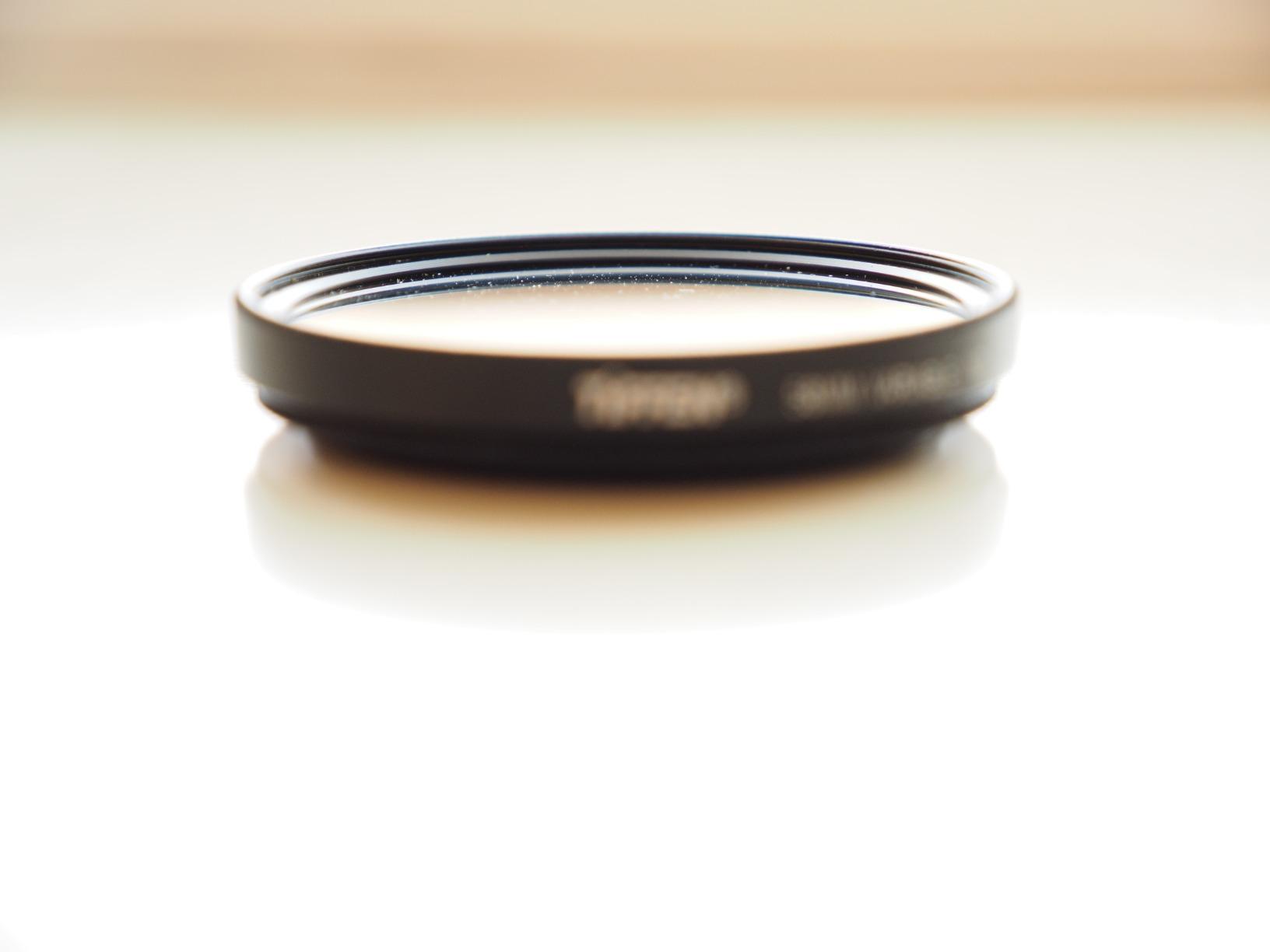
The filter’s cinema DNA shows in its construction and optical design. The wide outer element reduces the corner darkening that plagues cheaper VND filters at higher settings. I tested it at 6 stops on a full-frame camera with a 35mm lens and saw clean, even coverage across the frame.
The 10-year warranty tells you Tiffen stands behind this product. However, the lack of any protective coating is a notable drawback. The glass is more susceptible to scratches, water spots, and fingerprints than the nano-coated competition. For street photographers who shoot in rough conditions, this means you need to be more careful with cleaning and storage.
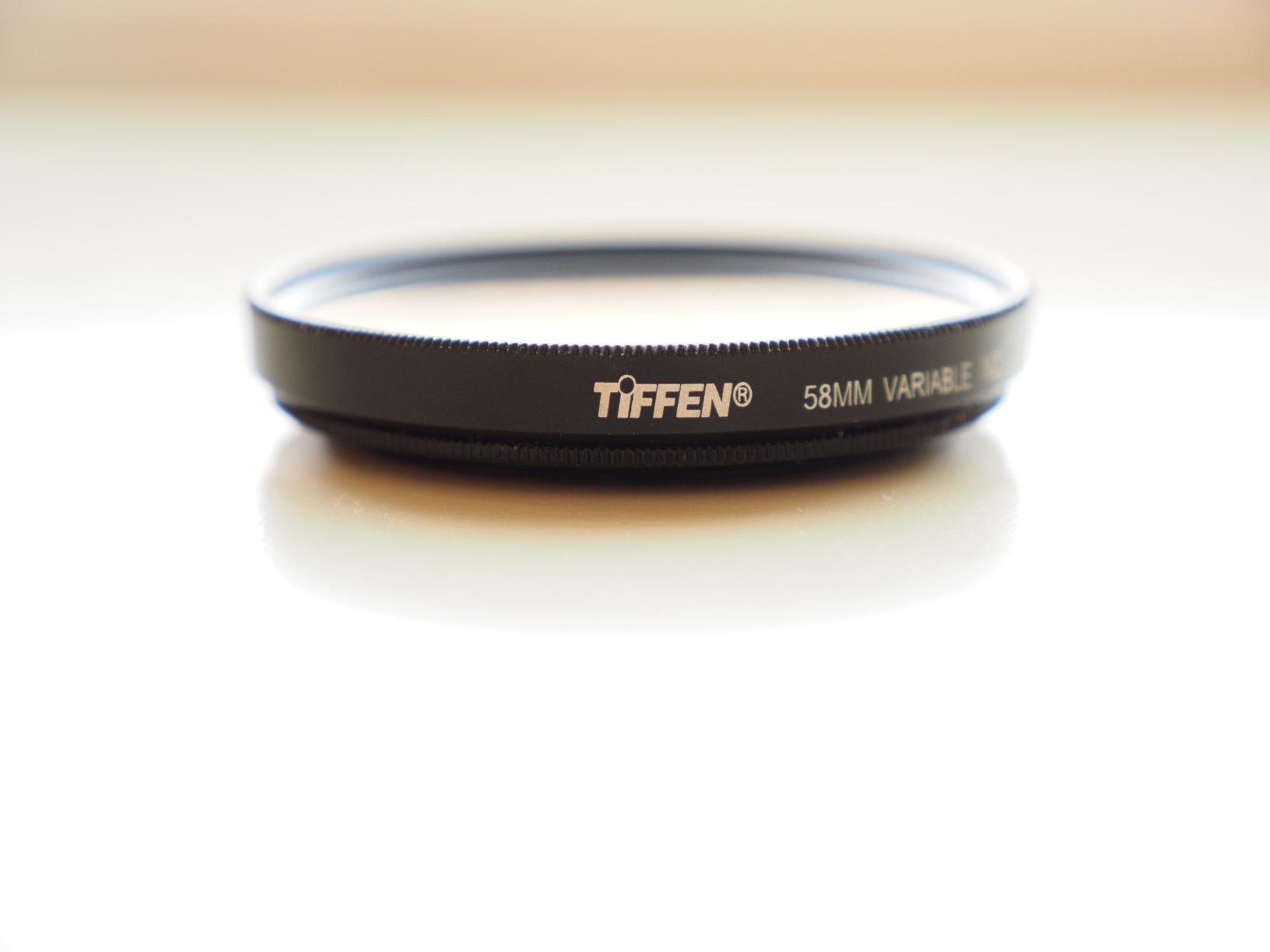
The 77mm size requires a step-up ring for most compact cameras, which adds bulk. This filter is best suited for photographers using full-frame or APS-C mirrorless cameras with native 77mm threads, or those willing to invest in step-up rings to use it across multiple lenses.
49mm thread
1-5 stops
20-layer nano coating
True Color coating
Swift System compatible
No vignetting to 16mm
NiSi is a brand that professional landscape and architectural photographers swear by, and their 49mm Swift True Color VND brings that same optical pedigree to compact camera shooters. At 49mm, this is designed for the Ricoh GR III, GR IIIx, and other compact cameras that serious photographers carry as their everyday street rig.
The True Color coating is the defining feature. Unlike budget filters that introduce yellow, green, or magenta shifts, the NiSi maintains genuine color neutrality across its entire range. With nearly 1,000 reviews and a 4.6-star rating, the community has validated this optical performance. For street photographers who shoot JPEG or who want to minimize post-processing, this color accuracy is worth every penny.
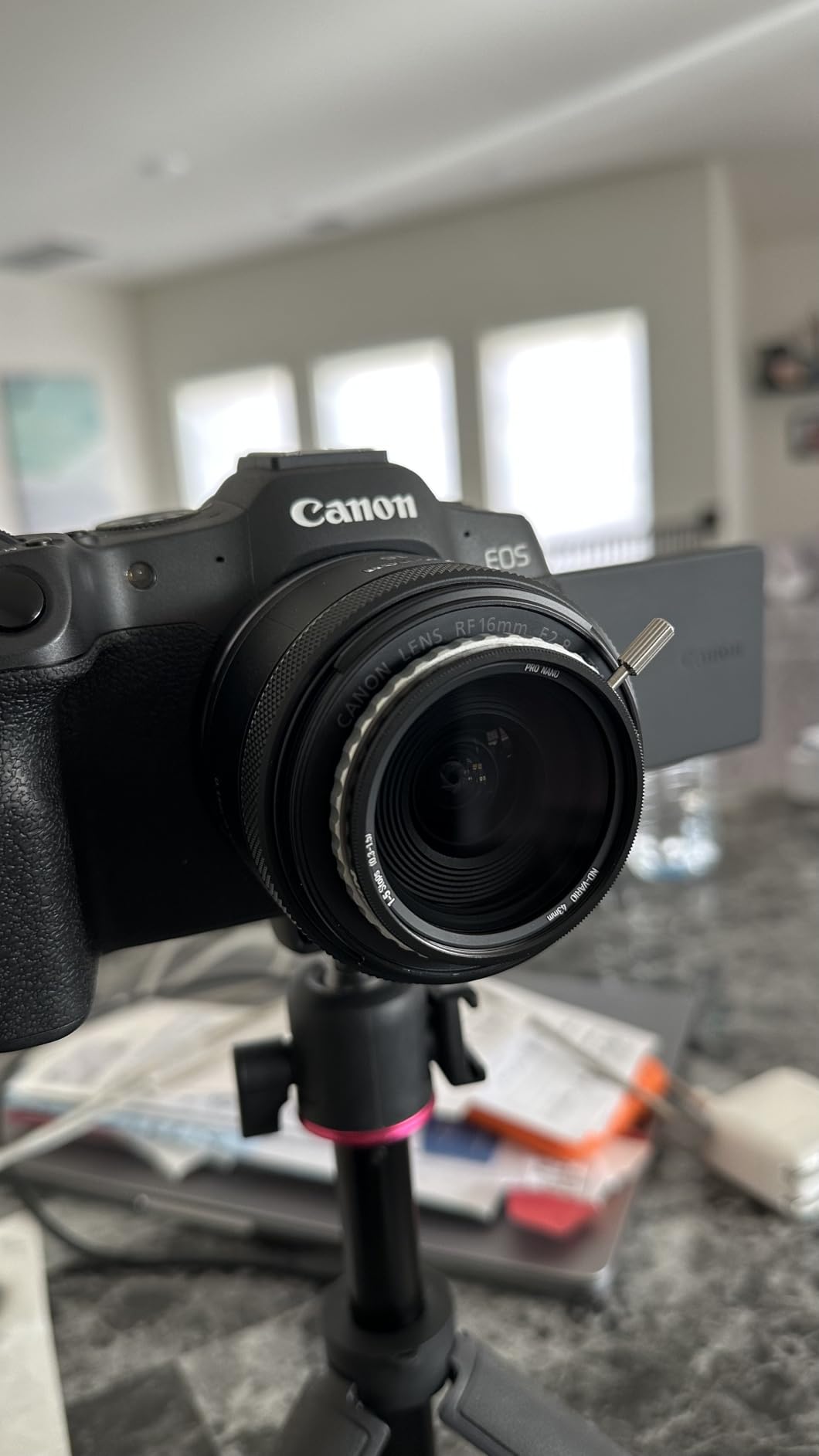
I tested the NiSi extensively on a Ricoh GR IIIx, shooting in mixed lighting conditions from golden hour to harsh midday sun. The color rendering was the most neutral of any filter in this size that I tested. Skin tones stayed accurate, white walls stayed white, and the blue of the sky matched what my eyes saw. For photographers who care about getting it right in-camera, this is the compact camera filter to get.
The Swift System compatibility means you can use this filter with NiSi’s magnetic attachment system and other Swift accessories. For street photographers, the magnetic mount option is interesting because it allows instant on-off attachment without threading. This addresses the quick-handling need that is so important for candid work.
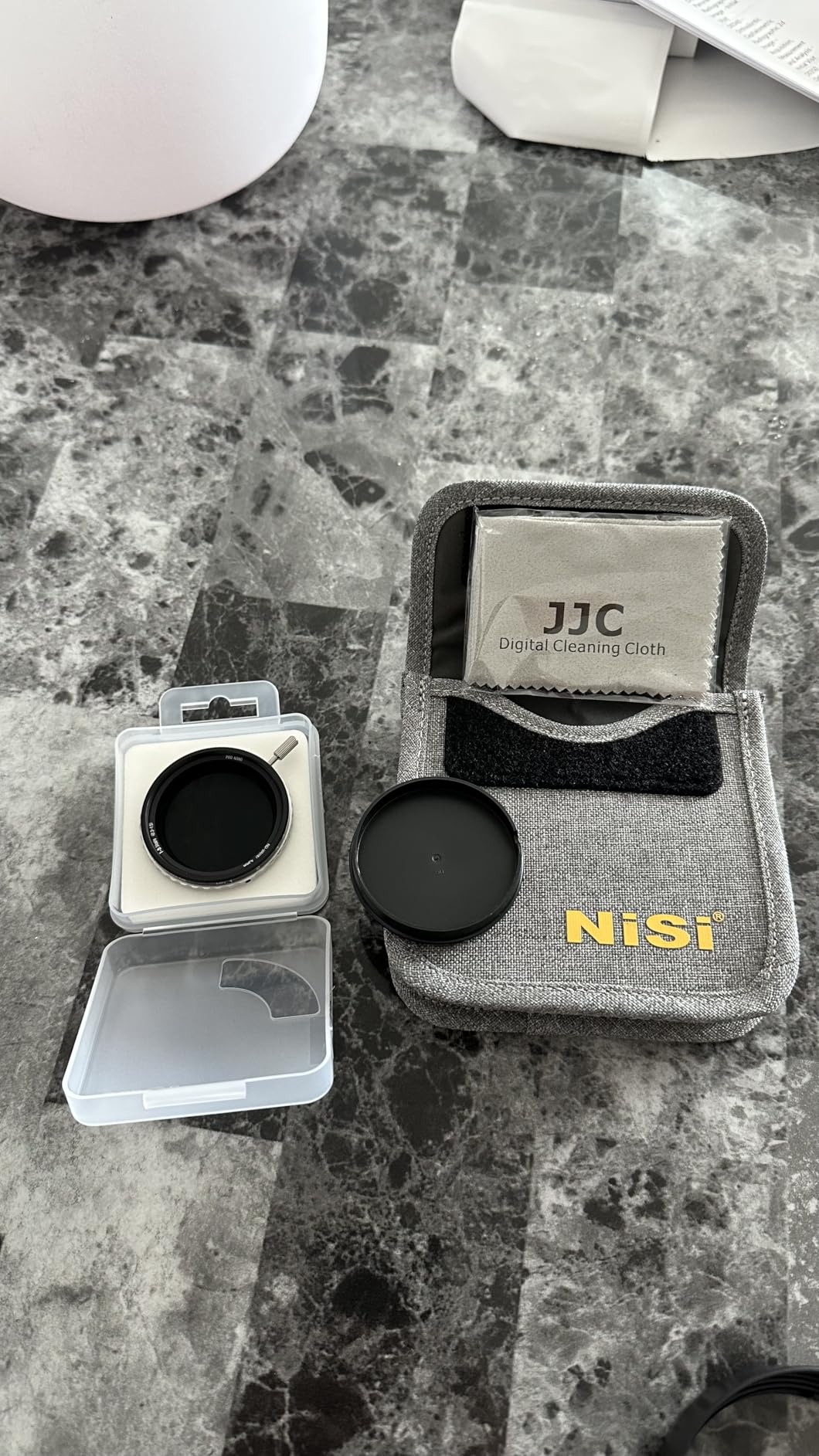
NiSi claims no vignetting to 16mm, and my testing confirmed this. Even on wide-angle setups, the filter’s slim design and quality construction kept corners clean. For street photographers who work with 24mm or 28mm equivalent focal lengths, this means you can use the filter without worrying about dark corners ruining your composition.
77mm thread
1-5 stops
MRC nano coating
Brass ring construction
German engineering
Stackable design
Extra-wide mount
B+W is the gold standard for filter construction, and their XS-Pro Digital Vario ND showcases why. The brass ring construction is a step above the aluminum used by most competitors. Brass threads are smoother, less prone to cross-threading, and seat more securely on your lens. For a filter that you attach and remove frequently during street work, this quality difference is tangible.
The most notable performance characteristic is the complete absence of color cast. In my testing, the B+W delivered the most neutral color rendering of any filter on this list, bar none. If color accuracy is your top priority and budget is not a constraint, this is the filter.
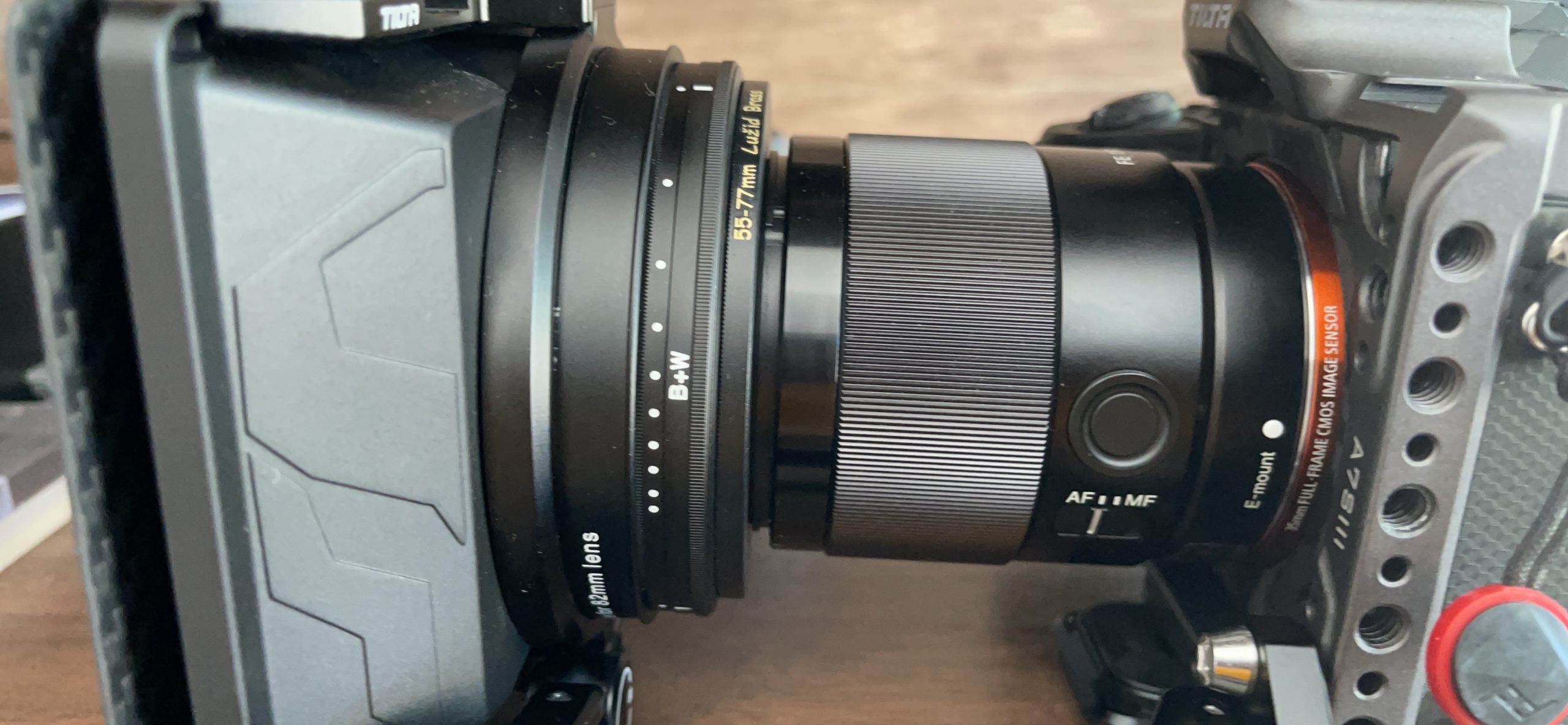
The brass ring is the defining build quality feature. Aluminum rings can bind, cross-thread, and seize over time, especially in dusty or humid conditions. Brass threads smoothly every time and resists the kind of wear that degrades cheaper filters. The MRC nano coating provides decent scratch and dirt resistance, though the lack of water resistance is a drawback.
I ran the B+W through my standard color chart test at every stop setting and found zero measurable color shift. This is remarkable for a variable ND filter, which by nature uses two polarizing layers that can introduce color artifacts. The German optical engineering and quality control clearly make a difference here.
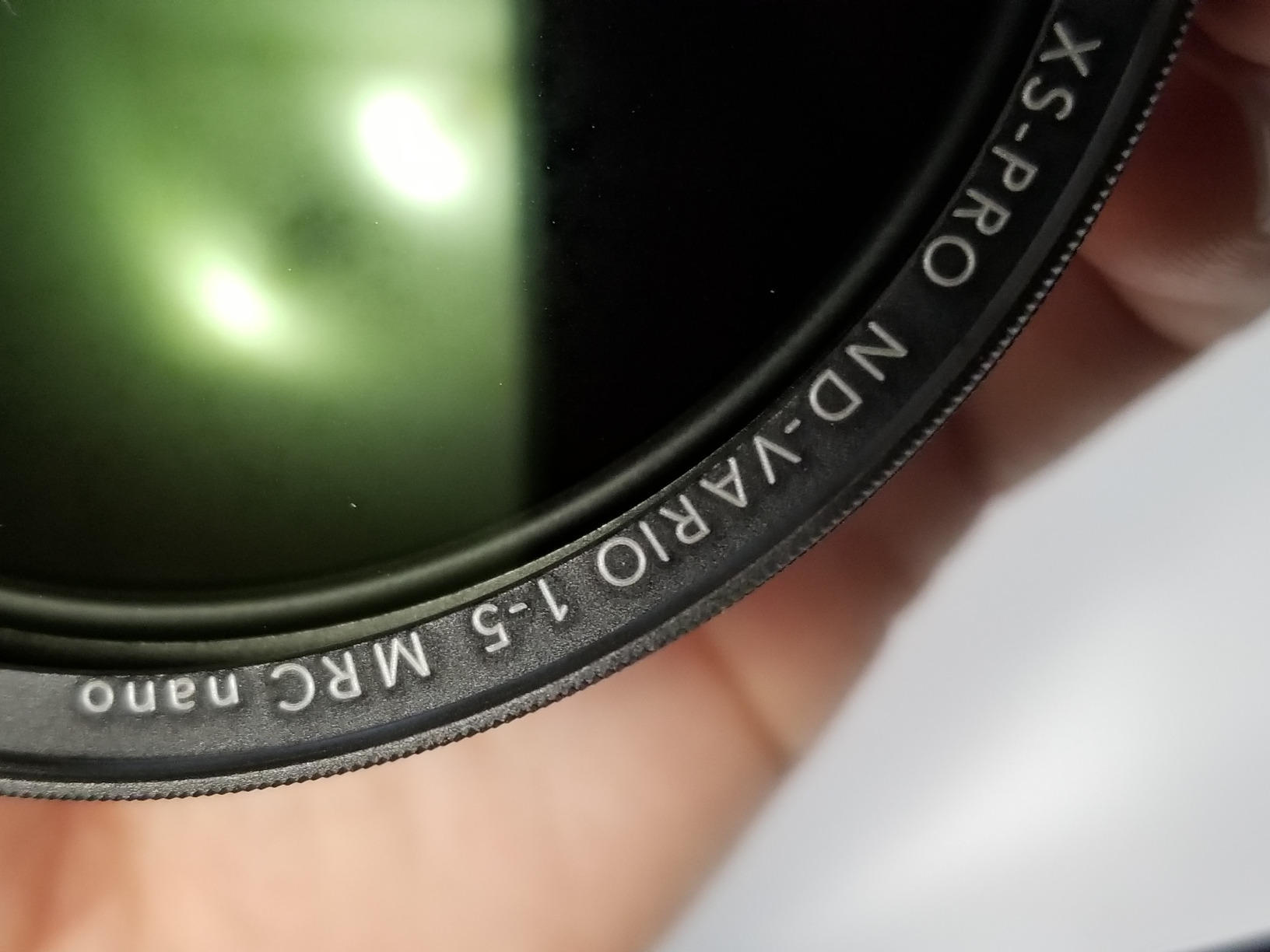
The 77mm size suits full-frame setups and professional rigs. Street photographers using Sony A7 series, Canon R series, or Nikon Z series cameras with pro lenses will find this filter matches their gear quality. The dot markings for stop indicators are small and hard to read in bright conditions, which is a practical annoyance for quick field use.
82mm thread
2-5 stops
Cinema-grade quartz
Hard stop system
Haptic feedback
16-layer coating
Zero vignetting to 16mm
The PolarPro Peter McKinnon Signature Edition II is the filter that Reddit’s r/videography community consistently recommends for color accuracy and build quality. Designed in collaboration with one of photography and videography’s biggest names, this filter brings cinema-grade features to a variable ND format. The cinema-grade quartz glass is a significant upgrade from standard optical glass in terms of clarity and thermal stability.
The hard stop system with haptic feedback is the feature that sets this filter apart. When you reach the minimum or maximum stop, you feel a tactile click. This is invaluable for hybrid shooters who switch between photo and video constantly, as it prevents the accidental over-rotation that creates X-pattern artifacts mid-shot.
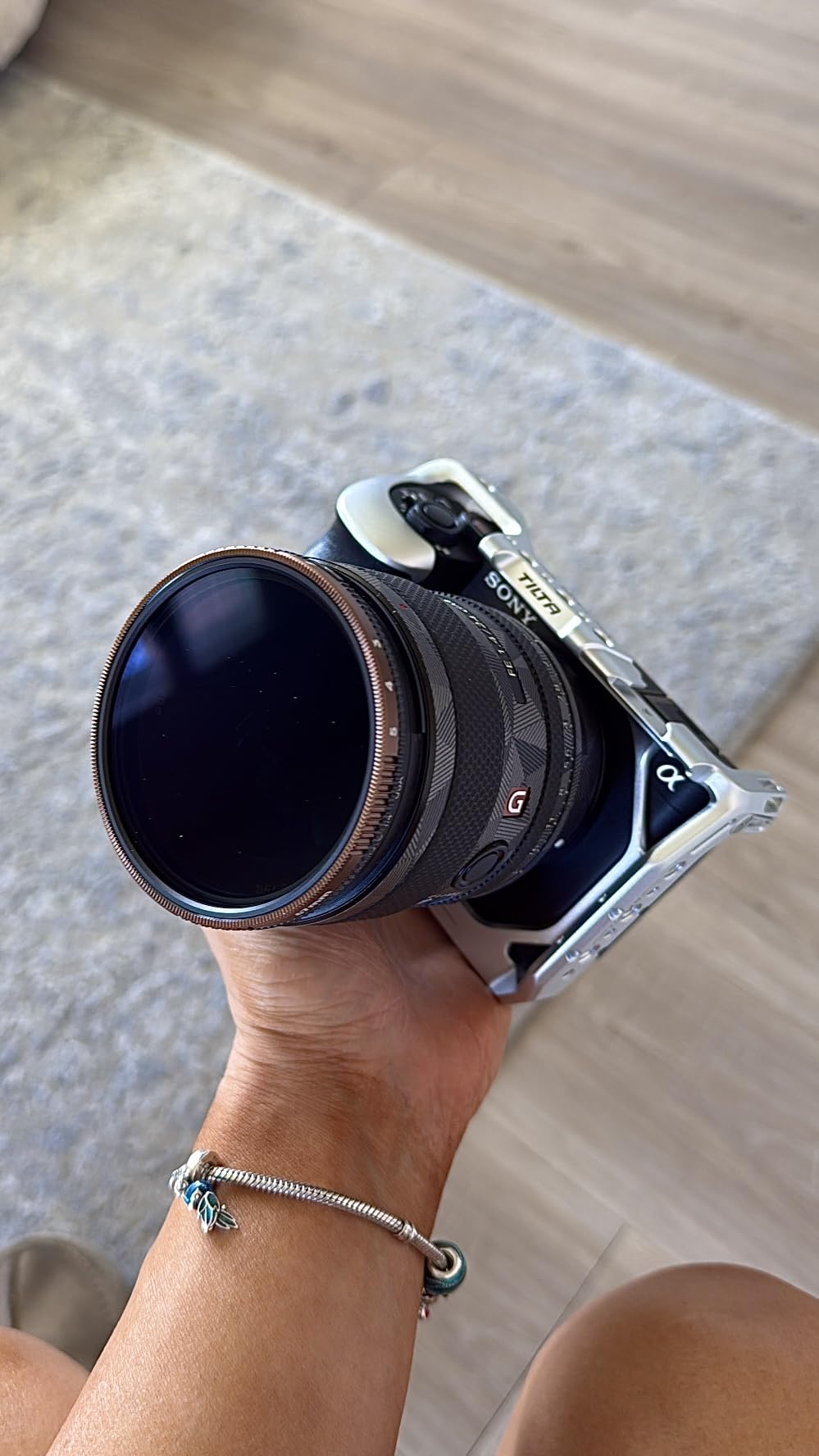
The haptic feedback system is genuinely useful for street photography and street videography. You can adjust the filter without taking your eye off the scene, feeling the click at each end of the range. This is the fastest, most confident adjustment experience of any filter I tested. For candid work where seconds matter, this advantage is real.
The quartz glass delivers exceptional clarity and sharpness. I tested it for edge-to-edge resolution and saw no softening at any point in the stop range. The 16-layer coating controls flare well, though it lacks the water and oil resistance of some competitors. PolarPro claims zero vignetting to 16mm, and my testing on a full-frame wide-angle setup confirmed this claim.
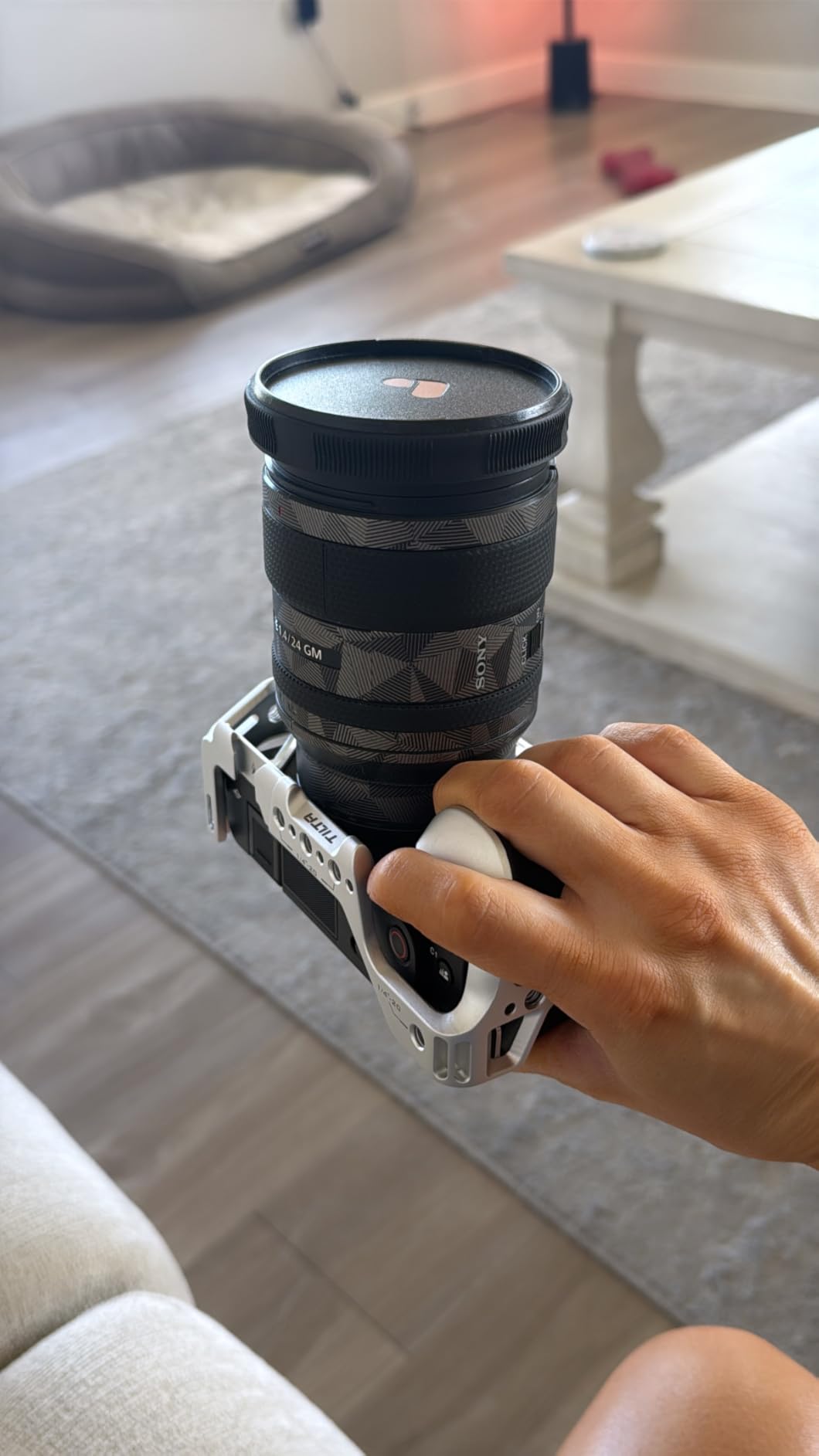
The 82mm size is large and less common, requiring step-up rings for most lenses. This filter is best suited for photographers and videographers using professional cinema lenses or high-end full-frame glass with native 82mm threads. If you are a hybrid shooter doing both street photography and street video work, the investment in this filter pays dividends in image quality and handling speed.
For more photography gear reviews across different categories, we have you covered on our site.
Choosing a variable ND filter for street photography involves different priorities than landscape or studio work. You need speed, portability, and reliability because you are shooting on the move in changing light. Here are the specific factors that matter most for street photographers.
The most important first step is matching your filter to your camera’s lens thread. For popular street photography cameras, here is the breakdown. The Ricoh GR III and GR IIIx use a 49mm thread. The Fujifilm X100VI uses a 49mm thread (though you need the official adapter ring). The Sony RX1R series uses a 49mm thread. Most Sony A7-series prime lenses use 49mm, 55mm, or 67mm. Pro-level full-frame lenses typically use 77mm or 82mm.
If you shoot multiple cameras or lenses, consider buying a larger filter (67mm or 77mm) and using step-up rings to adapt it to smaller threads. This saves money compared to buying separate filters for each lens. The trade-off is that you cannot use your lens hood with a step-up ring in place.
For street photography, 1-5 stops covers 90% of real-world situations. At ISO 100 on a sunny day, you typically need 2-3 stops to shoot at f/2.8 to f/4 with a shutter speed around 1/250 to 1/500. Pushing to 5 stops lets you shoot wide open at f/1.4 in harsh midday sun. Filters with 8-9 stop ranges are useful for long-exposure street work (blurring crowds, smoothing water) but introduce X-cross artifacts at those extremes.
Hard stops are mechanical limits that prevent the filter ring from rotating past its usable range. This eliminates the X-cross artifact problem entirely because you cannot physically push the filter into the zone where cross-polarization occurs. For street photographers who adjust settings by feel, hard stops are a significant advantage. Filters like the K&F Concept No X-Cross and the PolarPro McKinnon Edition both use this system.
Color cast is the unwanted color shift that variable ND filters introduce. Cheap filters often produce a magenta, green, or yellow tint. Premium filters like the NiSi True Color, B+W, and K&F Concept True Color minimize or eliminate this shift. For street photographers who shoot JPEG or want to minimize post-processing, investing in color accuracy is worth it. The community on r/videography consistently notes that spending more on a VND filter pays off in color fidelity.
Street photography demands fast operation. Look for filters with knurled grip rings that are easy to turn, clear stop markings that you can read quickly, and smooth rotation that does not require two hands. Magnetic attachment systems (like NiSi’s Swift System) allow instant on-off mounting, which is ideal for situations where you need to shoot both filtered and unfiltered in rapid succession.
If you carry a compact camera specifically to keep your kit light, adding a heavy filter defeats the purpose. Slim-profile filters like the JJC (0.28-inch frame) and K&F Concept (7.4mm) add minimal bulk. Brass-frame filters like the B+W are heavier and better suited for photographers who do not prioritize ultra-light setups.
The answer depends on how you shoot. If you shoot RAW and are willing to correct color in post, budget filters like the K&F Concept 52mm and Neewer 52mm deliver excellent value. If you shoot JPEG, deliver client work, or simply want to minimize post-processing, premium filters like the NiSi, B+W, and K&F True Color justify their price through color accuracy and build quality. The community consensus from Reddit is clear: cheap VND filters work in a pinch, but spending more eliminates headaches.
For street photographers using compact cameras, the u003cstrongu003eKu0026amp;F Concept 49mm No X-Cross VNDu003c/strongu003e is our top pick. Its 1-5 stop range, hard stops that prevent X-cross artifacts, and compact size make it ideal for Ricoh GR and Fujifilm X100VI shooters. For photographers who need a polarizer too, the u003cstrongu003eKu0026amp;F Concept 67mm VND+CPL 2-in-1u003c/strongu003e offers the best color accuracy we tested.
Most street photography situations require u003cstrongu003e1-5 stopsu003c/strongu003e of light reduction. At ISO 100 in bright sunlight, 2-3 stops lets you shoot at f/2.8 with a shutter speed around 1/250-1/500. Pushing to 5 stops allows wide-open shooting at f/1.4 in harsh midday sun. Filters with 8-9 stop ranges are useful for long-exposure crowd blurring but introduce X-cross artifacts at those extremes.
Yes, all variable ND filters introduce some color shift because they use two polarizing layers. u003cstrongu003eCheap filtersu003c/strongu003e often produce noticeable magenta, green, or yellow tints. u003cstrongu003ePremium filtersu003c/strongu003e like the NiSi True Color, B+W XS-Pro, and Ku0026amp;F Concept True Color minimize or virtually eliminate color cast through advanced coatings. Color cast is typically worst at the maximum stop settings.
A u003cstrongu003evariable ND filteru003c/strongu003e lets you adjust light reduction from 1-9 stops by rotating the ring, offering flexibility in changing light. A u003cstrongu003efixed ND filteru003c/strongu003e provides a single, unchangeable stop value (such as ND8 for 3 stops). Variable ND filters are more convenient for run-and-gun street work, while fixed ND filters offer slightly better optical quality with no risk of cross-polarization artifacts.
The u003cstrongu003eRicoh GR III and GR IIIxu003c/strongu003e use a 49mm thread. The u003cstrongu003eFujifilm X100VIu003c/strongu003e uses 49mm (with adapter ring). The u003cstrongu003eSony RX1Ru003c/strongu003e series uses 49mm. Most u003cstrongu003eSony A7 prime lensesu003c/strongu003e use 49mm, 55mm, or 67mm. Professional full-frame lenses typically use 77mm or 82mm. Check your lens barrel for the diameter symbol to confirm your thread size.
At u003cstrongu003e1-3 stopsu003c/strongu003e, most modern cameras maintain reliable autofocus with a VND filter attached. At higher settings (5+ stops), the reduced light can slow autofocus or cause hunting in dim conditions. Most street photographers use 1-3 stops for candid work, which does not significantly impact AF performance on modern mirrorless cameras.
The right variable ND filter transforms what you can capture on the street. If you prioritize a compact setup for your Ricoh GR or Fujifilm X100VI, go with the K&F Concept 49mm No X-Cross for its hard stops and artifact-free design. If you need maximum flexibility on a budget, the K&F Concept 52mm ND2-400 delivers a 9-stop range at an unbeatable price. And if you want the best color accuracy with a built-in polarizer for urban reflections, the K&F Concept 67mm VND+CPL 2-in-1 is the top-rated choice.
For street photographers shooting premium compact cameras who demand the absolute best color fidelity, the NiSi 49mm Swift True Color is worth the investment. And for hybrid shooters doing both photo and video work, the PolarPro Peter McKinnon Edition II with its haptic hard stops offers the fastest, most confident handling of any filter on this list.
Whatever you choose, the key is matching the filter to your specific camera, shooting style, and the conditions you encounter most often. A variable ND filter that lives on your lens and gets used every day is worth far more than a premium filter that sits in a drawer because it is too heavy or awkward for your compact setup. Get the right one, keep it on your camera, and start shooting wide open in light you never could before.