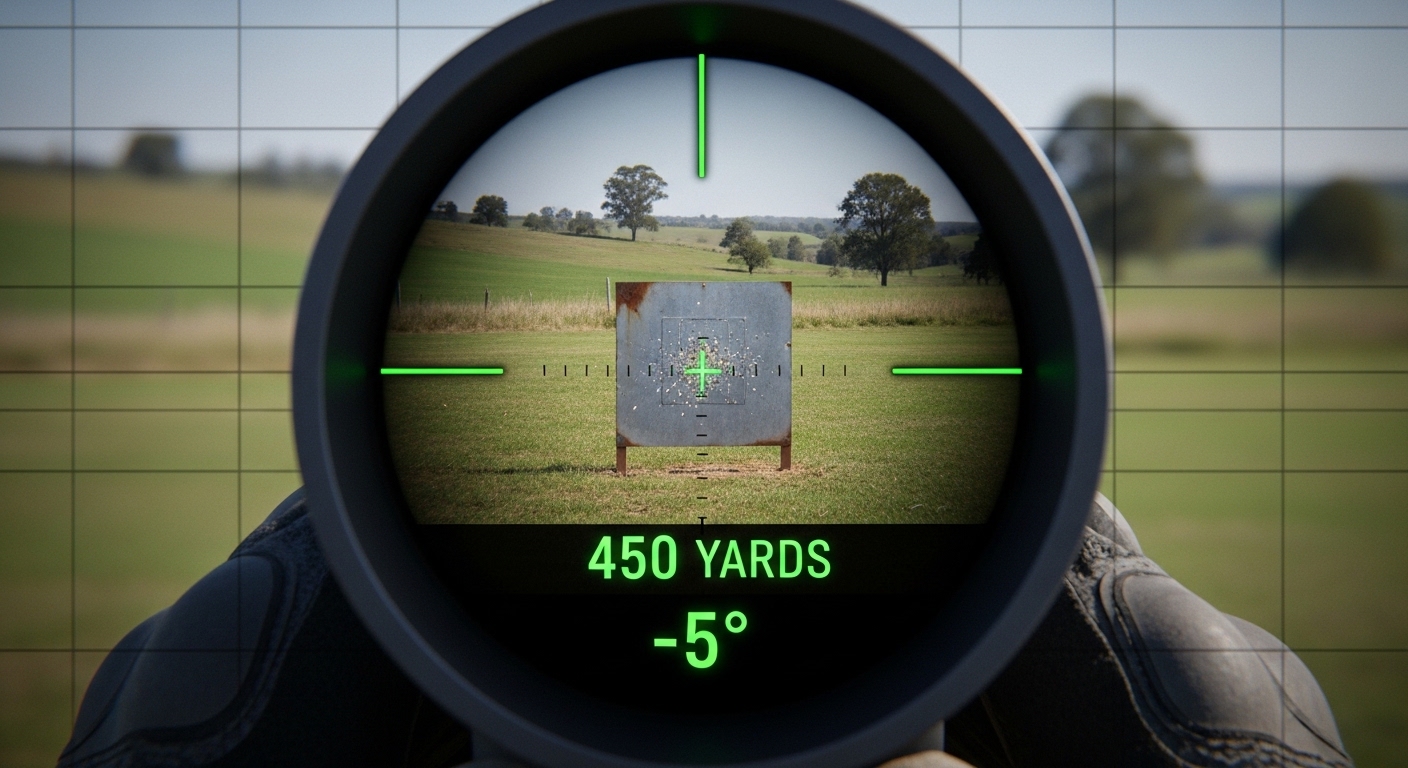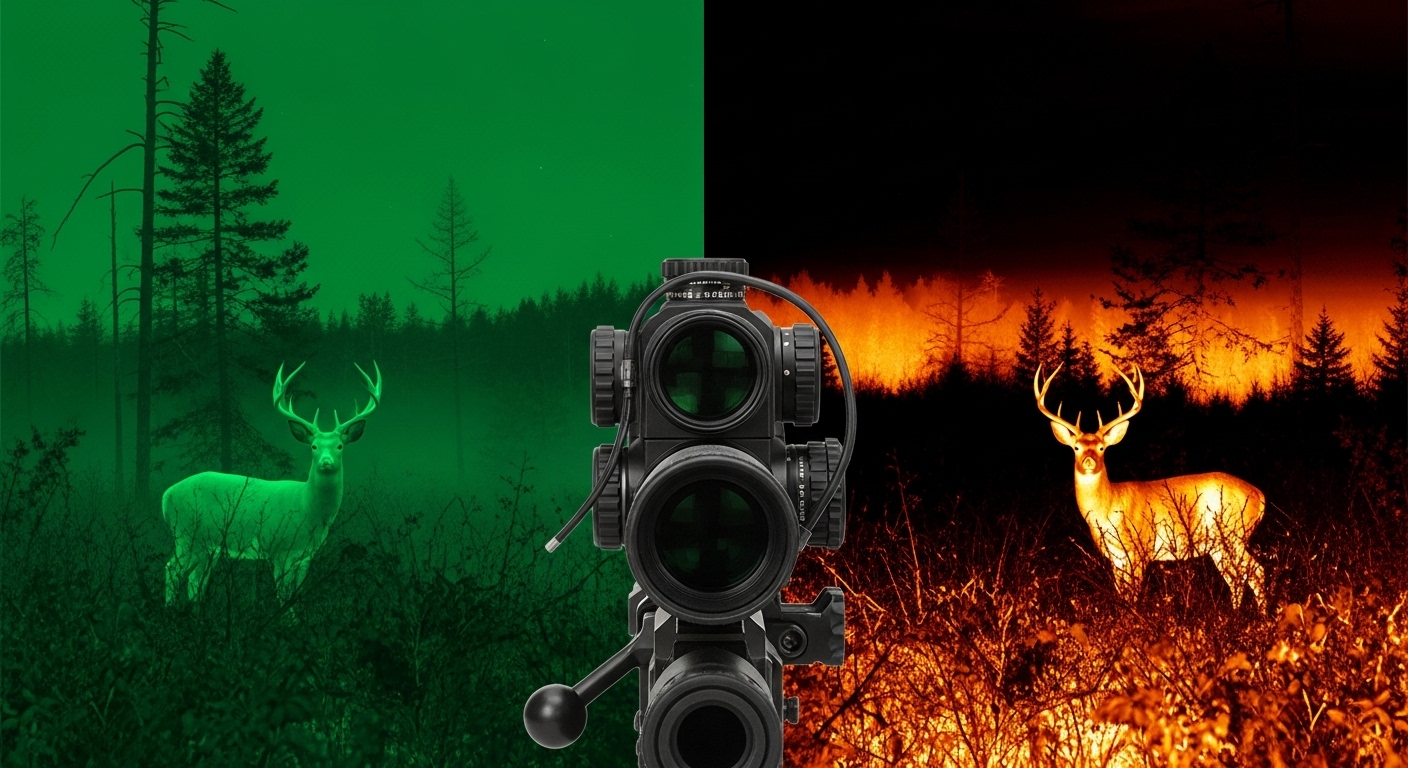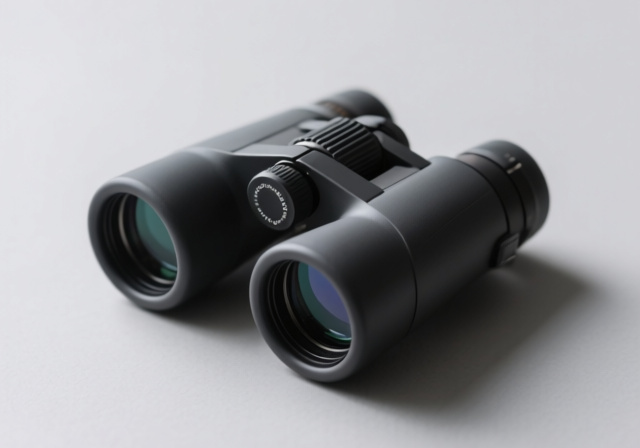
Binocular Features Explained: Complete Guide to Specifications 2026
Complete guide to understanding binocular features including magnification, objective lens size, field of view, lens coatings, prism types, and how…

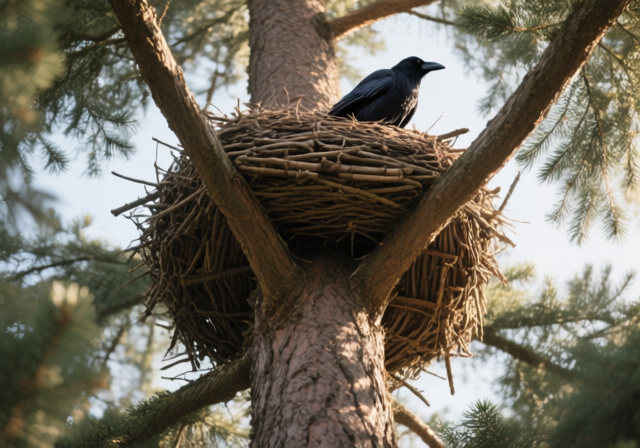
There’s something fascinating about watching a pair of crows build their home high in the canopy, carrying stick after stick with deliberate precision. These remarkable birds invest weeks in construction, creating sturdy platforms that will house the next generation of one of North America’s most intelligent avian species.
American Crows (Corvus brachyrhynchos) establish nesting territories in late winter, with construction beginning in March. They build bulky stick nests 20-60 feet above ground, preferring conifers for concealment but readily adapting to deciduous trees and urban structures across their range.
Understanding where crows choose to nest reveals much about their adaptability and intelligence. From rural woodlands to downtown city centers, these birds have demonstrated an remarkable ability to thrive in diverse environments by modifying their nesting strategies to suit available resources and conditions.
Crows demonstrate deliberate preferences when selecting nest sites, balancing multiple factors that affect nesting success. Their choices reflect an evolved understanding of predator avoidance, weather protection, and accessibility for feeding duties.
Quick Summary: Crows typically nest 20-60 feet above ground in the upper third of a tree’s canopy. They favor horizontal branches at least 4 inches in diameter, preferably in conifers or trees with dense foliage coverage, though urban populations adapt to structures like utility poles and building ledges.
The vertical positioning of crow nests serves multiple strategic purposes. Elevated sites provide early warning of approaching predators while keeping vulnerable eggs and nestlings out of reach of ground-based threats like raccoons, cats, and snakes. Height also facilitates defensive maneuvers—adult crows can dive-bomb intruders with gravity-assisted speed when defending their territory.
Research across North America reveals consistent patterns in tree selection among crow populations. In regions where conifers dominate the landscape, pines and spruces are overwhelmingly favored. The dense evergreen foliage provides year-round concealment and wind protection, critical advantages during early spring nesting when deciduous trees remain bare.
In deciduous forests and urban parks, crows display considerable flexibility. Hardwoods like oaks, maples, and hickories serve as acceptable substitutes when evergreens are unavailable. The key requirement becomes structural integrity—trees with strong forked branches where multiple limbs create natural platforms. I’ve observed nests in mature oaks positioned at three-trunk junctions, creating exceptionally stable foundations that withstand severe spring storms.
| Tree Type | Nesting Preference | Reason |
|---|---|---|
| Pine/Spruce | High | Dense year-round cover |
| Oak | Medium-High | Strong forked branches |
| Maple | Medium | Good canopy coverage |
| Birch | Low-Medium | Used when better options unavailable |
Within their chosen tree, crows consistently position nests in the upper third of the canopy. This placement maximizes visibility for sentinel adults while keeping the nest concealed from below. They specifically target horizontal branches or sturdy crotches where multiple branches converge, locations that reduce construction effort by providing natural foundations.
Documented nest heights range from 15 feet in young trees to over 90 feet in old-growth conifers. The optimal zone appears to be 30-45 feet, balancing protection from predators with energy efficiency for commuting between nest and foraging areas. Urban nests typically trend higher than rural ones, sometimes reaching 70-80 feet as birds adapt to taller structures and reduced predation pressure.
Crow nests represent impressive architectural achievements built entirely from gathered materials. The exterior framework consists of bulky sticks—some measuring over 12 inches long—woven together into a solid platform capable of supporting adult birds and growing nestlings through weeks of use.
Arboreal Nesting: Tree-nesting behavior employed by most corvid species. Crows are exclusively arboreal nesters, never constructing nests on the ground or in burrows like some other bird families. This elevated strategy protects offspring from ground-based predators.
The inner cup receives meticulous attention to detail after the structural platform is complete. Both parents contribute softer lining materials, creating a comfortable environment for eggs and hatchlings. Examination of abandoned crow nests reveals diverse lining materials: dried grass, shredded bark strips, moss, animal hair, feathers, and occasionally bits of string or paper scavenged from human environments.
Nest construction typically commences in early March, though mild winters may trigger earlier starts as late as February. Both male and female participate actively, often with division of labor—the male typically gathering and delivering larger structural materials while the female focuses on weaving and lining the interior cup.
The construction period spans 1-2 weeks of intensive activity. Observations of nesting pairs have documented over 200 material delivery trips per day during peak building phases. Their efficiency is remarkable, with birds rarely discarding selected materials once transported to the site. Each stick is placed with deliberate intent, woven into the growing structure with adjustments made for proper fit and stability.
Completed crow nests are substantial structures. The outer platform typically measures 12-24 inches in diameter with depths ranging from 6-10 inches. The inner cup—the actual egg-laying surface—is considerably smaller, usually 6-8 inches across and 3-4 inches deep, providing a secure containment area for eggs and hatchlings.
This bulky construction distinguishes crow nests from those of smaller corvids like magpies and jays. The large stick mass visible high in a tree canopy often serves as a reliable identification marker for crow territories, particularly before leaf-out when deciduous trees offer less concealment.
The crow breeding season follows a predictable annual cycle that varies slightly by latitude but maintains consistent patterns across North America. Understanding this timeline helps bird watchers anticipate nesting activity and know when to expect fledglings in their area.
This timeline can shift earlier by 2-3 weeks in southern populations and later in northern regions. Climate change has affected these patterns in recent years, with many populations initiating nesting 1-2 weeks earlier than historical averages documented in mid-20th century studies.
Female crows lay one egg per day until their clutch is complete, typically 3-7 eggs with 4-5 being most common. The eggs are oval-shaped and bluish-green with brownish blotches concentrated on the larger end. Incubation begins before the clutch is complete, resulting in asynchronous hatching over 1-2 days.
The female performs the majority of incubation duties while the male provides food and maintains territorial vigilance. During incubation, males may make 30+ food deliveries per day, approaching cautiously and checking for threats before slipping onto the nest. This division of labor allows continuous incubation while maintaining territory defense against predators and rival crows.
Young crows remain in the nest for approximately 4-5 weeks after hatching, growing rapidly on a diet of insects, small vertebrates, and food brought by attentive parents. Even after fledging, they depend entirely on their parents for several more weeks as they develop flight skills and learn to find food independently.
Crows exhibit a remarkable cooperative breeding system that distinguishes them from most other songbirds. Older offspring from previous years often return to help raise new chicks, serving as “helpers” that assist with feeding, territory defense, and even nest repair. Family groups of 5-7 birds attending a single nest are not uncommon, with all members contributing to chick-rearing success.
Crow nesting behavior displays considerable variation across different geographic regions of North America. These regional differences reflect adaptations to local environmental conditions, available tree species, and climate patterns that affect nesting success.
In the Pacific Northwest, where conifer forests dominate, crows show strong preference for Douglas fir and Western red cedar. These trees provide excellent concealment and weather protection in the region’s wet climate. Northeastern populations demonstrate similar preferences for white pine and hemlock, though increasing development has forced adaptation to urban trees throughout the range.
Southeastern populations face different challenges due to earlier springs and hurricane season overlap. These birds often initiate nesting in February, utilizing live oaks and bald cypress where available. The timing advantage allows fledging before peak hurricane season, demonstrating how regional pressures shape nesting strategies.
Western populations, particularly in arid regions, show remarkable adaptability. Along riparian corridors in otherwise treeless landscapes, crows concentrate nesting in cottonwoods and willows—the only trees reaching sufficient height. In desert urban areas, they readily adopt utility poles and palm trees, demonstrating the behavioral flexibility that characterizes the species.
The divergence between urban and rural crow nesting strategies provides insight into this species’ remarkable adaptability. Rural nesting behavior follows traditional patterns shaped by evolutionary pressures, while urban populations have developed novel strategies to exploit human-altered environments.
| Factor | Rural Areas | Urban Areas |
|---|---|---|
| Nest Height | 20-40 feet | 30-60+ feet |
| Tree Preference | Conifers preferred | Any large tree available |
| Territory Size | 100-200 acres | 20-50 acres |
| Human Tolerance | Lower—avoids humans | Higher—adapts to presence |
City-dwelling crows have expanded their nesting repertoire beyond natural trees. Documented urban nesting sites include utility poles, communication towers, building ledges, stadium light fixtures, bridge supports, and even artificial trees in shopping malls. One pair nested for three consecutive seasons on a stadium light, returning annually despite sporting events and concerts occurring directly below their nest.
Urban crows also exhibit dramatically increased tolerance for human proximity. While rural pairs may abandon nests approached within 100 yards, urban nesting crows often ignore human activity 20-30 feet below. This behavioral flexibility allows exploitation of nesting sites with minimal natural predators—tall structures provide protection from ground predators while human tolerance reduces persecution risk.
Suburban landscapes present unique opportunities and challenges for nesting crows. Backyards with mature trees become prime nesting real estate, bringing these intelligent birds into close contact with human residents. Many homeowners discover crow nests unexpectedly each spring, sometimes raising concerns about noise, droppings, or aggressive behavior during the nesting period.
Peaceful coexistence is generally the best approach when crows nest in residential areas. These birds provide valuable ecosystem services including insect control, removal of carrion, and predator alert systems that benefit other wildlife. The nesting season is temporary, typically involving 6-8 weeks of increased activity before fledglings disperse and family groups return to their less conspicuous non-breeding behaviors.
Locating active crow nests requires patience, observation skills, and ethical consideration for the birds’ welfare. Responsible nest observation enhances our understanding of corvid behavior without causing disturbance that might lead to nest abandonment.
Legal Notice: Active crow nests are protected under the Migratory Bird Treaty Act. It is illegal to disturb, destroy, or harass nesting crows or their nests. Maintain minimum 50-yard distance from active nests and never approach closely enough to cause adult birds to exhibit alarm behavior.
The best strategy for finding crow nests begins in late winter when pairs become territorial. Listen for distinctive “caw” calls exchanged between mates as they survey potential nest sites. Watch for stick-carrying behavior in early March—birds transporting nesting materials reveal nest locations through their repeated flight paths to specific trees.
Scan the upper third of large tree canopies, particularly in conifers or trees with dense horizontal branching. Look for bulky accumulations of sticks that stand out against the sky, especially before leaf-out when deciduous trees offer less cover. Binoculars are essential tools—attempting to locate nests with the naked eye proves frustrating and often leads to unintentional disturbance by observers getting too close.
Once located, observe from maximum distance using spotting scopes or telephoto lenses. Limit observation sessions to 15-20 minutes to avoid prolonged disturbance. Never reveal nest locations publicly—social media posts with specific locations can attract disturbance and increased predation risk.
Photographing nesting crows presents unique ethical challenges that require careful consideration of bird welfare. The goal should always be obtaining images without causing stress or disturbance that might compromise nesting success.
Ethical Photography Guidelines: Use telephoto lenses (400mm+ minimum). Maintain 50-yard minimum distance. Never bait or lure birds from the nest. Limit time at nest sites. Conceal your presence with blinds or natural cover. Put bird welfare ahead of image capture.
The most ethical approach involves using natural cover or portable blinds positioned at respectful distances. Arrive before first light when possible—crows are often less reactive to pre-dawn human presence than to sudden appearances during daylight hours. Avoid changing lens equipment or making sudden movements that might draw attention to your position.
Focus opportunities include stick-carrying flights during nest building, food exchanges during incubation, and feeding visits when chicks are present. The most dramatic images often come from capture during cloudy-bright conditions when soft light reveals feather details without harsh shadows. Always be prepared to leave immediately if birds show signs of disturbance—alarm calls, prolonged vigilance in your direction, or extended pauses in normal nesting activities.
Encountering a young crow on the ground during spring and summer raises immediate questions about appropriate action. Understanding the difference between nestlings and fledglings helps determine whether intervention is necessary or potentially harmful.
Nestlings are partially feathered or nearly naked birds that clearly belong in a nest. These young birds have fallen from the nest prematurely and need assistance. If the nest is accessible and intact, gently return the nestling using gloves or a container. If the nest is unreachable or destroyed, create a substitute nest from a basket or container with drainage holes, secured as close as possible to the original location.
Fledglings present a different scenario. These fully-feathered young birds have naturally left the nest but are still developing flight skills. Hopping on the ground and making short flights is normal behavior for fledglings, which continue to receive parental care while learning independence. The presence of adult crows nearby, watching or feeding the youngster, indicates normal development—no intervention is needed.
If you find a fledgling in immediate danger from pets or traffic, move it to a nearby safe location like a shrub or low branch. Parent crows will continue caring for it from the new location. Only intervene if the bird shows obvious injury—bleeding, dragging a wing, or unable to stand. In these cases, contact a licensed wildlife rehabilitator immediately. Never attempt to raise wild birds yourself—proper care requires specialized knowledge and federal permits.
Recent research has documented shifts in crow nesting patterns that correlate with changing climate conditions. These shifts provide valuable insights into how wildlife adapts to environmental changes occurring across North America.
Studies comparing contemporary nesting records with historical data from the mid-20th century reveal that many crow populations now initiate nesting 1-2 weeks earlier than previous averages. This advancement aligns with earlier spring warming and earlier insect emergence—the primary food source for growing nestlings. Birds that adjust timing to match food availability gain advantages in chick survival rates.
Urban heat islands create additional complexity, with city nesting crows often breeding earlier than rural counterparts just 20 miles away. This urban advancement may lead to mismatched timing if environmental cues differ from natural food availability patterns, creating potential conservation concerns as climate change accelerates.
West Nile virus, introduced to North America in 1999, has had devastating effects on crow populations across the continent. Understanding this impact provides context for observing nesting patterns and population trends in different regions.
Crows are highly susceptible to West Nile virus, with mortality rates exceeding 90% for infected individuals. The virus caused dramatic population declines in the early 2000s, with some regions losing 50-70% of local crow populations. This crash resulted in noticeably fewer nesting pairs across affected areas for several years following initial outbreak.
Populations have shown some recovery in areas where the virus has become established, as surviving birds may develop immunity. However, localized outbreaks still occur during mosquito seasons, particularly in regions with standing water and warm temperatures. Citizen science monitoring of crow nests has become increasingly valuable for tracking population recovery and identifying areas needing conservation attention.
Distinguishing between crow and raven nests challenges even experienced bird watchers. The two species overlap across much of western North America, and their nesting habits show considerable similarities that complicate field identification.
| Characteristic | Crow Nest | Raven Nest |
|---|---|---|
| Typical Height | 20-60 feet | 30-100+ feet |
| Outer Diameter | 12-24 inches | 24-48+ inches |
| Location Preference | Upper third of canopy | Often on cliffs or very high trees |
| Urban Adaptation | Common in cities | Rare in developed areas |
The most reliable field identification typically comes from observing the adult birds rather than nest structures alone. Ravens are noticeably larger with wedge-shaped tails, while crows appear more compact with fan-shaped tails. Size comparison to familiar birds helps—crows are approximately twice the size of a pigeon, while ravens are nearly three times larger. Vocalizations provide another key distinction: crows produce the familiar “caw” call, while ravens make deeper, croaking sounds.
Public participation in scientific research has become increasingly important for understanding crow nesting ecology and population trends across North America. Citizen science programs allow bird enthusiasts to contribute valuable data that expands researchers’ ability to monitor and conserve these remarkable birds.
Cornell Lab of Ornithology’s NestWatch program provides structured protocols for monitoring active bird nests including crows. Participants receive training in ethical observation techniques and contribute data on nesting phenology, clutch size, fledging success, and other parameters that scientists analyze for population trends and climate change effects. The program has documented thousands of crow nests since its inception, creating an invaluable dataset for researchers.
Participating in citizen science requires commitment to following established protocols that prioritize bird welfare. This includes maintaining minimum observation distances, limiting visit frequency, and never revealing nest locations publicly. Contributors benefit from learning advanced observation skills while knowing their data supports conservation efforts and increases scientific understanding of corvid biology.
Crows build nests in the upper third of tall trees, typically 20-60 feet above ground. They prefer horizontal branches or tree crotches near the trunk, often choosing conifers for cover but adapting to deciduous trees and urban structures like utility poles and building ledges.
Crows nest primarily from March through June. Nest building begins in early March, followed by egg laying in late March to April. Eggs hatch after about 18 days of incubation, and young birds fledge 4-5 weeks later.
Crows often return to the same general territory and sometimes reuse nests from previous years. However, they frequently build new nests nearby even when the old nest remains intact. This territorial fidelity means you may see the same pair in your area year after year.
Crows typically build nests 20-60 feet above ground. Urban nests tend to be higher, sometimes reaching 70-80 feet, while rural nests may be as low as 15 feet in areas with fewer disturbances and suitable tall trees.
Crows use sturdy sticks for the outer framework, with softer lining materials inside. Common materials include twigs, bark strips, dry grass, moss, animal hair, and feathers. Urban crows may also incorporate human-made materials like string or paper.
Crows are exclusively arboreal nesters, meaning they only nest in trees or on elevated structures. They never build nests on the ground. This elevated nesting strategy protects eggs and nestlings from ground-based predators.
Young crows remain in the nest for approximately 4-5 weeks after hatching. Even after fledging, they depend on their parents for several more weeks as they learn to fly and find food independently.
A crow nest is a bulky structure made of sticks forming a platform 12-24 inches in diameter. The outer layer consists of large twigs woven together, while the inner cup is lined with softer materials like grass, bark, and hair. The overall appearance is a messy ball of sticks high in a tree.
Crows show fear responses to predators like Great Horned Owls and Red-tailed Hawks, which prey on adults and nestlings. They also react strongly to unfamiliar objects or disturbances near their nests. However, crows become habituated to regular human presence in urban areas, showing less fear of familiar patterns while remaining alert to genuine threats.
October crow gatherings represent the beginning of winter roosting behavior. After nesting season concludes and fledglings become independent, crows congregate in large groups at nightfall. These communal roosts may include thousands of birds and serve purposes including warmth, information sharing about food sources, and predator detection through collective vigilance.
American Crows typically live 7-8 years in the wild, though some individuals reach 15+ years. The oldest recorded wild American Crow lived nearly 17 years. Their longevity correlates with intelligence and complex social structures. Captive crows may live 20-30 years with proper care, though wild populations face higher mortality from predation, disease, and accidents.
Research demonstrates that crows can remember human faces for at least 5 years, likely much longer. They distinguish between threatening and neutral faces, passing this information to offspring and other group members. Crow memory extends to specific locations, food sources, and problem solutions, contributing to their remarkable adaptability in human-altered environments.
Understanding where crows like to nest reveals the remarkable adaptability of these intelligent birds. From conifer forests to urban centers, crows have developed flexible nesting strategies that allow them to thrive alongside human development. Their ability to modify nesting behavior based on local conditions demonstrates the cognitive flexibility that characterizes corvid species worldwide.
For bird watchers and photographers, nesting season offers unique opportunities to observe crow behavior and family dynamics. However, responsible observation always prioritizes bird welfare. Maintain minimum distances, limit observation time, and never reveal nest locations publicly. Remember that approaching within 50 yards of an active nest can cause abandonment and is illegal under the Migratory Bird Treaty Act.
If you’re fortunate enough to observe nesting crows, consider participating in citizen science through Cornell’s NestWatch program. Your careful observations contribute valuable data that helps researchers understand crow populations, monitor recovery from West Nile virus impacts, and protect nesting habitats for future generations. By studying these remarkable birds, we gain insights not only into corvid biology but also into the complex relationships between wildlife and human-altered environments in 2026 and beyond.