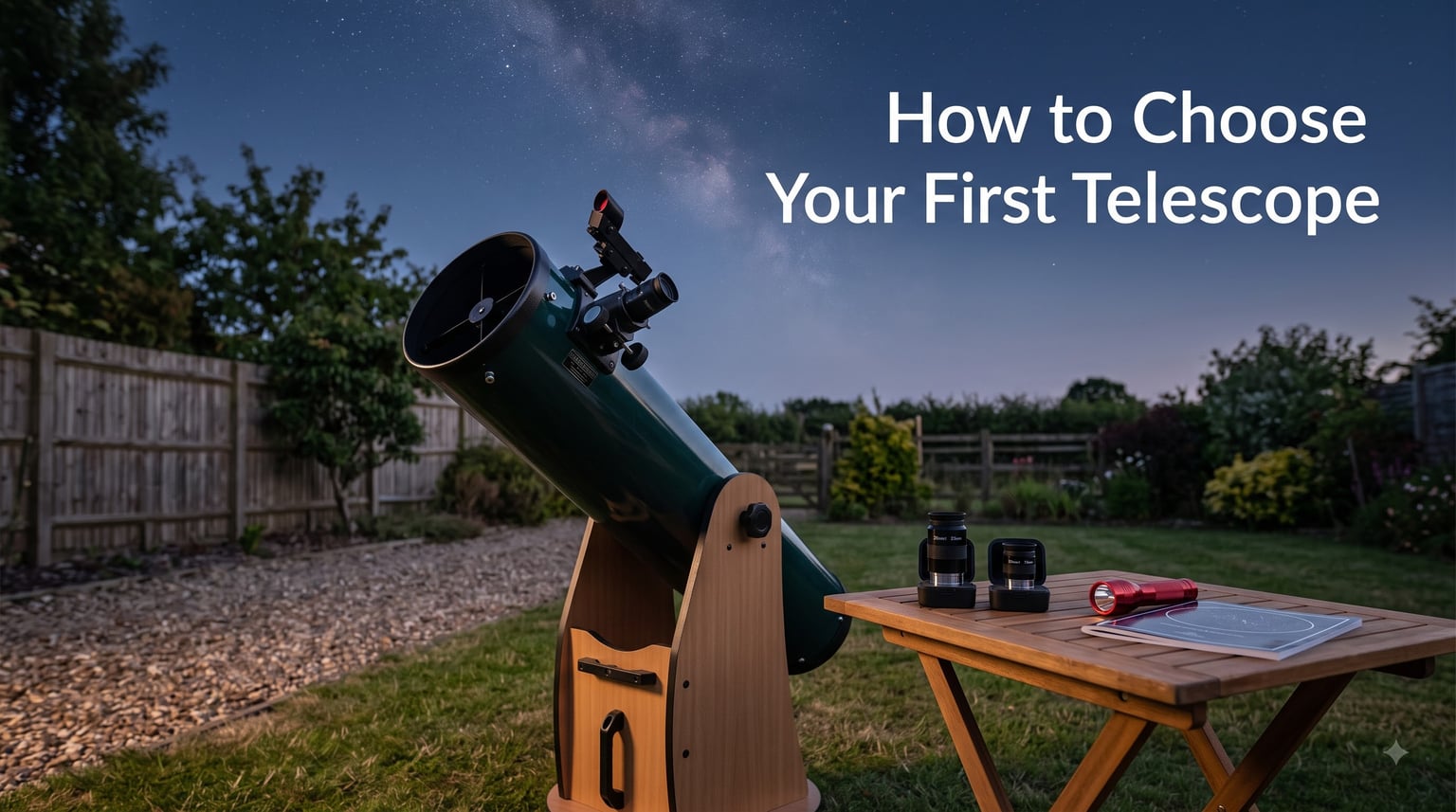
Choose Your First Telescope August 2026
I bought my first telescope from a department store when I was 14, and it sat in a closet within…

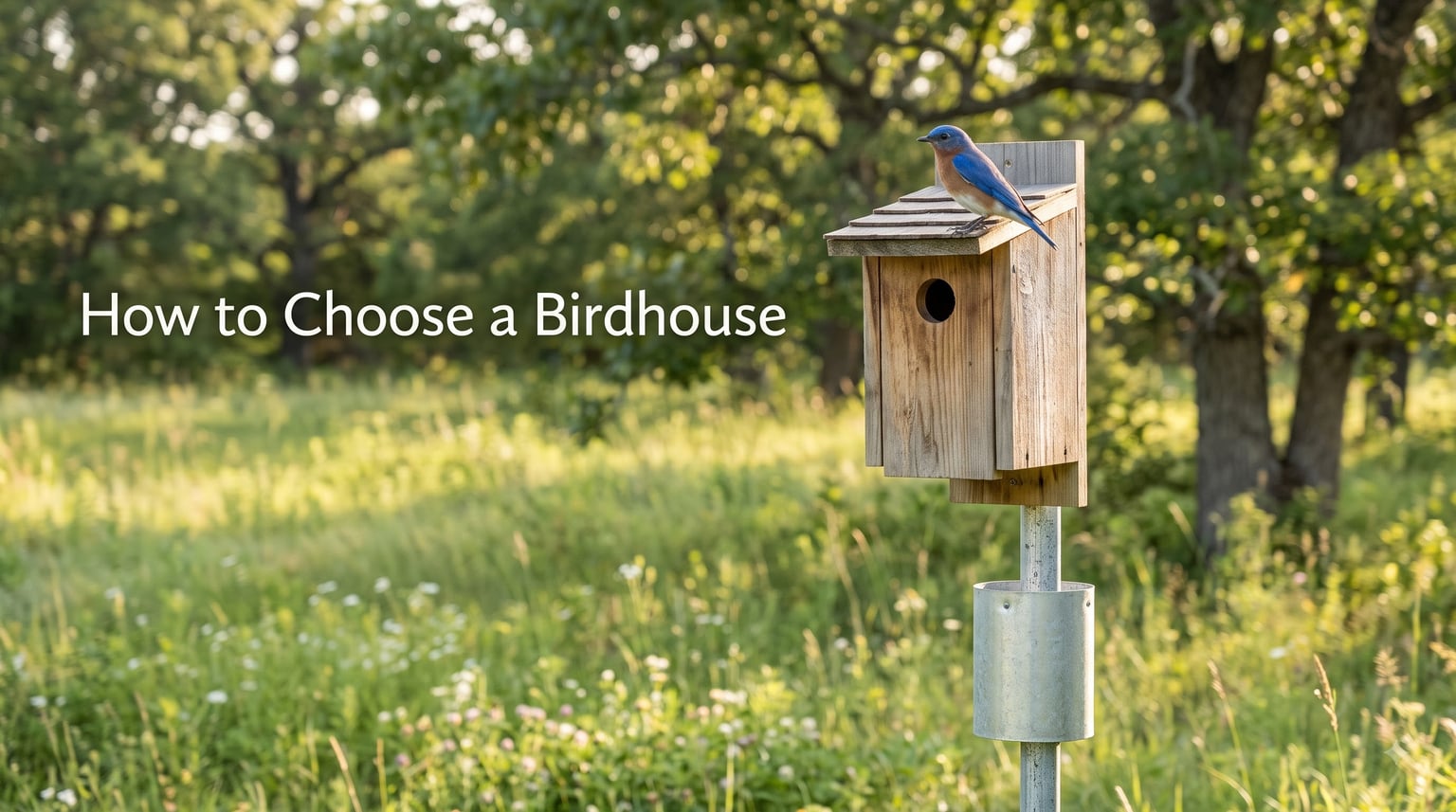
When I put up my first birdhouse fifteen years ago, it was a flimsy pine box from a garden center with a 2-inch entrance hole. Nothing nested in it. Raccoons reached in and pulled the lining apart. House Sparrows moved in instead. I learned the hard way that learning how to choose a birdhouse is less about decoration and more about matching the box to the species, the site, and the predators in your yard.
Cavity-nesting birds like bluebirds, chickadees, wrens, and tree swallows cannot excavate their own holes. They depend on old woodpecker cavities, rotting limbs, and (now) nest boxes. With natural cavities declining across North America, the right birdhouse can make the difference between a successful brood and an empty box. This guide pulls together what our team has learned from monitoring over 80 nest boxes across three states, plus the research from Cornell Lab’s NestWatch program and Mass Audubon.
A good birdhouse is built around the bird, not the gardener. Before you fall in love with a decorative box at the garden center, run it through this checklist. Cornell Lab’s NestWatch program identifies these as the features that separate a productive nest box from a death trap:
If a box fails any of these points, skip it. A pretty painted birdhouse with a perch and no ventilation is a feeder for sparrows and a sauna for nestlings.
If you take away one rule from this guide, let it be this: the entrance hole diameter determines which bird can use the box. Get it wrong, and you either exclude the bird you wanted or invite House Sparrows and starlings to evict your target species.
Here are the entrance hole sizes that match the most common North American cavity nesters. These are widely accepted figures from Cornell Lab, Mass Audubon, and the Alaska Department of Fish and Game:
If you live in an area with aggressive House Sparrows, drop to 1.25 inches even for bluebirds. Eastern Bluebirds can squeeze through. House Sparrows mostly cannot. Western and Mountain Bluebirds need closer to 1.5625 inches (1 9/16 inch), so check your regional subspecies before buying.
Beyond the hole, the interior floor space and box depth matter. A wren house is tiny. A wood duck box is enormous. Mismatching dimensions is one of the top reasons a birdhouse sits empty. Use this reference when picking a box:
Most beginners do well starting with a bluebird box or chickadee box in a backyard setting. Both species tolerate human activity reasonably well and readily use nest boxes when natural cavities are limited.
The material choice affects how long the box lasts and how safe it is for the birds inside. I have tested cedar, pine, and recycled plastic boxes side by side over the past decade, and the results are clear.
Untreated wood is the gold standard. Cedar, pine, fir, and cypress all work. Wood breathes, insulates against temperature swings, and provides grip for fledglings. A 3/4 inch wall thickness gives better insulation than thinner material, which matters for summer heat and winter cold alike.
Avoid metal and plastic in full sun. Metal birdhouses cook nestlings on hot days. Plastic boxes can warp and crack after a few seasons. They also tend to lack the rough interior surface fledglings need to climb out.
Skip paint and stain inside the box. Outside, you can use earth tones, dull greens, browns, or leave the wood to weather naturally. Inside should remain raw wood. Linseed oil is the only finish most birders apply, and only to the exterior.
Fasteners matter. Use galvanized screws or exterior-grade wood screws, not staples. A box I built with staples in 2012 had pulled apart by 2014. Screws lasted fifteen years on the same fence post.
Placement is where most backyard birders lose the plot. I have watched perfectly built boxes sit empty for two seasons because they were hung over a noisy AC unit or in deep shade under a maple. Birds are picky about real estate.
Habitat and exposure: Most cavity nesters prefer open woodland edge, not deep forest. Mount bluebird boxes in mowed areas with scattered trees. Mount wren boxes in shrubby thickets. Mount purple martin houses in open fields or large lawns.
Height by species: Bluebirds 4 to 6 feet, chickadees 5 to 15 feet, wrens 6 to 10 feet, wood ducks 6 to 30 feet, owls 10 to 30 feet. Higher isn’t always better, but too low invites cats and raccoons.
Facing direction: In most of North America, face the entrance away from prevailing wind. East or southeast is the classic advice, giving morning sun and afternoon shade. In hot southern climates, north-facing may be better to avoid overheating.
Distance from feeders: Do not hang a nest box right next to a feeder. Bird activity at feeders attracts predators and house sparrows. A buffer of 15 to 25 feet is a good starting point.
Where not to put a birdhouse: Avoid spots under bird-eating perches (low limbs where hawks land), under dripping eaves, near outdoor lights, on trees with easy cat access, in deep shade, or where pesticides are used. Do not face the entrance toward prevailing wind or west afternoon sun in summer.
Even a perfect birdhouse in the perfect spot will fail if a raccoon, snake, or cat reaches the nest. Predator guards are not optional. They are the difference between a successful brood and a pile of feathers.
Mount the box on a metal pole. A 1 inch or larger galvanized pipe, 6 to 8 feet tall, lets you add baffles. Squirrels and raccoons cannot climb a smooth metal pole when a baffle blocks them.
Use baffles. A cone baffle or stovepipe baffle mounted 4 feet above ground on the pole stops raccoons. A Noel guard over the entrance stops starlings and some predators but is controversial because it can block bluebird parents.
Eliminate perches. A perch outside the box helps House Sparrows and starlings but does not help bluebirds or chickadees. Remove any perch or dowel that came with the box.
Keep cats indoors. Outdoor cats kill millions of birds each year in the United States. If your neighbor’s cat roams, mount boxes higher and add a stovepipe baffle.
Identify local predators. In our yard, raccoons and chipmunks were the main threat. In the Pacific Northwest, snakes are a bigger problem. Match the guard to the predator. A Noel guard helps with snakes. A cone baffle helps with mammals.
Once the box is up, the work is not over. A birdhouse is a piece of infrastructure, like a bird feeder. It needs seasonal care.
Cleaning schedule: Clean out the old nest each year after the breeding season ends, usually in late fall. Discard all nesting material. Scrub the interior with a diluted bleach solution (1 part bleach to 9 parts water), rinse well, and let dry in the sun. This prevents parasite buildup that can harm next year’s brood.
Timing: Put up birdhouses by late winter or early spring, before migrants arrive. Bluebirds often scout for nest sites in February and March in the southern U.S. In the north, putting boxes up by April is fine for most songbirds.
Winter use: Some birds roost in boxes during cold months, especially chickadees and bluebirds. A clean box with a small entrance (1.25 to 1.5 inch) can shelter a single bird overnight. Do not fill the box with nesting material in winter. Empty boxes hold heat better.
DIY vs purchased: Building your own box is cheaper and lets you customize dimensions for your target species. Cornell’s NestWatch site has free plans for bluebird, wren, and chickadee boxes. Store-bought boxes range from excellent (Gilbertson, Nicholson) to decorative-useless. Inspect before buying.
Regional climate: In hot southern climates, add extra ventilation (more than two 5/8 inch holes) and face the entrance north or east. In cold northern climates, thicker walls (1 inch or more) and a wrap-around roof overhang help insulate. Coastal areas need weather-resistant wood like cedar.
Focus on untreated wood at least 3/4 inch thick, a sloped overhanging roof, ventilation holes (5/8 inch), drainage holes (3/8 to 1/2 inch), a recessed floor, rough interior walls, no external perch, and a hinged side for cleaning. The entrance hole must match your target species, with 1.5 inch for bluebirds and 1.25 inch for chickadees and city lots.
Natural earth tones like brown, gray, dull green, and tan work best. Birds are not attracted to bright colors; in fact, vivid painted boxes can deter them and attract predators. Leave the wood to weather naturally or use a non-toxic earth-tone stain on the exterior only. Never paint the interior.
The biggest mistakes include using an entrance hole that is too large (inviting House Sparrows and starlings), adding a perch (helps predators, not native birds), skipping ventilation and drainage holes, painting the interior, using treated wood or metal that overheats, mounting too low or in deep shade, and failing to add predator baffles on the pole.
Avoid placing birdhouses under bird-of-prey perches like low exposed limbs, under dripping roof eaves, near outdoor lights, on trees easily climbed by cats, in deep shade with no morning sun, near noisy equipment, where pesticides are used, or within 15 feet of busy feeders. Do not face entrances into prevailing wind or full west sun in summer.
If you remember nothing else, remember this: a successful birdhouse matches the bird, the site, and the predator pressure. Start with a simple cedar box in the right size for one target species. Mount it on a metal pole with a baffle. Face it away from prevailing wind. Clean it once a year.
For beginners in a suburban yard, a bluebird box with a 1.5 inch hole is the easiest entry point. For city lots with House Sparrow pressure, drop to 1.25 inch and target chickadees instead. For large properties with water nearby, a wood duck box adds a bigger project. Match your choice to your space, your target species, and your willingness to maintain it, and you will spend 2026 watching fledglings leave the nest instead of empty boxes.