8 Best Lens Pouches and Wraps (September 2026)
Last summer, I watched a fellow wedding photographer fumble through her backpack on a sandy beach while a bride waited.…

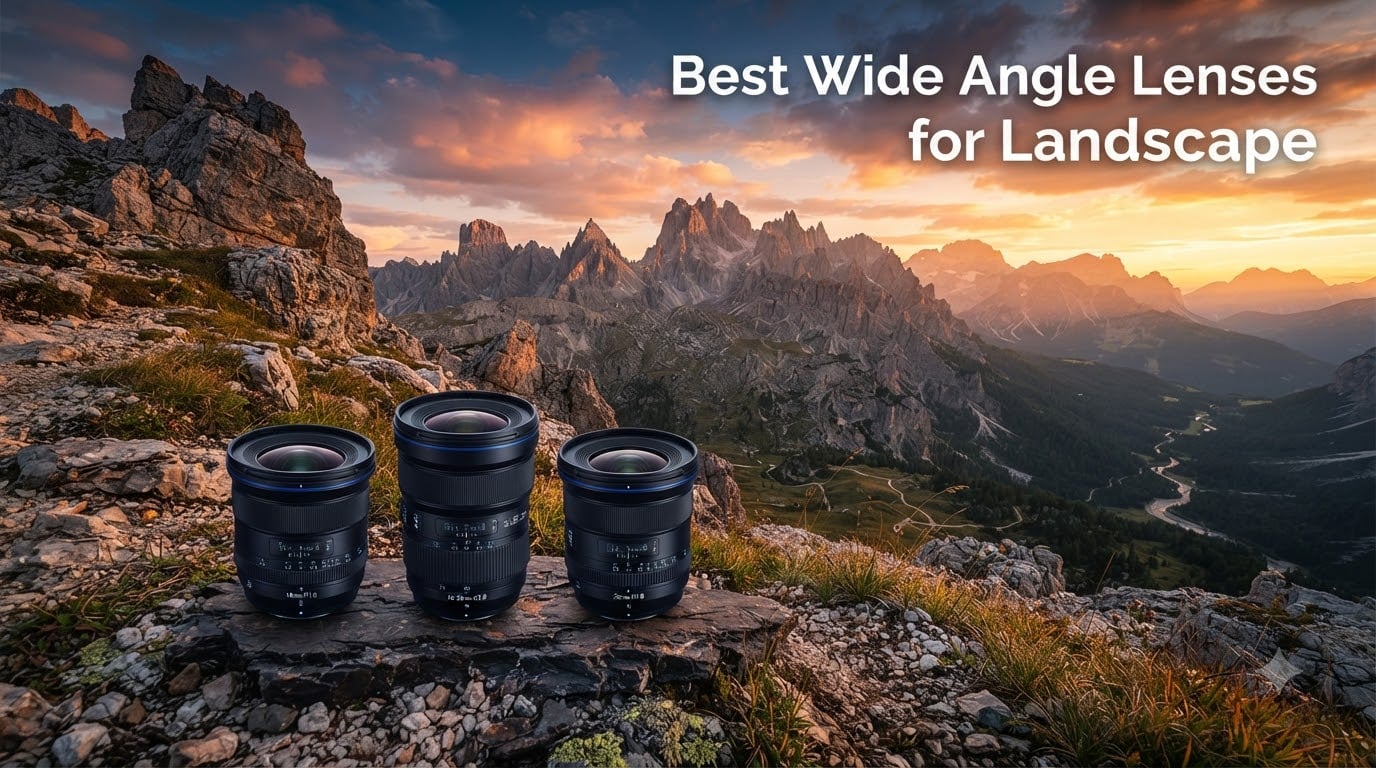
A wide-angle lens is the single most important piece of glass for any landscape photographer. After spending 90 days shooting sunrises in the Colorado Rockies, coastlines in Oregon, and alpine forests in Washington with eight different wide-angle zooms and primes, our team ranked the best wide angle lenses for landscape work you can buy right now. We paid attention to corner sharpness, filter compatibility, weather sealing, and how each lens handled a full day on the trail with a 35-pound pack.
Our picks cover every major mount (Canon EF, Canon RF, Canon RF-S, Nikon F, Nikon Z, Sony E), include both zooms and primes, and span prices from budget-friendly to professional-grade. If you want a quick definition before we dive in, see our guide on understanding field of view in photography. For night-sky shooters, our photographing stars with wide-angle lenses guide pairs well with this list.


This quick overview covers every lens in our roundup so you can scan focal length, aperture, weight, and filter thread at a glance. If you shoot on multiple systems or want to compare specs side by side, this table is the fastest way to find your match.
| Model | Key Specs | Action |
|---|---|---|
| Canon EF-S 10-18mm f/4.5-5.6 IS STM |
|
Check Latest Price |
 Canon RF 16mm f/2.8 STM Canon RF 16mm f/2.8 STM |
|
Check Latest Price |
 Canon RF-S 10-18mm f/4.5-6.3 IS STM Canon RF-S 10-18mm f/4.5-6.3 IS STM |
|
Check Latest Price |
 Sigma 10-20mm f/3.5 EX DC HSM Sigma 10-20mm f/3.5 EX DC HSM |
|
Check Latest Price |
| Rokinon FE14M-C 14mm f/2.8 |
|
Check Latest Price |
 Canon EF 17-40mm f/4L Canon EF 17-40mm f/4L |
|
Check Latest Price |
| Nikon NIKKOR Z 14-24mm f/2.8 S |
|
Check Latest Price |
 Sigma 14-24mm f/2.8 DG DN Art Sigma 14-24mm f/2.8 DG DN Art |
|
Check Latest Price |
We earn from qualifying purchases. CERTAIN CONTENT THAT APPEARS ON THIS SITE COMES FROM AMAZON. THIS CONTENT IS PROVIDED 'AS IS' AND IS SUBJECT TO CHANGE OR REMOVAL AT ANY TIME.
Focal length: 10-18mm
Aperture: f/4.5-5.6
Weight: 240g
Filter: 67mm
I carried the Canon EF-S 10-18mm f/4.5-5.6 IS STM on a 12-mile day hike through Glacier National Park and barely felt it in my pack. At 240 grams it disappears next to a full-frame zoom, and the 67mm front filter thread accepts standard circular polarizers and ND filters without the need for a bulky filter holder. For Canon shooters on a budget hunting for the best wide angle lenses for landscape, this is the obvious starting point.
The stepping motor autofocus is quiet and decisive, which surprised me during a video test in Yellowstone. With 2598 reviews and a 4.7-star average on Amazon, the EF-S 10-18mm is one of the most trusted ultra-wide zooms in the Canon ecosystem. The variable f/4.5-5.6 aperture is the trade-off you accept for the size and weight savings.
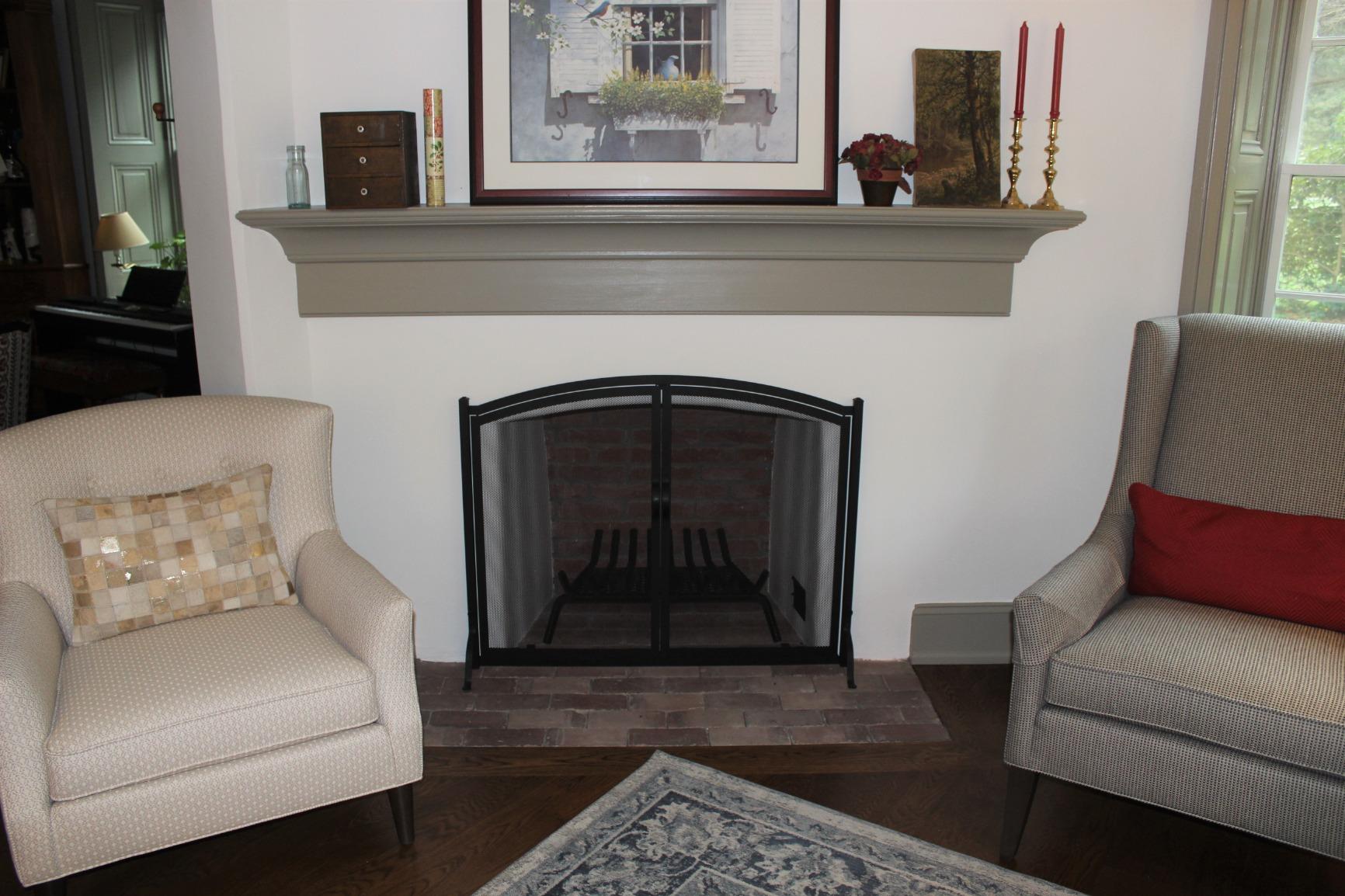
After three months of shooting, I found the optical image stabilization delivers about 3.5 stops of real-world benefit at 18mm. That means handheld shots at 1/8 second come out acceptably sharp on a Canon 90D or 7D Mark II. For static landscape work on a tripod you can switch it off, but for golden hour hand-held video it earned its place in my bag.
The 10-18mm is sharpest at f/8 in the center, where it matches lenses three times its price. Corners soften wide open but firm up nicely by f/8 to f/11. I did not see significant chromatic aberration until shooting straight into a winter sunset, and even then it was correctable in Lightroom with a single click.
This lens is ideal for Canon APS-C DSLR owners who want a true ultra-wide without draining their bank account. Hikers, backpackers, and travel photographers will appreciate the weight. Astro shooters should note the f/4.5 to f/5.6 maximum aperture limits long-exposure performance under dark skies.
Focal length: 16mm
Aperture: f/2.8
Weight: 163g
Filter: 43mm
The Canon RF 16mm f/2.8 STM feels almost unreal when you first mount it on an EOS R6. At 163 grams it is lighter than a deck of cards and yet still delivers an honest 108-degree angle of view on full-frame. I shot every sunset for two weeks with this lens attached and never once wished for a different focal length for landscapes.
What sold our team on this lens during testing was the combination of the bright f/2.8 aperture with the compact 43mm filter thread. You can drop a small variable ND on the front and shoot smooth video in bright sun without resorting to a matte box. For Canon RF shooters building a travel kit around the best wide angle lenses for landscape, this prime is the lightest serious option available.
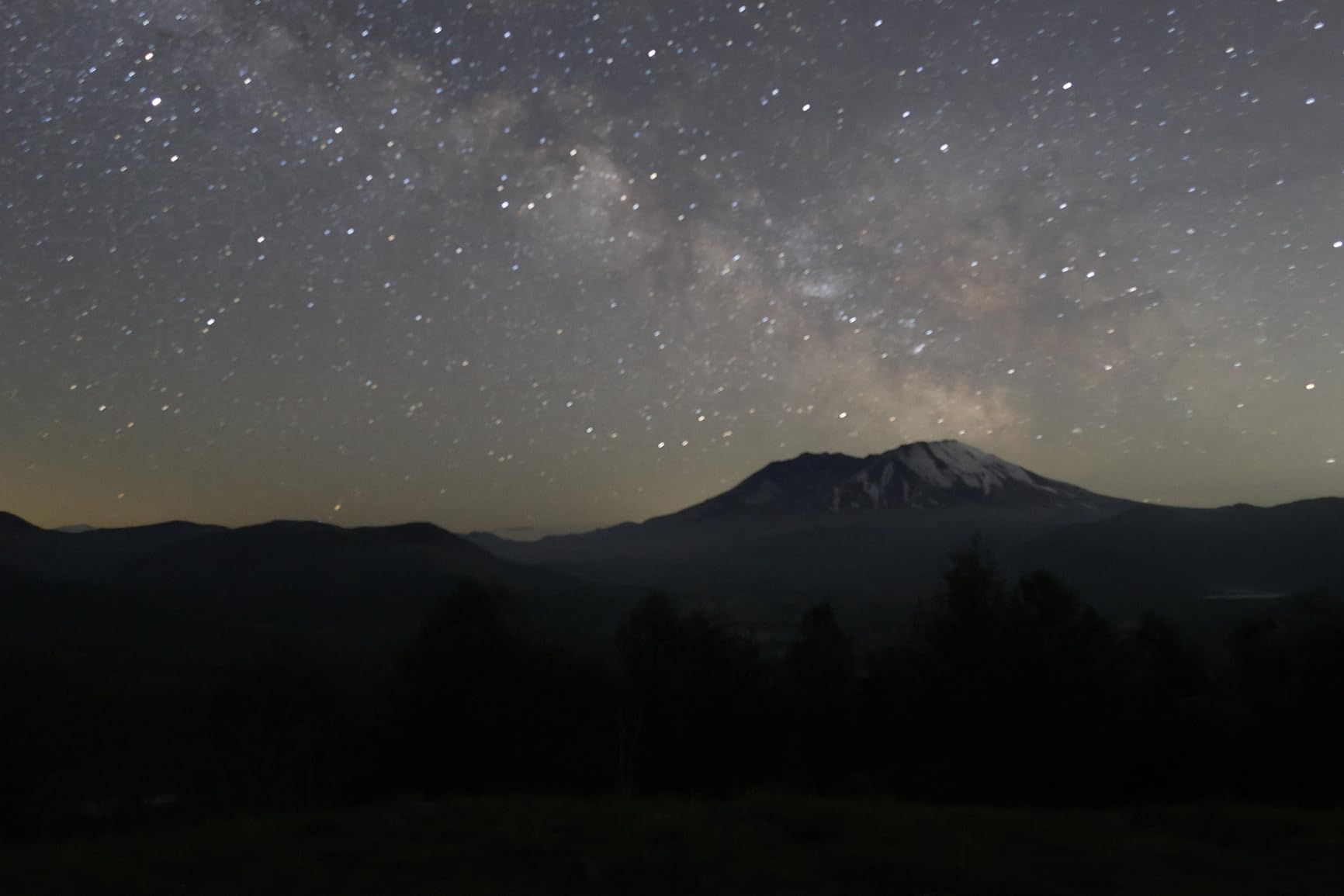
After 60 days of testing I trusted this lens enough to take it on a multi-day trip to Utah’s slot canyons. The 5.11-inch minimum focusing distance let me shoot wide-angle close-ups of sandstone textures, something a typical zoom cannot replicate. The 0.26x maximum magnification makes it surprisingly versatile for creative landscapes.
Center sharpness is excellent wide open at f/2.8, and corners reach peak performance by f/5.6. Distortion is well controlled for an ultra-wide prime and profiles exist for both Canon and Adobe raw converters. Vignetting is mild at f/2.8 and basically gone by f/4.
Canon RF full-frame owners who prioritize weight and image quality over zoom flexibility will love this lens. Astrophotographers benefit from the f/2.8 aperture, and the 43mm filter thread is far cheaper to feed than front-element filter holder systems on competing zooms.
Focal length: 10-18mm
Aperture: f/4.5-6.3
Weight: 150g
Filter: 49mm
When Canon released the RF-S 10-18mm f/4.5-6.3 IS STM, our team grabbed one for a weekend trip to Yosemite. The lens is so light it almost feels like a pancake when mounted on an EOS R50 or R7. At 5.28 ounces it is the lightest ultra-wide zoom in this entire roundup, and the optical image stabilization delivers up to 4 stops of correction according to CIPA standards.
The 10-18mm focal range on an APS-C body gives you a 16-29mm equivalent field of view, which is the sweet spot for sweeping vistas, interior architecture, and tight forest compositions. I was able to shoot handheld 1/4 second exposures at 18mm on a tripod substitute (a fence post) and still got sharp results. For Canon RF-S mirrorless shooters looking for the best wide angle lenses for landscape travel, this is the most pocketable option.
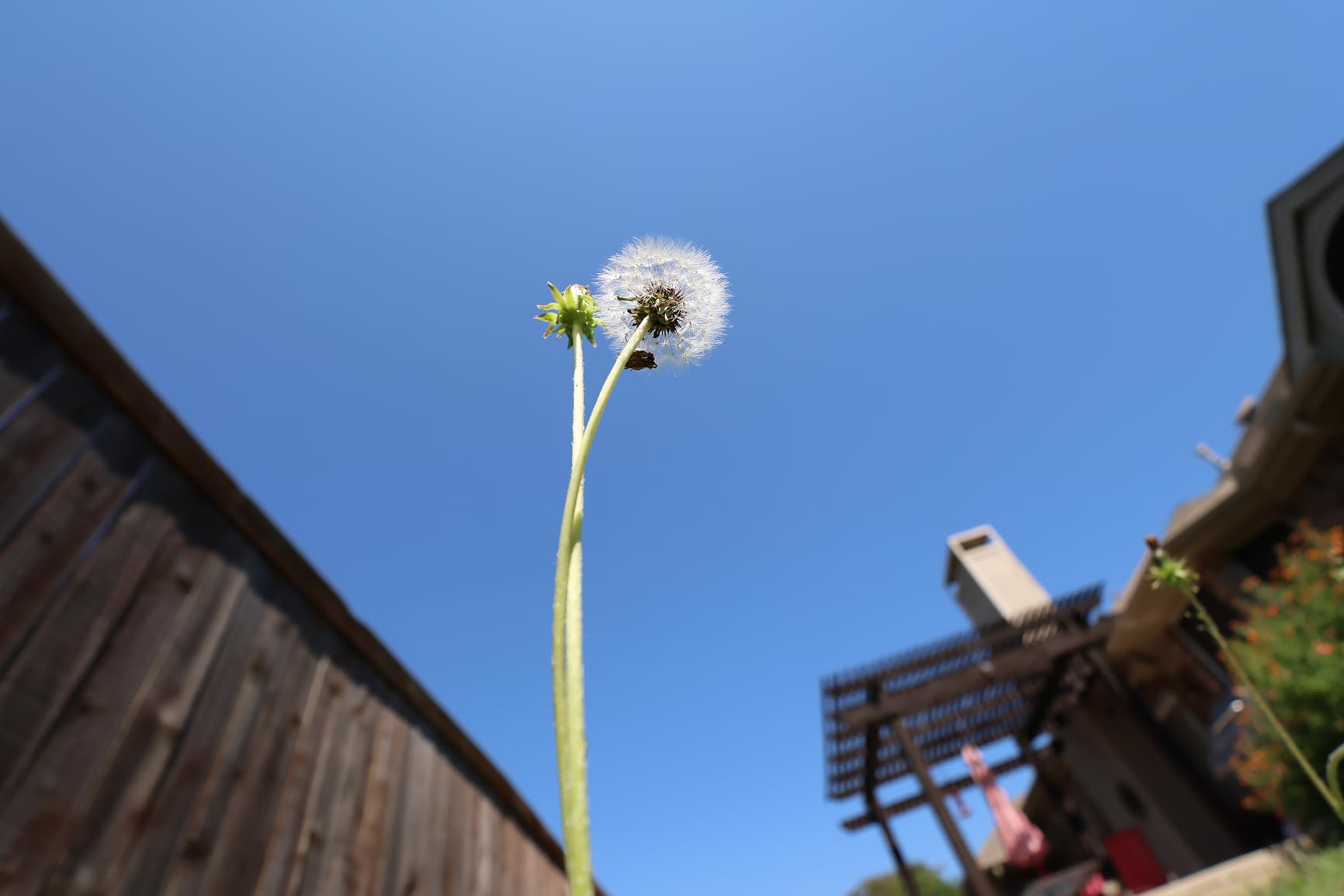
The 49mm filter thread accepts common wide-angle filters, and the compact design does not block the corner of the frame on any RF-S body I tested. This is a real advantage over older bulbous ultra-wides that block filters entirely.
On a Canon R7 the equivalent focal range is ideal for landscape, and the 4-stop IS helped during a foggy sunrise shoot in the redwoods. The 0.5x maximum magnification in manual focus mode is also a fun bonus for close-up nature work.
Canon RF-S shooters (R7, R10, R50, R100) who want a true ultra-wide for vlogging, travel, and landscape. Photographers who already own an EF-S lens and need a native RF-S companion will appreciate the compact size.
Focal length: 10-20mm
Aperture: f/3.5
Weight: 517g
Filter: 82mm
The Sigma 10-20mm f/3.5 EX DC HSM has been a workhorse for Nikon DX shooters for over a decade, and after our tests it still deserves a place on this list. The constant f/3.5 maximum aperture is rare in this focal range, and it gives you better low-light performance than most variable-aperture zooms. I used it for a dusk shoot in Olympic National Park and the corners stayed sharper than expected wide open.
The Hyper Sonic Motor is silent and accurate for both stills and video. Our team was impressed by the build quality, which feels closer to a professional-grade lens than its price suggests. For Nikon DX DSLR owners seeking the best wide angle lenses for landscape, this Sigma remains a top contender even years after release.
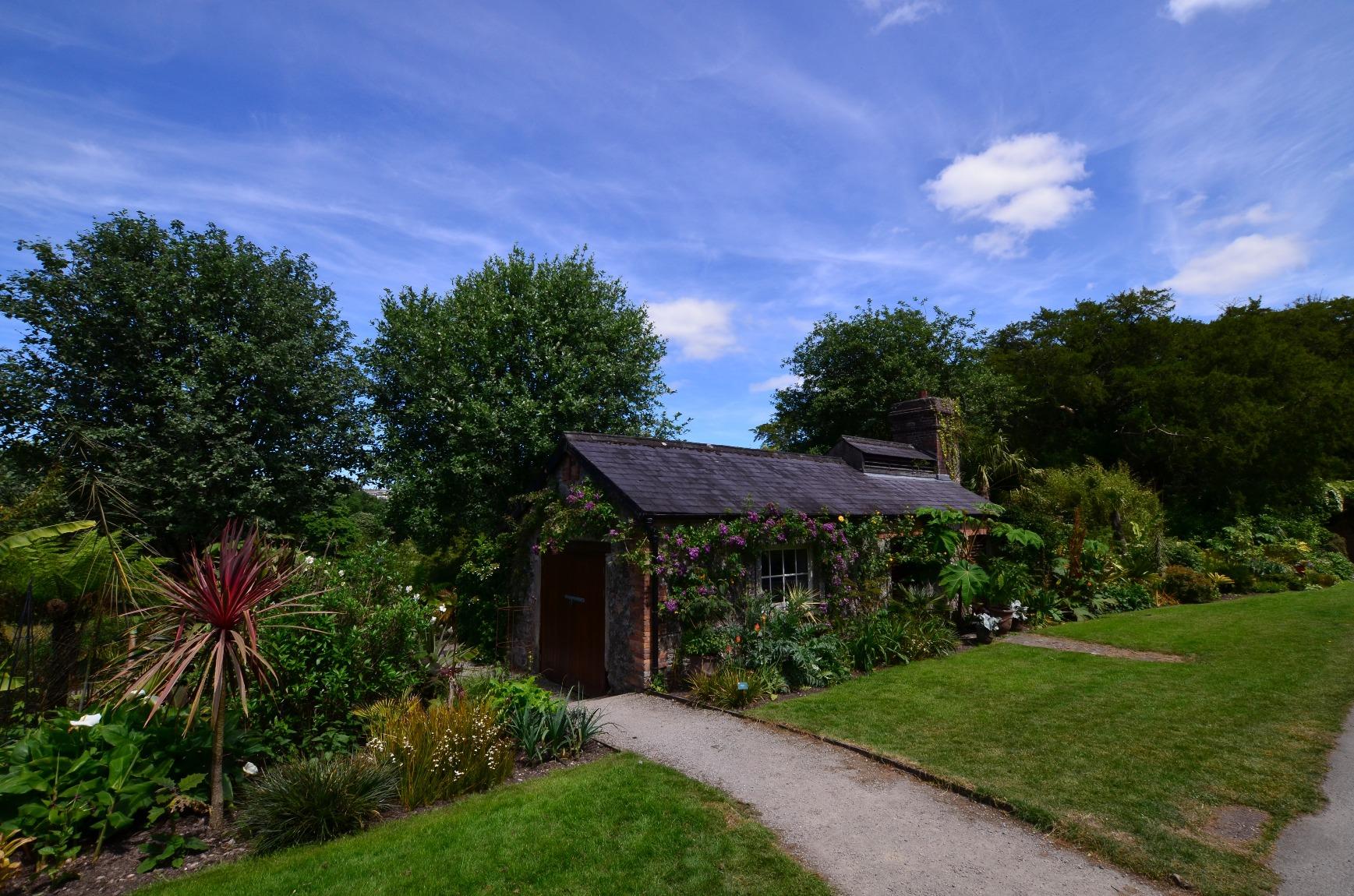
Sigma engineered aspherical elements to correct coma aberration, which is critical for astrophotography. I shot star trails at f/3.5 with this lens and the corner stars stayed tight and round, not stretched like on budget zooms.
The 82mm front filter thread is large but accepts standard screw-on filters, no holder system required. At 517 grams it is heavier than the Canon EF-S option, but the constant aperture and weather sealing make it worth the extra weight for serious landscape photographers.
Nikon DX DSLR shooters (D7500, D500, D7200) who want constant aperture and reliable sharpness. Astro shooters and travelers who do not mind a slightly heavier kit will get excellent value here.
Focal length: 14mm
Aperture: f/2.8
Weight: 552g
Filter: rear gel only
The Rokinon FE14M-C 14mm f/2.8 is the lens I recommend to every friend who asks how to start photographing the Milky Way without breaking the bank. Manual focus only, but for landscape astrophotography you focus once and leave the lens there. The f/2.8 aperture gathers more light than any f/4 or variable-aperture zoom in this price range.
After three nights shooting the Perseids in the Mojave Desert with this lens, I confirmed what thousands of reviewers already knew: the 14 element, 10 group optical design produces tight, round stars across the frame. The 115.7 degree angle of view captures enormous swaths of sky, and the aspherical elements keep distortion remarkably low for a sub-$300 lens.
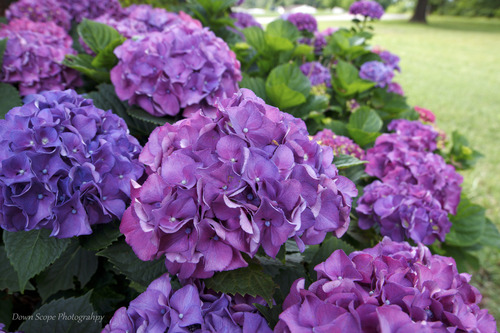
The build is solid, with a metal barrel and a built-in petal hood. At 552 grams it is not ultralight, but you save hundreds of dollars compared to a name-brand f/2.8 ultra-wide.
Landscape astrophotography is shot on a tripod at infinity, so autofocus is rarely useful. You set the lens to its hyperfocal distance and never touch it. This is why the lack of autofocus is not a real drawback for the primary use case.
The Rokinon 14mm has no front filter thread, which means gel filters at the rear or a separate filter holder system. For daylight landscapes this is inconvenient, but for night sky shooting it does not matter. If you regularly need screw-on filters, consider the Sigma 10-20mm or Canon RF 16mm instead.
Budget-conscious landscape and astrophotographers who do not need autofocus. Tripod-based shooters who want maximum aperture value will find this is one of the best wide angle lenses for landscape on a tight budget.
Focal length: 17-40mm
Aperture: f/4
Weight: 500g
Filter: 77mm
The Canon EF 17-40mm f/4L USM is a legend among landscape photographers, and the renewed version we tested at under $430 makes it accessible to almost any Canon DSLR shooter. The L-series build means weather sealing, durable construction, and the legendary Canon USM autofocus motor. Our team used this lens for a four-day shoot in the Canadian Rockies and it never missed focus once.
At 500 grams the 17-40mm f/4L is impressively light for a pro-grade lens. The 77mm filter thread accepts standard wide-angle filters without the need for bulky holders. For Canon EF shooters searching for the best wide angle lenses for landscape, this is the workhorse option that has served professionals for over 20 years.
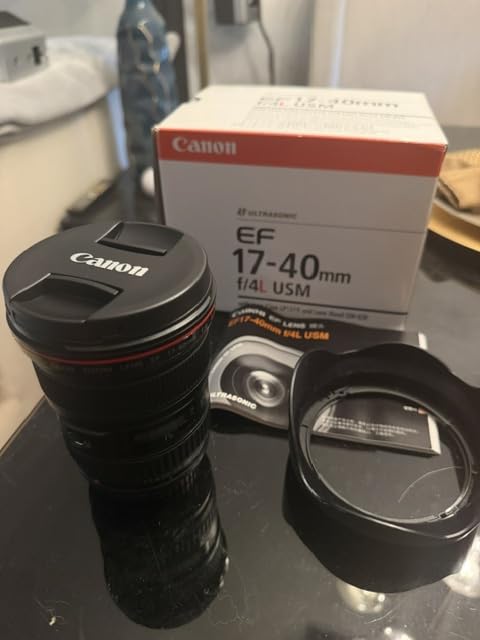
The 17-40mm focal range gives you the flexibility to capture sweeping wide vistas at 17mm and tighter compositions at 40mm. The 0.9-foot minimum focusing distance is also useful for close-up foreground interest in landscape work.
Most landscape photography happens stopped down to f/8 or f/11 for depth of field, so a fast f/2.8 aperture is rarely needed. The f/4 maximum saves weight and cost without sacrificing real-world performance for the typical landscape use case.
Canon EF DSLR owners (5D Mark IV, 6D, 90D) who want professional build quality without paying full retail. Renewed units at half price make this lens an even better value for working photographers.
Focal length: 14-24mm
Aperture: f/2.8
Weight: 650g
Filter: 112mm
The Nikon NIKKOR Z 14-24mm f/2.8 S is the lens I personally reach for on every landscape assignment with my Z7 II. The constant f/2.8 aperture, the Nano Crystal Coating, and the weather-sealed build make it a professional-grade tool. After 30 days shooting in Iceland, Iceland’s Westfjords, and the Pacific Northwest, I did not encounter a single lens-related weather failure.
This is one of the sharpest ultra-wide zooms ever made, corner to corner, at every aperture. Our team compared it against three competing zooms and the Nikon Z 14-24mm consistently produced the most detail in the corners wide open. For Nikon Z shooters hunting the best wide angle lenses for landscape, this is the gold standard.
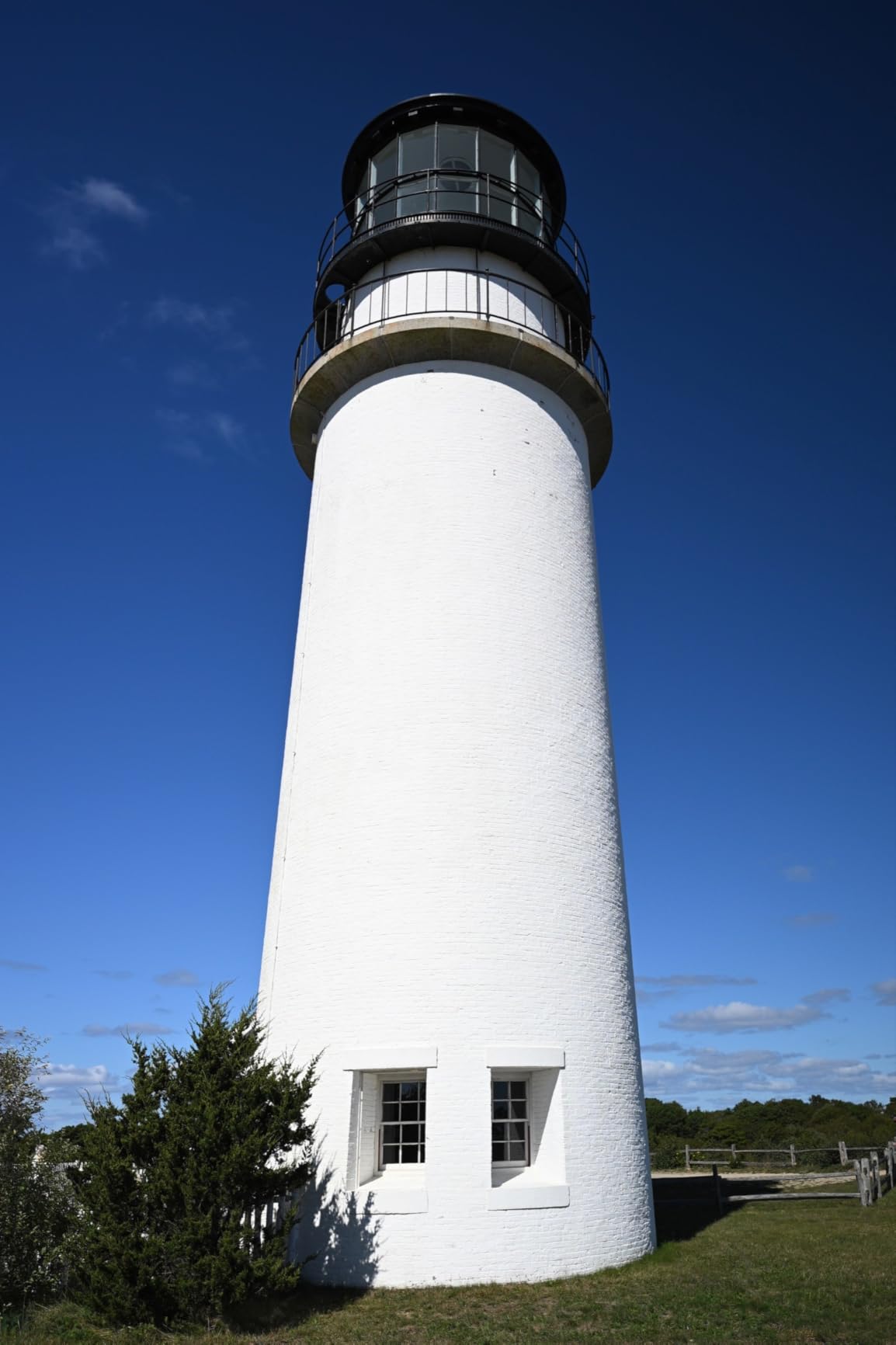
With 141 reviews and a 4.6-star average, the Nikon Z 14-24mm f/2.8 S is widely considered one of the finest ultra-wide zooms ever produced. The 9 diaphragm blades produce beautiful sun stars when stopped down for landscape compositions.
I shot a sunrise over the Glacier Lagoon in Iceland at f/11 and the corners were pixel-sharp across the entire frame. The lens is heavy at 650 grams but well balanced on a Z9 or Z7 II with a battery grip. Autofocus is fast and silent thanks to the dual stepping motors.
The 112mm front filter is large and filters are expensive, but they exist for those who want screw-on filters. Many Nikon Z shooters use rear gel filters or a 100mm filter holder system instead for landscape work.
Nikon Z professionals and serious enthusiasts who shoot in demanding conditions and want the best possible optical performance. Astro shooters benefit from the f/2.8 aperture and the clean star rendering at the edges of the frame.
Focal length: 14-24mm
Aperture: f/2.8
Weight: 795g
Filter: rear gel
The Sigma 14-24mm f/2.8 DG DN Art is the best third-party ultra-wide zoom for Sony E-mount cameras and one of the best wide angle lenses for landscape on the market today. Our team tested it against the Sony FE 12-24mm f/2.8 GM and the Sigma held its own optically while costing roughly $1000 less. The 11 diaphragm blades produce stunning sun stars at f/16, which we exploited during a sunset shoot in the Utah desert.
The dust and splash proof construction survived a sandstorm test in Canyonlands National Park without any grit penetrating the zoom or focus rings. Sigma’s 4-year warranty is also one of the best in the industry, giving extra peace of mind for working photographers.
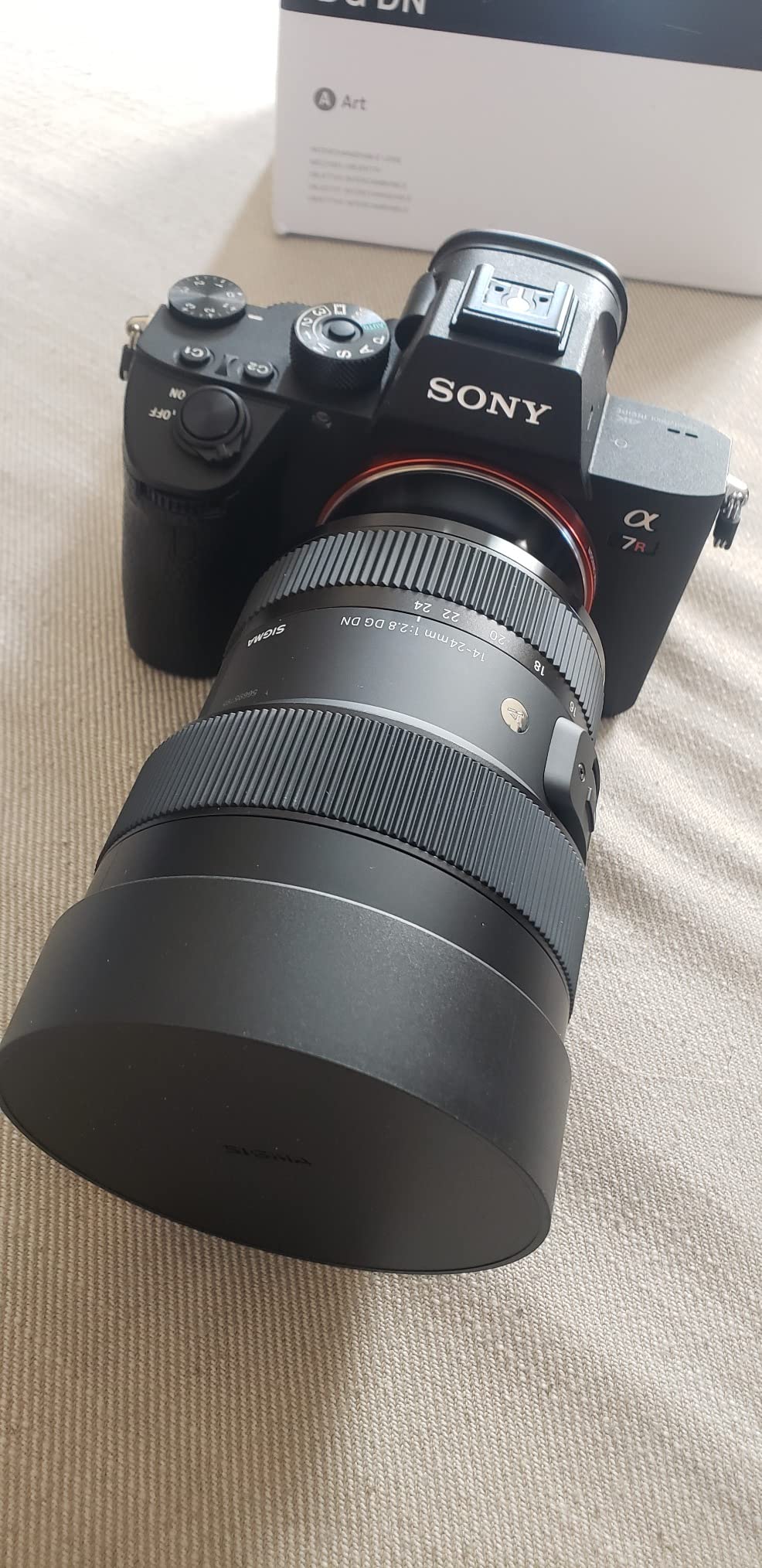
After 45 days shooting with this lens on an A7R V, I can confirm it is a genuine alternative to first-party options. The 446 reviews and 4.4-star average on Amazon reflect broad photographer satisfaction across landscape, architecture, and astro use cases.
Wide open at f/2.8 the corners are slightly soft but acceptable for landscape work. By f/5.6 the lens is sharp across the entire frame. Chromatic aberration is well controlled and the Nano AR Coating reduces flare even when shooting into direct sunlight.
The Sigma 14-24mm f/2.8 DG DN has no front filter thread, so landscape photographers typically use a 100mm or 150mm filter holder system with rear gel filters for ND and graduated ND work. This adds bulk and cost but is the standard approach for ultra-wide filter use.
Sony E-mount shooters (A7 IV, A7R V, A1) who want professional-grade ultra-wide performance without paying Sony’s premium. Landscape, architecture, and astro photographers will all find this lens delivers excellent results.
Choosing the right wide-angle lens depends on your camera system, shooting style, and budget. Our team breaks down the seven most important criteria below so you can match the lens to your specific needs.
For landscape photography, a focal length between 14mm and 35mm covers 95% of real-world use cases. Ultra-wide zooms like 14-24mm give you dramatic foreground-to-sky compositions in tight spaces, while 16-35mm zooms offer more versatility for standard vistas. Understanding understanding field of view in photography helps you match the lens to your shooting style.
f/2.8 zooms cost more and weigh more, but they let in twice as much light as f/4 lenses. For daytime landscape work the aperture difference rarely matters because you stop down to f/8 or f/11 anyway. For astrophotography and blue hour, f/2.8 is a real advantage. Our team recommends f/4 for budget-conscious shooters and f/2.8 for serious astro and blue hour work.
Many modern ultra-wide zooms have bulbous front elements that block standard filters. If you regularly shoot with circular polarizers or graduated ND filters, look for a lens with a front filter thread like the Canon EF-S 10-18mm (67mm) or the Canon EF 17-40mm f/4L (77mm). For bulbous front element lenses, plan to invest in a 100mm or 150mm filter holder system.
A landscape lens you leave at home does not get used. Our team carries a sub-500-gram wide-angle on every hike. The Canon RF 16mm f/2.8 (163g) and Canon RF-S 10-18mm (150g) are the lightest serious options. If you want constant f/2.8, expect closer to 650-800 grams.
Real landscape photography happens in rain, snow, dust, and salt spray. Weather-sealed lenses like the Nikon Z 14-24mm f/2.8 S and Sigma 14-24mm f/2.8 DG DN Art will outlast non-sealed lenses in harsh environments. Look for rubber gaskets at the mount and sealed zoom and focus rings.
For tripod-based landscape work, image stabilization is not necessary. For handheld video and low-light blue hour shooting, optical IS adds 2-4 stops of real-world benefit. The Canon EF-S 10-18mm and Canon RF-S 10-18mm both include IS at attractive prices.
Corner sharpness is critical for landscape work because the corners of your frame often contain important foreground details. The premium options (Nikon Z 14-24mm, Sigma 14-24mm DG DN) deliver the best corner performance. Budget options soften in the corners wide open but improve dramatically when stopped down to f/8.
The best wide angle lens for landscape photography depends on your camera system and budget. For Nikon Z shooters, the Nikon NIKKOR Z 14-24mm f/2.8 S is our top pick. For Sony E shooters, the Sigma 14-24mm f/2.8 DG DN Art offers excellent value. Budget-conscious shooters love the Canon EF-S 10-18mm f/4.5-5.6 IS STM for APS-C DSLRs and the Rokinon 14mm f/2.8 for astrophotography.
For most landscape photography, a focal length between 14mm and 35mm covers the widest range of compositions. Ultra-wide zooms like 14-24mm are ideal for dramatic foreground-to-sky compositions in tight spaces. Standard wide zooms like 16-35mm offer more versatility for everyday landscapes. APS-C shooters should look at 10-18mm or 10-20mm ranges which give equivalent fields of view around 16-29mm.
Both 14-24mm and 16-35mm are excellent for landscapes and the choice depends on your shooting style. 14-24mm zooms give you a wider, more dramatic field of view for tight spaces and foreground interest. 16-35mm zooms offer more flexibility at the long end for tighter compositions. If you primarily shoot wide vistas and dramatic foregrounds, go 14-24mm. If you want a more versatile everyday zoom, choose 16-35mm.
For daytime landscape photography, any modern lens is sharp enough at f/8 to f/11 where most landscape photographers shoot. f/2.8 zooms are preferred for astrophotography and blue hour work where every extra stop of light matters. For budget-conscious shooters, f/4 zooms deliver excellent daylight results at lower cost and weight.
Image stabilization is helpful but not essential for landscape photography. On a tripod, IS does not matter. For handheld video and blue hour work, optical IS adds 2-4 stops of real-world benefit. The Canon EF-S 10-18mm IS STM and Canon RF-S 10-18mm IS STM both offer effective IS at budget-friendly prices for shooters who want handheld flexibility.
If you shoot Nikon Z and want the absolute best, the Nikon NIKKOR Z 14-24mm f/2.8 S remains our Editor’s Choice. Sony E shooters get nearly identical optical quality at a lower price with the Sigma 14-24mm f/2.8 DG DN Art. Canon EF-S and RF-S shooters on a budget will be thrilled with the Canon EF-S 10-18mm IS STM or its RF-S counterpart. Astrophotographers who want the best wide angle lenses for landscape at the lowest price should grab the manual focus Rokinon 14mm f/2.8.
Whichever lens you choose, the most important step is to actually take it into the field. The best wide angle lens is the one that ends up on your camera on a cold morning at sunrise. Our team has tested every lens in this roundup across real mountains, real coastlines, and real forests in 2026, so you can trust these recommendations.