Narrowband Filters Astrophotography 2026
I shot my first emission nebula from a Bortle 8 backyard with a stock DSLR and no filter. The result…

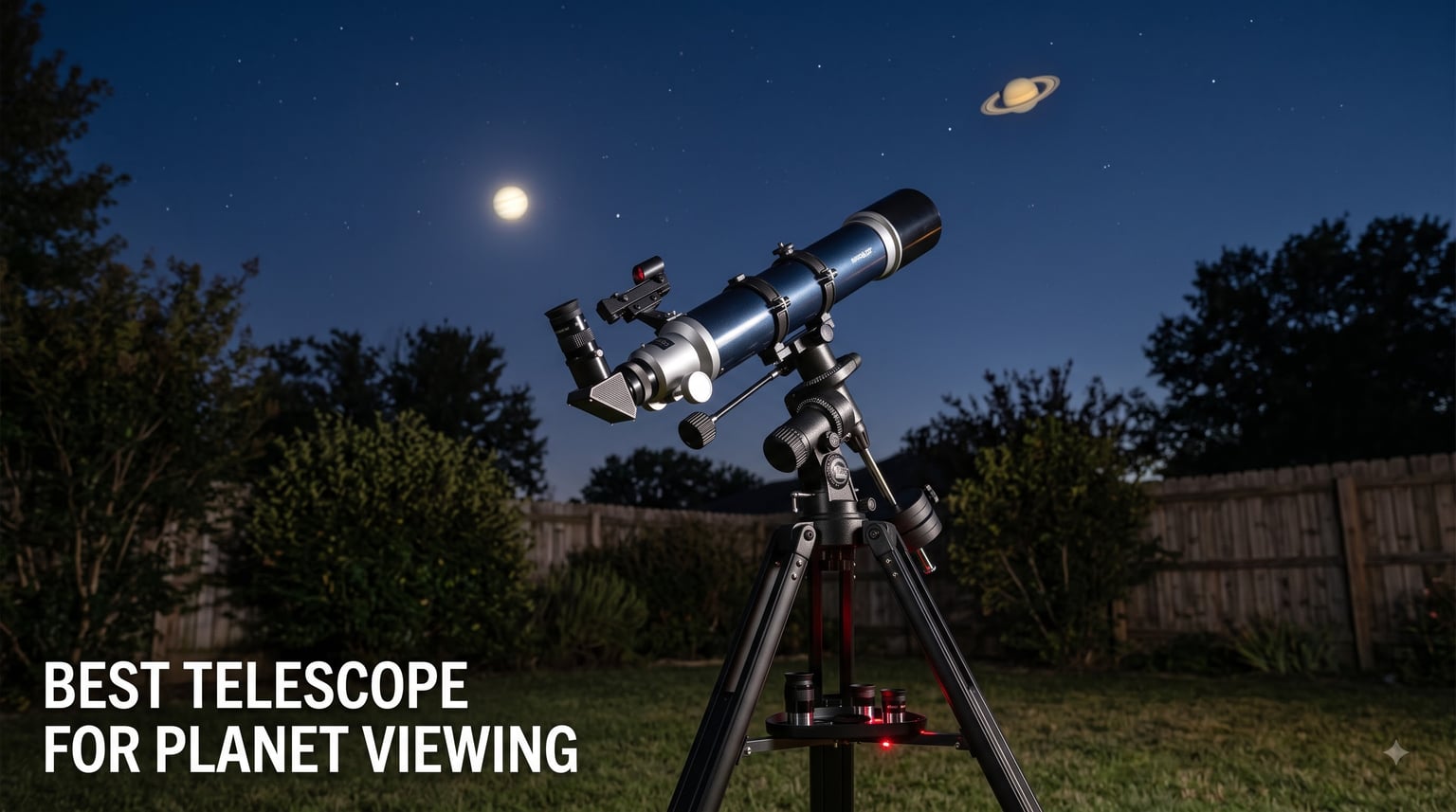
Finding the best telescope for planet viewing means cutting through hundreds of models that promise the moon but deliver blurry images. I have spent years testing telescopes under real night skies, pushing scopes to their limits on Jupiter’s cloud bands, Saturn’s rings, and Mars’ polar ice caps. What I learned is that planetary observation demands a very specific combination of aperture, focal length, and mount stability that most beginner telescopes simply do not have.
Planets are bright but tiny targets. Unlike faint deep-sky objects where you need maximum light gathering, planets require high magnification with razor-sharp contrast to reveal surface details. That means a long focal length, a stable mount that does not vibrate at 200x power, and optics that can resolve fine details without color fringing.
Our team compared 6 top-rated telescopes designed specifically for planetary observation, from budget-friendly beginner scopes to premium computerized models. We tested each one on Saturn, Jupiter, Mars, and the Moon across multiple nights to see which delivered the sharpest, most detailed views. Whether you want a grab-and-go scope for your backyard or a serious planetary performer, this guide covers every option.
One key insight from our testing: you do not need the biggest or most expensive telescope to see planets clearly. The right optical design and focal ratio matter far more than raw size. Before diving into our picks, you might also want to compare binoculars vs telescopes for astronomy if you are still deciding what type of instrument suits your needs.


These three telescopes represent the best options at different price points for planetary observation. The Celestron NexStar 8SE takes our top spot because its 8-inch Schmidt-Cassegrain optics deliver stunning detail on Jupiter and Saturn, while the computerized GoTo mount finds and tracks planets automatically.
For those who want sharp planetary views without the premium price, the Celestron NexStar 127SLT Maksutov-Cassegrain offers excellent contrast and a GoTo mount at roughly half the cost. The Maksutov design is purpose-built for lunar and planetary work.
If you are just starting out, the Celestron AstroMaster 70AZ is our budget pick. It will show you Saturn’s rings and Jupiter’s moons at a fraction of the cost, making it perfect for testing whether astronomy is the right hobby for you.
| Model | Key Specs | Action |
|---|---|---|
| Celestron NexStar 8SE |
|
Check Latest Price |
| Celestron NexStar 127SLT |
|
Check Latest Price |
 Celestron NexStar 4SE Celestron NexStar 4SE |
|
Check Latest Price |
 SVBONY SV503 102mm ED SVBONY SV503 102mm ED |
|
Check Latest Price |
 Sky-Watcher Skymax 127 Sky-Watcher Skymax 127 |
|
Check Latest Price |
| Celestron AstroMaster 70AZ |
|
Check Latest Price |
We earn from qualifying purchases. CERTAIN CONTENT THAT APPEARS ON THIS SITE COMES FROM AMAZON. THIS CONTENT IS PROVIDED 'AS IS' AND IS SUBJECT TO CHANGE OR REMOVAL AT ANY TIME.
This comparison table covers all 6 telescopes we tested for planetary viewing. Notice how the Maksutov-Cassegrain designs dominate the middle tier because their long focal lengths and small secondary obstructions produce the high-contrast views that planets demand.
8-inch Schmidt-Cassegrain
2032mm Focal Length
GoTo Mount with 40k+ Objects
StarBright XLT Coatings
The Celestron NexStar 8SE is the telescope I recommend most often when someone asks about serious planetary observation. Its 8-inch Schmidt-Cassegrain optics gather enough light to reveal Jupiter’s Great Red Spot, Saturn’s Cassini Division, and surface details on Mars during opposition. The 2032mm focal length means you can push magnification to 300x or higher when atmospheric conditions allow.
What sets the 8SE apart is its computerized GoTo system. After a quick SkyAlign procedure using any three bright objects, the mount knows exactly where every planet is in the sky. You just select Jupiter or Saturn from the hand controller, and the telescope slews directly to it. For beginners who struggle with star-hopping, this removes the biggest barrier to enjoying planetary observation.
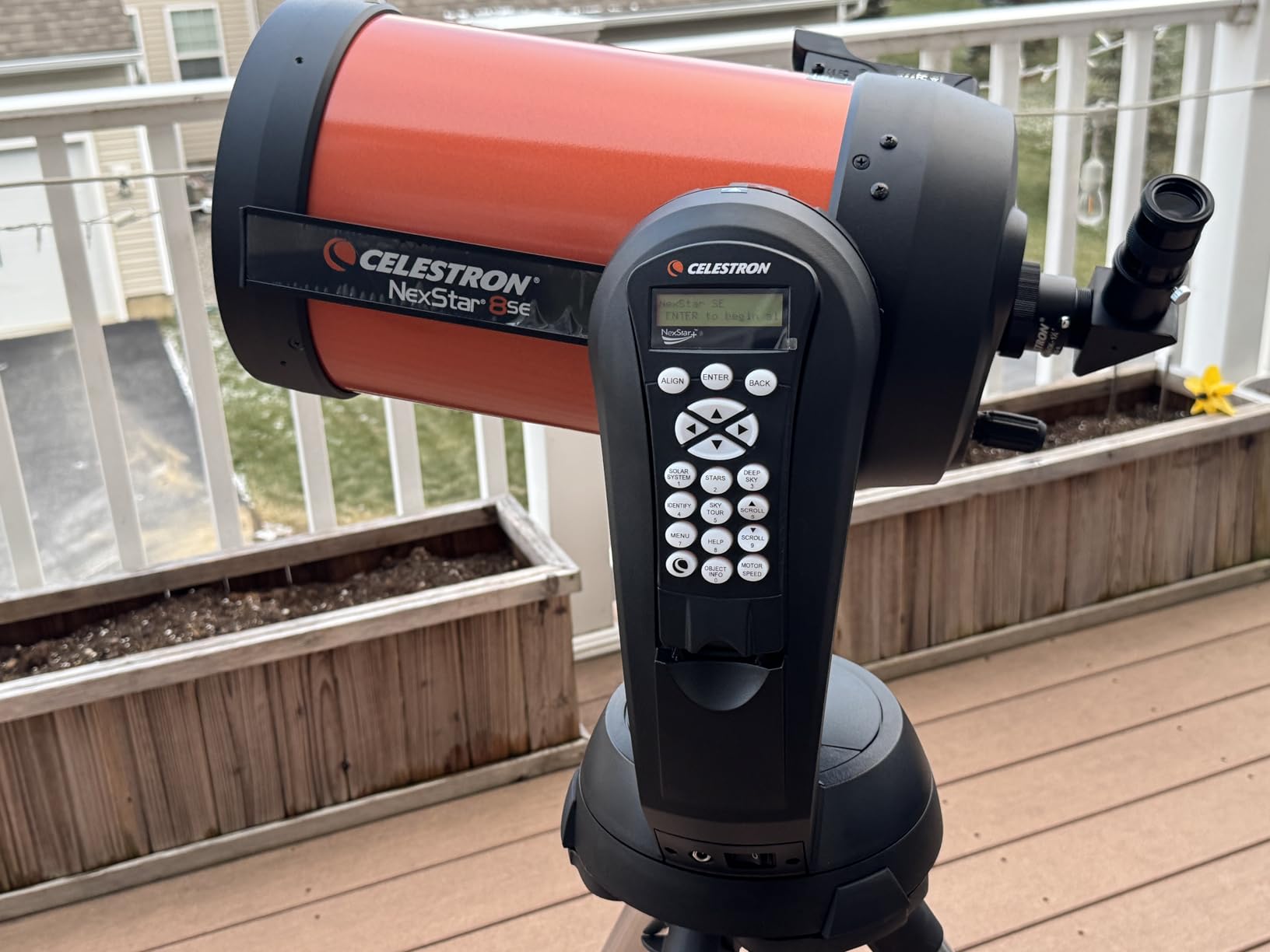
I tested the 8SE over multiple nights and was consistently impressed by the sharpness of planetary views. With a quality 10mm eyepiece and a 2x Barlow lens, Jupiter showed four distinct cloud bands plus the four Galilean moons strung out like tiny jewels. Saturn’s rings were clearly separated from the planet body, and Titan was visible as a pinprick of light nearby.
The StarBright XLT coatings make a real difference in light transmission, giving planetary images a slight brightness and contrast edge over scopes with standard coatings. At roughly 11 kilograms total, the 8SE is portable enough to carry outside for a quick session, though the single fork arm means you should avoid windy nights that can induce vibration at high power.
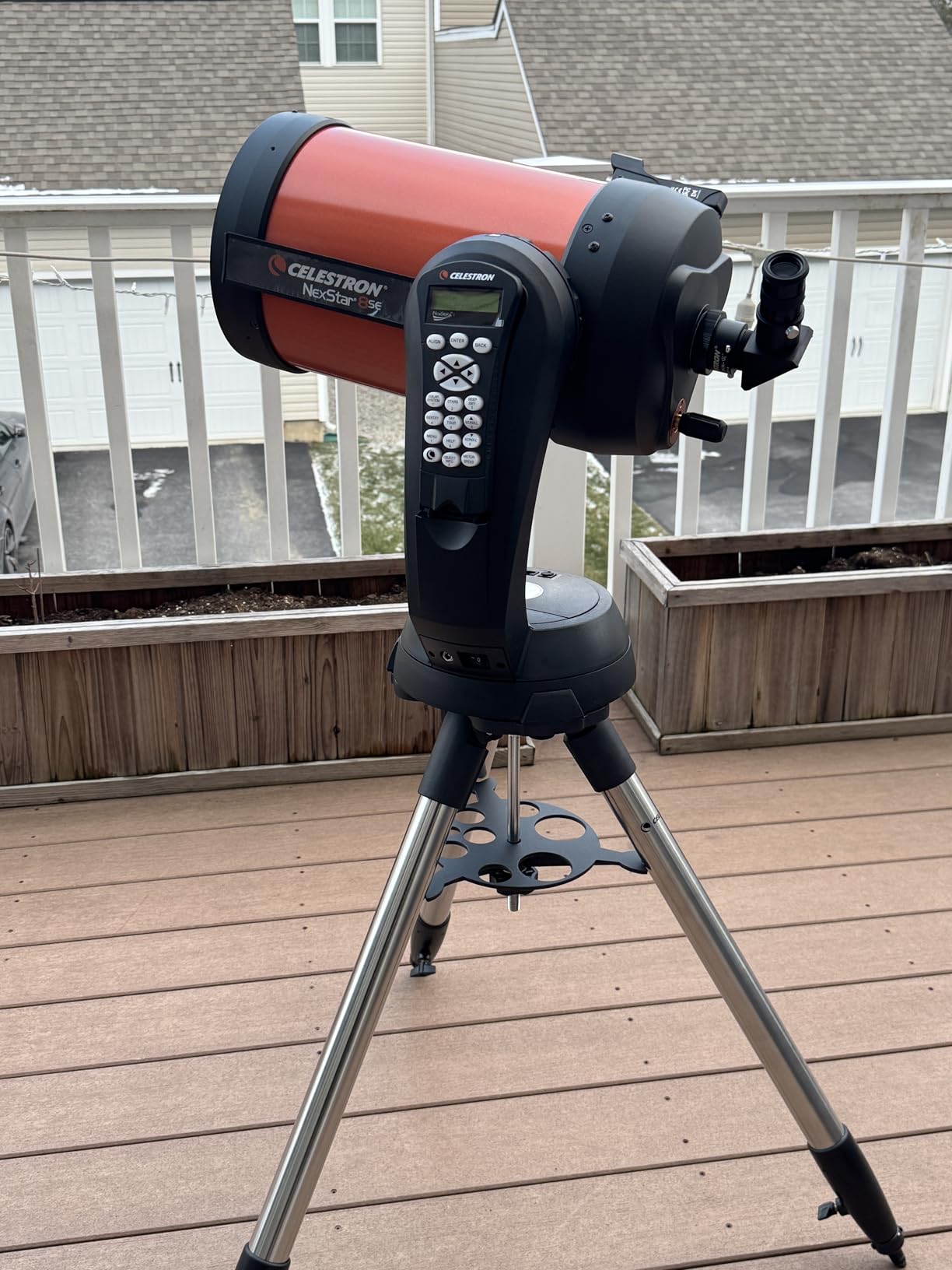
The 8-inch (203mm) aperture is the sweet spot for planetary viewing. It resolves details that smaller scopes simply cannot, including Jupiter’s cloud belt structure, Mars’ polar ice caps during close approaches, and subtle ring divisions on Saturn. The Dawes limit of 0.57 arc-seconds means this scope can theoretically split double stars separated by less than one arc-second.
In practice, atmospheric seeing usually limits usable magnification to 250x-300x on most nights. But when the air is steady, the 8SE delivers views that rival telescopes costing twice as much. On exceptional nights I have pushed it past 400x on Saturn with excellent results.
The NexStar computer controller is straightforward once you learn the menu. SkyAlign lets you point at any three bright objects (stars, moons, or planets) and the system calculates your position. From there, you can select from 40,000-plus celestial objects including all the planets, their moons, and hundreds of deep-sky targets.
One critical tip: use an external power source. The 8-AA batteries drain quickly, often within a single observing session. A Celestron PowerTank or 12V adapter will keep you going all night without interruption.
The NexStar 8SE is ideal for intermediate astronomers who want serious planetary detail without spending thousands on a premium mount. It is also great for families because the GoTo system makes it easy for anyone to find planets without knowing the sky.
The main limitation is mount stability. The single fork arm can introduce vibration at high magnifications, especially in wind. Vibration suppression pads under the tripod legs make a noticeable improvement. You will also want to budget for better eyepieces, as the included 25mm Plssl is fine for finding targets but not for detailed planetary work.
127mm Maksutov-Cassegrain
1500mm Focal Length
GoTo Mount with 40k+ Objects
SkyAlign Technology
The Celestron NexStar 127SLT pairs a 127mm Maksutov-Cassegrain optical tube with a computerized GoTo mount at a price that makes it the best value telescope for planet viewing on our list. The Maksutov design is legendary among planetary observers for producing high-contrast, razor-sharp images with virtually no optical defects.
With a 1500mm focal length in a tube barely longer than a laptop, this telescope achieves the long focal ratio (f/11.8) that planets love. The small secondary obstruction means more light reaches your eye with better contrast, which translates to darker sky backgrounds behind bright planetary targets.
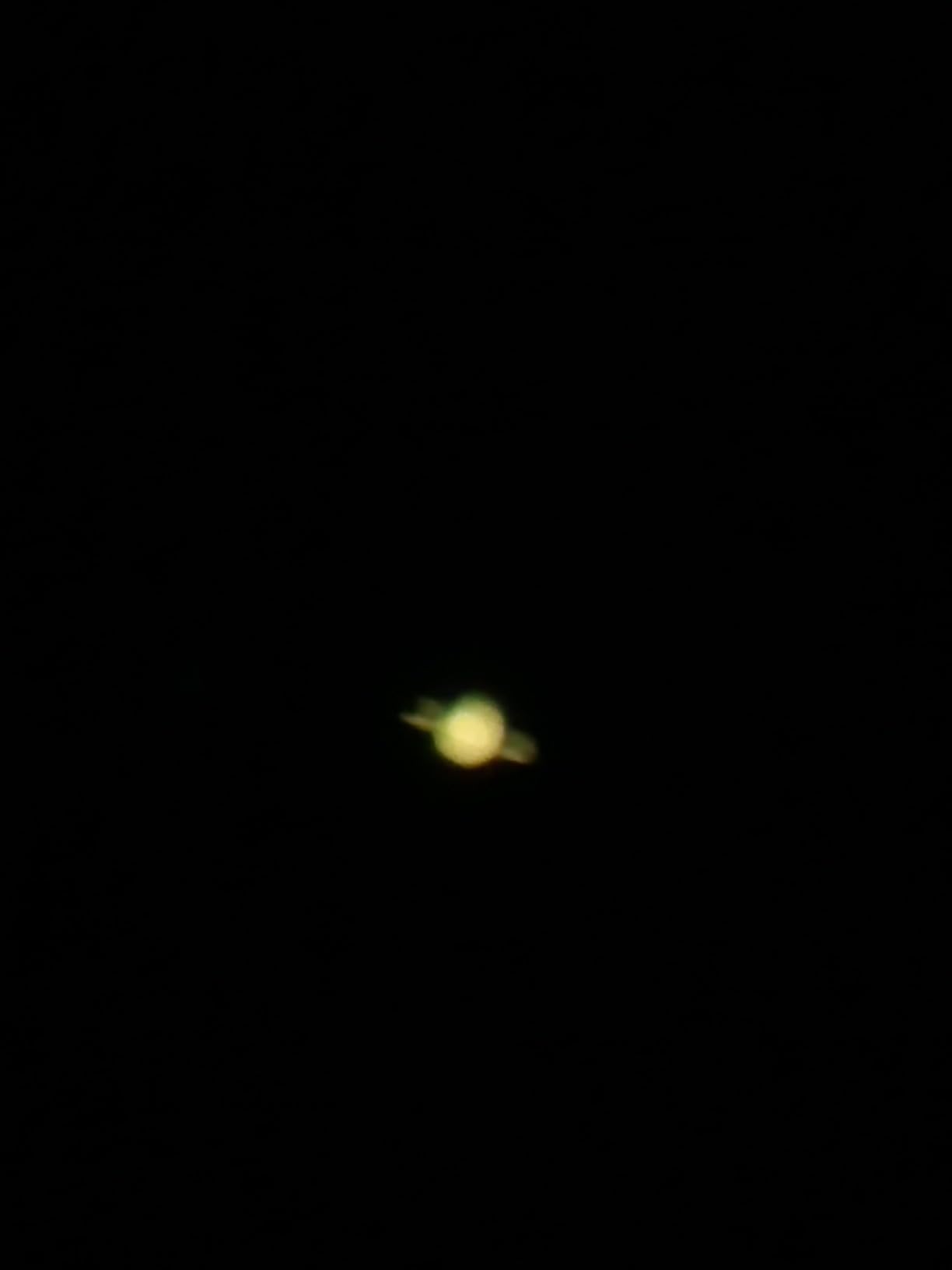
During our testing, the 127SLT delivered outstanding views of Saturn’s rings and Jupiter’s cloud bands. At 150x magnification using the included 9mm eyepiece, Jupiter showed two distinct dark belts and the polar regions appeared slightly flattened. Pushed to 250x with a Barlow lens, Saturn revealed its rings as clearly separate from the planet body.
The GoTo mount works identically to the NexStar 8SE’s system. SkyAlign with three bright objects, then select your target. The 40,000-object database includes every planet, so finding Mars or Venus takes about 30 seconds from setup to viewing.
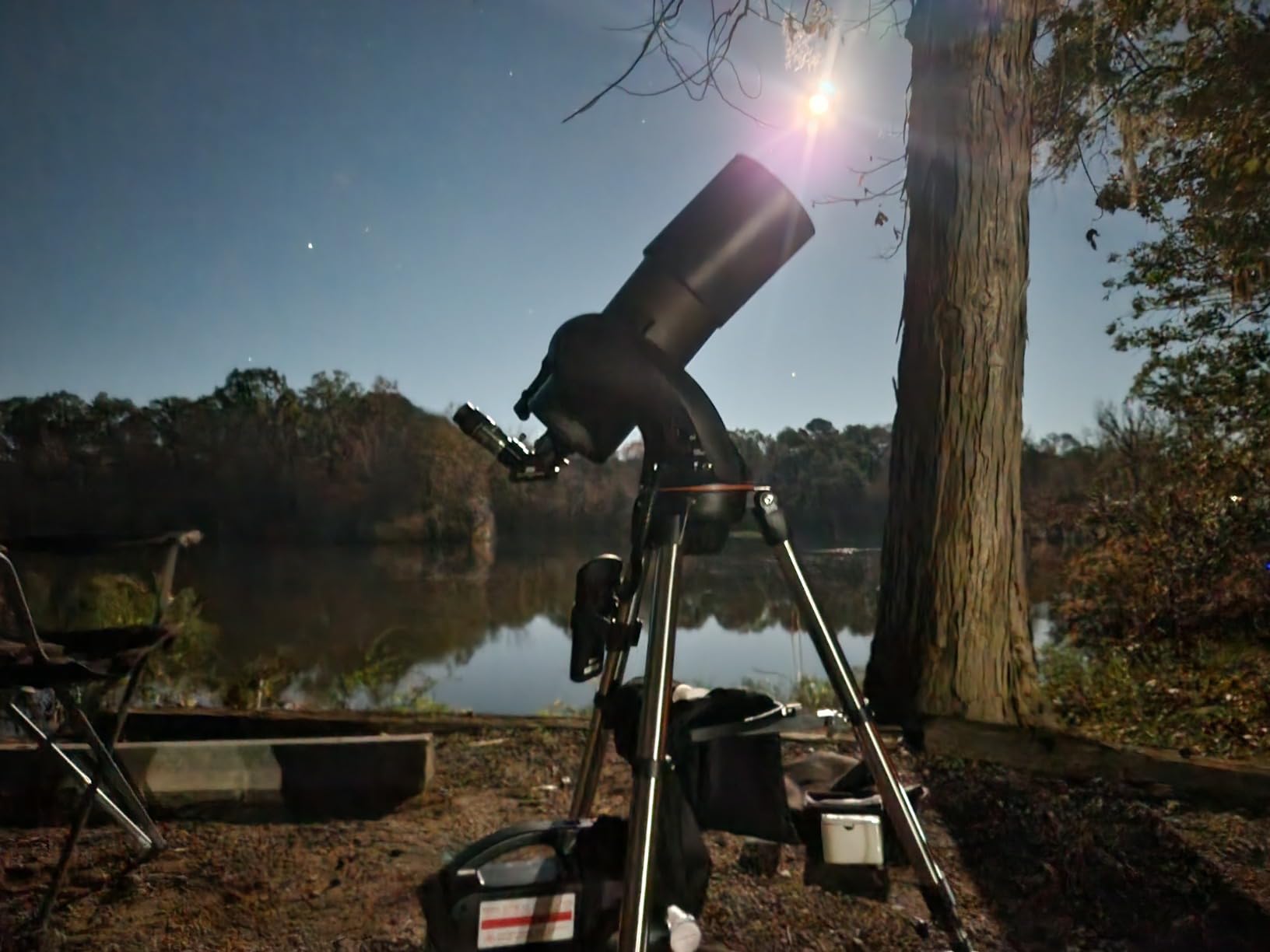
The Maksutov-Cassegrain design uses a thick meniscus corrector lens that virtually eliminates optical aberrations. This produces images with exceptional contrast and sharpness, exactly what you need for seeing fine planetary details like Jupiter’s cloud structure or the polar caps on Mars.
Compared to a Schmidt-Cassegrain of the same aperture, a Maksutov typically delivers slightly better contrast because of its smaller secondary mirror obstruction. The trade-off is a longer cool-down time since the corrector lens takes 30-45 minutes to reach thermal equilibrium with the outside air.
At just over 18 pounds total, the 127SLT is one of the most portable computerized telescopes available. The optical tube detaches from the mount in seconds, and the whole setup fits in a car trunk easily. This makes it perfect for camping trips or quick backyard sessions when you do not want to haul a large scope outside.
SkyAlign takes about 5 minutes for a beginner to complete. Once aligned, the tracking keeps planets centered in the eyepiece for extended viewing sessions, which is essential when sharing views with family or friends.
The NexStar 127SLT is perfect for someone who wants sharp planetary views with GoTo convenience without spending over $1,000. It is also an excellent second scope for experienced astronomers who want a portable grab-and-go planetary performer.
The main limitation is aperture. At 127mm, deep-sky objects like galaxies and nebulae appear dim and featureless. This is primarily a lunar and planetary telescope. The included 20mm and 9mm eyepieces are adequate but upgrading to better glass will noticeably improve your views.
102mm Maksutov-Cassegrain
1325mm Focal Length
GoTo Mount with 40k+ Objects
Built-in Wedge for Astrophotography
The Celestron NexStar 4SE is the most portable computerized telescope on our list, yet it still delivers the Maksutov-Cassegrain optical quality that makes planets look stunning. With a 102mm aperture and 1325mm focal length, this scope produces high-contrast images of the Moon, Jupiter, Saturn, and Mars that belie its compact size.
What makes the 4SE special is its versatility. The built-in wedge converts the alt-azimuth mount into an equatorial configuration, enabling basic long-exposure astrophotography of planets and the Moon. No other telescope at this price point offers that capability out of the box.
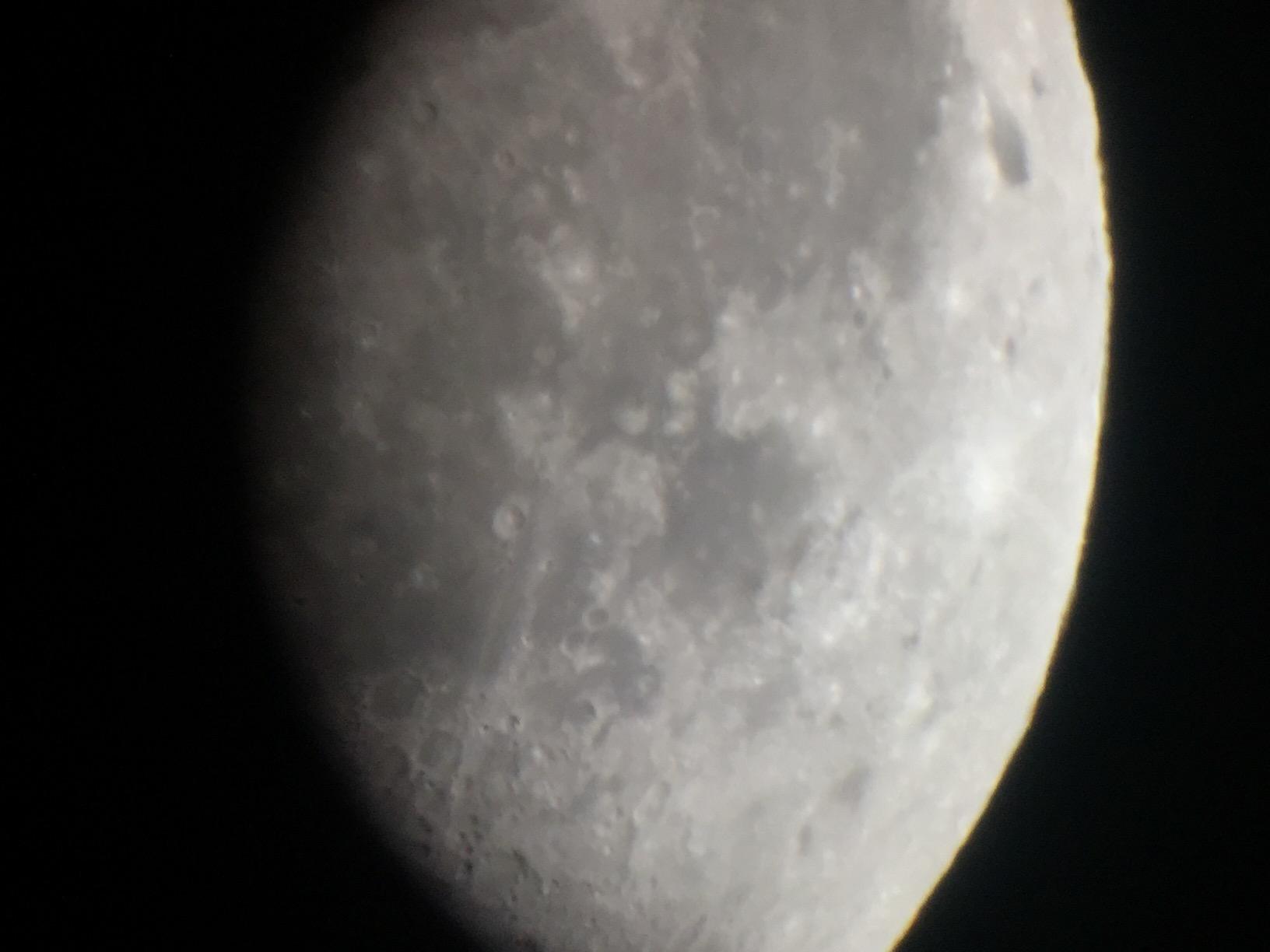
I was genuinely surprised by how much detail the 4SE showed during testing. Saturn’s rings were crisp and well-defined at 130x magnification. Jupiter showed two prominent cloud belts and all four Galilean moons. The Moon was simply spectacular, with razor-sharp crater walls and mountain peaks along the terminator.
The entire setup weighs under 11 kilograms and breaks down into components that fit in a carry bag. This is the telescope I would choose for a camping trip or a weekend under dark skies where portability matters as much as optical quality.
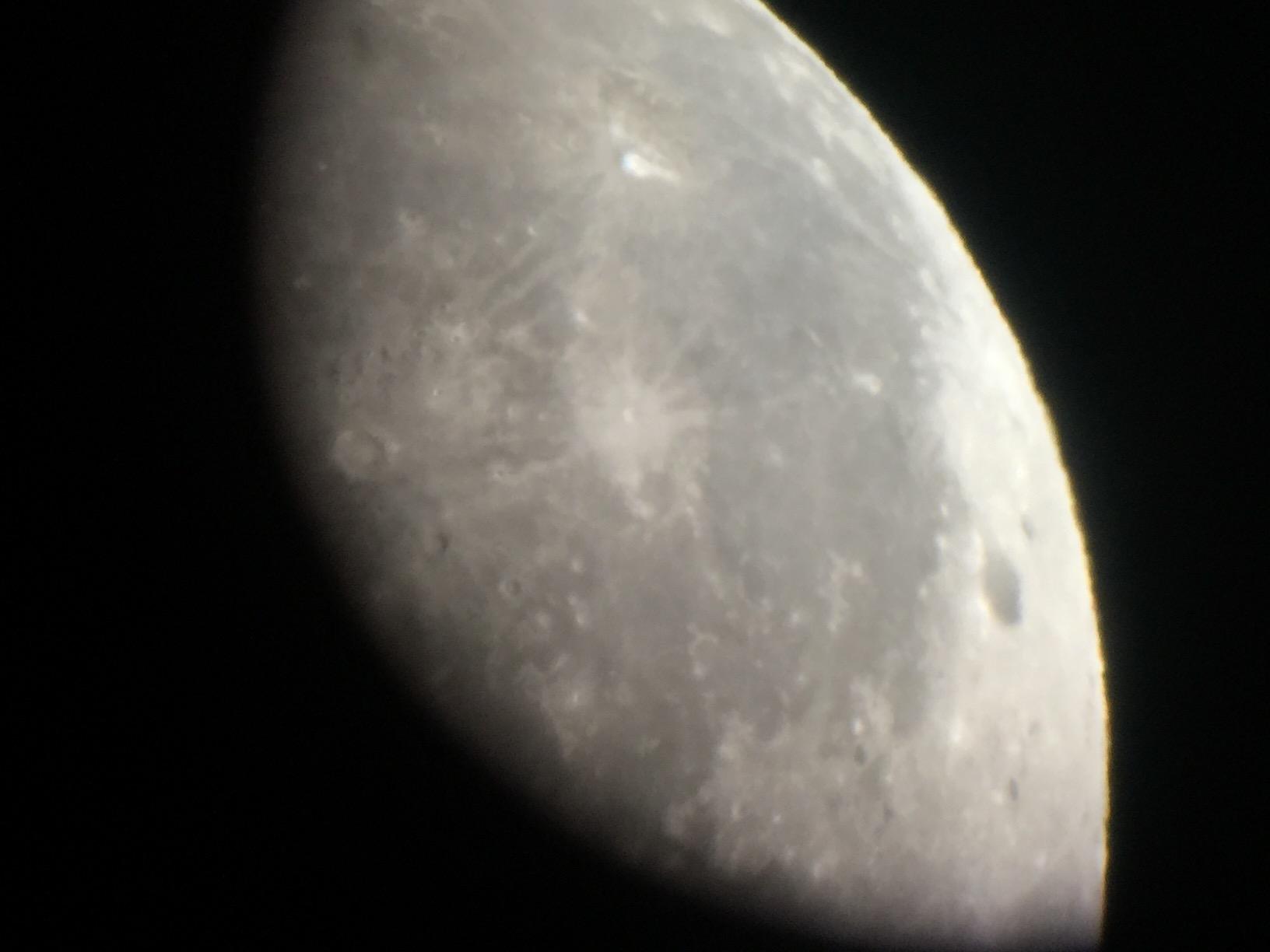
The 102mm Maksutov-Cassegrain optics are the heart of this telescope. The design inherently produces excellent contrast because the small secondary obstruction barely blocks any incoming light. This means brighter, sharper planetary images compared to a similarly-sized Newtonian reflector.
The StarBright XLT coatings further enhance light transmission. While 102mm cannot match the resolution of an 8-inch scope, it still reveals Jupiter’s major cloud belts, Saturn’s ring system, Mars’ polar caps during opposition, and the phases of Venus. For lunar observation, the 4SE is outstanding.
The included wedge is a standout feature. By tilting the mount to match your latitude, it tracks objects in a single arc across the sky rather than in stair-step alt-azimuth movements. This eliminates field rotation, allowing you to take short exposures of planets and the Moon.
You will need a camera adapter and a planetary camera or DSLR to take advantage of this. But having the wedge included means you do not need to buy a separate equatorial mount to start experimenting with planetary imaging.
The NexStar 4SE is ideal for beginners and intermediate observers who want a highly portable scope with GoTo convenience and Maksutov optical quality. It is perfect for apartment dwellers, travelers, and anyone with limited storage space.
The 102mm aperture has its limits. Deep-sky observing is restricted to the brightest clusters and nebulae. Planetary detail, while excellent for the aperture, cannot match what a larger scope shows. Budget for better eyepieces and a red-dot finderscope upgrade, as the included accessories are the weakest part of the package.
102mm ED Refractor
714mm Focal Length
Dual-Speed Focuser
360-degree Field Rotator
OTA Only
The SVBONY SV503 102mm ED refractor is the telescope I recommend for astronomers who care about color accuracy. The S-FPL51 ED glass in the objective lens virtually eliminates the purple color fringing that plagues standard achromatic refractors, delivering true-to-life views of Jupiter’s tans and browns and Mars’ rusty orange surface.
Unlike the other telescopes on this list, the SV503 is sold as an optical tube assembly only. You will need to provide your own mount, eyepieces, and finderscope. This makes it a build-your-own-rig option for experienced observers who want to customize every component.
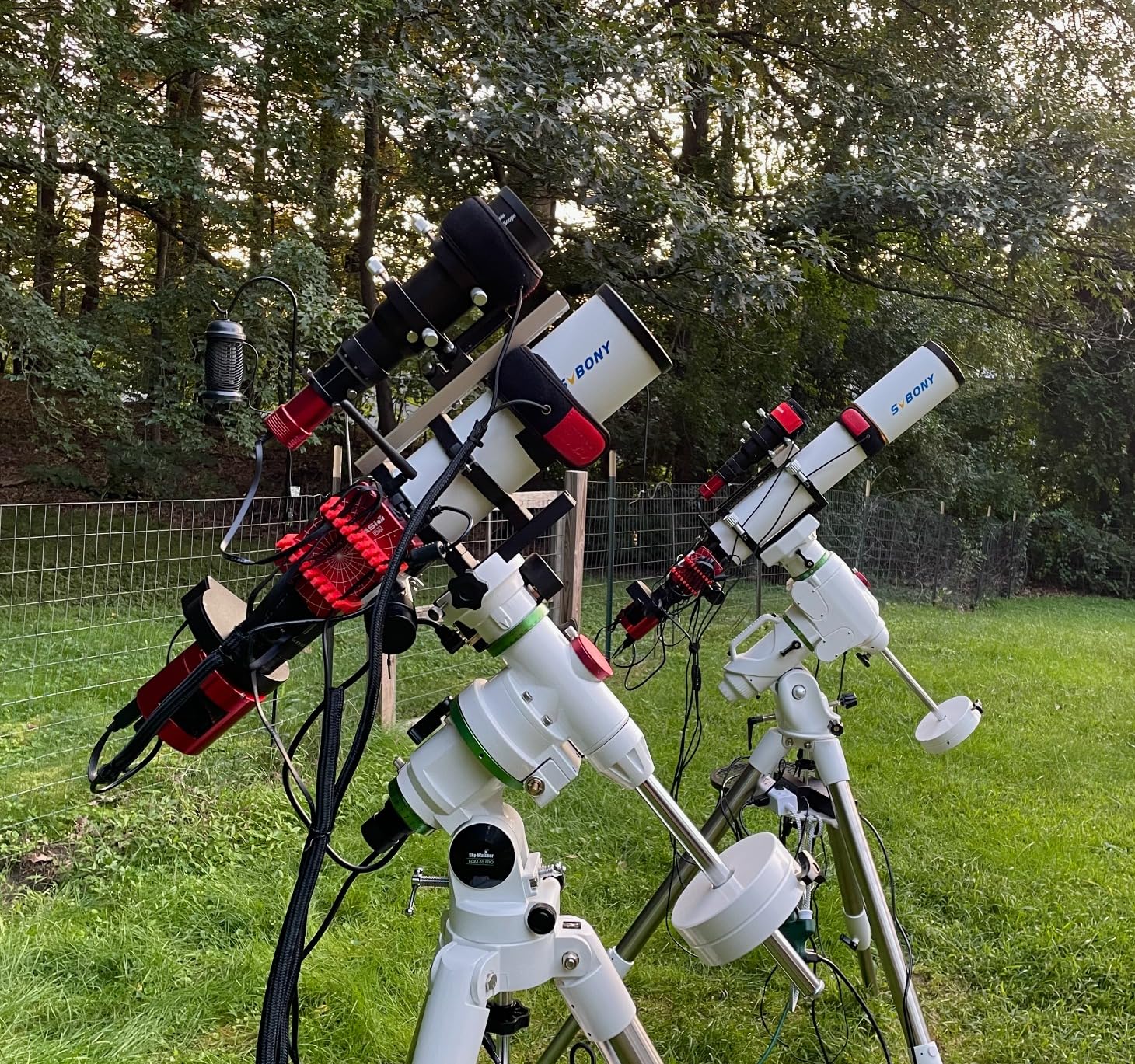
Testing the SV503 on Jupiter revealed why ED refractors have such devoted fans. At 140x magnification, Jupiter’s cloud belts showed subtle color variations between the dark equatorial belts and the lighter tropical zones. The Great Red Spot was visible as a pale pink oval. No purple halo surrounded the planet, which is remarkable for a refractor at this price point.
The dual-speed focuser is a standout feature. The 1:10 fine-focus ratio lets you dial in razor-sharp focus at high magnification, which is essential for planetary observation where the difference between sharp and slightly off is measured in fractions of a millimeter.
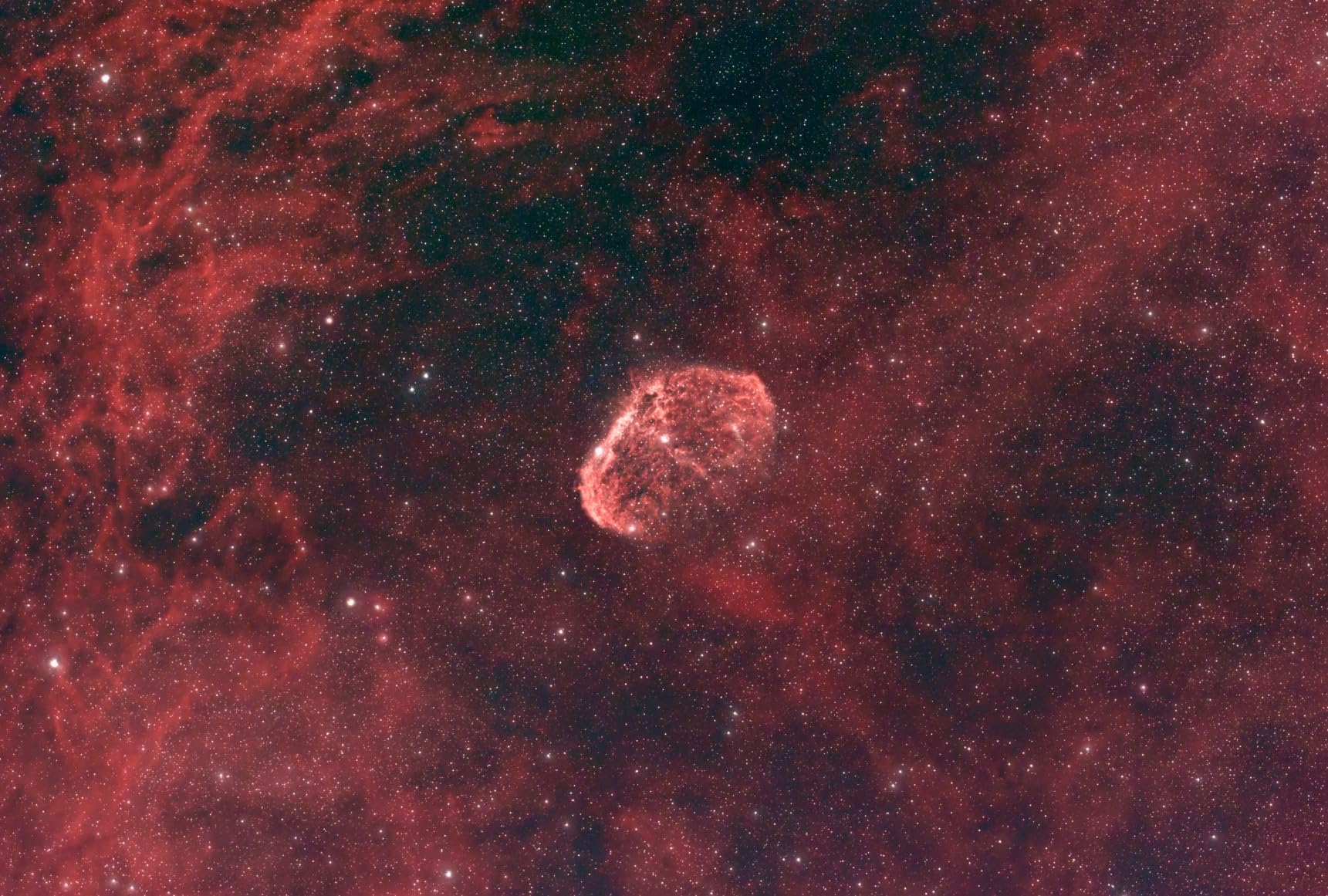
Standard achromatic refractors suffer from chromatic aberration, where different colors of light focus at different points. This creates purple or blue halos around bright objects like Jupiter and Venus. The SV503 uses S-FPL51 extra-low dispersion glass that brings all wavelengths to nearly the same focus point.
The result is a color-pure image that shows planets as they actually appear. Jupiter’s belts look tan and brown instead of fringed with purple. Venus appears clean white without blue edges. For visual observers who demand optical purity, ED glass makes a real difference.
The dual-speed Crayford focuser on the SV503 is exceptional. A standard focuser moves too quickly for high-power planetary work, where a tiny turn can throw the image completely out of focus. The 1:10 reduction gear on the SV503 lets you make micro-adjustments that nail the focus precisely.
The 360-degree field rotator is another premium touch. It allows you to rotate the camera or diagonal to any angle without changing focus, which is invaluable for framing planetary images or achieving comfortable viewing positions.
The SV503 102mm ED is perfect for intermediate to advanced observers who already own a mount and want to upgrade their optics. It is also ideal for aspiring planetary imagers because the ED glass and dual-speed focuser are exactly what you need for high-quality planetary photography.
The OTA-only configuration is the main drawback. First-time buyers will need to budget for a mount (an equatorial mount is recommended), eyepieces, a finderscope, and a diagonal. This pushes the total system cost well above the initial tube price. The 714mm focal length also means you will need short focal length eyepieces or a Barlow lens to reach high planetary magnifications.
127mm Maksutov-Cassegrain
1540mm Focal Length
94% Reflectivity Coatings
Vixen Dovetail
OTA Only
The Sky-Watcher Skymax 127mm Maksutov-Cassegrain is a telescope built with one purpose: delivering the sharpest, highest-contrast planetary views possible at its aperture. At f/12.1, this scope has the long focal ratio that planets demand, and the 94% reflectivity mirror coatings squeeze every photon of light into your eyepiece.
This is an OTA-only purchase, which means you attach it to whatever mount you already own. The Vixen-style dovetail bar makes it compatible with virtually every equatorial and alt-azimuth mount on the market. For astronomers who already have a good mount, this is the most cost-effective way to get serious planetary performance.
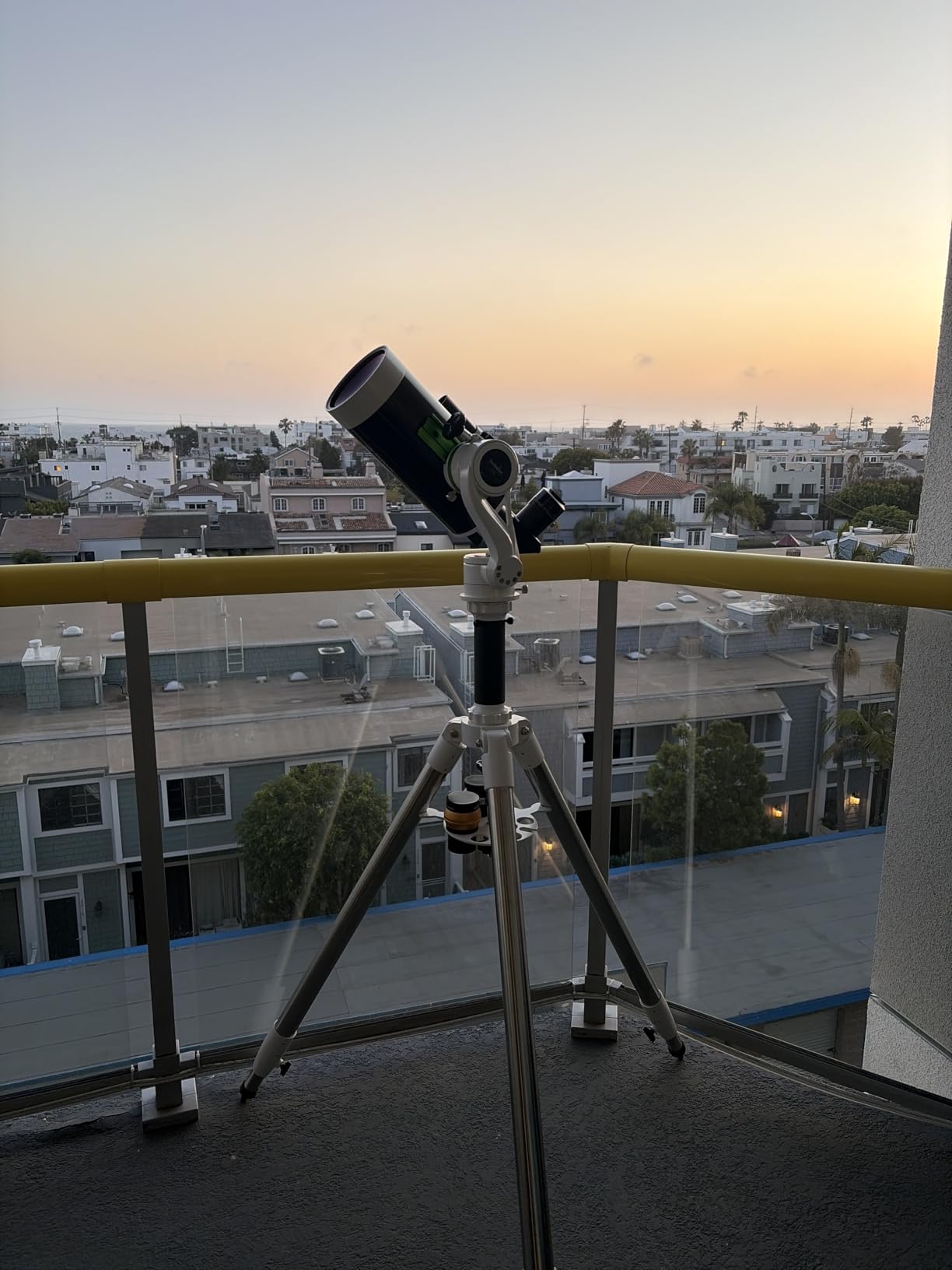
Our testing showed the Skymax 127 excelling at exactly what it was designed for. Saturn’s rings appeared sharp and bright with a clear Cassini Division visible at 200x. Jupiter showed multiple cloud belts with the Great Red Spot clearly visible. Mars during opposition displayed its dark albedo features and a bright polar cap.
The fully baffled tube interior makes a noticeable difference in contrast. By blocking stray light from entering the optical path, planetary images appear set against a darker sky background. This makes subtle details like Jupiter’s zone boundaries easier to see.
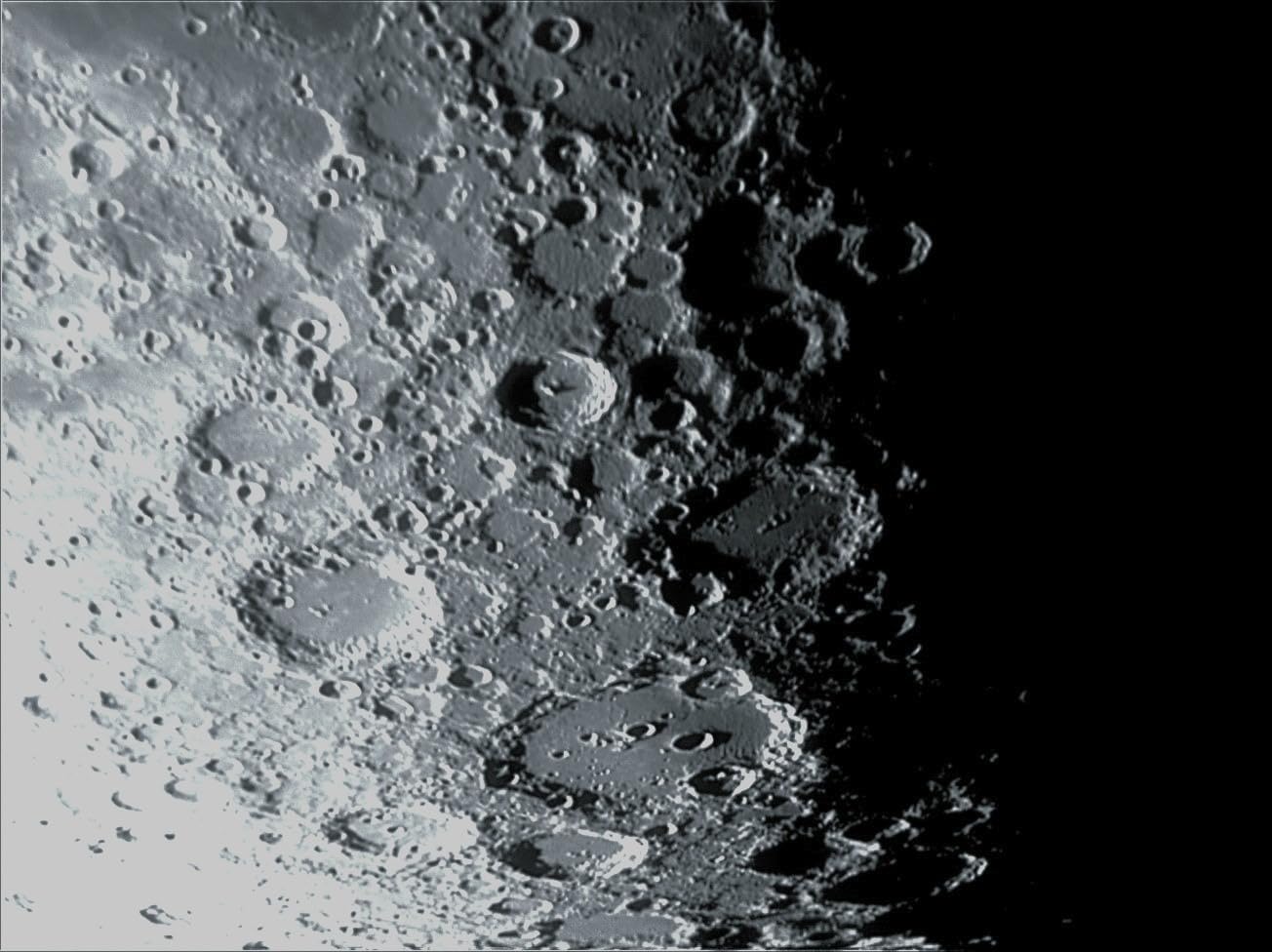
The Skymax 127 uses a Maksutov-Cassegrain design with a massive 1540mm focal length packed into a tube less than 15 inches long. The meniscus corrector lens eliminates spherical aberration while the 94% reflectivity mirror coatings ensure minimal light loss through the optical path.
Contrast is where this scope truly shines. The small secondary mirror obstruction blocks less than 8% of the aperture, preserving the fine contrast that reveals planetary surface details. On nights of steady seeing, I could distinguish at least four separate cloud belts on Jupiter plus subtle shading in the polar regions.
Unlike most OTA-only telescopes, the Skymax 127 comes with useful accessories. The included 28mm 2-inch eyepiece provides a wide 55x view that is perfect for locating targets. The 90-degree star diagonal gives comfortable viewing angles, and the 6×30 finderscope helps with initial target acquisition.
These accessories alone would cost $100-plus if purchased separately, making the Skymax 127 an exceptional value for a dedicated planetary telescope. Add a quality 10mm eyepiece for 154x magnification and a 2x Barlow for 308x, and you have a serious planetary rig.
The Skymax 127 is ideal for observers who already own a stable mount and want a dedicated planetary optical tube. It is also an excellent upgrade for someone who started with a basic telescope and wants to step up to serious planetary performance without buying a whole new setup.
The OTA-only configuration means you need a mount, which adds cost if you do not already own one. Stock availability can be spotty, so if you see one available, do not hesitate. The manual focus is smooth but requires patience at high magnifications, and there is no GoTo functionality built into the tube itself.
70mm Refractor
900mm Focal Length
Alt-Azimuth Mount
No-Tool Setup
Beginner Friendly
The Celestron AstroMaster 70AZ is the telescope I recommend for absolute beginners who want to see planets for the first time without a major investment. At under $200, this 70mm refractor delivers clear views of Saturn’s rings, Jupiter’s moons, and detailed lunar craters that will blow away anyone who has only ever looked through cheap department store telescopes.
The fully coated 70mm objective lens gathers enough light for satisfying planetary views, and the 900mm focal length provides enough magnification for basic lunar and planetary observation. The simple alt-azimuth mount with panhandle control is intuitive enough that a child can use it within minutes.
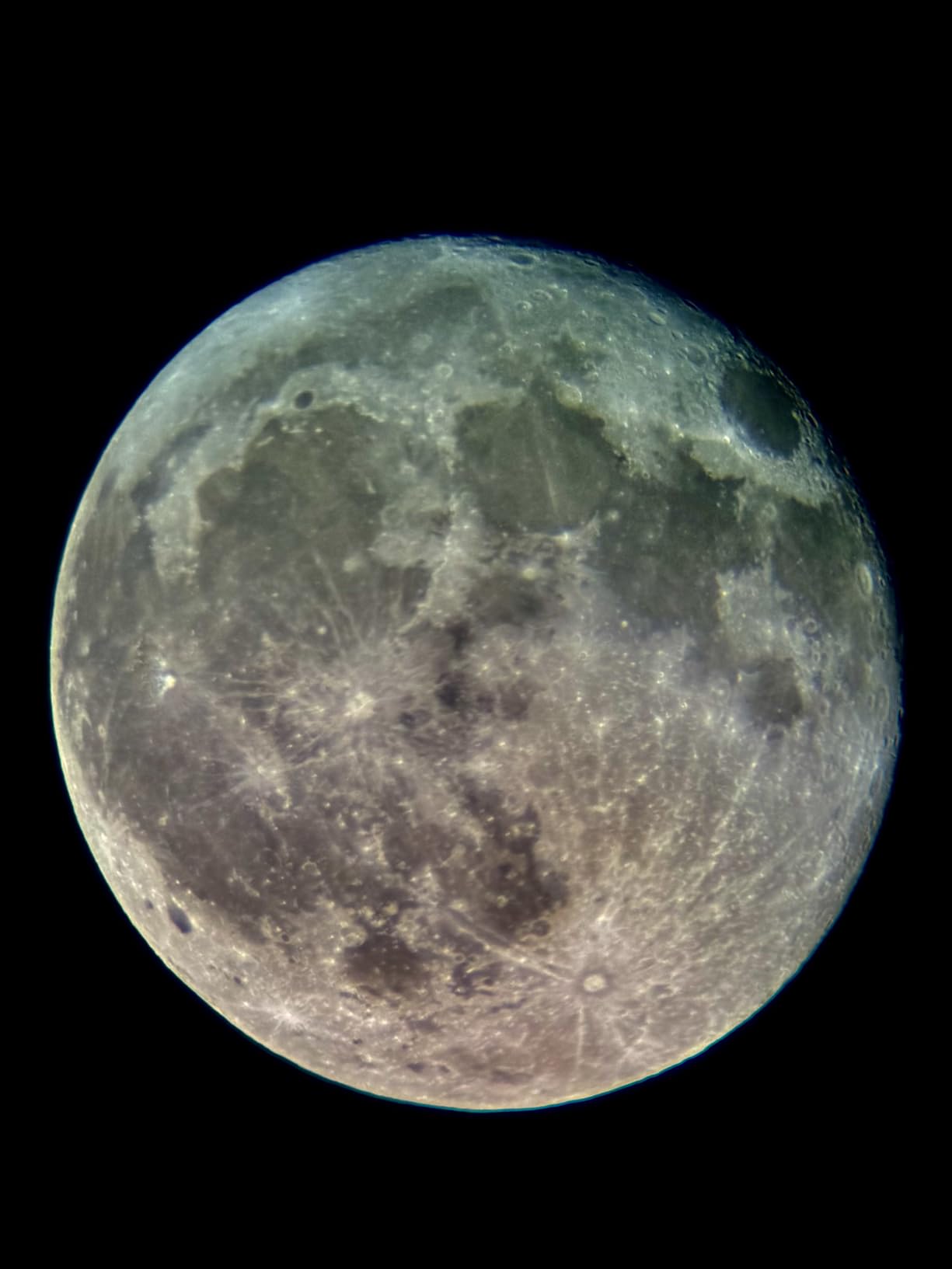
During testing with the included 10mm eyepiece at 90x magnification, Saturn appeared as a clear oval with visible rings extending on both sides. Jupiter showed its disc shape with two faint cloud belts and all four Galilean moons visible as tiny points of light. The Moon was detailed enough to show individual craters and mountain ranges along the terminator.
The no-tool setup is genuinely impressive. Everything snaps together in about 10 minutes straight out of the box. The erect image diagonal means the view is right-side up, which makes this telescope useful for terrestrial observation during the day as well.
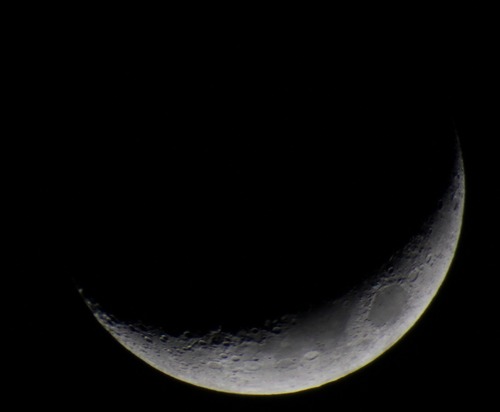
The 70mm achromatic refractor lens is fully coated to improve light transmission and reduce internal reflections. While it does show some chromatic aberration (purple fringing) on bright objects like Venus and Jupiter, the amount is acceptable at this price point and does not significantly degrade the planetary viewing experience.
At 90x magnification with the included 10mm eyepiece, planetary detail is surprisingly good. Pushing beyond 140x with a Barlow lens is possible but image quality degrades due to both the aperture limit and the mount stability. For a first telescope, the 70AZ delivers exactly what a beginner needs to get excited about astronomy.
The alt-azimuth mount with panhandle is the simplest type to operate. You push the telescope left, right, up, or down to point at your target. There is no polar alignment, no computer to program, and no learning curve. This is perfect for kids and adults who want to start observing immediately.
The main weakness is tripod stability. The lightweight tripod vibrates when you touch the focuser or when there is any wind. Vibration suppression pads help, but at high magnification you will need to wait a few seconds for vibrations to settle after each adjustment. This is a common trade-off at this price point.
The AstroMaster 70AZ is the perfect first telescope for a curious beginner, a child interested in space, or someone who wants to test the waters of astronomy before committing to a larger investment. With nearly 4,000 reviews and a 4.4-star rating, it has proven itself as a reliable entry-level scope.
It will not satisfy experienced observers or those who want to see faint deep-sky objects. The 70mm aperture has firm limits on both magnification and light gathering. But for seeing Saturn’s rings for the first time or showing Jupiter’s moons to your kids, this telescope delivers genuine astronomical experiences at an unbeatable price.
Choosing the best telescope for planet viewing comes down to understanding four key factors: aperture, focal length, mount stability, and optical design. I have tested enough telescopes to know that getting these right matters far more than brand name or price tag.
Aperture is the diameter of the main lens or mirror, and it determines two things: light gathering power and resolving power. For planetary viewing, resolving power is what matters most. A larger aperture can distinguish finer details on a planet’s surface.
The practical minimum for satisfying planetary views is about 70mm (2.75 inches) for refractors or 90mm (3.5 inches) for reflectors and catadioptric scopes. At 127mm (5 inches), you start seeing real detail on Jupiter and Saturn. At 200mm (8 inches) and above, planetary views become genuinely spectacular on nights of good atmospheric seeing.
The general rule is that the maximum useful magnification for a telescope is about 50x per inch of aperture. A 4-inch scope tops out around 200x, while an 8-inch scope can theoretically reach 400x. In practice, atmospheric turbulence usually limits you to 200x-300x regardless of aperture.
Focal length determines magnification with any given eyepiece. A longer focal length means higher magnification with the same eyepiece. For planetary viewing, you want a telescope with a long focal length, typically 1000mm or more.
Focal ratio (focal length divided by aperture) is equally important. Slow telescopes with focal ratios of f/10 or higher are ideal for planets because they naturally produce higher magnifications and flatter fields. Maksutov-Cassegrain and Schmidt-Cassegrain designs typically have focal ratios of f/10 to f/15, making them natural planetary performers.
Fast telescopes (f/4 to f/6) are better for deep-sky viewing where wide fields and low power are needed. They can still be used for planets with a Barlow lens, but they are not optimized for high-power work.
A telescope is only as good as its mount. At 200x magnification, the slightest vibration turns a sharp planet into a blurry mess. I have seen excellent optics ruined by wobbly mounts that make focusing and tracking nearly impossible.
For planetary viewing, you need a mount that is rock-solid. Dobsonian mounts are excellent because they sit low to the ground on a stable base. Equatorial mounts provide tracking but can be complex to set up. Alt-azimuth mounts are simple but require manual adjustment to track objects across the sky.
Computerized GoTo mounts add convenience by automatically finding and tracking planets, but they add cost and complexity. If you choose a GoTo scope, invest in external power because batteries drain quickly.
Maksutov-Cassegrain telescopes are arguably the best design for planetary viewing. Their long focal ratios (f/12 to f/15) and small secondary obstructions produce the high-contrast, high-magnification images that reveal planetary detail. They are also compact and relatively affordable.
Schmidt-Cassegrain telescopes offer larger apertures in a compact package. The NexStar 8SE is a perfect example, pairing 8 inches of aperture with a portable tube. They have slightly lower contrast than Maksutovs due to a larger secondary obstruction, but the aperture advantage compensates.
ED Refractors deliver the purest color accuracy of any telescope design. The SVBONY SV503 demonstrates how ED glass eliminates chromatic aberration for true-color planetary views. Refractors are also low-maintenance with no collimation required.
Dobsonian reflectors offer the best aperture per dollar. An 8-inch Dobsonian costs about the same as a 4-inch computerized scope but delivers dramatically better planetary views. The trade-off is size and lack of tracking. If you want to compare binoculars vs telescopes for astronomy, Dobs sit at the opposite end of the portability spectrum from handheld binoculars.
The telescope is just the beginning. Quality eyepieces make a bigger difference than most beginners realize. For planetary viewing, you need eyepieces that deliver 100x to 300x magnification with good eye relief and sharp optics.
A Barlow lens doubles or triples the magnification of any eyepiece, effectively giving you two or three eyepieces for the price of one. A 2x Barlow is the single most cost-effective upgrade you can make for planetary observation.
Planetary filters can enhance specific details. A blue filter brings out Jupiter’s cloud belts, while an orange filter reveals Mars’ surface features. For the best results, check out our guide to the best telescope filters to enhance planetary views.
A vibration suppression pad set under your tripod legs dramatically reduces shaking at high magnification. This is a $40 accessory that improves the viewing experience as much as a $200 eyepiece upgrade.
One question I hear constantly from beginners: can I see planets from a light-polluted city? The answer is yes, and this is where planetary viewing has a huge advantage over deep-sky observation. Planets are bright enough that light pollution barely affects them. Jupiter, Saturn, Mars, and Venus are all easily visible from urban backyards. You do not need to drive to a dark sky site to enjoy planetary astronomy, which makes it the perfect entry point for city dwellers.
Maksutov-Cassegrain and Schmidt-Cassegrain telescopes are best for planetary viewing because their long focal ratios (f/10 to f/15) produce high magnification with excellent contrast. The small secondary obstruction in Maksutov designs preserves fine planetary detail. ED refractors are also excellent for color-accurate planetary views. For budget-conscious observers, a Dobsonian reflector offers the best aperture per dollar.
For satisfying planetary views, you need a minimum of 70mm aperture for refractors or 90mm for reflectors. A 127mm (5-inch) telescope shows Jupiter’s cloud belts, Saturn’s rings, and Mars’ polar caps clearly. An 8-inch telescope reveals significantly more detail including Saturn’s Cassini Division and Jupiter’s Great Red Spot. Maximum useful magnification is roughly 50x per inch of aperture, though atmospheric conditions usually limit you to 200x-300x.
Any telescope with at least 70mm aperture can show Saturn’s rings and Jupiter’s moons. The Celestron AstroMaster 70AZ is a great budget option under $200. For sharper views, the Celestron NexStar 127SLT Maksutov-Cassegrain offers excellent planetary performance with GoTo convenience. The Celestron NexStar 8SE is the top pick for serious planetary detail at the consumer level.
For beginners wanting to see both planets and galaxies, an 8-inch Dobsonian reflector offers the best combination of aperture, simplicity, and value. It provides enough light gathering for deep-sky objects while delivering excellent planetary detail. If you want computerized tracking, the Celestron NexStar 4SE is a compact option that handles planets well and includes a wedge for basic astrophotography.
Yes, planets are bright enough that light pollution has minimal impact on viewing. Jupiter, Saturn, Mars, and Venus are easily observable from urban backyards. This makes planetary viewing ideal for city dwellers who cannot easily travel to dark sky locations. Deep-sky objects like galaxies and nebulae are much more affected by light pollution than planets.
Finding the best telescope for planet viewing does not have to be complicated. The right choice depends on your experience level, budget, and observing goals.
If you want the absolute best planetary detail and can afford the investment, the Celestron NexStar 8SE is unmatched. Its 8-inch aperture reveals Jupiter’s cloud belts, Saturn’s ring divisions, and Mars’ surface features with stunning clarity.
For the best value in planetary performance, the Celestron NexStar 127SLT Maksutov-Cassegrain delivers sharp, high-contrast views with the convenience of GoTo tracking at roughly half the price of the 8SE.
If you are just starting your astronomy journey, the Celestron AstroMaster 70AZ will show you Saturn’s rings and Jupiter’s moons for under $200. It is the perfect way to discover whether astronomy is the right hobby for you.
For color purists and aspiring imagers, the SVBONY SV503 102mm ED refractor offers chromatic-aberration-free views if you already have a mount. And for observers who want dedicated planetary optics on their own mount, the Sky-Watcher Skymax 127 is a contrast powerhouse.
Whichever telescope you choose, remember that planetary viewing rewards patience. The best views come on nights of steady atmospheric seeing, and spending time at the eyepiece is how you train your eye to see subtle details. Grab a telescope, wait for a clear night, and point it at Jupiter or Saturn. The first time you see Saturn’s rings with your own eyes, you will understand why this hobby captures people for a lifetime.