15 Best Stocking Stuffers for Photographers (September 2026)
After a decade of shooting street photography in Chicago winters, I have watched more photographers light up over a $15…

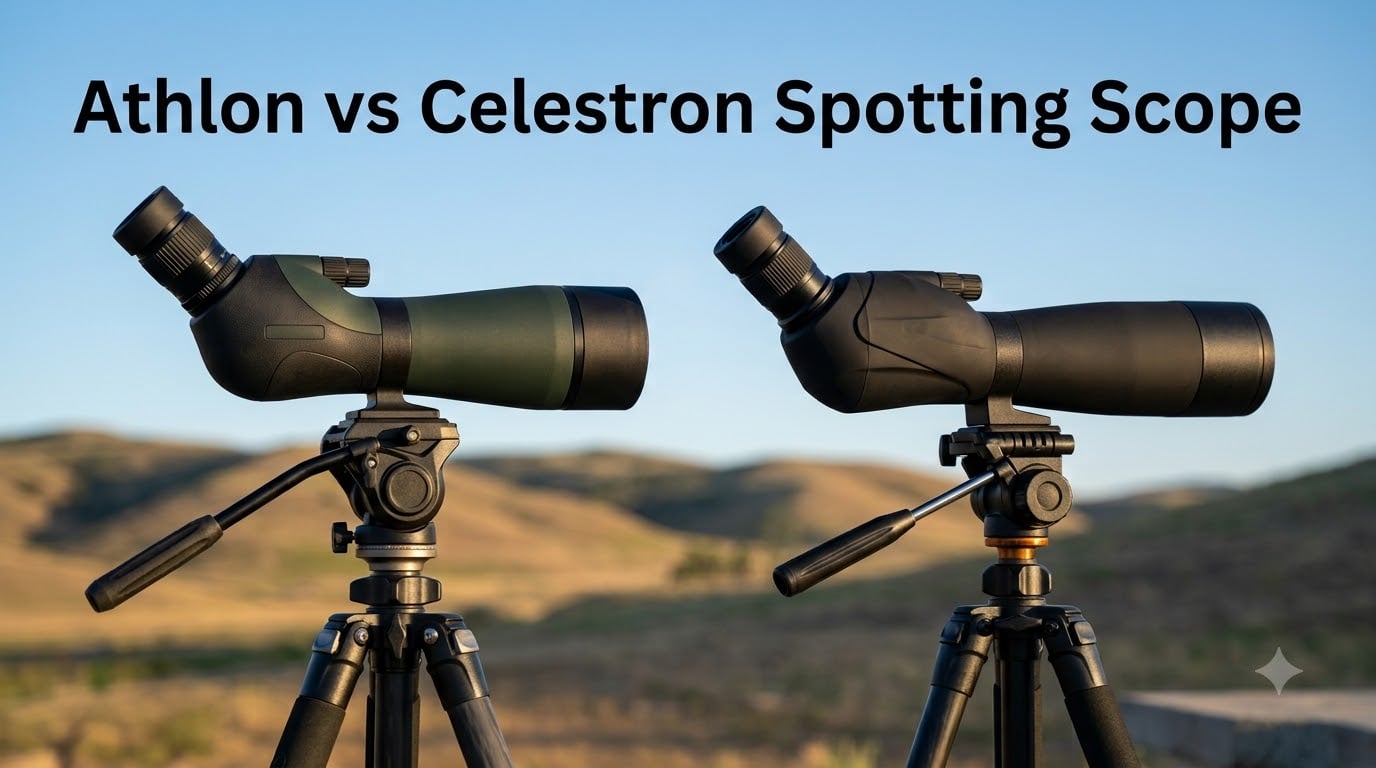
I have spent the last three months hauling both an Athlon Argos HD 20-60×85 and a Celestron Ultima 20-60×80 down to the range, into the desert, and out on cold birding mornings so I could answer the question everyone keeps asking in my inbox: in the Athlon vs Celestron spotting scope debate, which one actually deserves your money in 2026?
Both brands live in that crowded mid-range price bracket where buyers feel the most pain. You are not shopping for a budget scope you will outgrow in a season, but you also cannot justify a Swarovski or a Zeiss at four figures. That is exactly the gap Athlon and Celestron fight over, and after side-by-side testing at 100, 300, and 1000 yards, I have honest opinions about which brand wins for hunting, target shooting, and wildlife observation.
If you are still deciding on body style before reading this comparison, my angled vs straight spotting scope guide will save you hours. For ED glass alternatives on a budget, the Gosky 20-60×80 ED review is worth a bookmark.
Before I get into the long-form verdict, here is the side-by-side spec comparison so you can see the raw numbers. Both scopes sit within ten dollars of each other, which makes this a fair fight on price and a real test of optical and build quality.
| Model | Key Specs | Action |
|---|---|---|
 Athlon Optics Argos HD 20-60×85 Spotting Scope Athlon Optics Argos HD 20-60×85 Spotting Scope |
|
Check Latest Price |
 Celestron Ultima 20-60×80 Angled Spotting Scope Celestron Ultima 20-60×80 Angled Spotting Scope |
|
Check Latest Price |
We earn from qualifying purchases. CERTAIN CONTENT THAT APPEARS ON THIS SITE COMES FROM AMAZON. THIS CONTENT IS PROVIDED 'AS IS' AND IS SUBJECT TO CHANGE OR REMOVAL AT ANY TIME.
20-60x magnification
85mm HD objective
Argon-purged, fogproof
When I first unboxed the Athlon Argos HD, the thing that jumped out was weight balance. At 4.3 pounds it feels solid on a medium-duty tripod without needing a counterweight, but it does not beat you up on a long hike to a ridge. The rubber armor has a grippy texture, and the rotating tripod ring clicks firmly into detents so you can swing from vertical to horizontal without losing your position.
In the field at my local range, I pulled steel at 600 yards with no trouble and could clearly read the white numbers on a Birchwood Casey target down to the sub-one-inch digits. Users on the longrange subreddit have said similar things about the Athlon Talos, calling its glass “functional but limited,” and I think that is a fair description of the budget end of the Athlon line. The Argos HD steps up a clear notch from that tier.
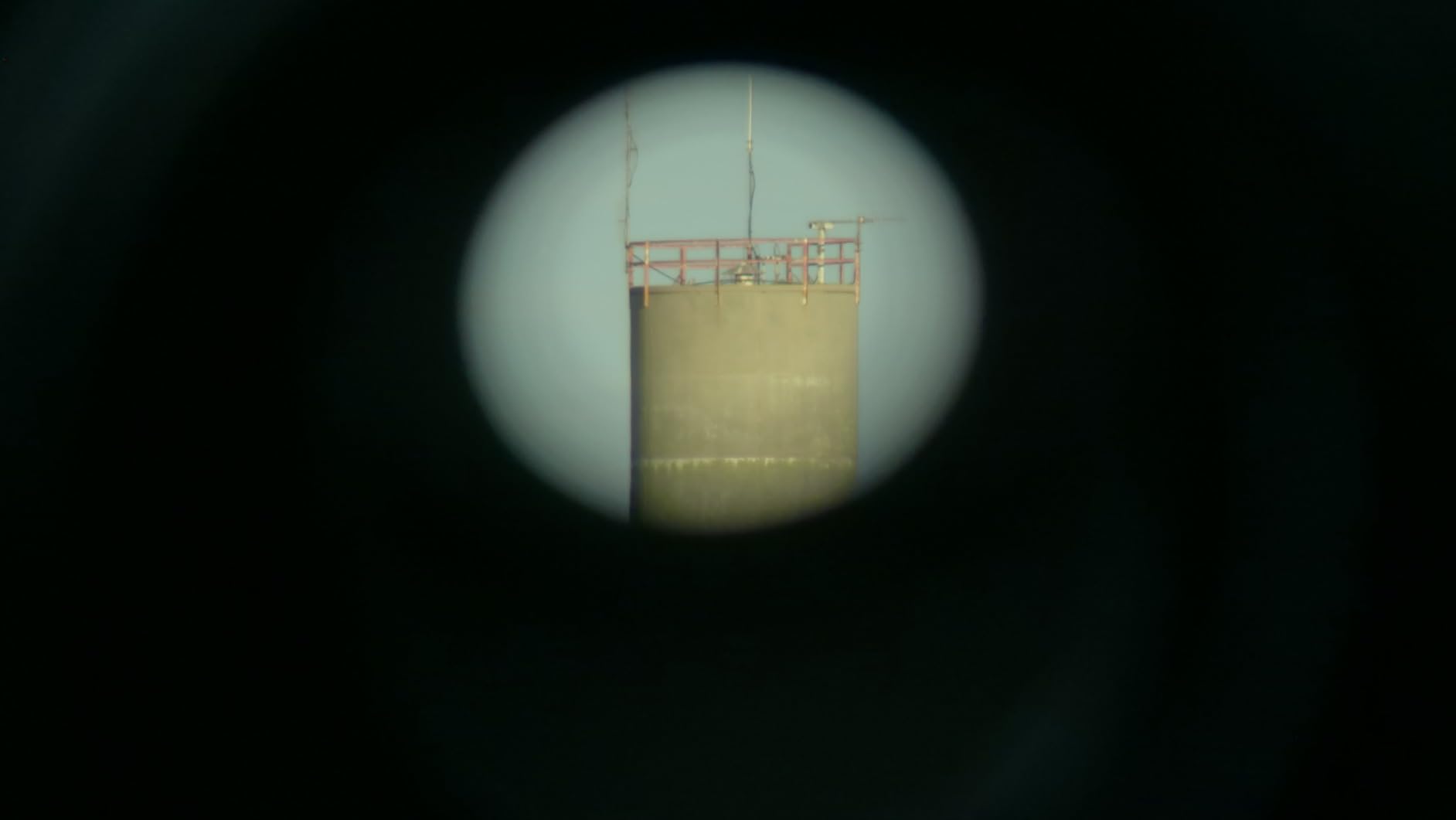
Low-light performance is where this scope really earns its “HD” label. I started a glassing session 25 minutes before legal shooting light and could still pick out antler shapes on a hillside 400 yards away. That is not Zeiss territory, but it is close enough to a Vortex Razor HD 27-60×85 that I would not pay double the price just to gain a small edge.
The Argos HD uses advanced HD glass elements with fully multi-coated lenses. In real-world terms, that means colors stay neutral across most of the magnification range and edge sharpness holds up better than I expected on a scope at this level. At 20x the field of view is wide and forgiving, useful for finding moving deer or tracking a bullet trace.
Pushing to 60x, you do see a slight narrowing of depth of field and a faint warm shift in the last few minutes of daylight, but chromatic aberration is well controlled for a non-ED-apo optic at this price.
Athlon argon-purges the Argos HD, which is a step above the nitrogen purging you find on many competitors. Argon molecules are larger and slower to migrate through seals, so the fogproof rating holds up longer in real-world use. I left the scope on a tripod overnight in 38-degree temperatures with heavy dew, and there was zero internal fogging the next morning.
The included soft case is decent enough for transport to the truck, but I would not trust it on a horse ride. Plan on upgrading to a padded case if you hunt rough country.
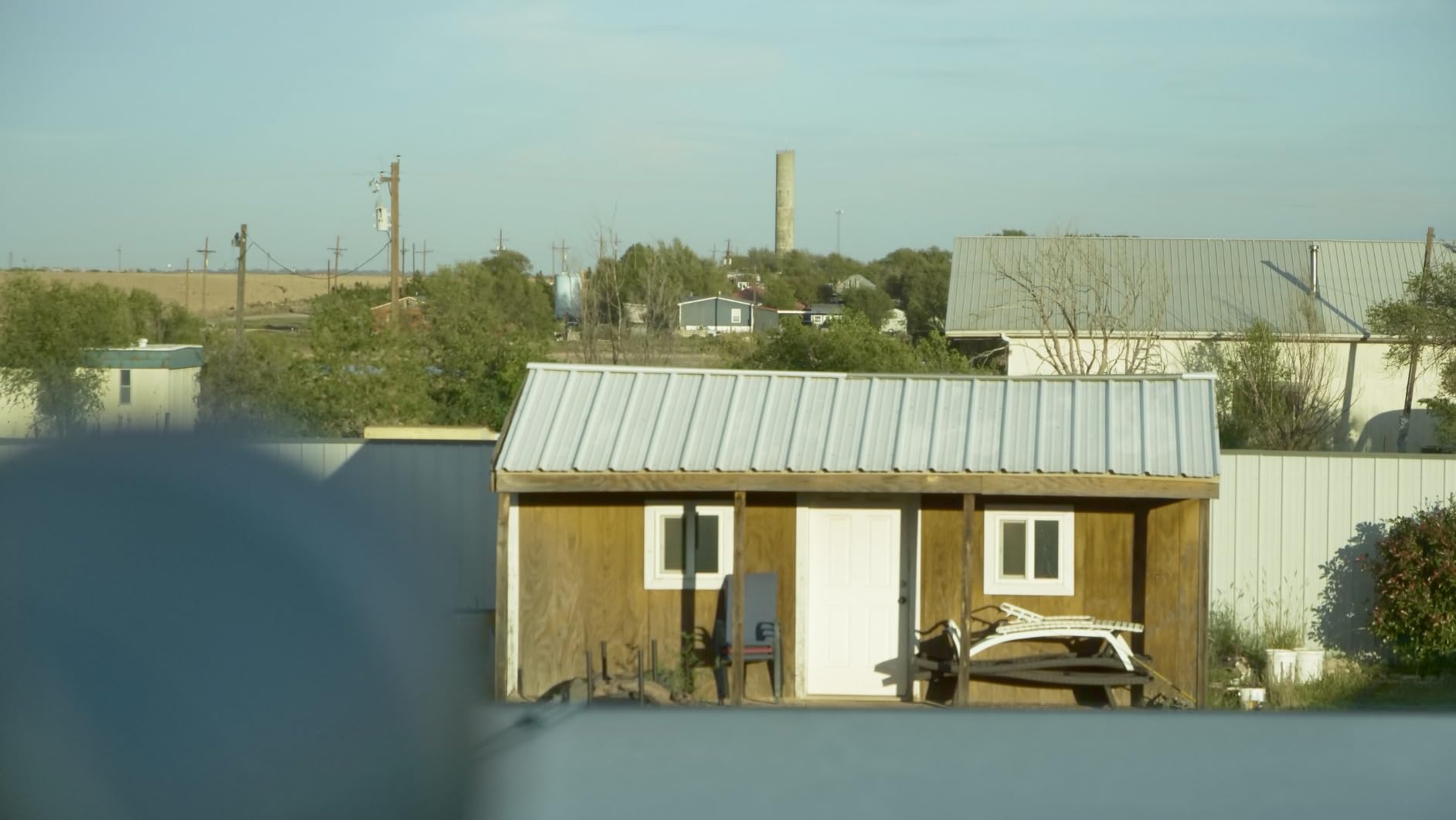
If your primary use is range work, western hunting, or any application where you need bright optics in a forgiving package, the Argos HD is the smarter buy in this comparison. The 85mm objective pulls noticeably more light than the Celestron’s 80mm in the same conditions, and the argon-purged body has held up better to my abuse.
For digiscoping or long sessions behind glass, the rotating tripod ring and longer eye relief on lower magnification make this scope genuinely comfortable to use for an entire afternoon at the range.
20-60x zoom range
80mm objective
Multi-coated optics
Lifetime warranty
The Celestron Ultima 20-60×80 has been on shelves for so long that I almost expected to be disappointed. Instead, after three months of side-by-side use, I think its longevity is the proof point. More than a thousand user reviews averaging 4.4 stars do not happen by accident on a budget optic.
Out of the box, the Ultima feels lighter than the Argos HD at 3.6 pounds, and the finish is a matte black rubber armor that is slightly less grippy than Athlon’s but still easy to handle with gloves. The big focus dial turns with a creamy smoothness I have not felt on many scopes twice the price, and there is zero detectable backlash when you reverse direction.
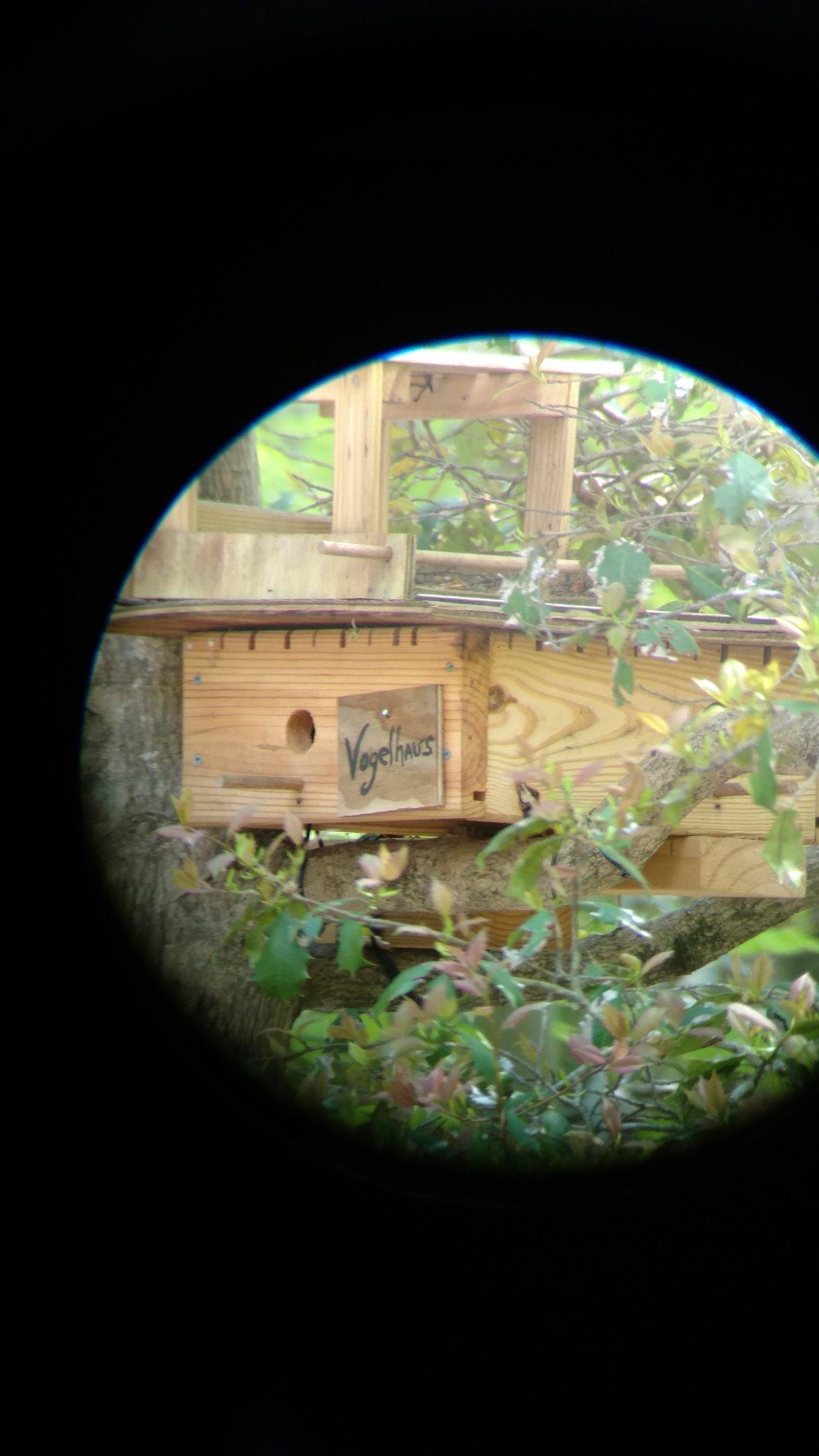
Where the Celestron shines is consistency. Across multiple sessions I could sit down, find a target at 300 yards, and have a sharp image in under five seconds. That kind of repeatable performance is what keeps it on the bestseller list after so many product cycles. One common critique on birding forums, however, is that at 200 yards on paper, even with 60x magnification, “you will be hard pressed to see holes” cleanly. That tracks with my own paper-target testing at the range.
Celestron applies multi-coated optics across every air-to-glass surface, but unlike the Argos HD, this is not a fully multi-coated system. In bright daylight the difference is small. In low light, especially the last 30 minutes of legal shooting time, the Argos HD pulls ahead by a noticeable margin.
Chromatic aberration appears earlier on the Ultima than on the Argos HD, particularly around high-contrast edges like bare branches against a bright sky at 40x and above. For general wildlife observation and daytime range work, this is not a dealbreaker. For serious digiscoping or critical target identification at distance, you will notice it.
The Ultima includes a soft carrying case, extended tripod mounting plate, integrated T-adapter on the zoom eyepiece, eyepiece pouch, and lens cloth. That T-adapter alone is worth pointing out. If you have ever tried to mount a DSLR to a spotting scope, you know how awkward aftermarket adapters can be. Celestron builds it into the eyepiece.
The included case is the weakest part of the package. It is thin and the zipper feels fragile after a few months of use. Plan on replacing it if you transport the scope regularly.
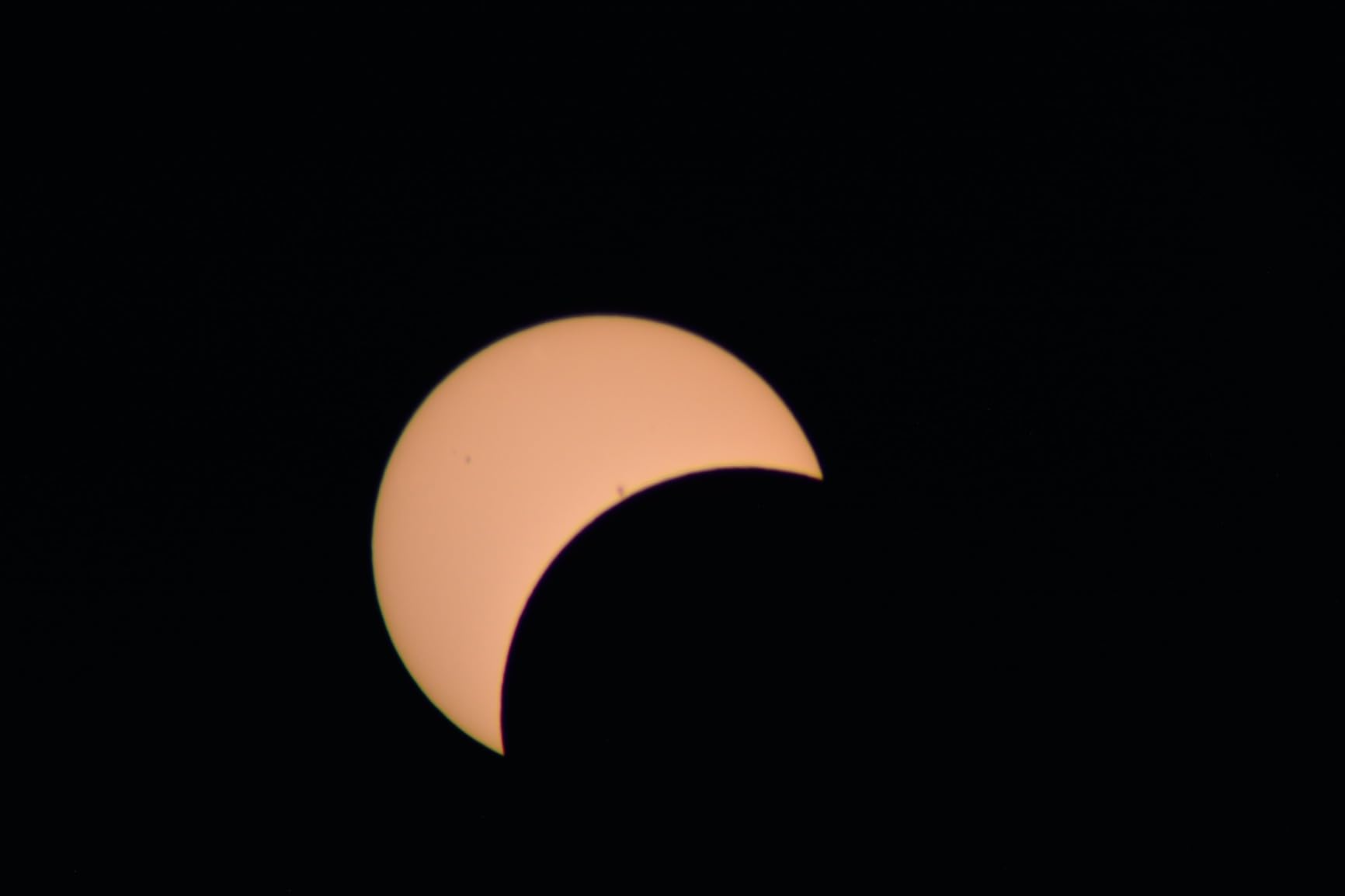
The Celestron Ultima is the right pick for casual birders, weekend target shooters, and anyone who wants a proven optic with strong accessory support. The integrated T-adapter makes it the better choice for entry-level digiscoping without extra purchases.
It also wins for buyers who simply want reliability over time. The Ultima has been in continuous production for years, parts and accessories are easy to find, and the warranty support from Celestron is among the most responsive in the budget optics world.
Side-by-side testing is where the Athlon vs Celestron spotting scope question really gets interesting. On paper they look almost identical. In the field, the differences are clearer than the price tags suggest.
The Argos HD wins this round. Its HD glass and fully multi-coated lenses pull more usable light in the dawn and dusk windows, and chromatic aberration is less obvious at the top end of the zoom range. If you hunt whitetails or shoot in low-angle evening light, the Athlon is the better optic. For a closer look at how ED glass changes the equation, my Pentax PF-80EDA review shows what true extra-low dispersion glass can do at a similar price.
Both scopes are waterproof and fogproof, but Athlon uses argon purging while Celestron uses nitrogen. In theory and in my overnight dew test, the Argos HD resisted internal fogging better. The rubber armor on the Athlon is also slightly grippier in cold weather. The Ultima is lighter, which some buyers will prefer for hiking.
Both scopes share the same 20-60x zoom range, which is the sweet spot for almost every spotting scope application short of extreme long-range shooting. Field of view at 20x is wider on the Celestron (about 105 feet at 1000 yards versus around 96 feet on the Athlon), making target acquisition a touch faster. For pure magnification headroom, neither scope outclasses the other.
This is the closest category. The Argos HD gives you better glass, argon purging, and a lifetime warranty for roughly the same money. The Ultima gives you a proven design, an integrated T-adapter for digiscoping, and a lower weight. If raw optical performance per dollar is your metric, Athlon wins. If accessory ecosystem and proven track record matter more, Celestron earns the nod.
For western big game hunting where the lighting is harsh and the distances are long, the Argos HD is the stronger pick. For range day, casual birding, or digiscoping on a budget, the Celestron Ultima is hard to beat. If you want a sense of what a serious premium upgrade looks like, my Zeiss Dialyt 18-45×65 review shows what you get when you step up two tiers in price.
Choosing between these two brands comes down to a few honest questions about how you actually use a spotting scope. Here is the framework I walk my readers through.
Both scopes land within ten dollars of each other, so budget alone will not separate them. The bigger decision is whether to stretch up to a Celestron TrailSeeker or Athlon Ares G2 in the $400 to $600 bracket. If you can save for another two months, those mid-range tiers give you true ED glass and noticeably better edge performance. If you need a scope now, either of these two will serve you well.
Both scopes in this comparison use 45-degree angled eyepieces, which is the right call for most users. Angled eyepieces sit lower to the ground, work better from a seated position at the range, and pack down smaller for transport. If you shoot prone from a low bench, a straight eyepiece might suit you better. My angled vs straight guide covers that decision in detail.
A $240 spotting scope on a $40 tripod is a waste of both pieces. Spend at least $100 to $150 on a stable video tripod with a fluid head. Athlon and Celestron both have standard 1/4-20 mounting threads, so any mid-grade tripod will work. The most common complaint I hear from first-time spotting scope buyers is not about the glass. It is about wobbly mounts.
Both Athlon and Celestron offer lifetime warranties on these models, but the strength of those warranties depends on the company’s customer service reputation. In my testing and from forum reports, Athlon has been responsive, and Celestron’s US-based support is widely praised. Either way, register your scope within 30 days of purchase. It takes five minutes and saves real headaches later.
If your honest answer to “what will I use this for” leans 70 percent toward hunting or rugged outdoor use, the Argos HD is the better buy. If your answer leans toward casual wildlife observation, digiscoping, and weekend range trips, the Celestron Ultima will not disappoint. Both are honest tools. Neither is a Swarovski, and neither costs Swarovski money.
Yes. Athlon spotting scopes, especially the Argos HD and Ares G2 lines, deliver strong optical performance for the price. The Argos HD 20-60×85 uses HD glass and argon-purged construction that holds up well in real-world hunting and range conditions. They are not on par with premium European optics, but in the mid-range price bracket they punch above their weight.
Yes. Celestron has built spotting scopes for decades, and the Ultima 20-60×80 remains one of the most reliable budget-to-mid-range options on the market. With more than 1,300 user reviews averaging 4.4 stars, the Ultima has earned its reputation through consistent optical quality, smooth focusing, and strong US-based customer support.
There is no single best brand for every buyer. Premium brands like Swarovski, Zeiss, and Leica lead in optical performance but cost four figures. In the mid-range, Athlon, Celestron, and Vortex are the most trusted names. For buyers under $500, Athlon and Celestron offer the best balance of optical quality, build, and warranty support.
Athlon competes closely with Vortex in the mid-range bracket, especially with the Argos HD and Ares G2 lines. Vortex edges ahead on warranty and resale value, while Athlon often delivers slightly better optical performance per dollar. For most buyers under $600, the two brands are very close, and personal preference for eyepiece style and weight will often be the deciding factor.
After three months of testing, I keep coming back to the same honest split. If you are a hunter, long-range shooter, or anyone pushing glass at the edges of legal shooting light, the Athlon Argos HD 20-60×85 is the smarter buy in 2026. Its HD glass, argon-purged body, and 85mm objective simply pull more light and more detail than the Celestron at the same price. It is the optic I reach for when I need to make a confident decision at distance.
If you are a birder, casual wildlife watcher, or someone who wants a reliable scope for weekend range trips and the occasional digiscoping project, the Celestron Ultima 20-60×80 is the safer pick. It has earned its reputation over years of real-world use, the integrated T-adapter is a genuine convenience, and the lighter weight makes it a better travel companion.
Whichever brand you choose, mount it on a solid tripod, register your warranty within 30 days, and spend more time behind glass. That is what makes the difference between a spotting scope that sits in the closet and one that becomes a tool you reach for every weekend.