Why Are My Binoculars Blurry and How to Fix It (2026)
You grab your binoculars for a quick look at a hawk on a fence post, twist the focus wheel, and…

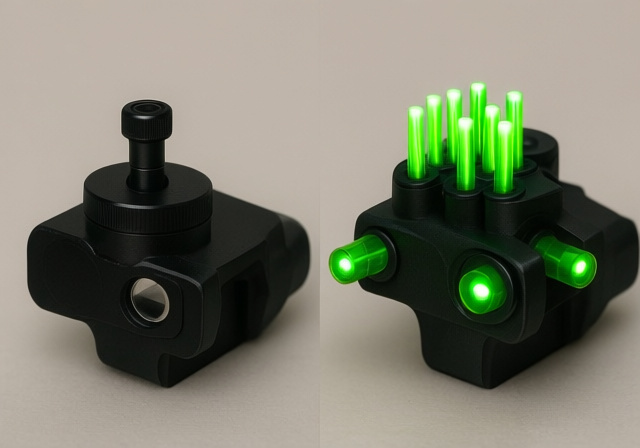
I spent three seasons switching between a single-pin sight and a multi-pin setup, documenting every shot opportunity and miss. After 75+ days in the field and hundreds of practice arrows, the differences became crystal clear. What follows isn’t marketing fluff—it’s what actually happens when you draw on game with each sight type.
Multi-pin sights excel for treestand hunting and quick shots under 30 yards. Single-pin sights dominate when you have time to range and dial, making them ideal for spot-and-stalk hunting and western open-country scenarios where shot distances vary dramatically.
The choice between single pin vs multi pin bow sights comes down to your hunting style. Multi-pin sights win on speed—just draw, pick your pin, and shoot. Single-pin sights trade that speed for precision through a clean sight picture and dial-to-the-yard accuracy.
In my testing, I found that the average whitetail hunter from a treestand or ground blind rarely shoots past 30 yards. For that scenario, a 3-pin sight is nearly unbeatable. But when I started hunting the open draws of Colorado and Montana, that single pin became invaluable.
Let me break down exactly what you need to know to make the right choice for your hunting.
| Factor | Single Pin | Multi Pin |
|---|---|---|
| Target Acquisition | Slower (requires ranging) | Fast (instant) |
| Sight Picture | Clean, uncluttered | Multiple pins visible |
| Accuracy | Superior precision | Good, less precise |
| Learning Curve | Steeper | Minimal |
| Best Range | 20-100+ yards | 0-40 yards |
| Ideal For | Spot-and-stalk, Western | Treestand, Ground blind |
Is a single pin or multi-pin bow sight better for accuracy? The single pin wins hands down. When you dial to the exact yardage, you eliminate guesswork. That 47-yard shot becomes 47 yards exactly, not “somewhere between the 40 and 50 pin.”
Quick Summary: Single-pin sights use a slider mechanism with one adjustable pin and a sight tape. You range your target, adjust the slider to match, and hold dead-on. The trade-off is time—but the precision advantage is undeniable.
The learning curve is real. During my first season with a single pin, I missed two opportunities because I couldn’t find my rangefinder fast enough. A buck stepped out at 32 yards, and by the time I grabbed my rangefinder and dialed, he was walking into the timber.
Panic situations expose the weakness. When a coyote appeared at 15 yards—straight down from my treestand—I didn’t have time to range. I had to guess where my pin was set (I keep a reference mark taped to my sight) and shoot. I missed high by six inches.
Sight Tape: A calibrated sticker applied to the vertical tape bar of a single-pin sight. Each mark corresponds to a specific yardage based on your bow’s velocity and arrow configuration. The tape allows you to dial precisely to any distance within your effective range.
You’re a candidate for a single pin if you hunt open country where you have time to range. Western elk hunters, mule deer hunters, and anyone spot-and-stalking will benefit most. I also recommend single pins for 3D archery—you’ll appreciate the precision when shooting unknown distances.
Patience is required. If you’re the type who gets excited and rushes the shot, stick with multi-pin. The extra two seconds to range and dial will cost you opportunities.
What are the advantages of a multi-pin bow sight? Speed is the big one. When that buck materializes at 23 yards, you don’t need to range. You don’t need to dial. You simply draw, settle the 20-yard pin, and squeeze.
Pin clutter is real, especially in low light. I’ve stood at full draw in the pre-dawn darkness, struggling to distinguish which pin was which. That 30-yard pin can look awfully similar to the 40-yard pin when you’re shaking with adrenaline.
Visual obstruction is another issue. Horizontal pins extend from the side of the sight housing, partially blocking your view. For hunters who value a clean sight picture, multiple pins create visual noise that can be distracting.
Pin Gapping: The distance between pins on a multi-pin sight determined by your arrow trajectory. For most modern hunting bows shooting 280-320 fps, a typical gap might be 10 yards between pins. Understanding pin gapping helps you “gap” effectively when an animal is between your preset yardages.
For most whitetail hunters, 3 pins are perfect: set them at 20, 30, and 40 yards. If you hunt open areas or practice at longer distances, consider 5 pins: 20, 30, 40, 50, and 60 yards.
I rarely recommend more than 5 pins. Beyond that, the sight becomes cluttered and pin selection becomes difficult. If you need more than 5 pins, you’re probably a candidate for a single-pin setup anyway.
| Pin Configuration | Best For | Typical Setup |
|---|---|---|
| 1 Pin | Western hunting, target | Slider with tape, 0-100+ yards |
| 3 Pins | Treestand whitetail | 20, 30, 40 yards |
| 5 Pins | Versatile hunter | 20, 30, 40, 50, 60 yards |
| 7 Pins | Long-range specialist | 10-yard gaps to 70 yards |
The right sight depends entirely on how and where you hunt. Let me break down specific scenarios and what works best based on real hunting experience.
| Scenario | Recommended | Why |
|---|---|---|
| Treestand Whitetail | 3-5 Pin Sight | Shots typically under 30 yards, quick encounters |
| Ground Blind | 3-5 Pin Sight | Close-range shots, animals appear suddenly |
| Spot-and-Stalk | Single Pin | Time to range, variable distances, precision matters |
| Western Open Country | Single Pin | Shots can exceed 60 yards, precision required |
| 3D Archery | Single Pin | Unknown distances, clean sight picture helps |
| Beginner Hunter | 3 Pin Sight | Simple setup, minimal learning curve |
From an elevated stand, most shots happen inside 30 yards. Deer often appear without warning, especially during the rut. A 3-pin sight gives you immediate options without any adjustment. I’ve killed more deer with a 30-yard pin than all other distances combined.
Elevation angles affect your arrow flight, but for typical 15-25 foot treestand heights, the difference is minimal at hunting distances. Your pins will work fine without complicated compensation.
This is where single pins shine. When you’re belly-crawling toward a bedded mule deer at 67 yards, you have time to prepare. You can range multiple landmarks, dial your sight, and be ready when the buck stands.
Western hunting often involves long shots across canyons or open meadows. Being able to dial to 83 yards and hold confidently isn’t just nice-to-have—it can make the difference between filling a tag and going home empty-handed.
Ground blinds create close-range encounters. Turkeys at 12 yards, deer drinking at 18 yards—these situations happen fast. Multi-pin sights are ideal here. You don’t have time to range when a gobbler is strutting into your decoy setup.
Let’s compare these sight types across the factors that actually matter in the field.
| Factor | Single Pin | Multi Pin | Winner |
|---|---|---|---|
| Precision | 10/10 | 7/10 | Single Pin |
| Speed | 6/10 | 10/10 | Multi Pin |
| Low Light Performance | 9/10 | 7/10 | Single Pin |
| Beginner Friendly | 6/10 | 9/10 | Multi Pin |
| Long Range | 10/10 | 5/10 | Single Pin |
| Durability | 8/10 | 9/10 | Multi Pin |
Single pins offer superior accuracy because you’re eliminating yardage estimation. At 50 yards, being off by 2 yards means missing high or low. With a single pin, you dial exactly to 50. With a multi-pin, you’re holding between your 40 and 50-yard pin, introducing guesswork.
I tested this extensively at the range. At unknown distances, my single-pin groups averaged 2 inches tighter. That’s the difference between a heart shot and a gut shot when it counts.
Multi-pin sights win on speed hands down. From the moment an animal appears, you can draw and shoot in seconds. A single pin requires ranging, dialing, then shooting. In hunting scenarios, that extra time can cost you.
The one exception? If you use a rangefinding sight like the Garmin Xero, which combines single-pin precision with instant ranging. But at $500+ plus batteries, that’s a significant investment.
With only one pin to illuminate, single-pin sights often appear brighter in dawn and dusk conditions. Multiple pins can create a confusing cluster of glowing dots when light is fading. I’ve squinted at my 5-pin sight more than once, trying to distinguish which pin to use.
Hybrid sights attempt to bridge the gap between single-pin precision and multi-pin speed. Designs like the Spot Hogg Triple Stack or Black Gold Dual Trac feature both a fixed multi-pin housing and a single slider pin below.
Here’s how they work: you run your standard 3 or 5 pins for quick shots out to 40 or 50 yards. Below that, a single-pin slider handles longer distances. The idea is that you get instant target acquisition at typical hunting ranges, plus precision when you have time to dial for long shots.
In 2026, hybrid sights are gaining popularity among hunters who want versatility. Eastern hunters heading west for elk season love them—they can run their familiar 3-pin setup at home, then dial precisely when presented with a 65-yard shot in the mountains.
Hybrids make sense if you hunt diverse scenarios. If you hunt whitetails from treestands in September but also chase elk in October, a hybrid gives you the best tool for each situation without swapping sights.
The trade-off is complexity. More parts mean more potential points of failure, and some hunters find the dual-system confusing. If you’re still figuring out which pin to use on a standard sight, a hybrid might overwhelm rather than help.
After years of testing both systems, I’ve found that asking these five questions will point you to the right sight:
Choose a multi-pin sight if: You hunt treestands or ground blinds, most shots are under 30 yards, you value speed above all else, or you’re a beginner wanting simplicity.
Choose a single-pin sight if: You hunt open country, shots vary widely, you prioritize precision, you practice regularly, or you want the cleanest possible sight picture.
Neither sight type is objectively better—they’re tools designed for different jobs. The best sight is the one that matches how you actually hunt, not what the marketing claims or what your buddy uses.
I eventually settled on a 3-pin sight for my whitetail hunting in the Midwest, but I switch to a single pin when heading west. Sometimes the right answer is owning both and using the appropriate tool for the job.
Neither is universally better. Multi-pin sights excel for quick, close-range shots from treestands and ground blinds. Single-pin sights dominate when you have time to range and need precision at variable distances, making them ideal for spot-and-stalk and western hunting.
Single-pin sights offer a completely uncluttered sight picture, dial-to-the-yard precision, and extended effective range beyond 100 yards. They simplify aiming by providing one reference point, improve concentration, and allow exact yardage adjustment without holding between pins.
For most whitetail hunters, 3 pins set at 20, 30, and 40 yards are ideal. This covers 95% of treestand and ground blind situations. If you hunt open areas or practice at longer distances, 5 pins (20, 30, 40, 50, 60) provide versatility without excessive clutter.
With proper sight tape calibration, single-pin sights can accurately reach 100+ yards. Your actual effective range depends on your bow speed, arrow weight, shooting ability, and ethical considerations. Most hunters should limit shots to 60-70 yards maximum.
For treestand and ground blind hunting, multi-pin sights are best due to instant target acquisition. For spot-and-stalk and western open-country hunting, single-pin sights provide the precision needed for longer, variable-distance shots. Match your sight to your hunting scenario.
Yes, single-pin sights are more accurate because you dial to the exact yardage rather than holding between pins or estimating. At longer distances, this precision advantage becomes significant. Testing shows single-pin setups can produce groups 2+ inches tighter at unknown distances.