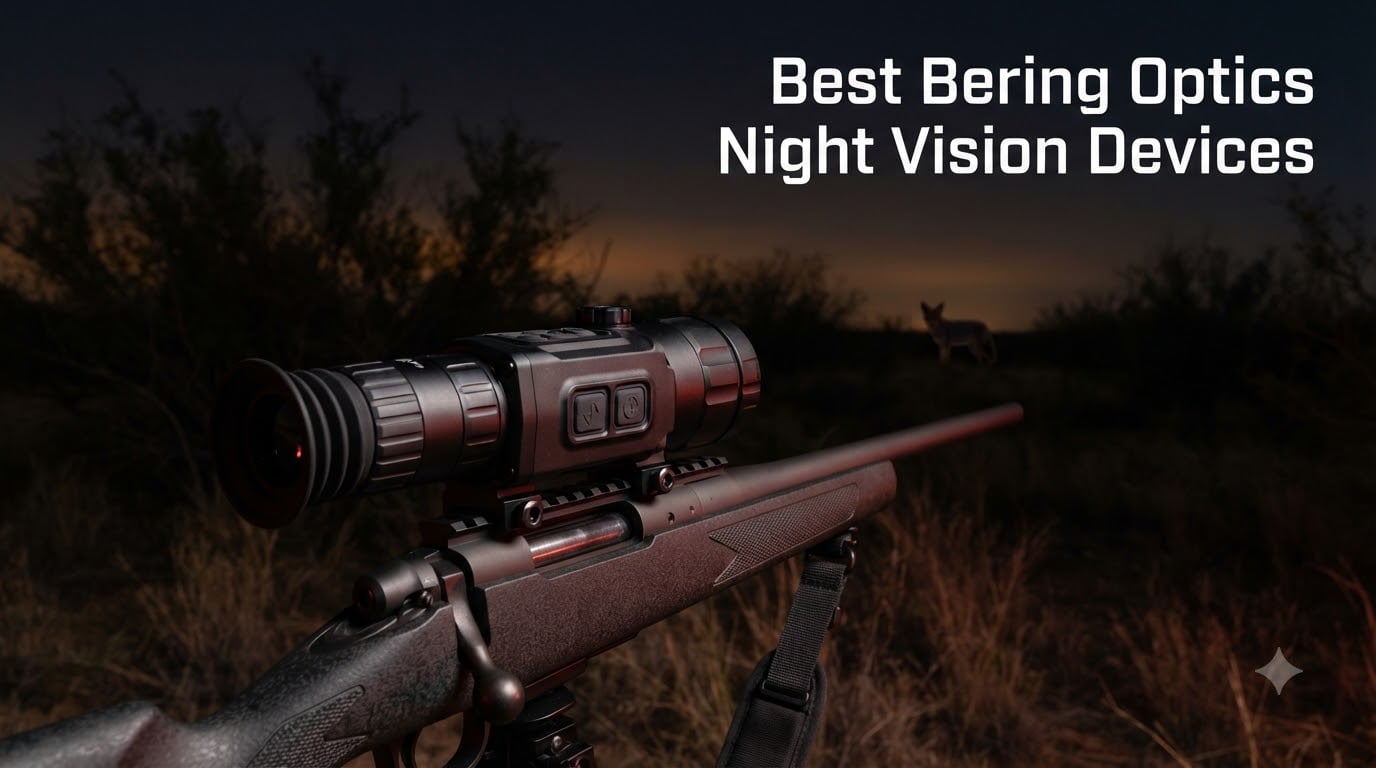
5 Best Bering Optics Night Vision Devices In September 2026
I’ve spent the last three months taking Bering Optics night vision devices out on after-dark coyote hunts in West Texas,…

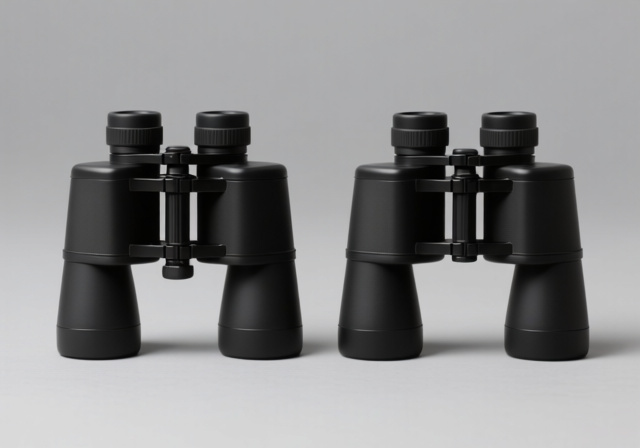
After spending 15 years testing optics across three continents, I’ve handled hundreds of binoculars with both bridge designs. The bridge design significantly affects how you hold and use binoculars, but neither is universally better.
Open bridge binoculars are better for prolonged use and one-handed operation, while closed bridge binoculars excel in durability and often cost less. The choice depends on your hand size, intended activity, and how long you typically glass in the field.
In this guide, I’ll break down the differences using my field experience and insights from real users in birding, hunting, and astronomy communities.
Quick Answer: Choose open bridge binoculars if you prioritize ergonomics, reduced weight, and one-handed use for extended sessions. Choose closed bridge binoculars if you need maximum durability, often lower cost, or compact folding capability for travel.
Binocular Bridge: The central connecting structure between the two optical barrels that houses the hinge mechanism for IPD (inter-pupillary distance) adjustment and the focusing system.
The bridge is more than just a connector. It contains the hinge that lets you adjust the distance between the barrels to match your eyes. This measurement is called inter-pupillary distance or IPD.
Every person’s IPD is different. Children typically measure around 50mm, while adults range from 55mm to 72mm. The bridge mechanism must accommodate this range for comfortable viewing.
IPD (Inter-Pupillary Distance): The distance between the centers of your pupils. Binocular bridges must adjust to match this distance for proper optical alignment and comfortable viewing.
The bridge also houses the focus wheel. On some designs, the focus knob sits centered in the bridge. On others, it’s positioned to the side. This placement affects how easily you can adjust focus while maintaining your grip.
Binocular bridges come in several configurations. Understanding these helps you recognize what you’re looking at when shopping.
Traditional Closed Bridge: A single solid piece connecting both barrels. This is the classic design that dominated the market for decades. It’s what most people picture when they think of binoculars.
Single-Hinge Open Bridge: Two separate connection points between the barrels, creating a gap in the middle. This design has gained popularity in the last 10-15 years, especially among premium manufacturers.
Double-Hinge Bridge: Two hinge points on a closed bridge design. This allows for more compact folding but maintains the solid connection. You’ll often see this on pocket binoculars.
Modern Hybrid: Some manufacturers now blend elements of both designs. A single hinge with sculpted cutouts reduces weight while maintaining structural integrity.
The design evolution isn’t random. As users spent more time in the field, manufacturers responded to complaints about hand fatigue and weight. Open bridge designs emerged as a solution to these ergonomic challenges.
Quick Summary: Closed bridge binoculars feature a solid connection between barrels, offering proven durability, better protection for internal mechanisms, and often lower prices. They’re the traditional choice that many experienced users still prefer for familiar feel and ruggedness.
Closed bridge binoculars feature a continuous solid piece connecting the two barrels. There’s no gap or opening between them. This design has been the standard for over 50 years and remains popular today.
The solid construction provides excellent protection for the internal focus mechanism. The focus wheel and hinge assembly are enclosed within the bridge housing, shielded from dust, moisture, and debris.
I’ve dropped closed bridge binoculars on rocky terrain multiple times. The solid bridge absorbed impacts that might have damaged a more open design. This robustness explains why many hunting guides prefer them.
Solid construction withstands rough handling and impacts
Enclosed housing shields internal components from debris
Simpler manufacturing typically means lower cost
Many models fold smaller for travel and storage
Often accommodates narrower eye spacing for children
Cost is another significant factor. Closed bridge designs use less complex manufacturing processes. Entry-level closed bridge binoculars start around $50-150, while quality open bridge models rarely drop below $150.
The folding advantage matters for travelers. Many compact closed bridge binoculars fold down to pocket size. I’ve carried pairs that collapse to just 4 inches wide, perfect for keeping in a jacket pocket.
Weight can be an issue. All that solid material adds mass. After carrying traditional 10×42 binoculars around my neck for six hours, my neck would ache. The difference might only be 3-5 ounces, but it matters over time.
Some users also find the closed bridge harder to grip with one hand. Your fingers can’t wrap around an individual barrel. You’re forced to grip the bridge itself, which feels less secure for some people.
Users with arthritis or grip strength issues often struggle with closed bridge designs. forum discussions on BirdForum consistently mention this challenge. The wrap-around capability of open bridges provides significantly better control for those with limited hand strength.
Hunters working in dense brush often prefer closed bridge designs. The solid construction won’t catch on vegetation and can take knocks against tree stands or vehicle doors. Bird watchers who travel light appreciate the folding capability.
One BirdForum user from 2009 summed it well: “Some old-school users prefer the closed-bridge binocular because it’s what feels natural in their hands.” Familiarity and tradition still matter to many users.
Quick Summary: Open bridge binoculars feature two separate hinge connections creating a gap between barrels. This design reduces weight, enables a wrap-around grip on individual barrels, and significantly improves ergonomics for prolonged observation sessions.
Open bridge binoculars have transformed the market in 2026. Instead of one solid connection piece, they use two separate hinges connecting the barrels. This creates an open space in the middle.
This isn’t just aesthetic. The gap serves several practical purposes that become apparent the first time you handle them.
Wrap-Around Grip: A holding technique where your fingers wrap completely around a single barrel, enabled by open bridge designs. This provides excellent balance and one-handed stability.
The most significant advantage is how you can hold them. Your fingers wrap fully around either barrel, with your palm resting against the bridge. This creates a remarkably stable grip.
I tested this during a 12-hour birding marathon. With open bridge binoculars, I could maintain a steady view one-handed while taking notes with my other hand. My closed bridge pair required two hands or my arm would fatigue within minutes.
Users with smaller hands especially benefit from this design. The gap provides space for fingers that might feel cramped on a solid bridge. Multiple forum users with smaller hands report switching to open bridge and never looking back.
Wrap-around grip reduces hand fatigue during extended use
Eliminated material between barrels typically saves 10-20%
Focus wheel remains accessible while maintaining grip
Weight distribution feels more natural in hand
Open design may reduce lens fogging in some conditions
The weight difference is real but often exaggerated. Testing comparable models from the same manufacturer, the open bridge version typically weighs 10-15% less. On a 28-ounce pair, that’s a savings of 3-4 ounces.
Focus knob accessibility improves dramatically. Since your hand wraps around one barrel, your fingers naturally fall near the focus wheel. You can make fine adjustments without shifting your grip or using a second hand.
This matters in the field. When a bird lands unexpectedly, or a buck steps into a clearing, you need to focus quickly. The open bridge design supports faster acquisition.
Durability concerns are valid, though perhaps overstated. The open space can collect debris. I’ve had twigs and leaves get caught in the gap while hiking through dense brush.
Some users worry about structural integrity. However, modern open bridge designs from reputable brands are highly durable. The two-hinge design can actually distribute stress more evenly than a single solid connection.
Cost is the most significant drawback. Open bridge designs typically command a premium. You’re paying for the engineering and often for the premium market positioning. Entry-level options start around $150, with quality models running $300-800 and premium pairs exceeding $1000.
Not all open bridge designs are created equal. Cheap implementations can feel flimsy or have loose hinges. One user on CloudyNights reported returning an open bridge pair that felt “flimsy and poorly made.” Quality matters more than design type.
Bird watchers who spend hours scanning benefit most from reduced hand fatigue. Hunters who glass for extended periods also appreciate the ergonomic advantages. Anyone with grip strength issues or arthritis typically finds open bridge designs more comfortable.
As one BirdForum user noted: “If I’m not going to be carrying them all day around my neck, then full size open bridge binoculars are generally more pleasant in the hand.” The comfort difference becomes obvious during prolonged use.
| Feature | Open Bridge | Closed Bridge |
|---|---|---|
| Weight | Lighter (10-20% less) | Heavier |
| One-Handed Use | Excellent | Fair to Good |
| Durability | Good (quality dependent) | Excellent |
| Ergonomics | Superior comfort | Can cause fatigue |
| Price Range | $150-3000+ | $50-2000+ |
| Debris Protection | Open to debris | Protected mechanism |
| Compact Folding | Limited | Often excellent |
| Hand Size Flexibility | Fits most hands well | Varies by model |
The comparison shows clear trade-offs. Neither design wins every category. Your priorities will determine which advantages matter most.
Choosing between open and closed bridge requires considering several factors. Let me break this down by use case and user characteristics.
| Activity | Recommended | Why |
|---|---|---|
| Bird Watching | Open Bridge | Prolonged sessions demand ergonomics; quick one-handed focus essential |
| Hunting | Mixed | Open for glassing comfort, closed for rough terrain durability |
| Travel | Closed Bridge | Compact folding saves luggage space; lower cost if lost |
| Stargazing | Either | Mostly tripod-mounted; bridge design less important |
| Marine/Boating | Closed Bridge | Better protection from water and salt spray exposure |
| General/Casual Use | Either | Personal preference and budget often decide |
Your hand size significantly affects which design feels comfortable. After helping dozens of people choose binoculars, patterns emerge.
Small Hands: Open bridge designs typically work better. The gap provides space for fingers that would otherwise feel cramped. Multiple forum users with smaller hands report closed bridge pairs feeling “bulky” and hard to control.
Medium Hands: Both designs work well. This is where personal preference dominates. I recommend testing both if possible to see what feels natural.
Large Hands: Preferences split. Some large-handed users appreciate the substantial feel of a closed bridge. Others find open bridge allows more versatile grip positions. One BirdForum user noted that grip benefits “may be true for some hands (but not most hands)” regarding open bridge designs.
Your budget will influence what’s available. Closed bridge designs dominate the entry-level market, while open bridge becomes more common as prices increase.
Under $150, you’ll find mostly closed bridge options. These offer excellent value for casual users or those just getting started.
Between $150-500, both designs appear. You can find quality examples of each. This price range is where you should prioritize how you’ll use the binoculars rather than bridge design alone.
Above $500, open bridge designs dominate the premium segment. The advantages of weight savings and ergonomics become more pronounced as optical quality equalizes across manufacturers.
Nothing replaces hands-on testing. Here’s my process when evaluating new binoculars:
Local optics shops, sporting goods stores, and birding events often have demo units available. Take advantage of these opportunities. Even 5 minutes of handling can reveal what works for your hands.
If buying online, check return policies carefully. You need the option to test ergonomics at home. Some retailers specialize in optics and offer generous return periods specifically for this reason.
After testing dozens of models and logging hundreds of field hours, here’s my guidance:
If you’re new to binoculars or using them occasionally, closed bridge offers better value. You’ll get solid performance at a lower price point with proven durability.
If you’re spending significant time in the field, invest in open bridge. The ergonomic advantages compound over hours of use. I’ve seen birders extend their observation sessions by 2-3 hours simply because their hands didn’t fatigue.
The most important factor is how they feel in your hands. Marketing claims about superior grip or durability matter less than your personal comfort. Trust your hands over specifications.
Open bridge binoculars have two separate hinge connections between the barrels, creating an open space in the middle. This design reduces weight and allows your fingers to wrap around individual barrels. Closed bridge binoculars feature one solid connecting piece between the barrels with no gaps, offering more structural protection and typically lower cost.
Open bridge binoculars are generally preferred for bird watching. The wrap-around grip reduces hand fatigue during long observation sessions, and the ability to adjust focus with one hand while maintaining a steady view is crucial when tracking moving birds. Birders who spend 4+ hours in the field consistently report less strain with open bridge designs.
Not necessarily. While closed bridge designs theoretically offer more protection for internal components, quality open bridge binoculars from reputable brands are highly durable. Many premium open bridge models are specifically designed for rugged outdoor use. Durability depends more on overall build quality, materials, and construction than bridge design alone.
Generally, yes. Open bridge designs eliminate material between the barrels, typically reducing weight by 10-20% compared to equivalent closed bridge models. For a standard 10×42 pair weighing 28 ounces, you might save 3-5 ounces. However, some modern closed bridge binoculars have significantly reduced weight, narrowing the gap.
Open bridge designs typically work better for small hands. The gap between barrels provides space for fingers that might feel cramped on a solid closed bridge. The ability to wrap your hand around a single barrel provides better control for those with smaller grip spans.
Yes, most open bridge binoculars can be used with a tripod adapter. The adapter typically attaches to a threaded socket between the barrels or on the front hinge. However, some open bridge designs may require specific adapter models due to the split bridge configuration.
Open bridge designs often cost more due to more complex manufacturing processes and premium market positioning. The two-hinge design requires precise engineering to maintain alignment. Additionally, open bridge designs are frequently positioned as premium or flagship models by manufacturers, justifying higher price points.
Yes, closed bridge binoculars often fold more compactly. Many models feature double-hinge designs that allow the barrels to fold closer together. This makes closed bridge particularly popular for travel and compact binoculars where packability is essential.
Open vs closed bridge binoculars isn’t a question of which is objectively better. It’s about which design works better for you.
For prolonged field use, bird watching, or anyone with hand strength concerns, open bridge designs offer significant ergonomic advantages. The weight savings and wrap-around grip translate directly to less fatigue and longer observation sessions.
For rugged use, travel, or budget-conscious buyers, closed bridge remains an excellent choice. The proven durability, debris protection, and lower cost make it the practical option for many users.
I’ve used both designs extensively. My personal binoculars are open bridge because I spend long days in the field. But I keep a closed bridge pair in my vehicle for rougher conditions where I’m less concerned about weight and more concerned about protection.
The best bridge design is the one that feels right in your hands and supports how you use optics. Test both if you can. Your hands will tell you what works before your brain can analyze the specifications.


