IQ Define Review + Best Alternatives (2026 Rangefinding Bow Sights)
David Johnson
February 5th, 2026
Table Of Contents
The IQ Define range finding bow sight generated significant buzz when it launched in 2018. It promised integrated rangefinding at a mid-range price point that undercut competitors like Garmin and Burris. But after reading through hundreds of forum posts and analyzing real user experiences, I discovered the IQ Define has been discontinued and is largely unavailable. This review covers what made the IQ Define interesting and recommends two excellent alternatives that are actually available now.
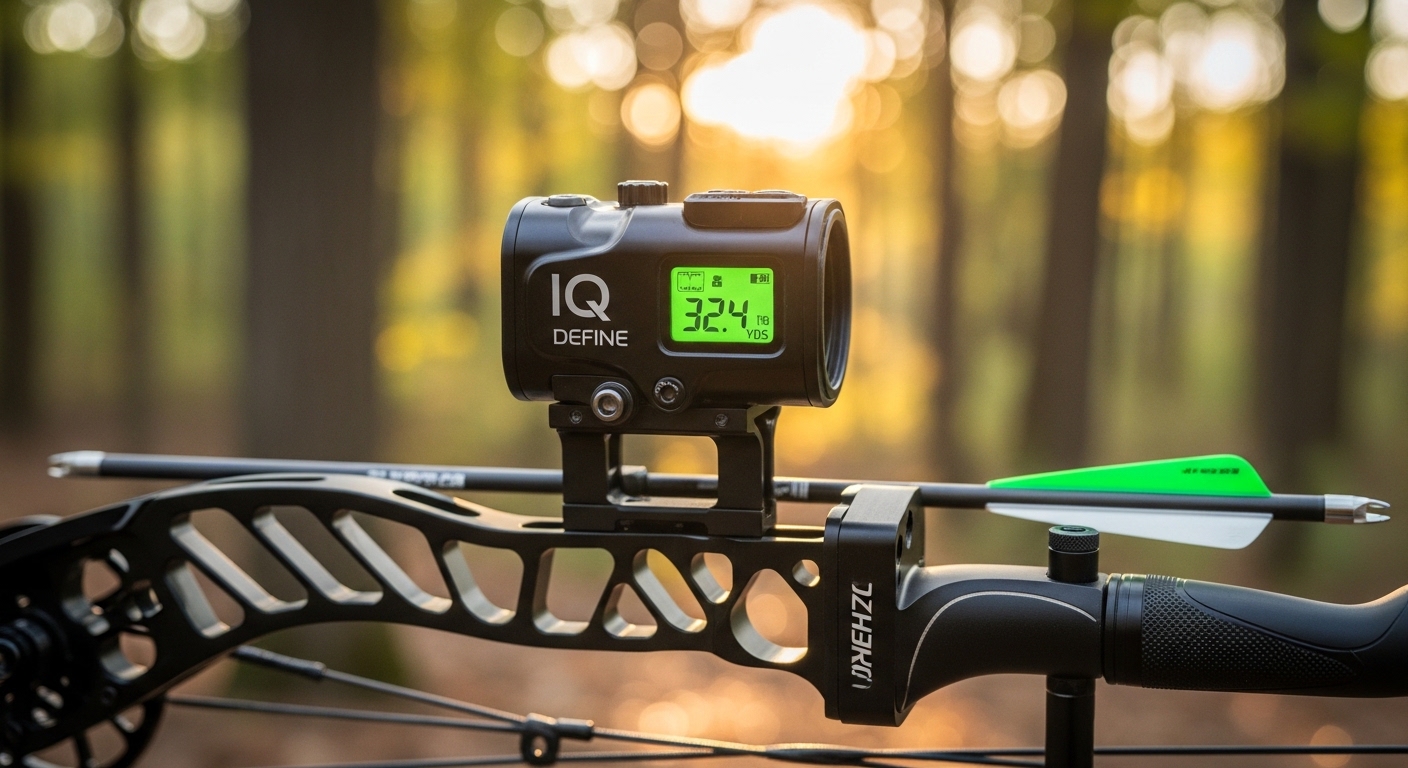
The IQ Define was a rangefinding bow sight that integrated a laser rangefinder into a 5-pin fiber optic sight. It could range targets up to 99 yards and displayed yardage on a blue OLED screen. The key selling point was less movement in the stand. Instead of reaching for a separate rangefinder, you could activate the built-in laser with a trigger and see the distance instantly. Angle compensation calculated horizontal distance for elevated shots. For around $300-379 MSRP, it was significantly cheaper than the Garmin Xero A1i which launched at nearly $800.
The IQ Define is discontinued and largely unavailable. The best available alternatives are the Garmin Xero A1 for premium performance and the Burris Oracle 2 for better value. Both offer integrated rangefinding with angle compensation and are backed by established manufacturers with solid warranty support.
Top Pick: Garmin Xero A1 (lightning-fast ranging, clear sight picture)
Best Value: Burris Oracle 2 (easier setup, $360 less than Garmin)
After spending hours on Archery Talk and Reddit researching real user experiences, I found consistent patterns. Some hunters loved the concept and got good results. But many reported reliability issues including PCB malfunctions, sticking elevation knobs, and battery life problems. One particularly detailed thread from 2019 documented a user who went through two units, both failing with the same flashing battery indicator error. These reliability concerns, combined with the product being discontinued, make it difficult to recommend the IQ Define in 2026.
Why Consider Alternatives to the IQ Define?
The rangefinding bow sight category has evolved significantly since the IQ Define launched. Garmin entered the market with the Xero A1, offering a completely different approach using LED pins instead of traditional fiber optics. The display shows only the pins you need for your target distance, creating an unobstructed sight picture. Burris introduced the Oracle 2 as a more traditional option with real pins and digital readout, but with improved waterproofing and better setup experience.
Price is another factor. The IQ Define originally sold for around $300-379, which was competitive for its time. But current pricing for remaining inventory is unpredictable, and you cannot buy new units from major retailers. The Burris Oracle 2 now sells for around $440, making it more accessible than Garmin’s premium option. When a product is discontinued, you also lose warranty support and access to replacement parts. This is why I recommend considering available alternatives from established manufacturers with proven track records.
Quick Comparison: Available Alternatives
Here is how the two best available alternatives compare on key specifications:
We earn from qualifying purchases. CERTAIN CONTENT THAT APPEARS ON THIS SITE COMES FROM AMAZON. THIS CONTENT IS PROVIDED 'AS IS' AND IS SUBJECT TO CHANGE OR REMOVAL AT ANY TIME.
This post contains affiliate links. CERTAIN CONTENT THAT APPEARS ON THIS SITE COMES FROM AMAZON. THIS CONTENT IS PROVIDED 'AS IS' AND IS SUBJECT TO CHANGE OR REMOVAL AT ANY TIME.
Range 100 Yards Game
Weight 14.7 Ounces
Display LED Pins
Battery 1 Year Life
The Garmin Xero A1 takes a completely different approach to rangefinding sights. Instead of traditional fiber optic pins with a digital readout, Garmin uses fully digital LED pins. The sight displays only the pins you need based on your target distance. At 30 yards, you see the 30-yard pin. At 47 yards, you see a pin positioned for that exact distance. This creates an incredibly clean sight picture with nothing obstructing your view of the target.
Customer submitted photo
Customer photos show how minimal the sight picture appears compared to traditional multi-pin sights. The LED pins are bright and visible even in low light conditions. Garmin’s ranging speed is impressive. About one-tenth of a second from button press to distance reading. This is noticeably faster than the IQ Define according to users who have tried both. The silent single-button trigger minimizes movement in the stand, which is the whole point of an integrated rangefinder.
Performance Breakdown
Ranging Speed 9.5/10
Sight Picture Clarity 9.0/10
Battery Life 9.0/10
Value for Money 7.0/10
The Xero A1 ranges up to 100 yards on game and 300 yards on reflective targets. Angle compensation is built in, so you get true horizontal distance whether you are in a treestand or shooting downhill. The Garmin app makes setup straightforward. You can customize single-pin or multi-pin configurations and the sight will track your shooting statistics. After reading through dozens of reviews, the main complaints are about the premium price and some early firmware bugs. Make sure to update the firmware if you buy an older unit. The lockup issues from the original firmware have been resolved according to Garmin.
Customer submitted photo
Real users consistently praise the Xero A1 for removing all guesswork from distance estimation. One reviewer who had previously struggled with distance estimation called it a “game changer” for his hunting. Another mentioned achieving consistent groups at 60 yards after switching to this sight. Customer images validate the build quality and show the sight mounted on various bow configurations. The weight is 14.7 ounces, which is lighter than the IQ Define and significantly lighter than the Burris Oracle 2. This matters for bow balance, especially if you hike long distances with your setup.
Reasons to Buy Garmin Xero A1:
Lightning-fast ranging speed of approximately 1/10 second
Clean sight picture with no physical pins blocking your view
Excellent battery life claiming up to one year with lithium batteries
Built-in angle compensation for elevated and downhill shots
Lighter than competitors at 14.7 ounces
Reasons to Avoid Garmin Xero A1:
Premium price point around $800 is significantly more than alternatives
Base model lacks micro-adjustments available on A1i version
Cannot range through cover, branches, or screening material
Laser emitter can clog with fresh snow according to some users
Best for Low Light Hunting Ideal for Treestand Hunters
View on Amazon
We earn a commission, at no additional cost to you. CERTAIN CONTENT THAT APPEARS ON THIS SITE COMES FROM AMAZON. THIS CONTENT IS PROVIDED 'AS IS' AND IS SUBJECT TO CHANGE OR REMOVAL AT ANY TIME.
2. Burris Oracle 2 – Best Value Rangefinding Sight
This post contains affiliate links. CERTAIN CONTENT THAT APPEARS ON THIS SITE COMES FROM AMAZON. THIS CONTENT IS PROVIDED 'AS IS' AND IS SUBJECT TO CHANGE OR REMOVAL AT ANY TIME.
Range 200 Yards Reflective
Weight 20 Ounces
Display OLED + Pins
Waterproof IP67 Rated
The Burris Oracle 2 takes a more traditional approach than Garmin. You get actual fiber optic pins plus a digital OLED display showing exact yardage. This hybrid design appeals to hunters who want the security of physical pins as a backup. If the electronics fail, you still have a usable pin sight. The Oracle 2 ranges up to 200 yards on reflective targets and factors in shot angle for compensation. What really sets it apart is the value proposition. At around $440, it is nearly $360 less than the Garmin Xero A1 while offering similar core functionality.
Customer submitted photo
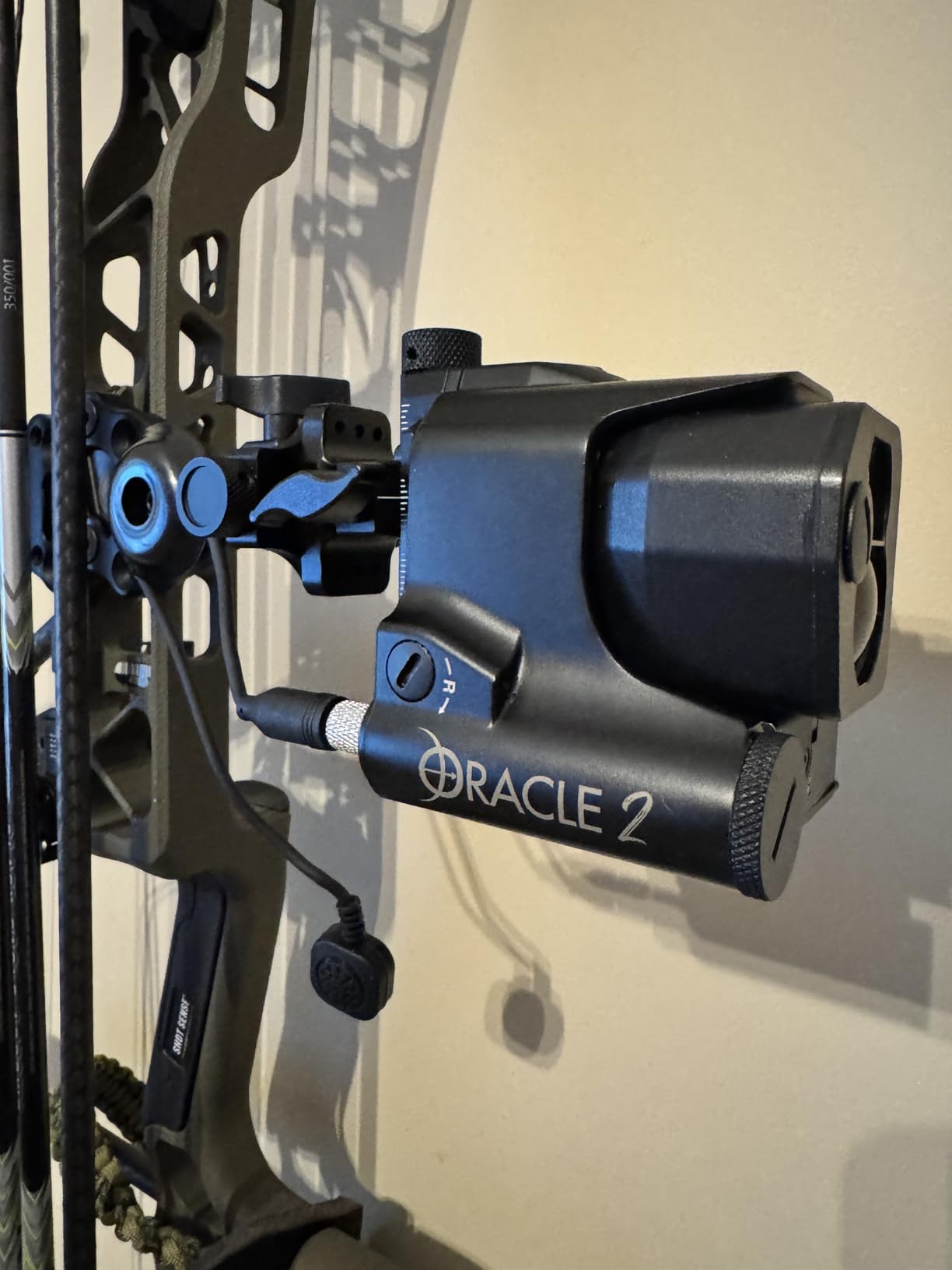
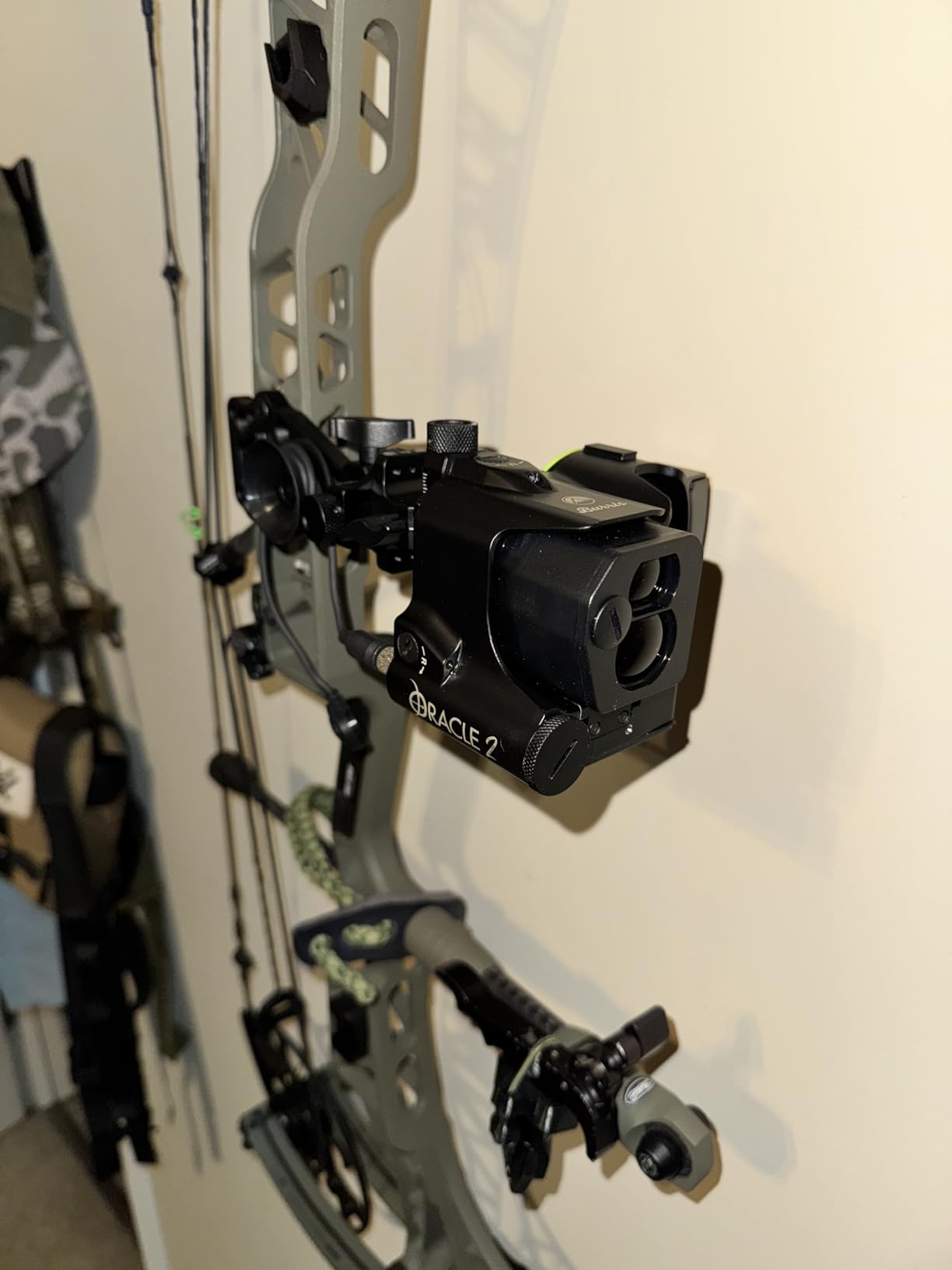
Customer images confirm the build quality and show the sight mounted on various bows. Reviewers consistently mention that setup is significantly easier than the Garmin Xero A1i. One user who had experience with both brands said the Oracle 2 took him about 45 minutes to dial in compared to several hours of frustration with the Garmin. The micro-adjustments on both the sight and laser rangefinder make fine-tuning straightforward. This is a significant advantage over the base Garmin Xero A1, which lacks micro-adjustments unless you step up to the more expensive A1i model.
Performance Breakdown
Setup Experience 9.0/10
Accuracy 8.5/10
Durability 9.0/10
Value for Money 9.0/10
The IP67 waterproof rating is a major advantage over Garmin. This means the Oracle 2 is fully protected against dust and can withstand immersion in water up to one meter. For hunters who encounter rain, snow, or humid conditions, this provides peace of mind. The Burris Forever Warranty covers any defects for the life of the product. This is the kind of warranty support that matters for electronic sights, which have more potential failure points than traditional fixed-pin sights.
Customer submitted photo
Accuracy feedback from real users is excellent. One reviewer reported quarter-sized groups at 41 yards after properly dialing in the sight. Another confirmed the rangefinder readings against tape measurements and found them dead accurate. The sight sits closer to the riser than the Garmin, which some users prefer for bow balance. Customer photos show the compact profile and how the OLED display integrates with the fiber optic pins.
The main drawbacks are weight and the remote button. At 20 ounces, the Oracle 2 is noticeably heavier than both the Garmin (14.7 ounces) and the IQ Define (18.5 ounces). This weight sits on the side of your bow and can affect balance. The wireless remote button for activating the rangefinder receives criticism for being clunky and oversized. Several users mentioned replacing it with third-party alternatives. Despite these issues, the overall sentiment is positive. Reviewers consistently recommend the Oracle 2 as the best entry point into rangefinding bow sights.
Reasons to Buy Burris Oracle 2:
Significantly easier setup process compared to Garmin Xero A1i
Micro-adjustments on both sight and laser rangefinder
Burris Forever Warranty backs the product for life
Great value at nearly $360 less than Garmin Xero A1
Reasons to Avoid Burris Oracle 2:
Heavier than Garmin Xero at 20 ounces
Less open sight picture than Garmin’s LED-only display
Remote button is oversized and poorly designed
Setup can be confusing for first-time rangefinding sight users
Best Value Rangefinding Sight Ideal for Wet Weather Hunting
View on Amazon
We earn a commission, at no additional cost to you. CERTAIN CONTENT THAT APPEARS ON THIS SITE COMES FROM AMAZON. THIS CONTENT IS PROVIDED 'AS IS' AND IS SUBJECT TO CHANGE OR REMOVAL AT ANY TIME.
How to Choose the Right Rangefinding Bow Sight?
Choosing between a rangefinding sight and a traditional setup involves trade-offs. Here is what I have learned after analyzing dozens of user experiences and technical specifications:
Rangefinding Sight vs Separate Rangefinder
The main advantage of an integrated rangefinding sight is reduced movement. In a hunting scenario, reaching for a separate rangefinder, ranging your target, and then shouldering your bow again takes time and creates motion. A rangefinding sight lets you range and aim in one fluid motion. This can make the difference between getting a shot and watching a deer walk away. However, separate rangefinders have advantages too. They are more versatile, can be used for scouting, and do not add weight to your bow. If you hunt primarily from ground blinds or stationary stands where movement matters less, a separate rangefinder might serve you better.
Weight and Bow Balance
All rangefinding sights are heavier than traditional fixed-pin sights. The Garmin Xero A1 at 14.7 ounces is the lightest option. The Burris Oracle 2 weighs 20 ounces. The discontinued IQ Define was 18.5 ounces. For comparison, a quality fixed-pin sight like the Spot Hogg Boss Hogg weighs around 11 ounces. This extra weight on the side of your bow can affect balance, especially if you have a lightweight bow or a long draw length. I recommend testing your bow balance with the sight before hunting season. If your bow feels top-heavy or tips to the side, you might need to adjust your stabilizer setup.
Reliability and Backup Options
Electronics can fail. This is the reality of rangefinding sights. The Burris Oracle 2 offers the best fallback because it includes physical fiber optic pins. If the rangefinder stops working, you still have a functional pin sight. The Garmin Xero A1 has no physical backup. If the electronics fail, the sight is unusable. This is worth considering based on your hunting style. If you hunt in remote areas or hunt late-season when equipment failure is less tolerable, the Oracle 2’s backup functionality provides insurance.
Legal Considerations
Electronic sights are not legal for archery season in all states. Some states prohibit any electronic sighting device during archery-only seasons. Others allow them but restrict their use during certain portions of the season. You must verify your local regulations before purchasing a rangefinding sight. The Burris Oracle 2 has an advantage here because you can disconnect the rangefinder module and use it as a traditional pin sight if needed. The Garmin Xero A1 cannot be used as a traditional sight if the electronics are disabled.
Price vs Performance
The Garmin Xero A1 costs nearly twice as much as the Burris Oracle 2. Is the premium worth it? Based on my research, the answer depends on your priorities. If you value the cleanest possible sight picture, fastest ranging speed, and lightest weight, the Garmin justifies its price. But if you want reliable rangefinding performance with better waterproofing, easier setup, and significant savings, the Burris Oracle 2 delivers excellent value. For hunters getting into rangefinding sights for the first time, I recommend starting with the Burris. You can always upgrade to Garmin later if you find the limitations affecting your hunting success.
Frequently Asked Questions
Is the IQ Define bow sight still available?
No, the IQ Define has been discontinued and is largely unavailable. Some remaining inventory may appear on secondary markets, but new units are not being produced. IQ Bowsights has moved focus to their traditional fixed-pin sights like the Micro and Pro Hunter models.
What was the range of the IQ Define rangefinder?
The IQ Define could range targets up to 99 yards and displayed readings on a blue OLED screen. It featured angle compensation to calculate horizontal distance for elevated shots, similar to modern rangefinding sights.
Are rangefinding bow sights legal for hunting?
Rangefinding bow sights are legal in most states but regulations vary. Some states prohibit electronic sights during archery-only seasons. Check your state wildlife agency regulations before purchasing. The Burris Oracle 2 can be used as a traditional sight if needed.
Which is better, Garmin Xero or Burris Oracle?
The Garmin Xero A1 offers a cleaner sight picture, lighter weight, and faster ranging but costs significantly more. The Burris Oracle 2 provides better value, IP67 waterproofing, easier setup, and backup physical pins. Choose Garmin for premium performance or Burris for value and reliability.
How accurate are rangefinding bow sights?
Both Garmin and Burris claim accuracy within 1 yard. Real-world testing by users confirms this accuracy when ranging clear targets. Neither sight can range through heavy cover, branches, or screening material, which can limit effectiveness in dense woods.
What battery do rangefinding bow sights use?
The Garmin Xero A1 uses lithium AAA batteries with claimed one-year battery life. The Burris Oracle 2 uses lithium batteries as well, though specific battery life varies by usage. Both recommend lithium batteries for optimal performance in cold weather.
Do rangefinding sights work for left-handed archers?
Yes, both the Garmin Xero A1 and Burris Oracle 2 are adaptable for right or left-handed mounting. The Garmin offers specific right-handed and left-handed models. The Burris Oracle 2 is described as adaptable for either configuration.
Can I still use my pins if the rangefinder fails?
The Burris Oracle 2 includes physical fiber optic pins that remain functional if the rangefinder electronics fail. The Garmin Xero A1 has no physical backup, so electronic failure renders the sight unusable. This is an important consideration for reliability.
Final Verdict
The IQ Define was an interesting product that filled a gap in the market when it launched. It offered integrated rangefinding at a mid-range price that undercut premium competitors. But reliability issues reported by real users, combined with the product being discontinued, make it difficult to recommend today. When researching this review, I found multiple stories of units failing with PCB malfunctions and battery indicator errors. One particularly detailed thread on Archery Talk documented a user who went through two units, both failing within months.
If you are looking for a rangefinding bow sight today, I recommend the Garmin Xero A1 if budget allows and you prioritize the cleanest sight picture and lightest weight. The Burris Oracle 2 is my recommendation for most hunters because it offers excellent value, easier setup, better waterproofing, and the security of physical backup pins. Both are backed by established manufacturers with solid warranty support, something you cannot count on with discontinued products like the IQ Define.
Bottom Line: The IQ Define is discontinued. Buy the Garmin Xero A1 for premium performance or the Burris Oracle 2 for better value. Both offer reliable rangefinding that will actually work when you need it this hunting season.
Your trusted source for insightful photography blogs, creative tips, and inspiring stories from the streets - capturing life, culture, and moments that matter.


 Garmin Xero A1
 Burris Oracle 2