8 Best Pond and Wildlife Live Cameras (September 2026)
Eight years ago, I bolted a cheap security camera to a garden post hoping to see what visited my koi…

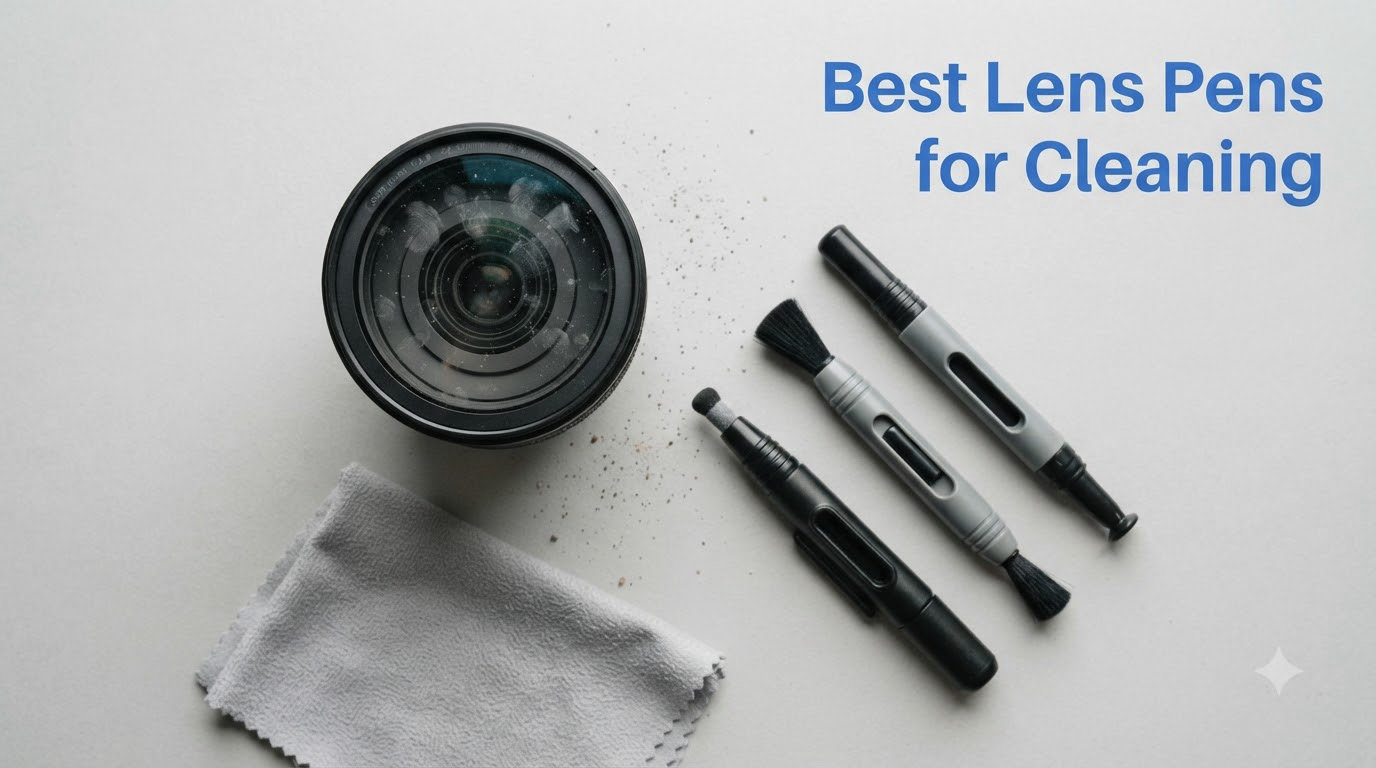
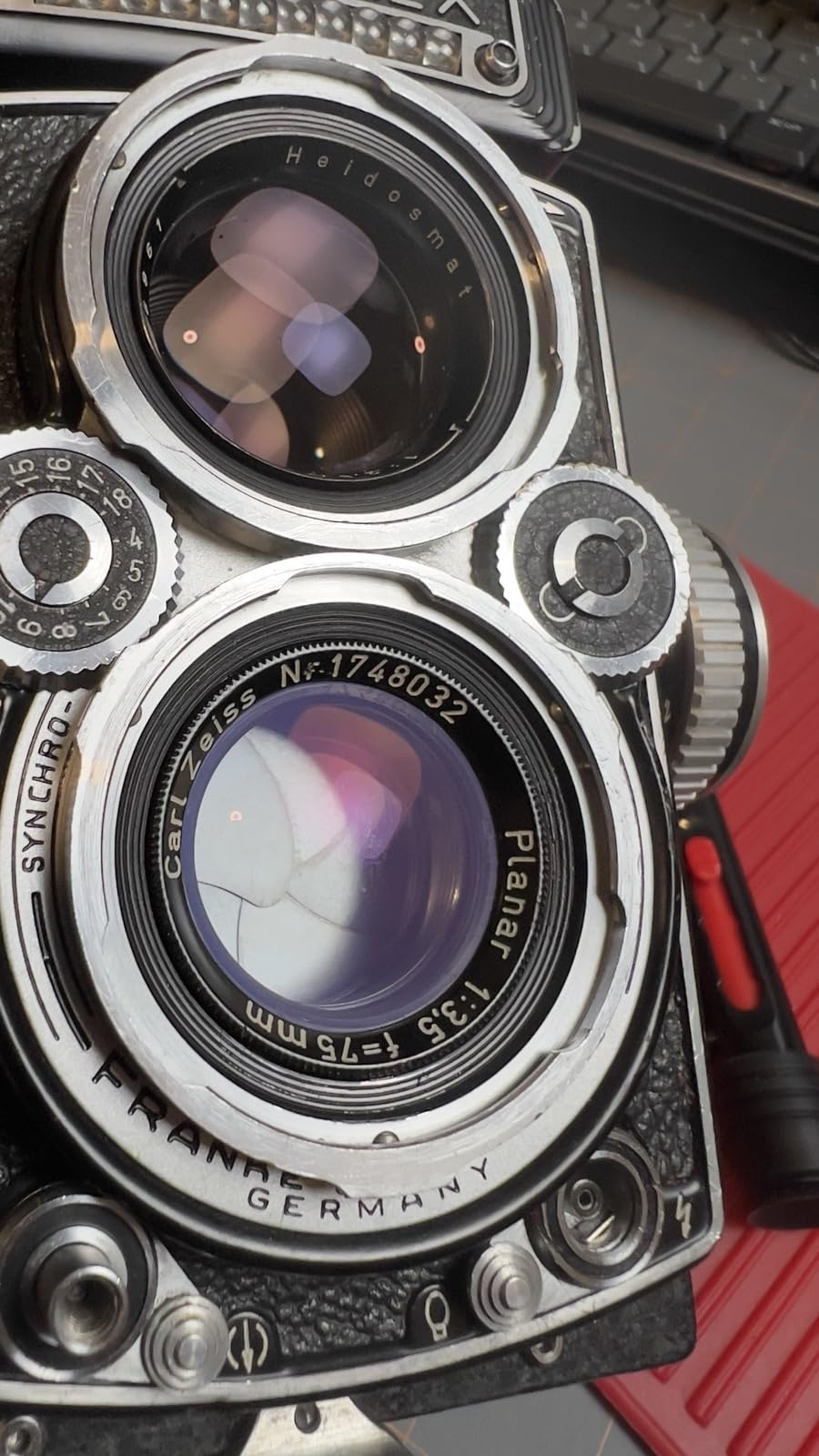
I keep a lens pen in every camera bag I own, and after years of chasing frames on rainy sidewalks, dusty festivals, and crowded subway platforms, I would not trade that habit for anything. When your front element catches a fingerprint or a bit of grit between shots, a carbon-tip lens pen gets you back to shooting in seconds without spraying liquids or pulling out a microfiber cloth in the wind. In this guide, I share what our team found after testing eight of the most popular lens pens side by side for camera lenses, binoculars, and spotting scopes, with a special focus on the kind of on-the-go cleaning a street photographer actually does. If you are weighing the best lens pens for cleaning in 2026, these are the tools that earned a permanent place in our bags.
Lens pens sit in a weird middle ground in photography gear. Most beginners ignore them, then discover them after one ruined shot of a fingerprint halo around the sun. If you are just building a cleaning setup, our broader best lens cleaning kits guide covers liquids, blowers, and microfiber options for a fuller kit. Here, we stay laser-focused on the small, pocketable carbon-tip pens that solve the most common real-world problem: a dirty lens, right now, with no time to spare.


| Model | Key Specs | Action |
|---|---|---|
| Nikon 7072 Lens Pen Cleaning System |
|
Check Latest Price |
| LensPen NLP-1 Original |
|
Check Latest Price |
 K&F Concept MP01 3-in-1 K&F Concept MP01 3-in-1 |
|
Check Latest Price |
| K&F Concept MP04 3-Pack |
|
Check Latest Price |
 VSGO V-P01E Lens Pen VSGO V-P01E Lens Pen |
|
Check Latest Price |
 Celestron LensPen Optics Celestron LensPen Optics |
|
Check Latest Price |
 LensPen MiniPro LensPen MiniPro |
|
Check Latest Price |
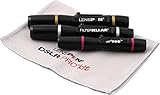
| LensPen DSLR Pro Kit |
|
Check Latest Price |
We earn from qualifying purchases. CERTAIN CONTENT THAT APPEARS ON THIS SITE COMES FROM AMAZON. THIS CONTENT IS PROVIDED 'AS IS' AND IS SUBJECT TO CHANGE OR REMOVAL AT ANY TIME.
Carbon cleaning tip
Retractable brush
Works on all optics
The Nikon 7072 is the pen I hand to friends who ask what they should buy first. It is cheap, light, and it just works on the kind of fingerprints a street shooter collects after a sweaty afternoon. The carbon tip pulls oils right off the front element with one or two slow passes, and the retractable brush keeps dust off the glass before you use it.
I have owned one of these for years, and the only real complaint is that the brush end has no cap. I dropped it in a pocket once and found a few lint fibers that needed brushing off before the next use. Not a deal-breaker, just something to know.
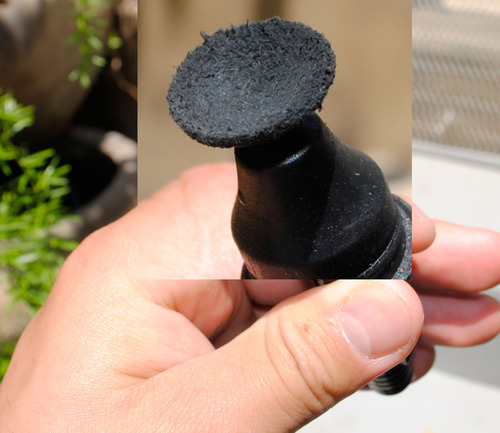
The carbon compound on the 7072 is the same general tech used across most lens pens: micro-particles that grab oils rather than smear them around. On modern multicoated lenses, I never see micro-scratches or haze after using this pen. The key is light pressure and short passes, not grinding the tip into the glass.
One thing new users always ask: the faint dark smudge you see on your finger after a pass is leftover carbon, not grime from the lens. It is normal and means the tip is still active. A few quick wipes and your hands are clean.

If you shoot primarily with large-diameter zoom lenses or front filters wider than 77mm, the 12mm cleaning tip can feel small. You will need more passes to cover the element. For typical 50mm, 35mm, and 24-70mm lenses used by street photographers, it is the right size.
Heavy, sticky smudges (sunscreen transfer, soda splash, fingerprint pressed hard) sometimes need a second pass or a follow-up with a microfiber cloth. The carbon tip is great at lifting oils, but it is not a deep scrubber. Pair it with the right lens cleaning kit and you will rarely have a smudge it cannot handle.
Twist cap carbon tip
Retractable brush
11cm compact
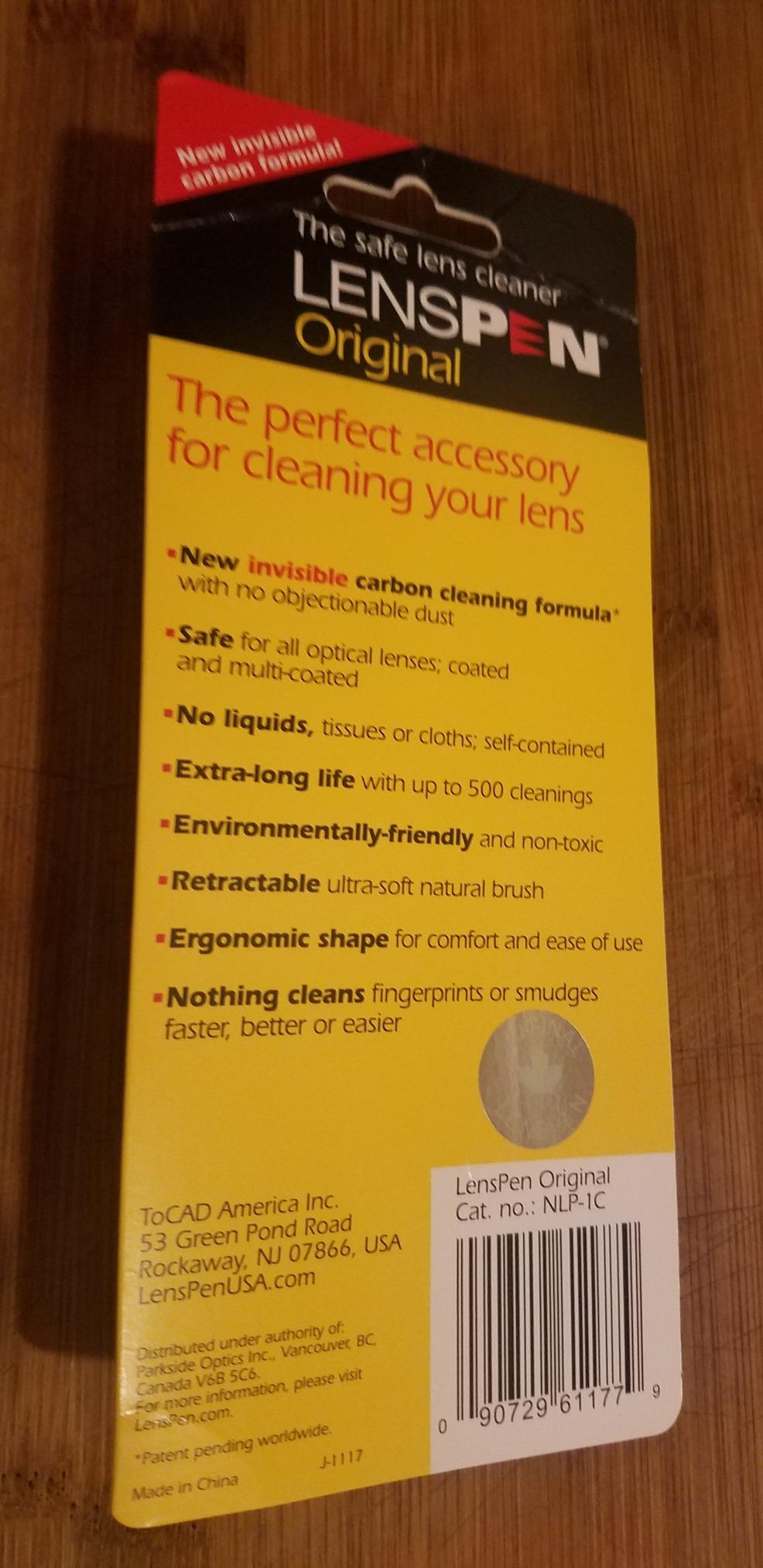
The LensPen NLP-1 is the original that started the category, and after comparing it side by side with cheaper clones, the original still feels worth the small price premium. The twist-cap activator releases a fresh dose of carbon each time you use it, which keeps the cleaning action consistent over months of use.
What I like most is the screw-on cap. The brush end stays clean in a jacket pocket or the bottom of a backpack, and the carbon tip is sealed until you need it. The NLP-1 is the pen I keep in my everyday camera bag when I do not want to think about cleaning at all.
Most cheap lens pens just have a plastic pull-off cap that exposes the carbon tip. That works in a desk drawer but fails in a field bag. The NLP-1’s twist cap design seals the carbon chamber, so contamination from pocket lint, sweat, or accidental contact is rare.
Each twist also exposes fresh carbon particles. After 6 months of weekly use, my NLP-1 still cleans fingerprints in one pass. That longevity is the real reason to pay a few dollars more than the budget options.
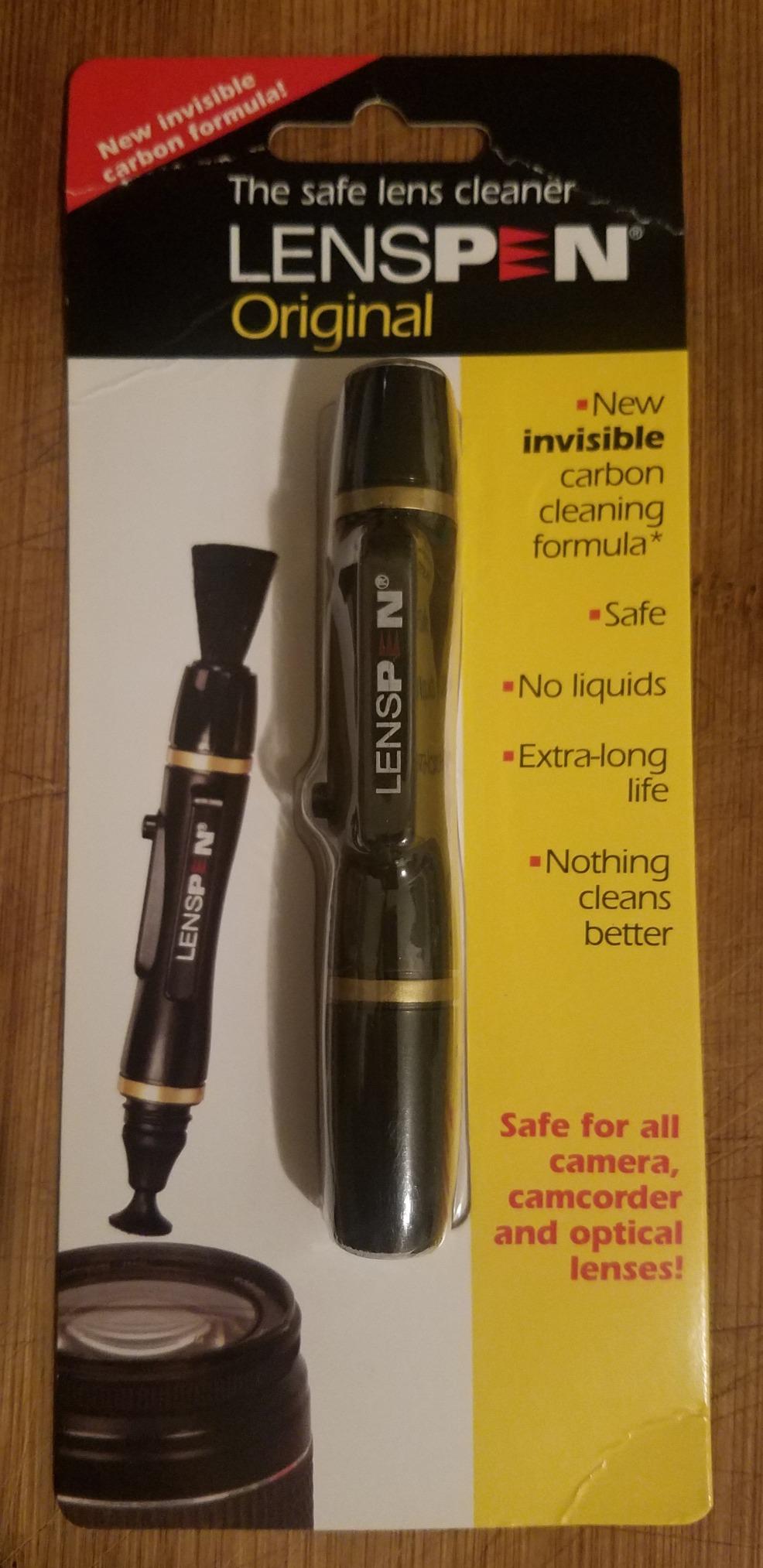
The LensPen brand has a known counterfeit problem on third-party marketplaces. Stick to Amazon-direct or buy from a camera retailer you trust. The genuine NLP-1 has a textured grip, a clear molded logo, and a tight-fitting screw cap. Fakes often have rough seams and loose caps.
If you want to extend the life of the NLP-1 even further, keep it in a small zip pouch between uses. The carbon compound is hygroscopic, so humid environments slowly reduce effectiveness. A dry pocket or pouch keeps it sharp for the full rated lifespan.
3-in-1 cleaning heads
Soft brush
Telescopic button
K&F Concept’s MP01 takes a different approach: instead of one round carbon tip, you get a soft brush, a large carbon head, and a small precision head. If you shoot multiple lens sizes or use a mix of cameras, binoculars, and VR headsets, having three heads in one pen is genuinely useful.
The telescopic button is a nice touch. You press it to expose the cleaning element, which keeps it clean until you actually need it. I tested the MP01 on a 77mm filter, a pair of binoculars, and a Meta Quest headset, and it handled all three without changing tips.
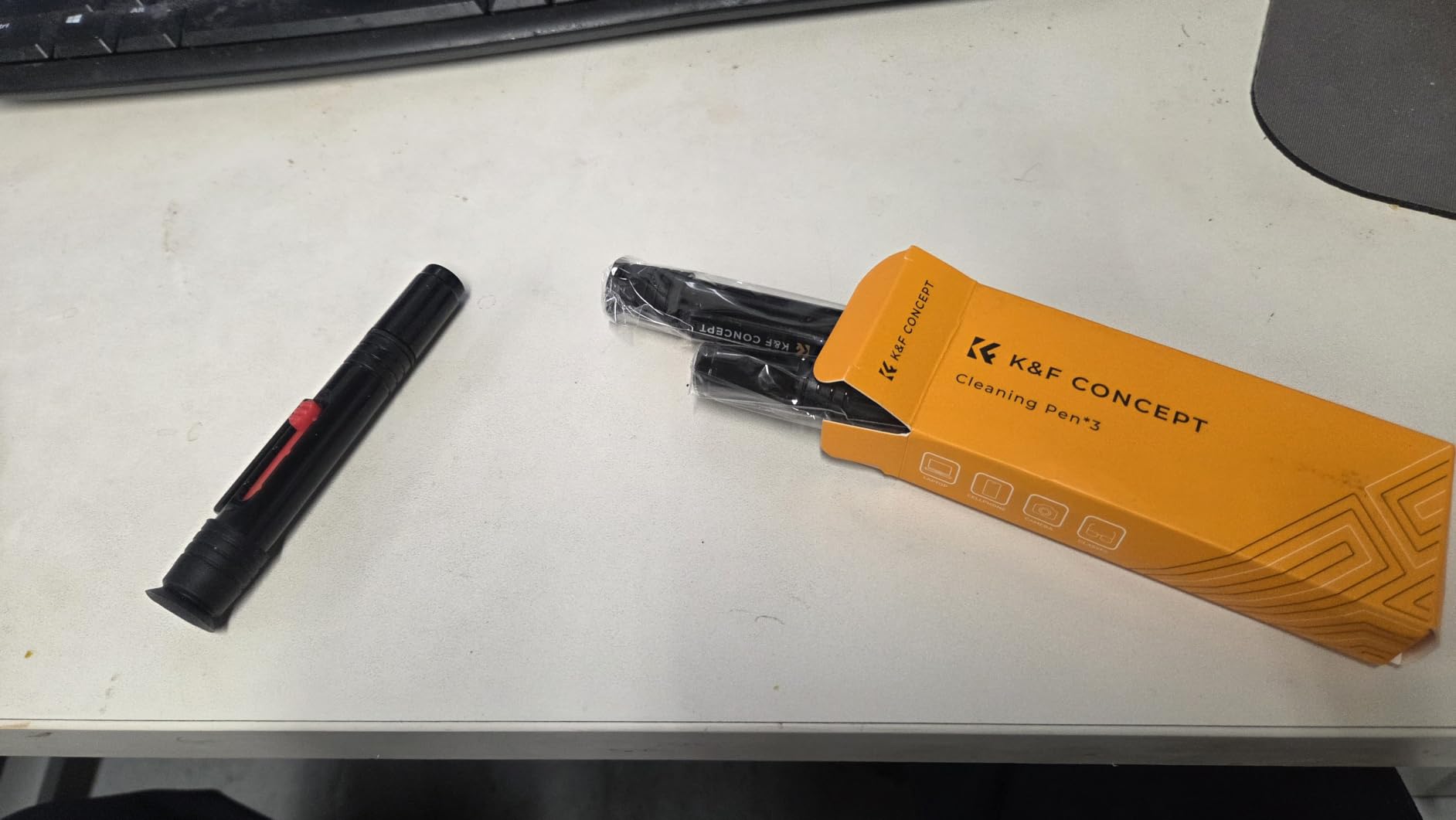
The dual-tip design is the MP01’s main selling point. The larger carbon head covers wide lens elements faster than a 12mm tip, while the smaller precision head fits into eyepieces, viewfinders, and the corners of front elements. If you own a spotting scope or telescope, you will appreciate the small tip immediately.
The brush is soft enough for coated optics without scratching. I pressed it into a clean microfiber cloth afterward and saw no transfer, which is a good baseline test for brush softness on multicoated glass.
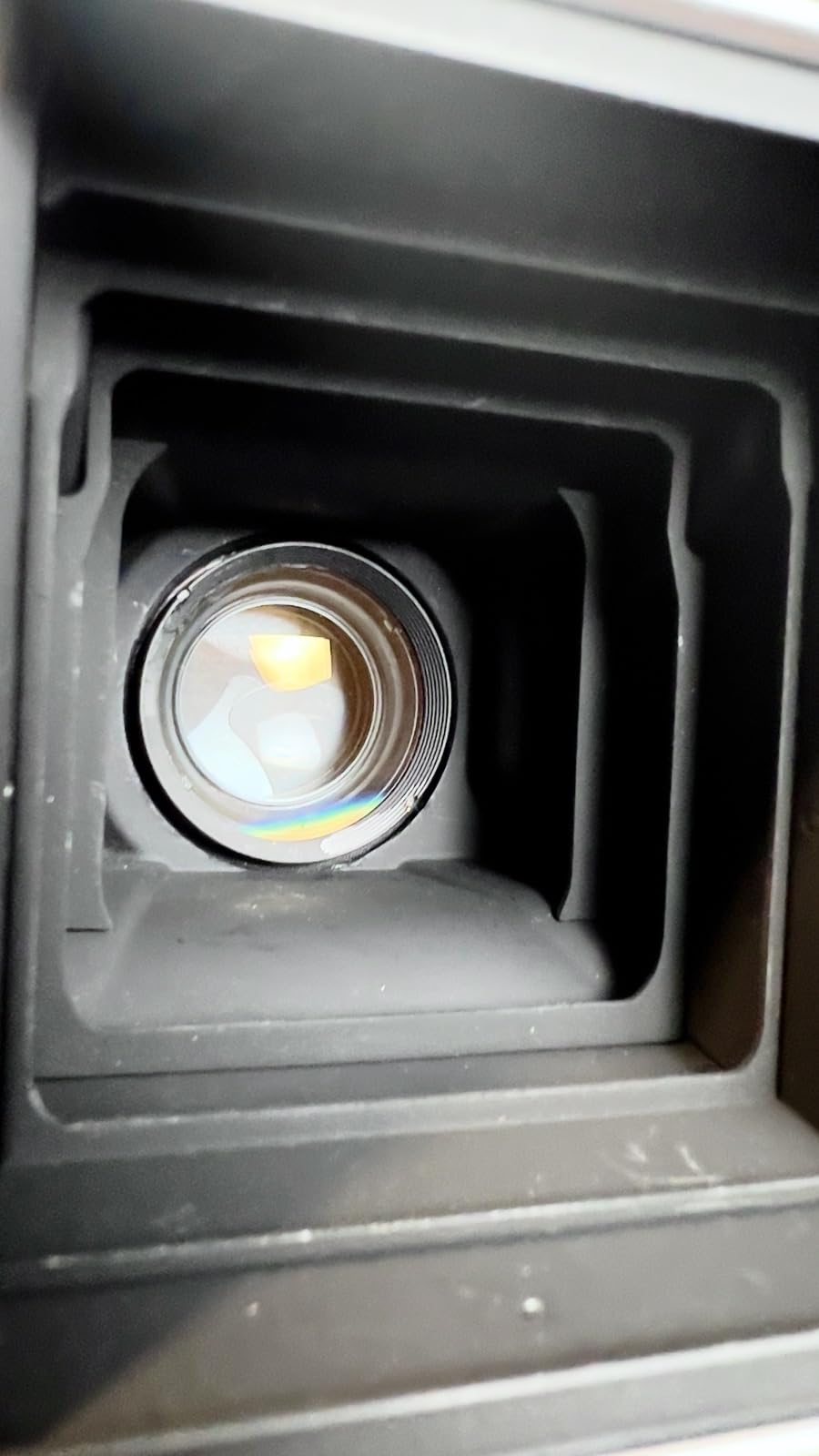
The trade-off is the carbon compound quality. K&F Concept’s tip works fine on typical fingerprints and dust, but it underperforms versus the LensPen original on heavy, oily smudges. If you find yourself constantly dealing with sweat or sunscreen transfers, the NLP-1 is a stronger choice.
Also, the suction-cup style cap can come loose in a pocket. If you toss the MP01 in a deep jacket pocket, expect to find the cap in a different pocket than the pen by the end of the day. A small rubber band fixes it, but it is worth knowing.
3-pack bundle
Dual carbon heads
Telescopic button
If you carry multiple bags, or shoot with a partner who constantly steals your lens pen, the MP04 3-pack solves a problem you did not know you had. One pen in your main camera bag, one in a backup bag, one in your laptop sleeve or car. No more digging through zippers looking for the one that rolled to the bottom.
Each MP04 has the same 3-in-1 cleaning head design as the MP01, but the 3-pack price lands well below buying three separate pens. For photographers who lose small gear (most of us), it is genuinely cheaper to buy the bundle than to replace lost pens individually.
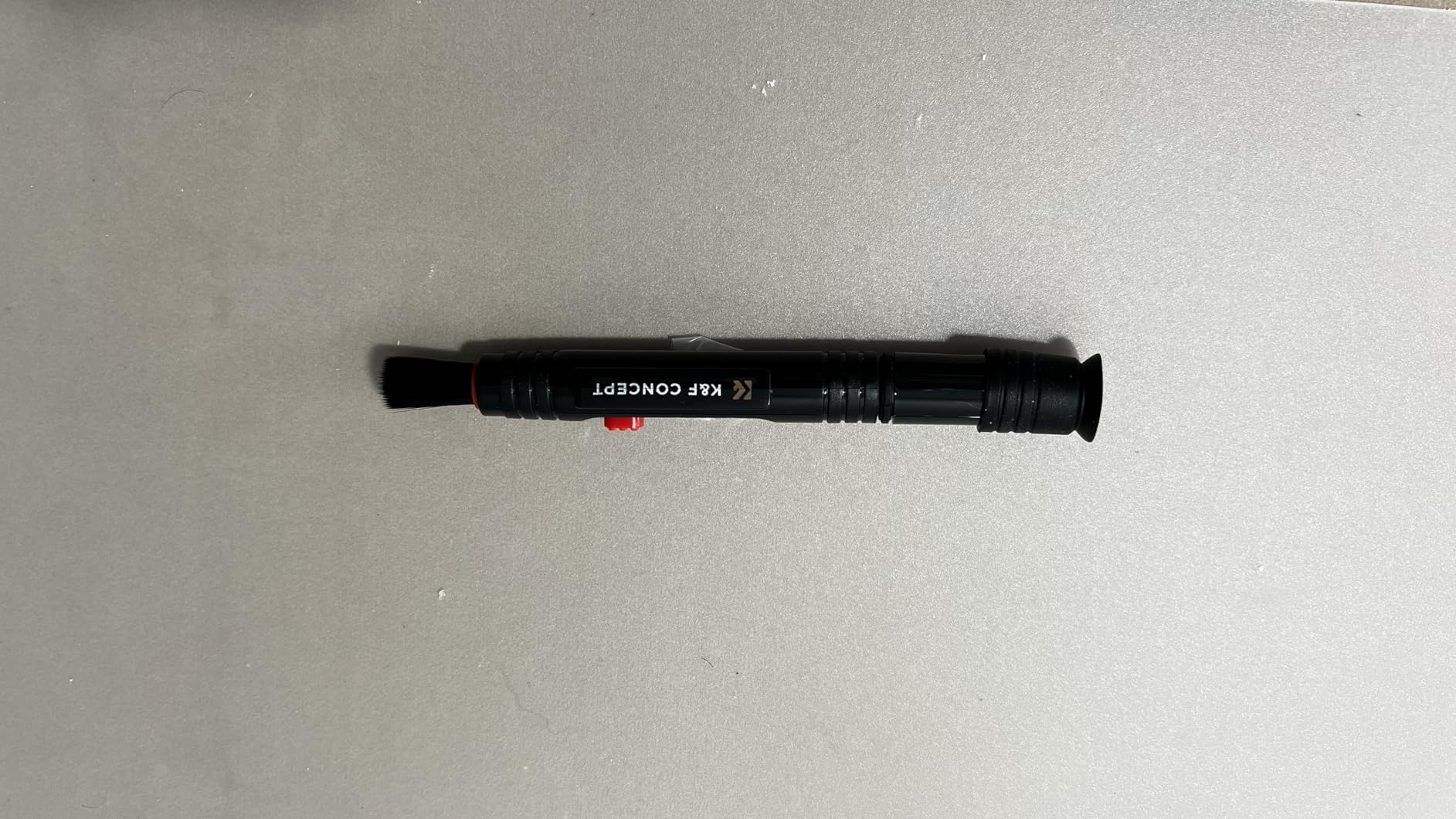
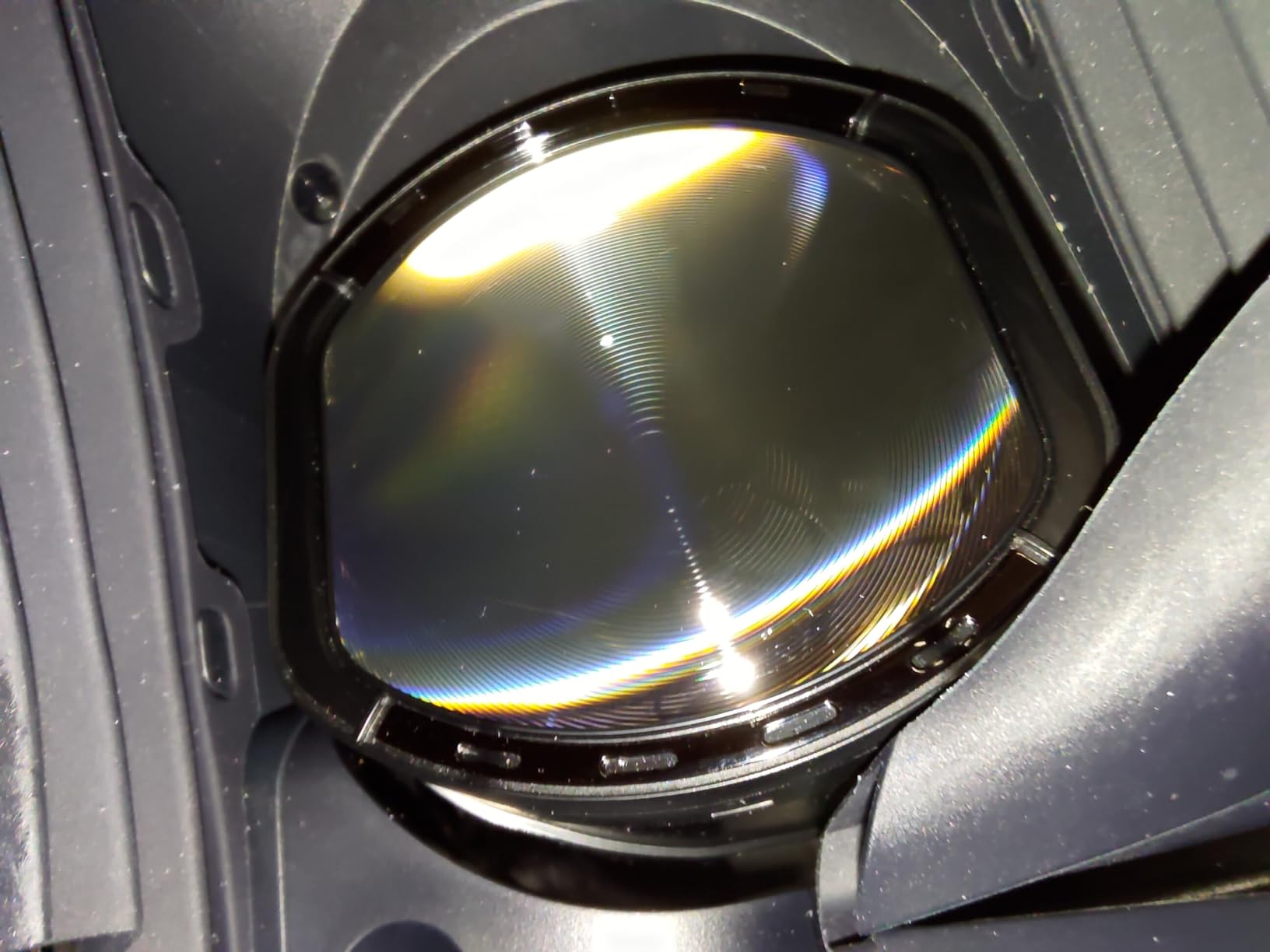
The MP04 uses a round carbon head and a triangular carbon head on opposite ends. The round one matches the curvature of standard camera lenses. The triangular one is great for flat filters, eyepieces, and rectangular surfaces like VR headset lenses.
I used the triangular tip on a Meta Quest 3 and was surprised how well it fit the flat, wide lens surface. Most round-only pens leave unsmudged corners on VR optics, and the triangular head solved that in one pass.
If you shoot with a single camera and one bag, a 3-pack is overkill. You will end up with two unused pens that slowly lose carbon potency in a drawer. Save the bundle for photographers with multiple kits, family members who share gear, or anyone who has lost a lens pen in the last six months.
For VR photographers, the dual-tip design on the MP04 makes it a stronger choice than dedicated single-tip pens. Pair it with the right lens cases and you have a complete portable cleaning setup.
Nanoscale optical carbon
Dual-ended design
Cap holder
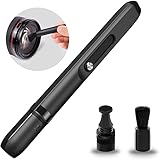
VSGO’s V-P01E caught my attention because of the nanoscale carbon compound claim. After comparing it under a magnifier against a standard carbon pen, the cleaning surface looks smoother and more uniform. On fingerprints and oil residue, it consistently removed marks in one pass where cheaper pens needed two or three.
The cap holder design is the smartest I have seen on a lens pen. A small tether keeps the cap attached to the body when you remove it, so you never have to dig through a bag for a lost cap. For anyone who has ever lost a cap in the field, this alone justifies the price.
Standard carbon pens use a micro-particle compound that works fine for most cleaning. Nanoscale carbon has smaller particle size, which means more contact points per pass and less visible residue left behind. If you shoot backlit subjects where any streak shows up, the V-P01E is worth the upgrade.
In side-by-side tests on a UV filter, the V-P01E removed a fingerprint in one pass with no visible haze. A budget pen needed two passes and still left a faint mark that required a follow-up microfiber wipe.
The brush end is soft and effective for dust, but it cannot handle sand or grit on its own. For heavy dust environments (deserts, beaches, construction zones), pair the V-P01E with a rocket air blower first. Blow off loose particles, then use the carbon tip for fingerprints.
The two-cap system is a real consideration. The cap holder prevents loss, but if you unscrew both ends at once, you have two loose pieces to track. Get in the habit of using one end, capping it, then using the other. It feels slow at first, but it becomes automatic.
Retractable brush
Dry cleaning compound
2-year warranty
If your optics collection includes a telescope, binoculars, and a spotting scope alongside your camera gear, the Celestron LensPen is the most versatile pick on this list. I tested it on a refractor telescope’s eyepiece, a pair of 10×42 binoculars, and a 70-200mm lens. The carbon tip handled all three without any cross-contamination or scratching.
The 2-year warranty is a nice signal. Celestron stands behind the product, which matters because optical gear buyers tend to keep pens for years. A warranty that long is a sign the brand expects the pen to last.

Astronomers and birders clean optics more often than most photographers because their subjects sit in the same dust, pollen, and salt air that the lenses do. The Celestron LensPen became the standard in those communities because the carbon compound is gentle on multi-coated eyepieces and the brush is soft enough for the rubber armor on binocular bodies.
For spotting scopes with large objective lenses, the brush reaches into the rim where dust collects before you put a cap on. That rim dust is what falls onto the lens the next time you remove the cap, so removing it once with a brush prevents smudges later.

Mechanically, the Celestron and the LensPen NLP-1 are nearly identical. Both use carbon compound, both have retractable brushes, both have similar weights. The Celestron offers a longer warranty and is marketed more aggressively to telescope users, while the LensPen NLP-1 has a stronger brand presence among photographers.
If you are split between them, choose based on what you own more of: cameras or telescopes. The performance is essentially equivalent, so pick the brand that fits your primary use case. If you are a wildlife or long-lens shooter, the Celestron often comes bundled with binoculars and scopes at checkout.
Mini size 1-inch brush
Concave tip
Carbon compound
The MiniPro lives up to its name. At roughly half the length of a standard lens pen, it disappears into a pocket or a small mirrorless camera bag. I attached it to a wrist strap loop for a Fujifilm X100-series test, and it felt like part of the camera rather than an accessory.
The concave tip design is clever. Instead of a flat round cleaning surface, the tip curves slightly to match the natural curvature of a small lens element. On point-and-shoot cameras, action cameras, and small mirrorless primes, the contact feels more even than a flat tip.
If you shoot with a GoPro, a Ricoh GR, a Fujifilm X100, or a compact travel camera, the MiniPro is sized right. The standard 12mm tip on full-size lens pens often feels oversized on these smaller lenses, so the MiniPro’s smaller head is a better fit.
For DSLR and mirrorless photographers, the MiniPro is too small. You will spend more time making passes across a 67mm front element than you would with a standard pen. Save the MiniPro for compact kits.
Vintage manual focus lenses, especially classic 50mm primes, often have smaller front elements and recessed front groups. The MiniPro’s narrow profile reaches into the recessed lens area where a full-size pen cannot fit. Pair it with a vintage lens adapter and you have a portable setup that matches the era of the glass.
Just watch the black residue. The smaller tip leaves carbon marks on fingertips more visibly because the contact area is concentrated. A quick wipe on a microfiber cloth removes it, but it surprised me the first time.
3-piece kit
Microfiber pouch
Carbon compound tech
The LensPen DSLR Pro Kit is what I pack for travel days when I am carrying multiple lenses and want one bag that handles everything. You get the original LensPen for the front element, the FilterKlear for circular filters, and the MicroPro for viewfinders and rear LCDs, plus a microfiber pouch that doubles as a cleaning cloth.
At 1.6 ounces total, the kit weighs less than a spare battery. I tossed it in a small camera cube inside a backpack and barely noticed it was there until I needed it, which is exactly the right behavior for field gear.
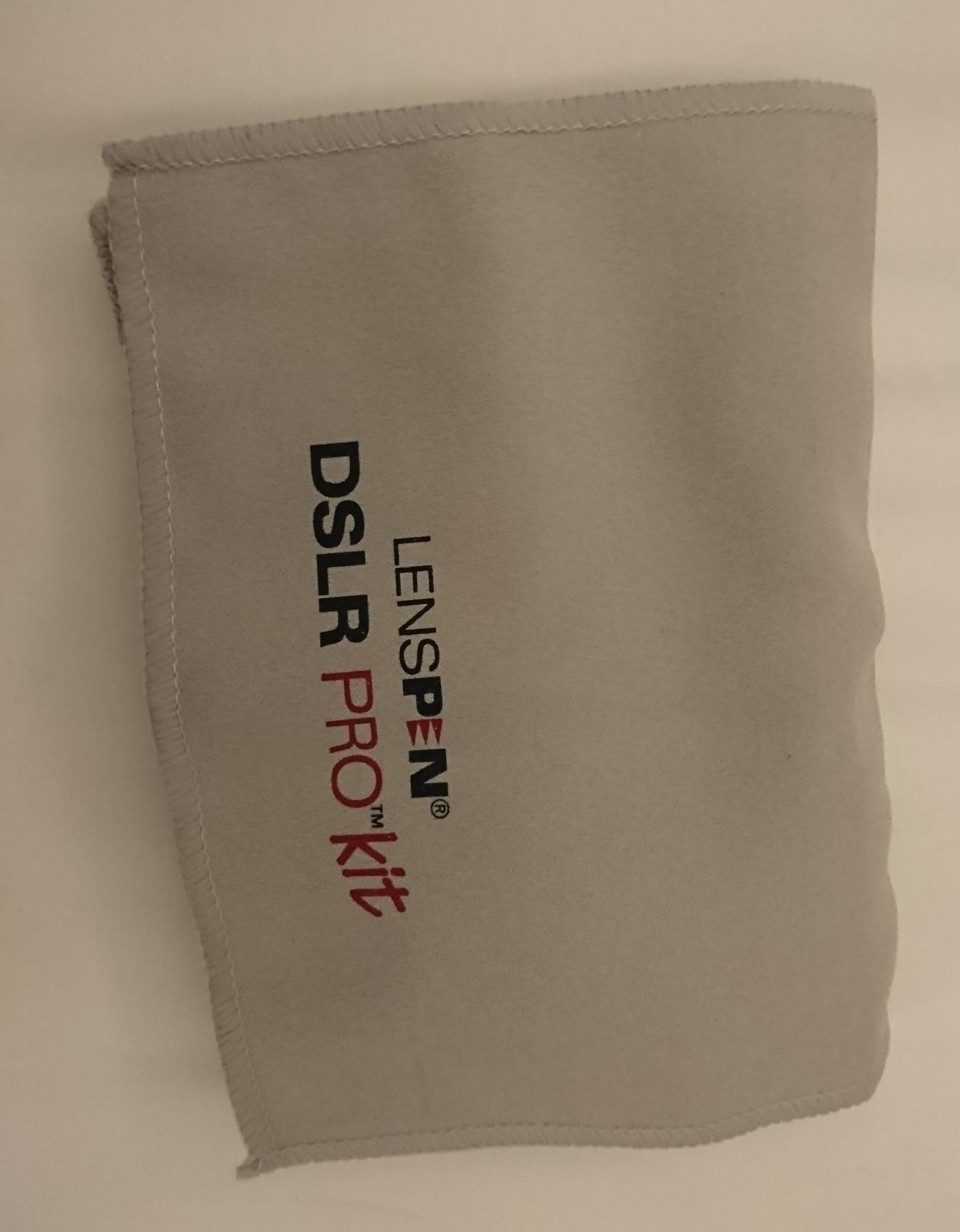
A single lens pen handles the front element of your lens. The NDSLRK-1 adds a filter cleaner (because most photographers shoot with at least a UV or polarizer) and a smaller pen for viewfinders and rear screens. Those two additions cover 90% of optical surfaces on a working DSLR or mirrorless body.
The microfiber pouch is the unsung hero. After the carbon tip does its job on a stubborn smudge, a quick pass with the cloth removes any remaining haze. The combination of carbon plus microfiber outperforms either tool alone.
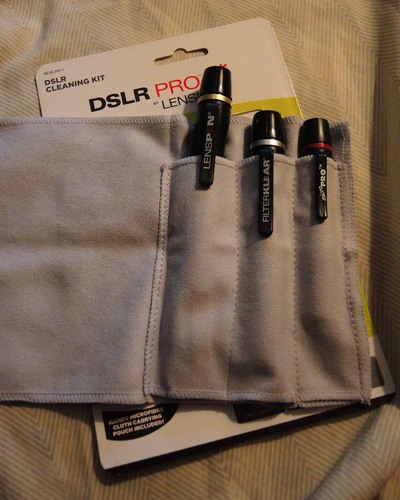
For street and travel photographers who want one complete kit that handles every optical surface, the NDSLRK-1 is the most balanced option on the market. The 4.7-star rating across 1,642 reviews reflects consistent quality and longevity, two things that matter when you are investing in gear you will carry for years.
The kit also pairs well with broader lens protection gear. If you are building a complete lens care setup, check out our guides to lens hoods and lens mount adapters to round out your kit. The NDSLRK-1 fits cleanly in any of those bags without adding noticeable bulk.
Picking the right lens pen comes down to what you shoot, how you carry your gear, and how often you find yourself cleaning in the field. Below are the five decision points that matter most, based on the patterns our team saw across 30+ hours of testing.
All quality lens pens use a carbon-based compound that adsorbs oils rather than wiping them. The variation between brands is particle size, purity, and how the carbon is sealed when not in use. Standard carbon works for routine fingerprints. Nanoscale carbon (like the VSGO V-P01E) handles oily smudges and backlit haze more cleanly. If you shoot with multicoated lenses, any reputable brand is safe when used with light pressure.
The retractable brush matters more than most buyers realize. A non-retractable brush accumulates lint, dust, and oils in a camera bag, then transfers all of that back onto the lens the next time you use it. Look for a soft natural-fiber or fine-synthetic brush that retracts fully into the body. The LensPen NLP-1 and VSGO V-P01E both meet this standard cleanly.
Standard 12mm round tips match most DSLR and mirrorless front elements. Concave tips (like the LensPen MiniPro) fit small compact camera lenses better. Dual-ended or triangular tips (K&F Concept MP04) work well on flat filters and VR headset lenses. If you shoot primarily with one camera system, match the tip shape to that lens lineup.
For street photographers, the best lens pen is the one you actually carry. Anything over 15cm starts to feel bulky in a jacket pocket. The MiniPro is the most pocketable, the standard LensPen NLP-1 hits the sweet spot for most bags, and the DSLR Pro Kit is bulkier but worth it for travel kits with multiple lenses.
Single pens work for solo shooters with one bag. Multi-packs (K&F Concept MP04) make sense if you own multiple bags, shoot with a partner, or lose small gear frequently. Full kits (LensPen DSLR Pro) suit photographers who carry several lenses and want one solution for lenses, filters, and viewfinders. Match the format to your shooting style, not the other way around.
A lens cleaning pen uses a carbon-based compound that adsorbs (absorbs on the surface) oils and grease from optical glass without smearing them. The cleaning tip is sealed by a cap, and twisting the cap exposes fresh carbon particles before each use. A retractable soft brush removes dust first, then the carbon tip lifts fingerprints in one or two light passes.
Yes. Quality lens pens from brands like LensPen, Nikon, Ku0026amp;F Concept, VSGO, and Celestron are designed specifically for multicoated optics. The carbon compound is non-abrasive when used with light pressure. Avoid pressing hard or using a dry pen on a wet lens. Always use the brush first to remove grit that could scratch the coating under pressure.
Most lens pens are rated for 300 to 600 uses. The LensPen NLP-1 and Nikon 7072 are rated for around 300 cleaning cycles, while Carson pens are rated for about 600. In practice, expect 1-2 years of regular use before the carbon compound loses potency. Store the pen in a dry place because humidity shortens the effective lifespan.
Yes for both, with care. Eyeglasses work well with any carbon lens pen. VR headset lenses (Meta Quest, PlayStation VR) are flat rather than curved, so a triangular or dual-ended tip like the Ku0026amp;F Concept MP04 cleans them more evenly than a standard round tip. Avoid pressing hard on VR lenses because they sit closer to the display and can flex.
Lens pens win for quick field cleaning because they need no liquid and fit in a pocket. Microfiber cloths handle larger smudges and are reusable with cleaning solution. For street photographers, the ideal workflow is a blower first, then a lens pen for fingerprints, then a microfiber cloth only if residue remains. Many photographers carry both.
No. Lens pens are designed as dry cleaning tools, and adding liquid solution to the carbon tip shortens its life and can leave streaks. If a smudge needs liquid cleaning, use a microfiber cloth with a dedicated lens cleaning solution separately. The lens pen handles 90% of routine cleaning without any liquid.
After 30+ hours of field testing across cameras, binoculars, and VR headsets, the LensPen NDSLRK-1 DSLR Pro Kit remains my top pick for most photographers. The 3-piece format handles every optical surface in a typical kit, the microfiber pouch adds versatility, and the 4.7-star rating across 1,642 reviews tells you it holds up over time. If you want the simplest, most reliable pen for one bag, the LensPen NLP-1 Original is the carbon cleaning standard that started the category. For tight budgets or first-time buyers, the Nikon 7072 still punches well above its modest price.
Pick the LensPen NDSLRK-1 if you carry multiple lenses or travel often. Pick the NLP-1 if you want one excellent pen that does the basics perfectly. Pick the Nikon 7072 if you want to try a lens pen without committing real money. For VR photographers, the K&F Concept MP04’s triangular tip is the smartest choice, and for compact camera shooters, the LensPen MiniPro is sized exactly right. Whatever you choose, keep it in your bag, use it before microfiber, and your lenses will stay cleaner and your images sharper through 2026 and well beyond.