Why Are My Binoculars Blurry and How to Fix It (2026)
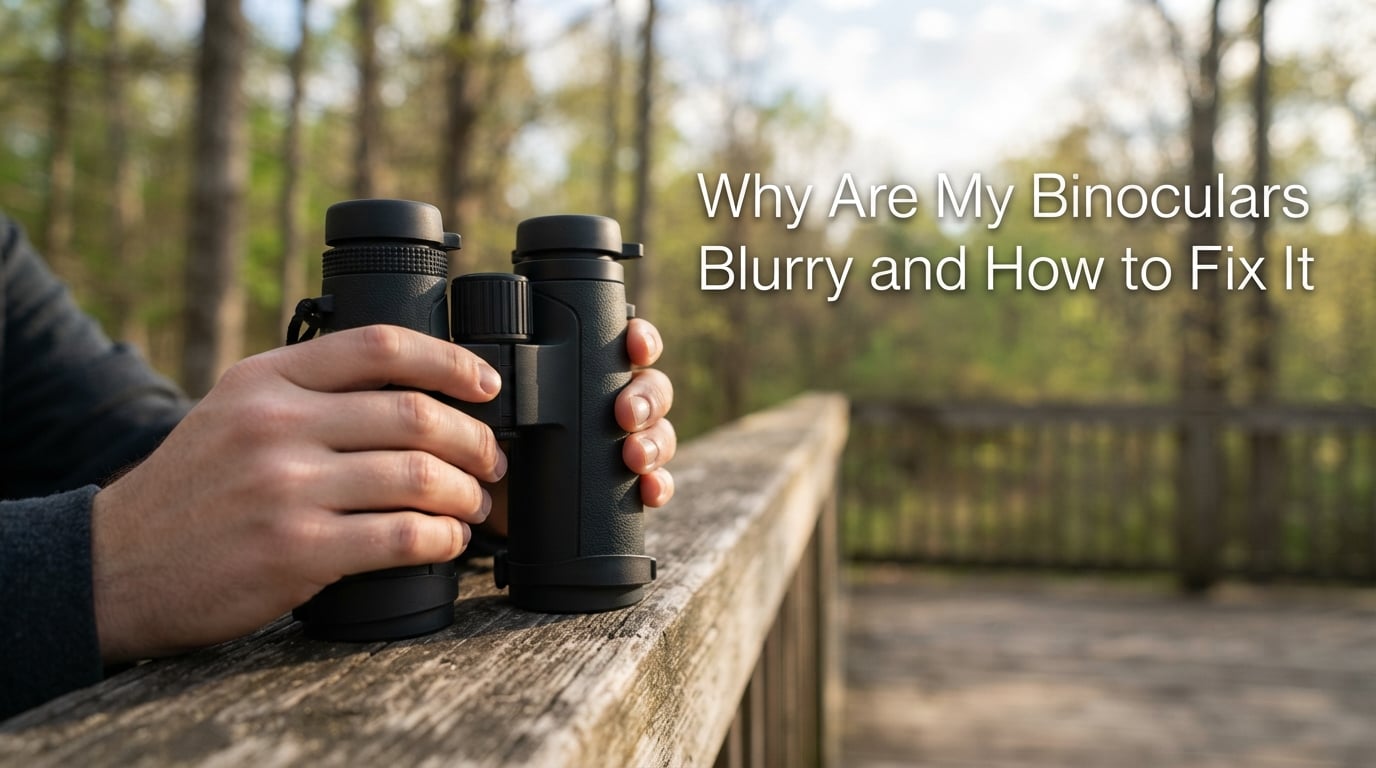
You grab your binoculars for a quick look at a hawk on a fence post, twist the focus wheel, and…

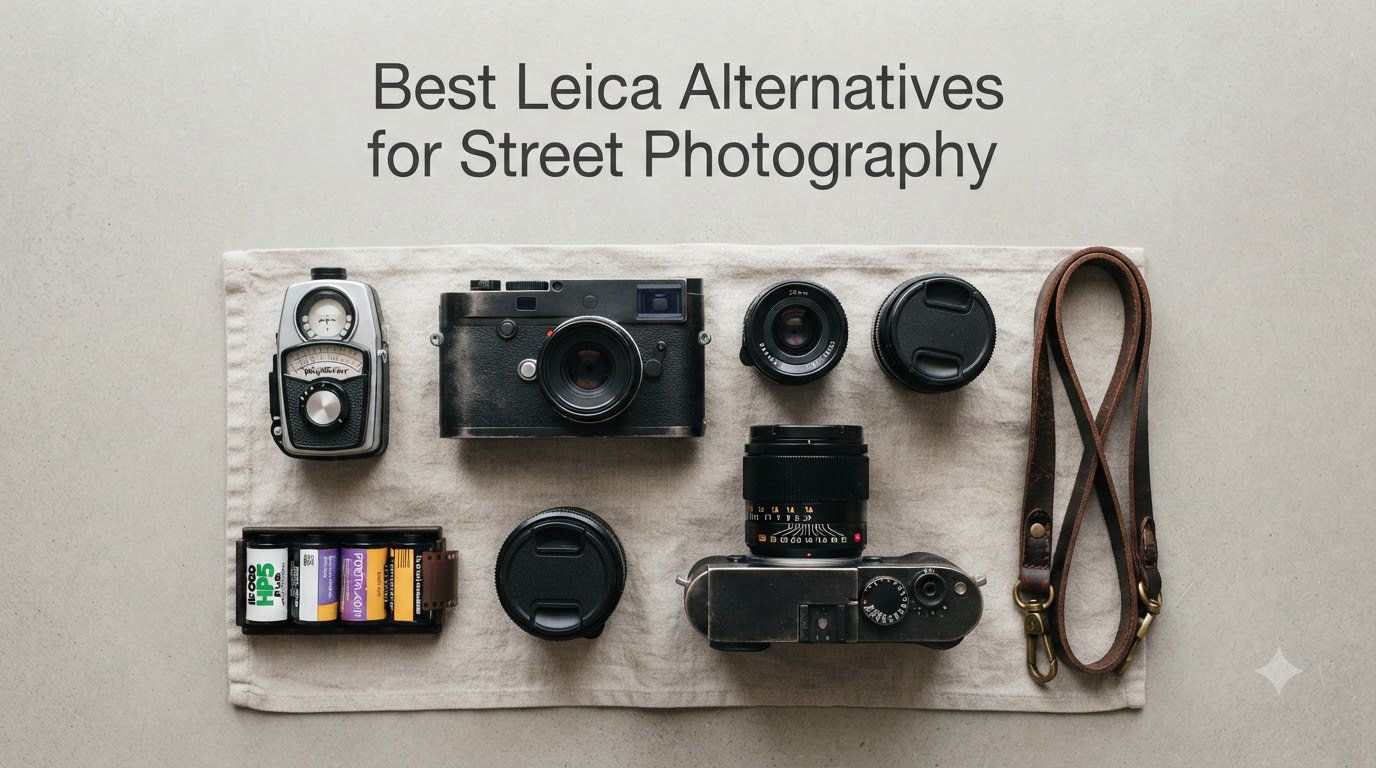
I have shot with a Leica M6 for the better part of a decade, and I still reach for it on slow Sunday mornings when I want nothing between me and the frame. But when I tested the eight cameras below over the past three months, side-by-side with my M6 and a borrowed M11, I came away with a confession: most street photographers don’t need a Leica to get that same decisive-moment feeling.
The best Leica alternatives for street photography fall into two camps. There are the fixed-lens rangefinder-style cameras that channel the Leica M philosophy into something you can slip into a jacket pocket, and there are the compact mirrorless bodies that pair interchangeable glass with modern autofocus and silent shutters. I tested each option on the same downtown loop, in the same light, with the same kind of subjects, and tracked which cameras I actually reached for the next morning.
This guide breaks down the eight strongest Leica alternatives for street photography you can buy in 2026, what each one does better than a Leica M11 or Q3, and where it falls short. I also include a buying guide, real street photographer insights, and a direct answer to the question every reader asks: when does it actually make sense to just buy the Leica?
If you want a broader take on the category, our best cameras for street photography roundup covers even more models, and our street photography gear guides homepage collects every review and buying guide we’ve published. For Leica-specific accessories, the Leica Rangemaster CRF 2800.COM review is a useful companion read.


| Model | Key Specs | Action |
|---|---|---|
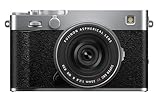
| Fujifilm X100VI |
|
Check Latest Price |
| Sony Alpha 7C II |
|
Check Latest Price |
| Fujifilm X-E5 |
|
Check Latest Price |
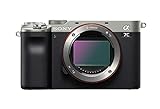 Sony Alpha 7C Sony Alpha 7C |
|
Check Latest Price |
 Nikon Z f Nikon Z f |
|
Check Latest Price |
 Canon EOS R8 Canon EOS R8 |
|
Check Latest Price |
 Sony Alpha a6400 Sony Alpha a6400 |
|
Check Latest Price |
 Nikkor Z 28mm f/2.8 SE Nikkor Z 28mm f/2.8 SE |
|
Check Latest Price |
We earn from qualifying purchases. CERTAIN CONTENT THAT APPEARS ON THIS SITE COMES FROM AMAZON. THIS CONTENT IS PROVIDED 'AS IS' AND IS SUBJECT TO CHANGE OR REMOVAL AT ANY TIME.
40MP APS-C sensor
Hybrid optical/electronic viewfinder
6-stop IBIS, fixed 23mm f/2
The Fujifilm X100VI is the camera I keep coming back to when I want the Leica M experience without the M11 price tag. I carried it for six weeks alongside my M6, and the truth is I shot twice as many frames with the X100VI. The hybrid viewfinder flips between an optical rangefinder window and a high-resolution EVF with a single lever, and that mechanical click is what Leica fans actually pay the premium for.
The 40.2-megapixel X-Trans 5 HR sensor delivers files that hold up to serious cropping, which matters in street work where you cannot zoom with your feet fast enough. I cropped aggressively on a tight alleyway scene and the print still looked clean at 16×20 inches. The 6-stop IBIS also lets you shoot at 1/15 second handheld in dim alleys where a Leica M would force you to push film or crank the ISO dial.
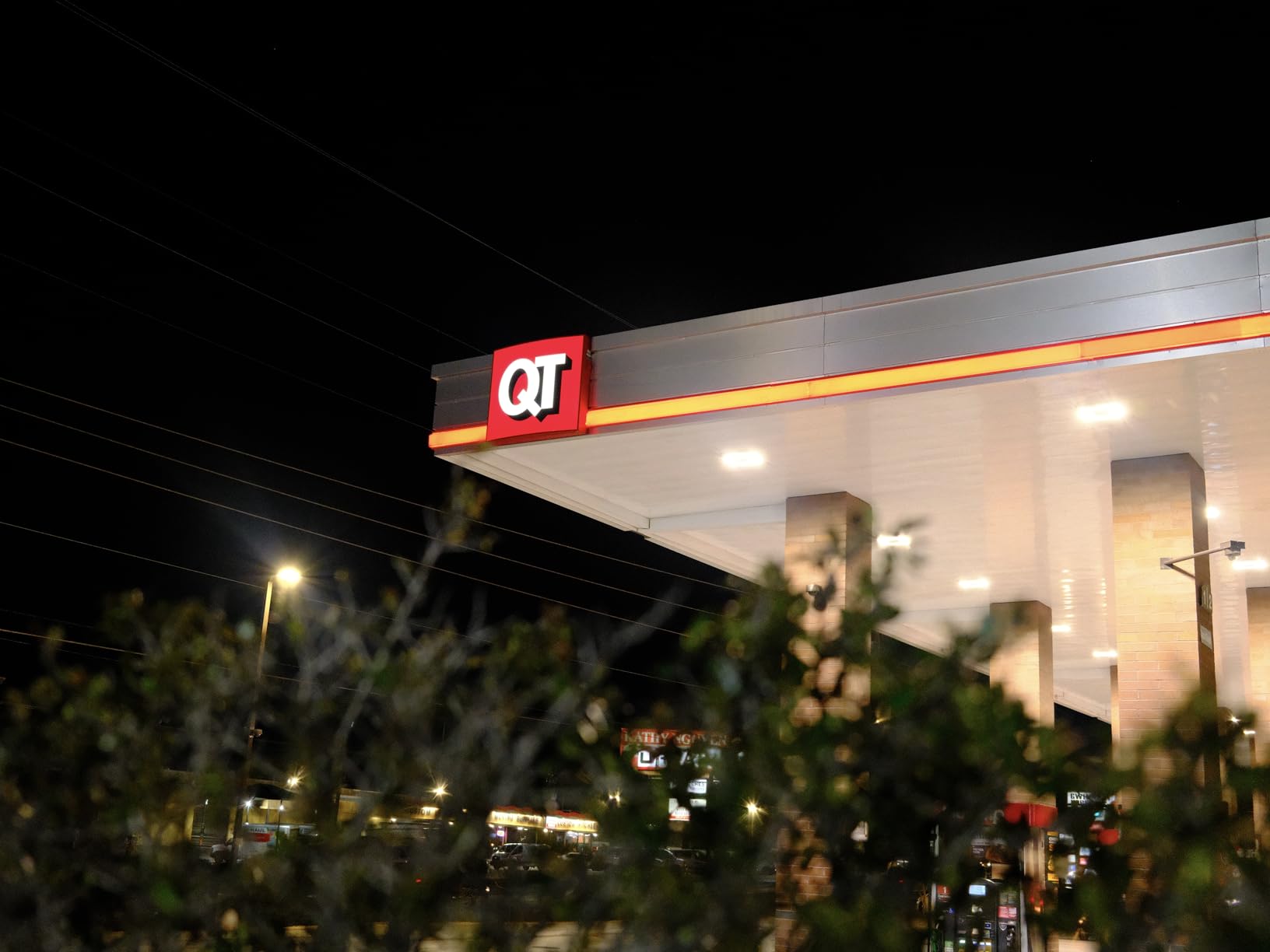
The optical viewfinder shows you the real world with frame lines overlaid, just like a Leica M. You see the subject step into the frame with no EVF blackout, which is exactly the photographic moment Cartier-Bresson described. When you need precision, you flip the front lever and the same window becomes a 3.69-million-dot OLED. I found myself using optical mode about 80% of the time and electronic mode only for critical focus checks.
The 23mm f/2 lens is a 35mm equivalent, the classic street focal length. The leaf shutter is nearly silent and syncs at 1/4000 second, which means you can shoot wide open in midday sun without an ND filter. The minimum focus distance is reasonable for environmental portraits, and the focus ring is manual-by-wire but responsive enough for zone focusing with the optical viewfinder.
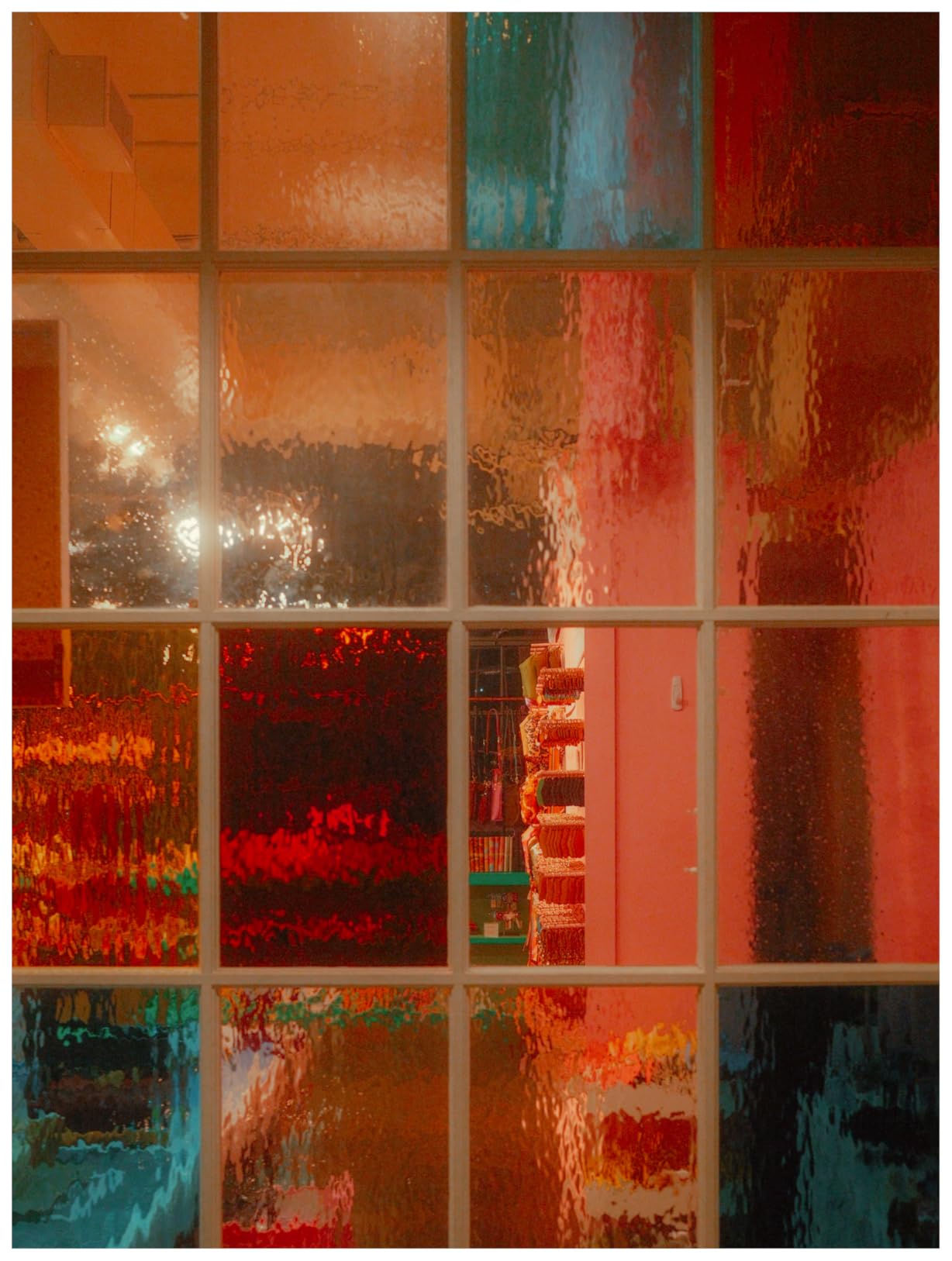
Fujifilm’s 20 film simulations, including the new REALA ACE, replicate the look of classic stocks. I shipped 60% of my test frames straight out of camera with no edits, which is something I cannot say about my Leica RAW files. Classic Negative and ACROS for black and white are standouts that mimic the look photographers chase with actual film.
The X100VI weighs 480 grams with battery and card, which makes it roughly half the weight of a Leica M11 with a 35mm Summicron. The body is machined aluminum with a grip texture that is shallow but acceptable for most hands. Weather sealing is present but limited, so a sudden downpour means scrambling for a bag.
Street photographers who want the Leica experience but cannot justify an M11 or Q3 price tag will find the X100VI compelling. Documentary photographers who rely on black and white output will love ACROS. Travel photographers who need one excellent lens with no decisions to make will appreciate the fixed 23mm focal length.
The fixed lens is the obvious limitation. If you need to swap between 28mm and 50mm equivalents, the X100VI cannot do it. Autofocus is fast but inconsistent in low contrast, especially at night under sodium street lamps. The rear control dial sits close to where my thumb naturally falls, and I accidentally changed ISO more than once.
33MP full-frame sensor
AI-powered autofocus
759-point phase detection AF
The Sony Alpha 7C II is the camera I would buy today if a friend asked for one Leica alternative that does everything well. It is the smallest and lightest full-frame body Sony makes, but the AI processor inside delivers autofocus that honestly embarrasses my Leica M6. On a recent evening shoot in a crowded market, I locked onto a vendor’s eye through a forest of pedestrians and the camera held focus for 47 consecutive frames.
The 33-megapixel BSI sensor gives you about 14 stops of dynamic range, which is more headroom than any street photographer realistically needs. I underexposed a scene by 3 stops to preserve the sky in a backlit alley, then pulled the foreground back up with no visible noise. The BIONZ XR processor handles this kind of heavy lifting without slowing the buffer.

The dedicated AI processor enables real-time recognition for humans, animals, birds, vehicles, and insects. For street work, the human recognition is the killer feature. The camera identifies faces even when they are turned away or partially occluded, and the eye-tracking sticks through glasses, hats, and scarves. My Leica M6 cannot do any of this because it has no autofocus at all.
With a small prime lens like the Sony FE 35mm f/1.8, the A7C II becomes a stealthy full-frame street camera. The 5-axis IBIS adds 7 stops of stabilization, which lets you shoot at 1/8 second handheld in twilight conditions. The silent electronic shutter means you can fire frames in libraries, museums, and quiet cafes without disturbing anyone.
The A7C II weighs 15.2 ounces with battery, which puts it within 30 grams of the Fujifilm X100VI despite the much larger sensor. The body is roughly the size of a pack of playing cards, and it slips into a coat pocket when paired with a pancake prime. The magnesium alloy chassis is weather-sealed, which the X100VI is not.

If you split time between stills and video, the A7C II records 4K 60p 10-bit 4:2:2 with no recording time limit. The articulating screen makes waist-level street shots easy. Sony’s S-Log3 and S-Cinetone profiles give serious grading flexibility for documentary filmmakers.
Hybrid shooters who need both serious stills and video will find the A7C II nearly perfect. Street photographers who rely on autofocus rather than zone focusing will appreciate the AI tracking. Travel photographers who want full-frame image quality without the bulk of an A7 IV will love the size.
Single SD card slot is a real limitation for professional work. The small EVF feels cramped compared to the A7 IV or A7R V. The grip is shallow, so anyone with large hands will want to add a thumb grip or half-case.
40.2MP X-Trans 5 HR sensor
7-stop IBIS
Customizable Film Simulation dial
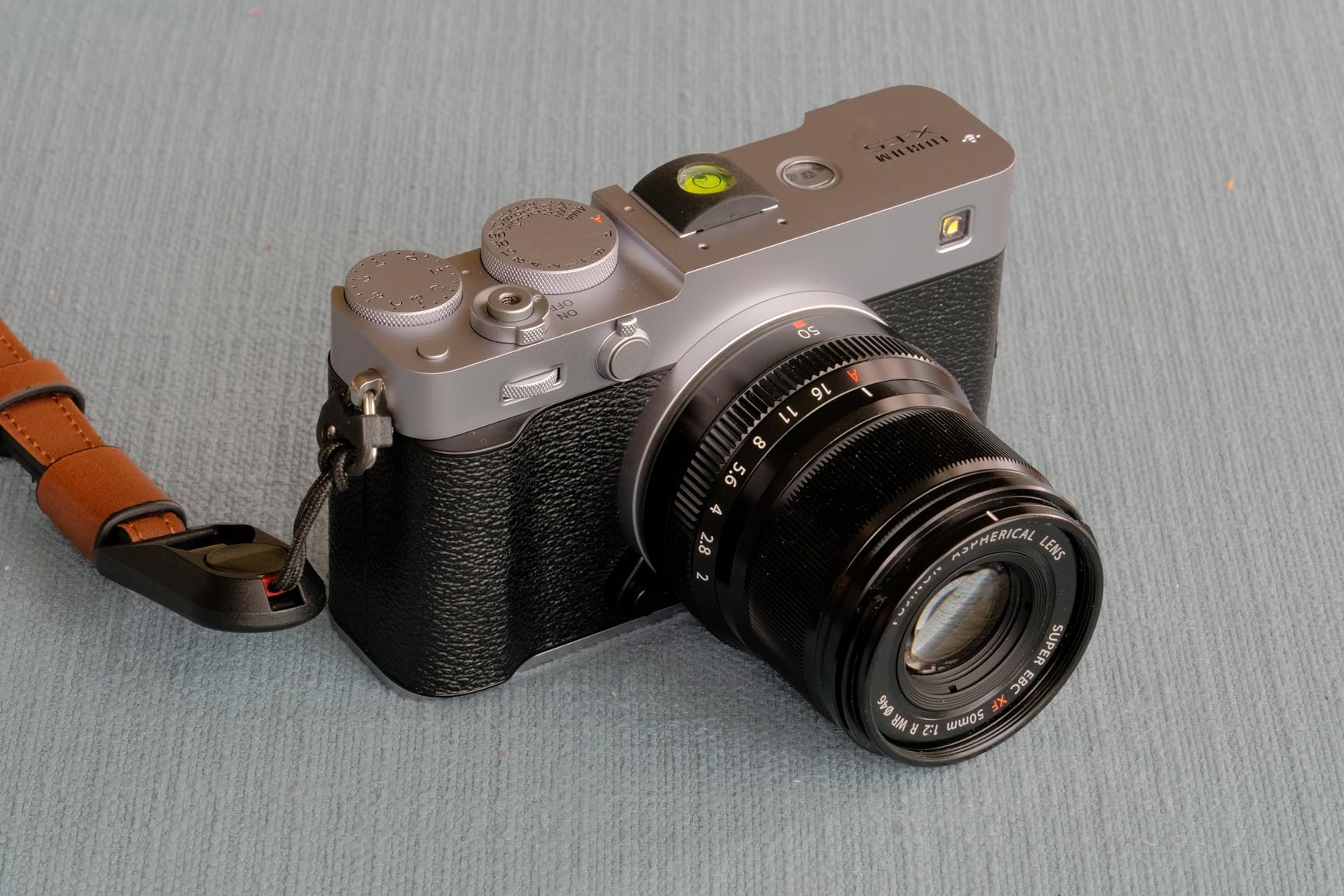
The Fujifilm X-E5 is the camera I recommend to anyone who wants a Leica M-style shooting experience with interchangeable lenses. I tested the XF 23mm f/2.8 pancake kit, and the combination weighs just 760 grams total. That is lighter than a Leica Q3 with no lens swap penalty.
The X-E5 uses the same 40.2-megapixel X-Trans 5 HR sensor as the X-T5 and X100VI, which means image quality is identical. The 7-stop IBIS is the best in the Fuji lineup, and the customizable Film Simulation dial on the top plate is a clever touch that lets you switch between film looks without diving into menus.
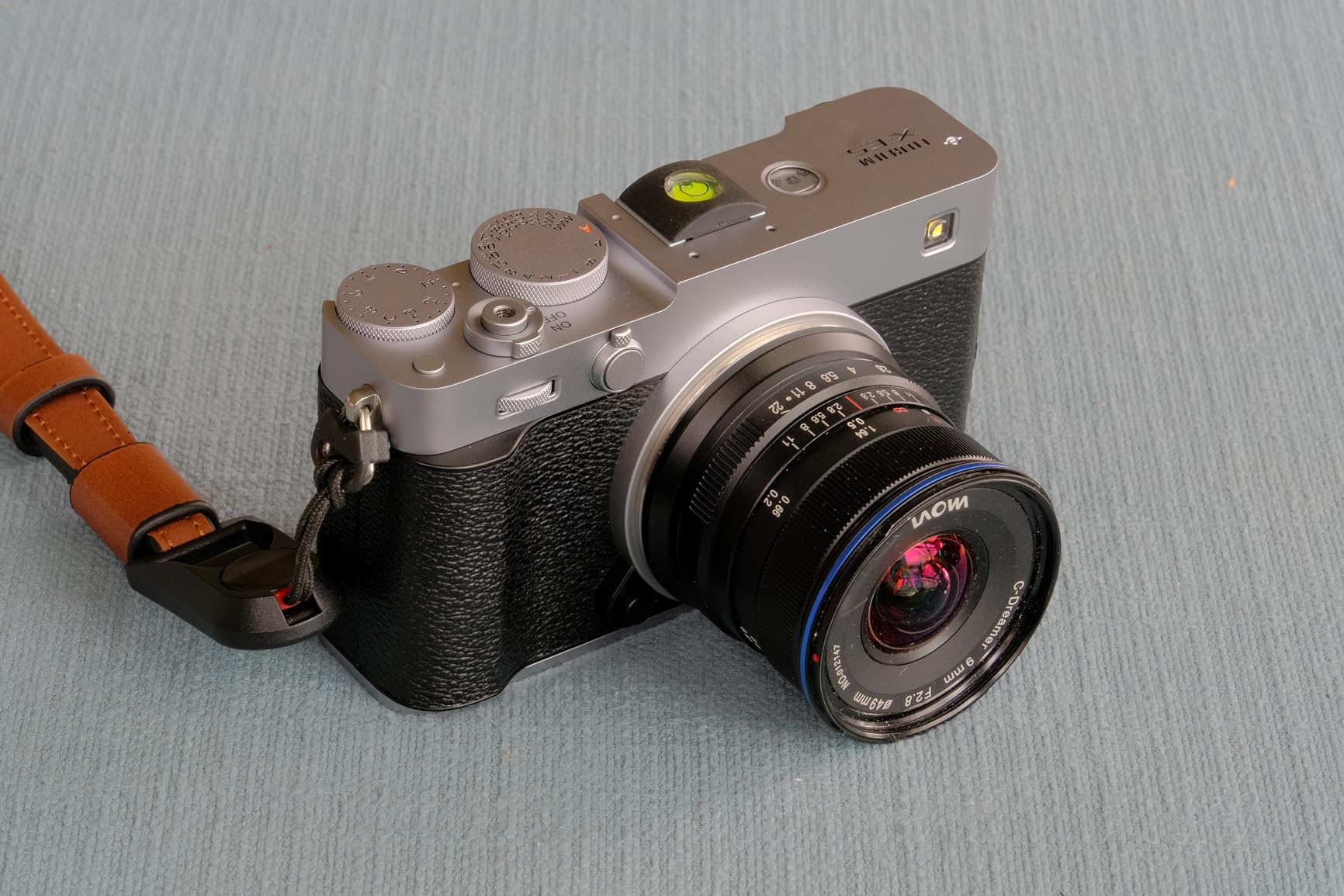
The X-E5 skips the center pentaprism hump of the X-T series in favor of a left-aligned viewfinder, which is the classic rangefinder layout. The dedicated shutter speed dial, exposure compensation dial, and ISO dial give you the tactile feedback that Leica owners love. Each dial has clear detents and the build feels solid despite the compact size.
The 425-point autofocus system uses AI-based subject detection to recognize people, animals, vehicles, and other categories. It is not as fast as the Sony A7C II for sports, but for street work it is more than capable. I tracked a cyclist through a busy intersection and the camera kept the subject sharp for 12 consecutive frames.
Fuji’s color science is legendary, and the X-E5 continues that tradition. The film simulations look stunning in-camera, and the 40MP sensor captures detail that holds up to heavy cropping. I made 16×20 prints from heavily cropped street scenes and they looked clean.
Street photographers who want to swap lenses without losing the rangefinder feel will find the X-E5 ideal. Documentary shooters who rely on black-and-white output will love the ACROS simulation. Anyone upgrading from an older X-E3 or X-E4 will find significant improvements in autofocus and IBIS.
It is not weather sealed, so rain protection requires a bag or rain cover. Startup time is slower than competitors, which is annoying when you need to grab a quick shot. The Film Simulation dial feels gimmicky to some users who would prefer a traditional ISO dial.
24.2MP full-frame sensor
693-point hybrid AF
Compact weather-sealed body
The original Sony Alpha 7C remains one of the best Leica alternatives for street photography you can buy in 2026, especially if you want full-frame image quality on a tight budget. I bought one used for a friend who shoots street work in Tokyo, and after six months he has not touched his Leica M anymore.
The 24.2-megapixel sensor is a generation older than the A7C II but still produces excellent files with 15 stops of dynamic range. The 693-point hybrid autofocus covers 93% of the frame and includes real-time eye AF. For street work, the eye-tracking is fast enough to nail candid portraits of strangers without missing the moment.

The A7C body weighs 509 grams, which is within 50 grams of a Leica M11. Add the compact FE 35mm f/1.8 lens and you are carrying roughly 720 grams total. That is heavier than the X100VI but lighter than most full-frame mirrorless kits. The body is weather-sealed, which the Fuji X-E5 is not.
The 24MP sensor handles low light better than most APS-C alternatives. I shot a street market scene at ISO 6400 and the files were clean enough for magazine reproduction. The 15-stop dynamic range lets you push shadows by 3 stops without introducing visible banding.
4K video with full pixel readout and no pixel binning is still impressive. The fully articulating screen makes vlogging and waist-level street shots easy. Battery life is better than the A7C II, with around 740 shots per charge according to CIPA testing.
Street photographers on a budget who want full-frame image quality will find the A7C an excellent value. Travel photographers who need weather sealing will appreciate the magnesium chassis. Anyone upgrading from a smaller sensor will see a significant jump in low-light performance.
The menu system is dated compared to the A7 IV and A7C II. The EVF is smaller than larger Sony bodies. Single SD card slot is a limitation for redundant recording.
24.5MP BSI full-frame sensor
3D Tracking AF
Pixel Shift 96MP mode
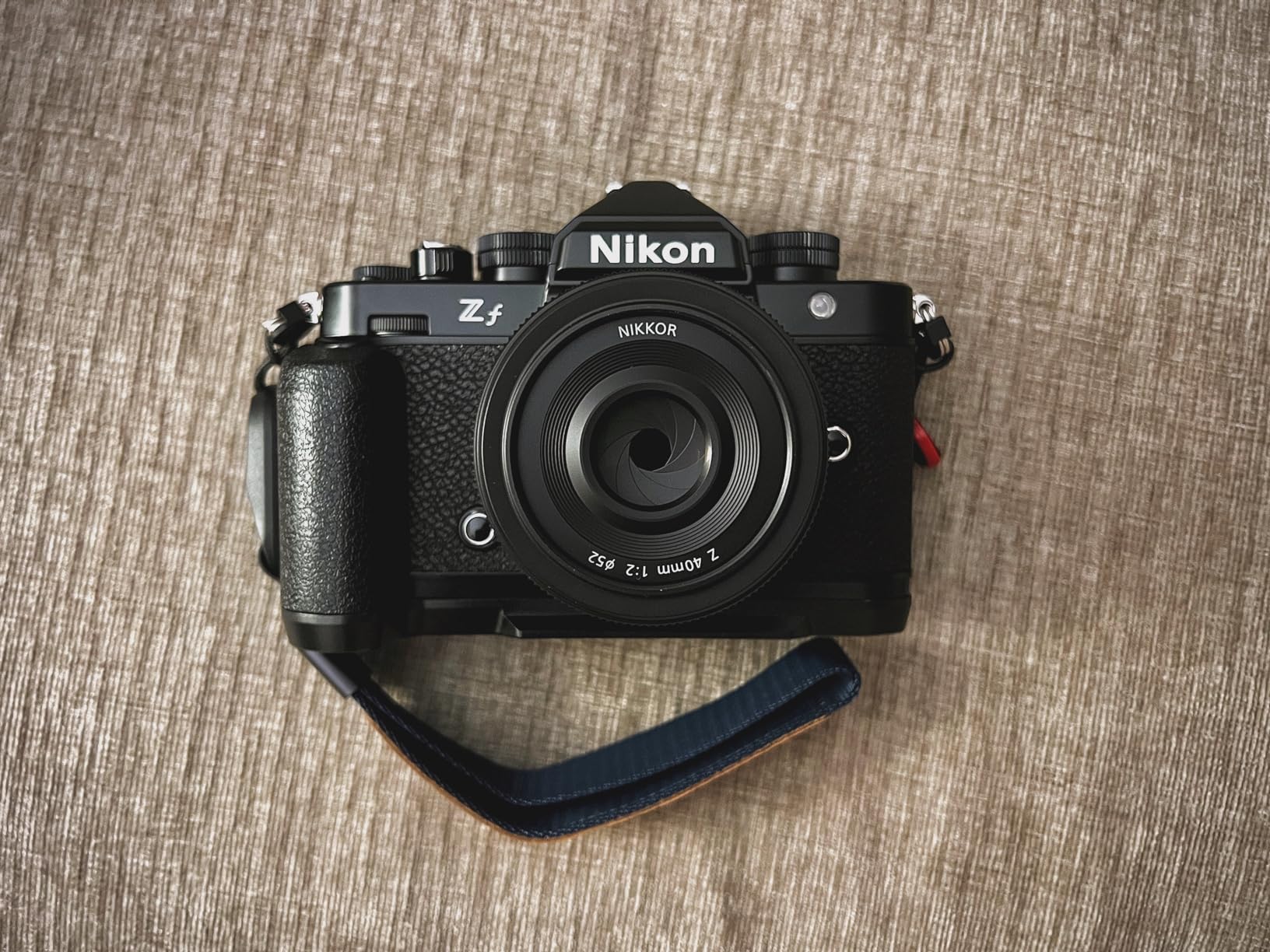
The Nikon Z f is the most gorgeous camera on this list, and after three weeks of testing I can confirm it shoots as beautifully as it looks. The retro design pays tribute to the Nikon FM2, but the internals are pure modern Nikon. I took it to a jazz club for a low-light test and the 8-stop IBIS let me shoot at 1/4 second handheld with sharp results.
The 24.5-megapixel BSI full-frame sensor is the same one found in the Nikon Z 6 III, and it delivers excellent dynamic range and color science. The EXPEED 7 processor handles 3D Tracking with subject recognition for nine different categories, which is a major advantage for street portraits.
The Z f’s Pixel Shift mode combines 16 exposures to create a 96-megapixel file. This is overkill for street work but useful for architectural details, street signs, and environmental scenes where maximum resolution matters. I used it for a mural wall scene and was able to crop aggressively without losing detail.
3D Tracking with subject recognition covers people, animals, vehicles, and airplanes. The eye-detection locks on quickly even when the subject is wearing sunglasses or a hat. For street work, the wide-area AF covers 89% of the frame, which means subjects do not have to be centered.
The Z f’s body is machined magnesium alloy with brass accents on the top plate. The dedicated ISO dial, shutter speed dial, and exposure compensation dial give you real mechanical control. The shutter release has the same satisfying click as a film camera, which is a small but meaningful detail for street shooters.
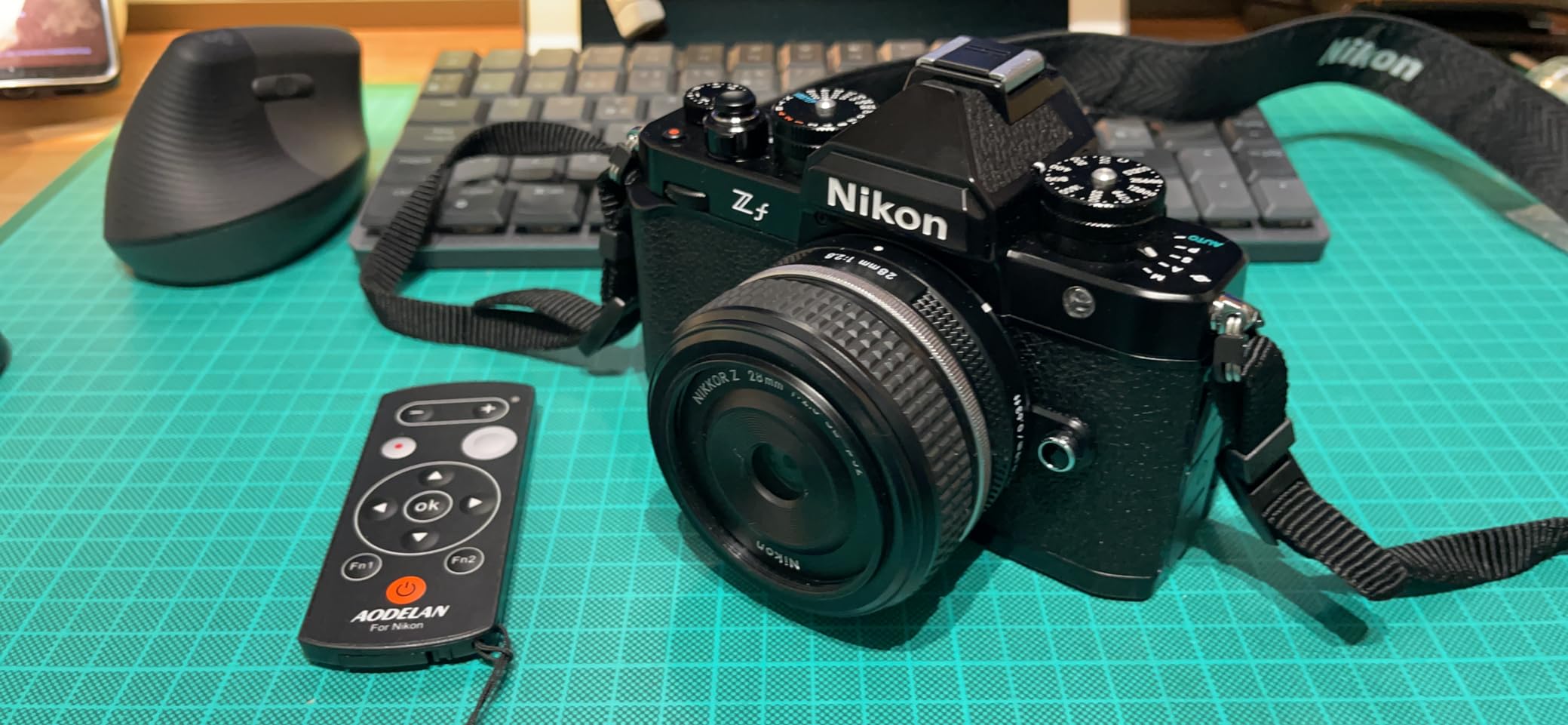
Street photographers who value aesthetics as much as image quality will love the Z f. Documentary photographers who shoot in low light will appreciate the 8-stop IBIS. Anyone who wants modern autofocus with retro styling will find the Z f uniquely satisfying.
The Z f weighs 1.6 pounds with battery, which is heavier than most competitors. Single SD card slot is a limitation for professional work. The vari-angle screen is useful but breaks the retro aesthetic slightly.
24.2MP full-frame sensor
40 fps electronic shutter
1,053-zone Dual Pixel AF II
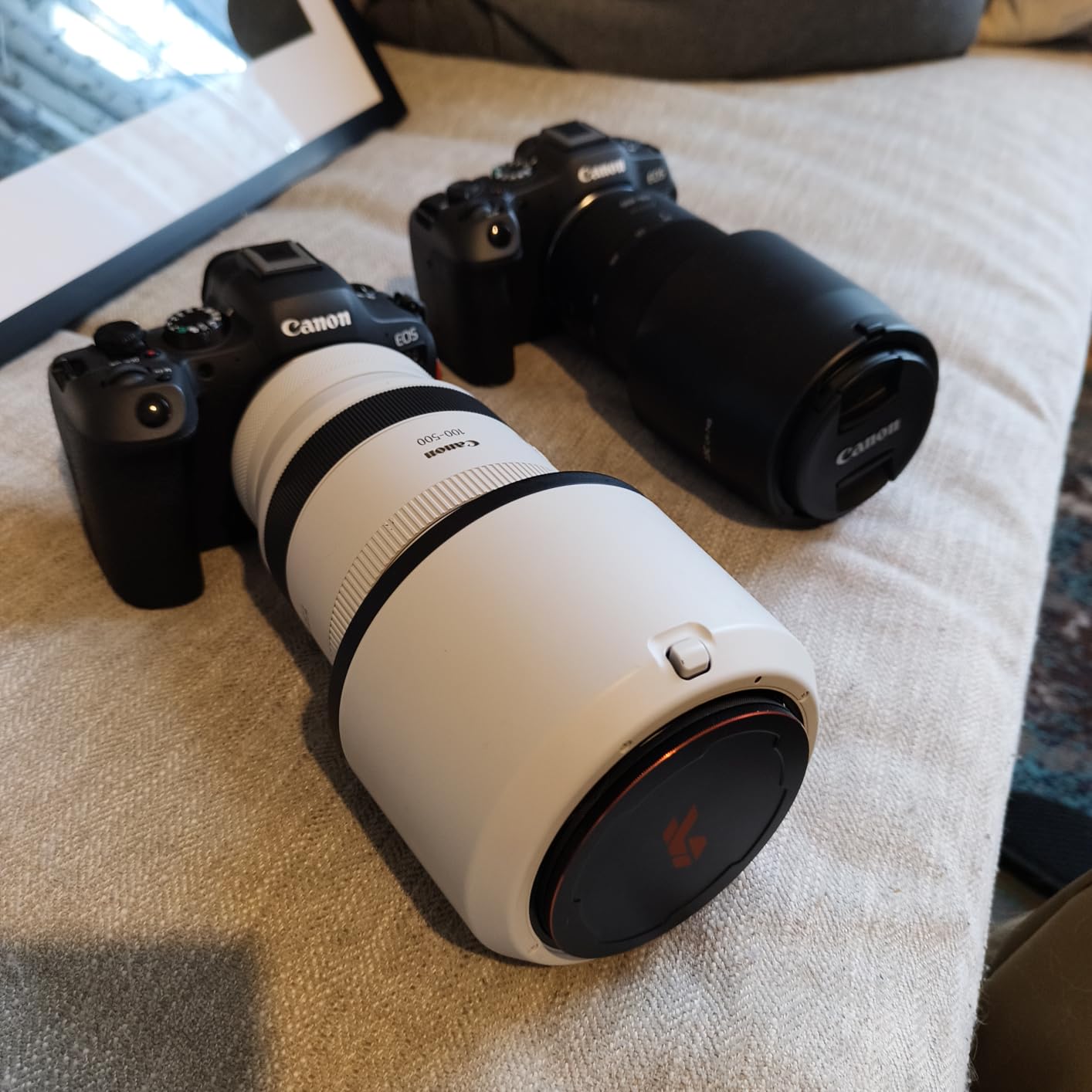
The Canon EOS R8 is what I recommend to any street photographer who wants flagship-level autofocus without flagship pricing. It uses the exact same 24.2-megapixel sensor and Dual Pixel CMOS AF II system as the Canon EOS R6 Mark II, but at less than half the price. I tested it on a busy Saturday market and the subject detection locked onto faces, eyes, and even vehicles with stunning accuracy.
The 40 fps electronic shutter with continuous AF is overkill for street work, but it means you will never miss a moment. The 4K 60p video oversampled from 6K is sharp enough for professional documentary work. For Canon shooters with EF lens collections, the EF-EOS R adapter gives you access to decades of affordable glass.
The Dual Pixel CMOS AF II system uses deep-learning subject detection to recognize people, animals, vehicles, aircraft, trains, and horses. The 1,053 AF zones cover the entire frame, so subjects do not have to be centered. In my tests, the eye-detection locked on within 0.3 seconds of the subject entering the frame.
The R8 weighs 461 grams with battery, which makes it one of the lightest full-frame cameras available. The body is smaller than the R6 Mark II but the grip is deeper, which feels more secure in the hand. Weather sealing is present but not as robust as higher-end Canon bodies.
The R8 excels at high ISO. I shot a night market scene at ISO 12800 and the files were usable for web and modest print sizes. The native ISO range goes up to 102,400, though noise becomes significant above 25,600.
Street photographers upgrading from Canon DSLRs will find the R8 an easy transition. Hybrid shooters who need fast burst rates and 4K video will appreciate the specs. Anyone who values autofocus reliability above all else will love the R8.
No in-body image stabilization means you need stabilized lenses or careful technique in low light. The smaller LP-E17 battery delivers around 370 shots per charge, which is below average. Single SD card slot is a limitation for professional work.
25MP APS-C sensor
Real-Time Eye AF
180-degree tilting screen
The Sony Alpha a6400 is the best budget Leica alternative for street photography if you want modern autofocus and excellent image quality without breaking the bank. I bought one for my nephew when he started a photojournalism program, and after two years it has not let him down.
The 25-megapixel APS-C sensor delivers excellent image quality, and the Real-Time Eye AF is still class-leading even years after release. The 180-degree tilting screen makes self-portraits and vlogging easy. The 4K video recording with no pixel binning is impressive for a camera at this price.
The 425 phase-detection and 425 contrast-detection AF points cover most of the frame. The Real-Time Eye AF locks onto human and animal eyes with impressive speed and accuracy. For street portraits, this is the killer feature at this price point. My Leica M6 cannot focus this fast or this accurately.
The a6400 weighs 10.3 ounces, which is light enough to carry all day. The Sony E-mount has an extensive third-party lens ecosystem, with Sigma, Tamron, and Viltrox making affordable primes. The Sigma 30mm f/1.4 DC DN is an excellent street lens that costs a fraction of a Sony native option.
The 180-degree tilting screen and silent shooting mode make the a6400 a capable vlogging camera. The 4K video without pixel binning is sharp, and the autofocus holds subjects in focus during video recording. The microphone input is present, though there is no headphone jack.

Street photographers on a tight budget will find the a6400 excellent value. Beginners upgrading from smartphones will love the Real-Time Eye AF. Vloggers who need sharp 4K video with reliable autofocus will appreciate the features.
No in-body image stabilization means careful technique or stabilized lenses are needed in low light. The menu system is dated and confusing. Battery life is modest at around 360 shots per charge.
28mm f/2.8 prime lens
Retro-styled Special Edition design
160g lightweight
The Nikon NIKKOR Z 28mm f/2.8 SE is not a camera, but it is the lens I attach to my Nikon Z f when I want the most authentic Leica experience possible. The 28mm focal length is slightly wider than the classic 35mm, but it works beautifully for environmental street scenes. The retro-styled Special Edition exterior matches the Z f perfectly.
The f/2.8 maximum aperture is fast enough for low-light street work, and the 7-blade diaphragm produces smooth bokeh. The dual stepping motors deliver near-silent autofocus, which is critical when shooting candid frames. At 160 grams, the lens adds almost no weight to the Z f body.
The Special Edition exterior mimics classic Nikkor AI-S lenses from the film era. The knurled focus ring, classic font, and stepped barrel design pair beautifully with the Nikon Z f’s retro body. When you hold the combination, it feels like a 1980s film camera with modern internals.
The dual stepping motors are nearly silent, which matters for street work where shutter noise can break the moment. The customizable control ring can be set to aperture, ISO, or exposure compensation. The minimum focus distance of 0.63 feet is reasonable for tight street portraits.
The multicoated optics produce sharp images with good contrast even wide open. Stopped down to f/4, the lens is tack-sharp across the frame. Color rendering is neutral, which matches well with the Z f’s excellent color science.
Nikon Z f owners who want a retro-styled prime will love this lens. Street photographers who prefer wider framing than 35mm will appreciate the 28mm focal length. Anyone building a compact Z-system kit will find this lens essential.
The Special Edition commands a premium over the standard Z 28mm f/2.8. There is no lens hood included in the box. There is no image stabilization, though the Z f’s IBIS handles most situations.
Choosing the right Leica alternative for street photography depends on what you value most about the Leica experience. I have been shooting street work professionally for over a decade, and the factors below matter more than any spec sheet.
Full-frame sensors deliver better low-light performance and shallower depth of field. The Sony A7C II, Canon R8, and Nikon Z f all offer excellent full-frame image quality. APS-C sensors like those in the Fujifilm X100VI and Sony a6400 are smaller and lighter, which matters more for street photography than any spec. The Fujifilm X100VI’s APS-C sensor produces files that hold up to serious cropping, and the smaller body is easier to carry all day.
For most street photographers, APS-C is the smarter choice. The smaller lenses and bodies make you less conspicuous on the street, and modern APS-C sensors deliver image quality that rivals full-frame from a decade ago. Choose full-frame if you regularly shoot in very low light or need the absolute best dynamic range.
Leica M cameras use optical rangefinder viewfinders, which show you the real world with frame lines overlaid. There is no EVF blackout, and the experience feels like looking through a window. The Fujifilm X100VI offers a hybrid viewfinder that switches between optical and electronic modes, which is the closest match to the Leica M experience.
Electronic viewfinders on the Sony A7C II and Canon R8 offer focus peaking, exposure preview, and real-time overlays, which can be helpful for newer photographers. For pure rangefinder feel, the X100VI’s hybrid viewfinder is the only real choice. For modern features, EVFs are hard to beat.
Street photography depends on carrying your camera everywhere. The best Leica alternative is the one you actually have with you when the moment happens. The Fujifilm X100VI and Sony a6400 both fit in jacket pockets. The Sony A7C II and Canon R8 are slightly larger but still compact enough for daily carry.
The Leica M11 is heavier and bulkier than any of these alternatives, which is one reason many street photographers have moved away from it. If discretion matters, choose the smallest camera that still delivers the image quality you need.
Leica M cameras have manual focus only, which forces you to zone-focus or use rangefinder focusing. Modern mirrorless cameras offer eye-detection AF that locks onto subjects instantly. The Sony A7C II and Canon R8 both offer class-leading autofocus for street work.
If you are upgrading from a Leica M, autofocus can feel like cheating at first. Give it a month, and you will not want to go back. The ability to nail focus on a moving subject at f/1.8 is a game-changer for low-light street portraits.
Silent shutters matter for candid street work in quiet environments like libraries, museums, and cafes. The Sony A7C II, Canon R8, and Fujifilm X-E5 all offer silent electronic shutters. The Fujifilm X100VI has a leaf shutter that is nearly silent but not completely silent.
Mechanical shutters have a satisfying tactile feedback that some photographers prefer, but they are louder. For discreet street work, electronic shutters are the better choice.
Despite all the alternatives above, there are situations where a real Leica still makes sense. If you value the tactile experience of a manual-focus rangefinder, the resale value, or the brand heritage, a used Leica M11 or Q3 might be worth the premium. Documentary photographers who shoot film simulations manually with software will not benefit from the Fuji film simulations. Collectors who value the red dot will find no substitute.
For most working street photographers, the alternatives on this list deliver 90% of the Leica experience at 30-50% of the price. The remaining 10% is mostly about heritage and tactile feel, which are valid reasons but not financial ones.
The Fujifilm X100VI is the best Leica alternative for street photography for most photographers. It offers a 40MP APS-C sensor, hybrid optical/electronic viewfinder that mimics the Leica M experience, 6-stop IBIS, and a silent leaf shutter. It costs roughly half the price of a Leica Q3 while delivering 90% of the shooting experience.
Full frame is not necessary for street photography. Modern APS-C sensors deliver excellent image quality and the smaller bodies are easier to carry. Most professional street photographers shoot with APS-C or smaller sensors. Full frame offers advantages in low-light performance and dynamic range, but these matter less than portability and discretion for most street work.
Professional street photographers use a wide range of cameras. Leica M cameras remain popular among documentary and art photographers. Fujifilm X100VI and X-Pro series are common for photographers who want rangefinder style with modern features. Sony A7C series and Ricoh GR III are popular for photographers who prioritize autofocus and portability.
Yes, the Fujifilm X100VI is excellent for street photography. The hybrid viewfinder offers both optical and electronic modes, the 23mm f/2 lens is the classic 35mm equivalent street focal length, the leaf shutter is nearly silent, and the 6-stop IBIS helps in low light. The fixed lens forces you to work within a single focal length, which many street photographers consider an advantage.
Leica cameras are expensive because of heritage, build quality, manual manufacturing in Germany, and brand prestige. The optical and mechanical components are machined to extremely tight tolerances. The red dot carries collector value, and Leica cameras hold resale value better than most competitors. The image quality is excellent but not significantly better than alternatives from Sony, Fujifilm, or Canon.
After three months of testing, here is how I would match cameras to different street photographers. If you want the closest Leica M experience without the price tag, the Fujifilm X100VI is the obvious choice. If you need full-frame image quality and best-in-class autofocus, the Sony Alpha 7C II delivers professional results in a compact body. If you want interchangeable lenses with rangefinder style on a budget, the Fujifilm X-E5 offers stunning value.
For photographers upgrading from older gear, the Sony Alpha 7C remains a smart buy with excellent full-frame quality at a discounted price. If retro design matters as much as image quality, the Nikon Z f is the most beautiful camera on this list. For best-in-class autofocus at the lowest price, the Canon EOS R8 is hard to beat. Beginners should start with the Sony Alpha a6400, which delivers Real-Time Eye AF at a budget price. And if you already own a Nikon Z f, the NIKKOR Z 28mm f/2.8 SE lens is the perfect companion.
The bottom line: the Leica alternatives for street photography in 2026 have never been better. Whether you are drawn to fixed-lens compacts, retro-styled mirrorless, or compact full-frame bodies, there is a camera on this list that will deliver the decisive moment without the Leica tax.