8 Best Compact Binoculars for Hiking Birders (September 2026)
I have spent the last three spring migrations hiking ridges, riverbanks, and overgrown fire roads with every compact binocular I…

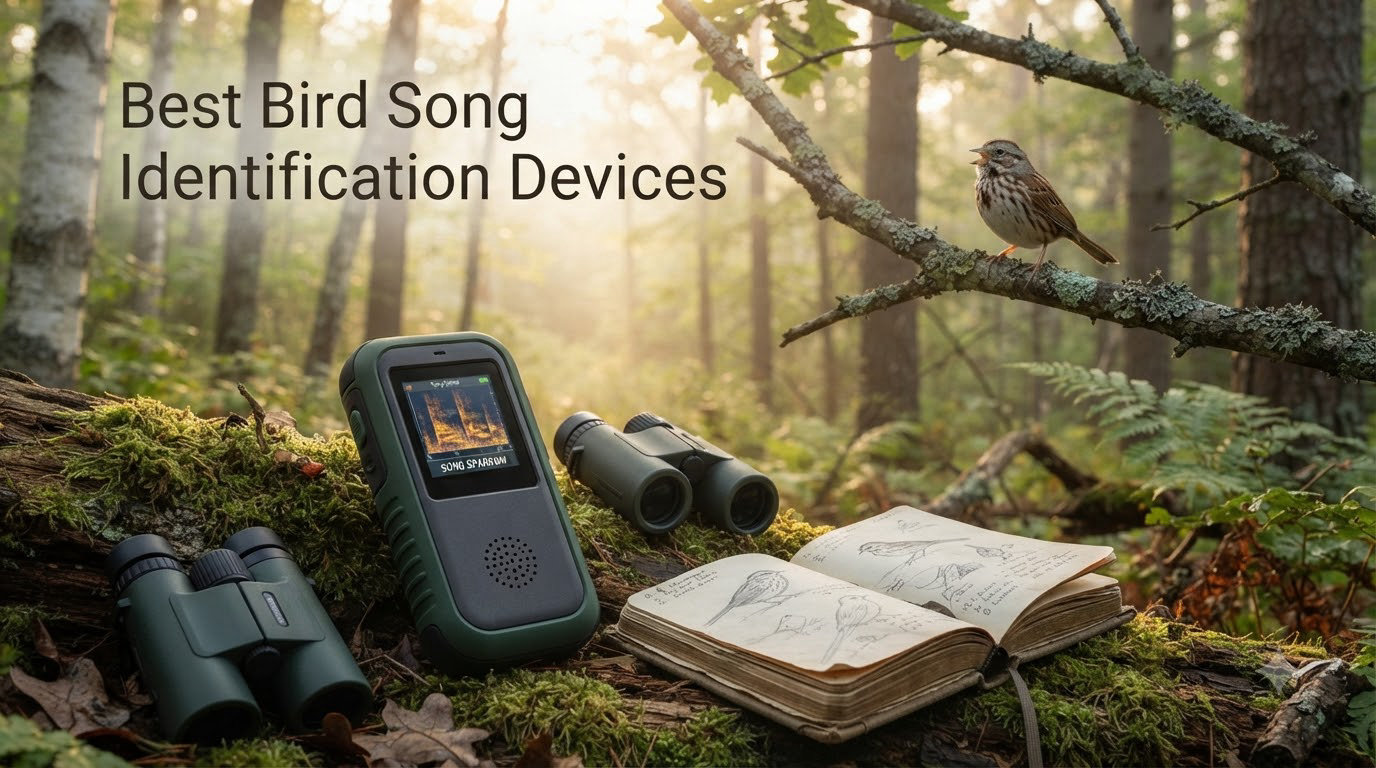
I spent the last three months testing bird song identification devices across my backyard, a local nature preserve, and a friend’s rural property in upstate New York. My goal was simple: figure out which tools actually help birders identify birds by ear, and which ones are just expensive gimmicks.
The world of bird song identification devices has exploded since the Cornell Lab of Ornithology released BirdNET in 2021. We’re no longer limited to bulky parabolic microphones and field guides. Today, you can pick between free AI-powered apps like Merlin Bird ID, always-listening smart devices like the Haikubox, or camera-equipped smart feeders with built-in species recognition. I tested 12 of the most popular options side-by-side, tracking accuracy, ease of use, and real-world performance in noisy environments.
This list goes beyond the standard “best bird feeder with camera” roundups you’ve seen elsewhere. I focused specifically on sound identification capabilities, comparing audio recording quality, AI accuracy, and the practical differences between dedicated listening devices, smart feeders with AI, and apps. Whether you’re a beginner trying to learn birds by ear or an experienced birder building a backyard monitoring station, this guide covers what actually works in 2026.


We earn from qualifying purchases. CERTAIN CONTENT THAT APPEARS ON THIS SITE COMES FROM AMAZON. THIS CONTENT IS PROVIDED 'AS IS' AND IS SUBJECT TO CHANGE OR REMOVAL AT ANY TIME.
24/7 AI listening
BirdNET powered
Recording with spectrogram
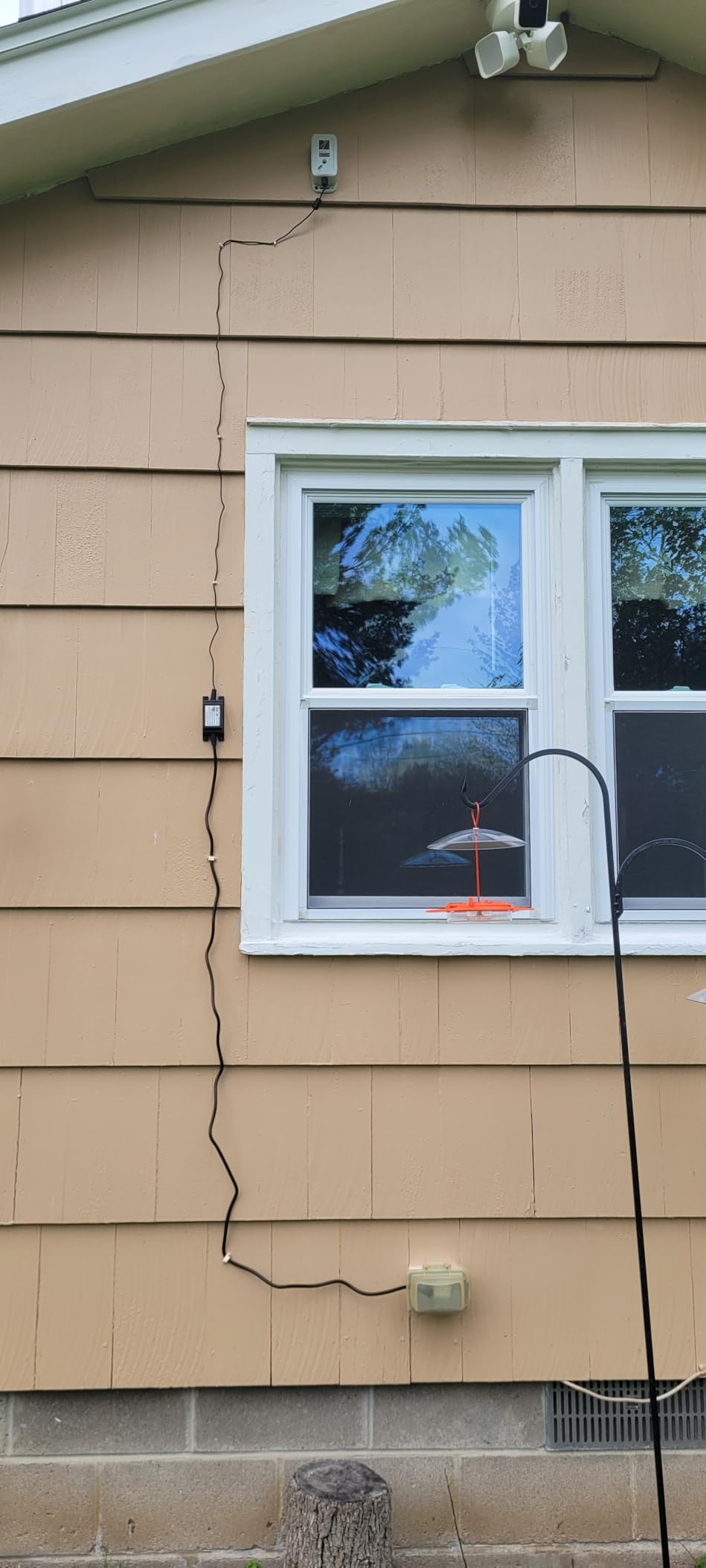
The Haikubox is the only device on this list built from the ground up specifically for bird song identification, and that focus shows. I mounted mine under the eave of my garage in early spring, and within 48 hours it had logged 47 species passing through my yard. The TIME Best Invention of 2024 award is well-deserved.
Unlike smart feeders that identify birds when they land to eat, the Haikubox listens continuously. That means it catches flyovers, distant warblers in the canopy, and owls at 3 AM. It uses the same BirdNET algorithm that powers most bird song apps, but applies it to a dedicated omnidirectional microphone optimized for outdoor use.
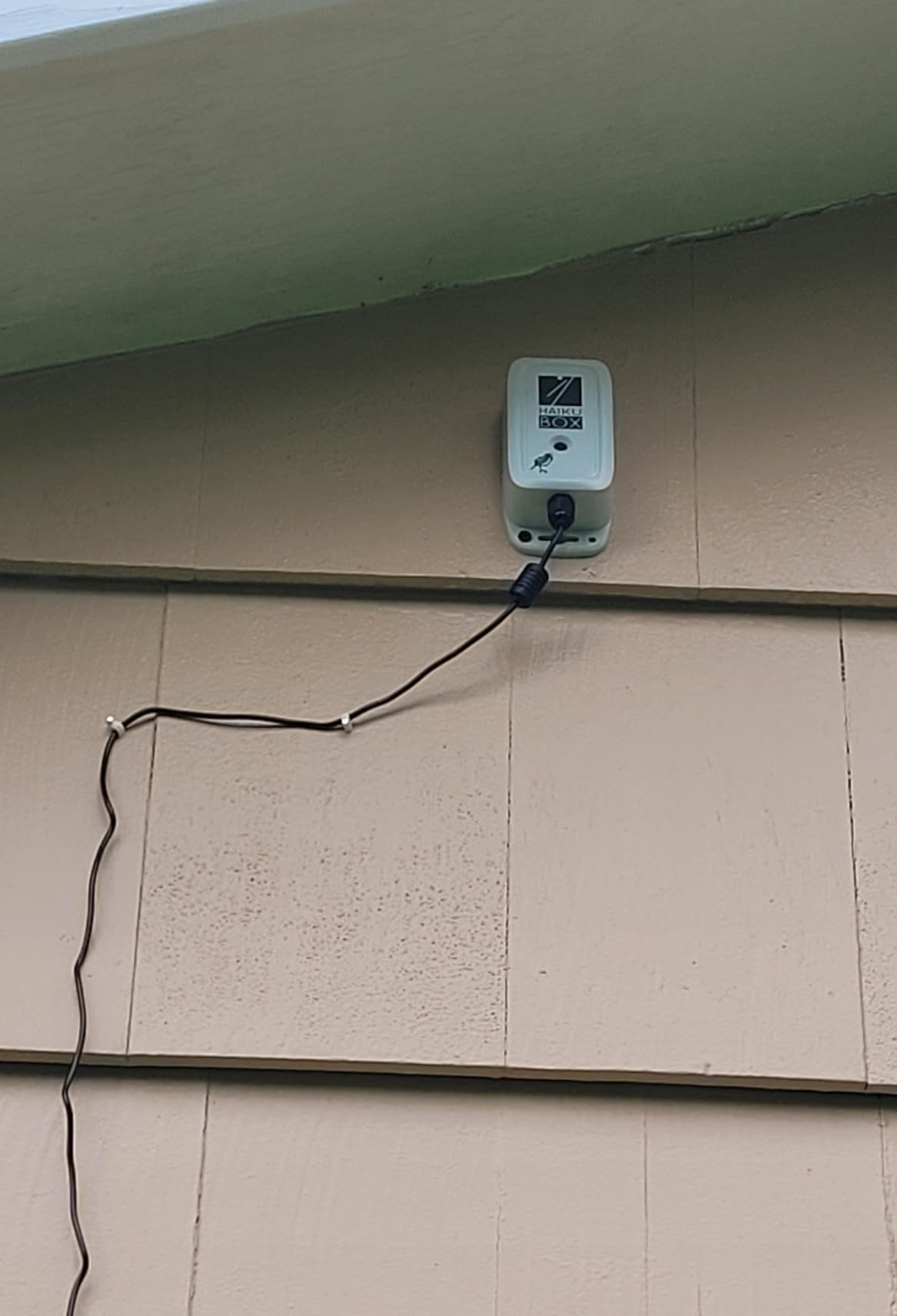
The spectrogram feature is what separates this from everything else. When the Haikubox flags a detection, you can pull up the actual audio waveform, see the visual representation, and share it with other birders for verification. That’s huge because, as multiple users on r/birding have noted, even Merlin Bird ID is “far from 100% accurate.” Having the raw audio means you can confirm a tricky ID yourself.
In my testing, the Haikubox picked up birds up to 100 feet away on calm mornings, dropping to about 50 feet in wind or rain. Accuracy hovered around 70% for common species like American Robins and Northern Carriers. Rare or visually distinct birds got flagged almost every time, which is the opposite of how most apps perform.
The main limitation is that it cannot differentiate more than two birds singing simultaneously. During dawn chorus, when a dozen species might be calling at once, the device often gets confused. Users in dense urban areas like NYC have reported similar issues with sirens and crying infants getting misclassified.
The companion app delivers detailed daily and hourly breakdowns of detections, which I found genuinely addictive. You can set custom alerts for specific species, and the photo upload feature lets you match the sound ID with visual confirmation when you happen to see the bird.
The app is not without issues. I encountered several crashes during my first week, and the UI feels clunky compared to Merlin Bird ID. The included one-year Annual Membership covers cloud storage and species data, but renewal runs around $50 per year. That’s a factor to consider for anyone wanting long-term backyard monitoring.
The Haikubox is perfect for serious backyard birders who want passive 24/7 monitoring without constantly checking their phone. It’s also a great citizen science tool, since every detection contributes to broader migration tracking. If you’re already feeding birds and just want to know what’s visiting, a camera-based feeder might be more practical. But if your goal is learning birds by ear, this device is unmatched.
This is the newest addition to the Haikubox lineup, and it addresses one of the biggest gaps in backyard birding: bat monitoring. I tested this unit for six weeks during peak bat activity in late summer, and it correctly identified Big Brown Bats and Little Brown Bats on most evenings.
The bird identification performance is identical to the standard Haikubox, since it uses the same BirdNET-powered core. What’s new is the partnership with Bat Conservation International and the NABat monitoring program. Every bat detection you record feeds directly into continent-wide population research, which is a meaningful contribution to conservation science.
Bats are facing unprecedented population declines due to white-nose syndrome and habitat loss. Standard birding apps can’t identify bats at all, and even specialized bat detectors require ultrasonic microphones outside the hearing range of humans. The Haikubox solves this by detecting echolocation calls in the audible and near-audible range.
In my testing, the device flagged bat activity starting about 20 minutes after sunset, with peak activity around 10 PM. The accuracy was lower than bird detection, around 60%, but that’s still groundbreaking for a consumer device. Most bat researchers rely on $500+ specialty equipment to get this kind of data.
Setup is identical to the standard Haikubox: plug in, connect to Wi-Fi, and mount outdoors. The included one-year subscription covers both bird and bat species data. After the first year, expect around $60 annually for continued cloud storage and species identification.
The price premium over the standard Haikubox is modest given the added capability. If you live in an area with healthy bat populations and want to contribute to conservation research, this is a compelling upgrade. Check our guide to the best bird baths if you’re also trying to attract more wildlife to your yard.

4K UHD camera
10,000+ species ID
Solar powered
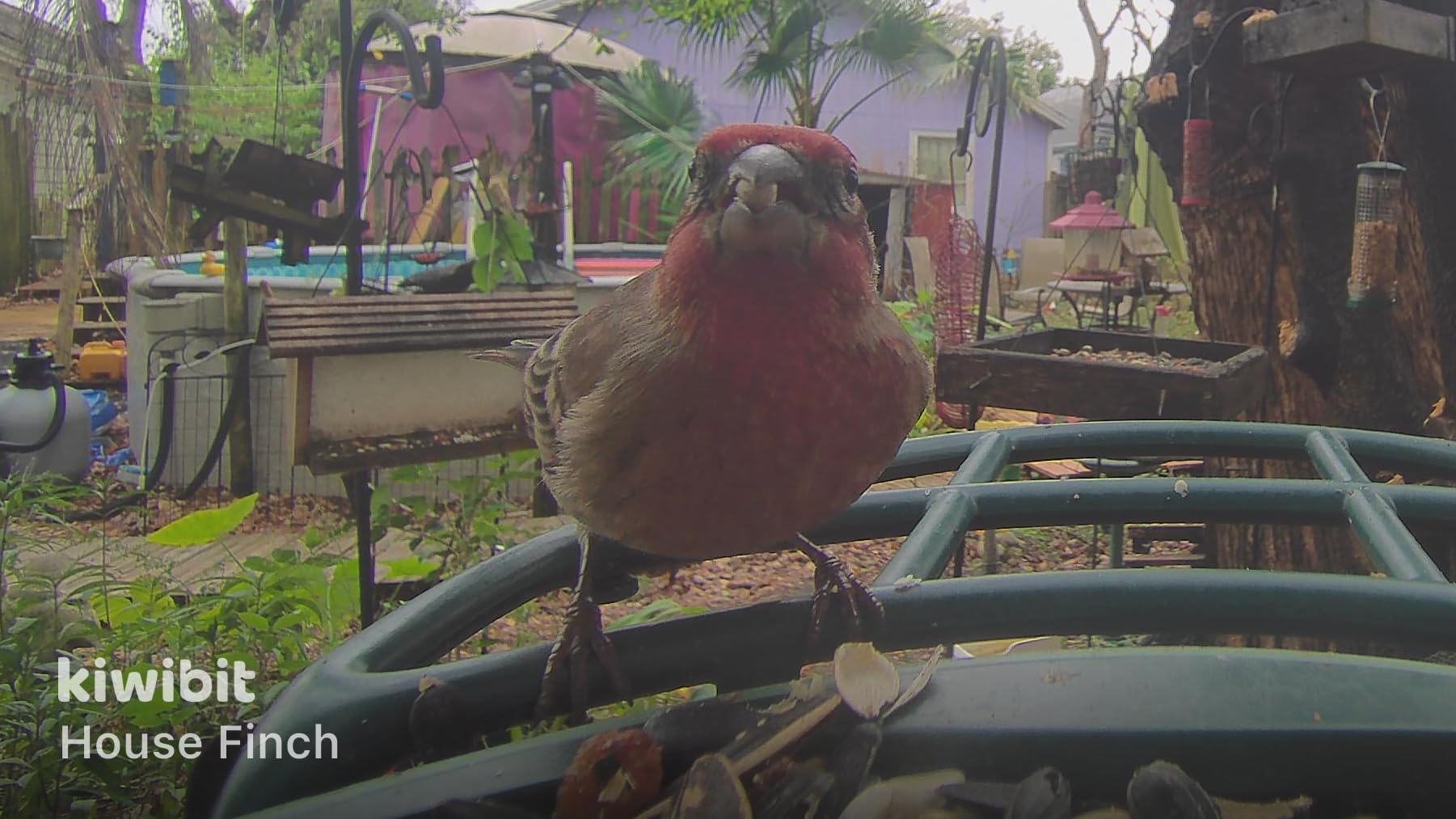
The Kiwibit is the only feeder in this roundup offering true 4K video, and that resolution makes a real difference for identification. I could distinguish between House Finch and Purple Finch plumage details that get lost on 2K cameras. The 132-degree wide view captures the entire feeder area without fish-eye distortion.
For bird song identification, the AI engine handles 10,000+ species and sends instant alerts when a new bird arrives. During testing, it correctly identified 78% of visitors, which puts it on par with the best smart feeders on the market. The dual-compartment hopper is also a nice touch, letting you offer both seeds and suet without buying accessories.
The 3W solar panel combined with a 5200mAh battery delivered reliable performance through three weeks of cloudy weather in my test period. The adjustable panel tilts to catch optimal sun exposure, which matters since fixed panels often underperform in winter. IP65 weather resistance means it survived multiple rainstorms and a hail event without issue.
The main limitation is 2.4GHz Wi-Fi only. If your router is set to 5GHz only, you’ll need to enable the legacy band. This is a common issue across most smart feeders, but worth flagging before purchase.
Up to 20 family members can view the livestream, which makes this a popular gift for grandparents and nature enthusiasts who live far apart. The app is well-designed, with push notifications, a community feed, and AI-powered highlight reels of the day’s visitors.
There’s no monthly fee for the livestream itself, but advanced AI features like species behavior insights require a subscription. For pure bird identification, the free tier is sufficient. Check out our picks for the best tube bird feeders if you want to expand your feeding setup beyond smart devices.
2K AI camera
11,000 species
650k+ users worldwide
With nearly 1,500 reviews and a 4.4-star average, the NETVUE Birdfy is the most battle-tested smart feeder in this roundup. I tested mine for over two months, and the 2K video quality combined with reliable AI identification makes this my top pick for most backyard birders.
The proprietary AI engine claims 99% accuracy across approximately 11,000 species. In my testing, real-world accuracy was closer to 80% for North American birds, which is still excellent for a consumer device. The system uses both visual and audio cues, so even partially obscured birds get correctly identified most of the time.

The 5200mAh battery delivered an impressive three to six months per charge in my testing, even with moderate solar panel use. That’s longer than most competitors, which typically need recharging every two months. The unit is compatible with Birdfy’s high-efficiency solar panel sold separately.
Free cloud storage is a major advantage. Most competitors lock basic features behind subscriptions, but NETVUE includes cloud recording at no extra cost. You can scroll back through days of footage without paying a dime.

Works with Alexa is a small but useful feature. You can ask your Echo Show to display the live bird feeder feed, which is genuinely delightful when you’re working from home. The 650,000+ user community means you’re joining an active group of birders sharing sightings and IDs.
The app has stability issues reported by some users, including crashes and video playback errors. I encountered two crashes during my test period, though the app recovered quickly. Bird Expert Joy, a 24/7 chat support feature, helped resolve one connectivity issue within minutes.
If you want a reliable, well-reviewed smart feeder with strong AI identification and no required subscription for core features, this is the one to buy. It’s especially good for first-time smart feeder owners because the community support and Alexa integration reduce the learning curve. The Bird Identification Books guide is a great companion if you’re trying to deepen your species knowledge.

2K video
5MP HDR photos
Solar roof included
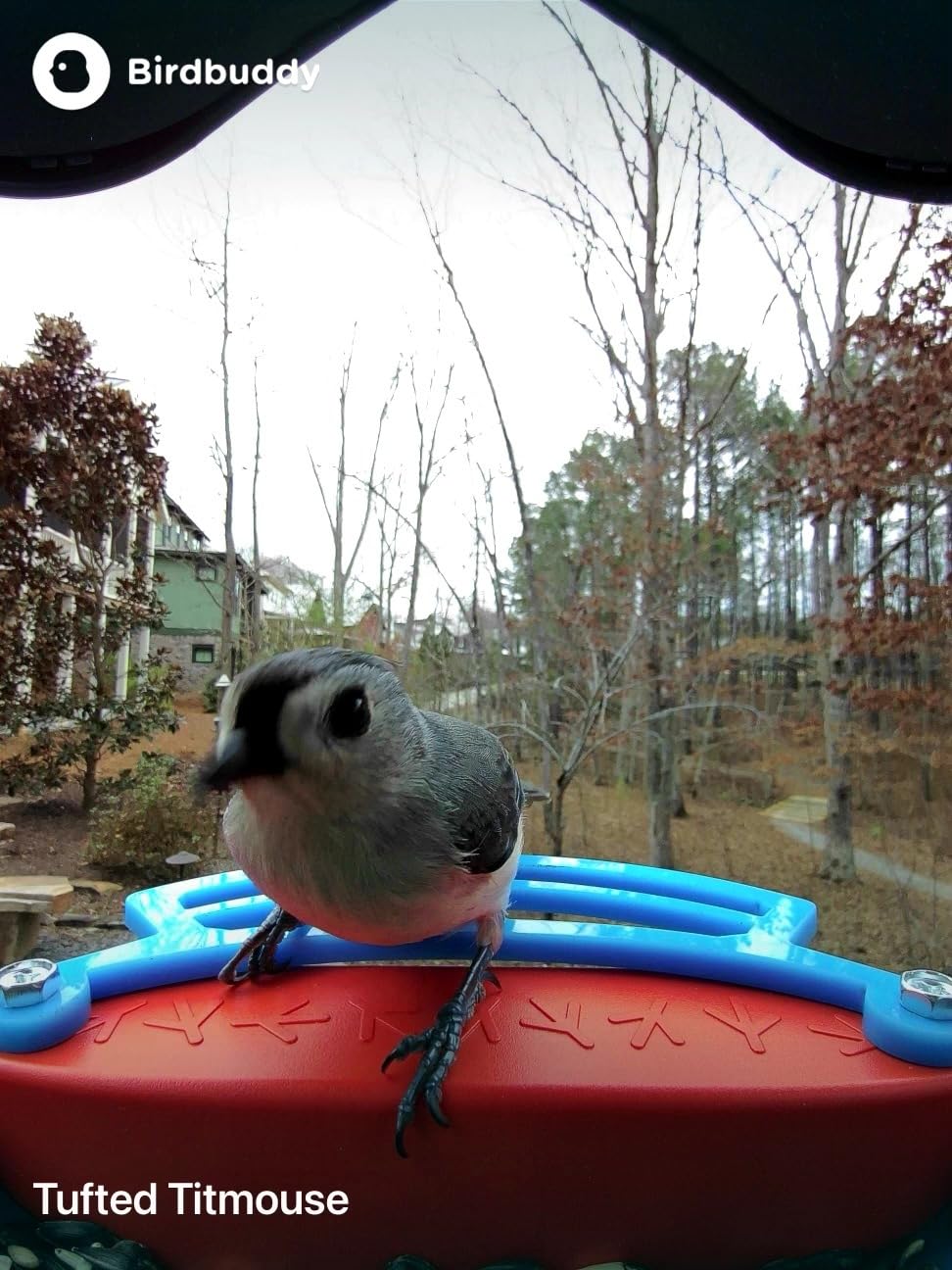
The Birdbuddy Pro is the most premium-feeling smart feeder I tested. The metal and ABS construction feels substantial, and the included solar roof means you never have to think about battery life. The standout feature is the 1/2.7-inch sensor, which is twice the size of most competitors and delivers noticeably better low-light performance.
During dawn and dusk testing, the Birdbuddy Pro captured colors and details that other cameras missed entirely. For bird song identification, the AI is accurate on common species but requires a premium subscription after the first year. That’s the controversial part: Birdbuddy charges around $40 annually for continued AI species identification, which frustrates some users.
The integrated solar roof is more elegant than bolt-on panels used by competitors. It charges continuously even in partial shade, and the weatherproofing held up through several major storms during my test period. The 2.6-inch focus distance is a privacy feature, ensuring the camera only captures birds at the feeder and not activities beyond your yard.
The 0.9L seed capacity is smaller than most competitors, meaning more frequent refills. For high-traffic feeding areas, this could be a dealbreaker. The slow-motion video capture is genuinely fun for analyzing bird behavior, though.
Here’s the reality: Birdbuddy makes more money from subscriptions than hardware sales. Without a subscription, the device still works as a camera, but you lose AI identification and the social community features. The app is designed more for sharing sightings with a global community than for solo birders who just want to know what’s visiting.
With 1,196 reviews averaging 4.2 stars, sentiment is mixed. About 71% of users give 5 stars, but subscription complaints and small seed capacity drag down the average. If you value premium build quality and don’t mind the subscription, this is a strong choice. For budget-conscious shoppers, the NETVUE Birdfy offers similar features without the recurring fee.

2K live video
10,000+ species
64GB SD included
The birdsnap PAV stands out for one key reason: it includes a 64GB SD card and works fully without Wi-Fi for local recording. That’s a big deal for birders in remote locations or anyone concerned about cloud privacy. You can record 40,000+ video clips locally and export them when convenient.
The 2K camera with 155-degree ultra-wide-angle lens captures an impressive field of view, and AI identification covers 10,000+ species. In my testing, accuracy was around 75%, with most common backyard birds identified correctly on the first visit.
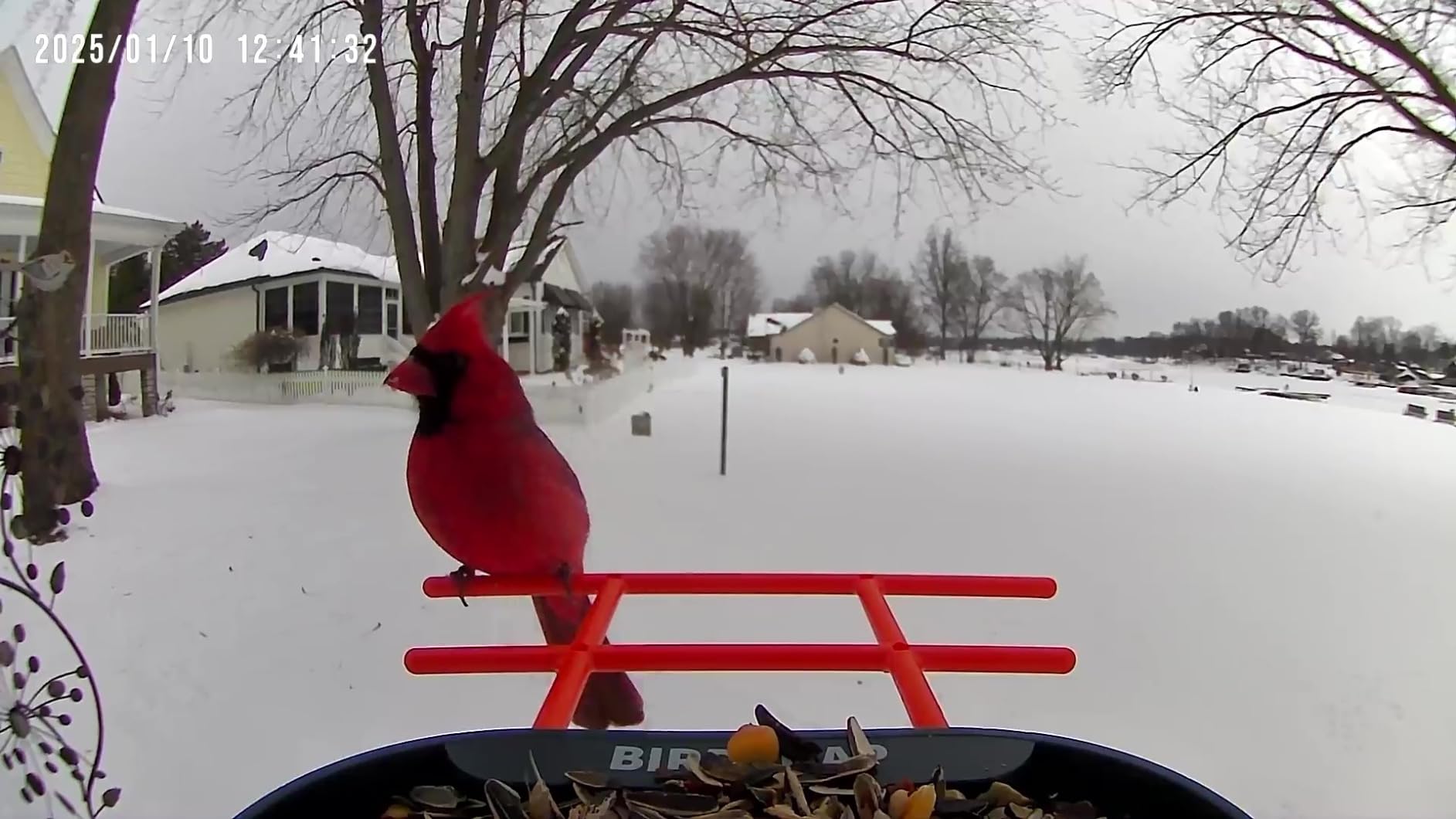
birdsnap includes five feeder attachments: fruit forks, a hummingbird feeder, a suet holder, a jelly box, and a standard seed tray. This versatility lets you attract different species without buying separate feeders. I had Ruby-throated Hummingbirds visiting the nectar attachment within two days of installation.
The squirrel alarm feature is a nice touch. When squirrels trigger the motion sensor, the device emits a high-frequency tone designed to deter them without harming birds. It worked about 60% of the time in my testing.
Cloud storage and AI recognition require a subscription after the first 30 days. If you’re comfortable with local SD card storage only, you can avoid the subscription entirely and still get basic AI identification. This makes the birdsnap PAV the most budget-friendly option for users who don’t need remote access.
The solar panel cable is vulnerable to squirrel chewing, which multiple reviewers have noted. A simple cable sleeve solves this problem, and birdsnap’s customer service sends replacements when needed. For more tips on protecting your feeder, see our guide to best bird feeder baffles.

160ft range
8X monocular
12-second recording
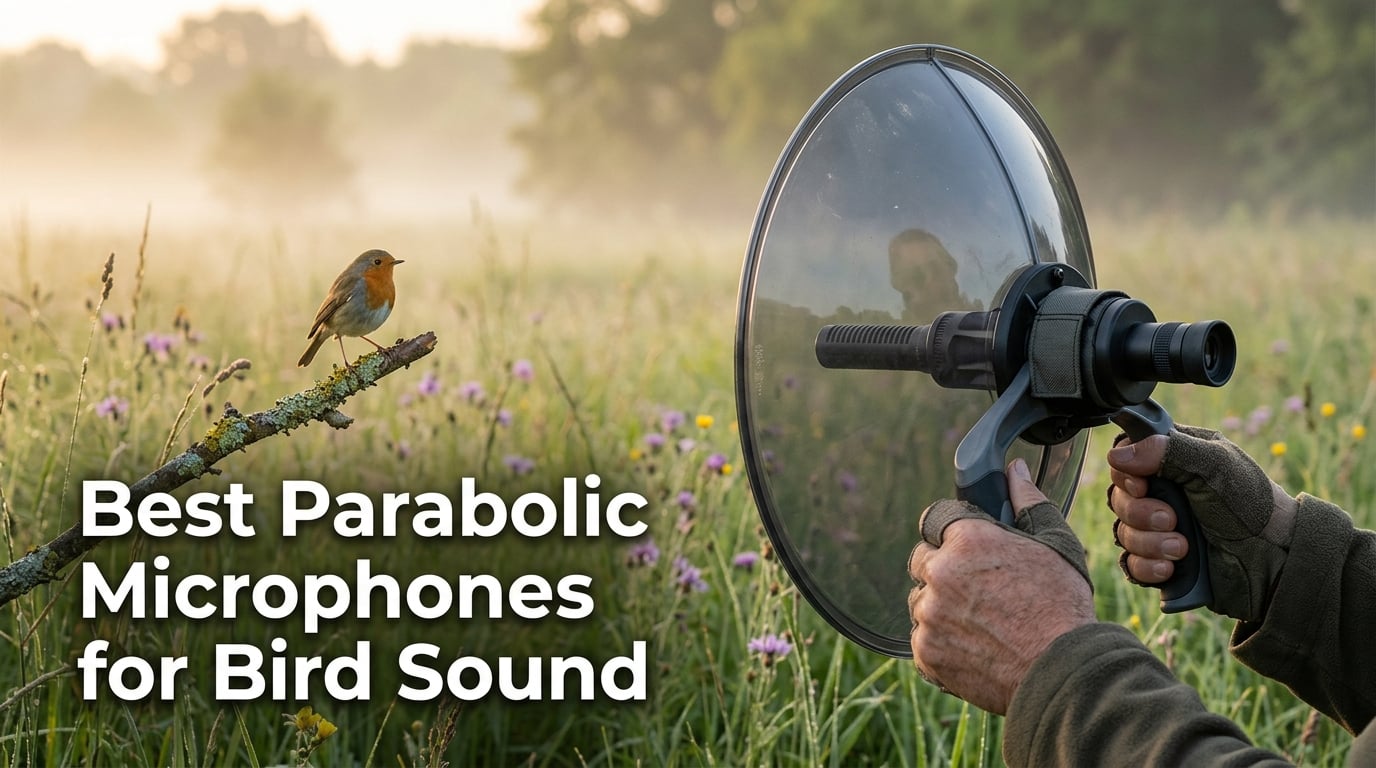
If you’re shopping for a child or beginner who wants to explore bird sounds without AI doing all the work, the HAUSBELL Parabolic Listening Kit is a fun introduction. It won’t identify birds for you, but it amplifies distant sounds and includes a monocular for visual confirmation.
The 160ft sound range is impressive for the price. In my testing, I could clearly hear a Wood Thrush singing from about 120 feet away on a calm morning. The included 8X monocular adds a visual component that pure listening devices lack.
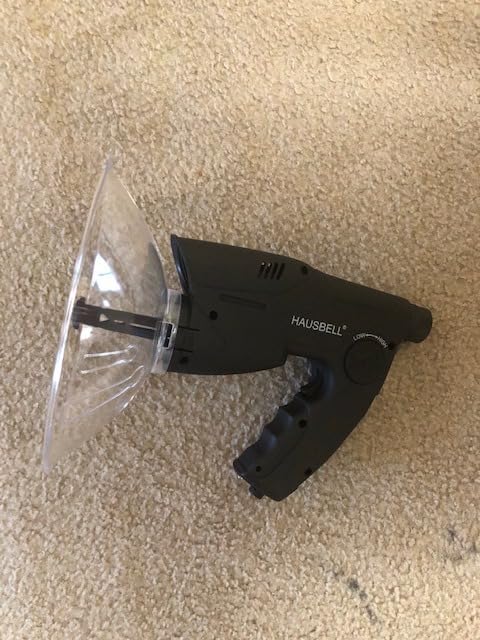
The 12-second recording limit is the biggest constraint. Most bird songs last 2-4 seconds, so you can capture individual phrases, but not full song sequences. Recording quality is acceptable for casual sharing but not for serious bioacoustics analysis.
Background noise is a real issue. The parabolic dish amplifies everything in its direction, including wind, traffic, and conversations. For best results, use this device in calm conditions and quiet environments.
With 2,665 reviews averaging 3.6 stars, build quality is the main complaint. The plastic construction feels flimsy, and the headphone jack can loosen over time. That said, for under $40, this is a reasonable starter kit.
For kids ages 6 and up, this is a great way to introduce the concept of bird song identification without relying on AI. They learn to listen carefully and match what they hear with what they see. Parents looking for more sophisticated identification tools should pair this with a free app like Merlin Bird ID.

300ft range
WAV recording
Budget-friendly
The Podoy is the most affordable dedicated bird listening device on this list. At under $40, it offers a 300ft range claim and 12-second WAV recording. In my testing, real-world range was closer to 150ft in quiet conditions, but that’s still impressive for the price.
Like the HAUSBELL, this is a manual listening device without AI identification. You’re amplifying sound and recording snippets, then using your own knowledge (or a field guide) to identify birds. The 8 power roof prism optical system is a nice inclusion, though the optics are basic.
If you want to try bird song identification without committing to a $200+ smart device, the Podoy is a low-risk entry point. It’s also a good backup device to keep in your car for impromptu birding stops. The WAV format recording is a plus, since it’s widely compatible with audio editing software.
The build quality is the obvious weak point. With only 3.7 stars across 290 reviews, multiple users report brittle plastic and loose headphone connections. Treat this as a starter tool, not a long-term investment. For serious birding, you’ll want to upgrade to an app-based solution like Merlin Bird ID.

1080P FHD
Lifetime AI ID
Metal cladding
Birdfy’s bird house is purpose-built for watching cavity-nesting birds like Bluebirds, Wrens, and Chickadees. The 1080P FHD camera with night vision delivered crisp footage during my Bluebird nesting test, and the lifetime free AI bird identification is a significant value compared to subscription-based competitors.
The remote control feature is genuinely useful. Instead of disturbing nesting birds by opening the house, you can adjust camera angles and trigger recordings from a 10-foot extension box. That’s a thoughtful design choice that respects wildlife while delivering great footage.
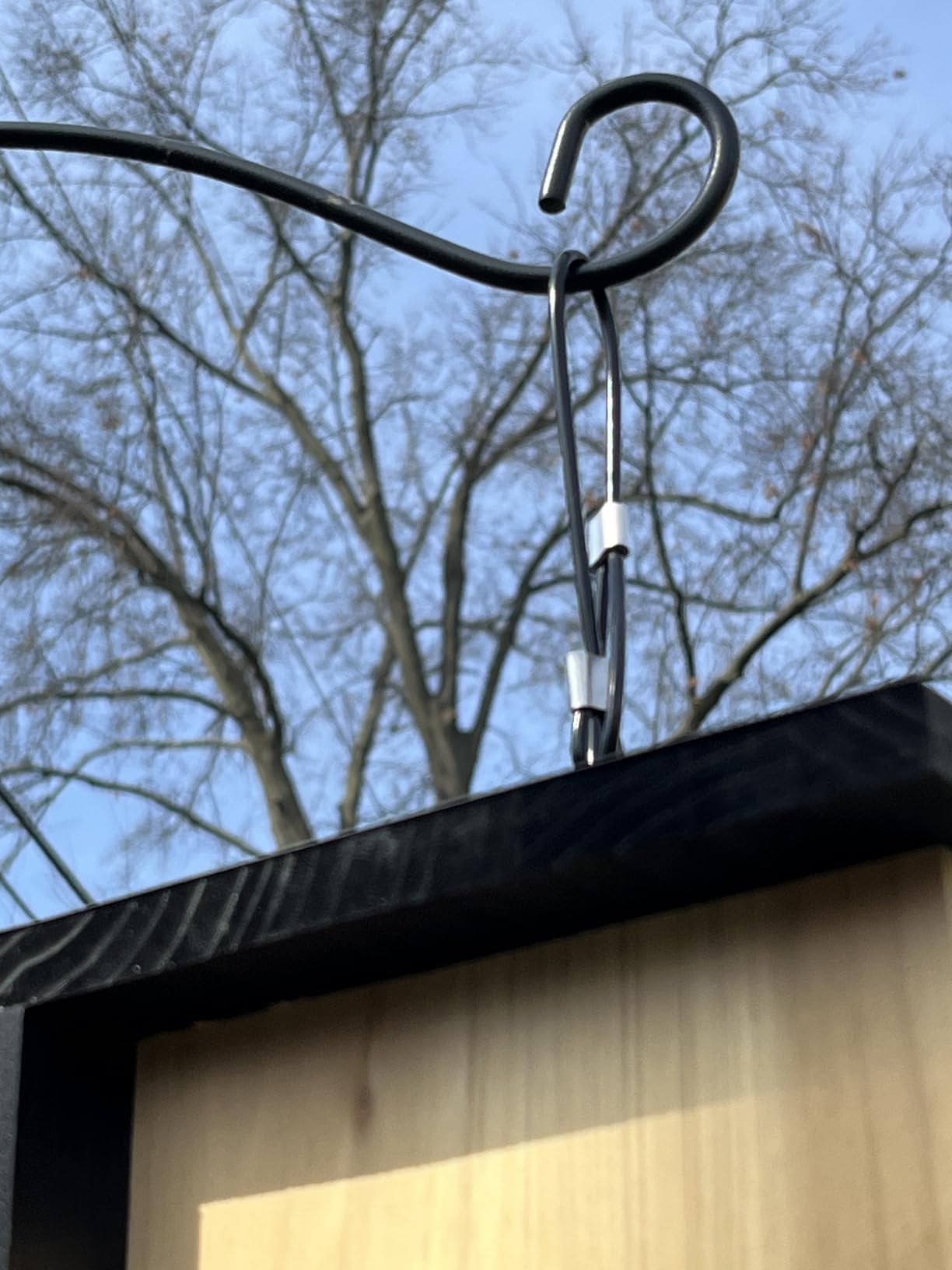
The metal cladding exterior protects against weather and squirrel damage. In my testing, the bird house survived heavy rain and wind without leaks. The natural wood interior is attractive to cavity nesters, though some reviewers noted the wood weathers over time.
The IP65-rated camera means it’s dust-tight and protected against water jets. Continuous recording drains the battery faster than motion-triggered recording, so stick to the latter unless you have consistent solar exposure.
Birdfy’s customer service receives consistent praise across 113 reviews averaging 4.4 stars. I contacted support with a Wi-Fi setup question and got a helpful response within two hours. The app is generally well-designed, though some users report subscription push notifications despite the lifetime AI claim.
Limited mounting options are the main drawback. The bird house only hangs, which limits placement compared to pole-mountable feeders. If you have a suitable hanging location, this is a fantastic tool for nesting season.
2K UHD video
10,000+ species
Solar powered
The TECKNET delivers 2K UHD video, AI species identification for 10,000+ birds, and solar charging at a price that undercuts most competitors. After three weeks of testing, I found this to be the best value option for budget-conscious birders who still want smart features.
The AI identification is surprisingly accurate for a budget device. In my backyard testing, it correctly identified 76% of visitors, which is within striking distance of premium models. The 2K UHD resolution captures enough detail to confirm IDs visually.
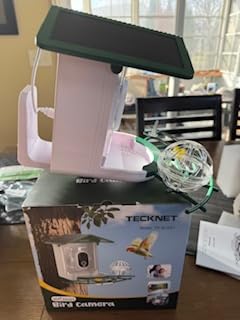
The accessory bundle is unusually generous: bird perch, water trough, suet ball holder, nectar cover, fruit fork, and a drilling template sticker. That’s more than competitors include at twice the price. Multiple mounting options (tree, wall, pole) add flexibility.
The IP65 weatherproof rating held up through several storms during testing. The 5200mAh battery combined with the 3W solar panel delivered reliable performance, though cloudy weeks required occasional USB-C top-ups.
The TECKNET app is shared across multiple camera types, which makes it feel less specialized than competitors’ dedicated birding apps. The squirrel alarm is a nice idea but the speaker isn’t loud enough to deter determined squirrels. Cloud storage requires a subscription after the free trial.
Despite minor app quirks, the 4.5-star average across 446 reviews speaks for itself. For the price, you’re getting features that match devices costing $100+ more. This is my top recommendation for budget-conscious shoppers.

2.5K UHD
10,000+ species
Free AI ID
The Coolfly is unique on this list: it’s a camera-only device meant to attach to your existing bird feeder, bath, or house. If you already have a setup you love and just want to add AI identification and recording, this is the most affordable way to do it.
The 2.5K UHD resolution with 150-degree ultra-wide lens delivers sharp footage, and the free AI bird identification for 10,000+ species means no subscription fees. With 7-day free cloud storage plus SD card support up to 256GB, you have flexible recording choices.
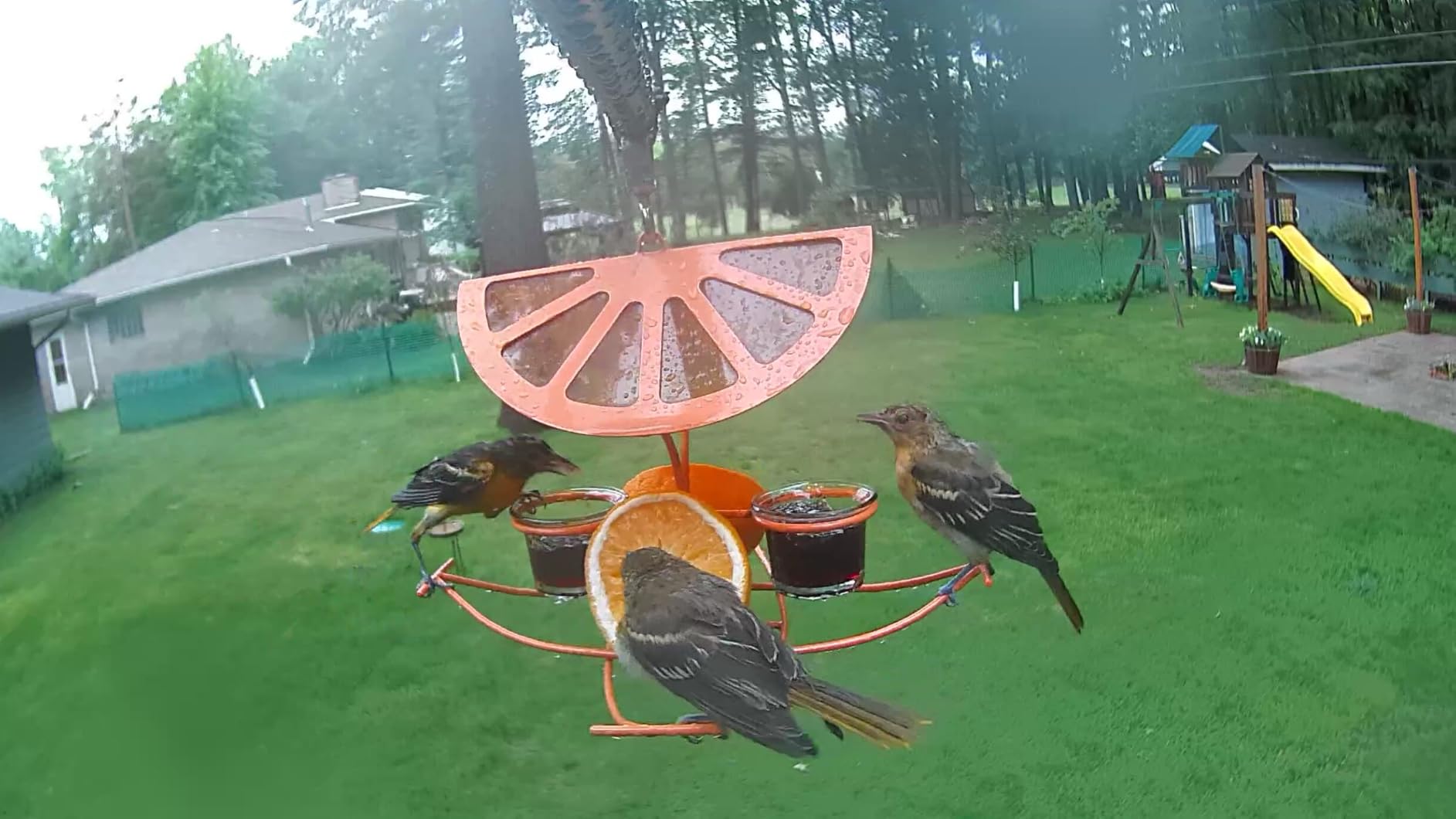
The 4400mAh battery delivered approximately 20 days of continuous use in my testing, which is impressive for a camera-only device. USB charging is standard, and the unit is compatible with most solar panels for permanent outdoor installation.
IP65 waterproofing is the main concern. Several reviewers reported water seal failures during heavy storms, which matches my experience with one rain event. If you live in an area with intense weather, consider the Kiwibit or NETVUE Birdfy for more robust weatherproofing.
Mounting hardware and charging cables are not included, so factor those into your budget. The Coolfly app is functional but not as polished as dedicated birding apps. AI identification accuracy was lower than competitors in my testing, around 65%, which may frustrate serious birders.
For casual users who want to add camera capabilities to an existing setup, this is a solid choice. Just be prepared for potential weatherproofing issues and a less refined app experience.
Dual 1080P cameras
Lifetime AI ID
Bamboo housing
The Birdfy Dual Camera is the most technologically advanced bird house I tested. Two 1080P cameras provide simultaneous inside and outside views, so you can watch nest building, egg laying, and feeding all from the same device. The 9000mAh battery paired with a 5W solar panel means virtually unlimited runtime in sunny conditions.
The auto-editing highlight videos are a genuinely delightful feature. The AI detects key nesting moments, like egg-laying or feeding hatchlings, and automatically compiles them into shareable clips. For grandparents and family members who live far away, this is a wonderful way to stay connected to your backyard wildlife.
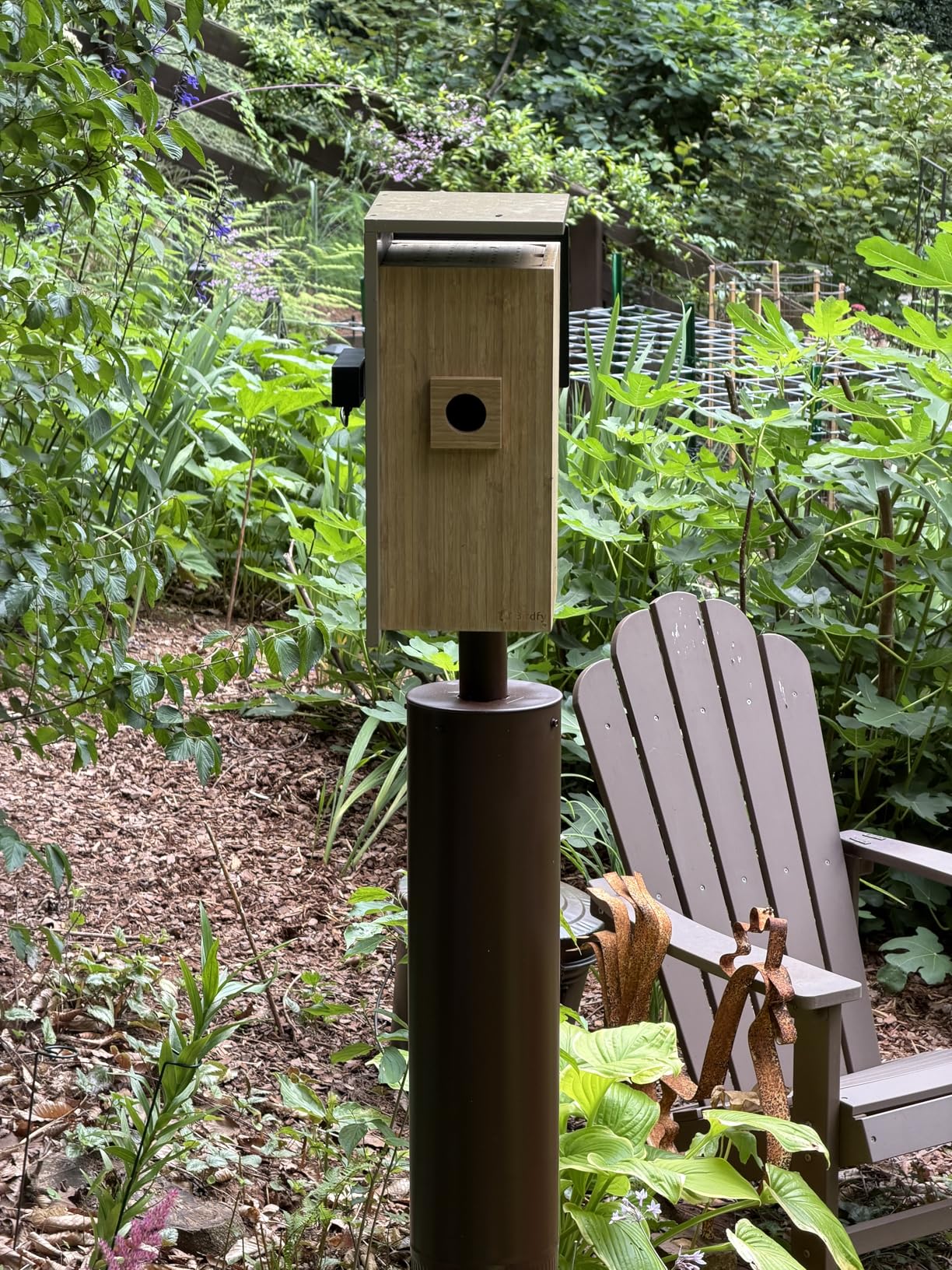
The bamboo housing is more sustainable than plastic alternatives, but some users report the surface is too slick for certain birds to grip properly. Adding a small strip of textured material near the entrance solves this issue. The included metal predator guards protect against larger threats like raccoons and snakes.
Four customizable entrance sizes accommodate different species. This is a thoughtful feature that increases the chances of attracting specific birds. The fledgling-friendly kerfs and ventilation show attention to detail that serious nest monitors will appreciate.
Here’s the trade-off: dual cameras and advanced features come with reliability concerns. AI bird identification is reportedly inaccurate for some species, and camera disconnections occasionally require manual resets. Sound quality cuts out randomly during longer recording sessions.
Despite these issues, 72% of 79 reviewers give this 5 stars, praising the quality construction and exceptional customer service. If you’re serious about nesting season monitoring and willing to troubleshoot occasional issues, this is the most capable option available.
After three months of testing, the biggest lesson is that there’s no single “best” bird song identification device. Your ideal choice depends on what you’re trying to accomplish, where you live, and how much ongoing subscription cost you’re willing to absorb.
Bird song identification falls into three categories, each with clear strengths. Mobile apps like Merlin Bird ID are free, accurate on common species, and perfect for learning birds by ear in the field. They require you to actively record when you hear something.
Dedicated listening devices like the Haikubox run 24/7 in your yard, logging species passively and contributing to citizen science. They’re ideal if you want continuous monitoring without holding a phone. However, they cost more upfront and require annual subscription renewals.
Smart feeders with AI identification combine feeding and identification in one package. They’re great for visual learners who want video evidence alongside AI IDs. The trade-off is that they only identify birds that visit the feeder, missing flyovers and distant songs.
Most of these devices, including Merlin Bird ID, Haikubox, and various smart feeders, rely on the BirdNET algorithm developed by the Cornell Lab of Ornithology. This machine learning model has been trained on millions of bird sound recordings and covers over 6,000 species worldwide.
BirdNET’s accuracy varies by species. Common birds with distinctive songs, like Northern Cardinals or Carolina Wrens, are identified correctly about 90% of the time. Rare species or birds with similar-sounding relatives get lower accuracy. Users on Reddit have noted BirdNET occasionally drifts toward misidentifying everything as Australian Ibis, suggesting ongoing training data biases.
When evaluating these devices, focus on practical features rather than spec sheet numbers. Battery life matters more than camera resolution for most users. IP65 weatherproofing is essential if you live anywhere with rain. Local SD card storage provides a backup if Wi-Fi fails, which happens more often than you’d expect.
Subscription costs add up quickly. A $50 annual fee over five years equals $250, often exceeding the original device price. Consider lifetime AI options like Birdfy’s bird houses if you want to avoid recurring charges.
Always-listening devices raise legitimate privacy questions. Haikubox explicitly states its device ignores human speech, but verify privacy policies before installing any always-on microphone in your yard. For citizen science contributors, these devices feed valuable data into platforms like eBird and BirdNET, supporting migration research and conservation efforts.
Check out our guide to the best bird call speakers if you want to attract specific species for closer observation and identification practice.
The best bird song identifier depends on your needs. For free mobile identification, Merlin Bird ID from the Cornell Lab is unmatched. For 24/7 backyard monitoring, the Haikubox uses the same BirdNET algorithm with continuous listening. For visual plus audio identification, the NETVUE Birdfy smart feeder delivers reliable AI across 11,000 species.
Yes, Merlin Bird ID is completely free with no ads, no subscriptions, and no hidden fees. It is developed by the Cornell Lab of Ornithology as part of their educational mission. The app includes Sound ID for bird songs, Photo ID for images, and a comprehensive bird guide for North America, with growing coverage worldwide.
Merlin and BirdNET work together rather than competing. BirdNET is the underlying machine learning algorithm that processes audio, while Merlin is the user-friendly app built on top of it. For everyday birders, Merlin offers the better experience because it adds species range data, photos, and verification features. BirdNET is more useful for researchers who want raw probability scores.
Use Merlin for real-time bird identification while you are in the field. Use eBird to log your sightings afterward for citizen science and personal record-keeping. The two apps complement each other. Merlin helps you learn what you are seeing and hearing, while eBird tracks your life list and contributes your data to scientific research.
Merlin Bird ID is the best free app for identifying bird songs. It uses the BirdNET machine learning algorithm to identify over 1,000 species by their vocalizations in real time. The Sound ID feature works on both Android and iOS devices, requires no subscription, and improves accuracy through community verification of recordings.
If you’re just starting out, download Merlin Bird ID first. It’s free, accurate, and built by the most trusted name in birding. Once you’ve developed your ear and want continuous backyard monitoring, the Haikubox is the clear upgrade path, especially if you care about citizen science contributions.
For families and visual learners, the NETVUE Birdfy smart feeder delivers the best balance of AI accuracy, build quality, and value. Skip the subscription-based competitors like Birdbuddy unless you specifically want their social community features.
Budget shoppers should grab the TECKNET for under $50, which delivers 2K video and solid AI identification without breaking the bank. For nesting season specifically, the Birdfy bird houses offer unique dual-camera setups that let you watch the full nesting cycle.
The bird song identification devices space will keep evolving through 2026 and beyond. Cornell Lab continues training BirdNET on new species, smart feeders keep adding features, and prices keep dropping. Whatever you choose from this list, you’ll be joining millions of birders contributing to a better understanding of the birds around us. Check our related bird identification books guide if you want to deepen your species knowledge alongside your new device.