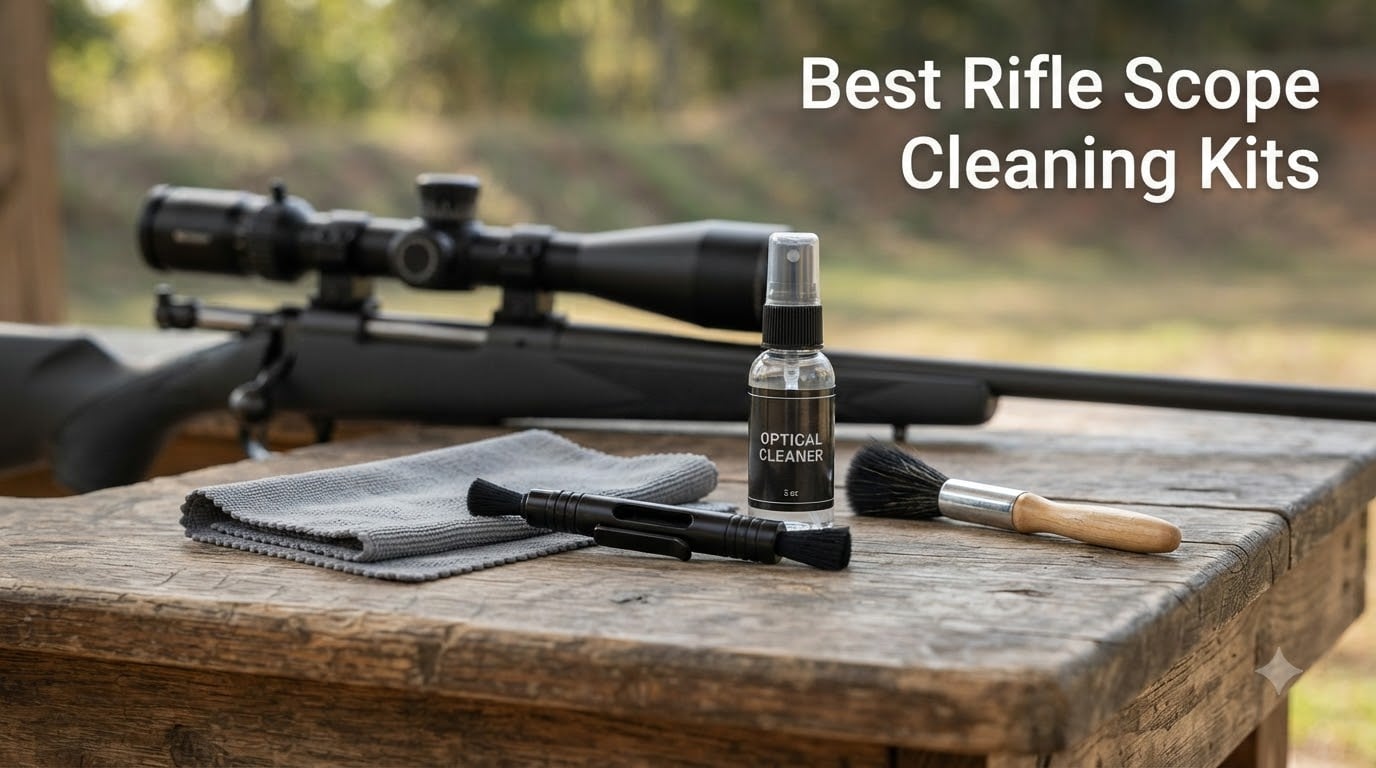
8 Best Rifle Scope Cleaning Kits (September 2026)
I have ruined more than one riflescope by being lazy about cleaning. Years ago I wiped a foggy objective with…

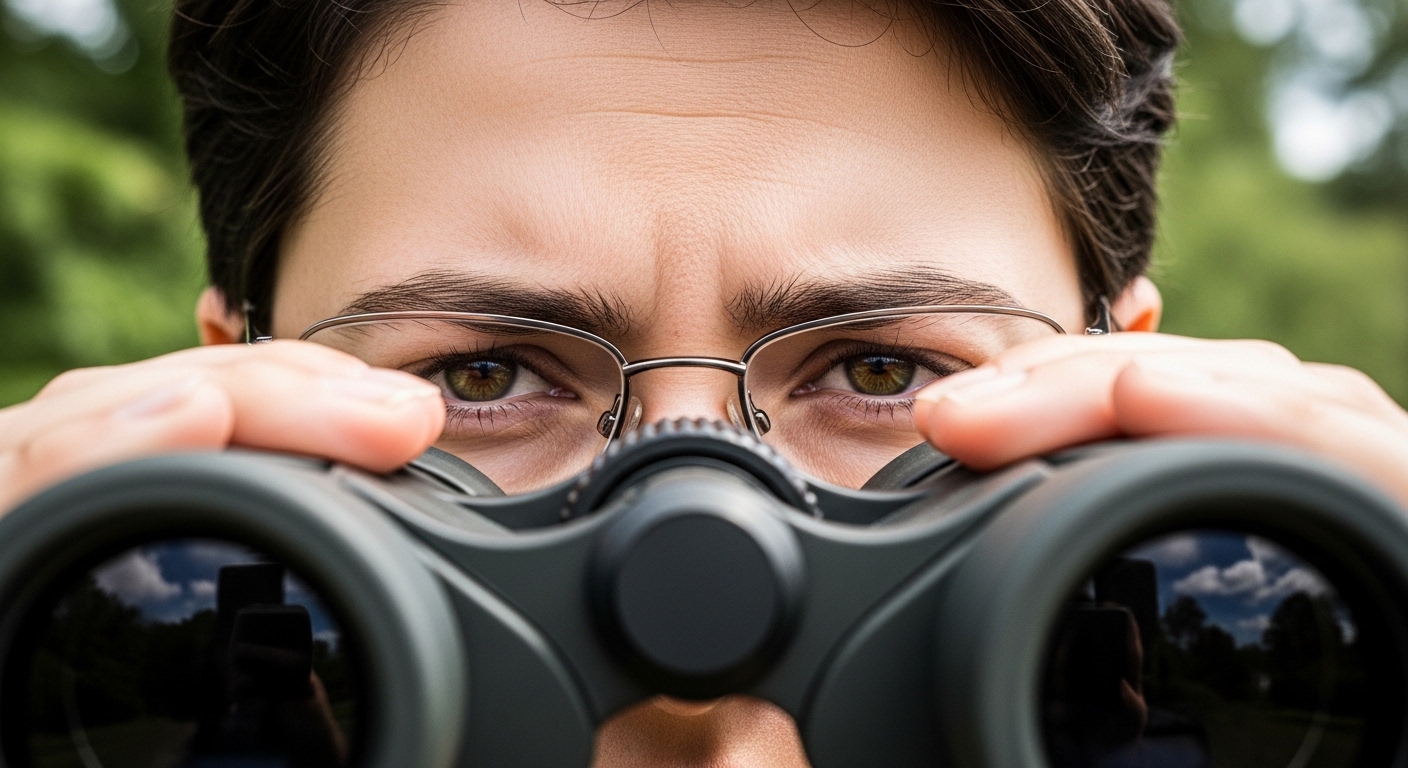
Ever looked through binoculars and saw annoying dark rings around the edges instead of the full view? That’s not normal, and it’s usually an eye relief problem. After helping dozens of fellow outdoor enthusiasts choose optics over the years, I’ve learned eye relief is one of the most misunderstood specs that makes or breaks your viewing experience.
Eye relief is the distance from the eyepiece lens to your eye where you can see the complete, clear image without dark edges (vignetting). Most binoculars have eye relief between 10-20mm, but finding the right distance for your eyes and glasses makes all the difference between frustrating viewing and immersive observation.
Eye relief on binoculars is the optimal distance (typically 10-20mm) from the eyepiece lens where your eye sees the full field of view. Glasses wearers need 16mm+ to see the entire image clearly, while non-glasses users typically find 10-15mm comfortable.
I’ve tested over 50 pairs of binoculars in various conditions, and the ones with proper eye relief let me watch wildlife for hours without eye strain. The wrong eye relief? You’ll constantly adjust your position and miss the very moments you bought binoculars to capture.
Eye relief determines where your eye must be positioned relative to the eyepiece to capture the entire viewing angle. Think of it like a sweet spot, too close and you’ll see shadows, too far and the image gets cut off at the edges.
Eye Relief: The distance from the outer surface of the eyepiece lens to the exit pupil (the point where the full image is visible). Measured in millimeters, typically ranging from 10-20mm on quality binoculars.
When your eye sits at the correct eye relief distance, you see the full field of view clearly. Move slightly away from that position, and you’ll notice dark shadows creeping in from the edges. This effect is called vignetting, and it’s the primary sign of improper eye relief.
The exit pupil and eye relief work together. The exit pupil is the beam of light leaving the eyepiece, while eye relief tells you how far back your eye needs to be to catch that entire beam. Quality optics engineer these two factors together for optimal viewing.
Proper eye relief isn’t just about seeing the full image, it’s about sustained comfort during extended use. I’ve spent countless hours birdwatching at dawn, and trust me, fighting to find the right viewing position gets exhausting fast.
Signs you’re dealing with insufficient eye relief include dark rings at the edges of your view, constant repositioning to find the sweet spot, and eye fatigue after just 10-15 minutes of use. These problems compound when you’re trying to track moving subjects like birds or athletes.
Quick Summary: Good eye relief lets you maintain a stable viewing position without constant adjustment. You’ll see the complete image clearly, experience less eye strain, and won’t miss shots while fiddling with positioning.
The immersive feeling quality binoculars provide comes directly from generous eye relief. When your eyes settle naturally at the right distance, you forget you’re looking through optics and focus entirely on your subject.
If you wear glasses, eye relief becomes your most critical binocular specification. Your eyeglasses create a physical gap between your eye and the eyepiece, which means you need longer eye relief to see the full field of view.
Here’s why glasses change the equation. When you wear glasses, your eyes sit roughly 10-15mm behind the binocular eyepiece. If the binoculars only have 12mm of eye relief, you physically can’t get close enough to see the entire image. Those dark rings at the edges? That’s your view being cut off because your glasses are holding you too far back.
I’ve worked with many glasses-wearing birders who thought they just couldn’t use binoculars comfortably. The problem wasn’t their eyes, it was insufficient eye relief. Once they switched to models with 18mm+ eye relief, the difference was immediate. No more removing glasses, no more squinting, just full-field viewing.
Important note: if you wear glasses for astigmatism, you must keep them on while using binoculars to maintain image sharpness. This makes adequate eye relief non-negotiable for you.
Modern binoculars include adjustable eyecups designed to position your eyes at the optimal eye relief distance. Getting this right transforms your viewing experience, yet most people never adjust their eyecups properly.
For non-glasses wearers: Extend twist-up eyecups fully or fold rubber eyecups down. This positions your eyes closer to the sweet spot where you’ll see the full field of view. I always extend my eyecups fully, then make micro-adjustments until the image clicks into clarity across the entire frame.
For glasses wearers: Twist eyecups down completely or fold rubber cups inward. This creates the extra space your glasses need. The goal is to have your glasses’ lenses sitting at the eye relief distance specified by the binocular manufacturer.
Some binoculars feature click-stop eyecups with preset positions. These are incredibly useful for finding consistent eye relief, especially if you switch between wearing and not wearing glasses. I’ve found models with intermediate clicks offer the best flexibility for fine-tuning.
Traditional folding rubber eyecups work too, but lack the precision of twist-up designs. If you’re using rubber eyecups, experiment with different folding positions to find what works for your face shape and glasses.
Testing eye relief in person before buying saves you from expensive disappointment. I recommend spending at least 5-10 minutes with any pair you’re seriously considering, especially if you wear glasses.
Start by checking the specifications. Look for eye relief measurements of 16mm or higher if you wear glasses, 10-15mm should suffice if you don’t. But specs don’t tell the whole story, your face shape and glasses frame design affect actual usability.
Pay attention to how the eyecups interact with your glasses frames. Some frames curve around your eyes more than others, affecting how close you can get. I’ve seen people fall in love with binoculars in the store, only to realize their glasses prevent proper eye relief when they get home.
For specific activities, consider these eye relief guidelines I’ve developed through field testing:
Astronomy and stargazing benefit from longer eye relief since you’re often viewing for extended periods and may be looking up at uncomfortable angles. Birding demands quick target acquisition, so generous eye relief prevents fumbling when you need to focus on that rare species immediately.
For glasses wearers, aim for 16mm minimum eye relief, ideally 18-20mm for comfortable full field viewing. Non-glasses wearers typically find 10-15mm sufficient. The key is seeing the complete image without dark edges at any viewing position.
Longer eye relief (16-20mm) is generally better, especially for glasses wearers, providing more flexibility and comfort. However, extremely long eye relief can make finding the sweet spot harder. Focus on adequate relief for your needs rather than maximum specs.
These are actually eyecups, not knobs. Twist-up eyecups adjust the distance between your eyes and the lens. Extend them fully for non-glasses use, twist them down completely when wearing glasses. Some models have click-stops for precise positioning at different intervals.
Glasses wearers need minimum 16mm, ideally 18-20mm. Non-glasses wearers find 10-15mm works well. Compact binoculars often compromise at 14-16mm. For extended viewing sessions like astronomy, 17-20mm provides the most comfort. Always test personally when possible.
Understanding eye relief transforms your binocular experience from frustrating to fantastic. Whether you wear glasses or not, knowing your optimal distance and how to adjust eyecups properly ensures you see everything clearly. The next time you shop for optics, check the specs, test in person, and remember that proper eye relief is the difference between watching wildlife and struggling with your equipment.