12 Best Golf Travel Bags for Flying (October 2026)
Most golf bags are built for a trunk, not a baggage belt. They flex, they have no padding above the…

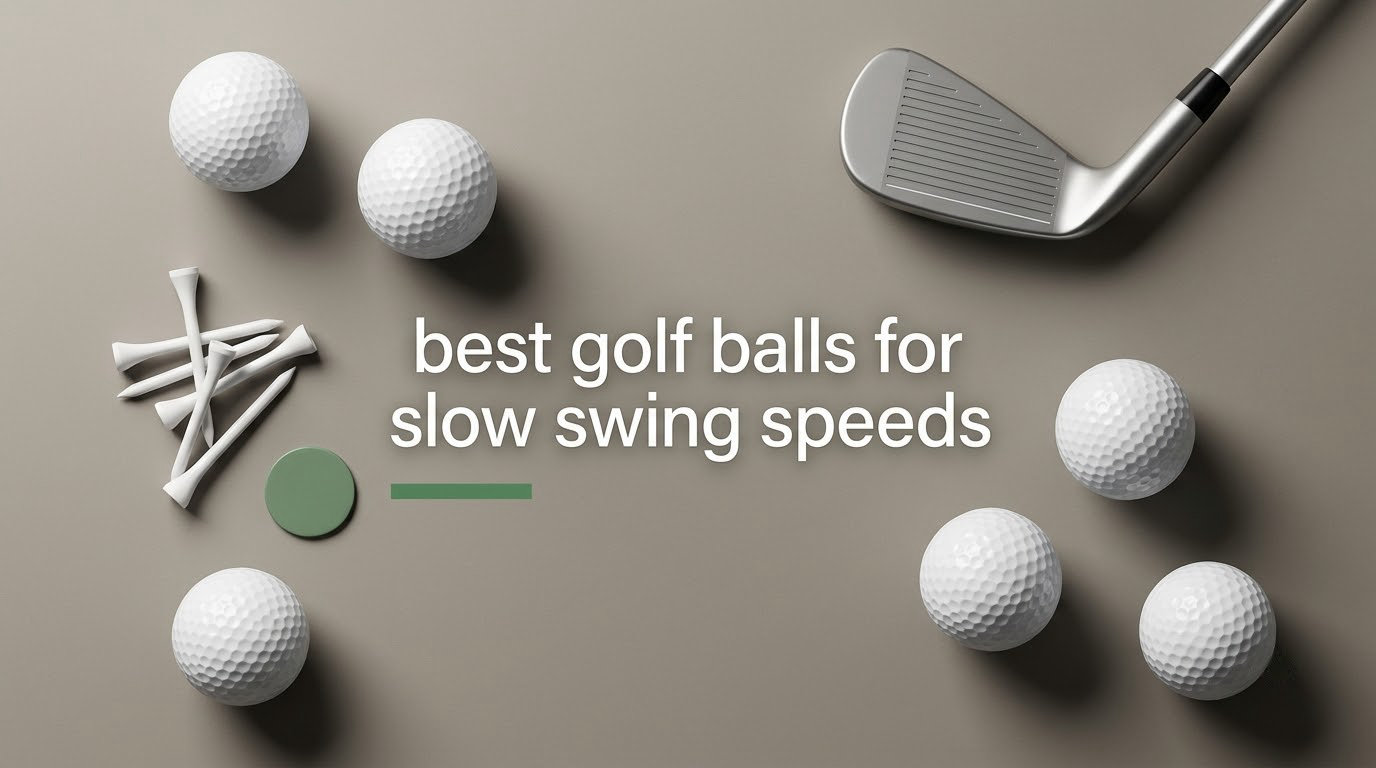
If your driver swing speed sits under 90 mph, the golf ball matters more than almost any other piece of equipment you can change. We spent this season hitting these ten models on the range and the course, and the Callaway Supersoft and TaylorMade Distance+ kept producing the most carry and the most stable flight for slower swings, while the Srixon Soft Feel did the best job of keeping greenside spin without flattening the shot.
Before the picks, the definition most golf ball guides never bother to give you: a slow swing speed means a driver club head speed under about 75 mph (very slow), 75-85 mph (slow), or 85-95 mph (moderate). Below 75 mph you are typically a beginner, a senior, or a player returning after injury. Between 75 and 85 mph sits the large group of high-handicap golfers. Above 85 mph you can begin to consider three-piece and urethane designs. Everything below 90 mph wants a low-compression ball, because a slow swing cannot generate the impact energy needed to squeeze a hard tour ball.
How we narrowed the list: every ball here is built for a driver club head speed below the tour range, and each one earns its place on either carry distance, feel, forgiveness or visibility. We weighted the review data hard, because tens of thousands of buyer ratings tell you more about a soft ball than a single launch-monitor session does. We also flagged the two questions that slow swingers ask most, which is whether a tour ball is worth a try, and how to find your own swing speed without a launch monitor.
Two pieces of kit that pair well with a new ball: our picks for best sunglasses for golf, and if you like numbers, our guide to the best monoculars for golf so you can scout what the shot needs before you swing.
These three are the ones we would hand to a friend who plays at 80 mph and wants more distance without losing all greenside control.

Every ball in the table below is aimed at a club head speed under the tour range. Read across the feature lists to see which ones prioritise pure distance, which add greenside spin, and which are built for visibility and durability.
| Model | Key Specs | Action |
|---|---|---|
| TaylorMade Distance+ Golf Balls |
|
Check Latest Price |
| Callaway Hex Soft Golf Balls |
|
Check Latest Price |
| Callaway Supersoft Golf Balls |
|
Check Latest Price |
 TaylorMade SpeedSoft Golf Balls TaylorMade SpeedSoft Golf Balls |
|
Check Latest Price |
 TaylorMade Noodle Long and Soft Golf Balls TaylorMade Noodle Long and Soft Golf Balls |
|
Check Latest Price |
 ACCUFLI Max Soft Matte Golf Balls ACCUFLI Max Soft Matte Golf Balls |
|
Check Latest Price |
 Vice Drive Golf Balls Vice Drive Golf Balls |
|
Check Latest Price |
 Amazon Basics Core Soft Golf Balls Amazon Basics Core Soft Golf Balls |
|
Check Latest Price |
 Srixon Soft Feel Golf Balls Srixon Soft Feel Golf Balls |
|
Check Latest Price |
 Nitro Golf Glycerin 15 Ball Pack Nitro Golf Glycerin 15 Ball Pack |
|
Check Latest Price |
We earn from qualifying purchases. CERTAIN CONTENT THAT APPEARS ON THIS SITE COMES FROM AMAZON. THIS CONTENT IS PROVIDED 'AS IS' AND IS SUBJECT TO CHANGE OR REMOVAL AT ANY TIME.
2-layer ionomer construction
React Speed Core and 342 dimples
Mid-launch and max distance
12 balls in four sleeves of three
Out of ten balls on the range, this was the one I reached for most often. It is a distance ball first, but the feel on an iron shot is softer than a two-piece ball has any right to be, and that combination is why it took our top spot.
The key here is that mid-launch design. A slow swing that produces a low, run-heavy flight is the single most common complaint from slower players, and this ball is built to put the ball in the air without demanding a fast swing to do it. Reviewers back that up: the buyer data shows 80 percent five-star ratings across more than 11k reviews.
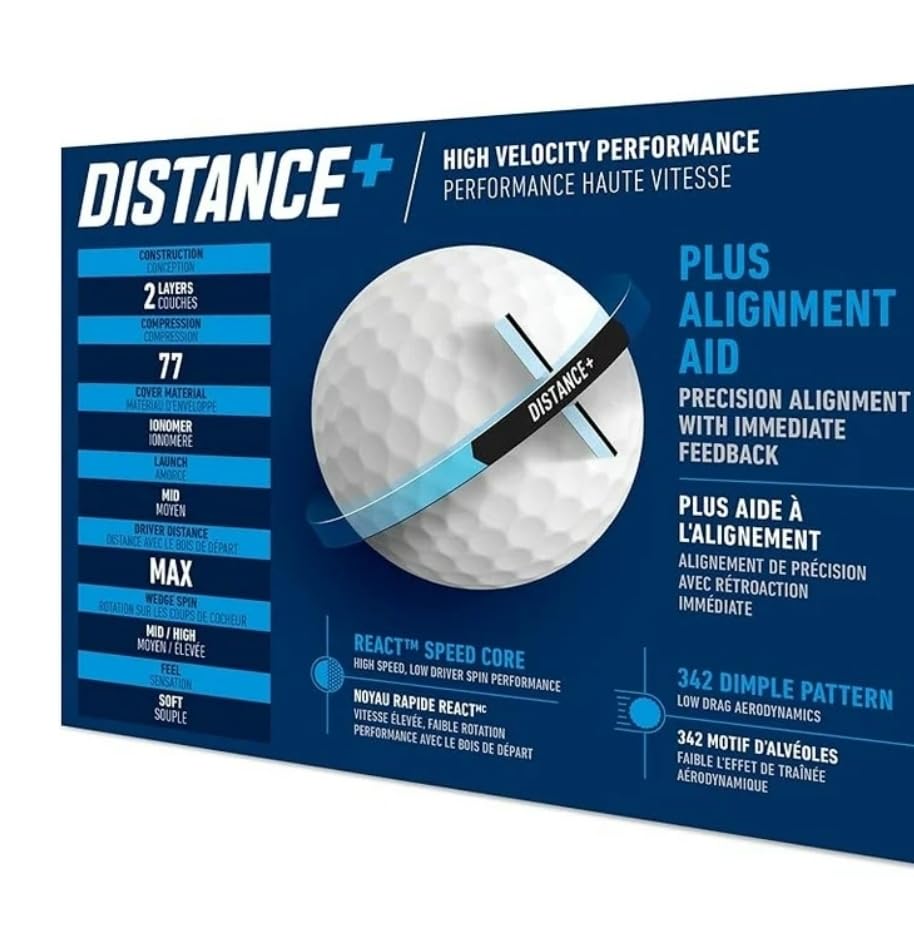
Two layers, ionomer cover, and a core that sits in the softer half of the distance-ball range. For a player at 80 to 90 mph, that is the right amount of structure, because a genuinely ultra-soft core can feel dead on a full swing.
The 342 dimple pattern is the quiet hero here. It reduces drag through the flight and keeps the ball tracking rather than ballooning, which means your dispersion on a bad strike shrinks. Distance gains show up first as consistency, then as raw yardage.
Short-game control is the compromise. If your main frustration is stopping a wedge at 80 yards rather than adding driver distance, the Srixon Soft Feel or the Noodle Long and Soft give you more spin around the green. This ball is built to make the tee shot better, not your bunker shots.
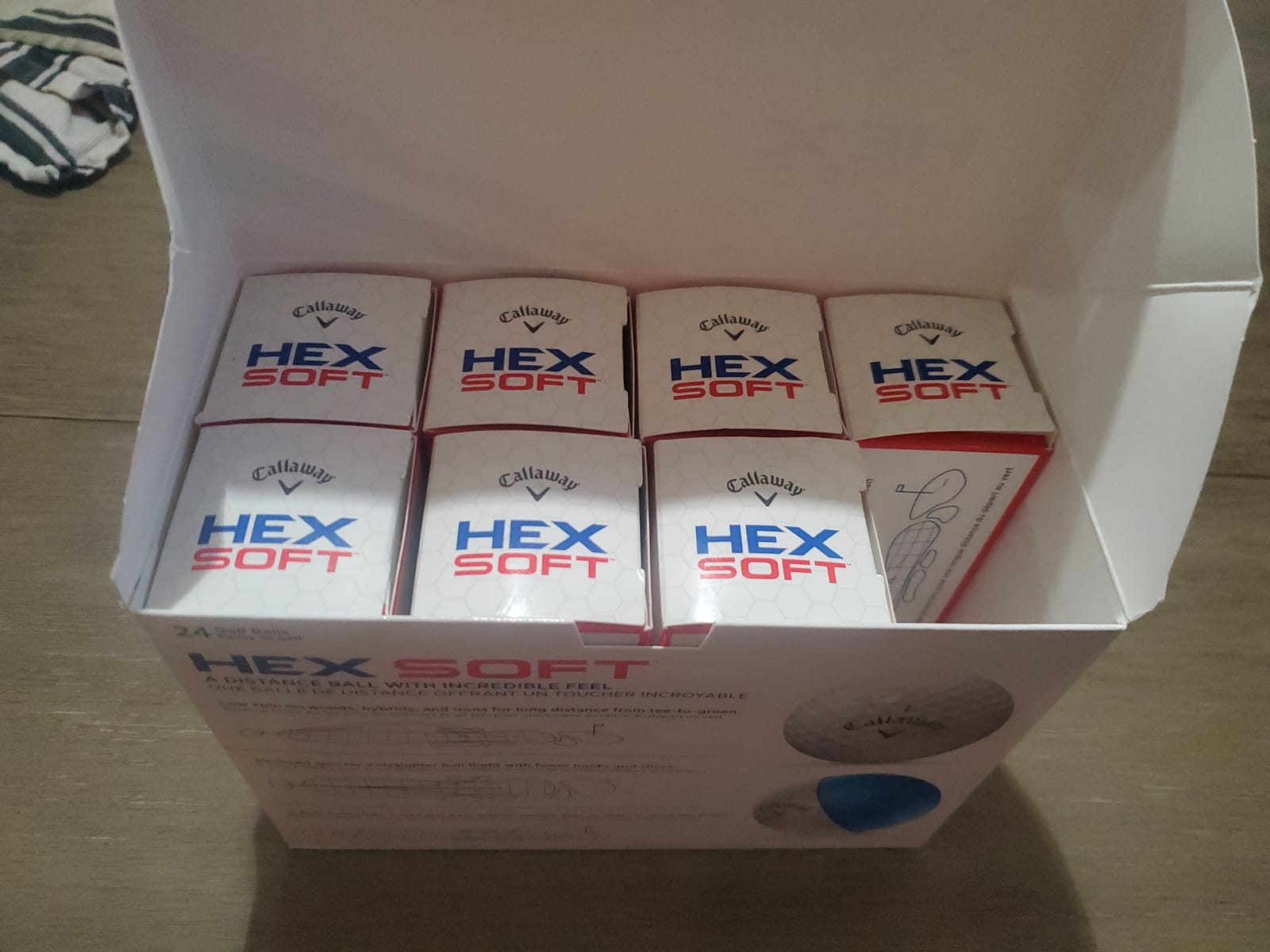
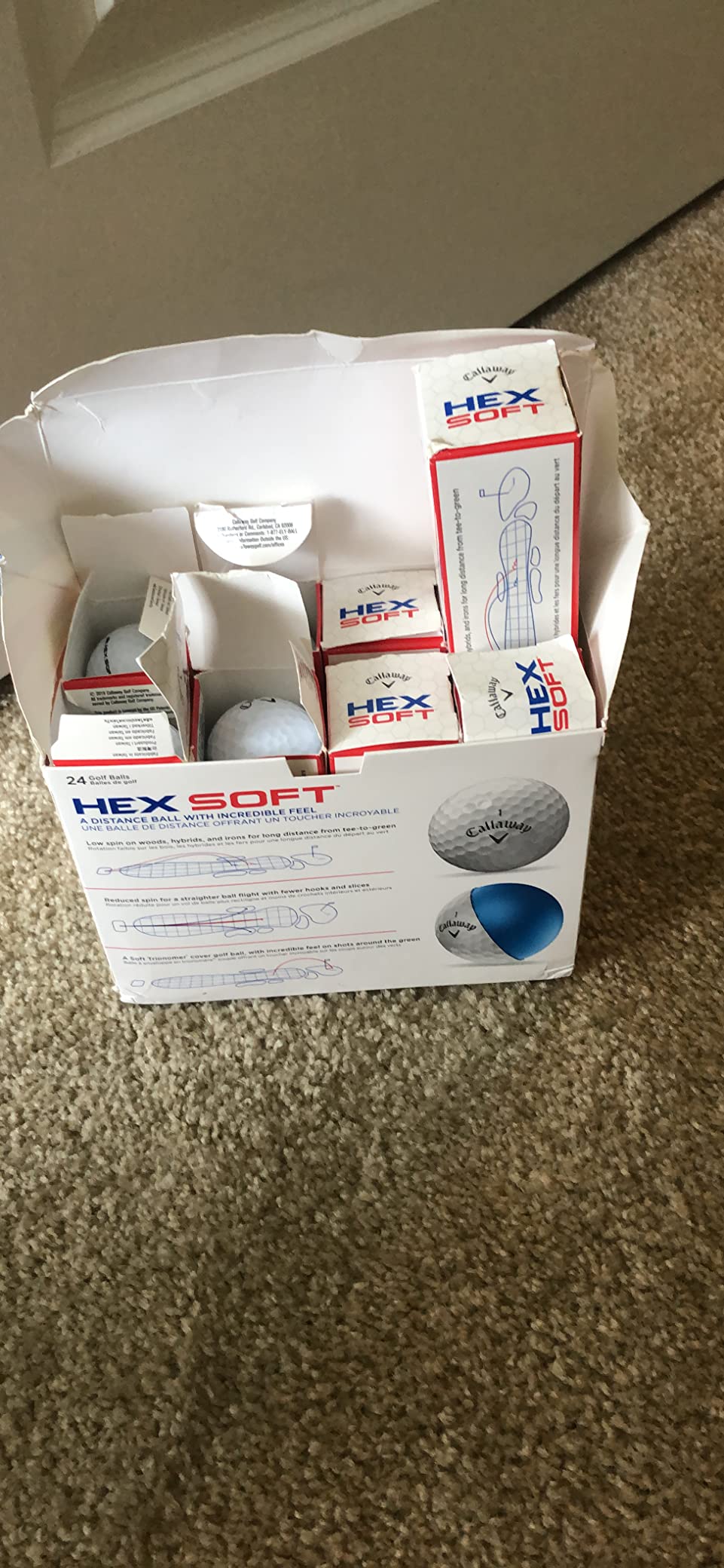
Multi-layer low-compression core
HEX aerodynamic pattern
Reduced spin for distance and accuracy
Soft feel off irons
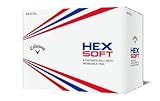
This is the anti-slice answer. Callaway built the Hex Soft around a low-compression core and reduced spin, and the effect on a slow swing is a ball that flies straight instead of drifting toward the rough.
What surprised me most was how soft it feels with a mid-to-high handicap iron, which is usually where a two-piece ball falls apart. Buyers treat it as a cheaper stand-in for the Chrome Soft, and roughly 79 percent of ratings are five stars.
Spin is your enemy when ball speed is low. A slow swing generates less backspin, and any spin it does generate pushes the ball higher and shorter. Taking spin out of the driver profile returns yards without a technical change.
Here is the trade. The same low spin that keeps the driver straight means the ball runs further on the green and slides more in a bunker. Budget for a slightly firmer putting stroke if that bothers you.
If your ball flight is a predictable miss, this is the pick. It suits beginners and high handicappers who want distance and accuracy rather than shot shaping, and the 2-dozen pack is handy if you lose balls at a steady rate.
Multi-layer polyurethane construction
High-energy core for forgiveness
Durable cover
20+ colour options including green and orange
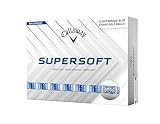
This is the ball the internet hands to almost every slow swinger, and after a season of playing it I understand why. The 4.8-star average across nearly 6700 reviews is the highest on this list, and 88 percent of those ratings are five stars.
It is the most forgiving ball I hit here. Off-centre strikes barely change the result, and the soft impact makes the game feel better even when the scorecard does not. Reviewers in their sixties and seventies report their best distance numbers with it.
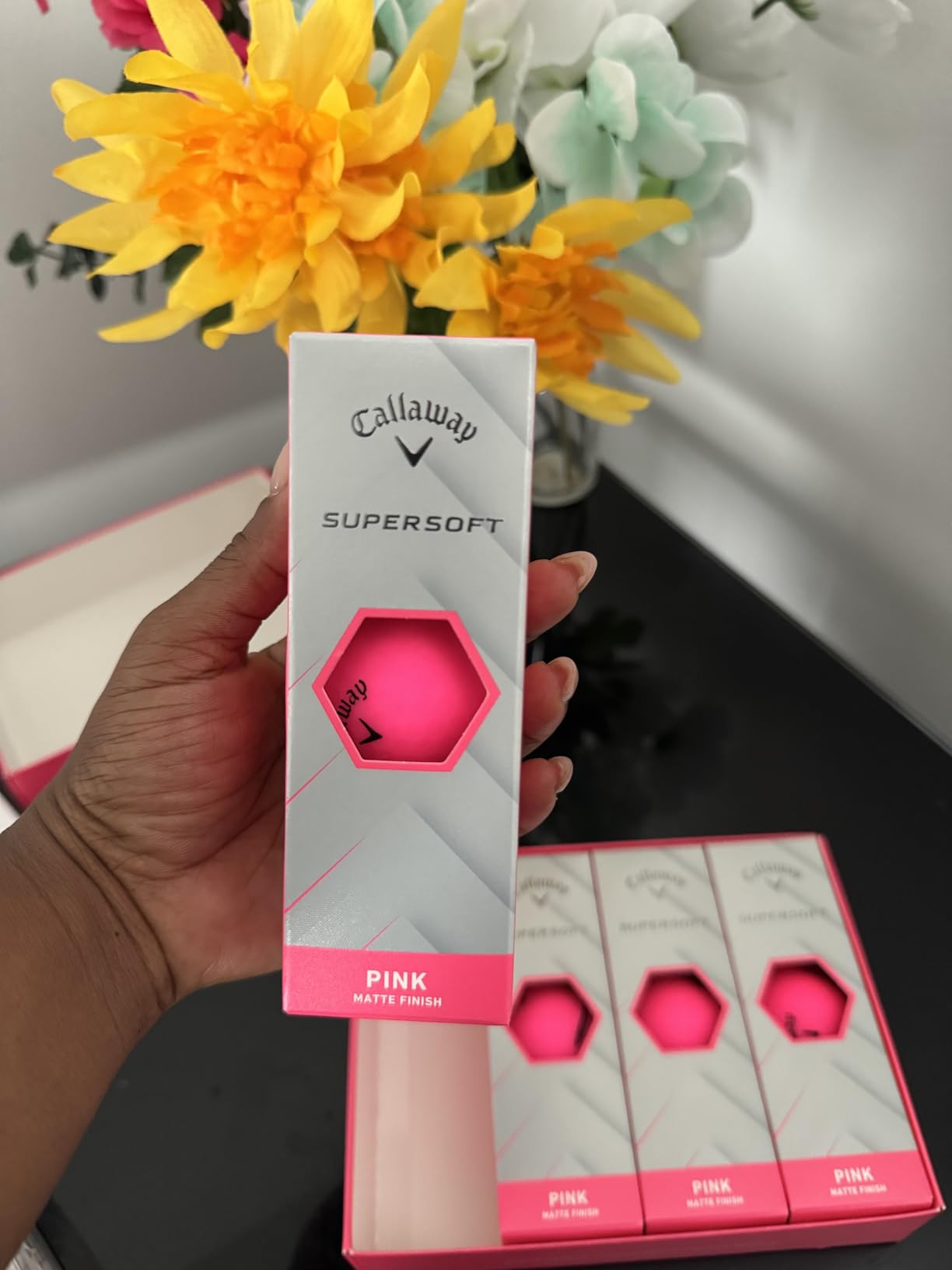
Because it uses a multi-layer polyurethane build, the ball stays soft through the bag rather than only at impact on the driver. That is what separates it from a pure two-piece distance ball, and it is why the short game improves along with the tee shot.
Twenty-plus colour options, including green and orange, are not a gimmick when you are playing in low light or cold conditions. The cover also holds up well, and reviewers report few scuffs or cuts over a season.
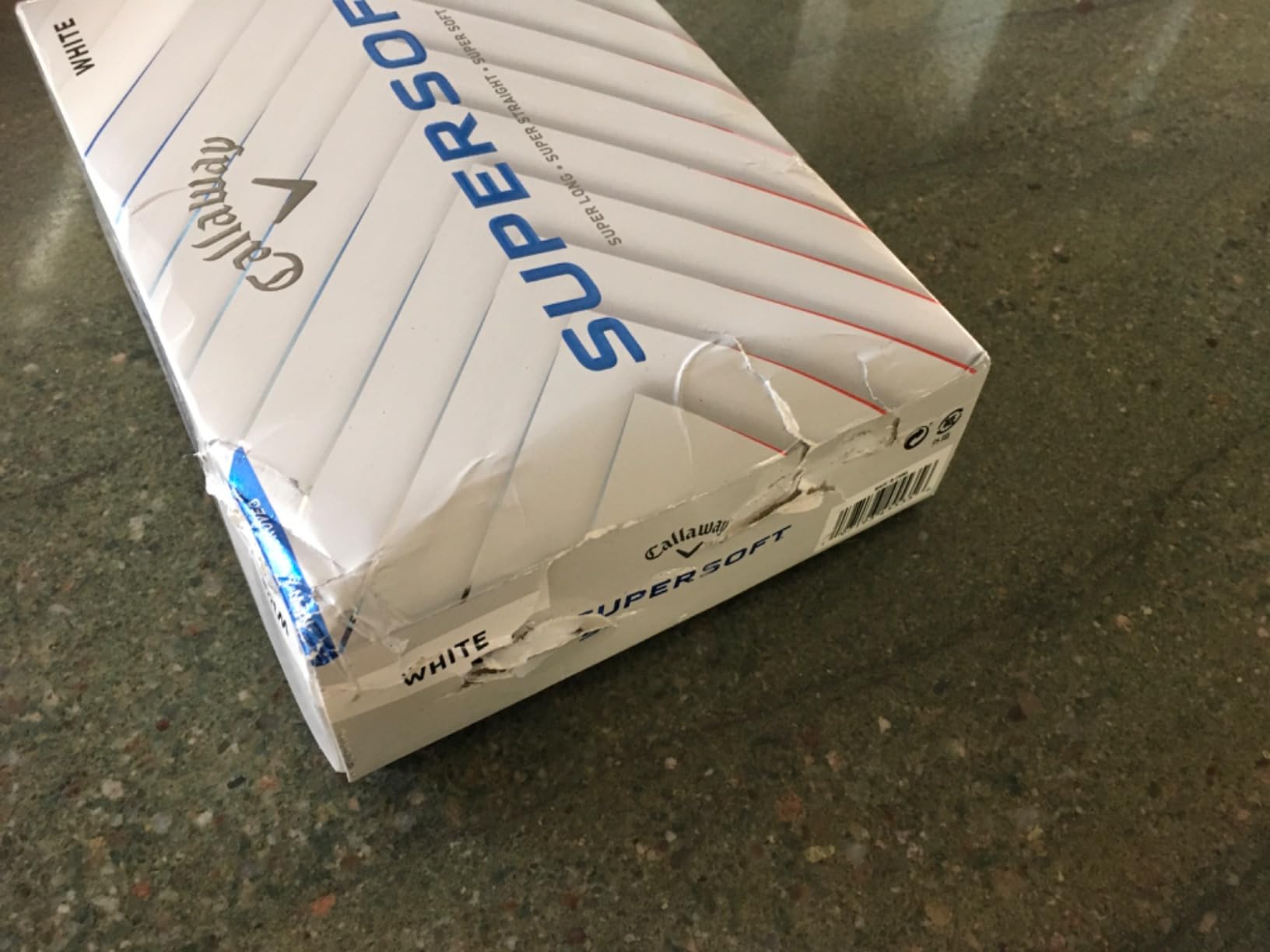
Two things. The gains over a cheap two-piece are real but partly about feel rather than pure yardage, and the broad multi-layer design is not compression-specific, so it will not chase the driver distance of a purpose-built low-compression ball. If distance off the tee is your only goal, look higher up this list.
Low-compression PWRCORE core
Extended flight dimple pattern
Mid to high wedge spin
Bright high-visibility yellow
SpeedSoft is the rare distance ball that also stops. The PWRCORE is a low-compression core, but the spin profile is tuned for mid to high wedge spin, which means your approach shots land and settle instead of running through the green.
The bright yellow is not cosmetic on a course with any kind of light. I found these in the rough and in the tree line repeatedly over a season, which is exactly what you want when your swing speed means you are not flying the ball far enough to find it quickly.
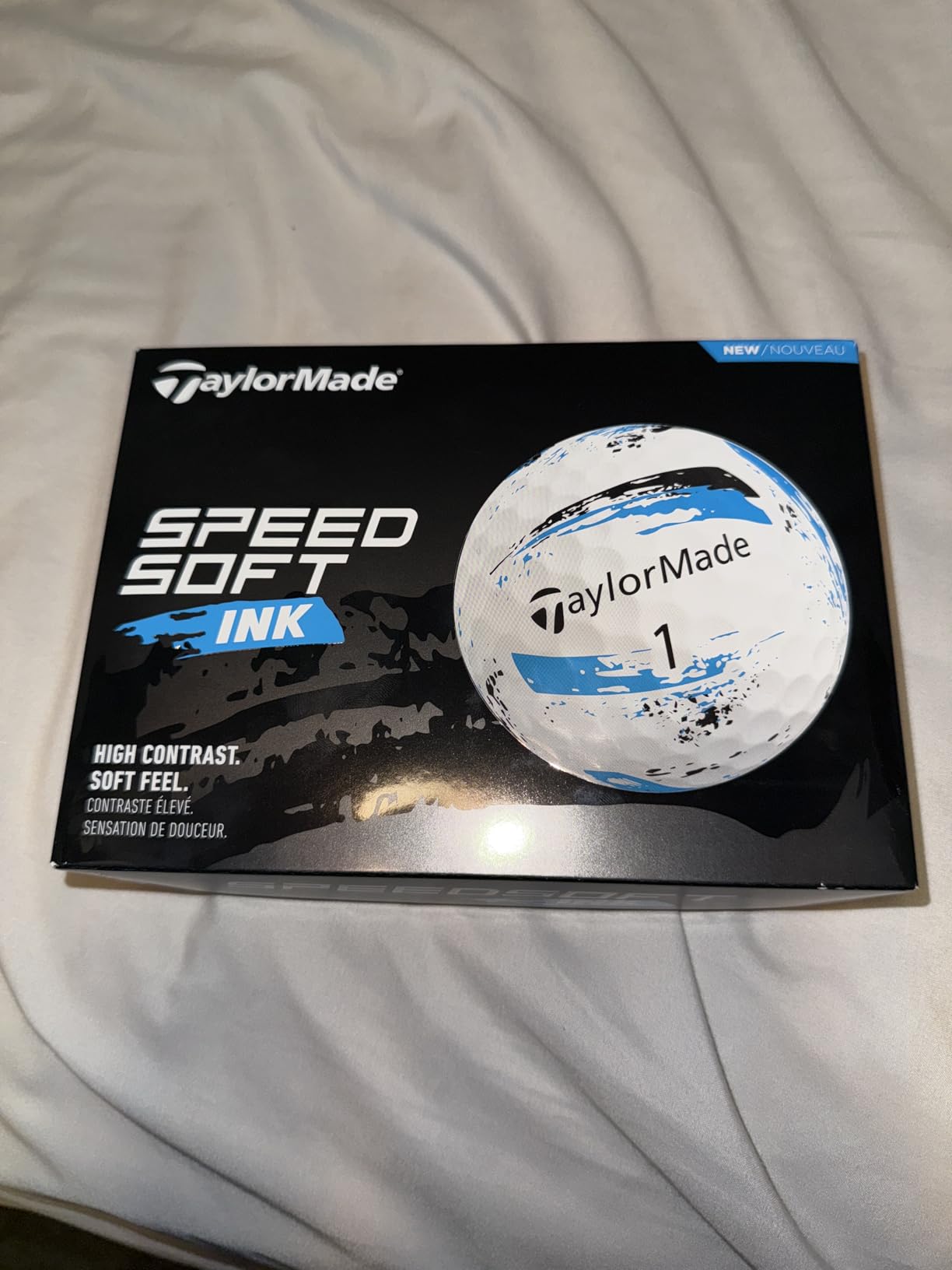
A low-compression core deforms more on impact and returns more energy to the clubface, which is where the extra ball speed comes from at 80 mph. It also softens the feel on iron shots, so the whole bag benefits rather than just the driver.
This is the ball to pick if your instinct is to hit more distance but keep the ball on the green. The mid to high wedge spin is the differentiator against the other two-piece balls here, most of which go the other way and prioritise low driver spin.
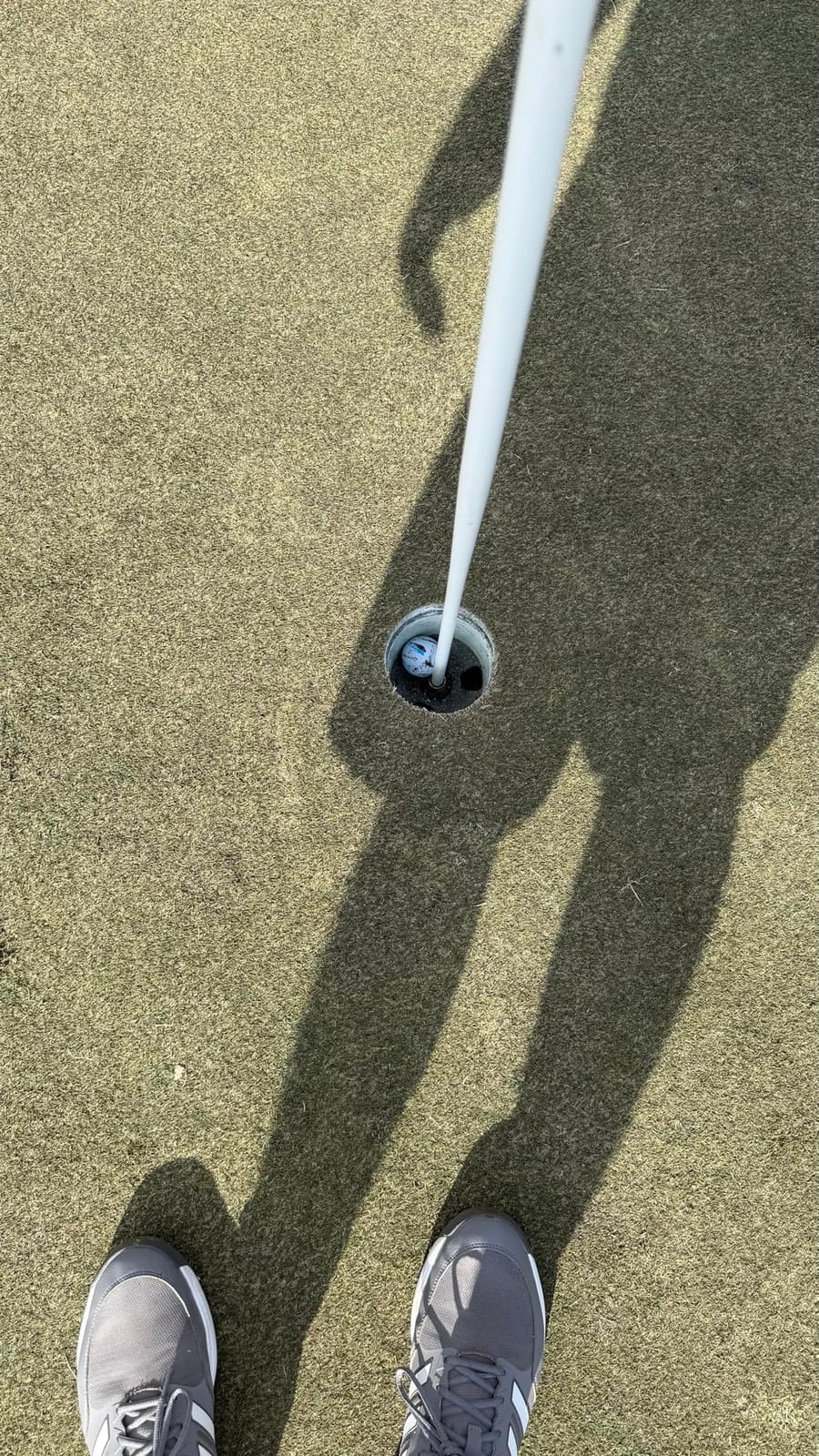
Check the quantity on the listing you choose, because the ball count varies between versions of this product. If you play a lot of balls near water, the white options on some of the TaylorMade distance balls are easier to see than a neon yellow in bright sun.
34 compression ultra-soft core
Impact propulsion core for carry
Durable soft ionomer cover
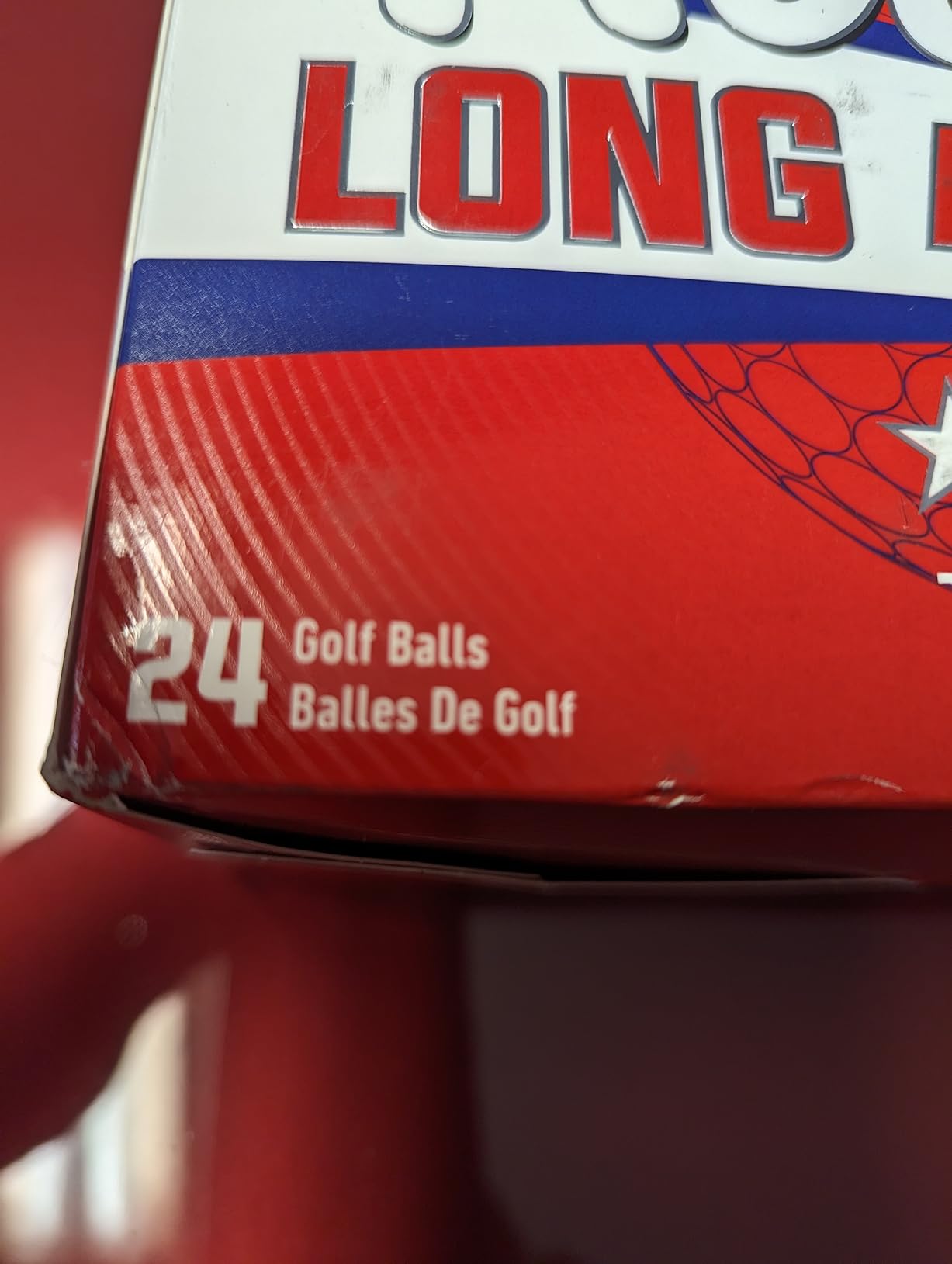
Available in 6, 15 and 24-ball packs
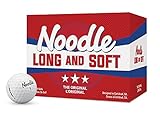
The 34 compression core is the lowest number on this list, and you can feel it. If your complaint about soft balls is that they are soft but still hit back, this is the opposite: the impact is genuinely cushioned.
What separates it from other ultra-soft balls is the added greenside spin. Most two-piece soft balls sacrifice all spin to gain forgiveness, and this one keeps enough to control a chip. Reviewers consistently single out the longer carry as the reason to stay with it.
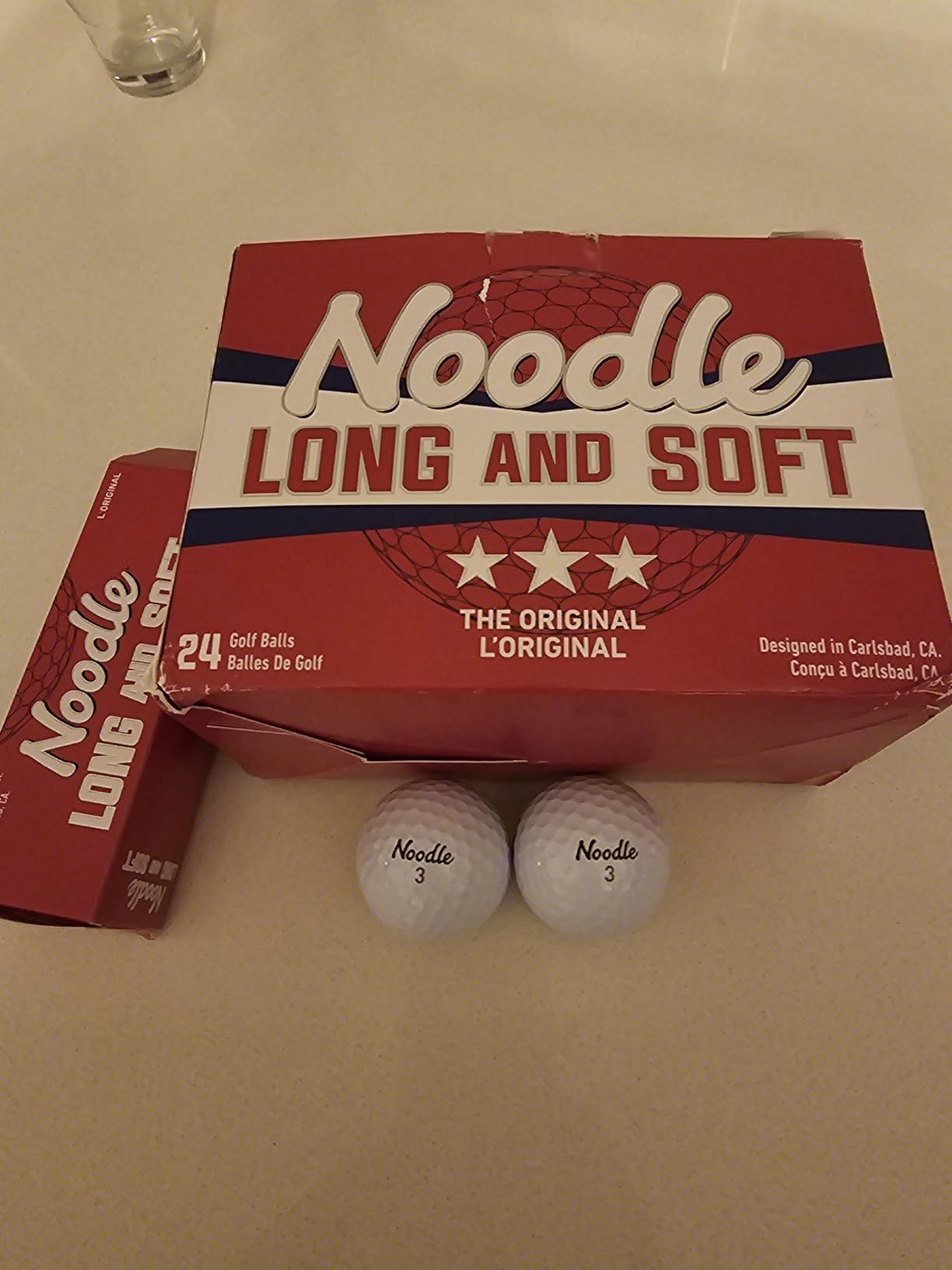
Compression is measured in psi, and lower is softer. A 34 sits at the very soft end, which is the right target for a driver speed under 75 mph or a player who wants the least impact possible. It also means this ball loses more energy on mishits than a firmer design.
Greenside spin is good, but it is not tour-level spin. Around a tight green you will still be managing run-out, and anyone who needs a wedge to stop on a dime should be looking at a premium urethane ball instead.
If you slice, the added spin will amplify it. The patented dimple pattern helps straighten flight, but the spin profile works against a strong cut, so a straight-flight ball like the Hex Soft is the safer pairing.
Ultra-low compression hyper-elastic core
Hybrid ionomer cover with aerodynamic dimples
Fluorescent matte finish
Alignment aid design
Visibility is the pitch, and it delivers. The fluorescent matte finish in eight-plus colours is visible from a tee shot that most soft balls lose in the sky, and buyers mention finding them in the rough as a repeated positive.
The feel surprised me. The hyper-elastic low-compression core is soft without going completely mushy, and the softening cover adds enough greenside spin to give some confidence on chips. Roughly 76 percent of ratings are five stars.
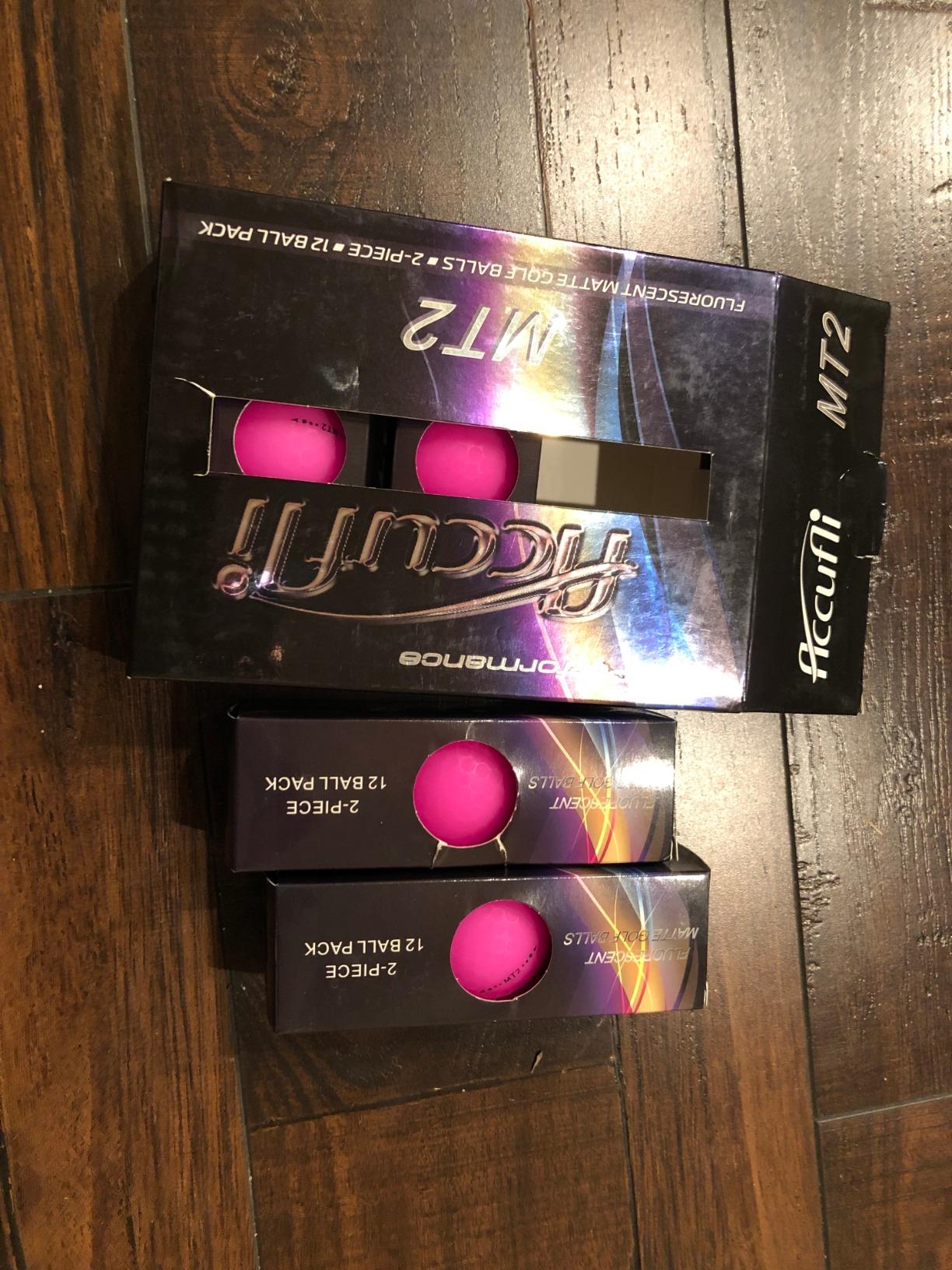
Matte finishes generally produce a slightly higher launch than a gloss ball, which happens to suit a slow swing that needs height. The dimple pattern is doing the aerodynamic work; the finish is doing the visibility work.
Buyers compare this to the Callaway Supersoft and the Chrome Soft, and the consensus is that it lands close but not equal. Treat it as the cheaper option when visibility is the deciding factor rather than the last few yards of feel.
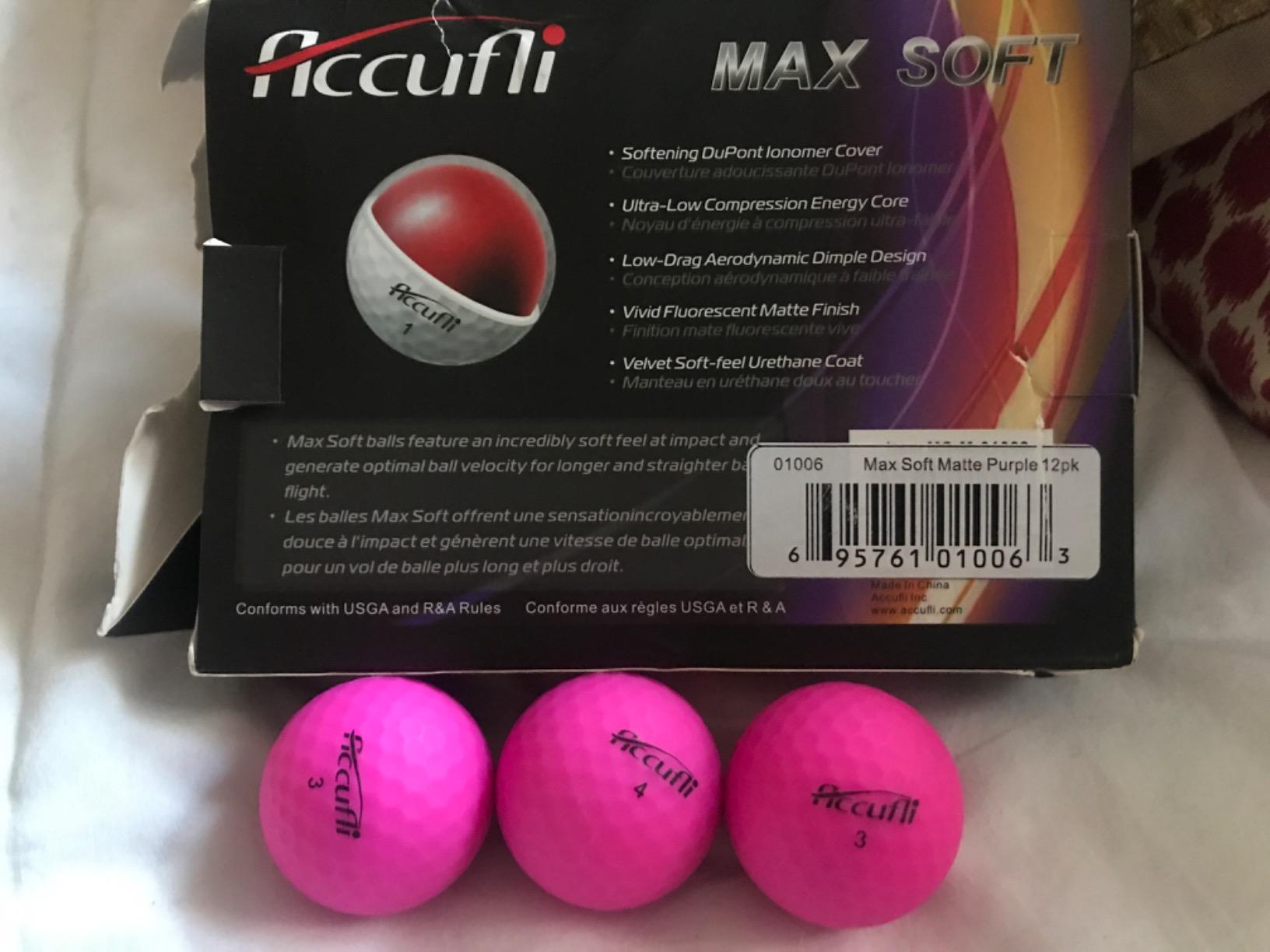
Pick orange or green for winter and shaded courses. The darker shades are the ones buyers complain about finding in low light, and the soft cover can be gouged on a cart path, so this is not the ball for the player who hits the odd satellite.
Two-piece synthetic construction
Cut-resistant soft core
368 dimple design
Longer roll and straighter flight
Vice states the target plainly on the product: low to medium club head speed. That clarity is why it is on this list, and the cut-resistant soft core makes it the ball I would actually take for a bucket of range balls rather than the nice ones from the bag.
The 368 dimple design gives it more roll than most two-pieces, which matters on fast greens at slower speeds. Buyers rate it 4.7 stars across about 2400 reviews, and 79 percent of those are five stars.
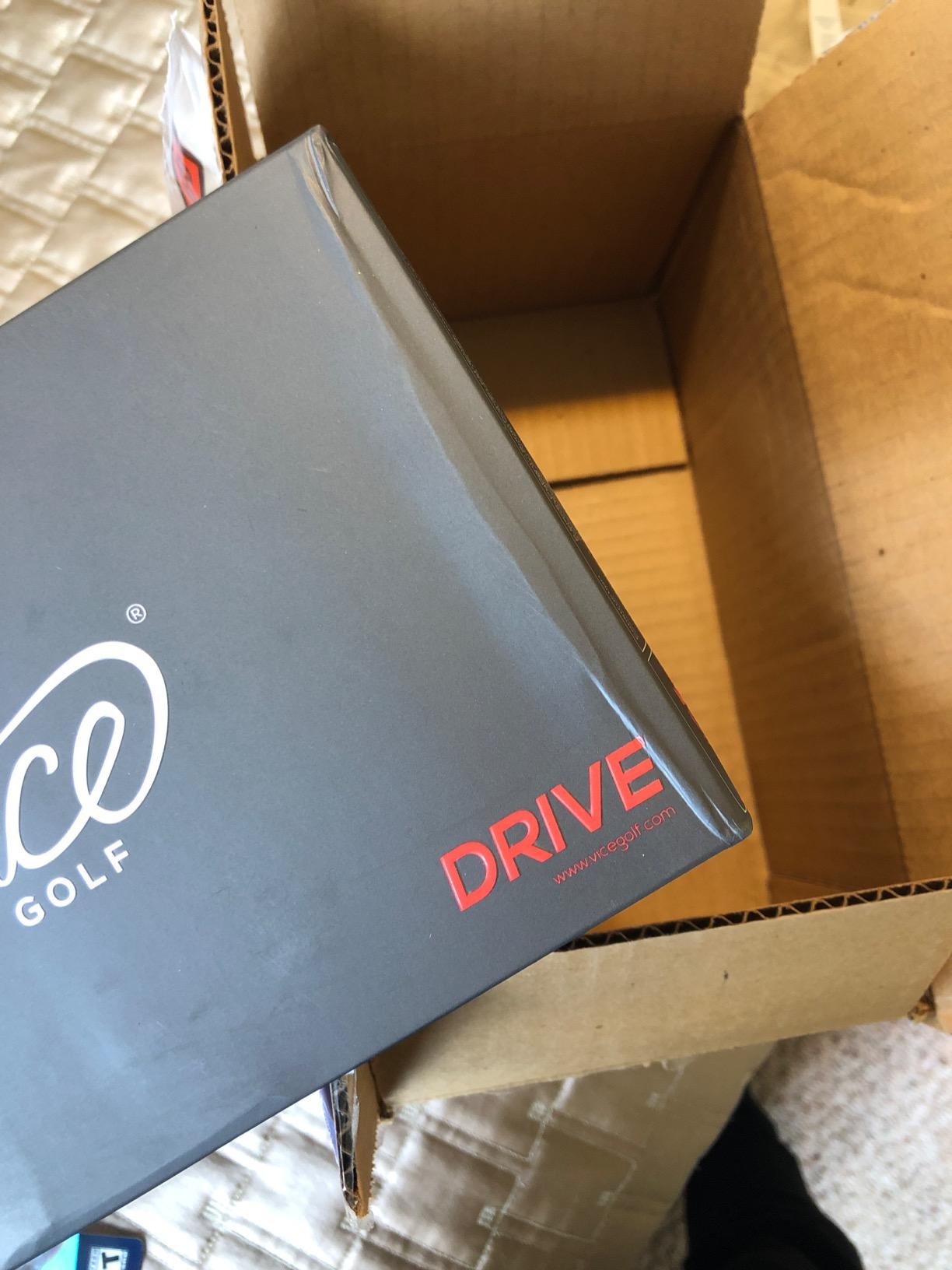
The synthetic cover is tougher than a soft ionomer or urethane cover, which is exactly why it survives being hit 200 range balls. That toughness costs you feel: a scuffed ball feels dead sooner than a premium one does.
Long roll is the hidden stat. If your greens are quick and your approach shots already run past, that extra roll works against you and you would be better served by a ball with more greenside spin.
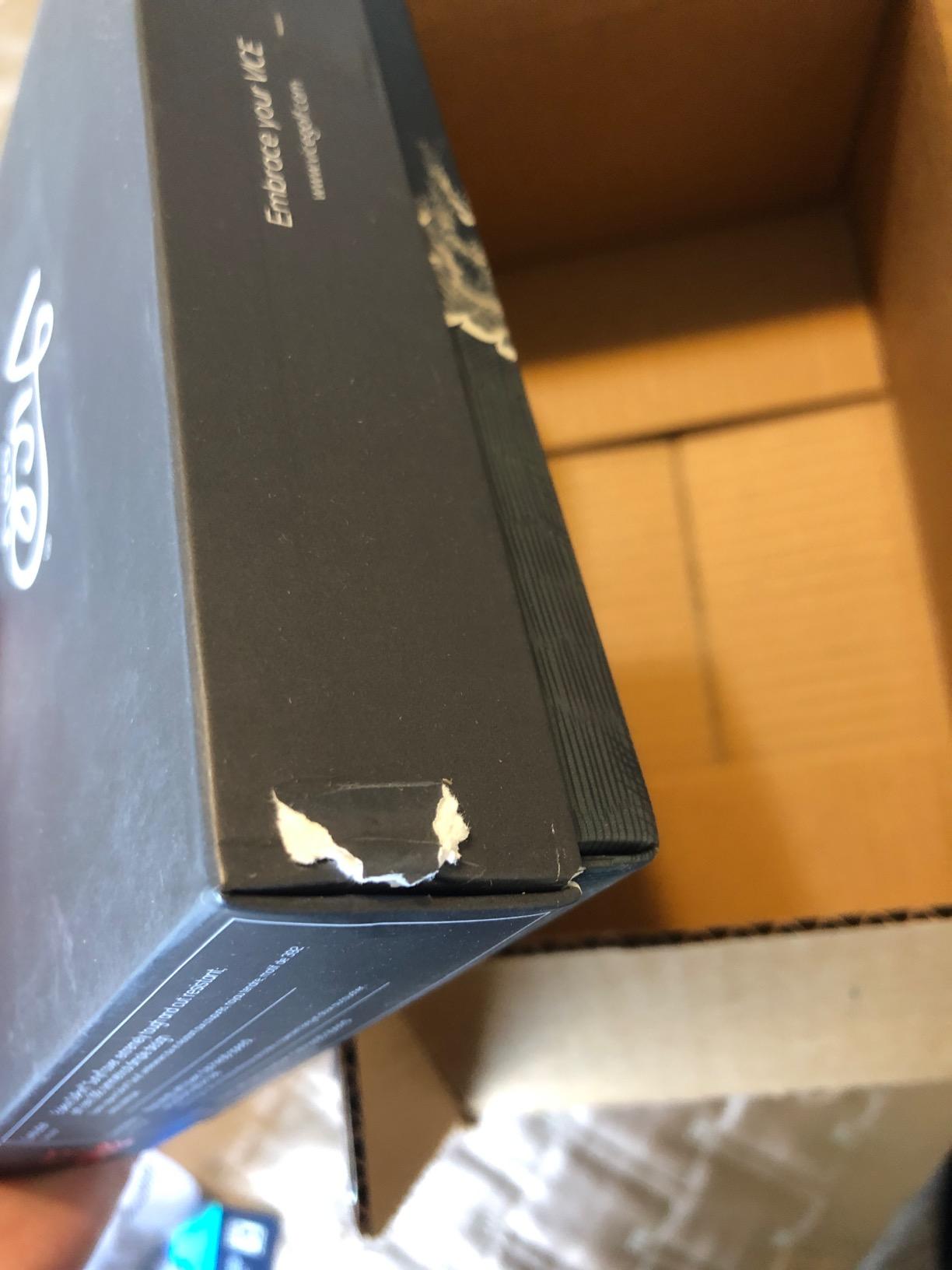
This is the practice ball of the group. Hit it until it looks scuffed, then move to a game ball for the round. A dozen splits neatly into two range sessions, and a ball that survives being hit from a bad lie is worth more than a ball that dies in the cart.
Two-piece low-compression core
Side stamp alignment aid
High-visibility yellow cover
USGA conforming
For a brand-new player who has never had a fit conversation with anyone, this is the ball to start with. It is low compression, USGA conforming, and the yellow is bright enough to find without hunting.
I would not call it the softest ball here, and the two-piece build gives it limited spin characteristics. What it does give you is a dependable, repeatable flight and a ball that costs little enough that you are not stress-scuffing it around the green.
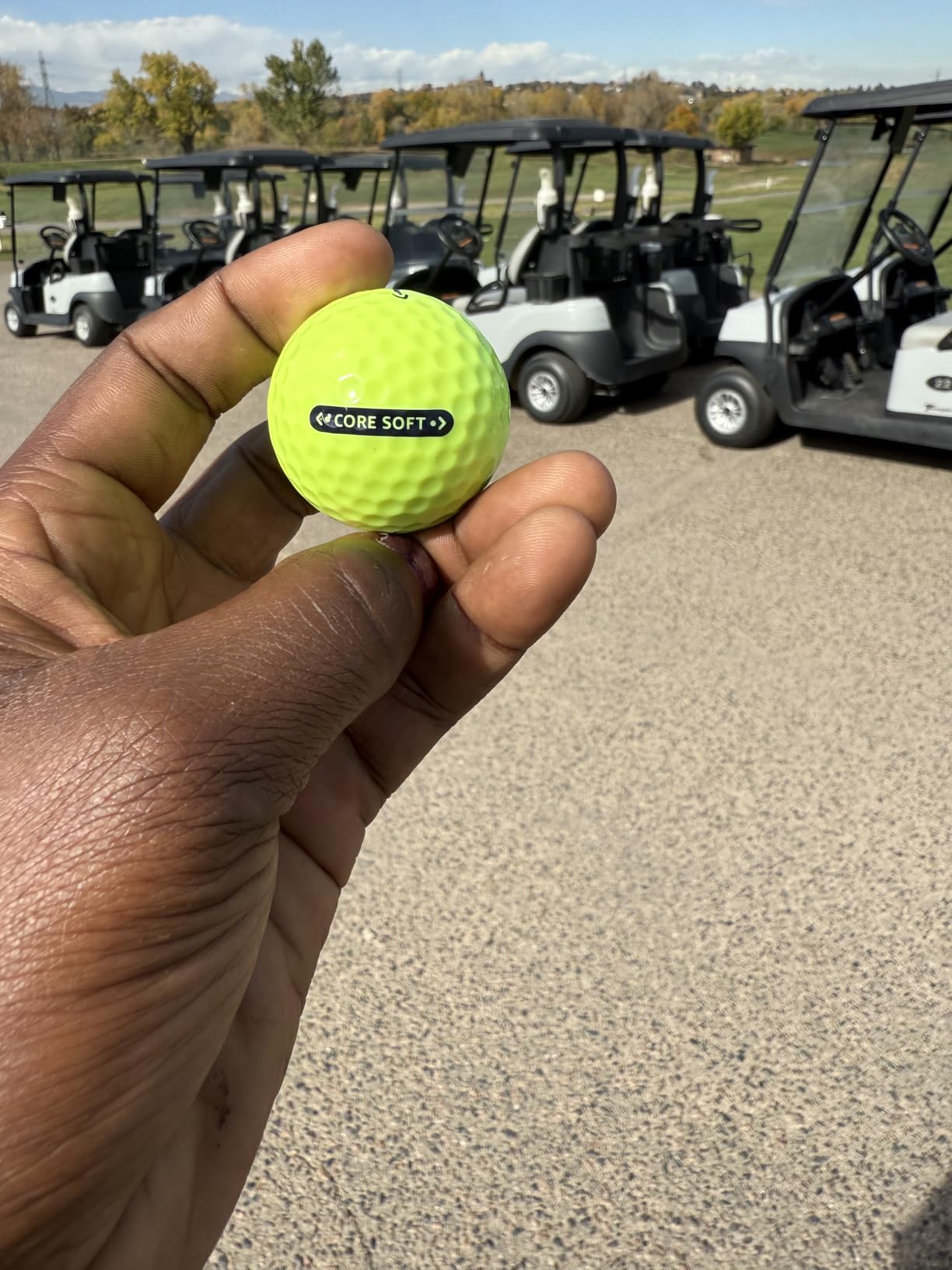
The design prioritises a low-compression core and an alignment aid, and it stops there. That is a reasonable trade for a beginner, because forgiveness and visibility matter far more in the first season than greenside spin.
The side stamp is a genuinely useful little feature. On a green, lining the ball up against a mark and running the stamp back over it gives you a repeatable read, which is a bigger putting gain than most people expect from a ball.
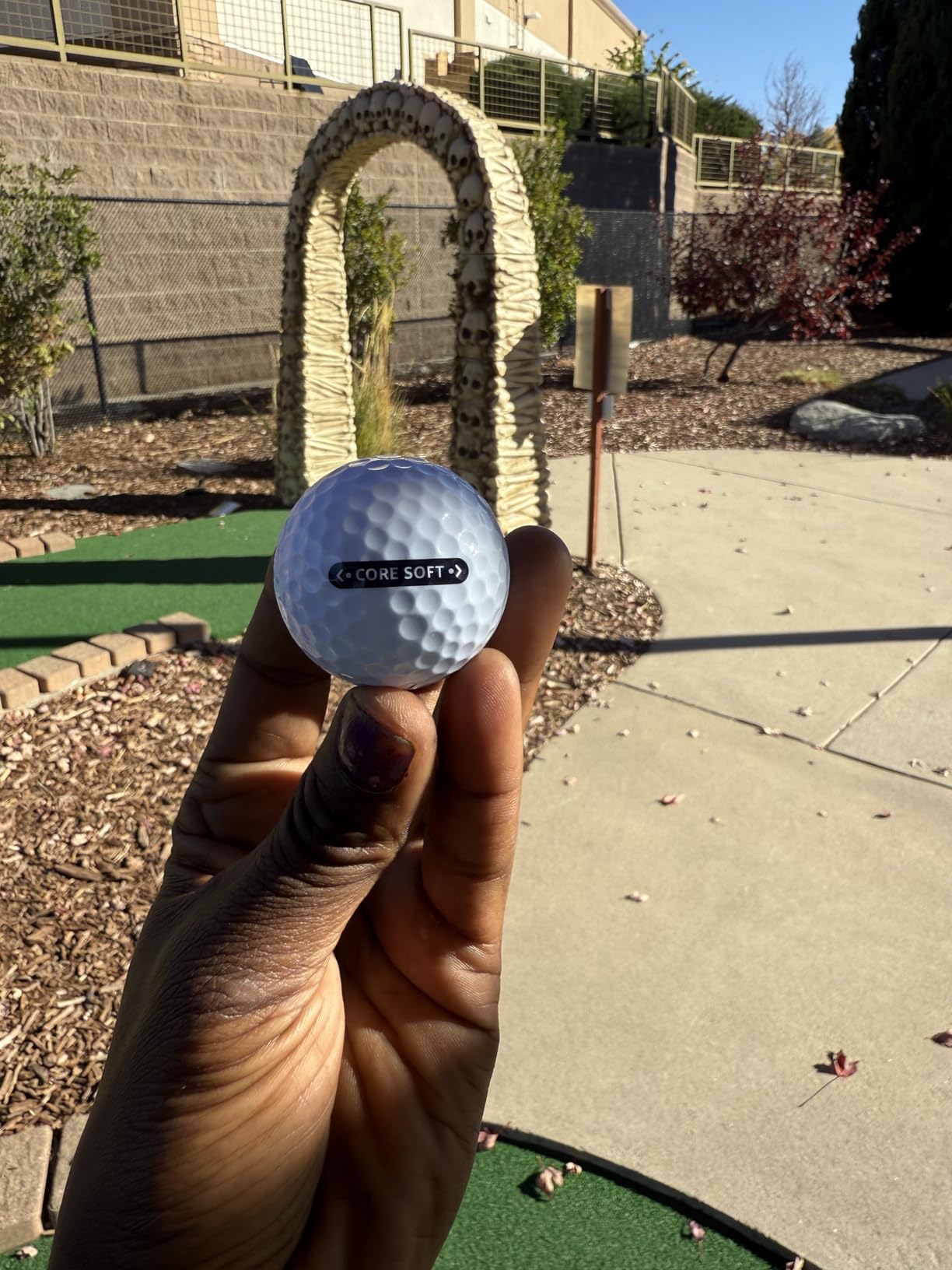
Upgrade when you start generating enough club speed to make a firmer ball work, or when you want more spin into the green. At that point the TaylorMade Distance+ or the Callaway Supersoft becomes the smarter buy for the same money range.
Low-compression design for slow and medium speeds
High-energy core
338 speed dimple pattern
Soft thin polyurethane cover
This is the ball I recommend to a slow swinger who is currently playing a Pro V1 and wondering why they lost 15 yards. Srixon Soft Feel takes the low compression, the high-energy core and the added greenside spin, and it does it in a thin polyurethane cover that still feels responsive on a putt.
The reviewer data is unusually specific and unusually enthusiastic. Senior golfers with club head speeds in the high 70s and low 80s report gaining yardage and straighter flight, and many switched to this as their only ball after years of playing premium models.
A tour ball is built around a high-compression core and a firm cover, both of which need a fast swing to compress. Below 90 mph the ball stays rigid, comes off the face lower, and loses carry. The feel improves, the yardage does not.
The 338 speed dimple pattern reduces drag at launch and increases lift during descent, so you keep the height a soft ball gives you. The soft thin cover spins less off the driver and more on a wedge, which is the right split for a slow tempo swing.
That is the trade to understand. Most low-compression balls feel great on the driver and useless on a chip. This one keeps enough greenside spin to get up and down, which is where rounds are actually won at this swing speed. If you want even more stopping power at 80 mph, step up to a firmer urethane design.
Two-piece semi-translucent glycerin cover
Super reactive titanium core
15-ball assorted colour pack
USGA conforming
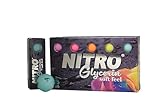
The Glycerin pack solves a specific problem: you lose four or five balls a round on a course with water, and you want to see them. The assorted semi-translucent colours are visible in the fairway, in the rough and against a dark sky in a way a white ball is not.
It is a 15-ball pack, which is a smart count for that exact situation. Reviewers commonly recommend it for beginners and higher-handicap players and as a lower-risk ball to hit near water.
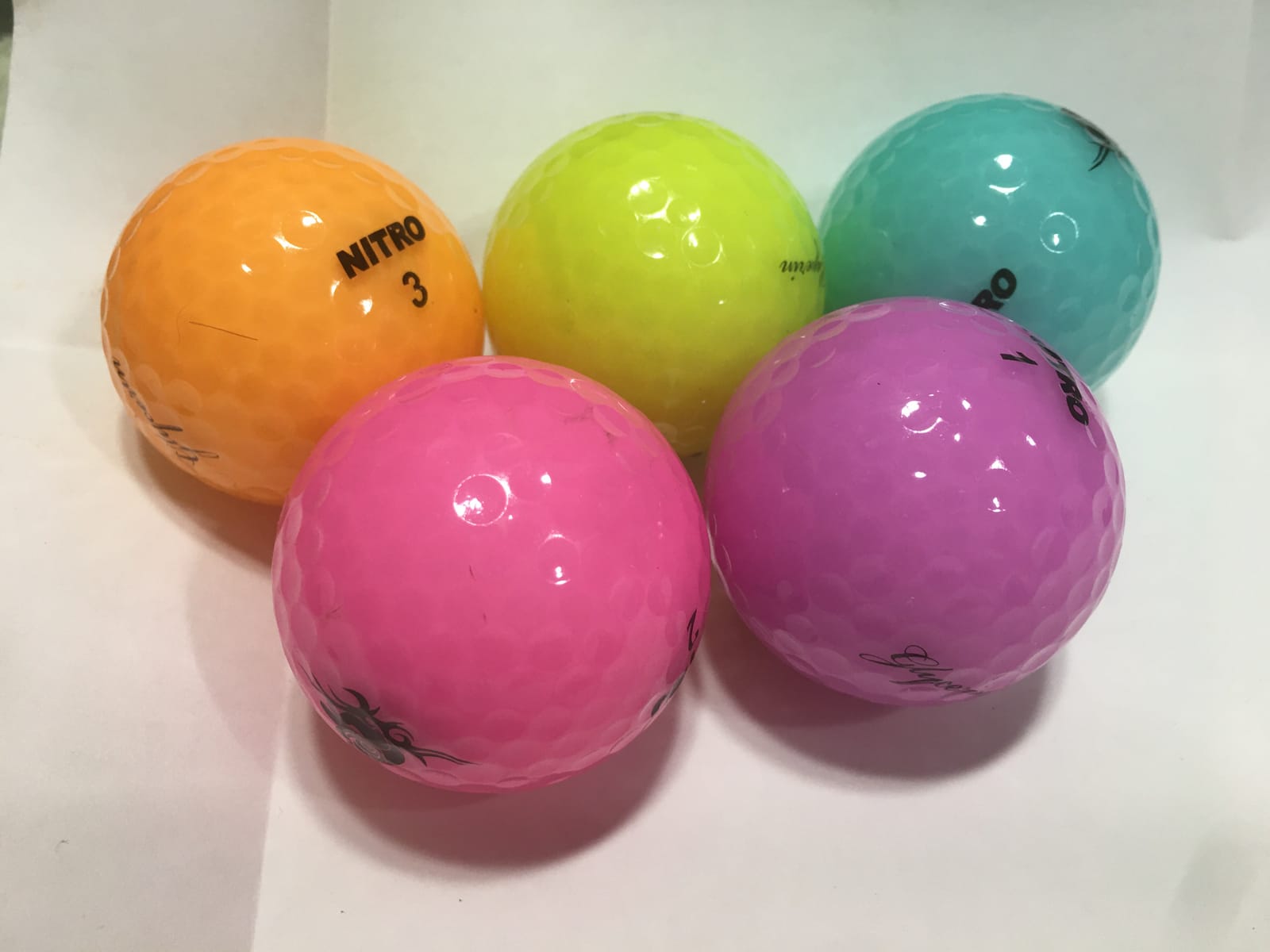
The semi-translucent glycerin cover feels softer than a standard synthetic ball and looks completely different in the air. It is also slippery, and the practical result is markedly less spin than a urethane ball produces.
The titanium core is described by buyers as producing a straight, distance-comparable flight, and the low spin profile genuinely helps golfers who hook or slice. If your miss is a pull or a fade, this is not going to help you.
Beginning golfers report that the ball stops short on the green. The slick cover gives very little feedback through the putter face, so if putting is a large part of your score, choose a ball with a firmer cover and a more defined surface.
The equipment decision that matters most to a slow swinger is rarely the driver or the shaft. It is the ball, because a mismatched compression costs carry distance that no technique change will give you back.
Compression is measured in psi and describes how much the ball deforms at impact. A soft ball squashes and returns energy to the clubface; a hard ball stays rigid and gives most of the impact back to your hands. Below 90 mph, you want the soft end, and the practical range most buyers land on is roughly 30 to 70 psi. Numbers above 100 are tour balls built for 105 mph swings and up.
Under 75 mph with the driver means a beginner, a senior, or a player rebuilding after an injury. Go as soft as you can tolerate: the Noodle Long and Soft at 34 compression or the ACCUFLI Max Soft are the right end of the scale. Between 75 and 85 mph is the biggest group of high-handicap players, and the TaylorMade Distance+, Callaway Hex Soft and Srixon Soft Feel all sit correctly there. Between 85 and 95 mph you can move to firmer multi-layer designs such as the Callaway Supersoft if you want more control without giving up speed.
Ionomer and Surlyn covers are tougher, cheaper and more cut-resistant, which makes them right for beginners, range use and water hazard rounds. Urethane is thinner, softer and grips a clubface better, so it generates more greenside spin. The Srixon Soft Feel is the interesting middle case here, because it delivers urethane short-game behavior on a compression designed for slow swings.
You can, but understand the cost. A high-compression tour ball stays rigid on a slow swing, launches low and gives up 10 to 25 yards of carry in exchange for feel you do not need. The consensus on r/golf, from golfers with the most seasons behind them, is that if you must play one, pick the standard model rather than the X variant, since the X balls are built for 105 mph and above. A far better middle ground exists: a low-compression multi-layer ball that feels like a tour ball without the compression penalty.
Carry distance is how far the ball flies. Total distance adds the roll. A high-spin ball can post excellent total numbers while giving up carry, and at 80 mph that is a bad trade, because carry is what gets you into position and roll is what you lose when the green is quick or the hole is downhill. Judge balls on carry.
Three practical routes. Book a session with a launch monitor at a fitting bay, which is the most accurate and gives you ball speed and spin as a bonus. Use a radar device, of which there are several pocket and handheld options, though accuracy varies with alignment. Or use a phone app that tracks sound or video through a swing, which will not give you a number you can publish but will reliably tell you which band you are in. If you want a reference point for distance off the tee, our picks for tournament legal golf rangefinders and Bluetooth golf rangefinders will at least tell you how far your shots actually go.
Hip and shoulder surgery cost club head speed, and the effect shows up in carry distance first. A ball that deforms more easily recovers some of that loss, so re-fitting your ball after an injury is a genuinely worthwhile step rather than a cosmetic change. Prioritise high launch and low spin, keep the colours bright, and accept a softer feel as a feature rather than a compromise.
A slow swing speed is generally a driver club head speed under about 90 mph, broken into three bands: under 75 mph (very slow), 75 to 85 mph (slow) and 85 to 95 mph (moderate). Golfers in these ranges need a low-compression, high-launch golf ball so the ball deforms at impact and returns more ball speed and height.
Yes, but expect to give up carry distance. A Pro V1 has a high-compression core designed for swing speeds above 100 mph, so below 90 mph it stays rigid, launches low and can cost 10 to 25 yards of carry in exchange for feel. A better match is a low-compression multi-layer ball such as the Srixon Soft Feel.
For a driver swing under 90 mph, the longest options in this group are the TaylorMade Distance+, the TaylorMade Noodle Long and Soft, and the Callaway Hex Soft. At slower speeds the low-compression cores hold ball speed through the strike, and the low driver spin on these designs adds roll rather than losing distance to spin.
If you are choosing between them at a slow swing speed, the standard TP5 is the better fit. The X models are designed for swing speeds above 105 mph, so at under 90 mph the TP5 compresses more easily, launches higher and retains more carry distance.
Usually yes, because compression and swing speed are matched. A soft, low-compression ball deforms on impact and returns more ball speed and feel to a slower swing, which adds carry distance. Pick one with a high launch and low driver spin, and choose firmer covers only if soft balls feel indistinct to you.
If you want one ball that handles distance off the tee and something usable around the green, the TaylorMade Distance+ is the pick. It carries the most review history on this list, launches at mid height and stays soft enough on an iron to be playable. If your real problem is a predictable miss to the right, the Callaway Hex Soft will straighten your flight more than any other ball here.
If feel is what has kept you from switching, the Callaway Supersoft is the softest-feeling option that still holds greenside control, and the color range makes it easy to find. Golfers under 75 mph should start with the TaylorMade Noodle Long and Soft for the lowest compression, and anyone playing a Pro V1 who wants the same short-game response at a slow tempo should move to the Srixon Soft Feel.
Whatever you choose, spend one round with a new ball and one with your old one before you commit. Comparing the two in your own hands, on your own swing speed, is the only fitting method that has never misled us. When you do test, start with a low-compression ball from the list above and see what your carry numbers do.