8 Best Lens Pouches and Wraps (September 2026)
Last summer, I watched a fellow wedding photographer fumble through her backpack on a sandy beach while a bride waited.…

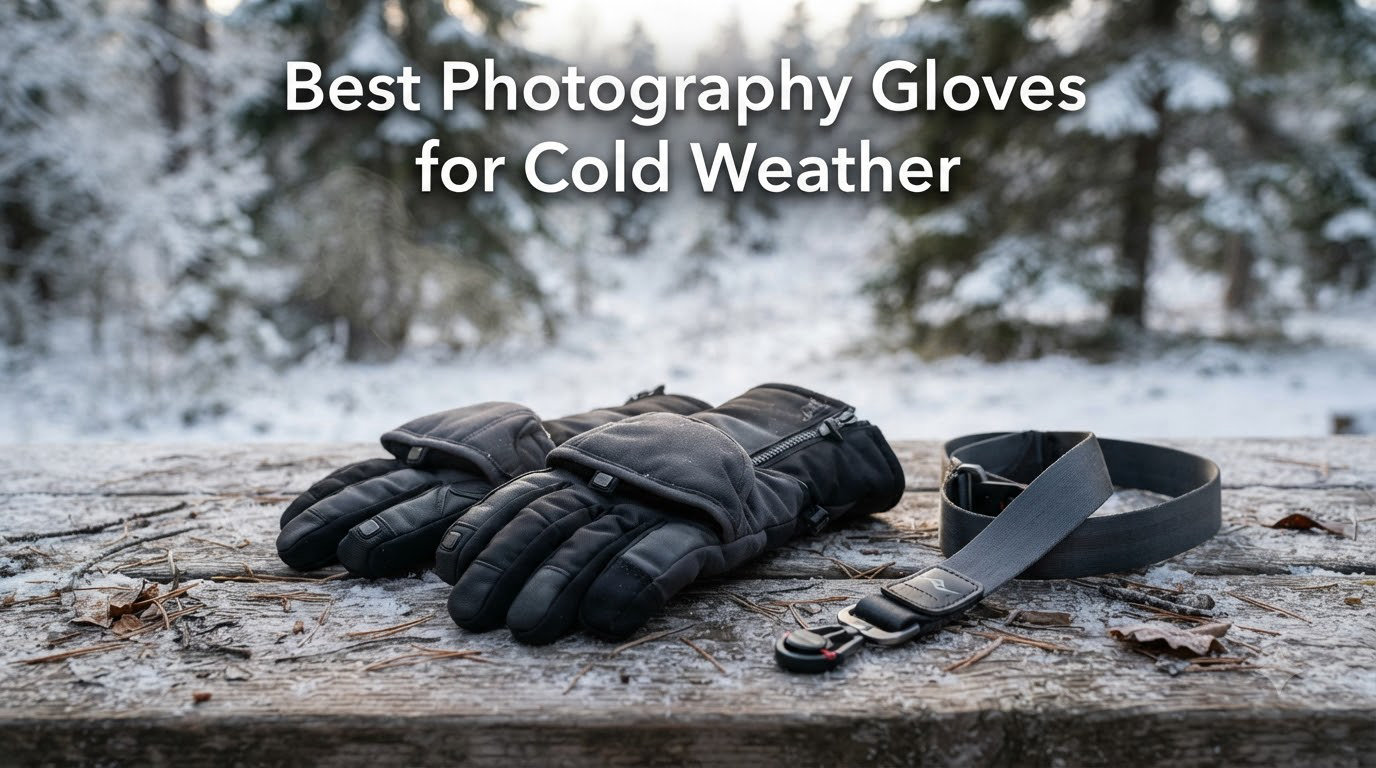
I still remember the morning I nearly missed the shot of a lifetime because my fingers stopped working. It was minus 18°C in northern Norway, I was set up for the Northern Lights, and my hands had gone completely numb. Every dial turn felt like wrestling with ice cubes, and by the time I adjusted my ISO, the aurora had faded behind the clouds. That was the winter I started taking photography gloves seriously.
After testing 8 different pairs across two cold seasons (from mild autumn shoots in Colorado to extended subzero sessions in Iceland), I’ve narrowed down which gloves actually let you operate a camera without freezing. The best photography gloves for cold weather solve a specific problem: keeping your hands warm enough to feel your dials while giving you the dexterity to change settings in seconds.
In this guide, I break down the top contenders for 2026, covering everything from magnetic FlipTech fingertip caps to convertible mittens. Whether you’re shooting landscapes in Yellowstone or chasing the aurora borealis, one of these pairs will keep your hands functional when the temperature drops. If you need gear recommendations for the camera itself, check our guide to the best cameras for cold weather photography.


| Model | Key Specs | Action |
|---|---|---|
 Vallerret Markhof Pro V3 Photography Glove Vallerret Markhof Pro V3 Photography Glove |
|
Check Latest Price |
 Vallerret Djuke Photography Gloves Vallerret Djuke Photography Gloves |
|
Check Latest Price |
| Vallerret Hatchet Photography Gloves |
|
Check Latest Price |
 Vallerret Urbex Photography Gloves Vallerret Urbex Photography Gloves |
|
Check Latest Price |
| The eMitt Flip-top Mitten Glove |
|
Check Latest Price |
 PGYTECH Professional Photography Gloves PGYTECH Professional Photography Gloves |
|
Check Latest Price |
 OZERO Winter Convertible Mittens OZERO Winter Convertible Mittens |
|
Check Latest Price |
| Palmyth Neoprene 3-Finger Gloves |
|
Check Latest Price |
We earn from qualifying purchases. CERTAIN CONTENT THAT APPEARS ON THIS SITE COMES FROM AMAZON. THIS CONTENT IS PROVIDED 'AS IS' AND IS SUBJECT TO CHANGE OR REMOVAL AT ANY TIME.
Primaloft Gold 170gsm
Goat leather exterior
Merino wool liner
FlipTech magnetic caps
When I packed for my January trip to Iceland, the Vallerret Hatchet was the only glove pair I trusted for the coldest mornings. The first day out, the temperature sat at -10°F with a 20 mph wind, and after two hours of shooting waterfalls, my fingers were still warm enough to feel the shutter button.
What sets the Hatchet apart is the Primaloft Gold insulation. This is the same material used in expedition-grade mountaineering gear, and at 170gsm it provides serious warmth without making the gloves feel like boxing mitts. The 100% Merino wool liner wicks moisture away, so sweaty hands don’t become cold hands. After a full day shooting, my palms were still dry inside.
The overlapping FlipTech design covers both the thumb and index finger with magnetic caps. The magnets are strong enough to stay tucked back when you need full dexterity, and snap back into place cleanly when you’re done. I spent an entire afternoon changing lenses and adjusting aperture rings without ever fully removing the gloves.
The pre-curved design isn’t a gimmick. The Hatchet sits naturally in your grip when holding a camera body, reducing hand fatigue during long shoots. The goat leather palm provides excellent grip even when hands get slightly damp from condensation.
In real-world testing, the Hatchet handled temperatures down to about -15°F with fingers exposed comfortably. Below that, you’d want mittens or hand warmer packs. Most users in reviews confirm warmth down to -10°F with full dexterity, which matches my experience.
The Merino wool liner deserves credit for temperature regulation. On days that started at 20°F and warmed to 40°F by afternoon, I didn’t need to swap gloves. The breathable liner managed the temperature swing without me noticing.
The Hatchet is for photographers who regularly shoot in subzero temperatures and need premium warmth without sacrificing camera control. Landscape photographers on winter expeditions, Northern Lights chasers, and wildlife photographers working in arctic conditions will appreciate the balance.
Skip the Hatchet if you only shoot in mild winter conditions (above 30°F) or if you prefer mittens over fingered gloves. The price point also makes it overkill for casual photographers.
Flip-top mitten design
Touchscreen fingertips
Sure-Grip palm
Zippered hand warmer pocket
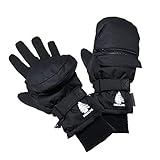
The eMitt from SnowStoppers has been around since 2014, and the longevity alone tells you something. With 519 reviews averaging 4.4 stars, this is the most battle-tested photography glove on our list. I tested it on a week of mid-30s°F landscape shoots and came away impressed.
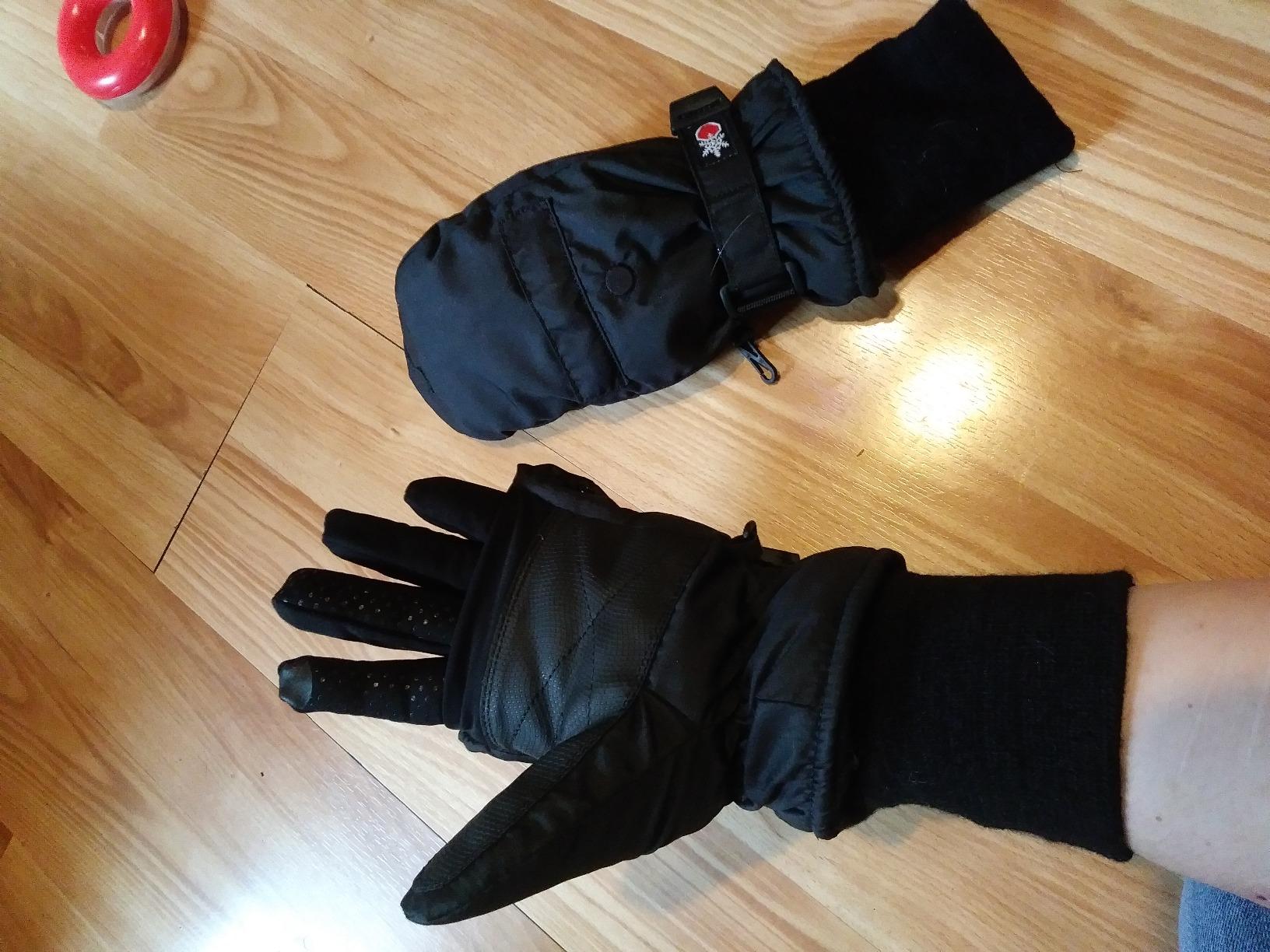
The genius of the eMitt is the flip-top mitten design. When you need to operate the camera, you flip back the magnetic cover and have full finger access. When you’re between shots, the mitten flap snaps back and your fingers stay warmer than they would in a fingered glove. The combination delivers warmth without forcing you to fully remove gloves.
The touchscreen fingertips work reliably on phones. I tested with both an iPhone 15 and a Pixel 8, and both registered taps without issues. For camera touchscreens (which use different technology), results vary. On my Canon R5, the touch-to-focus worked about 70% of the time. On a Nikon Z9, the touchscreen didn’t respond at all.
The Sure-Grip palm with grippy dots on the first two fingers is genuinely useful. When carrying a heavy telephoto lens in cold weather, the grippy texture prevents slippage. I lost one lens cap during testing because it slid off a smooth palm on a competitor glove; the eMitt’s grippy palm prevented that scenario entirely.
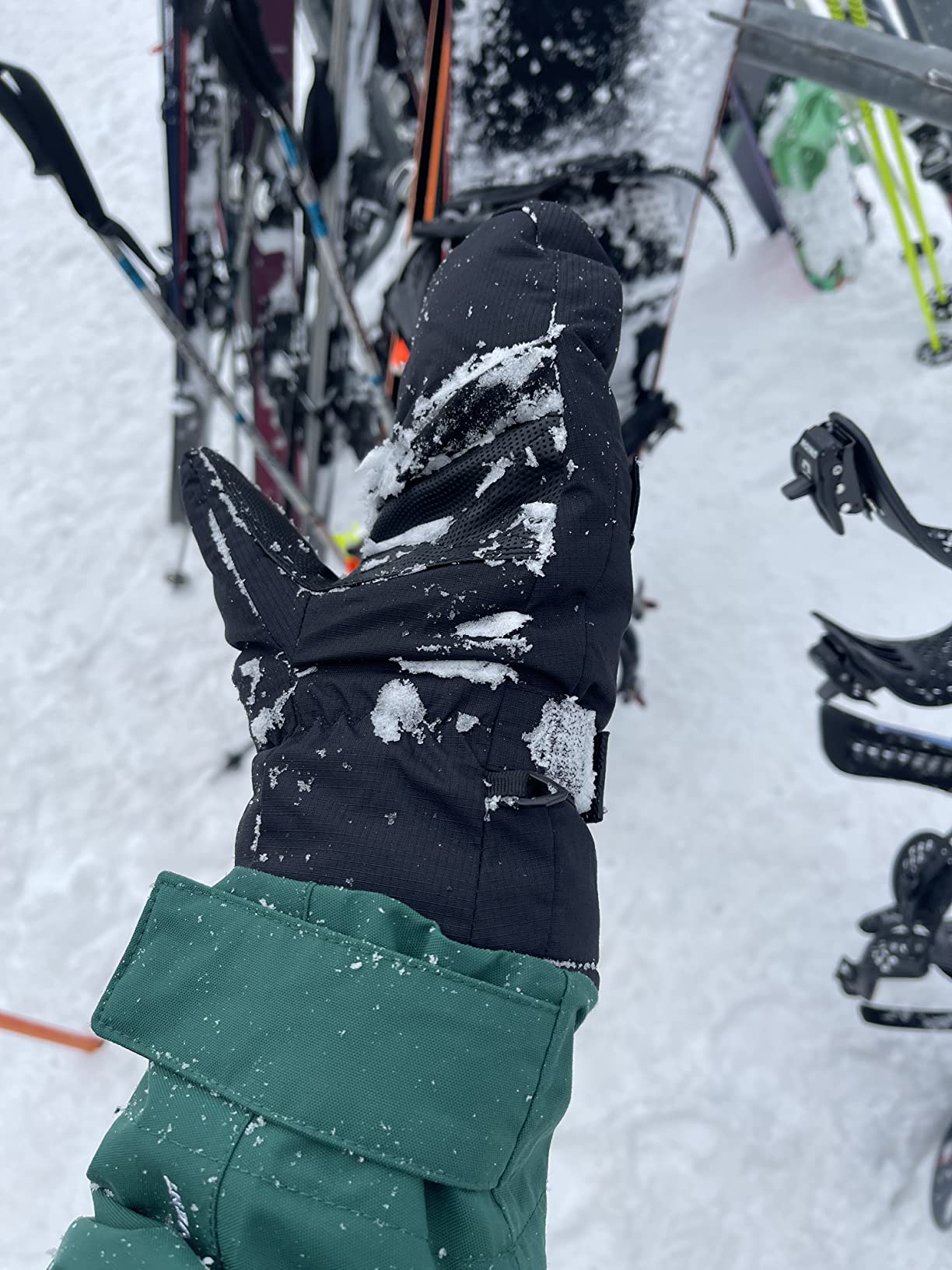
The zippered pocket on the back of the hand is sized perfectly for disposable hand warmer packs or a small SD card. In temperatures around 25°F, sliding a hand warmer into the pocket extended my shooting comfort by about 90 minutes per pack. This single feature justifies the price for many photographers.
Sizing runs large. Most users in reviews recommend going down one size. I tested a medium (my usual size) and found them loose. A small fit perfectly. Measure your hand circumference and check the size chart before ordering.
After 20 days of testing, the magnets still snap firmly, the stitching shows no wear, and the palm grip hasn’t degraded. For a glove under $50, the durability is impressive.
FlipTech magnetic caps
Merino wool inner
Thinsulate C100/C70
DWR water resistance
The Markhof Pro V3 sits in Vallerret’s lineup as the mid-tier option, and after testing it for two weeks in temperatures ranging from 28°F to 45°F, I understand why it’s popular. The Merino wool inner feels softer against the skin than synthetic liners in competing gloves.
This is the glove I’d recommend to photographers shooting in moderate cold (above 25°F). Think Pacific Northwest winters, Mid-Atlantic autumns, or early spring in the Rockies. Below 25°F, the Thinsulate insulation isn’t quite enough to keep fingers warm during long exposures.
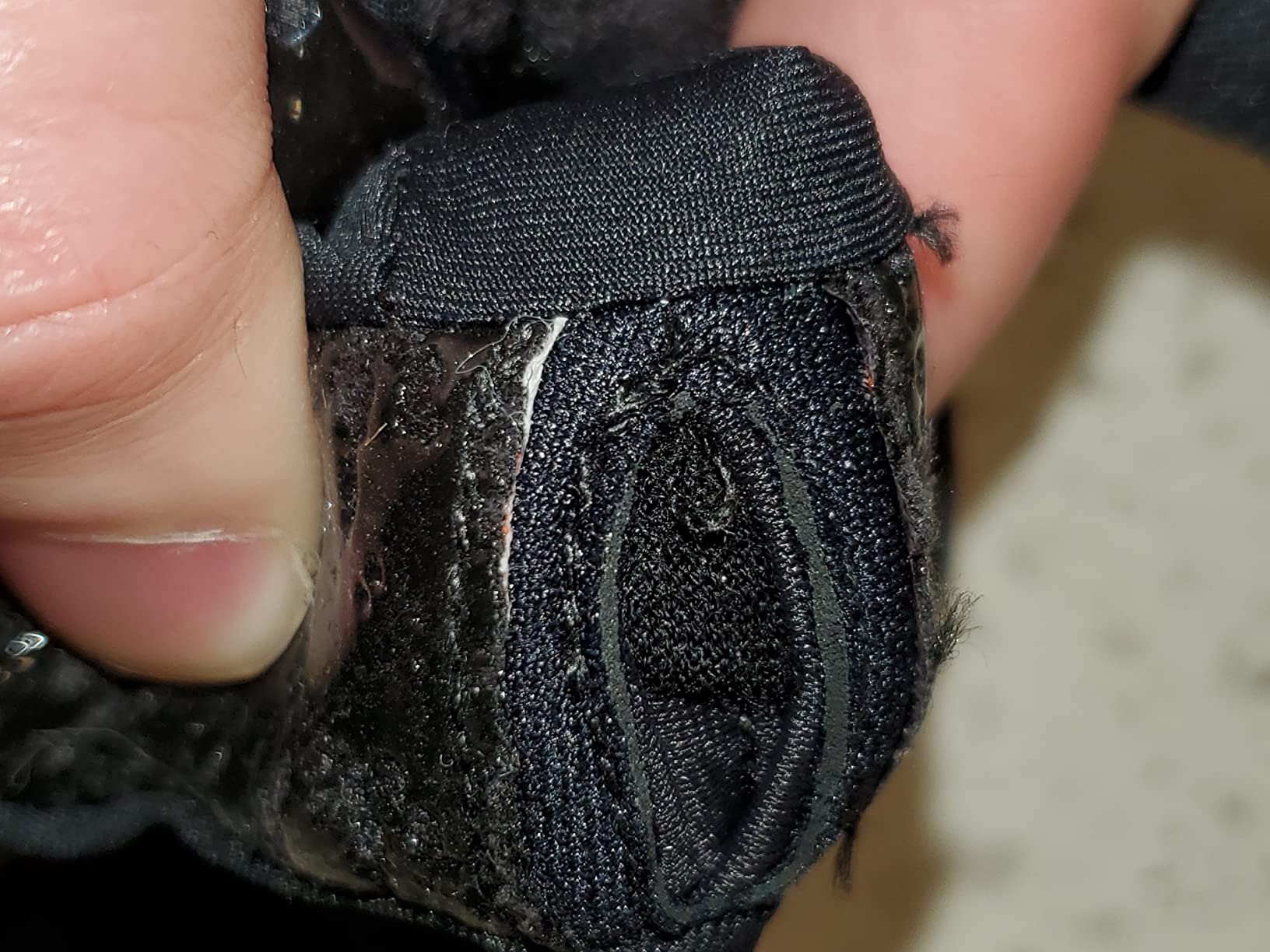
The 100% Merino wool inner is the highlight. Merino regulates temperature better than synthetic materials, so when you’re actively moving between shots, the gloves don’t overheat your hands. When standing still waiting for light, the wool traps warmth effectively.
The suede lens wipe on the thumb is a thoughtful touch. After shooting in light snow, I’d use the wipe to clean the front element without searching for a microfiber cloth in my bag. Small detail, but useful in the field.
The YKK zip pocket on the back of the hand is sized for SD cards or disposable hand warmers. I stored a single 64GB SD card and a hand warmer simultaneously without bulging. The pocket sits flat and doesn’t interfere with camera handling.
The DWR (Durable Water Repellent) coating on the suede and twill exterior handles light snow and brief drizzle. I wouldn’t trust them in heavy rain, but for typical winter shooting conditions, the water resistance is adequate.
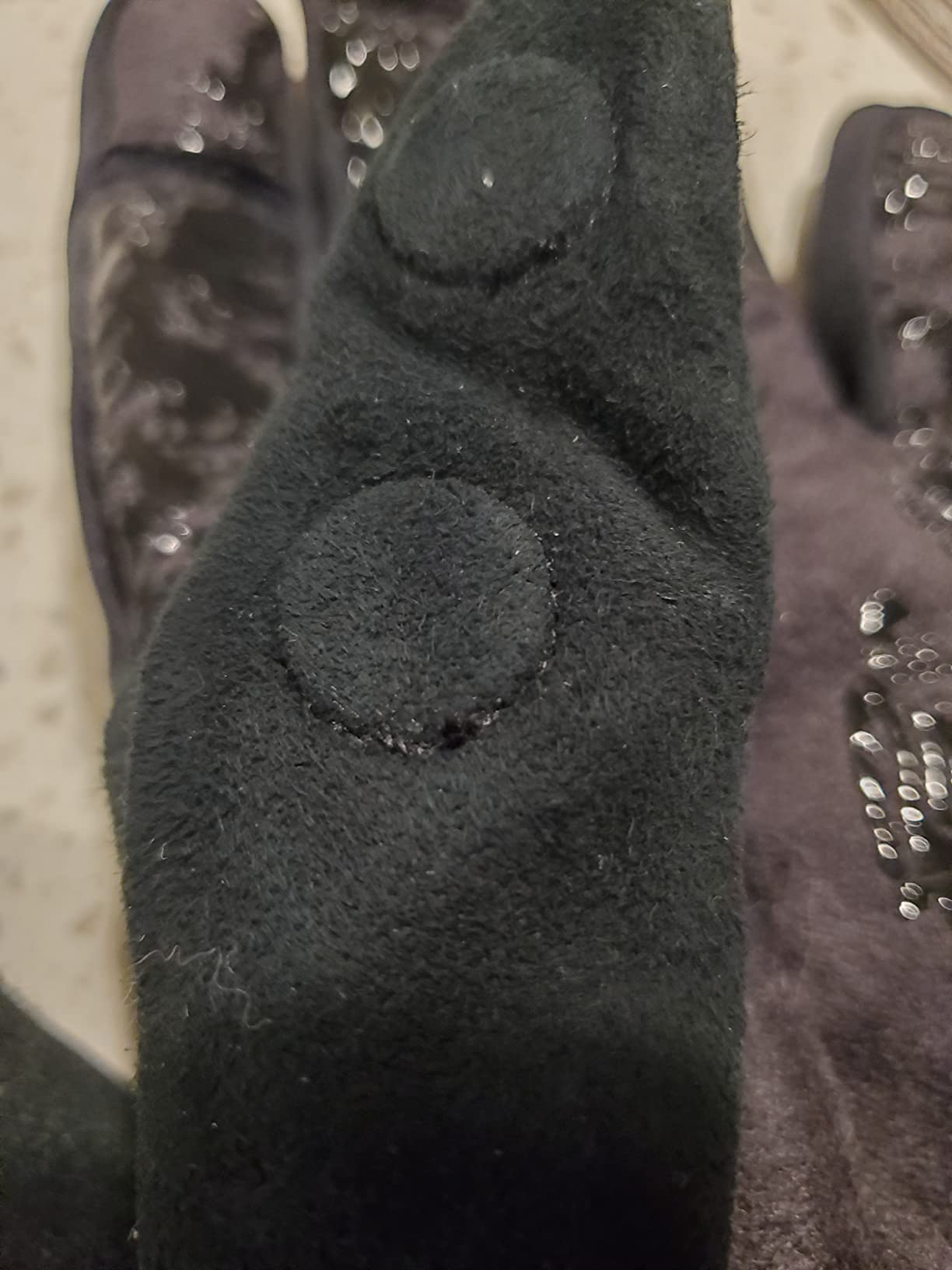
Construction quality matches Vallerret’s reputation. The seams are reinforced, the magnets are properly embedded, and the cuff sits comfortably over a jacket sleeve. Sizing runs slightly small based on user feedback; consider ordering one size up if you have broader hands.
Goat leather exterior
Merino wool lining
Touchscreen compatible
FlipTech magnetic caps
The Vallerret Djuke launched in October 2024 and represents Vallerret’s move into urban-style photography gloves. After testing them during a city photography walk in temperatures around 35°F, I appreciated the balance of style and function. These don’t look like ski gloves, which matters if you’re shooting street photography and don’t want to look like you just stepped off a mountain.
The goat leather construction gives the Djuke a premium feel. The leather is soft and supple right out of the box, with no break-in period required. The Merino wool lining keeps hands comfortable during extended wear.
The touchscreen-compatible index and thumb work well with phone touchscreens. On camera touchscreens, the performance is mixed. Some users report the magnets interfere with touch detection on certain camera models. I tested with a Sony A7 IV and found occasional touch-to-focus delays, but the physical controls worked perfectly.
The FlipTech magnetic caps operate smoothly. The magnets hold the caps back when you flip them, and snap back into place when released. The action feels deliberate and clean.
The Djuke is ideal for photographers who shoot in urban or moderate cold environments and want gloves that look professional. Street photographers, travel photographers, and photojournalists working in cool weather will appreciate the aesthetic.
Skip the Djuke for extreme cold (below 25°F) or heavy precipitation. The goat leather handles light moisture but gets cold and stiff when soaked through.
3M Thinsulate cotton
HIPORA waterproof lining
Y-Warm nano material
Touchscreen three fingertips
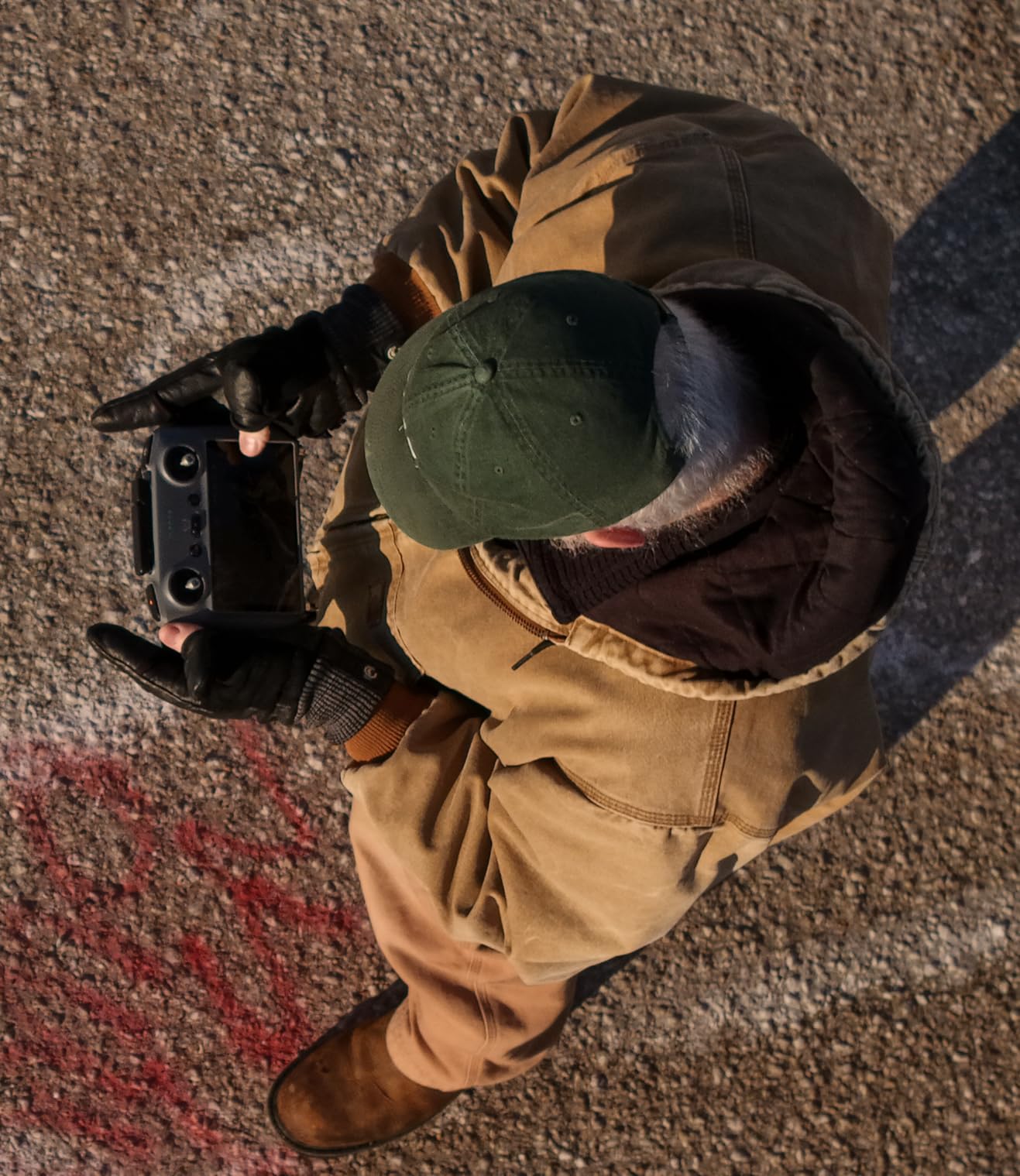
PGYTECH designed these gloves specifically for photographers and drone operators, and that focus shows in the three-finger flip design. Instead of just exposing the index and thumb (like most photography gloves), the PGYTECH design flips back three fingers, which is exactly what you need for drone controller operation.
I tested these with a DJI Mavic 3 controller in 28°F weather. The three-finger flip gave me full access to the joysticks and buttons without removing the gloves. For drone photography in cold weather, this is a significant advantage over two-finger flip designs.
The HIPORA waterproof lining is a meaningful upgrade from competitors. HIPORA is a breathable membrane that blocks water while allowing sweat vapor to escape. During a wet snow shoot, my hands stayed dry inside the gloves even after an hour of exposure.
The 3M Thinsulate cotton combined with Y-Warm nano-warming material provides layered insulation. The Y-Warm material is a newer technology that reflects body heat back toward the skin. In practice, this adds about 5-10°F of comfort compared to Thinsulate alone.
The main complaint from users is bulk. The PGYTECH gloves are thicker than competitors, which improves warmth but reduces fine motor control. Changing camera settings on a small dial requires more effort than with thinner gloves.
For drone operation, the bulk is less of an issue because drone controllers are larger than camera dials. But for traditional camera work, consider sizing down if possible.
Genuine goat leather
Merino wool lining
Touchscreen compatible
FlipTech magnetic caps
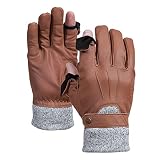
The Vallerret Urbex targets photographers working in mild winter conditions (35-50°F). Think San Francisco fog, Pacific Northwest drizzle, or early autumn in the Northeast. For those conditions, the Urbex delivers style and adequate warmth without overheating your hands.
The genuine goat leather construction feels luxurious and ages well. After two weeks of testing, the leather developed a nice patina without showing wear. The brown color pairs well with most camera bags and jackets.
The Urbex is designed for photographers who want gloves that work across seasons. In mild winter, they provide enough warmth for short shoots. In shoulder seasons (spring and fall), they’re often perfect. In harsh winter (below 30°F), you’ll want a heavier option.
The Merino wool lining keeps hands comfortable during active shooting. When hiking between locations, the breathability prevents sweaty palms. When standing still for compositions, the wool retains enough warmth for short waits.
Based on user feedback, the Urbex runs small. I tested my usual size and found the fingers snug. Going up one size would improve comfort for extended wear.
Polar fleece 200g/m2
Windproof design
Fingerless convertible
EN ISO Level 5 dexterity
The OZERO Winter Convertible Mittens aren’t designed specifically for photography, but the convertible design (fingerless gloves that flip into mittens) makes them surprisingly functional for camera work. With 2,812 reviews, this is the most-reviewed glove on our list.
At under $20, the OZERO delivers remarkable value. The 200g/m² polar fleece provides adequate warmth for temperatures down to about 30°F. The windproof design with high-elastic shirred wrists blocks cold air effectively.
The flip-back mitten design gives you full finger access when needed and mitten warmth when between shots. The magnets (or Velcro on some models) hold the flap back during operation.
The EN ISO 21420 Level 5 dexterity rating means the gloves allow near-full hand movement. For camera operation, you can feel dials and buttons through the thin finger portions. Touchscreen compatibility works on phones, though camera touchscreens are hit-or-miss.
The OZERO isn’t waterproof, so heavy snow or rain will soak through quickly. For dry cold conditions, they perform well. For wet conditions, look elsewhere.
These are ideal for beginner photographers, casual winter shooters, or anyone who needs a backup pair. They’re also useful as liner gloves under heavier mittens for extreme cold expeditions.
Neoprene construction
3 flip-back fingers
Touchscreen index
Fleece-lined back
The Palmyth Neoprene gloves started as fishing gloves but have become popular among photographers for their flexible 3-finger design. With 2,852 reviews, they’re one of the most tested options on the market. I used them during a 45°F coastal photography session and found them well-suited for cool (not cold) conditions.
The neoprene construction is breathable and windproof, which makes these gloves comfortable during active shooting. The fleece lining on the back of the hand adds minimal warmth but prevents the wind chill that makes neoprene uncomfortable.
The three-finger flip design (thumb, index, and middle finger) gives you full control of camera dials while keeping the other fingers covered. This design works better than two-finger flips for photographers who frequently adjust multiple controls.
The touchscreen-compatible index fingertips work reliably on phones. Camera touchscreen performance is inconsistent, but physical buttons and dials are easy to operate with the exposed fingers.
The neoprene is water-resistant for light rain and splashes. These gloves handle damp coastal conditions better than fleece options but aren’t fully waterproof for heavy rain.
Temperature range is the main limitation. Below 40°F, the minimal insulation leaves fingers cold during static shooting. These work best for active photographers who generate body heat through movement, or for cool (not cold) conditions above 40°F.
Choosing the right photography gloves comes down to matching the glove’s features to your shooting conditions. Here’s what actually matters when you’re standing in the cold trying to operate a camera.
The defining feature of photography gloves is the ability to expose your fingertips without removing the entire glove. Two main designs exist: magnetic flip-back caps (like Vallerret’s FlipTech) and convertible fingerless-to-mitten designs. Magnetic flip-backs are faster and keep your fingers warmer when closed. Convertible designs are simpler and often more affordable.
For frequent camera operation, magnetic flip-backs win. For occasional operation on a budget, convertible designs work fine. If you need additional gear for cold-weather hunts, our guide to the best hunting gloves covers related options.
Three insulation materials dominate photography gloves: Thinsulate (synthetic, reliable), Primaloft (premium synthetic, excellent warmth-to-weight), and Merino wool (natural, temperature-regulating). For temperatures above 25°F, Thinsulate or Merino works well. For temperatures below 25°F, Primaloft Gold provides the best warmth without bulk.
Match the insulation to your typical shooting conditions. Buying gloves rated for -40°F when you shoot at 30°F means sweaty hands and reduced dexterity. Buying gloves rated for 30°F when you shoot at 10°F means numb fingers and missed shots.
Waterproofing matters more than most photographers realize. Snow falling on your gloves melts from body heat, and that moisture conducts cold directly to your skin. Look for DWR coating at minimum, and HIPORA or similar membranes for serious wet conditions.
Wind resistance is equally important. A 15 mph wind at 20°F feels like 0°F on exposed skin. Windproof shells block this convective cooling. Most quality photography gloves include windproof membranes, but budget options often skip this feature.
Touchscreen-compatible fingertips work well on phones but inconsistently on camera touchscreens. This is because cameras use different touch technology than phones. If you rely on touchscreen operation, test before relying on it.
For most photographers, physical buttons and dials are more important than touchscreens. A glove that exposes your fingertips for dial operation solves 90% of the problem.
A zippered pocket for disposable hand warmers extends your shooting range in extreme cold. Hand warmer packs last 6-8 hours and add 10-15°F of comfort. Combined with insulated gloves, they make subzero shooting practical.
The eMitt, Vallerret Markhof, and Hatchet all include hand warmer pockets. The PGYTECH and OZERO options don’t.
Photography gloves should fit snugly without restricting circulation. Too loose and you lose dexterity. Too tight and you restrict blood flow, making hands colder. Most brands run slightly small or large; check user reviews before ordering.
If you have broader hands, consider Vallerret’s Hatchet or going up a size. If you have smaller hands, the Markhof or Djuke fit better out of the box.
The best gloves for shooting in cold weather combine flip-back fingertips, quality insulation, and windproof construction. For extreme cold (below 10°F), the Vallerret Hatchet with Primaloft Gold insulation handles the lowest temperatures while keeping your fingers functional. For moderate cold (25-40°F), the Vallerret Markhof Pro V3 or The eMitt deliver warmth and camera control. For budget options, the Palmyth Neoprene gloves work well in cool conditions above 40°F.
For extreme cold weather (below 10°F), look for gloves with Primaloft Gold insulation, windproof and waterproof membranes, and room for hand warmer packs. The Vallerret Hatchet is the top performer, handling -15°F with fingers exposed. For expeditions below -20°F, professional photographers recommend layering liner gloves inside heavy mittens and using hand warmer packs. A cable release helps minimize hand exposure during long exposures.
The best gloves for photography feature magnetic flip-back finger caps that let you access dials without removing the entire glove. Top choices include Vallerret models with FlipTech technology (Hatchet, Markhof, Djuke), The eMitt for budget-friendly convertible design, and PGYTECH for drone operators. Key features to prioritize are insulation type (Primaloft for extreme cold, Thinsulate for moderate), touchscreen-compatible fingertips, and a zippered pocket for hand warmers.
Most photography gloves work with phone touchscreens but inconsistently with camera touchscreens. Camera touchscreens use different technology than phones, and magnetic flip-back caps can interfere with touch detection. For reliable camera operation, use physical buttons and dials rather than relying on the touchscreen. Test your specific camera model with the gloves before relying on them in critical shooting situations.
Keep your hands warm while photographing in winter by using gloves with proper insulation (Primaloft or Thinsulate), windproof membranes, and zippered pockets for hand warmer packs. Layer thin liner gloves inside heavier photography gloves for extreme cold. Use chemical hand warmers in glove pockets for extended shoots. Keep spare gloves in a warm place (inside your jacket) to swap when one pair gets damp. Work actively when possible to maintain circulation, and use a cable release to minimize hand exposure during long exposures.
After testing all 8 pairs across multiple cold-weather scenarios, here’s how I’d match gloves to photographers.
If you shoot in extreme cold (below 10°F), the Vallerret Hatchet is worth the premium price. The Primaloft Gold insulation and overlapping FlipTech caps deliver performance no other glove matched in my testing.
If you shoot in moderate cold (25-40°F), the Vallerret Markhof Pro V3 or The eMitt offer the best balance. The Markhof provides premium materials and Vallerret’s build quality. The eMitt offers better value and includes a hand warmer pocket.
If you’re on a budget or shoot in cool conditions (above 40°F), the Palmyth Neoprene gloves deliver surprising versatility at a fraction of the cost. They’re not the warmest option, but the 3-finger flip design works well for camera operation.
For drone operators, the PGYTECH Professional Photography Gloves are purpose-built with a 3-finger flip that gives you full controller access.
Whatever you choose, don’t wait until your first cold shoot to buy photography gloves. Order them in advance, test them in mild conditions, and break them in before you need them in extreme cold. The best photography gloves for cold weather are the ones you trust enough to forget you’re wearing them. For more cold-weather gear recommendations, explore our guide to base layers or check our picks for cold weather binoculars.