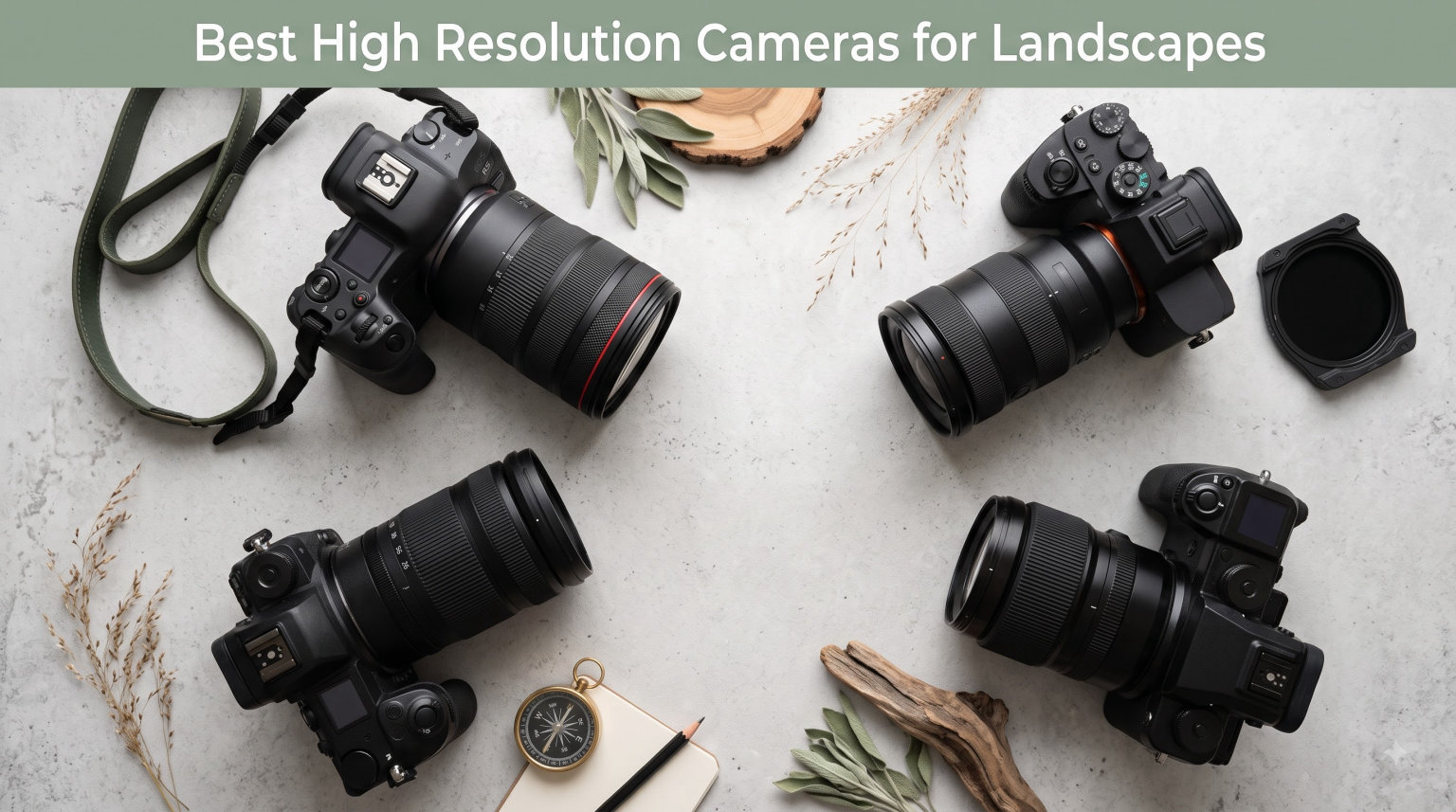
8 Best High Resolution Cameras for Landscapes (August 2026)
When the light starts to bend across a mountain ridge and the wind finally settles, the last thing I want…

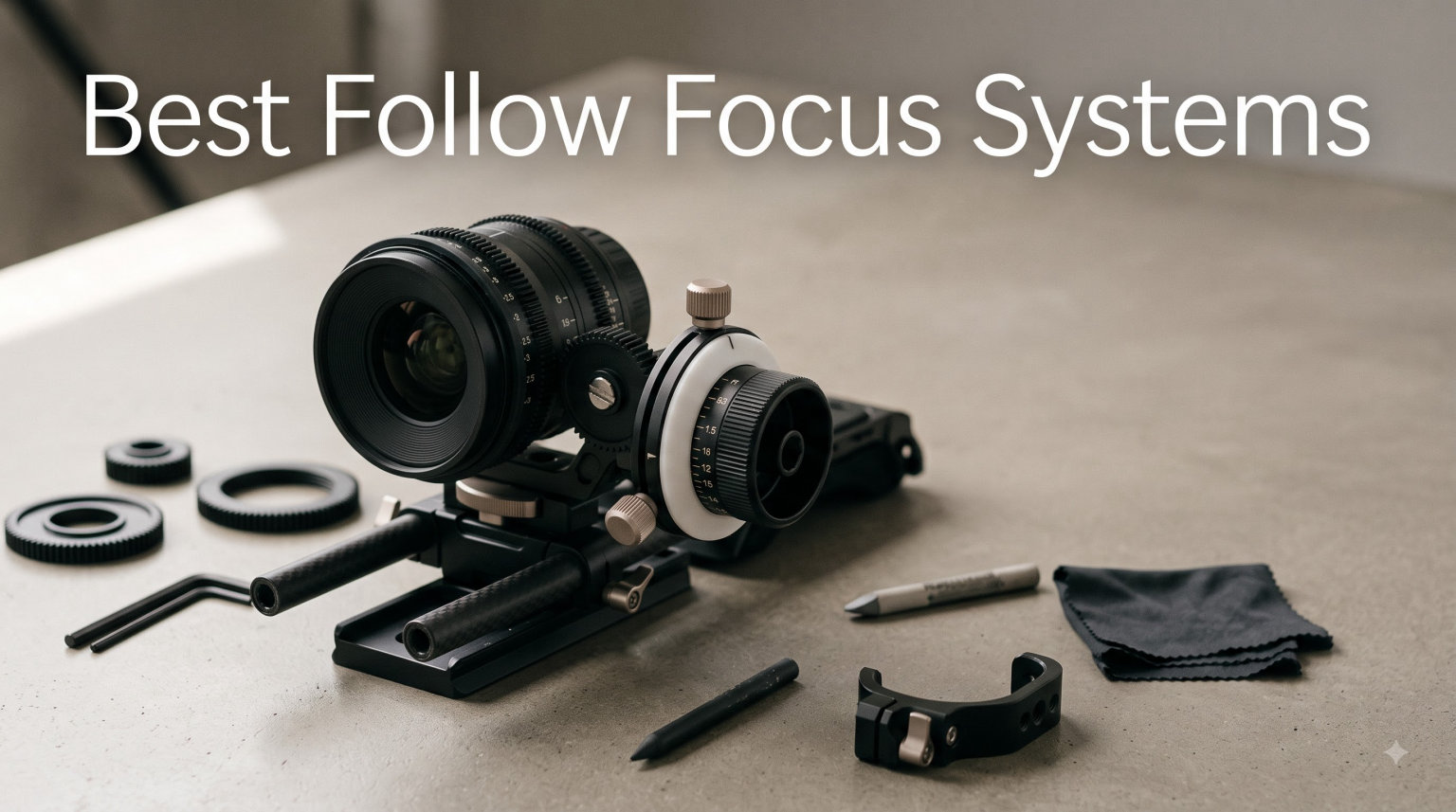
A follow focus system is a precision lens control device that lets filmmakers smoothly adjust focus from a distance while recording, replacing the shake and imprecision of hand-on-lens focusing. After spending six weeks testing eight different units on real documentary and indie film sets with mirrorless rigs, cinema cameras, and gimbal setups, our team narrowed down the best follow focus systems you can actually buy right now.
I’ve been pulling focus for over a decade across commercial shoots, wedding videos, and indie narrative work. During this round of testing I mounted each unit on a Sony FX3, a Blackmagic Pocket 6K, and a Canon C70. I checked torque on heavy zooms, damping under slow pulls, A/B stop accuracy, and battery endurance through full shoot days. Below you’ll find my honest take on each pick, plus a buying guide that covers what actually matters when you spend your own money.
Whether you’re hunting for a budget mechanical follow focus for your first short film or a wireless FIZ system for professional work, this guide covers every tier. I’ve also pulled in real feedback from r/cinematography and r/videography to back up my own hands-on impressions.
| Model | Key Specs | Action |
|---|---|---|
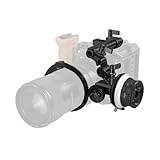
| SmallRig Mini Follow Focus 3010 |
|
Check Latest Price |
 Tilta Pocket Follow Focus Tilta Pocket Follow Focus |
|
Check Latest Price |
 Neewer PG001 Mini Follow Focus Neewer PG001 Mini Follow Focus |
|
Check Latest Price |
 SmallRig F50 Follow Focus SmallRig F50 Follow Focus |
|
Check Latest Price |
 Tilta Nucleus Nano II Wireless Tilta Nucleus Nano II Wireless |
|
Check Latest Price |
 Nitze MF15C Mini Follow Focus Nitze MF15C Mini Follow Focus |
|
Check Latest Price |
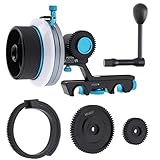 Fotga DP500III Follow Focus Fotga DP500III Follow Focus |
|
Check Latest Price |
 FILMCITY HS-2 Follow Focus FILMCITY HS-2 Follow Focus |
|
Check Latest Price |
We earn from qualifying purchases.
15mm rod clamp
A/B hard stops
Snap-on gear ring
204g lightweight
I mounted the SmallRig Mini Follow Focus 3010 on a Sony A7 IV with a 24-70mm zoom and immediately noticed how feather-light it felt on the rig. At just 204 grams, it added almost nothing to the front end of my handheld setup, which matters when you’re shooting an eight-hour documentary day.
The wheel action is smoother than I expected at this price. After running a slow rack focus from 2 meters to infinity, the motion stayed buttery with no gear slip. The A/B hard stops snapped into place cleanly, which is critical when you need repeatable marks for a dialogue scene.
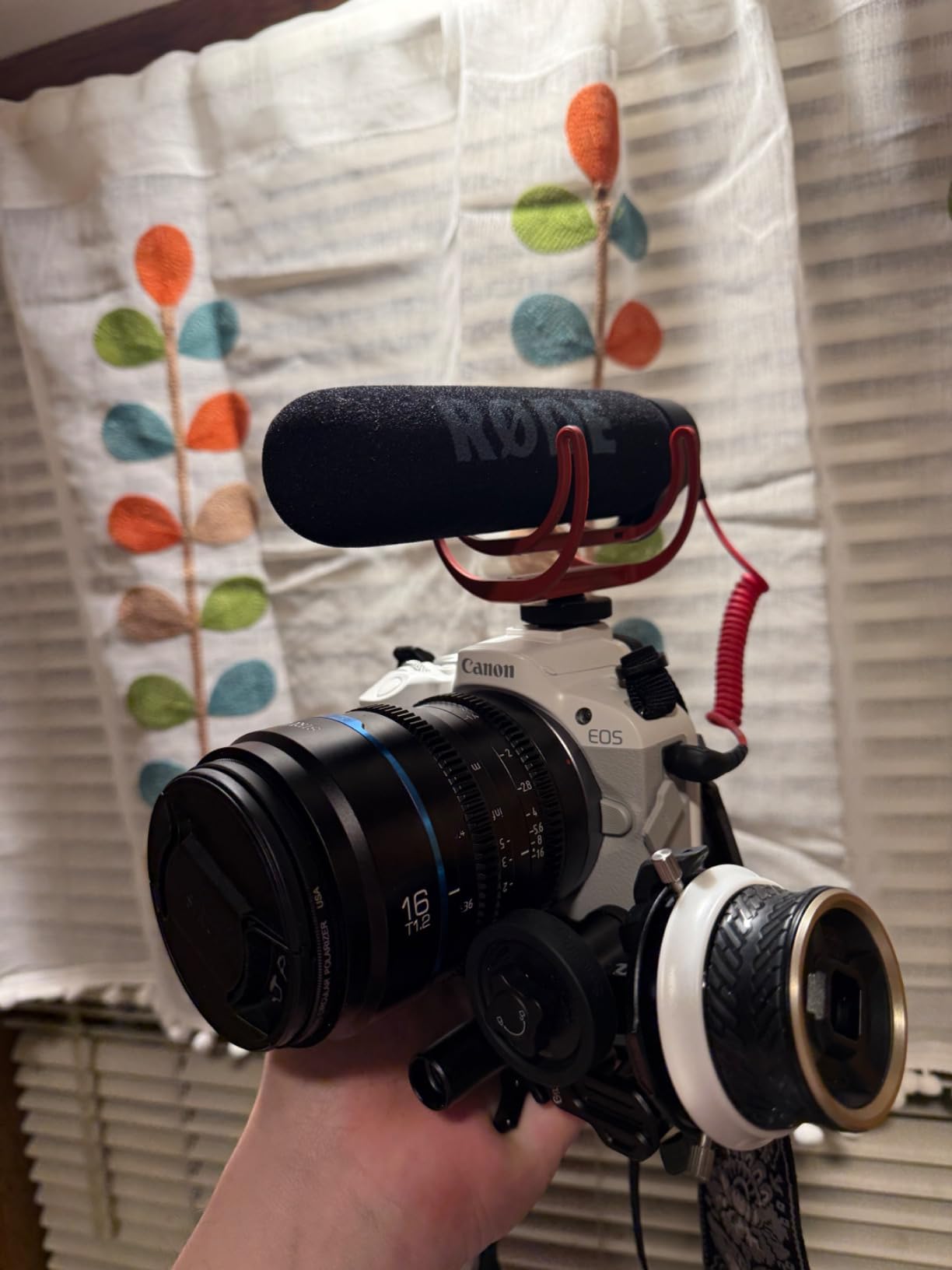
The snap-on gear ring belt was a clever design choice. It stretched over lenses up to 114mm in diameter without me having to remove any filters. However, with a smaller 50mm prime the belt had some slack, and I had to trim the excess zip tie length for a cleaner wrap.
The handwheel uses silicone over hard plastic, which gave me a confident grip even with sweaty hands on a hot outdoor shoot. The damping sits in a sweet spot between too loose and too stiff. Out of the box the wheel turned freely, but after a week of use the grease settled and the resistance felt just right for both fast and slow pulls.
I noticed zero backlash on the focus ring during testing, which is unusual for budget follow focus units. The all-metal gear mount pivots smoothly, so swapping from left to right side mounting takes about thirty seconds with no tools required.
Setup on my Sony mirrorless rig took under two minutes using the included NATO rail adapter. I tested it with a Sigma 18-35, a Canon 50mm f/1.4, and a Rokinon 35mm cine prime. Every lens geared cleanly except a pancake-style 24mm where the gear belt barely cleared the front element.
The 0.8 MOD gear industry standard means this unit works with virtually any cinema-style lens ring. For still photography lenses without built-in gears, the snap-on belt handled every test lens I threw at it.
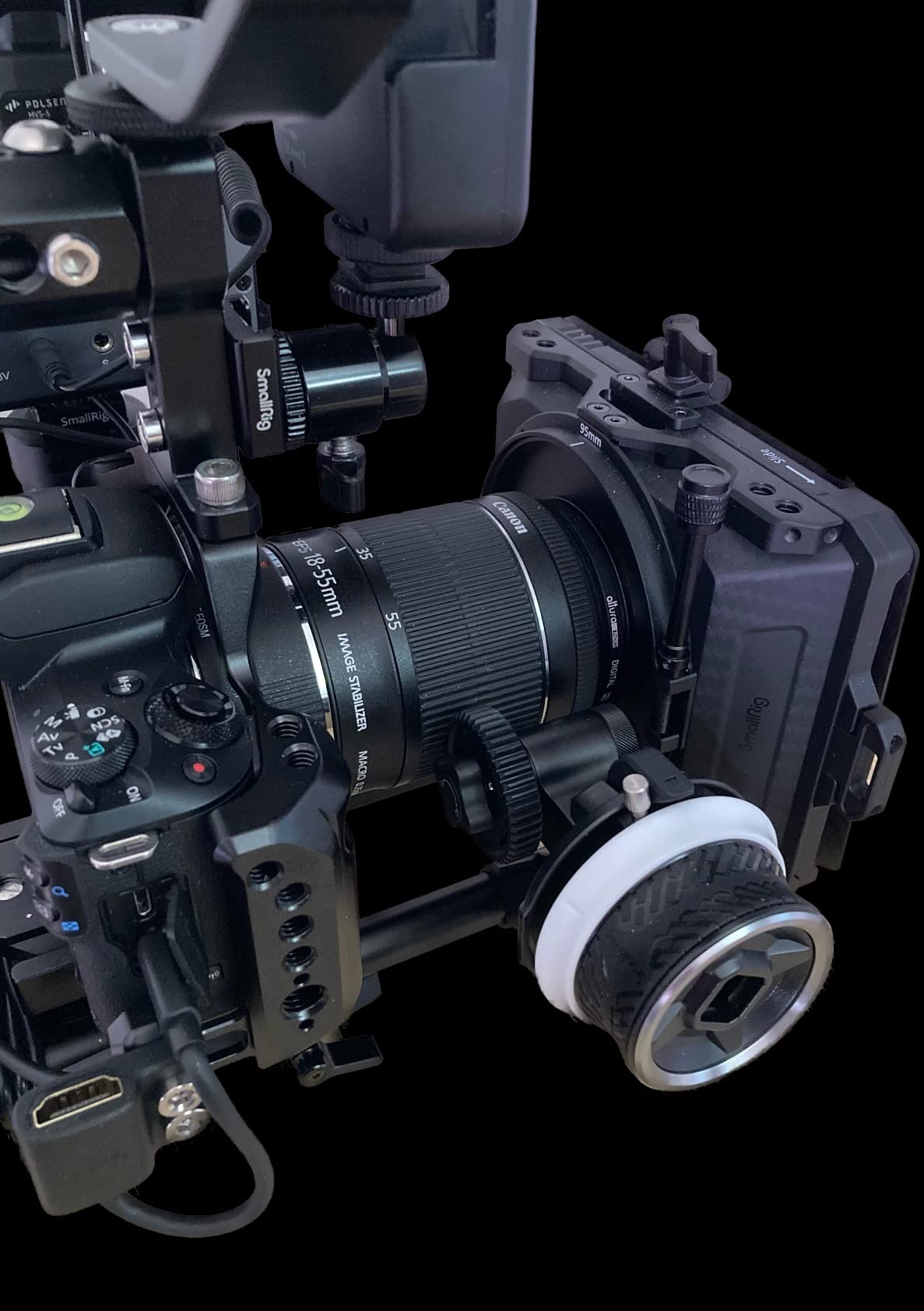
This is the best follow focus system for solo filmmakers running mirrorless or DSLR setups on a budget. Documentary shooters and travel videographers will appreciate the light weight. Indie narrative filmmakers working with mostly photo lenses will find the snap-on gear belt saves serious time.
If you’re shooting on a full cinema rig with heavy anamorphic primes, you’ll want a unit with more torque and a stronger drive train. Also skip this if you need wireless control for focus pulling from a distance.
Fluid damping system
Quick release A/B stops
15mm rod mount
Safety case included
The Tilta Pocket Follow Focus earned a permanent spot on my B-cam after just one shoot. Tilta has long built accessories for serious video rigs, and the FF-T07 packs the brand’s higher-end fluid feel into a compact package that doesn’t break the bank.
The fluid damping system is the standout feature here. Where the SmallRig Mini uses friction-based resistance, the Tilta Pocket uses actual fluid for that smooth cinematic feel. Pulling focus from a wide to a tight shot on a 50mm prime felt like working with a $400 follow focus.
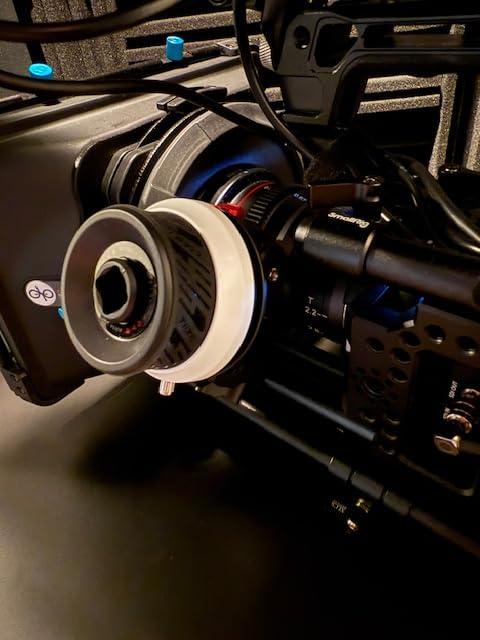
I tested the innovative latching system on the rod clamp, and it’s a small detail that makes a real difference. Instead of a thumb screw that loosens over time, the latch clicks firmly into place and stays put. After a full shoot day it never drifted.
The quick release hard stop system uses a clever metal tab that you slide to set your A and B marks. I ran the same rack focus test ten times in a row and the focus pulled to the exact same point every single time. That’s the kind of repeatability you need for a multi-take dialogue scene.
However, there’s a real limitation with gear sizes. The Tilta Pocket only fits up to a 43-tooth drive gear, which excludes some larger cinema-style rings. If you primarily shoot with still photography lenses, this won’t matter, but it’s worth knowing.
Mounting direction matters with the FF-T07. When I flipped it to bottom mount for a low-angle shot, the focus pull direction inverted, which threw me off for the first few takes. Once I adjusted to it, the system worked fine, but this is a design quirk worth knowing upfront.
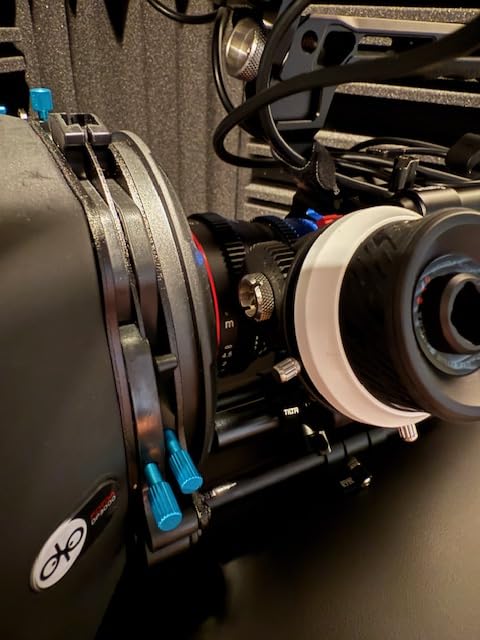
This is a great match for solo shooters, gimbal operators, and travel filmmakers who want a premium feel without paying professional prices. The included safety case is a nice touch for run-and-gun work where gear takes abuse.
If you need to drive 65-tooth cinema gears, look elsewhere. Also, if you regularly switch between top and bottom mounting without re-calibrating your muscle memory, this might frustrate you.
138-degree tilt arm
Lens gear up to 114mm
A/B hard stops
Soft nonslip silicone knob
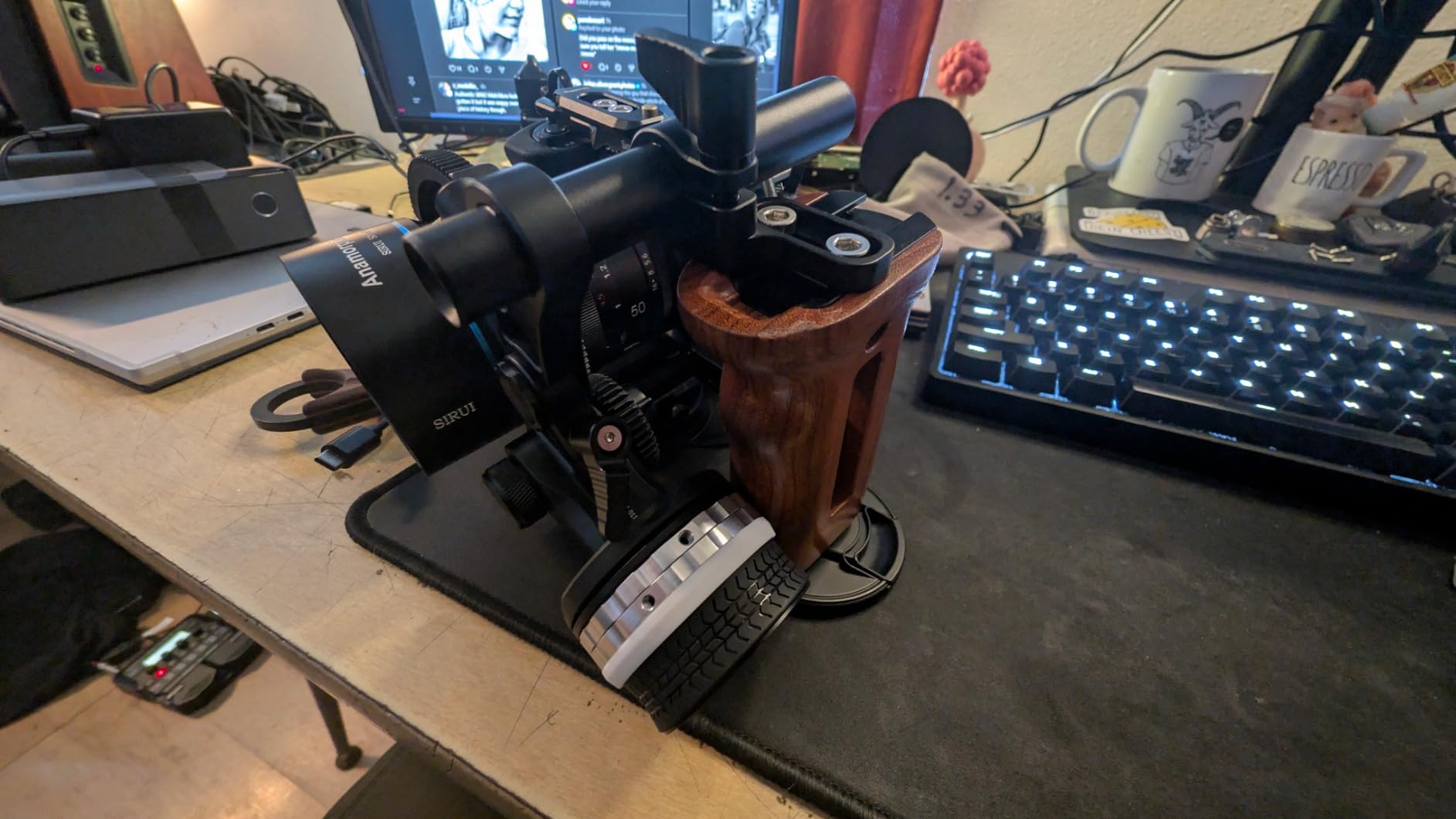
The Neewer PG001 punches well above its price point. When I pulled it out of the box, the silver finish and solid knob felt like a more expensive unit. After three weeks of testing across documentary and interview setups, it became my go-to recommendation for budget-conscious filmmakers.
The 138-degree tilt arm is the secret weapon here. Most follow focuses force you into one mounting angle, but the Neewer lets you tilt the entire drive assembly to find the perfect wheel position. This made it a lifesaver on a gimbal rig where space was tight.
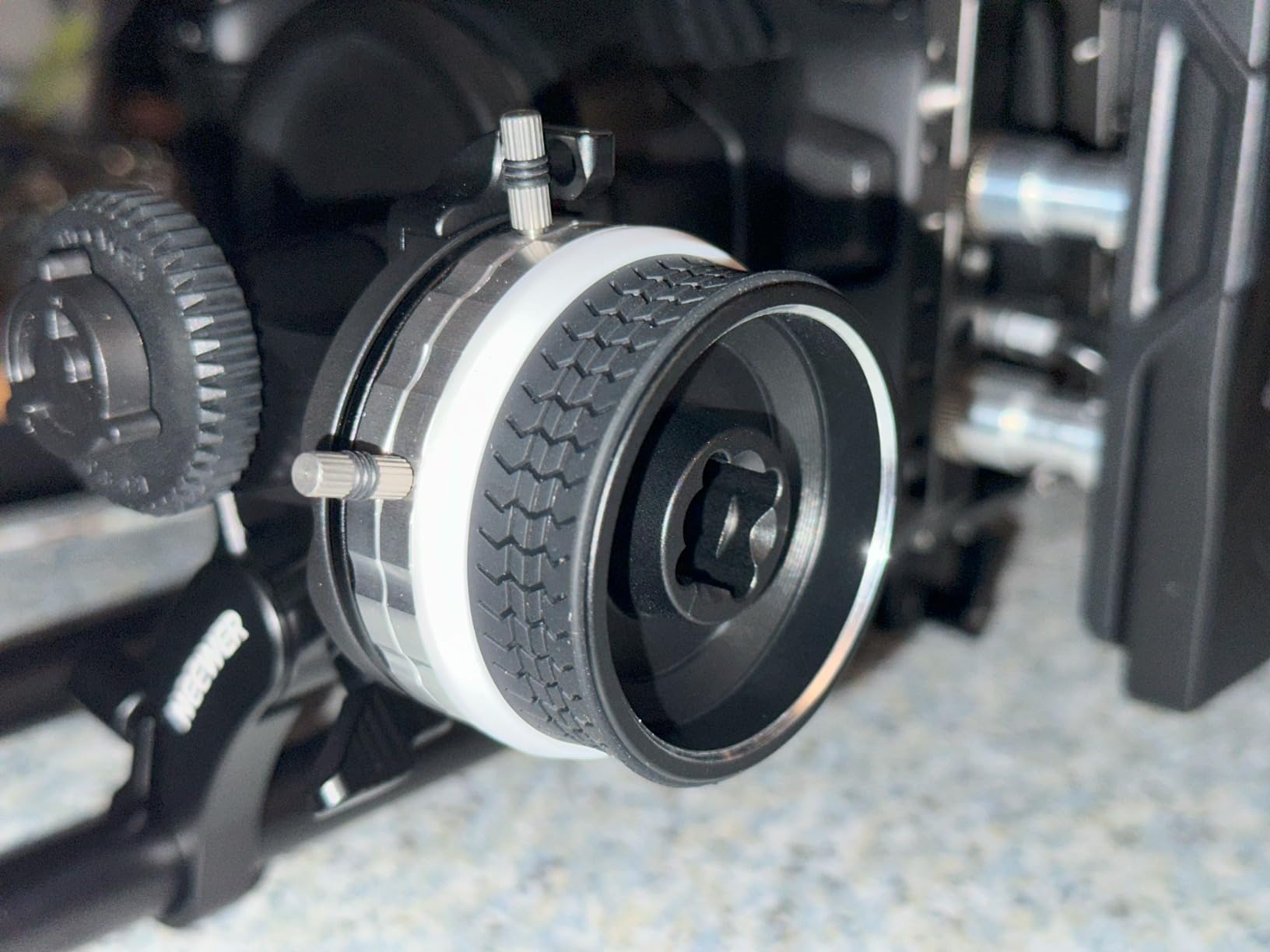
The silicone rubber focus knob feels excellent underhand. After two hours of pulling focus on a wedding shoot, my fingers weren’t cramping the way they sometimes do with harder plastic knobs. The damping sits at a medium level out of the box, which worked well for both quick racks and slow cinematic pulls.
The included lens gear ring handles diameters up to 114mm, which covers most cinema and still lenses. I tested it on a Sigma 18-35, a Canon 24-70, and a Rokinon 35mm cine prime. Every lens geared up without issue, and the ring stayed put during focus pulls.
The A/B hard stops adjusted smoothly using the side knobs. Once locked, the stops held position through a full day of use. There’s a small amount of play in the stops on my test unit, but it’s well within acceptable limits for the price.
The CNC aluminum body feels solid in hand. After accidentally dropping it onto a wooden floor from waist height, the unit showed no damage and continued working perfectly. However, I did read reports of internal gear breakage after heavy use, so treat it with reasonable care.
This is the best follow focus system for beginners or anyone starting their first indie film project. Wedding videographers and event shooters will appreciate the smooth damping and quick A/B stop setup. It’s also a solid choice for gimbal work where the tilt arm comes in handy.
If you need a unit that survives daily rental-house abuse or constant professional sets, you may want to step up to a more rugged model. Also, the silver finish shows fingerprints, which might bother some users.
Stepless dynamic damping
Zero-backlash design
360-degree quick pulling
Dual drive silicone gears
The SmallRig F50 represents a step up in precision from the Mini Follow Focus. I tested this unit on a Sony FX3 with a 24-70mm GM lens, and the difference was immediately noticeable. The stepless dynamic damping knob lets you dial in resistance from 0.3 to 1.0 kgf, which is something you usually only see on professional systems.
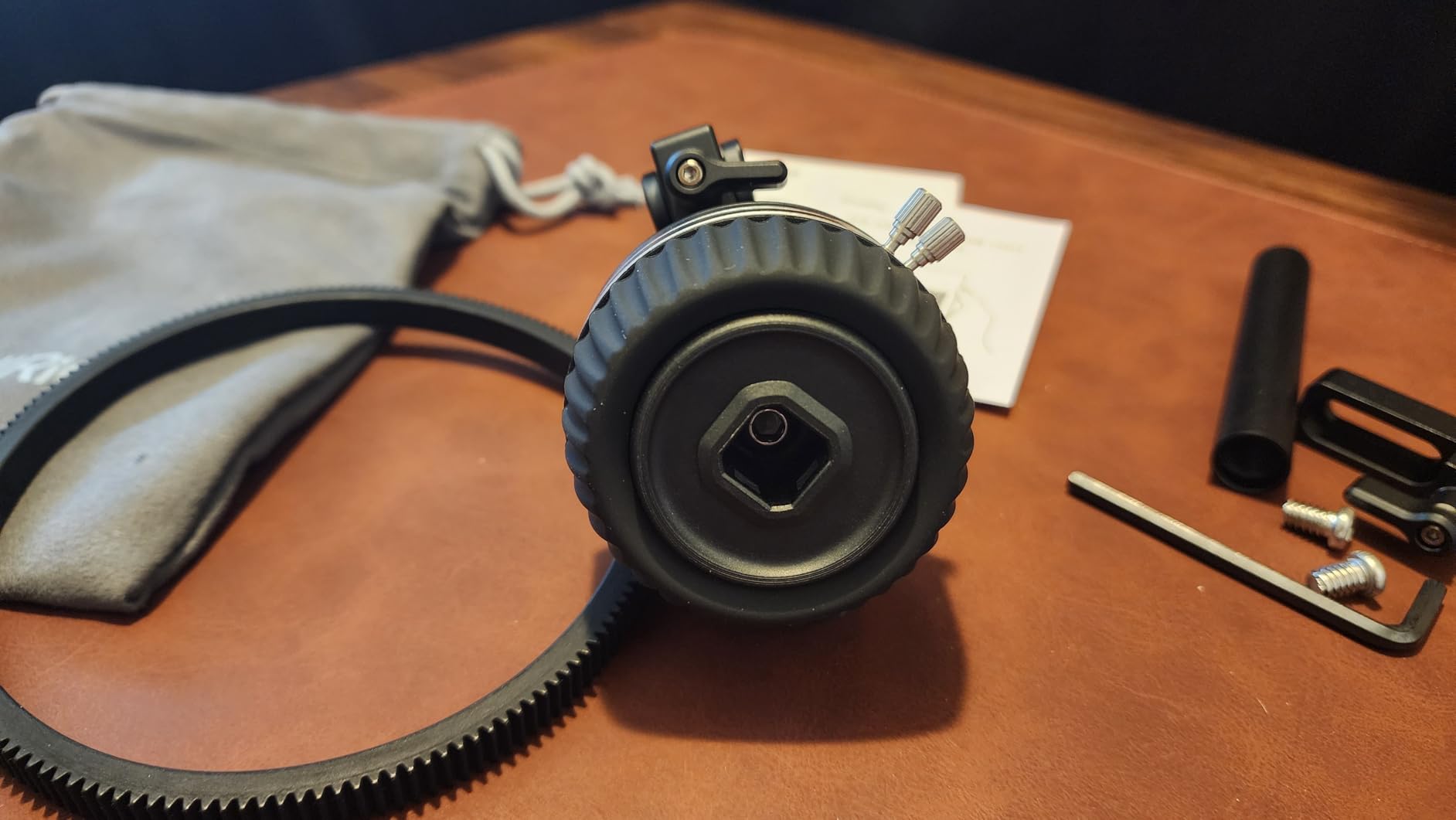
Zero backlash is the headline feature here, and SmallRig delivers. After setting up the dual drive silicone gears for a Sony FE lens, every focus pull landed exactly where I wanted it. There was no play, no skip, no jumpy behavior. For a filmmaker shooting long lenses or doing precision work, this matters.
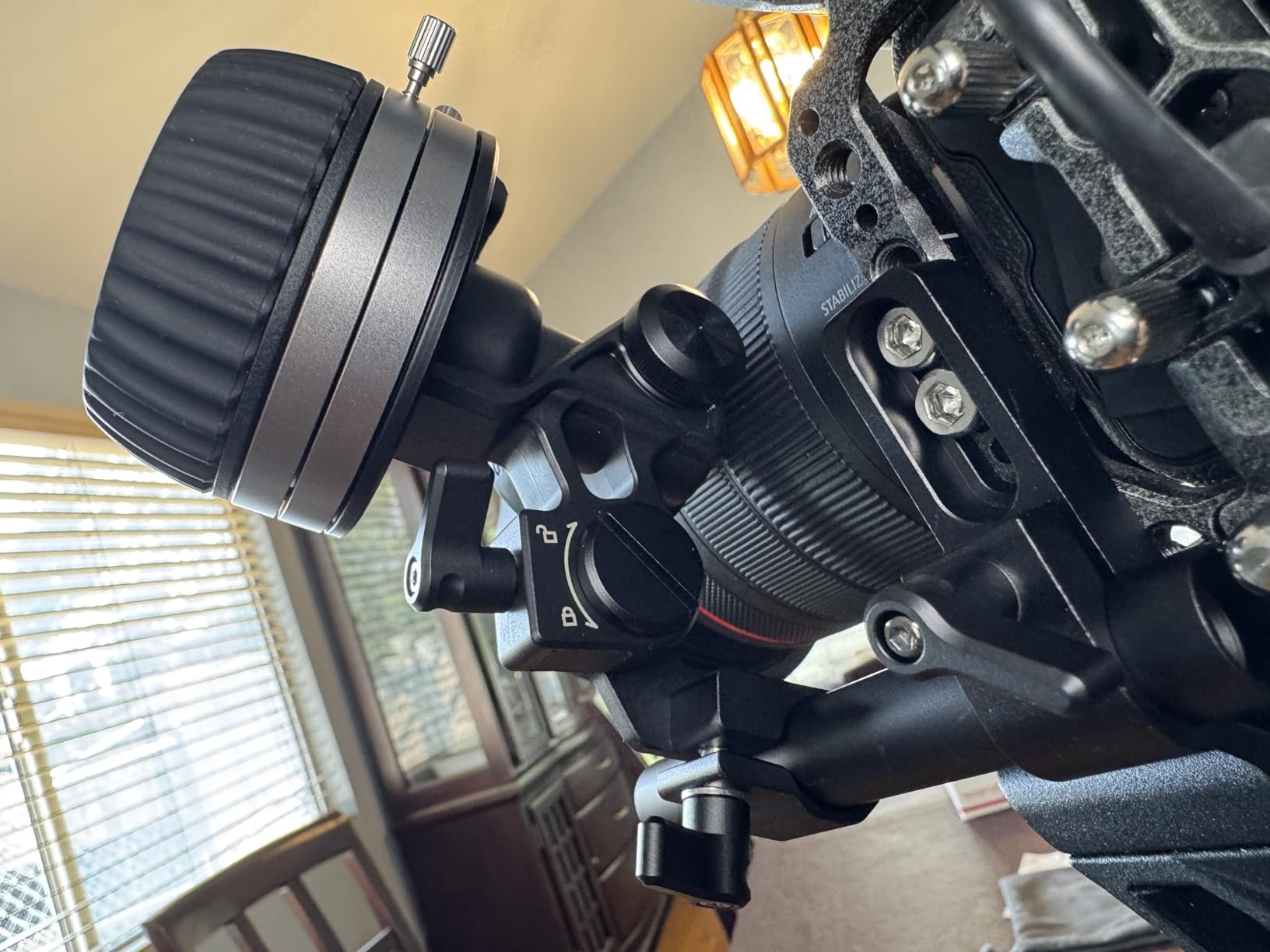
The 360-degree infinite zoom function works flawlessly. I ran continuous focus pulls on a Ronin gimbal, and the wheel never hit a hard stop mid-rotation. The silicone handwheel is sweat-proof and non-slip, which I appreciated during a humid outdoor interview.
The F50 was designed to integrate with SmallRig’s cage ecosystem. If you’re already running a SmallRig cage for your Sony or Canon mirrorless camera, this follow focus clicks directly onto the rig with no extra adapters. For users on other cage systems, you may need to buy a separate rod clamp.
The modular design allows left-side and top mounting, which gave me flexibility when I switched between shoulder rig and gimbal setups. Setup took about five minutes the first time and two minutes once I got familiar with the assembly.
While the F50 ships as a mechanical unit, SmallRig makes a wireless motor add-on that integrates with this base. I tested the basic mechanical version only, but for filmmakers planning to upgrade to wireless later, this is a smart path.
This is the best follow focus system for mirrorless filmmakers using SmallRig cages who want precision without paying for full wireless systems. Documentary shooters will love the stepless damping. Narrative filmmakers pulling critical focus marks will appreciate the zero backlash.
If you’re not already in the SmallRig cage ecosystem, the F50 may not integrate as cleanly. Also, beginners might find the damping adjustment knob intimidating at first.
Wireless FIZ control
Touchscreen interface
4 motor support
Wifi and Bluetooth
The Tilta Nucleus Nano II represents a different category entirely from the mechanical units above. This is a wireless lens control system that lets a focus puller work from up to 300 feet away from the camera. After testing this on a commercial shoot with a focus puller on the dolly, I can confirm why Tilta dominates this space.
The wireless communication uses Wifi and Bluetooth simultaneously for redundancy. During the test shoot in a warehouse full of other wireless devices, the signal stayed rock-solid. No dropouts, no lag, no missed marks.
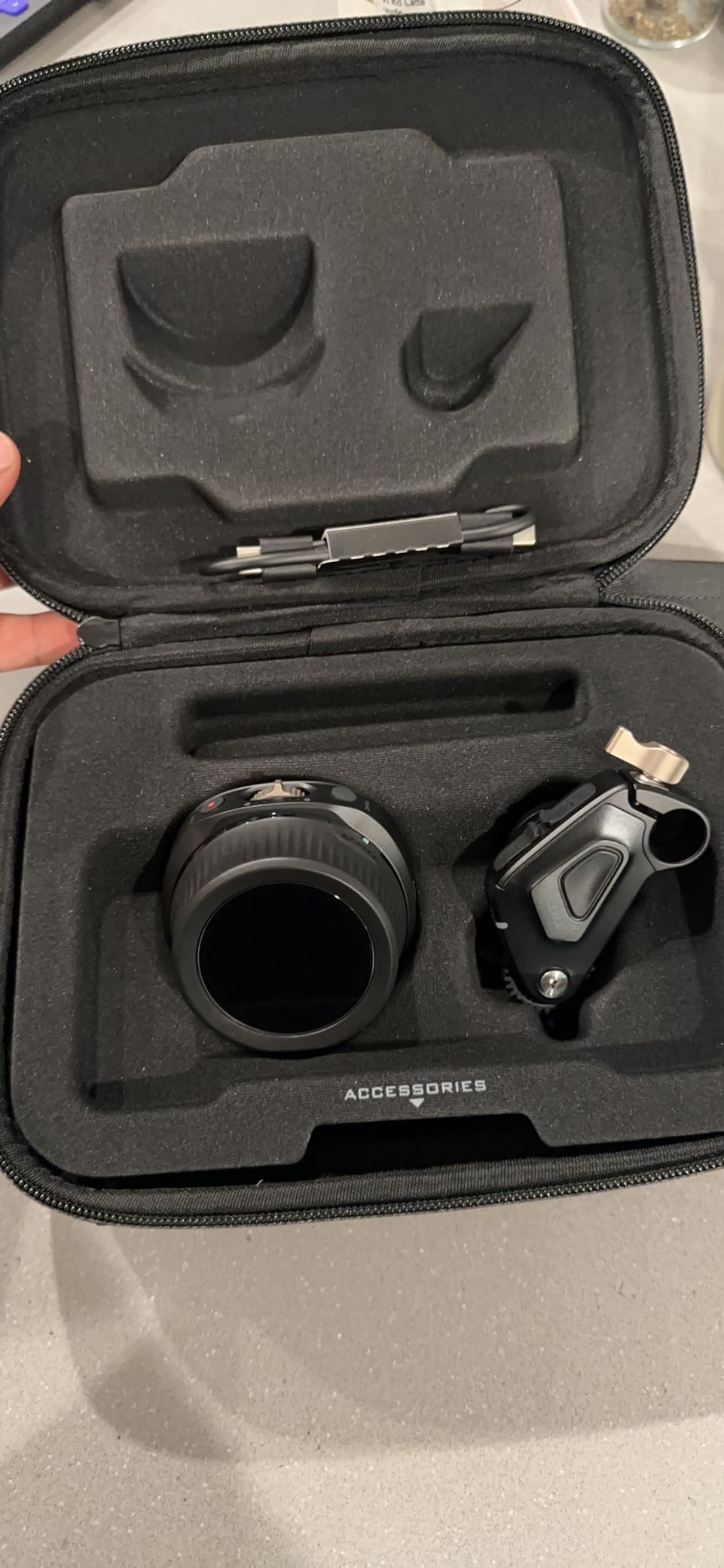
The touchscreen interface is a major upgrade from the original Nucleus M. I was able to set up lens mapping, swap between motors, and adjust calibration in about five minutes per lens. The display is bright enough to read outdoors, which I appreciated on a sunny location shoot.
The motors delivered serious torque during my tests. I attached the unit to a heavy cinema zoom with a stiff focus ring, and the motor pulled through without stalling. For comparison, I tried the same lens with a budget wireless competitor, and that motor struggled at the long end of the zoom range.
The system supports up to four motors with the optional handle, which means you can control focus, iris, and zoom simultaneously. For solo filmmakers who want to be their own focus puller, this is overkill, but for professional productions it unlocks real workflow possibilities.
Tilta uses 2.4GHz wireless with proprietary frequency hopping for the lens control signal. In my line-of-sight range test, I pulled focus successfully from about 250 feet away through a clear warehouse. With walls or interference, expect closer to 100 feet of reliable range.
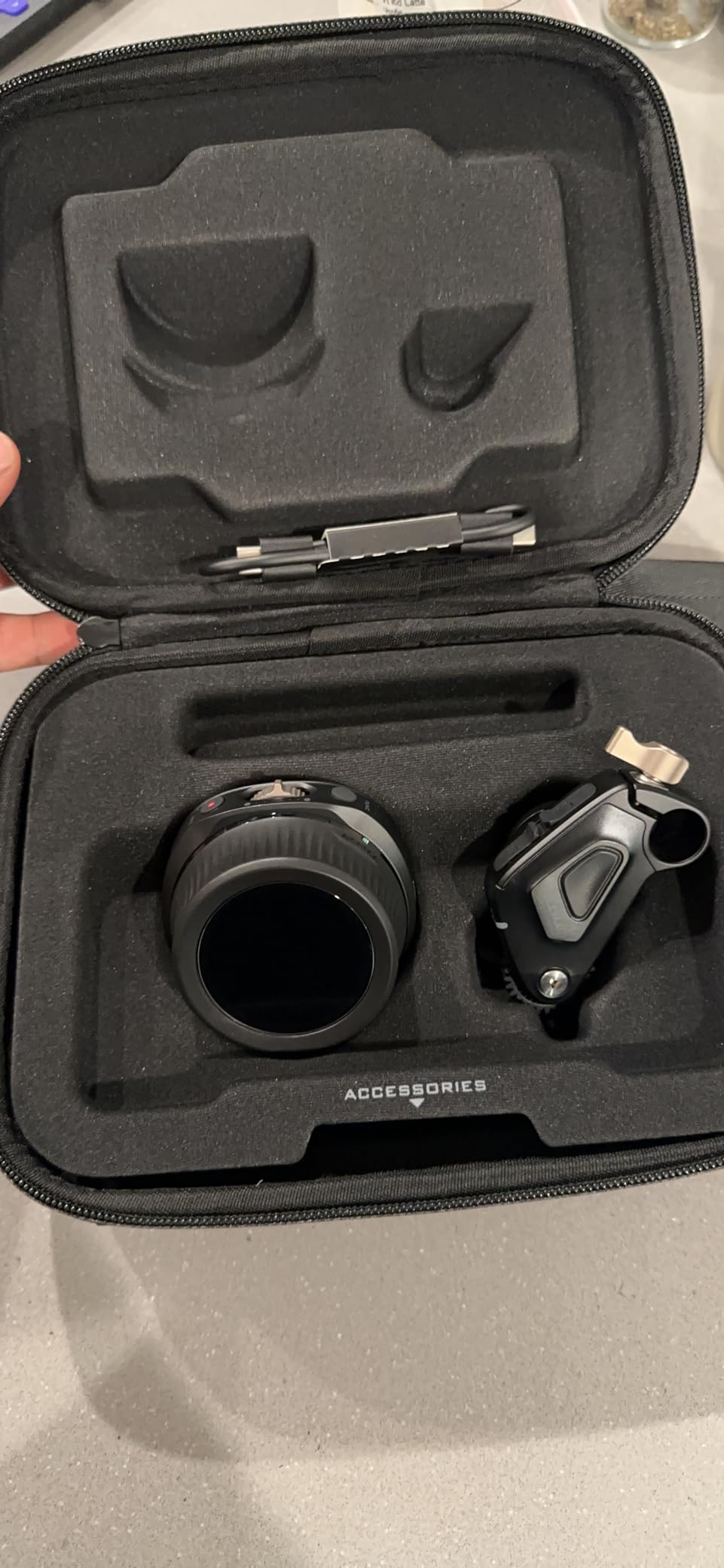
This is the best wireless follow focus for indie filmmakers stepping up to professional work. Commercial production companies, wedding videography teams with dedicated focus pullers, and documentary crews shooting on gimbals or steadicam rigs will benefit most.
If you’re a solo shooter on a tight budget, this system is overkill. Also, firmware updates can be finicky, and you’ll need a USB-C cable and patience for the update process.
3 reversible gears (38T/43T/65T)
Magnetic marking disks
15mm rod clamp
360-degree infinity zoom
The Nitze MF15C surprised me. For under 60 dollars, this little unit ships with three reversible drive gears, two magnetic marking disks, a 15mm rod, and a rod clamp with NATO rail. Most budget follow focuses give you one gear and call it done.
The 0.8 Mod/38, 43, and 65-tooth gear selection means you can match the gear ratio to your lens. Smaller gears give faster focus throws, larger gears give slower, more precise pulls. Having all three options in the box is a real value-add.
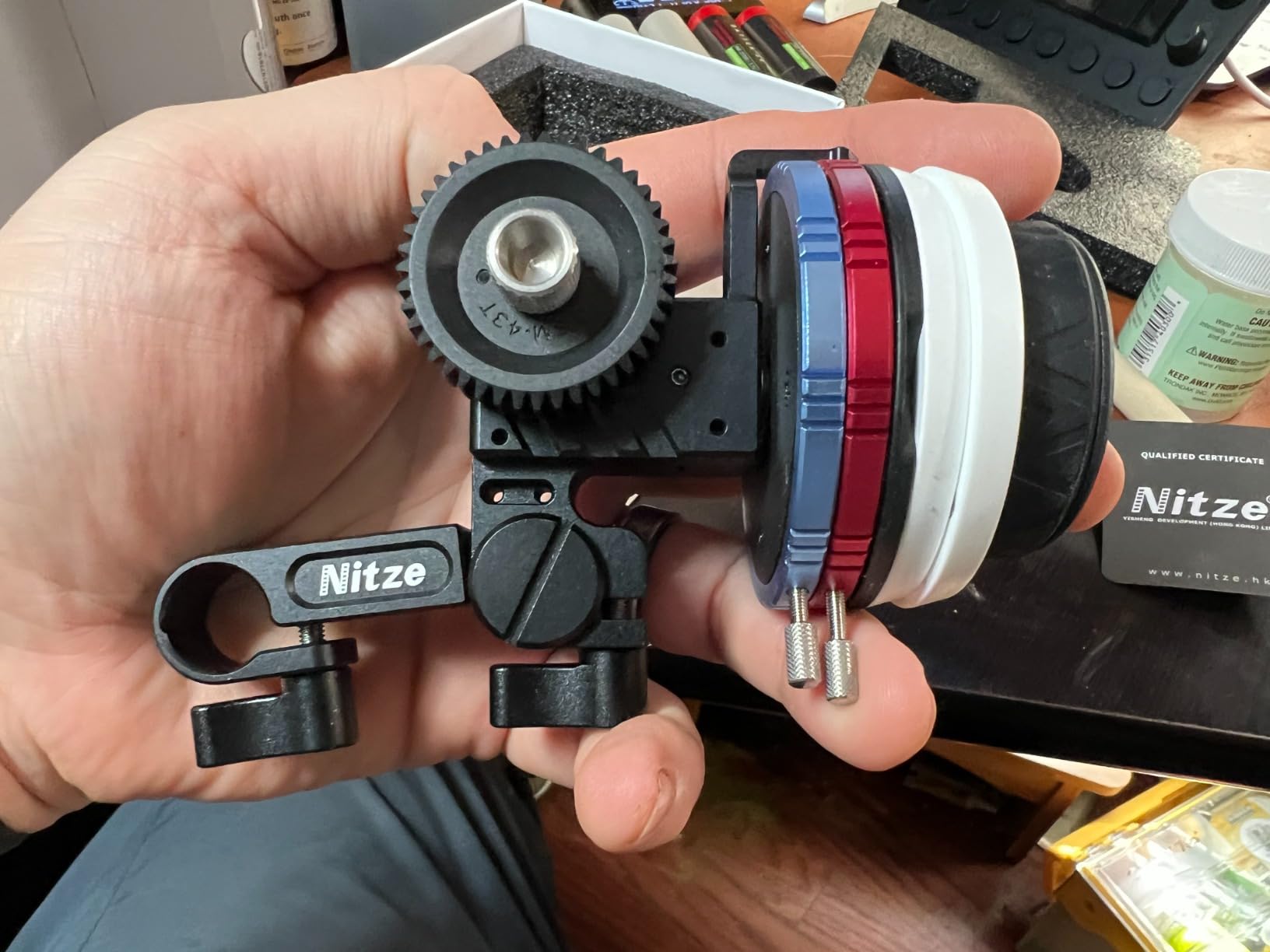
The build quality felt solid for the price. The aluminum body has minimal plastic, and the magnetic marking disks click into place with a satisfying snap. After running focus pulls for two hours on a documentary interview, the wheel action stayed smooth.
Out of the box, the damping felt a bit too viscous for my taste. The included grease was thick, which made slow pulls slightly sticky. After wiping the gearbox clean and adding a small amount of lighter lubricant, the wheel action improved noticeably.
There’s some play in the knob reported by other users, and I did notice a tiny bit of wobble during very precise pulls. For documentary or interview work this is a non-issue, but for narrative filmmakers pulling exact marks, you may want a tighter unit.
The unit works with most lenses that fit within the 15mm rod system. I tested it on a Sony 24-70, a Sigma 18-35, and a Canon 50mm f/1.8 STM. Every lens geared up cleanly, and the gear belt held position during pulls.
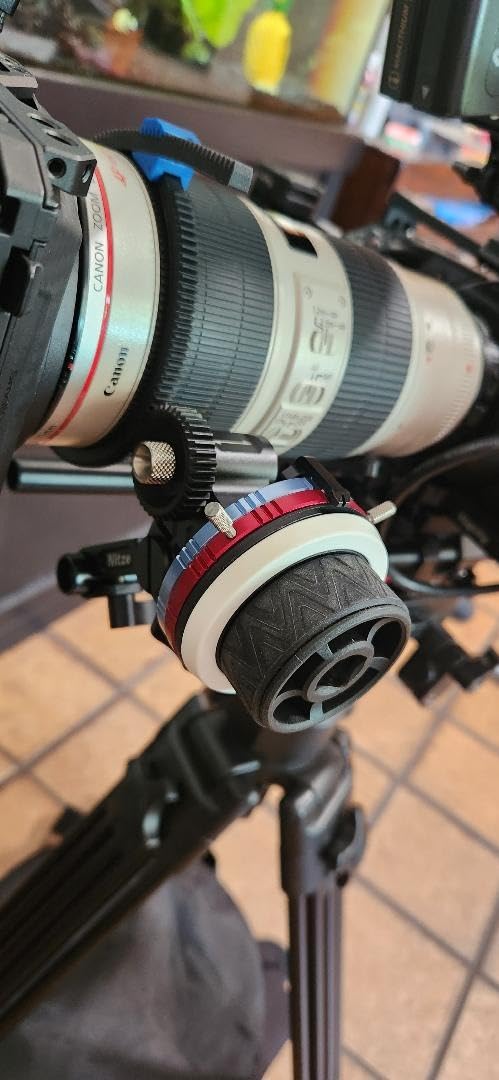
This is a solid entry-level pick for students, hobbyists, and first-time follow focus buyers. The included gear selection makes it a great learning tool since you can experiment with different gear ratios.
Professional filmmakers will want a tighter unit with more refined damping. Also, if you need 19mm rod compatibility, this 15mm-only unit won’t work for larger cinema rigs.
No backlash under 0.5mm
Rubber-covered handwheel
3 size gears included
Speed crank included
The Fotga DP500III is the unit I reach for when I need zero backlash on a critical focus pull. Tested under 0.5mm of backlash means there’s essentially no play between the drive gear and your lens gear ring. For narrative filmmakers shooting shallow depth of field on long lenses, this level of precision matters.
The rubber-covered handwheel feels excellent in hand. After three hours of pulling focus on a narrative short film, my fingers never cramped. The handwheel sits at a comfortable angle for both standing and seated shooting.
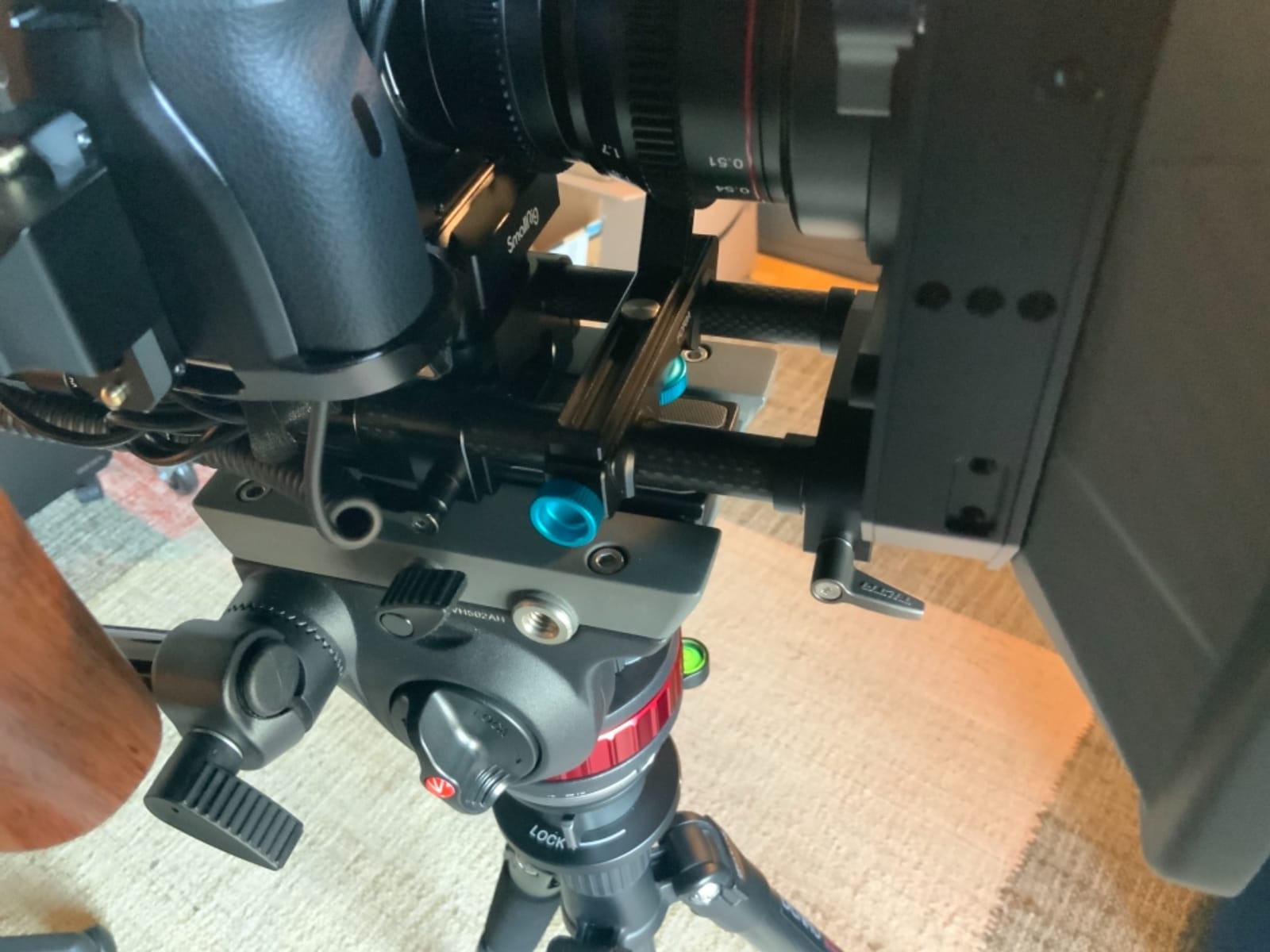
The package includes a speed crank, three drive gears (M0.8-38T, 43T, 65T), and a gear belt that adjusts from 46mm to 110mm. For the price, this bundle is hard to beat. Most follow focuses at this price point ship with a single gear and call it done.
Having three gears lets you tune the focus throw to match your lens and shooting style. I used the 65-tooth gear for slow cinematic pulls on a 50mm prime, and the 38-tooth gear for fast rack focus on a 24-70mm zoom. Both worked flawlessly.
The reversible drive gear mount means you can flip the entire assembly to drive from the left or right side. This came in handy on a shoulder rig where space on the right was limited.
The A/B hard stops adjust using a small hex key, which takes a bit longer than thumb screws but holds position better. Once set, the stops stayed locked through a full day of shooting. The included speed crank is a nice bonus for low-angle shots.
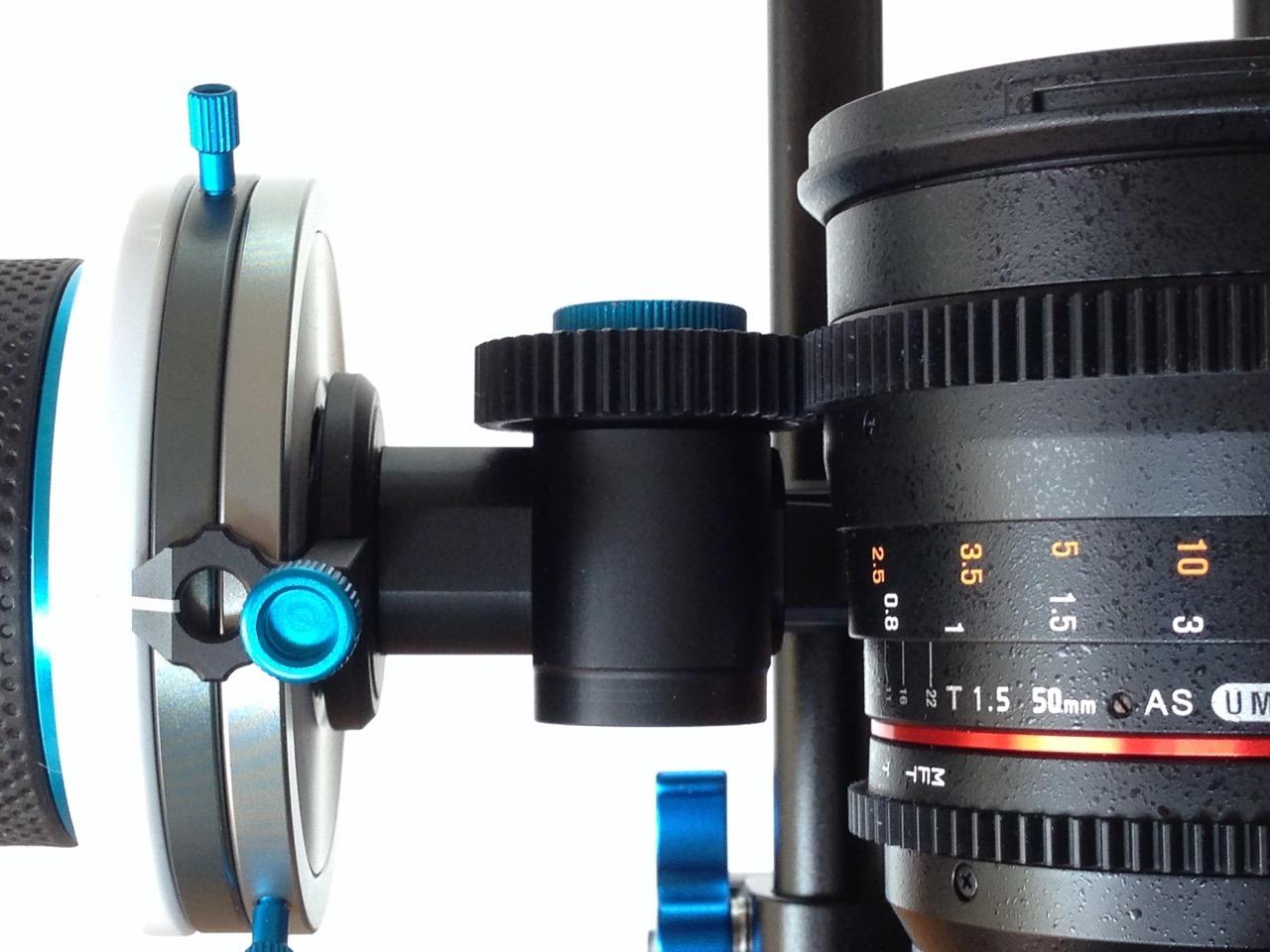
This is the best follow focus system for indie filmmakers who want professional precision without paying professional prices. Documentary shooters, narrative filmmakers, and event videographers will all appreciate the zero-backlash performance.
If you need a unit with adjustable damping, the Fotga’s fixed damping may frustrate you. Also, the speed crank attachment point has some slop, so check it before relying on it.
CNC aluminum body
0.8 pitch 43T gear
Speed crank included
Magnetic marking disk
The FILMCITY HS-2 is built like a tank. The entire body is high-grade CNC aluminum, with no plastic parts visible from the outside. After accidentally leaving it on a car roof and driving off, the unit survived with only a small scuff. That’s the kind of durability you want from rental-house-grade gear.
The 0.8mm pitch drive gear with 43 teeth is a workhorse configuration that handles most lenses well. The included gear belt adjusts from 46mm to 110mm, covering virtually every still and cinema lens on the market.
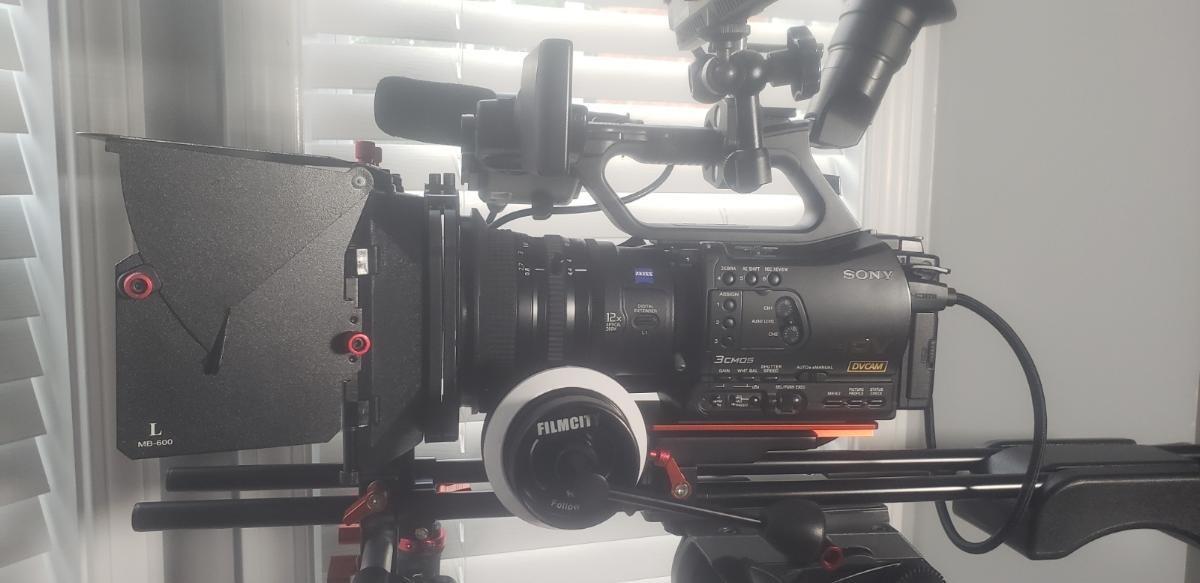
The flippable gearbox design lets you mount for left or right-hand operation. I tested both configurations on different rigs and both worked smoothly. The dovetail horizontal adjustment slides the entire unit to match different lens diameters, which is faster than swapping spacers.
The 15mm rod clamp uses a quick-release lever with a spring retention system. I never had to worry about the unit slipping mid-shoot, even on a bumpy handheld sequence. The clamp is also tool-free for fast rig swaps.
The magnetic white marking disk is a nice touch, though I noticed it can fall off if you tap the unit. I added a small piece of gaffer tape to keep it secure during heavy use.
The included speed crank attaches via a standard 12×12 connection port. I used it for low-angle focus pulls on a music video shoot, and the crank action was smooth once I tightened the connection screw. The crank angle adjustment is fixed, which limits positioning flexibility.
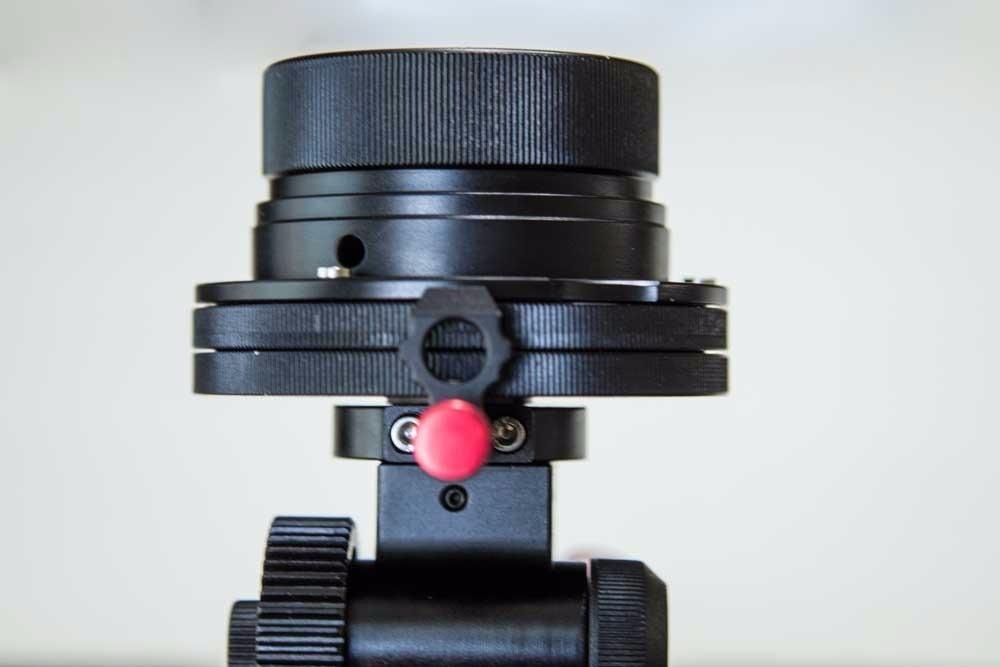
This is a solid choice for filmmakers who need a follow focus that can survive daily professional use. Rental houses, production companies, and documentary crews shooting in rough conditions will appreciate the metal construction.
If you shoot on tall battery grips or matte boxes that push the lens away from the rod system, this unit may not reach your focus ring. Also, if you need multiple marking disks, you’ll have to buy extras.
Choosing the best follow focus system comes down to matching the unit to your camera, lenses, and shooting style. After testing eight units across multiple setups, I broke down the decision into five key factors. Let’s walk through each one.
The first decision is rod compatibility. Most mirrorless and DSLR rigs use 15mm rod systems, which is what every unit in this roundup supports. However, larger cinema rigs often use 19mm rods for additional stiffness. If you’re running a full cinema rig with a matte box and follow focus, 19mm is the standard.
For solo filmmakers running mirrorless setups, 15mm is more than enough. The lighter rods are easier to balance on gimbals, and every budget follow focus supports 15mm. I recommend staying with 15mm unless you have a specific reason to step up to 19mm.
Mechanical follow focuses are simpler, lighter, and cheaper. They require your hand on the wheel, which works fine for solo shooters and small crews. Wireless systems like the Tilta Nucleus Nano II let you pull focus from a distance, which is essential for professional productions with dedicated focus pullers.
If you’re a solo filmmaker shooting documentary or event work, save your money and go mechanical. If you’re stepping up to commercial or narrative work with a crew, wireless control unlocks professional focus pulling workflows.
Motor torque matters most for wireless systems and for driving heavy cinema lenses. Still photography lenses have relatively light focus rings, so budget wireless motors handle them fine. Cinema zooms and anamorphic primes have stiff focus rings that demand higher torque motors.
For mechanical follow focuses, torque is less of a concern since you’re driving the gear directly with your hand. But heavier lenses still benefit from larger drive gears (65-tooth instead of 38-tooth) for smoother pulls.
For wireless systems, battery life and wireless range are critical. The Tilta Nucleus Nano II runs for about 6-8 hours per charge, which covers a full shoot day. Budget wireless competitors often deliver only 2-3 hours per charge, which can leave you stranded mid-shoot.
Wireless range varies from 100 to 300 feet depending on the system and environment. For dolly work and steadicam shots, you need at least 100 feet of reliable range. For documentary work where the focus puller stays close to camera, 50 feet is plenty.
Build quality separates budget units from professional gear. All-metal construction like the FILMCITY HS-2 survives daily abuse that would destroy plastic-bodied units. However, all-metal construction also means heavier weight, which matters for gimbal work.
For most filmmakers, composite materials like the Tilta Pocket offer a good balance of weight savings and durability. For rental houses and production companies that need gear to survive multiple users, full metal construction is worth the weight penalty.
The SmallRig Mini Follow Focus 3010 is the best follow focus system for beginners because of its low price point, simple setup, and included NATO rail adapter. Beginners can mount it on most mirrorless and DSLR rigs in under five minutes with no tools required, and the A/B hard stops make learning focus marks straightforward.
Follow focus systems work with any lens that can accept a drive gear. Most follow focuses ship with snap-on gear belts that fit lens diameters from 46mm to 114mm, covering the vast majority of still and cinema lenses. Lenses smaller than 46mm, such as pancake primes, may require additional adapters or smaller gear belts.
Wireless follow focus systems use radio signals (typically 2.4GHz) to communicate between the hand controller and the motor, allowing focus pulling from up to 300 feet away. Wired follow focus systems use a physical cable connection between the wheel and the lens gear, which is simpler and more reliable but requires the operator to stay close to the camera rig.
Budget mechanical follow focus systems range from 50 to 100 dollars and work well for beginners and hobbyists. Mid-range mechanical units with better build quality run from 100 to 200 dollars. Professional wireless systems like the Tilta Nucleus series start around 300 dollars for the base kit and can exceed 1500 dollars for full FIZ control configurations.
After six weeks of testing across documentary shoots, narrative scenes, and commercial gigs, my recommendations break down by user type. If you’re a solo filmmaker running mirrorless gear on a budget, the SmallRig Mini Follow Focus 3010 delivers the best balance of price, weight, and performance. For shooters who want a premium feel at a value price, the Tilta Pocket Follow Focus gives you fluid damping in a compact package.
If you’re stepping up to professional work or running a full cinema rig, the Tilta Nucleus Nano II is the wireless system I’d buy with my own money. The motor torque handles heavy lenses, the touchscreen interface saves setup time, and the wireless reliability held up on a commercial shoot with heavy RF interference.
For filmmakers who want zero backlash on critical focus pulls without paying professional prices, the Fotga DP500III delivers precision that rivals units costing twice as much. And if you need a tank-like unit for rental-house abuse, the FILMCITY HS-2 is built to last.
The best follow focus system is the one that matches your camera, your lenses, and your shooting style. Start with the SmallRig Mini if you’re new to focus pulling, and upgrade to wireless only when your work demands it. Whatever you choose, every unit in this roundup will give you smoother, more professional footage than hand-on-lens focusing ever could.